Key Takeaways
Option A
Gap Insurance
The standalone protection that closes the full financial gap.
Best for: Buyers who financed a new vehicle with little or no down payment and want comprehensive negative equity protection without a payout ceiling.
Option B
Loan/Lease Payoff Coverage
The bundled add-on that covers part of the gap — with limits.
Best for: Drivers whose outstanding loan balance is only moderately above their vehicle's actual cash value and who want a simple built-in add-on from their existing auto insurer.
If you put less than 10% down on a new vehicle with a 72- or 84-month loan
Gap Insurance
Long loan terms and minimal down payments create deep negative equity in year one. A 25% cap on loan/lease payoff coverage won't be enough to close that gap after depreciation hits.
If you're leasing a new vehicle and your residual is close to market value
Gap Insurance
Most lease agreements require gap protection, and true gap insurance covers the full difference between the lease payoff and the insurer's actual cash value settlement, without a percentage ceiling.
If you financed a used car with at least 20% down and a short loan term
Loan/Lease Payoff Coverage
Your negative equity exposure is limited. A capped endorsement from your existing insurer is cheaper and sufficient given your lower loan-to-value ratio.
If you want the lowest possible monthly premium and your loan balance is only slightly above ACV
Loan/Lease Payoff Coverage
Loan/lease payoff endorsements cost significantly less per year than standalone gap policies and will cover the modest difference if you total the vehicle.
If you bought gap coverage at the dealership F&I office
Gap Insurance
You almost certainly overpaid — consider canceling the dealer product and purchasing standalone gap insurance from a direct insurer or your auto lender at a fraction of the cost.
Why These Two Products Get Confused — and Why That Confusion Is Expensive
Walk into a dealership finance office and ask about gap insurance. The finance manager may slide a menu across the desk listing "Loan/Lease Payoff Coverage" and describe it as exactly the same thing. Walk into your insurance agent's office and ask the same question, and you might hear the reverse. The terminology is used interchangeably in marketing materials, on insurance company websites, and — critically — in the finance contracts you sign under time pressure.
They are not the same thing. The differences are structural, not cosmetic, and they directly determine how much money you receive if your car is declared a total loss while you're still underwater on your loan.
Understanding what you're agreeing to in the F&I contract is the first line of defense. But even before you sit down at that desk, you need to understand the distinction between these two products so you can evaluate what's actually on offer.

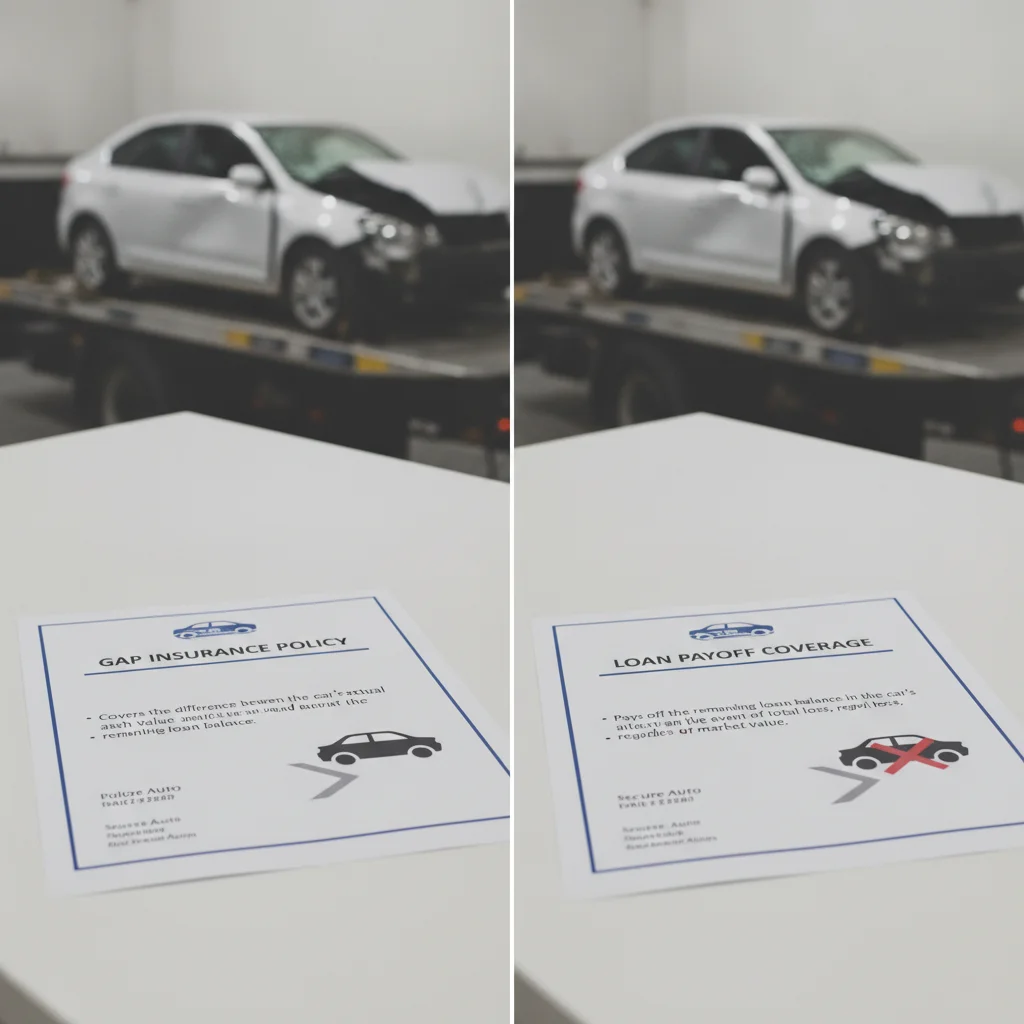
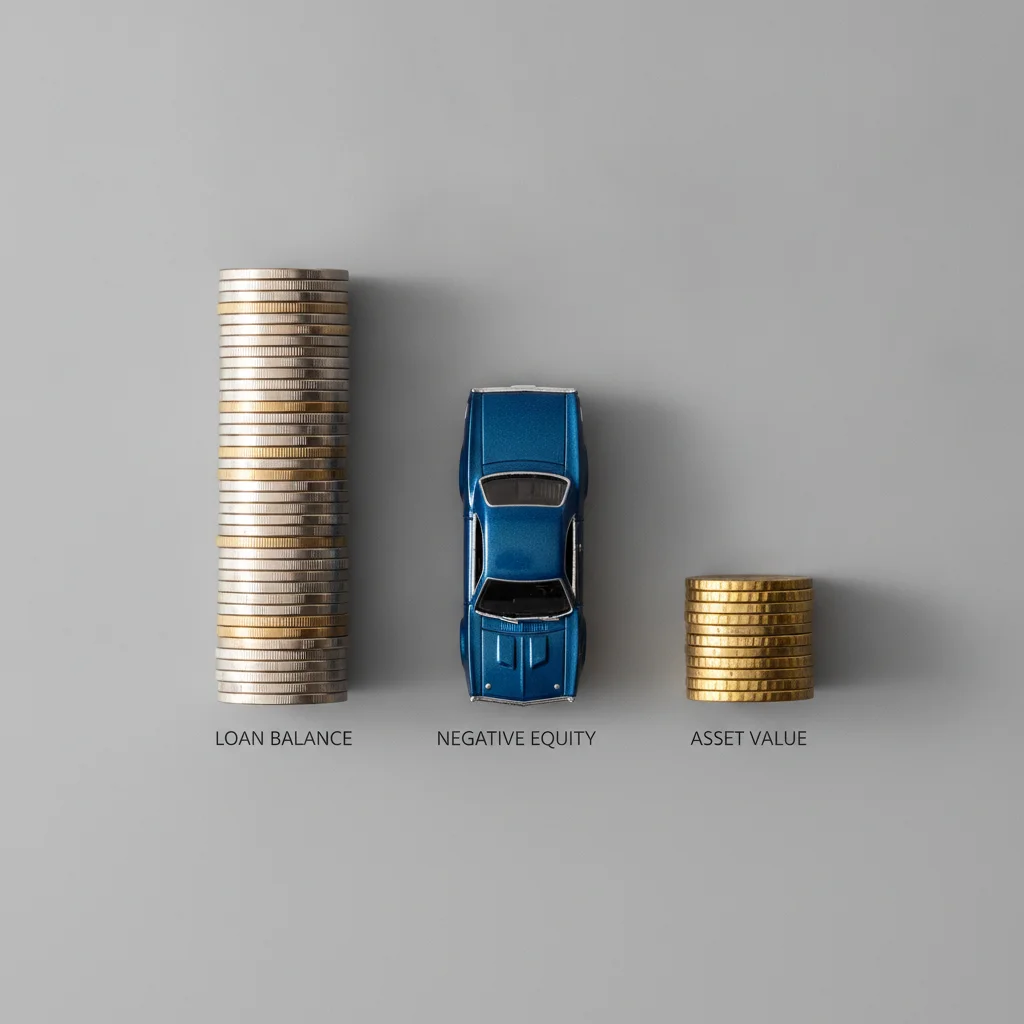
The core confusion stems from shared purpose: both products are designed to protect you when your car's actual cash value (ACV) — what your primary insurer will pay after a total loss — is less than the outstanding loan or lease balance you still owe. That shortfall is the "gap." Where the products diverge is in how much of that gap they actually cover and where you buy them.
How True Gap Insurance Works
Standalone gap insurance is a separate financial product — not an endorsement on your primary auto policy. It is sold by:
- Dealership finance offices (almost always the most expensive source)
- Your auto lender directly (credit unions and banks often offer it at competitive rates)
- Dedicated gap insurance providers
- Some auto insurers as a standalone policy rather than an endorsement
When your vehicle is totaled, here is the sequence: your primary insurer determines the ACV and pays that amount to your lender. If you still owe more than the ACV settlement, gap insurance steps in and pays the full remaining difference — subject to exclusions like overdue payments, fees rolled into the loan, or insurance deductibles, depending on the policy.
The key word is full. There is no percentage ceiling on how much of the balance true gap insurance will cover. If you owe $32,000 on a car your insurer values at $21,000, a true gap policy pays the $11,000 difference (minus any covered exclusions). Whether that difference represents 30%, 50%, or even more above ACV, the policy pays.
| Criterion | Gap Insurance | Loan/Lease Payoff Coverage |
|---|---|---|
| Payout limit | Full remaining loan balance (after ACV) | Capped at ~25% above vehicle ACV |
| Where purchased | Dealer, lender, or standalone provider | Endorsement on existing auto policy |
| Typical cost | $200–$900 (one-time or multi-year) | $20–$50 per year added to premium |
| Deductible coverage | Varies by policy — often not included | Often absorbs primary deductible |
| Transferability after refi | Dealer gap void; standalone may transfer | Stays with your auto policy |
| Best for deep negative equity | Yes — no percentage ceiling | No — cap leaves large gap uncovered |
| Eligibility window | Varies; often flexible | Often must add within 30 days of loan |
| Cancellable for refund | Yes, typically prorated | Yes, as part of policy change |
Gap insurance has its own exclusion list you need to read carefully. Most policies will not cover past-due loan payments you've missed, credit insurance premiums, extended warranties, or service contracts that were rolled into the original loan balance. Those amounts sit outside the gap the policy will cover.
Gap Insurance Doesn't Cover Everything
Even the best standalone gap policy excludes certain amounts from coverage. Common exclusions include: past-due loan payments at the time of the total loss, extended warranties or credit life insurance rolled into the loan, and any amount above the original loan principal that resulted from refinancing. Always request a complete schedule of exclusions before purchasing and compare it to your loan's itemized balance.
Leases Often Require Gap Coverage
Many lease agreements include gap protection as part of the lease terms — it's built into the monthly payment. If you're leasing, check your lease agreement before purchasing either product separately. Paying for gap coverage twice is a common and avoidable mistake. If gap is already included, confirm whether it's true unlimited gap or a capped equivalent.
How Loan/Lease Payoff Coverage Works — and Where the Cap Bites
Loan/lease payoff coverage is an endorsement — a rider added to your existing comprehensive and collision auto insurance policy. Major insurers including Progressive, Allstate, and others offer it as an optional add-on for an additional premium, typically $20–$50 per year depending on the vehicle and insurer.
The mechanics look similar at first: your car is totaled, your primary policy pays ACV, and the payoff endorsement covers the remaining loan balance. But here is where the structural difference appears.
Most loan/lease payoff endorsements cap the payout at 25% above the vehicle's ACV. A handful of insurers use a different cap — some use 20%, some as high as 30% — but the principle is the same: there is a ceiling on how much above ACV the product will pay.
Run the numbers on that cap and its limitation becomes clear fast:
25%
Typical loan/lease payoff coverage cap above ACV
Most major insurers limit loan/lease payoff endorsements to 25% above the vehicle's actual cash value at time of total loss.
20%
Average new car depreciation in year one
According to Edmunds and iSeeCars data, new vehicles lose approximately 20% of their value in the first 12 months of ownership.
$600–$900
Typical dealer-sold gap insurance price
Dealership F&I offices routinely charge $600 to $900 for gap coverage that can be purchased directly from a lender or standalone provider for $150–$300.
43%
Share of new car buyers with negative equity in 2023
Edmunds reported that in 2023, approximately 43% of new vehicle trade-ins carried negative equity, averaging over $6,000 underwater.
$20–$50
Annual cost of loan/lease payoff endorsement
Adding a loan/lease payoff endorsement to an existing auto insurance policy typically costs $20–$50 per year, making it the lowest-cost option for moderate negative equity situations.
If your vehicle's ACV at the time of total loss is $20,000, a 25% cap means the endorsement pays a maximum of $5,000 on top of your ACV settlement — $25,000 total. If you owe $30,000, you are still out $5,000 out of pocket. True gap insurance would have covered that full $10,000 gap.
The cap is not a flaw — it's an intentional design. Loan/lease payoff endorsements are priced and actuarially modeled for moderate negative equity situations. They are not designed for buyers with long loan terms and minimal down payments who accumulate deep negative equity in the early months of ownership.
Your loan-to-value ratio determines your actual exposure. If you put 20% down on a 36-month loan, a 25% cap is probably more than you'll ever need. If you rolled negative equity from a previous vehicle into a new 84-month loan with zero down, that cap will leave you with a five-figure out-of-pocket bill.
Side-by-Side: The Differences That Actually Matter
Beyond the payout cap, there are several structural differences between these products that affect who should buy which — and when.
Eligibility windows: Most loan/lease payoff endorsements require you to add the coverage within a certain number of days of the loan origination — often 30 days. Gap insurance from a standalone provider or lender tends to be available for a longer window, though coverage requirements vary. Dealership gap products are typically available only at the point of sale.
Transferability: If you refinance your loan, dealership gap insurance is almost always voided — the product was tied to the original lender. Standalone gap policies and loan/lease payoff endorsements are more portable, though you should verify with the provider before refinancing.
Deductible behavior: Loan/lease payoff endorsements often absorb your primary policy's collision deductible as part of the payout. True gap policies handle this differently depending on the provider — some cover your deductible, many do not. Read the policy language on this specifically.
Cancellation and refunds: Both products are typically cancellable. If you pay off your loan early or sell the vehicle, you should cancel and request a prorated refund. Dealership gap products are often prepaid lump-sum and rolled into the loan — canceling them requires a written request to the F&I office and can take weeks to process.
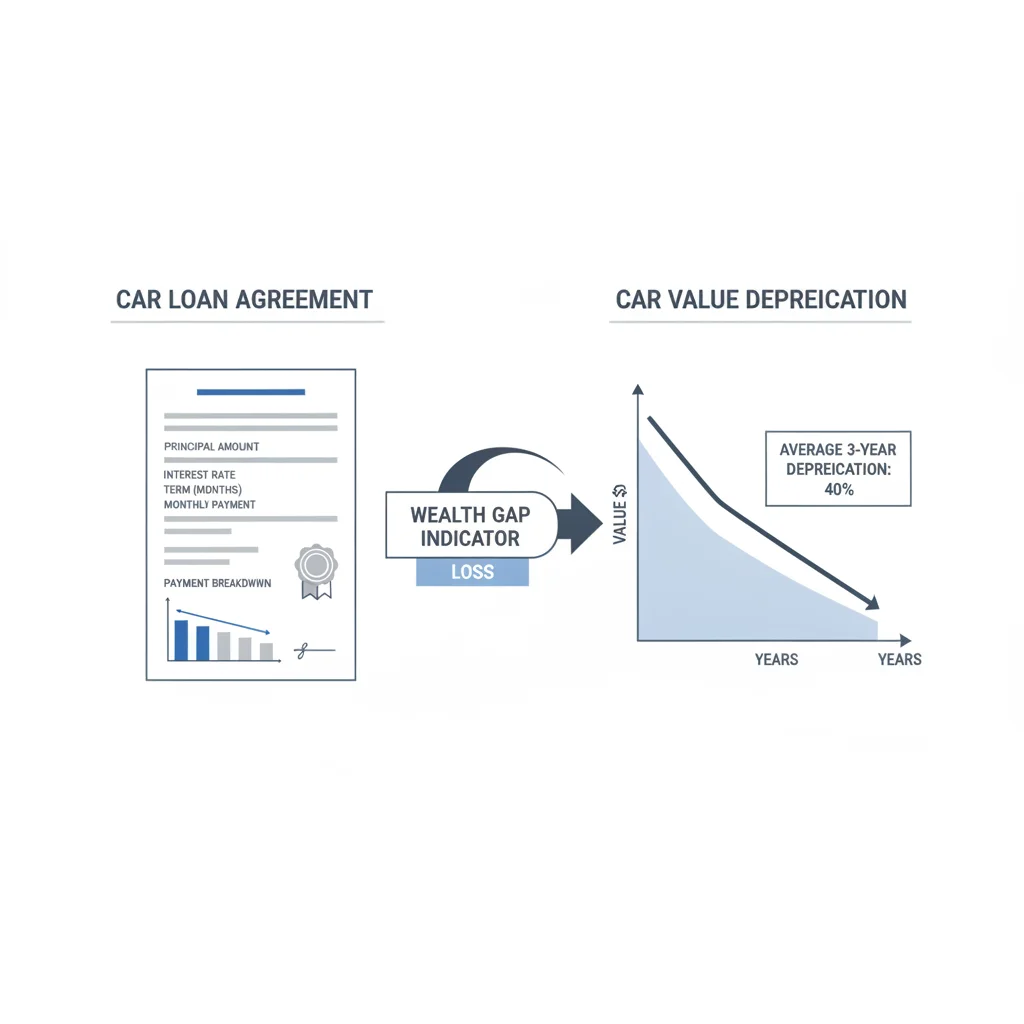
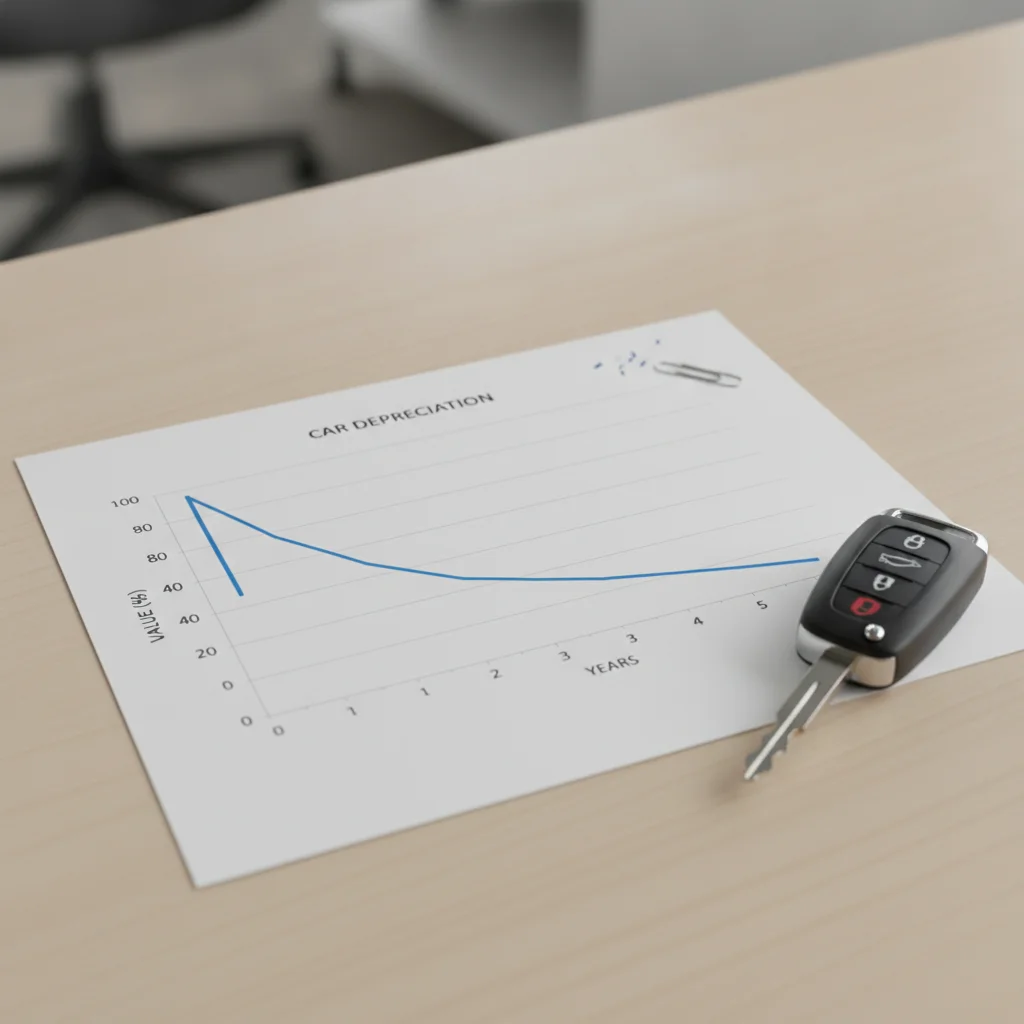
Depreciation is the engine behind all of this. A new car loses roughly 20% of its value in the first year. On a $35,000 vehicle financed at 100%, that means your car is worth approximately $28,000 after 12 months — but if you're on a 72-month loan, you've paid down only a fraction of the principal. That's the gap, and it's widest in months 6 through 24.
Where to Buy and What to Expect to Pay
Price is where the practical decision often lands for buyers who understand both products.
Dealership gap insurance is the most expensive option. Finance managers typically present it as a flat fee — often $400 to $900 — rolled into the loan. Once financed, you pay interest on that amount for the life of the loan, making the true cost higher than the sticker price suggests. A $600 gap product rolled into a 72-month loan at 7% interest costs you closer to $800 when you account for the interest charges.
Standalone gap insurance purchased directly from a lender or provider typically runs $200–$400 for a multi-year policy. Credit unions, in particular, often offer gap protection at $200 or less as a one-time fee, not financed into the loan.
Loan/lease payoff endorsements from auto insurers are usually the cheapest option — commonly $20–$50 per year added to your existing premium. Over a 48-month loan, that's $80–$200 total. The catch is the 25% cap. If your negative equity exposure is modest, this is excellent value. If it's substantial, you're underinsured.
The practical rule: calculate your likely depreciation curve for the first 24 months and compare it to your loan amortization schedule. If the gap at its widest point exceeds 25% of your vehicle's projected ACV, you need true gap insurance, not a payoff endorsement. If it doesn't, the endorsement is cheaper and sufficient.
One more trap to flag: some dealers present loan/lease payoff coverage — which the insurer added to your policy at a modest cost — as equivalent to their own gap product at $700. They're counting on you not knowing the difference. Now you do.
When You Don't Need Either Product
Both products exist to address negative equity — the condition of owing more than your car is worth. If you're not in a negative equity position, neither product adds value.
You likely don't need gap insurance or loan/lease payoff coverage if:
- You put 20% or more down on a vehicle purchase
- You're financing a used car that has already absorbed most of its depreciation curve
- You have a short loan term (24–36 months) and your amortization is keeping pace with depreciation
- You paid cash outright
Even if you start with negative equity, that condition resolves over time. Most buyers exit negative equity territory somewhere between 18 and 36 months into a standard loan, depending on the vehicle's depreciation rate, the loan term, and the down payment. At that point, gap coverage of any kind is no longer necessary and should be canceled for a prorated refund.
The mistake buyers make is treating gap insurance as a permanent feature of car ownership. It's a transitional product that covers a finite risk window. Buy it when you need it, confirm when your loan balance crosses below ACV, and cancel it promptly.
If gap coverage is already embedded in your finance contract, you need to understand exactly what you agreed to — including whether it's true gap insurance or a capped payoff endorsement rebranded with gap language. The F&I office is not required to clarify that distinction for you. That's your job, and it starts by reading the product disclosure before you sign.

All claims are backed by peer-reviewed research. Sources on request.