
Key Takeaways
Summary
22 items · 20–45 minutes
Why Life Events Break Your Coverage Logic
When you originally selected your optional car insurance add-ons, you made those choices based on a specific snapshot of your life — your income, your household, your vehicle value, and your risk tolerance. A major life event doesn't just change your emotions; it changes every variable that justified those selections in the first place.
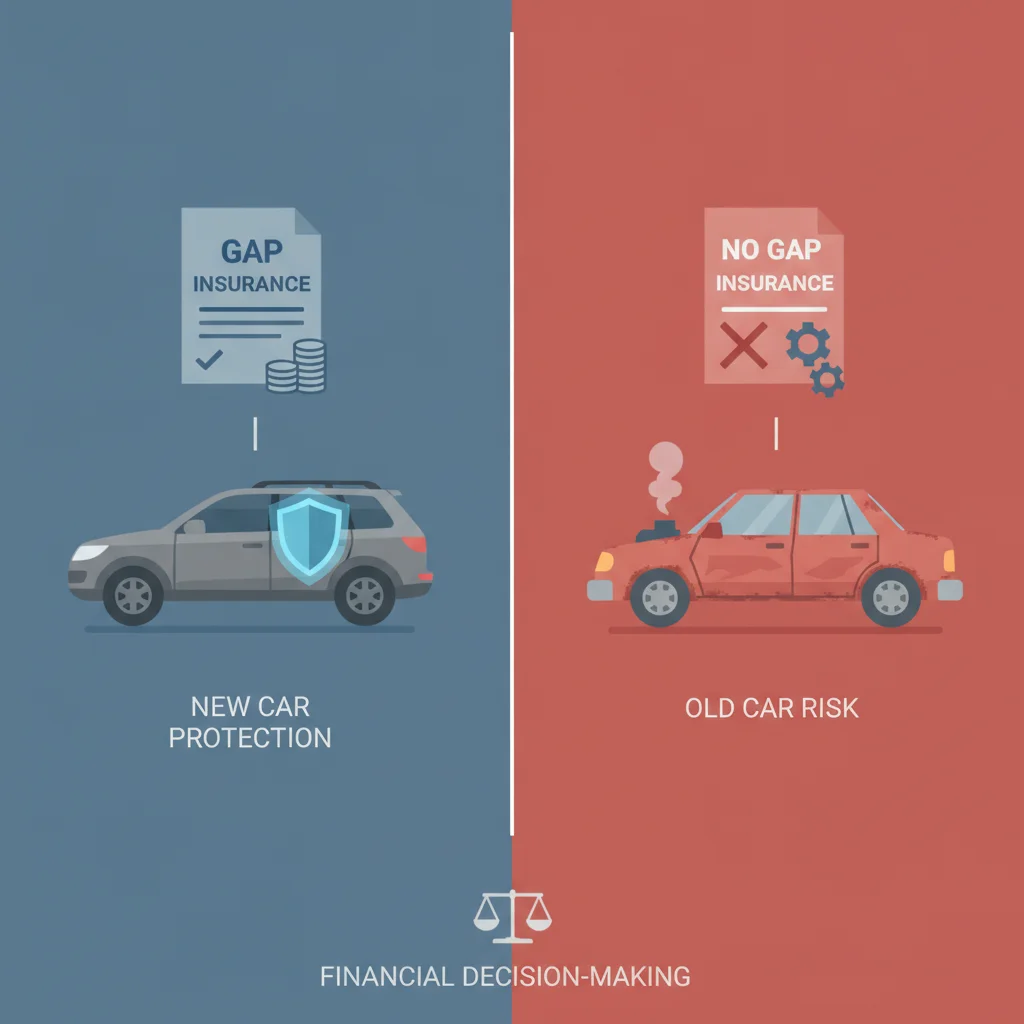
Take gap insurance. It makes perfect sense when you're upside-down on a loan for a vehicle that's depreciating faster than you're paying it down. But if your spouse dies and you inherit a fully paid-off vehicle, that gap coverage is pure waste. Conversely, rental reimbursement might seem like a luxury — until you're a newly single parent who just lost access to the second car that used to sit in the driveway.
The core problem is that insurers don't monitor your life. They collect your premium and honor your existing elections until you tell them otherwise. That means every month you delay an audit after a major change, you're either over-insured and overpaying, or under-insured and exposed.
This checklist is designed to walk you through a structured audit triggered by three of the most financially disruptive life events: the death of a household member, divorce, and job loss. For a broader look at all the moments that should prompt a policy review, see this overview of life events that should trigger an auto insurance review.

What You'll Need Before You Start
Don't attempt this audit by memory. Pull the actual documents and numbers before you evaluate a single line item. Guessing at your loan balance or your vehicle's market value will produce bad decisions.
Current Auto Insurance Declarations Page
Lists every coverage and add-on currently active on your policy, along with their individual costs — the essential starting document for this audit.
Vehicle Valuation Tool (KBB or Edmunds)
Provides current market value of your vehicle(s), which determines whether collision, comprehensive, and gap coverage are still cost-justified.
Loan or Lease Payoff Statement
Shows the exact amount still owed on any financed vehicle so you can accurately evaluate whether gap insurance fills a real shortfall.
Life Insurance Policy Summary
Needed to check for overlap with any AD&D or death-related add-on on your auto policy, especially relevant after a death or divorce settlement.
Recent Pay Stubs or Unemployment Documentation
Helps establish your new income baseline so you can prioritize which add-ons to retain versus which to suspend during financial hardship.
Divorce Decree or Settlement Agreement
Clarifies vehicle ownership transfers and any insurance obligations specified in the settlement that may be legally binding.
Once you have these materials in front of you, work through the checklist groups below in order. The sequence matters — your vehicle's equity position and your income picture have to be established before you can make good calls on the add-ons.
The Audit Checklist: Trigger by Trigger
The three triggers below — death, divorce, and job loss — each create a distinct pattern of coverage needs. Work through the full checklist, but pay closest attention to the group that matches your situation. Many items overlap across all three triggers, but the reasoning and urgency differ.
Establish Your New Baseline
Death of a Household Member
Divorce
Job Loss
Cross-Trigger Final Checks
For context on what each add-on actually covers before you decide to keep or drop it, the full landscape of optional car insurance coverages article breaks down every major add-on in plain language.
Insurers Won't Adjust Your Policy Automatically
No matter how significant your life change, your insurer will not proactively modify your coverage. They will continue billing you for add-ons that no longer fit your situation indefinitely. The responsibility to initiate a review and request changes sits entirely with you. Set a hard deadline of 30 days after any major life event to complete this audit and submit changes in writing.
The Coverages Most Likely to Change After Each Trigger
After a Death in the Household
If a spouse or co-owner dies, the first instinct is to remove them from the policy. That's correct — but the second step is often missed. Ask yourself: did that person's life insurance or income justify your current liability limits? If they were a primary earner and you had high limits to protect household assets, those assets may have just changed dramatically. Review your umbrella coverage and liability floors alongside your optional add-ons.
Accidental Death and Dismemberment (AD&D) coverage sold as an auto add-on deserves a hard look here. If your household now has robust life insurance in place from a settlement or existing policy, the AD&D rider is almost certainly duplicative. See whether AD&D auto coverage is worth paying for before making that call.
After Divorce
Divorce splits households, splits incomes, and often splits vehicles. If one car is being transferred to an ex-spouse, you need to remove it from your policy immediately — you have zero interest in insuring an asset you no longer own or control. More critically, if you were previously on a shared policy, you'll need to establish your own, and your profile as a solo driver may qualify you for different discounts than you had before.
Divorce also commonly triggers a drop in disposable income. If you're now navigating premium costs on a single income, see how to prioritize optional coverages on a tight budget to identify which add-ons offer the most protection per dollar.
After Job Loss
Job loss creates the most acute pressure because it attacks both sides of the equation simultaneously — your premium affordability drops while your risk exposure may actually increase. If you're driving more for job interviews, gig work, or side income, your standard personal auto policy may not cover those miles properly. Check whether rideshare or delivery add-ons apply to your new driving patterns.
Rental reimbursement becomes paradoxically more valuable when income drops. If your vehicle is now your only reliable income-generating tool and it's in the shop, a rental isn't a convenience — it's a financial lifeline. Don't drop this coverage reflexively to save $5 a month.
Don't Drop Lender-Required Coverage
If your vehicle is still financed, your lender almost certainly requires you to maintain comprehensive and collision coverage at a minimum. Dropping these to save money during financial hardship triggers a force-placed insurance clause — the lender buys coverage on your behalf and bills you for it, typically at 2–5 times the market rate. Always check your loan agreement before removing any coverage on a financed vehicle.
Gig Work Changes Your Coverage Category
If job loss has pushed you into rideshare or delivery driving, your personal auto policy almost certainly does not cover accidents that occur while you're actively working. Uber, Lyft, DoorDash, and similar platforms provide limited coverage during certain phases, but the gaps are significant. Failing to add a rideshare or commercial-use endorsement could result in a denied claim at exactly the moment you can least afford one.

If job loss has also affected a leased vehicle you can no longer afford, the calculus on gap insurance and total loss protection is different. The guide to optional coverages for leased vehicles covers that scenario in detail.
After the Audit: Acting on What You Find
Completing the checklist is only valuable if you act on it within a defined window. Most insurers allow mid-term policy changes, and removing an add-on typically results in a prorated refund for the unused portion of your policy term. Don't wait until renewal — that's weeks or months of unnecessary spending.
Call your insurer or log into your account, and make changes in writing where possible. Request a confirmation of the changes and save it. If you're switching insurers entirely because a life event has made your current policy a poor fit, get competing quotes before canceling — your new circumstances may qualify you for discounts you didn't previously have. Check commonly overlooked insurance discounts to see what you might now qualify for.
Finally, if your life event also shifted your liability exposure — an inheritance, a home purchase following divorce, or a major income change — don't stop at the optional add-ons. The checklist for reviewing liability coverage after a major life change should be your next read.

The bottom line: your insurer is not your financial advisor. After any major life event, the burden of re-optimizing your policy sits entirely with you. This checklist gives you the framework — now use it.

All claims are backed by peer-reviewed research. Sources on request.