| Most common denial reason | Policy exclusion (intentional acts, business use, excluded drivers) (Insurance Information Institute, 2023) |
| Coverage type | Third-party only — never covers your own vehicle or property |
| Business use gap | Personal auto policies exclude most commercial driving activities (NAIC Consumer Guidance) |
| DUI liability impact | May result in denial or insurer subrogation against the policyholder (Varies by state law) |
| Lapsed policy result | Zero coverage — insurer has no obligation to pay any claim |
| Can denials be appealed? | Yes — written denial must be provided; internal and external review processes exist (State insurance department regulations) |
Why Liability Claims Get Denied More Often Than You'd Expect
Most drivers assume their liability insurance will simply step in whenever they cause an accident. That assumption is understandable — it's what the policy is designed for. But insurance contracts are legal documents with precise language, and the gap between what you expect and what your policy actually covers can be significant.
Liability coverage pays for injuries and property damage you cause to others in an at-fault accident. But even legitimate accidents — situations where you clearly caused harm — can result in a denied claim if the circumstances fall outside your policy's covered territory. Understanding where those boundaries are isn't paranoia; it's just good financial planning.
Liability car insurance covers a specific set of losses caused to third parties. The exclusions that follow are the flip side of that coverage — situations where your insurer is contractually permitted to walk away.
| Most common denial reason | Policy exclusion (intentional acts, business use, excluded drivers) (Insurance Information Institute, 2023) |
| Coverage type | Third-party only — never covers your own vehicle or property |
| Business use gap | Personal auto policies exclude most commercial driving activities (NAIC Consumer Guidance) |
| DUI liability impact | May result in denial or insurer subrogation against the policyholder (Varies by state law) |
| Lapsed policy result | Zero coverage — insurer has no obligation to pay any claim |
| Can denials be appealed? | Yes — written denial must be provided; internal and external review processes exist (State insurance department regulations) |
The Most Common Scenarios Where Liability Coverage Won't Pay
Each of the situations below represents a real pattern of claim denials. Some are obvious in hindsight; others catch drivers completely off guard.
1. Intentional Acts
Insurance is designed to cover accidents — unexpected, unintended events. If an insurer can demonstrate that you deliberately caused an injury or property damage (for example, using your vehicle as a weapon during a road rage incident), no liability policy will respond. This exclusion exists across virtually every auto insurance contract in the country.
2. Using Your Car for Business Without the Right Coverage
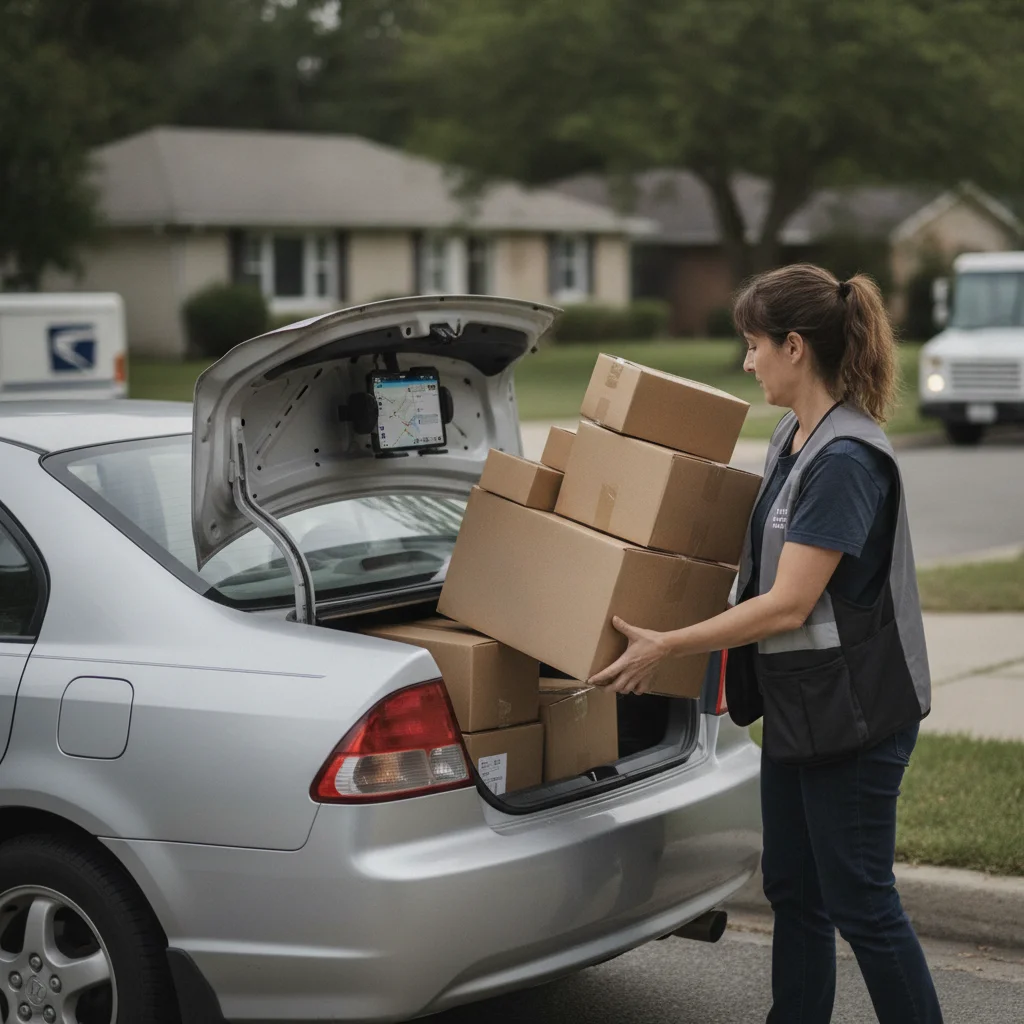
If you drive for a rideshare platform, deliver packages, or use your personal vehicle for any commercial purpose, your personal auto liability policy will almost certainly deny a claim that happens during that commercial activity. Personal auto policies explicitly exclude business use unless a commercial rider or separate commercial policy is in place. Many drivers learn this the hard way after a delivery gone wrong.
3. Excluded Drivers
Insurers allow — and sometimes require — policyholders to name specific household members as excluded drivers. If an excluded driver takes your vehicle and causes an accident, your insurer can deny the liability claim entirely. This also applies in some cases to unlisted household members, depending on the policy and state regulations.
4. Driving Under the Influence
A DUI-related accident creates a complex situation. Some states require insurers to pay the injured third party's claim regardless of the driver's intoxication, then pursue the policyholder to recover those costs. In other cases, the insurer may deny coverage outright and leave you personally responsible for damages. Either way, a DUI puts your coverage — and your assets — in serious jeopardy.
5. Vehicle Not Listed on the Policy
If you regularly drive a vehicle that isn't listed on your policy, coverage may be limited or unavailable. Borrowed vehicles typically carry the owner's insurance as primary, but if that coverage is insufficient or the owner's insurer denies the claim, your own liability coverage may not fill the gap the way you'd hope.
6. Lapsed or Cancelled Policy
This one is straightforward but worth stating: if your policy was cancelled for non-payment or lapsed at the time of the accident, there is no active contract for your insurer to honor. The claim will be denied, and you'll face liability personally. Even a single missed payment can create a coverage gap that's difficult to recover from.
7. Damage to Your Own Property
Liability coverage only protects others — it never covers damage to your own vehicle or property. If you crash into your own fence, run over your own motorcycle in the driveway, or damage property you own, that loss falls entirely on you unless you carry the appropriate collision or comprehensive coverage.
8. Injuries to Passengers in Your Vehicle
Depending on how the accident is structured, your liability coverage may not apply to passengers in your own car. Liability responds to third-party claims — generally those outside your vehicle. Passengers you're transporting may need to rely on medical payments coverage (MedPay) or personal injury protection (PIP), if those are included in your policy.
9. Using a Vehicle Without Permission
If someone steals your vehicle and causes an accident, most policies will not extend your liability coverage to the thief's actions. Conversely, if you borrow a vehicle without the owner's permission and cause an accident, the owner's insurer is unlikely to cover you. Permission matters — from both sides of the transaction.
State Laws Can Affect How Exclusions Work
Not all exclusions are enforceable in every state. Some states require insurers to pay injured third parties even when an exclusion would otherwise apply — particularly in DUI situations — and then allow the insurer to seek reimbursement from the policyholder. Check with your state's department of insurance or a licensed agent to understand how your state's rules interact with your specific policy language.
When the Injured Party Has No Other Recourse
If your liability claim is denied and the injured party has no other insurance to draw on, they may pursue you in civil court. A court judgment can result in wage garnishment or liens against assets depending on your state's debtor protection laws. This is one reason higher liability limits — beyond the state minimum — provide meaningful protection even for drivers who consider themselves low-risk.
What Happens When Coverage Is Denied
When your insurer denies a liability claim, the injured party doesn't simply disappear. They can still pursue you personally for damages, which may include medical bills, lost wages, vehicle repairs, and pain and suffering. If a lawsuit results in a judgment against you, your wages, savings, and other assets can be at risk.
1 in 8
Drivers on the road without any insurance
According to the Insurance Research Council's 2023 Uninsured Motorists report, roughly 12.6% of U.S. drivers are uninsured.
$24,000+
Average cost of an injury claim per accident
The Insurance Information Institute reports the average bodily injury liability claim has risen steadily due to medical cost inflation.
30 days
Typical grace period before a lapsed policy is cancelled
Most insurers offer a grace period after a missed payment, but coverage during that window varies by state and company.
When liability insurance does respond after an at-fault accident, the process moves through a defined sequence — your insurer investigates, evaluates the claim, and negotiates on your behalf. None of that happens when coverage is denied. You're navigating the aftermath on your own.
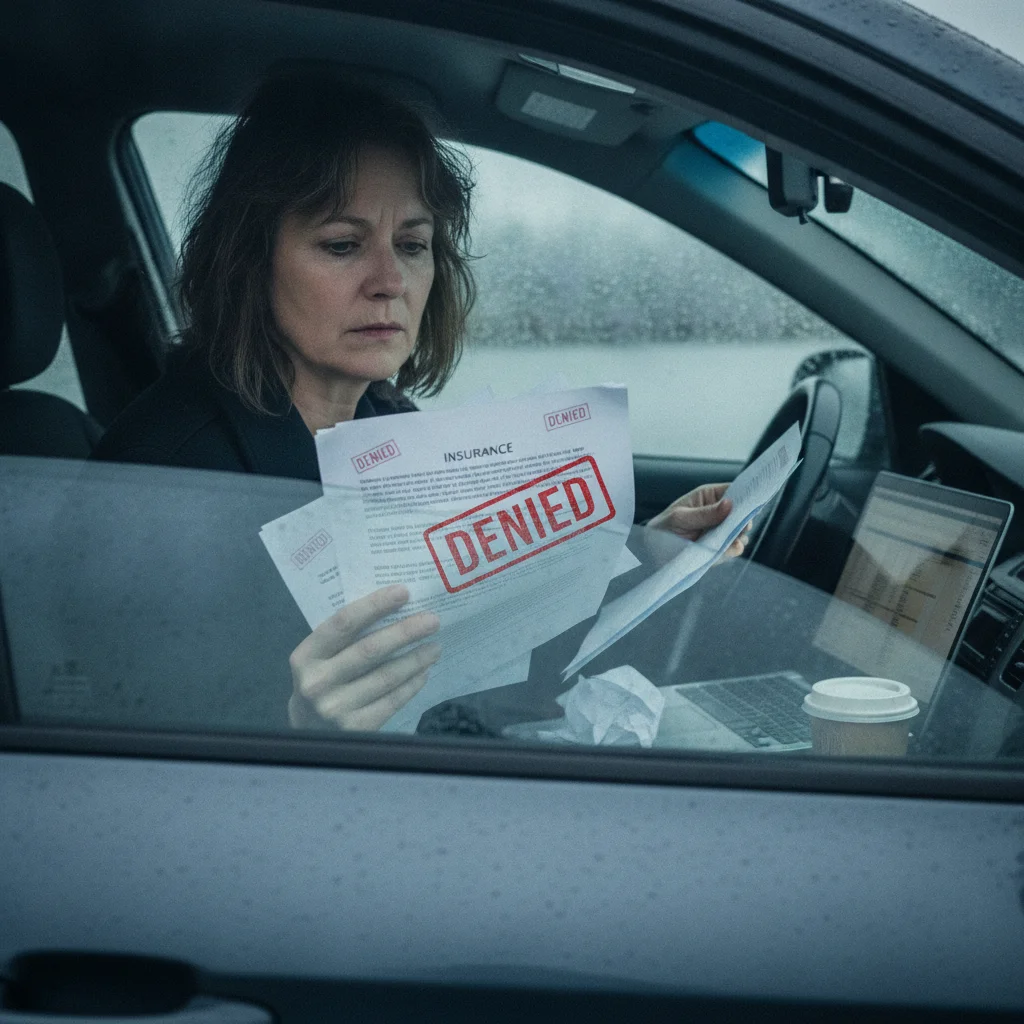
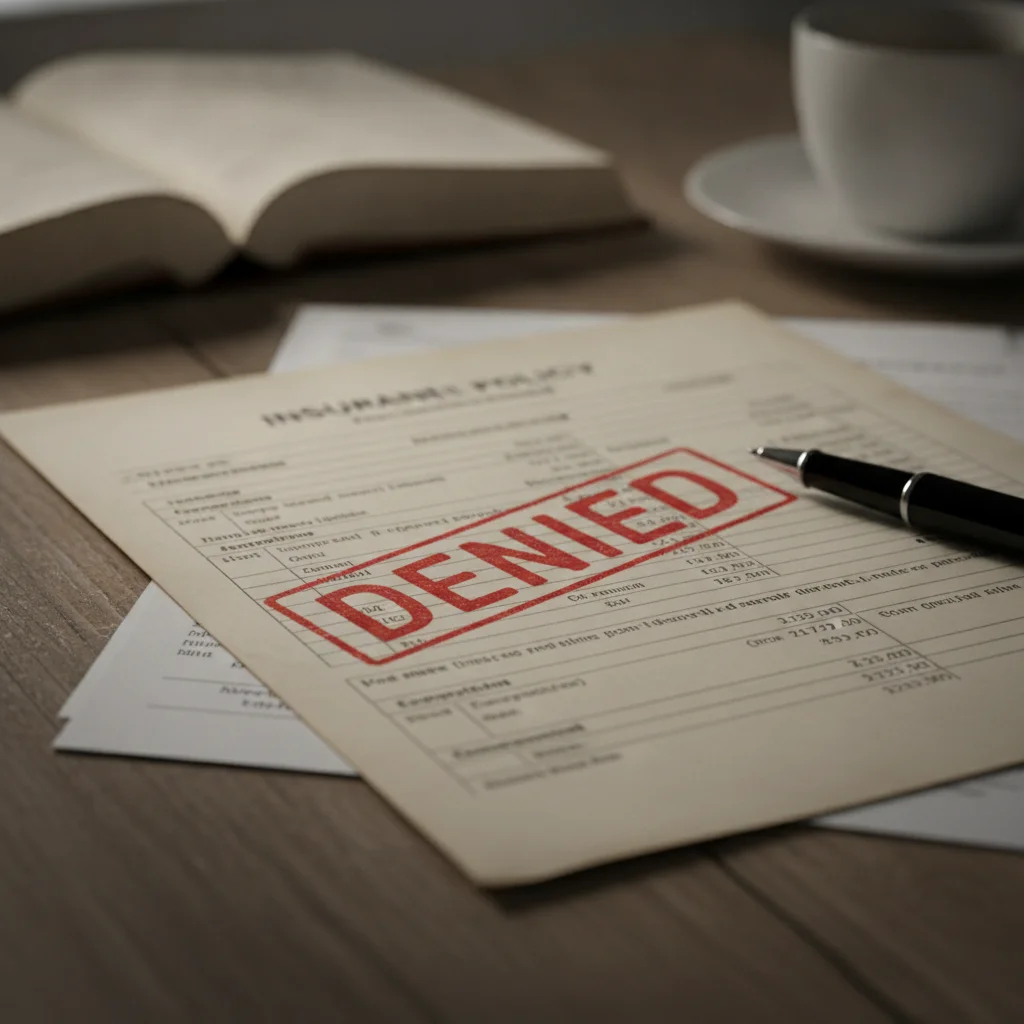
A denial also doesn't necessarily mean the decision is final. A denied claim can sometimes be challenged — especially if you believe the exclusion was applied incorrectly or the insurer mischaracterized the facts. Always request a written explanation of the denial and review it carefully before accepting it as final.
Your insurer's duty to defend you — and the limits of that duty — is a related area worth understanding. Legal defense coverage has its own set of limits that may not protect you in all the scenarios described above.
Liability exclusion
A specific condition, person, or activity listed in your policy that removes your insurer's obligation to pay. Exclusions are written into the contract and enforceable unless prohibited by state law.
Third-party claim
A claim filed by someone other than the policyholder — typically the person injured or whose property was damaged. Liability insurance exists specifically to respond to third-party claims.
Excluded driver
A person formally listed in an auto policy who is not covered when operating the insured vehicle. If an excluded driver causes an accident, the insurer can deny the resulting liability claim.
Business use endorsement
An add-on or rider to a personal auto policy that extends coverage to certain commercial driving activities. Without it, deliveries or rideshare driving are typically excluded from personal liability coverage.
Policy lapse
The termination of insurance coverage due to non-payment or non-renewal. A lapsed policy has no active contract, meaning claims occurring after the lapse date are not covered.
Subrogation
A legal process where an insurer pays a claim and then pursues recovery from the at-fault party. In DUI situations, an insurer may pay the injured party first, then seek reimbursement from the policyholder.
MedPay (Medical Payments Coverage)
An optional auto coverage that pays for medical expenses for you and your passengers regardless of fault. It can fill the gap where liability coverage doesn't protect occupants of your own vehicle.
Intentional act exclusion
A standard policy provision that denies coverage for damage or injury caused deliberately rather than accidentally. Insurance is designed for unintentional events only.
Closing Coverage Gaps Before They Become Problems
The good news is that most of the gaps described in this article are preventable. The right policy structure — matched to how you actually use your vehicle — can eliminate most of the situations where coverage would otherwise fail you.
Steps Worth Taking Now
- Review your declarations page annually. Make sure all regular drivers are listed and all vehicles you drive frequently are included.
- Ask about business use riders if you use your car for deliveries, rideshare, or any compensated driving, even occasionally.
- Don't let your policy lapse. Set up autopay or calendar reminders to avoid the single most preventable coverage gap.
- Understand your exclusions list. Your policy document includes a section that spells out exactly who and what is excluded. Read it before you need it.
- Consider higher limits. State minimums can be exhausted quickly in serious accidents — higher limits cost less than most drivers expect and protect significantly more.
Misconceptions about liability coverage are surprisingly common, and many drivers only discover them after a claim is denied. Taking thirty minutes to review your policy now is considerably less stressful than navigating a denial after an accident.

If you're unsure whether your current policy fits your actual driving habits and risk profile, a conversation with your agent — focused specifically on exclusions — is a straightforward way to close gaps before they matter. You can also explore discounts that may apply to your situation when you adjust or upgrade your coverage.
What Liability Car Insurance Actually Covers
Before focusing on what liability won't cover, it helps to anchor the basics of what it does cover. This guide walks through the structure of a liability policy from the ground up.
Claim Denied: What the Rejection Really Means and What You Can Do Next
A denial is not always final. This article explains how to read a denial letter, the internal appeal process, and when to escalate to your state's insurance regulator.
Situations Where Minimum Liability Leaves You Legally Exposed
State minimums meet the legal bar, but several common crash scenarios can exhaust them quickly — leaving you personally responsible for the remainder of a judgment.
NAIC Consumer Insurance Search Tool
The National Association of Insurance Commissioners' free tool lets you look up your insurer's complaint ratio and financial stability rating — useful context when evaluating how a company handles claims.
Liability Coverage and Legal Defense: What Your Insurer Will — and Won't — Fight For
Covers the duty to defend, who controls the legal strategy, and the circumstances where your insurer may decline to provide legal representation even within a covered claim.

All claims are backed by peer-reviewed research. Sources on request.