Key Takeaways
Lowest possible monthly premium payment
Minimum liability coverage is the cheapest way to stay legally insured. For drivers on a very tight budget, this can mean the difference between having any coverage and driving uninsured.
Meets legal driving requirements in your state
You won't face license suspension, registration denial, or fines for being uninsured. Minimum limits satisfy every state's mandatory insurance law.
Reasonable fit for drivers with minimal assets
If you have little savings, no home equity, and no significant income to garnish, a plaintiff's attorney has less motivation to pursue you beyond your policy limits. The risk of personal exposure is lower when there's nothing to collect.
Simple, easy-to-understand policy structure
Minimum policies are straightforward — you know exactly what you have and what it covers. There's no complexity in managing a basic liability-only policy.
Frees budget for other financial priorities short-term
For drivers in a temporary financial hardship, keeping premiums low may allow them to build an emergency fund or pay down high-interest debt before upgrading coverage.
Exhausted instantly in serious multi-person crashes
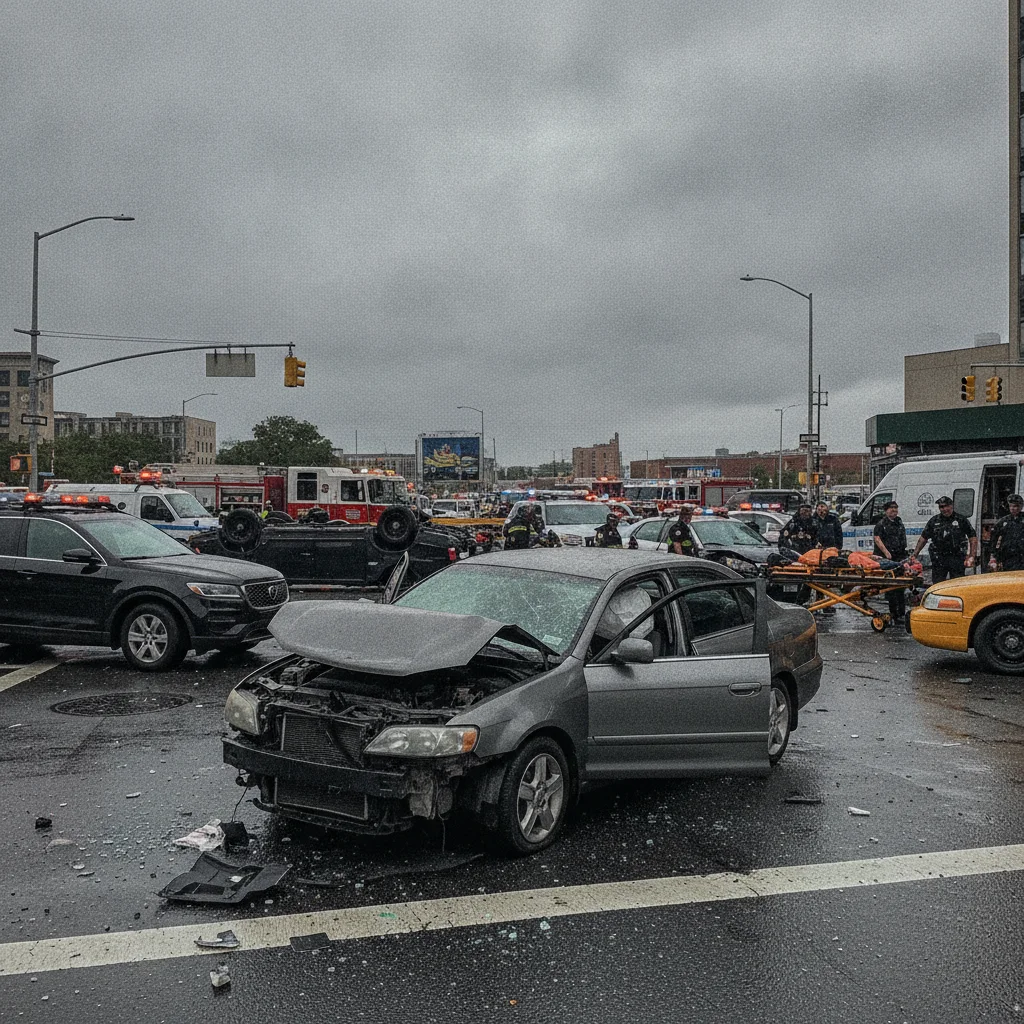
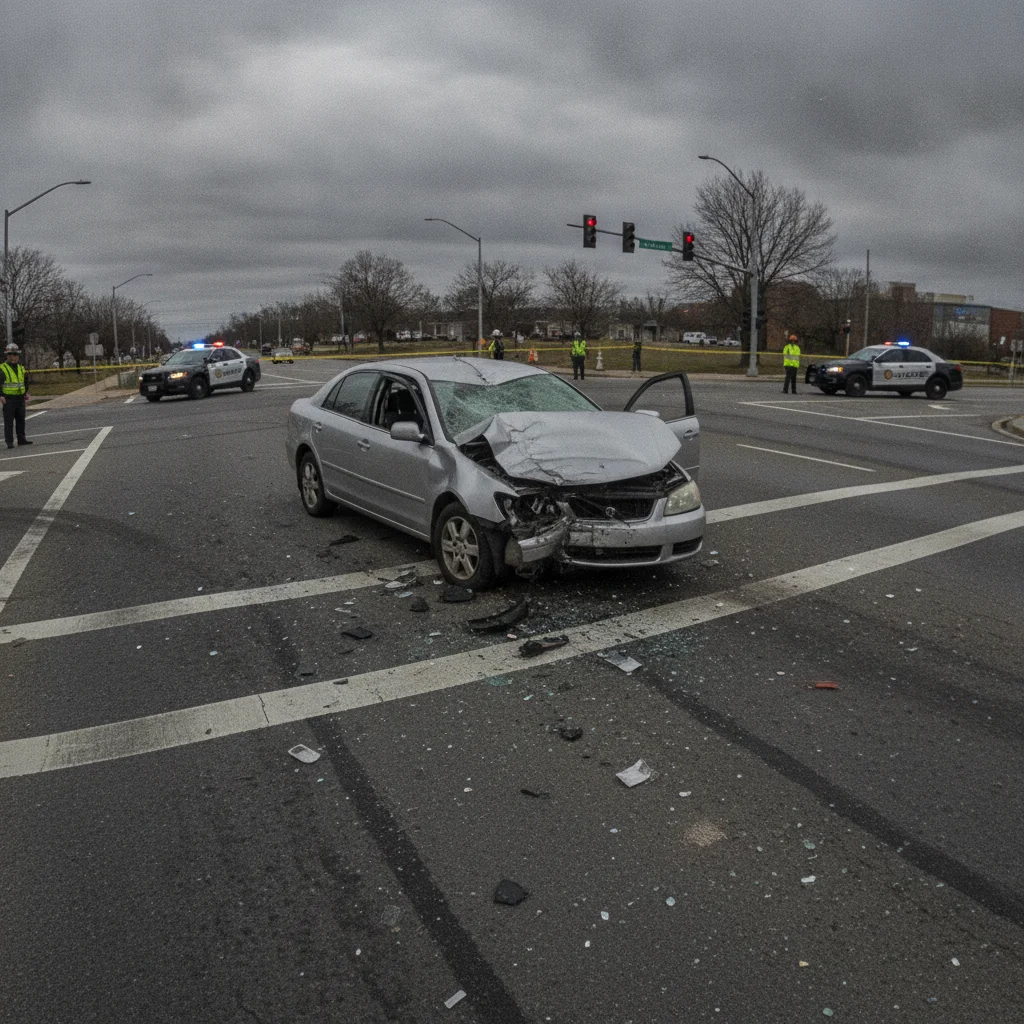
A crash injuring two or three people can generate $150,000–$400,000 in claims. State minimums cap out at $50,000–$100,000 per accident in most states, leaving a massive gap that becomes your personal debt.
Personal assets exposed to civil judgments
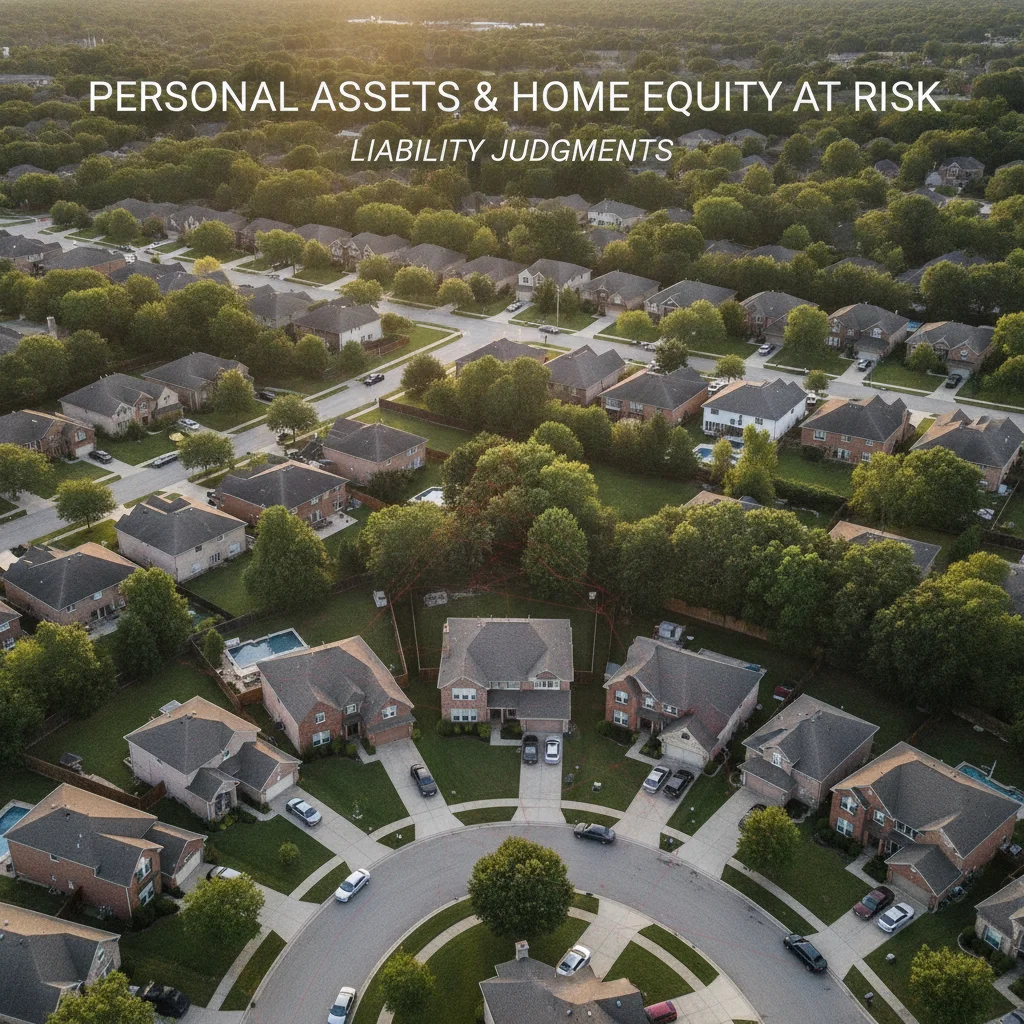
When your policy limits are exhausted, injured parties can sue you directly. Courts can order wage garnishment, bank account levies, and liens on property to satisfy the remaining judgment.
Property damage limits lag behind vehicle prices
With average new car prices exceeding $48,000, a common $10,000–$25,000 property damage minimum is frequently insufficient to cover a single totaled vehicle, let alone two.
Zero coverage for your own vehicle damage
Minimum liability pays nothing toward repairing or replacing your car if you cause an accident. Without collision coverage, you absorb 100% of your own vehicle's repair costs.
Medical cost inflation makes old limits dangerously stale
Minimum limits in many states haven't been updated in decades. Hospital costs have risen dramatically, meaning a limit that seemed adequate in 2005 may cover only a fraction of equivalent care today.
Legal fees can add substantially to total exposure
If an injured party retains an attorney and pursues a lawsuit, the legal costs and court fees that accumulate can add tens of thousands of dollars to your out-of-pocket exposure beyond the original medical and property claims.
No protection for passengers in your own vehicle
Liability insurance covers people in other vehicles, not your own passengers. If your passengers are injured and you are at fault, they would need to seek compensation through their own medical payments coverage or sue you personally.
Creates false sense of being fully protected
Many drivers assume that having insurance means being covered — without realizing their limits could be exhausted in minutes by a serious accident, leaving them financially exposed in ways they never anticipated.
Our Verdict
Minimum liability coverage accomplishes one thing well: it satisfies your state's legal requirement to drive. What it doesn't do is protect your savings, your home equity, or your paycheck when a serious accident exceeds those bare-bones limits. For drivers with few assets and no dependents, minimum limits may be a short-term budget decision — but for most, the small premium difference between minimum and meaningful coverage is one of the best financial hedges available.
Minimum-only coverage is most defensible for drivers with minimal assets, older low-value vehicles, and a clear plan to increase limits as their financial situation improves.
What Minimum Liability Coverage Actually Buys You
Every state requires drivers to carry at least some liability insurance before getting behind the wheel. These minimums exist to ensure that if you cause an accident, the people you injure or whose property you damage have some avenue for compensation. But "some" is doing a lot of work in that sentence.
Liability insurance is split into two buckets: bodily injury liability, which pays for medical expenses, lost wages, and pain and suffering for people you injure, and property damage liability, which pays to repair or replace vehicles and other property you damage. Most states express limits in a shorthand like 25/50/25 — meaning $25,000 per injured person, $50,000 per accident total for bodily injury, and $25,000 for property damage.
These numbers sound reasonable until you sit them next to actual accident costs. A single ambulance ride and overnight hospital stay can run $30,000–$50,000. A moderate rear-end collision into a newer SUV can easily exceed $20,000 in repairs. And those are moderate scenarios.
For a state-by-state breakdown of exactly what each state requires, see State Minimum Liability Requirements at a Glance — it's a useful reference before you decide whether your current limits make sense.

The bottom line: minimum coverage is a legal floor, not a financial safety net. Understanding that distinction is the single most important thing you can take away from this article.
The Pros: Why Drivers Choose Minimum Limits
It would be easy to dismiss minimum liability as a bad idea across the board, but that isn't entirely fair. There are legitimate reasons some drivers choose to carry only what the state requires — and understanding those reasons helps you evaluate whether they apply to your situation.
Lowest possible monthly premium payment
Minimum liability coverage is the cheapest way to stay legally insured. For drivers on a very tight budget, this can mean the difference between having any coverage and driving uninsured.
Meets legal driving requirements in your state
You won't face license suspension, registration denial, or fines for being uninsured. Minimum limits satisfy every state's mandatory insurance law.
Reasonable fit for drivers with minimal assets
If you have little savings, no home equity, and no significant income to garnish, a plaintiff's attorney has less motivation to pursue you beyond your policy limits. The risk of personal exposure is lower when there's nothing to collect.
Simple, easy-to-understand policy structure
Minimum policies are straightforward — you know exactly what you have and what it covers. There's no complexity in managing a basic liability-only policy.
Frees budget for other financial priorities short-term
For drivers in a temporary financial hardship, keeping premiums low may allow them to build an emergency fund or pay down high-interest debt before upgrading coverage.
That said, most of these advantages are temporary or situational. The cost savings shrink dramatically when you compare them against the financial exposure a single serious accident can create. Still, if you're going to carry minimum limits, do it with eyes open — and revisit the decision at least once a year as your financial picture changes.
The Cons: Where Minimum Coverage Falls Dangerously Short
This is where most drivers need to slow down and pay attention. The disadvantages of minimum liability aren't hypothetical worst cases — they're scenarios that play out in courtrooms and collection agencies every day across the country.
Exhausted instantly in serious multi-person crashes
A crash injuring two or three people can generate $150,000–$400,000 in claims. State minimums cap out at $50,000–$100,000 per accident in most states, leaving a massive gap that becomes your personal debt.
Personal assets exposed to civil judgments
When your policy limits are exhausted, injured parties can sue you directly. Courts can order wage garnishment, bank account levies, and liens on property to satisfy the remaining judgment.
Property damage limits lag behind vehicle prices
With average new car prices exceeding $48,000, a common $10,000–$25,000 property damage minimum is frequently insufficient to cover a single totaled vehicle, let alone two.
Zero coverage for your own vehicle damage
Minimum liability pays nothing toward repairing or replacing your car if you cause an accident. Without collision coverage, you absorb 100% of your own vehicle's repair costs.
Medical cost inflation makes old limits dangerously stale
Minimum limits in many states haven't been updated in decades. Hospital costs have risen dramatically, meaning a limit that seemed adequate in 2005 may cover only a fraction of equivalent care today.
Legal fees can add substantially to total exposure
If an injured party retains an attorney and pursues a lawsuit, the legal costs and court fees that accumulate can add tens of thousands of dollars to your out-of-pocket exposure beyond the original medical and property claims.
No protection for passengers in your own vehicle
Liability insurance covers people in other vehicles, not your own passengers. If your passengers are injured and you are at fault, they would need to seek compensation through their own medical payments coverage or sue you personally.
Creates false sense of being fully protected
Many drivers assume that having insurance means being covered — without realizing their limits could be exhausted in minutes by a serious accident, leaving them financially exposed in ways they never anticipated.
$48,000+
Average new car transaction price in the U.S.
According to Kelley Blue Book data, the average new vehicle price surpassed $48,000 in recent years — far exceeding the property damage minimums most states require.
1 in 8
Drivers on U.S. roads are uninsured
The Insurance Research Council estimates approximately 12.6% of drivers carry no insurance at all, increasing the chance your accident involves an underinsured party.
$57,000
Average hospitalization cost for crash injuries
The National Safety Council estimates the average economic cost per hospitalized crash victim at over $57,000, routinely exceeding per-person bodily injury minimums.
$15–$40/mo
Typical cost to upgrade from minimum to 100/300/100
Insurance industry analyses consistently show the premium difference between minimum and mid-tier liability limits is modest — often less than $500 per year.
44 states
States with bodily injury minimums below $50,000 per person
As of recent legislative reviews, the majority of U.S. states still set per-person bodily injury minimums at $25,000 or lower — far below typical serious injury costs.
One scenario worth spelling out clearly: imagine you run a red light and T-bone another vehicle carrying a driver and two passengers. Each person sustains injuries requiring surgery and weeks of physical therapy. You're in a state with 25/50/25 minimums. Your insurer pays out $50,000 in bodily injury coverage across all three people — roughly $16,000 each. Actual medical costs per person easily reach $60,000–$80,000. The remaining $120,000–$180,000 gap? That becomes a civil judgment against you personally.
For a deeper look at specific crash scenarios where minimum limits get exhausted fastest, Situations Where Minimum Liability Leaves You Legally Exposed walks through the most common ones in detail.

Property damage limits have their own trap too. A 25/50/25 policy pays up to $25,000 for property you damage. The average new car transaction price now exceeds $48,000. Cause a collision involving two vehicles and you may be personally liable for tens of thousands of dollars above your coverage ceiling.
How Quickly Minimum Limits Get Exhausted: A Real-World View
Let's make this concrete with three scenarios at different severity levels. These aren't designed to frighten you — they're meant to calibrate your expectations against real numbers.
Scenario 1: Minor Fender-Bender
You clip another car in a parking lot. The other vehicle sustains $4,200 in bumper and panel damage. One occupant reports minor whiplash and visits urgent care twice. Total claim: approximately $8,500. A 25/50/10 policy handles this comfortably. Minimum coverage works fine here.
Scenario 2: Moderate Intersection Collision
You misjudge a gap and side-swipe a sedan at 35 mph. The driver sustains a broken collarbone and requires surgery. Their car, a 3-year-old midsize sedan, is totaled at $28,000. Medical bills: $55,000. Lost wages for 8 weeks of recovery: $12,000. Total claim: ~$95,000. A 25/50/25 minimum policy pays $25,000 bodily injury and $25,000 property damage — covering roughly $50,000 of a $95,000 claim. The remaining $45,000 is your personal liability.
Scenario 3: Serious Multi-Person Crash
You fail to yield and strike a vehicle with a driver and two passengers at 50 mph. All three occupants are hospitalized. Total medical costs: $280,000. Vehicle replacement: $42,000. Lost wages and pain and suffering: $80,000. Total potential exposure: $402,000. Your minimum 25/50/25 policy pays out its $50,000 bodily injury cap and $25,000 property damage — covering $75,000 of $402,000. You are personally exposed to over $327,000 in judgments.
How Long Can a Judgment Follow You?
Civil judgments for auto accident liability vary by state, but many remain enforceable for 10 to 20 years. In some states, they can be renewed. This means a single at-fault accident today could result in wage garnishment that follows you well into your next decade of earnings. The statute of limitations on collection is a separate question from the statute of limitations on filing the suit — both are worth understanding if you're evaluating your risk exposure.
When Umbrella Insurance Makes Sense
A personal umbrella policy sits above your auto (and homeowners) coverage, providing an additional $1 million or more in liability protection. Most insurers require you to carry a minimum underlying auto liability limit — often 100/300/100 — before adding an umbrella. The annual cost is typically $150–$300 for $1 million in additional protection, making it one of the best per-dollar values in personal insurance for anyone with assets worth protecting.
These aren't edge cases — the Insurance Research Council estimates that one in eight drivers is uninsured, and among those who are insured, a large percentage carry minimum limits. The courts are full of post-accident civil suits that minimum limits couldn't prevent.
What Raising Your Limits Actually Costs
Here's where the conversation shifts from scary to actionable. Many drivers assume that meaningful liability coverage costs significantly more than the minimum. The reality is more encouraging.
Moving from a 25/50/25 policy to a 100/300/100 policy — which is what most insurance professionals recommend as a baseline for drivers with any meaningful assets — typically costs between $15 and $40 more per month, depending on your state, driving record, and insurer. That's roughly the cost of two or three cups of coffee a week to multiply your protection by four.

For drivers trying to figure out the right number for their specific situation, How Much Liability Coverage Do You Actually Need? provides a practical framework based on your assets, net worth, and driving patterns. It's worth 10 minutes of your time before your next renewal.
If you own a home, have retirement savings, or earn a steady income that could be garnished, you have assets worth protecting. Liability judgments can follow you for years in the form of wage garnishment and liens on property. A $20/month premium increase is a far better trade than a six-figure court judgment.
You can also compare minimum vs. recommended limits side by side at State Minimum vs. Recommended Coverage Levels: Where the Real Risk Lies — it quantifies the gap between legal and adequate in a way that makes the decision easier.
Building a Smarter Coverage Strategy
Liability limits are just one piece of your overall coverage picture. Once you've addressed the liability gap, there are a few other coverage decisions worth considering.
Collision and comprehensive coverage are what protect your own vehicle — minimum liability pays nothing toward your car's repair if you cause an accident. If you're still carrying a loan or your vehicle is worth more than a few thousand dollars, these coverages matter. See our overview of Collision & Comprehensive coverage for what each protects against and when it's worth the premium.
Umbrella insurance is worth mentioning for drivers with significant assets. A personal umbrella policy typically adds $1 million in liability coverage on top of your auto and homeowners limits for around $150–$300 per year. For high-earners or those with substantial assets, it's arguably the most cost-effective protection available.
Optional add-ons like rental reimbursement or roadside assistance add relatively small costs but can make a real difference in how disruptive an accident is to your daily life. You can explore what's available at Optional Add-Ons.
How Long Can a Judgment Follow You?
Civil judgments for auto accident liability vary by state, but many remain enforceable for 10 to 20 years. In some states, they can be renewed. This means a single at-fault accident today could result in wage garnishment that follows you well into your next decade of earnings. The statute of limitations on collection is a separate question from the statute of limitations on filing the suit — both are worth understanding if you're evaluating your risk exposure.
When Umbrella Insurance Makes Sense
A personal umbrella policy sits above your auto (and homeowners) coverage, providing an additional $1 million or more in liability protection. Most insurers require you to carry a minimum underlying auto liability limit — often 100/300/100 — before adding an umbrella. The annual cost is typically $150–$300 for $1 million in additional protection, making it one of the best per-dollar values in personal insurance for anyone with assets worth protecting.
Finally, if you're weighing whether to go liability-only versus full coverage based on your vehicle's age and value, Liability Limits vs. Full Coverage: Choosing the Right Protection Level offers a clear framework for that comparison. The answer depends heavily on what your car is worth and what you could afford to replace out of pocket.
The goal isn't to maximize your premium — it's to match your coverage to your actual financial exposure. Most drivers carry too little liability and end up overpaying for features that don't protect their biggest risk.

All claims are backed by peer-reviewed research. Sources on request.