
Key Takeaways
Covers theft, which liability and collision do not
If your vehicle is stolen, comprehensive is the only standard auto policy coverage that pays anything toward recovery or replacement. With average stolen vehicle values around $12,000, this protection is substantial.
Protects against weather damage at relatively low cost
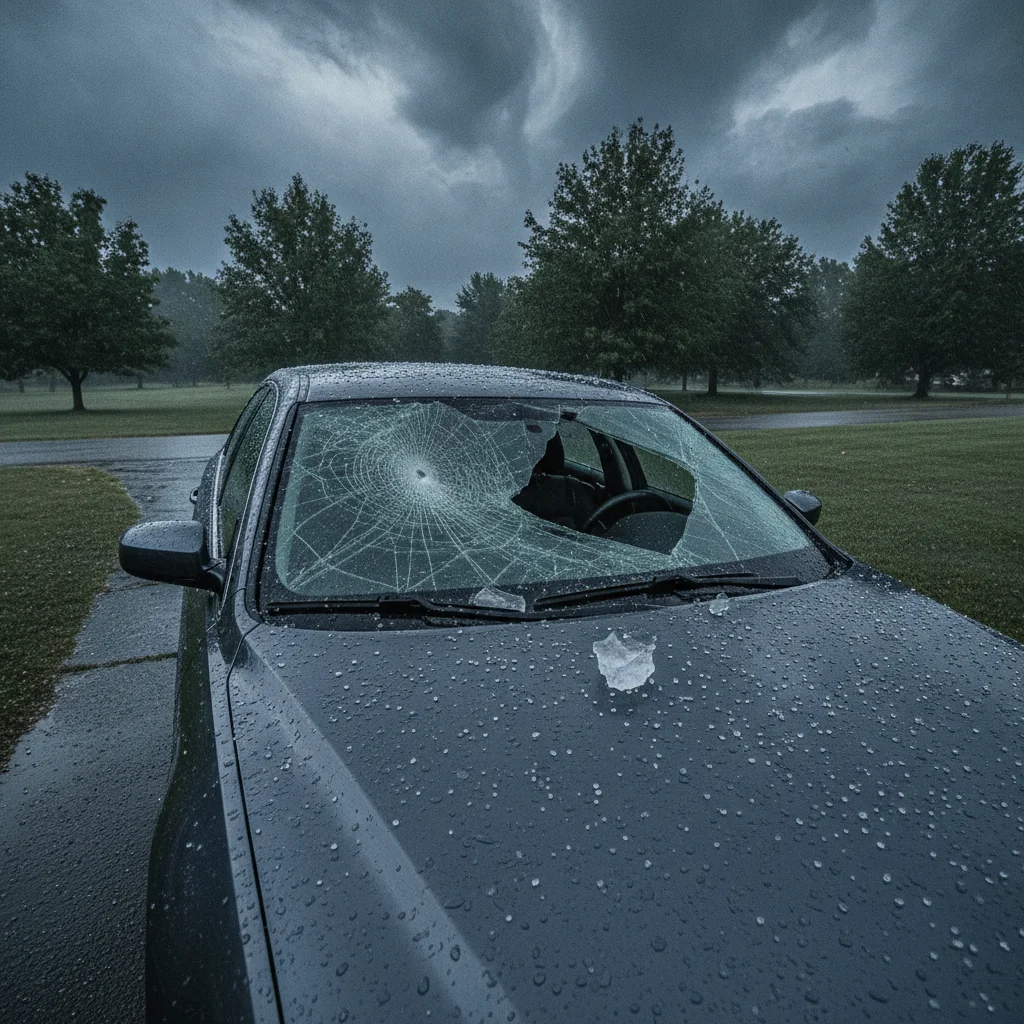
Hail, flooding, and storm damage can total a vehicle or generate repair bills in the thousands. Comprehensive coverage addresses all of these events for an average annual premium of around $167 nationally.
Covers animal strikes and falling objects
Deer collisions and falling trees or branches cause significant vehicle damage that collision coverage does not address. With over 1.5 million deer-vehicle incidents annually, this is a real and frequent risk for many drivers.
Required by lenders — avoids costly force-placed insurance
Financed and leased vehicles must carry comprehensive under the loan or lease contract. If you drop it, lenders can impose force-placed coverage at two to three times market rates, charged back to your loan balance.
Provides peace of mind in high-risk geographic areas
For drivers in hail-prone, flood-prone, or high-theft regions, comprehensive coverage aligns closely with real, local risk rather than theoretical scenarios.
Deductible is adjustable to manage cost
Raising your comprehensive deductible from $250 to $1,000 can meaningfully lower your premium while still retaining coverage for catastrophic losses — offering a middle-ground approach for cost-conscious drivers.
Adds annual premium cost on low-value vehicles
For vehicles worth under $4,000–$5,000, the math on comprehensive can work against you. If the annual premium plus deductible approaches the vehicle's ACV, the coverage offers limited financial upside.
Pays only actual cash value, not replacement cost
Comprehensive pays what your car was worth at the time of loss — not what it costs to replace it with an equivalent vehicle today. Depreciation erodes that payout significantly on older models.
Deductible reduces payout on smaller claims
A $1,000 deductible on a $1,800 repair leaves you paying more than half out of pocket. Filing small comprehensive claims can also trigger premium increases in some markets, further reducing net benefit.
May generate limited value in low-risk regions
Drivers in mild-climate, low-theft areas with minimal wildlife exposure face statistically lower probabilities of comprehensive events, making the expected value of the coverage less compelling.
Can create a false sense of full protection
Carrying comprehensive doesn't mean you're fully covered — gap insurance, collision, and liability are all separate. Drivers sometimes overestimate what comprehensive alone protects.
Our Verdict
Comprehensive coverage is not a luxury add-on — it's a core financial protection for anyone who cannot comfortably absorb a four- or five-figure loss on their vehicle. The annual premium cost is modest relative to the risks it covers, and for most drivers with vehicles worth more than a few thousand dollars, it delivers clear value. However, on very old, low-value vehicles where the math genuinely doesn't pencil out, dropping it can be a rational choice — provided drivers have the savings to cover a total loss themselves.
Comprehensive coverage is best for drivers with vehicles worth $8,000 or more, those in high-risk regions for weather or theft, and anyone who finances or leases their car.
What Comprehensive Coverage Actually Covers
Despite its name, comprehensive coverage doesn't cover everything — but what it does cover is a surprisingly broad and financially significant category of risk. While collision coverage addresses damage resulting from your vehicle hitting another object or vehicle, comprehensive steps in for everything else: theft, vandalism, fire, flooding, hail, falling objects, animal strikes, and even civil unrest damage.
That distinction matters more than most drivers realize. According to the III, auto theft alone cost Americans more than $8.9 billion in 2022. Separate data from the National Insurance Crime Bureau shows that weather-related claims — hail being the most frequent — regularly drive repair bills into the thousands, sometimes exceeding the vehicle's depreciated value.
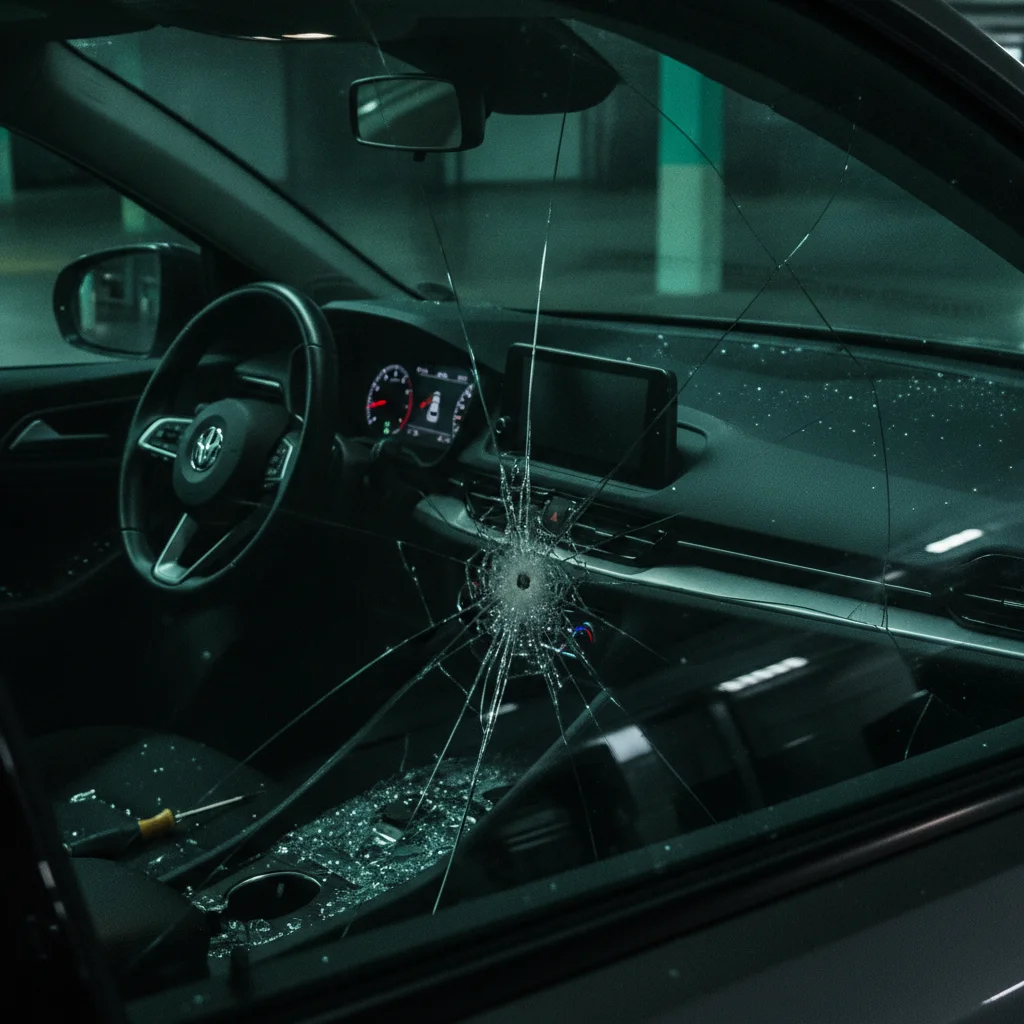
Comprehensive is also the coverage that pays when a deer steps in front of your car on a rural highway, when a tree falls on your hood during a storm, or when your catalytic converter is stolen from a parking lot. None of those incidents trigger collision coverage. And without comprehensive, none of them trigger any payout from your insurer at all.
It's worth understanding that comprehensive pays up to your vehicle's actual cash value (ACV) — not its replacement cost, and not what you paid for it. The ACV is the market value at the time of the loss, minus your deductible. That makes the coverage most valuable for vehicles still holding meaningful market value.
Comprehensive vs. Collision: The Key Difference
Collision coverage pays for damage when your vehicle strikes another car or object — a fender bender, a guardrail, a pole. Comprehensive covers everything else: theft, weather, animals, vandalism, and fire. The two are distinct coverages with separate deductibles, and lenders typically require both. Drivers sometimes conflate the two, but the distinction matters enormously when determining which events are actually covered under their policy.
Glass Coverage: A Nuance Worth Knowing
In some states and policies, windshield and glass damage may be handled differently than standard comprehensive claims. Certain insurers offer zero-deductible glass coverage as a separate endorsement or as a feature of comprehensive in specific states. If glass claims are a concern — especially in gravel-heavy or construction-heavy areas — it's worth clarifying exactly how your policy handles them before assuming comprehensive resolves every cracked windshield.
The Financial Exposure of Going Without It
The core argument for skipping comprehensive is simple: save money on premiums. The average annual cost of comprehensive coverage is roughly $167 per year nationally, according to Bankrate's 2024 rate data — though that figure varies significantly by state, vehicle, and driver profile. For drivers watching every dollar, that can feel like meaningful savings.
But that logic only holds up if nothing goes wrong. And the whole point of insurance is that things go wrong.
$8.9B
Annual U.S. auto theft losses
According to the Insurance Information Institute, auto theft cost American drivers and insurers nearly $8.9 billion in losses in 2022.
$167
Average annual comprehensive premium
Bankrate's 2024 auto insurance rate data puts the national average cost of comprehensive coverage at approximately $167 per year.
1.5M+
Annual deer-vehicle collisions in the U.S.
The Insurance Institute for Highway Safety estimates over 1.5 million deer-vehicle collisions occur each year, the majority of which are comprehensive — not collision — claims.
$12,000
Average value of a stolen vehicle
Data from the National Insurance Crime Bureau puts the average value of a stolen vehicle at roughly $12,000 — a loss entirely uncompensated without comprehensive coverage.
Consider a concrete scenario: a driver in Oklahoma — one of the most hail-prone states in the country — drops comprehensive to cut costs. A spring storm rolls through and leaves $4,200 in hail damage on their vehicle. Without comprehensive, that bill lands entirely out of pocket. The premiums they saved over three years wouldn't cover half of it.
Theft scenarios are even more stark. The average value of a stolen vehicle in the U.S. is approximately $12,000, according to NICB data. If your car is stolen and you're carrying only liability coverage, your insurer pays nothing toward replacing it. You're left navigating a total loss without any financial cushion — and still potentially responsible for a loan balance if you're financing the vehicle.
Many drivers mistakenly assume lower premiums equal smarter coverage choices — but the actual cost of a coverage gap almost always dwarfs the annual savings when a claim occurs. That math is the foundation of the comprehensive coverage debate.
Pros and Cons of Carrying Comprehensive Coverage
Like most insurance decisions, the right call on comprehensive isn't universal — it depends on your vehicle's value, your financial situation, and where you live. Here's a balanced breakdown of what you're gaining and giving up.
Covers theft, which liability and collision do not
If your vehicle is stolen, comprehensive is the only standard auto policy coverage that pays anything toward recovery or replacement. With average stolen vehicle values around $12,000, this protection is substantial.
Protects against weather damage at relatively low cost
Hail, flooding, and storm damage can total a vehicle or generate repair bills in the thousands. Comprehensive coverage addresses all of these events for an average annual premium of around $167 nationally.
Covers animal strikes and falling objects
Deer collisions and falling trees or branches cause significant vehicle damage that collision coverage does not address. With over 1.5 million deer-vehicle incidents annually, this is a real and frequent risk for many drivers.
Required by lenders — avoids costly force-placed insurance
Financed and leased vehicles must carry comprehensive under the loan or lease contract. If you drop it, lenders can impose force-placed coverage at two to three times market rates, charged back to your loan balance.
Provides peace of mind in high-risk geographic areas
For drivers in hail-prone, flood-prone, or high-theft regions, comprehensive coverage aligns closely with real, local risk rather than theoretical scenarios.
Deductible is adjustable to manage cost
Raising your comprehensive deductible from $250 to $1,000 can meaningfully lower your premium while still retaining coverage for catastrophic losses — offering a middle-ground approach for cost-conscious drivers.
Adds annual premium cost on low-value vehicles
For vehicles worth under $4,000–$5,000, the math on comprehensive can work against you. If the annual premium plus deductible approaches the vehicle's ACV, the coverage offers limited financial upside.
Pays only actual cash value, not replacement cost
Comprehensive pays what your car was worth at the time of loss — not what it costs to replace it with an equivalent vehicle today. Depreciation erodes that payout significantly on older models.
Deductible reduces payout on smaller claims
A $1,000 deductible on a $1,800 repair leaves you paying more than half out of pocket. Filing small comprehensive claims can also trigger premium increases in some markets, further reducing net benefit.
May generate limited value in low-risk regions
Drivers in mild-climate, low-theft areas with minimal wildlife exposure face statistically lower probabilities of comprehensive events, making the expected value of the coverage less compelling.
Can create a false sense of full protection
Carrying comprehensive doesn't mean you're fully covered — gap insurance, collision, and liability are all separate. Drivers sometimes overestimate what comprehensive alone protects.
The key variable that shifts this analysis is vehicle value. Financial planning experts commonly suggest a rule of thumb: if your annual comprehensive premium plus your deductible exceeds 10% of your vehicle's ACV, the math is starting to work against you. For a car worth $3,000, paying $300 per year with a $500 deductible means you're paying $800 to protect an asset that would only pay out $2,500 maximum — and only in a total loss. At that point, self-insuring may be rational.
But for vehicles worth $10,000 or more, that same calculation looks very different. Paying $200 per year to protect a $15,000 asset is a straightforward value proposition, especially in regions with elevated hail, flood, or theft risk.
When Lenders Make the Decision For You
For a significant portion of drivers, this isn't an optional decision at all. If you're financing or leasing a vehicle, your lender almost certainly requires you to carry both comprehensive and collision coverage — and to maintain them for the life of the loan or lease. This is standard language buried in auto loan agreements and lease contracts.
Dropping coverage without lender consent doesn't just leave you exposed to vehicle loss — it puts you in breach of your loan contract. Lenders respond by force-placing insurance on the vehicle, often at rates two to three times higher than market premiums. That forced coverage protects the lender's interest in the collateral, not yours, and it gets added to your loan balance.
If you're financing a newer vehicle and wondering whether to drop comprehensive to cut costs, the answer from a legal and financial standpoint is almost always no. The lender won't allow it, and if they discover the coverage lapse, the consequences are worse than the premium savings.
EV owners face an even sharper version of this problem, given the elevated repair and replacement costs associated with battery systems and specialized components. For financed EVs, comprehensive isn't a question — it's a contractual obligation.
Geographic Risk: Where You Live Changes the Math
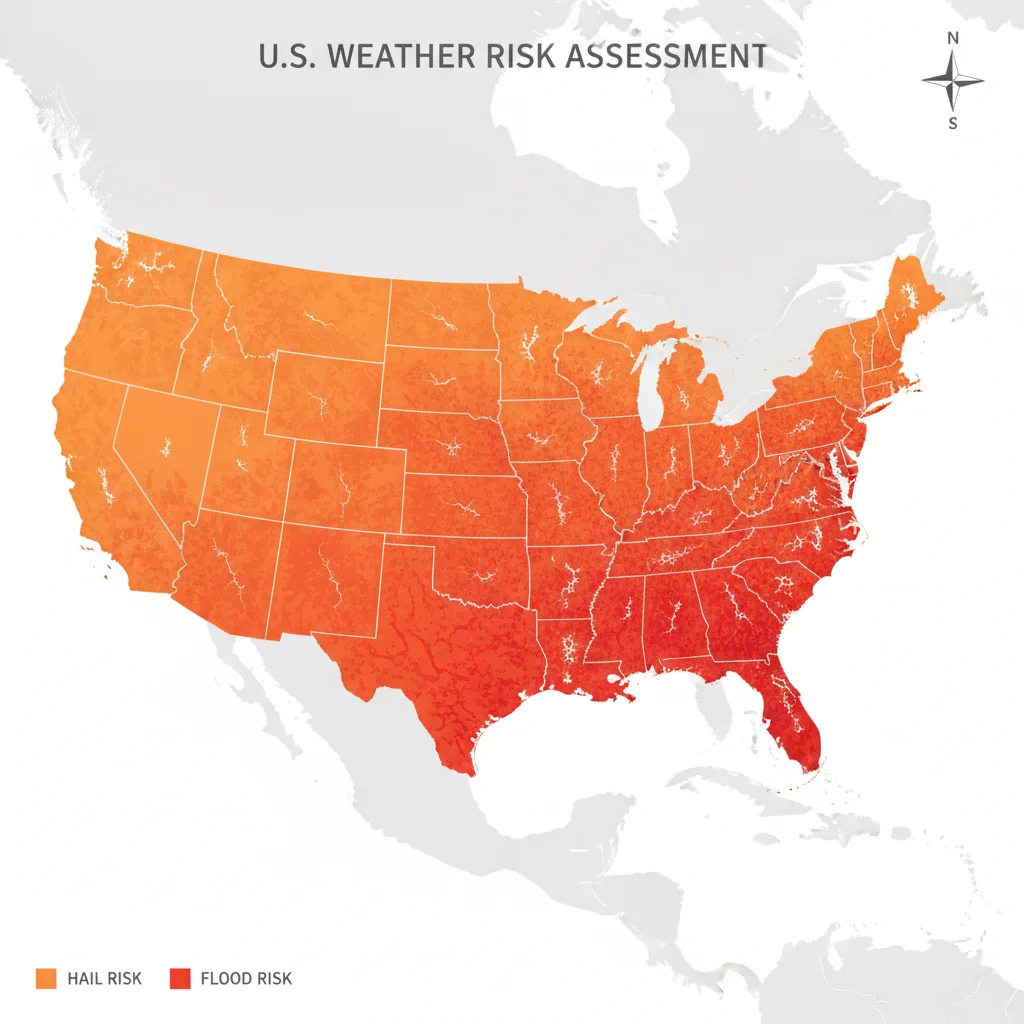
Auto insurance risk is heavily localized, and comprehensive coverage illustrates that principle sharply. Drivers in certain states and regions face dramatically elevated exposure to exactly the kinds of events comprehensive covers.
- Hail-prone states: Texas, Oklahoma, Colorado, Kansas, and Nebraska lead the nation in hail claims. In some ZIP codes, hail events are not a rare occurrence — they're a near-annual expectation.
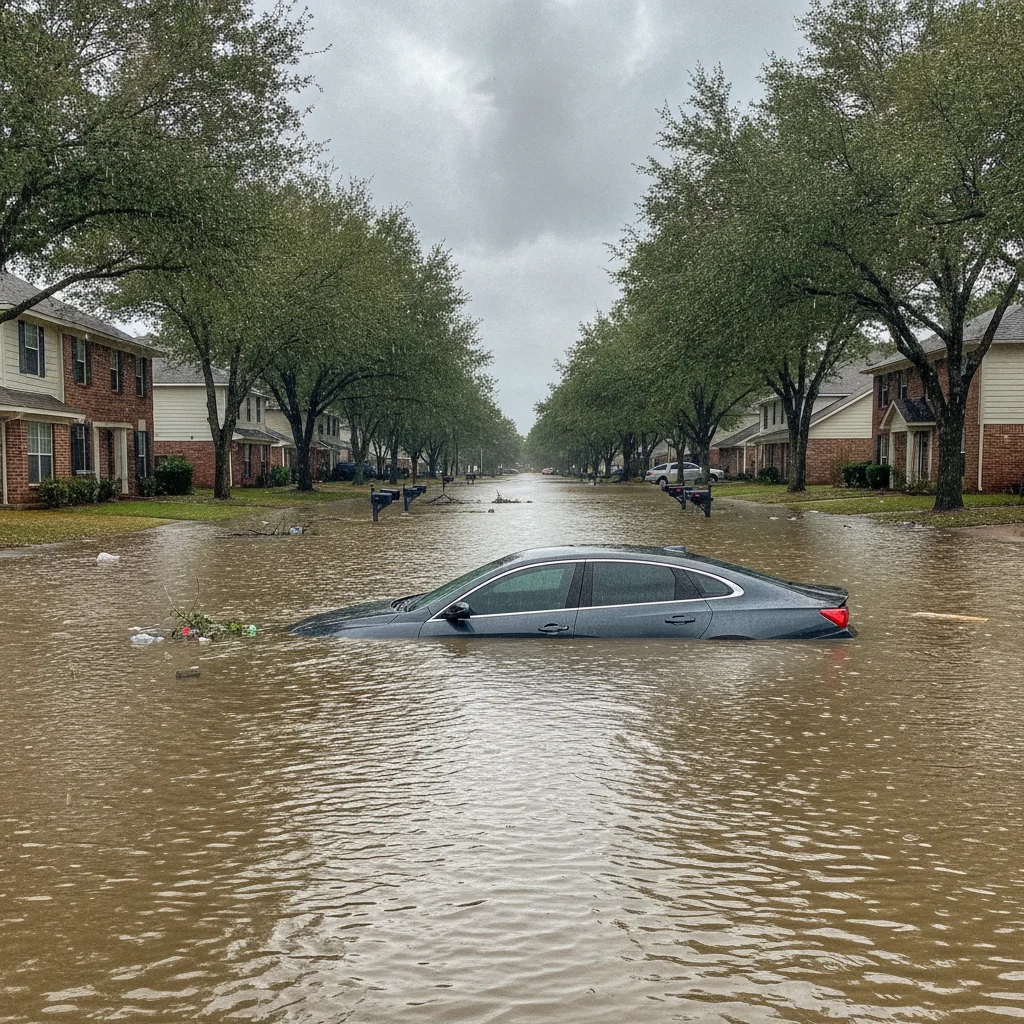
- Flood zones: Flooding is one of the most financially devastating comprehensive events. Flood damage often totals a vehicle entirely, and FEMA flood maps don't capture every area at risk from flash flooding or storm surge.
- High-theft metro areas: Vehicle theft rates vary enormously by city. The NICB's annual Hot Spots report consistently identifies California, Texas, Washington state, and Michigan metro areas as theft-heavy regions.
- Wildlife density: Deer strikes peak in fall months across the Midwest and Northeast. The Insurance Institute for Highway Safety estimates there are over 1.5 million deer-vehicle collisions annually in the U.S.
If you live in a low-risk area — mild climate, low theft rates, rural but with minimal wildlife crossings — the actuarial case for comprehensive is somewhat weaker than the national average. But most drivers can't make that assessment without genuinely knowing their local risk environment, and insurance companies price those differences into premiums already.
When premium dollars are tight, prioritizing by geography is a smart framework — comprehensive and collision may not rank equally for every driver's situation.
How to Make a Smarter Decision on Comprehensive
Rather than making this decision on intuition or a neighbor's advice, there's a straightforward analytical process that produces a more defensible answer.
- Find your vehicle's actual cash value. Use Kelley Blue Book, Edmunds, or your state's DMV used vehicle guide. Be honest about condition — insurers will be.
- Get your current comprehensive premium. Ask your insurer to break it out separately from collision and liability. Many drivers don't know what they're paying for each component.
- Apply the 10% rule. If your annual comprehensive premium exceeds 10% of your ACV, the coverage is becoming cost-inefficient. Factor in your deductible as well — it reduces your maximum payout.
- Assess your financial reserves. Could you absorb a $5,000–$10,000 vehicle loss without financial crisis? If yes, self-insuring on an older vehicle may be reasonable. If not, comprehensive is protecting you from a genuine hardship.
- Check your loan documents. If you're financing, stop here — you likely don't have a choice.
It's also worth comparing this decision against other coverage choices. Not every optional coverage delivers equal value — some genuinely do pay off for most drivers, and comprehensive tends to rank among the more defensible ones. Similarly, coverage like UM/UIM is often cut for the wrong reasons — the savings feel real until you need it.
If you're looking for legitimate ways to reduce auto insurance costs without gutting coverage, exploring available discounts is a better starting point than removing protections. Multi-policy bundling, usage-based programs, and annual policy reviews frequently surface savings that don't require accepting additional risk.

The decision to carry or skip comprehensive is ultimately a risk-tolerance question with real financial consequences. Treating it as just a line item to cut — without running the numbers — is where drivers tend to get into trouble.

All claims are backed by peer-reviewed research. Sources on request.