
Key Takeaways
Mandatory Physical Damage Coverage
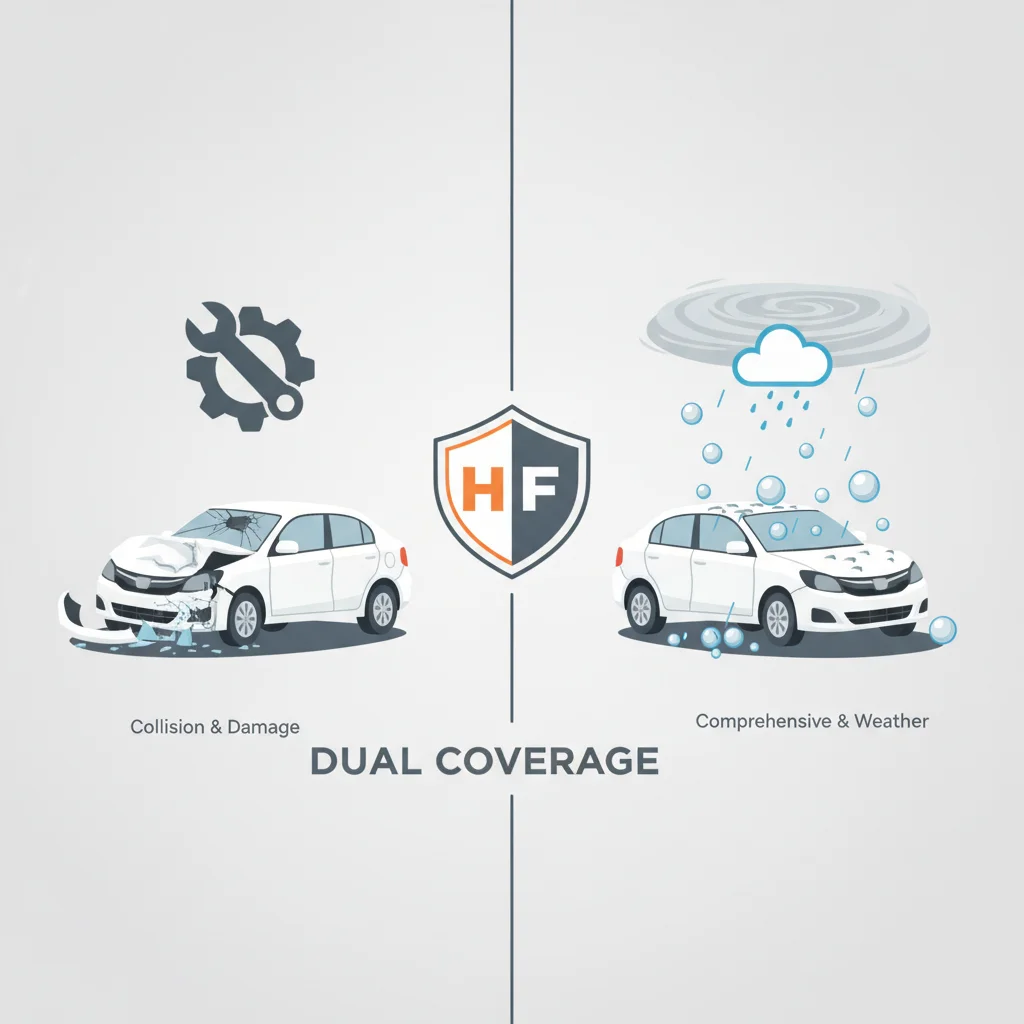
Physical damage coverage is the umbrella term for collision and comprehensive insurance — the two policy types that pay to repair or replace your own vehicle after an accident or covered loss. When you finance or lease a car, the lender or leasing company almost always requires you to carry both, because the vehicle serves as collateral for the loan or the asset being leased. Without it, the lender's financial interest in that vehicle is unprotected.
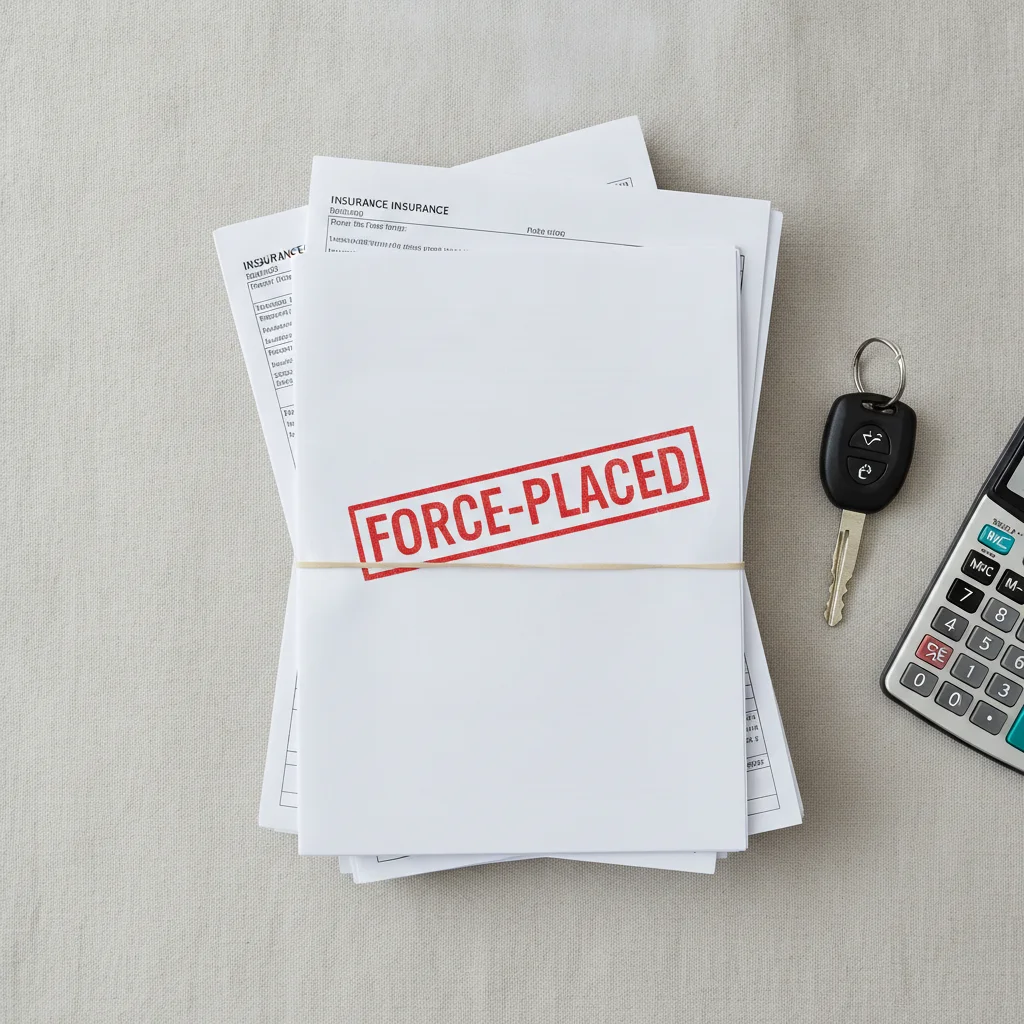
Lenders specify minimum coverage requirements — including deductible caps — directly in your loan or lease agreement. Failure to maintain required coverage gives the lender the right to purchase "force-placed" insurance on your behalf and charge you for it, often at rates far above market.
Why Lenders and Lessors Control Your Insurance Choices
When you drive off a dealership lot with a financed or leased car, the vehicle isn't entirely yours — not legally, and not from an insurance standpoint. The bank, credit union, or leasing company that provided the financing holds a legal interest in that car, and that interest comes with strings attached. The most consequential string: you must carry full physical damage coverage for as long as the lender or lessor has a stake in the vehicle.
This isn't arbitrary. From the lender's perspective, the car is collateral. If you default on the loan, they can repossess it and sell it to recover what's owed. But if the car has been totaled in a crash and you don't have comprehensive or collision coverage, that collateral is worthless. The lender is left holding a depleted loan balance with no asset to recover against. Requiring insurance is how lenders protect against that scenario.
For leased vehicles, the situation is structurally similar but the stakes are even higher for the lessor. A leasing company owns the car outright throughout the lease term — you're essentially renting it. Any damage to the vehicle directly reduces the asset's residual value. That's why lease agreements routinely impose stricter insurance minimums than standard auto loans.
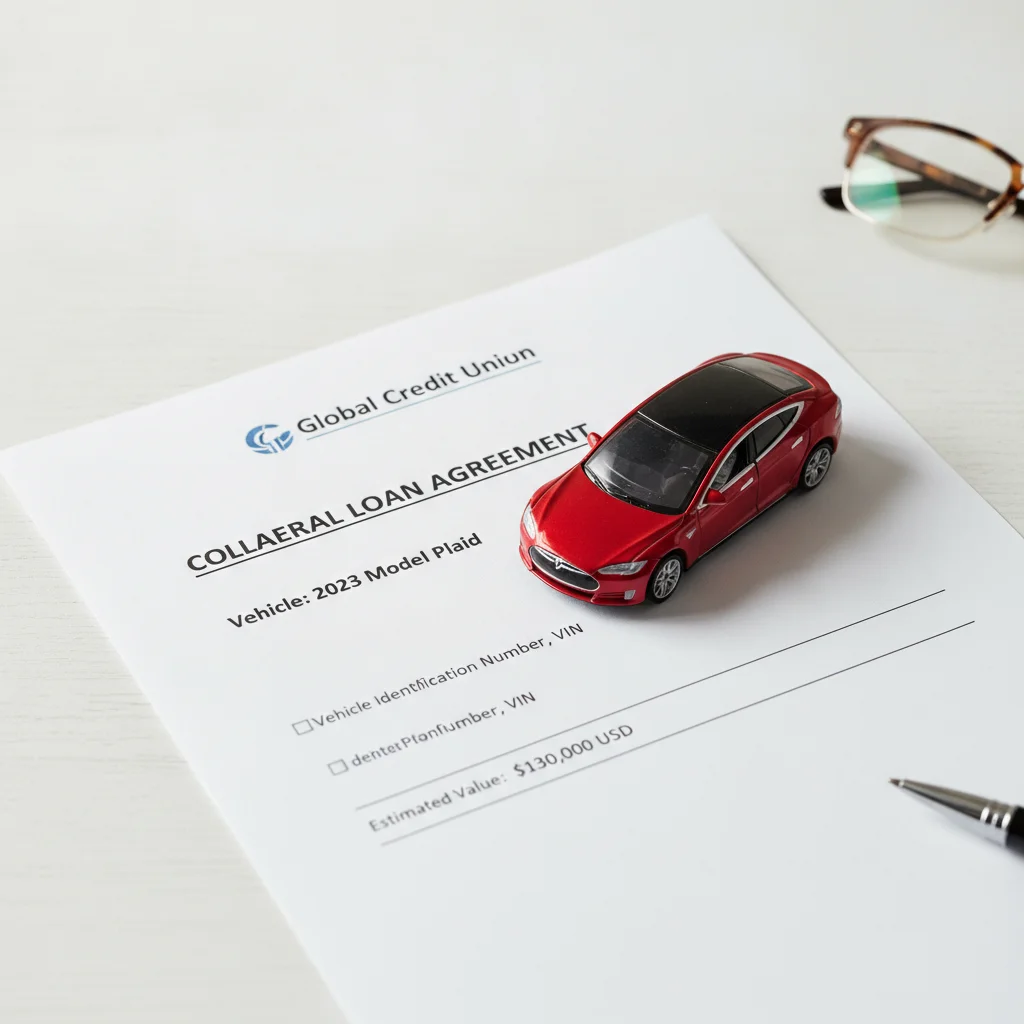
The key coverages both lenders and lessors require are collision and comprehensive — the two branches of what the industry calls physical damage insurance. Understanding exactly what each one covers, and why lenders treat them as a matched pair, is the foundation for navigating these requirements intelligently.
Collision vs. Comprehensive: Two Coverages, One Purpose
Collision and comprehensive are frequently bundled together in policy discussions — and in lender requirements — but they cover fundamentally different categories of loss. Treating them as interchangeable is a mistake that can leave drivers confused when a claim arises.
Collision Coverage
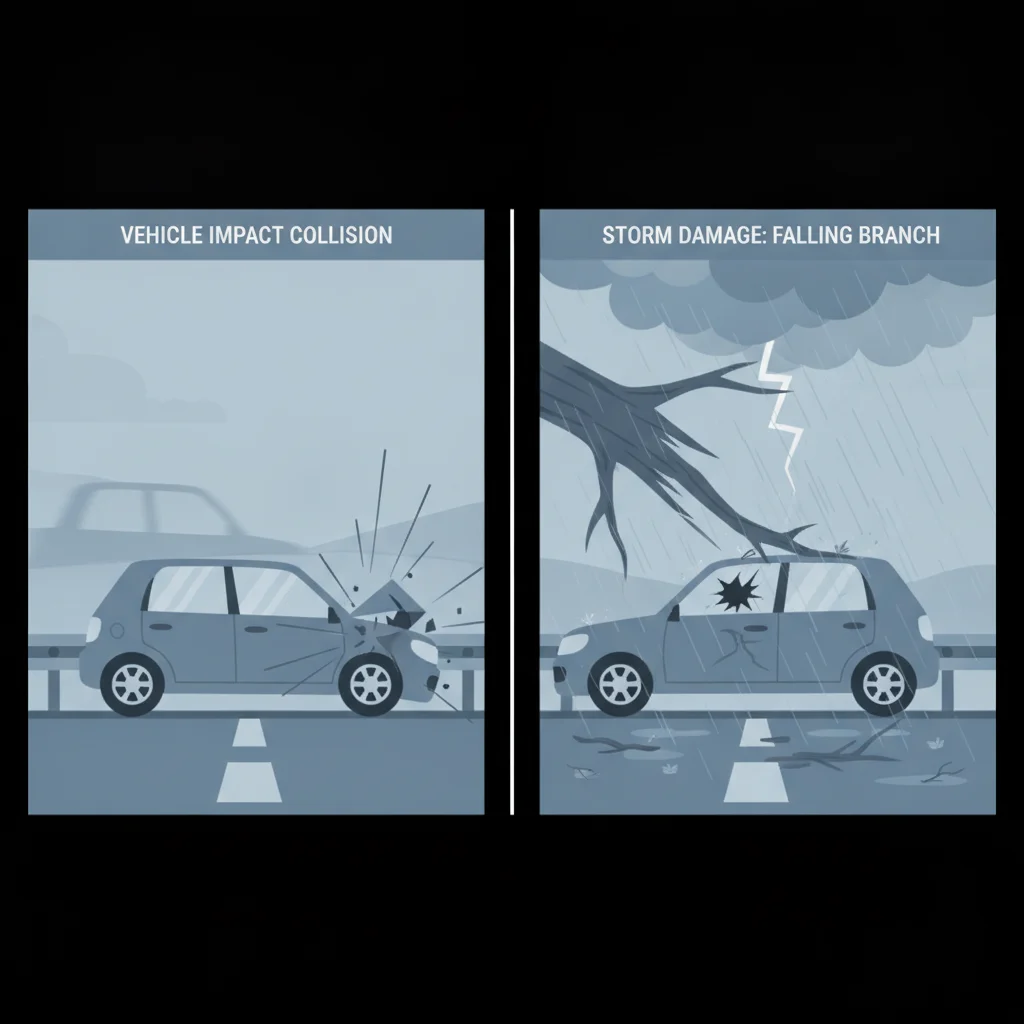
Collision pays to repair or replace your vehicle when it's damaged in a crash — regardless of who is at fault. That includes impacts with other cars, single-vehicle accidents where you hit a guardrail or tree, and rollovers. If you rear-end another driver, hit a pothole that sends your car into a curb, or get sideswiped in a parking lot, collision is the coverage that applies to your own vehicle's damage.
Fault matters for some purposes — like whether your rates go up — but it doesn't change which coverage responds. Collision pays whether you caused the accident or someone else did.
Comprehensive Coverage
Comprehensive covers damage from events that aren't collisions — what insurers sometimes call "other than collision" losses. The category is broad: theft, vandalism, fire, flooding, hail, falling objects (trees, debris), animal strikes, and civil unrest are all typically covered under a comprehensive policy. So is a cracked windshield from a road rock.
A useful mental shortcut: if the damage happened to your car without you driving into something, it's probably a comprehensive claim. If your car ran into something — or something ran into your car while it was moving — it's probably collision.
“The reason lenders require collision and comprehensive isn't punitive — it's structural. The car is the collateral, and collateral has to be insured. When borrowers understand that, the whole requirement makes a lot more sense.”
— Robert Hunter, Former Director of Insurance, Consumer Federation of America
For a deeper comparison of how each coverage is triggered and what claims actually look like in practice, see Collision vs. Comprehensive Coverage: What Each One Actually Protects.
~79%
U.S. drivers carrying comprehensive coverage
According to the Insurance Information Institute, roughly 79% of insured U.S. drivers carry comprehensive coverage, reflecting how widespread financed and leased vehicle ownership is.
2–5x
Force-placed insurance cost vs. standard policy
The Consumer Financial Protection Bureau has documented that force-placed insurance typically costs two to five times more than a borrower-purchased policy for equivalent lender protection.
$1,000
Typical maximum deductible allowed by lenders
Most auto lenders cap allowable deductibles at $500 to $1,000 per occurrence, with leasing companies frequently requiring the lower limit.
37%
New vehicles financed in 2023 that were leased
Experian's State of the Automotive Finance Market report found that approximately 37% of new vehicle transactions in recent years involved lease agreements, all subject to mandatory physical damage requirements.
What Your Loan or Lease Agreement Actually Says
The insurance requirements embedded in your financing documents are legally binding contract terms. Skimming past them — as most borrowers do — doesn't eliminate the obligation. Here's what those clauses typically require:
- Both collision and comprehensive coverage must be maintained continuously for the life of the loan or lease.
- Deductible caps are commonly set at $500 or $1,000. A higher deductible might reduce your premium, but if it violates your contract, the lender has grounds to declare the policy insufficient.
- The lender or lessor must be listed as a lienholder and loss payee on the policy. This means the insurer notifies them of any policy changes — including cancellations — and pays claims proceeds to them directly or jointly with you.
- Leases frequently also require higher liability limits than state minimums, and many mandate gap insurance to cover the difference between market value and the remaining balance if the car is totaled.
It's worth pulling out your actual loan or lease agreement and reading the insurance section. Requirements vary by lender and by vehicle type, and the fine print occasionally includes stipulations — like requiring the insurer to be rated above a certain threshold — that most drivers never notice until there's a problem.
Read the Insurance Clause Before You Sign
Before finalizing any auto loan or lease, locate the insurance requirements section and note the specific deductible caps, liability minimums, and any gap coverage mandates. These terms are negotiated into the contract before you take the keys — not after. Knowing them in advance lets you shop for a policy that complies without overpaying.
Review Your Coverage After Paying Off Your Loan
Loan payoff is a natural trigger to reassess your coverage. Pull your vehicle's current market value from a source like Kelley Blue Book or Edmunds, compare it to your annual physical damage premium, and decide whether the coverage still makes financial sense for your situation. If your car's value has dropped substantially, you may be insuring a risk that no longer justifies the cost.
For a comprehensive breakdown of optional coverages that pair well with lease-required minimums — including gap insurance and new car replacement — see which optional coverages make sense if you lease a car.
Force-Placed Insurance: The Cost of Non-Compliance
Most lenders monitor your insurance status automatically. When you finance a vehicle, the lender is notified by your insurer of policy changes — including lapses, cancellations, or the removal of a required coverage. If your insurer reports that you've dropped collision or comprehensive, expect the lender to act quickly.
The mechanism lenders use is called force-placed insurance (also called lender-placed or collateral protection insurance). The lender purchases a policy on your behalf and adds the premium to your loan balance — sometimes retroactively covering the period you were uninsured.
Force-Placed Insurance Protects the Lender, Not You
A force-placed policy covers only the lender's financial interest in the vehicle — typically just physical damage to the collateral. It provides no liability coverage, no uninsured motorist protection, and no medical payments coverage for you or your passengers. If you're involved in an at-fault accident while force-placed, you could face both a depleted loan balance and an uncovered liability claim simultaneously.
Liability Coverage Is a Separate Requirement
Collision and comprehensive cover damage to your own vehicle. They do not cover damage you cause to other people's property or injuries to other parties — that's what liability insurance does. Lenders require physical damage coverage in addition to, not instead of, the liability coverage your state legally mandates. For more on how liability coverage works and what it pays for, see the <a href="/car-insurance/coverage-types/liability-coverage">liability coverage overview</a>.
Force-placed insurance is almost always a bad deal for the borrower. Industry data consistently shows it costs two to five times what a standard policy would cost for equivalent coverage. Worse, it protects only the lender's financial interest — it does not cover your liability to others, your medical expenses, or any personal property inside the vehicle. You pay for coverage that benefits someone else.
If you're struggling to afford physical damage coverage and are considering dropping it, the mathematically rational move is to contact your insurer first and explore options — raising your deductible to the maximum your contract allows, shopping competing quotes, or asking about usage-based programs — before letting coverage lapse. Force-placed insurance will almost certainly cost more than the savings you'd realize by going uninsured.
Lease-Specific Requirements: Why They're Stricter
Lease agreements tend to impose more demanding insurance conditions than standard auto loans, and the reasons are structural. When you lease, the leasing company retains ownership of the vehicle for the entire term. Every scratch, dent, and mechanical issue affects an asset that will be returned to the lessor's inventory and either re-leased or sold. Depreciation from damage directly reduces what the lessor can recover at lease end.
Common lease-specific requirements beyond the standard collision and comprehensive mandate include:
- Lower deductible maximums — often $500 per occurrence, versus $1,000 or higher on many loan agreements.
- Higher liability limits — many leases specify $100,000/$300,000 bodily injury minimums, well above most state requirements.
- Gap coverage — either required outright or strongly encouraged. New vehicles depreciate rapidly; a car that's totaled 18 months into a three-year lease may be worth significantly less than what's owed. Gap insurance covers that shortfall so neither the lessee nor the lessor absorbs an unexpected loss.
Some dealerships roll gap coverage into the lease itself, charging for it as part of the monthly payment. Others expect you to add it through your insurer, which is typically cheaper. Check your lease documents carefully to avoid paying twice. The optional add-ons coverage hub covers gap insurance and similar products in more detail.
After the Loan Is Paid: Making Your Own Coverage Decision
Once your final loan payment clears and the lien is released, you're no longer contractually obligated to maintain collision or comprehensive coverage. Legally, you could immediately drop both and carry only the liability coverage your state requires. But whether that's financially wise is a separate question entirely.
The standard analysis compares the cost of carrying coverage against the value of the protection. If your car is worth $3,500 and you're paying $800 per year in collision and comprehensive premiums with a $1,000 deductible, the maximum net claim you'd ever receive is $2,500 — a number that barely justifies the ongoing cost, especially factoring in any premium increases after a claim. In that scenario, many financial advisors would recommend dropping physical damage coverage and self-insuring by setting aside the saved premiums.
If your car is worth $25,000, the calculus reverses sharply. A total-loss event without physical damage coverage means absorbing a five-figure loss out of pocket. For most households, that's a risk worth insuring against.
Force-Placed Insurance Protects the Lender, Not You
A force-placed policy covers only the lender's financial interest in the vehicle — typically just physical damage to the collateral. It provides no liability coverage, no uninsured motorist protection, and no medical payments coverage for you or your passengers. If you're involved in an at-fault accident while force-placed, you could face both a depleted loan balance and an uncovered liability claim simultaneously.
Liability Coverage Is a Separate Requirement
Collision and comprehensive cover damage to your own vehicle. They do not cover damage you cause to other people's property or injuries to other parties — that's what liability insurance does. Lenders require physical damage coverage in addition to, not instead of, the liability coverage your state legally mandates. For more on how liability coverage works and what it pays for, see the <a href="/car-insurance/coverage-types/liability-coverage">liability coverage overview</a>.
The decision to carry both coverages once you own outright involves weighing your vehicle's current market value, your liquid savings, and your personal risk tolerance. The case for and against carrying both collision and comprehensive walks through that trade-off in detail.
What's important to understand is that the lender requirement — while it constrained your choices during the loan — often reflected sound financial logic. Physical damage coverage exists because cars are expensive assets that face real, frequent risks. Whether mandated by a lienholder or chosen freely, the underlying rationale doesn't change when you pay off the note.
Read the Insurance Clause Before You Sign
Before finalizing any auto loan or lease, locate the insurance requirements section and note the specific deductible caps, liability minimums, and any gap coverage mandates. These terms are negotiated into the contract before you take the keys — not after. Knowing them in advance lets you shop for a policy that complies without overpaying.
Review Your Coverage After Paying Off Your Loan
Loan payoff is a natural trigger to reassess your coverage. Pull your vehicle's current market value from a source like Kelley Blue Book or Edmunds, compare it to your annual physical damage premium, and decide whether the coverage still makes financial sense for your situation. If your car's value has dropped substantially, you may be insuring a risk that no longer justifies the cost.
How Physical Damage Claims Work Under a Financed or Leased Vehicle
Understanding the mechanics of a claim helps demystify why lenders require to be listed on your policy and why the payment process works differently than it would if you owned the car free and clear.
When you file a physical damage claim on a financed or leased vehicle:
- The insurer investigates and determines the payout — either the repair cost or, in a total loss, the actual cash value of the vehicle.
- For a total loss, payment goes to the lienholder first. If the payout exceeds the remaining loan balance, you receive the surplus. If the payout is less than the balance owed — the "upside down" or "underwater" scenario — you're responsible for the gap unless you have gap coverage.
- For a repairable vehicle, the insurer may pay the repair shop directly, or issue a check jointly to you and the lienholder. The joint-check requirement exists so lenders can confirm the repair is actually completed rather than the pocketing the insurance proceeds while the car remains damaged.
The practical implication of joint-check provisions: if you receive a claim payment made out to both you and your lender, you'll need to work with the lender to endorse and process the check. This can slow down repairs, so it's worth understanding the process before you need it.
For a full walkthrough of how claims work from first call to final payment, everything you need to know about collision and comprehensive insurance covers the process step by step.


All claims are backed by peer-reviewed research. Sources on request.