Key Takeaways
Insurance Premium Renewal Change
A premium renewal change is an increase or decrease in your car insurance rate when your current policy term ends and a new one begins. It can happen even if you had zero accidents, no tickets, and made no changes to your coverage. Insurers reassess multiple factors at every renewal — many of which have nothing to do with your personal driving behavior.
Insurers file rate changes with state regulators; approved increases apply to an entire book of business and do not require individual policyholder cause. These are called 'portfolio-level' or 'class-wide' adjustments.
The Renewal Surprise Nobody Warned You About
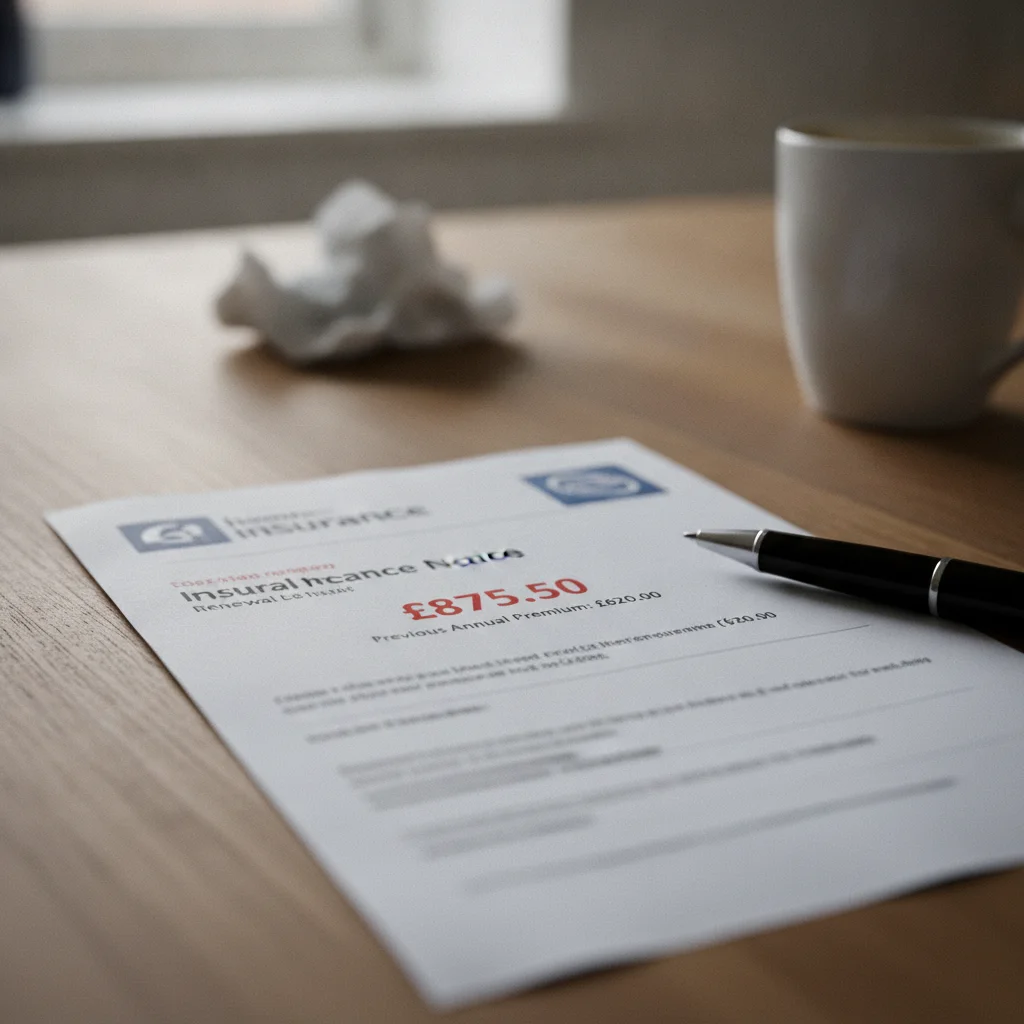
You did everything right. No fender benders. No speeding tickets. You paid your premium on time every month. Then your renewal notice arrives and the number is higher than last year. Sometimes noticeably higher.
This isn't a billing error, and it isn't random. But to understand why it happens, you have to stop thinking about auto insurance as a reward-and-punishment system based purely on your own behavior. It isn't. Your premium is a price set by a risk-pooling business that tracks dozens of variables simultaneously — most of which are completely outside your control.
This article breaks down the real drivers of renewal premium changes, so you can anticipate them, respond intelligently, and stop feeling blindsided every six or twelve months.
Market-Level Forces That Move Your Rate
The single biggest misconception about auto insurance pricing is that it's purely personal. In reality, a large share of what you pay reflects conditions in your broader market — your state, your region, sometimes just your ZIP code.
Loss Trends Across the Insurer's Book of Business
When an insurer pays out more in claims across its entire customer base — because of a surge in auto thefts, a spike in severe weather events, or a rise in distracted driving accidents — it needs to recover those costs across all policyholders. Your clean record doesn't exempt you from a portfolio-level rate adjustment. This is called loss ratio deterioration, and it's one of the most common reasons premiums rise without a personal trigger.
Inflation in Parts and Labor
Auto repair costs have escalated sharply in recent years. The price of semiconductor chips, aluminum body panels, and ADAS (advanced driver assistance system) sensors affects what insurers pay to fix your car after a claim. When shop labor rates rise and parts become scarcer, the expected cost of any future claim goes up — and your premium follows. This dynamic hits owners of newer vehicles and EVs especially hard, since their components are more expensive to source and replace. For EV owners specifically, the EV insurance guide explores how battery replacement costs and specialized repair networks feed into higher premiums.
Reinsurance Costs
Insurers themselves buy insurance — called reinsurance — to protect against catastrophic loss years. When reinsurance markets tighten after major disasters, the cost flows downstream to you at renewal. This is an invisible force most policyholders never hear about, but it's very real.
17%
Average U.S. auto insurance rate increase (2023)
According to S&P Global Market Intelligence, the average personal auto insurance rate increased approximately 17% in 2023, one of the largest single-year jumps in decades.
26%
Rise in auto repair costs since 2020
The U.S. Bureau of Labor Statistics CPI data shows motor vehicle maintenance and repair costs climbed over 26% between 2020 and 2024.
92%
States that allow credit-based insurance scoring
The Insurance Information Institute reports that the majority of U.S. states permit insurers to use credit-based insurance scores in auto premium calculations.
3–5 years
Typical lookback window for at-fault accidents
Most insurers assess surcharges on at-fault accidents for three to five years, after which those incidents age off and no longer affect your rate.
Personal Factors That Shift Between Renewals — Without Feeling Like Changes
Even setting market forces aside, a lot can change in your personal risk profile over a six- or twelve-month policy term without you making a single conscious decision about your coverage.
Your Credit-Based Insurance Score
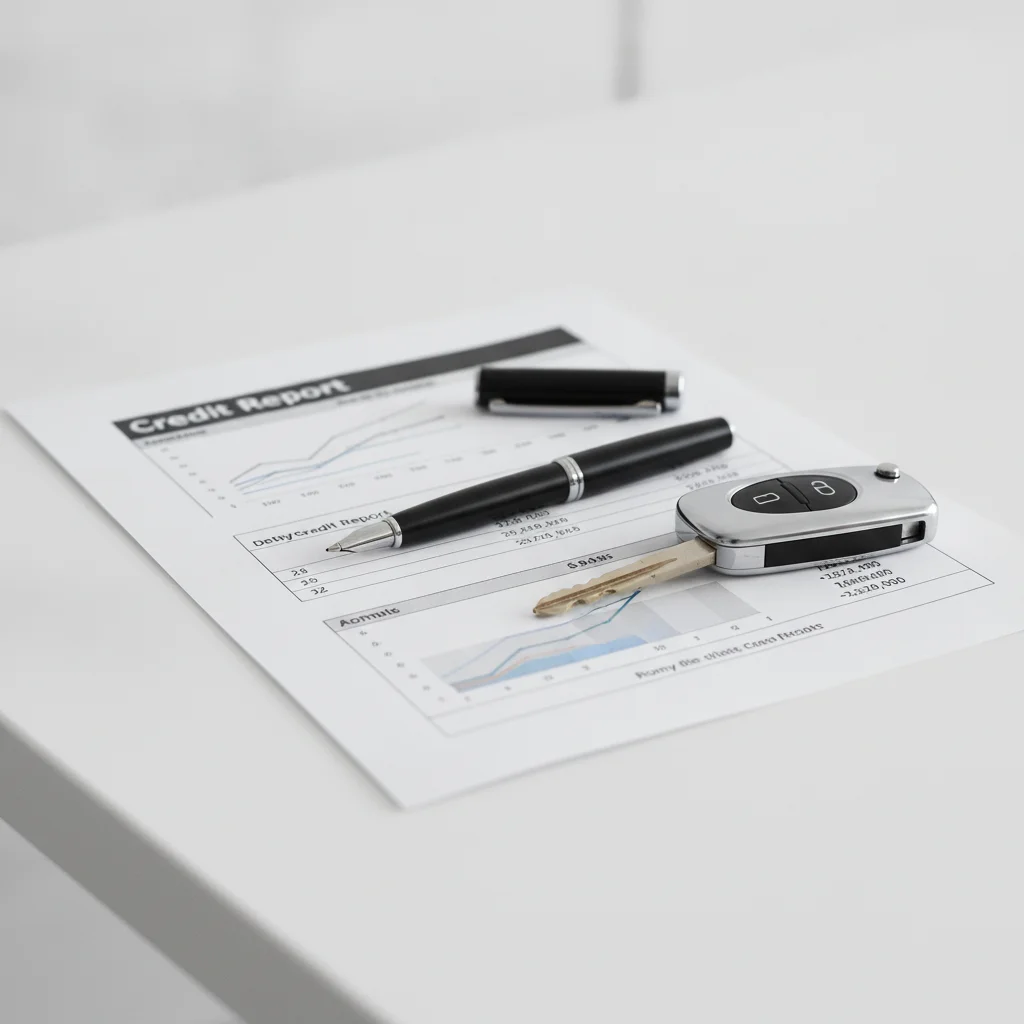
In most states, insurers use a proprietary credit-based insurance score — not your standard FICO score, but built from similar credit bureau data — to help predict the likelihood of future claims. If you carried a higher balance on a credit card, opened a new account, or had a hard inquiry run on your credit in the past year, your insurance score may have dipped. That dip can translate directly into a higher renewal premium. Conversely, paying down debt can improve it.
States That Restrict Credit-Based Pricing
California, Hawaii, Massachusetts, and Michigan prohibit or significantly restrict the use of credit-based insurance scores in auto insurance pricing. If you live in one of these states, a change in your credit profile will not directly affect your renewal premium. Check your state's insurance department website for the rules that apply to you.
Your CLUE Report Is Free Once Per Year
The Comprehensive Loss Underwriting Exchange (CLUE) report from LexisNexis tracks claims associated with your vehicles and address for the past seven years. Errors on this report can unfairly inflate your premium. You're entitled to one free copy per year at LexisNexis's consumer disclosure center, and you can dispute inaccuracies directly.
Renewal Notices Must Be Sent in Advance
Most states require insurers to send renewal notices a set number of days before your policy expires — typically 30 to 60 days. This window is your opportunity to review, negotiate, or shop. If you miss it and auto-renewal kicks in, you can still cancel, but you may owe a short-rate penalty for early termination.
Changes in How You're Classified
If you added a driver to your household — a teenager who just got their license, or a partner who moved in — that person's record becomes part of your policy's risk calculation at renewal, even if you never explicitly added them mid-term. Similarly, if a driver aged off your policy (a college student who moved out), that may reduce your rate.
Your Vehicle's Age and Valuation
Comprehensive and collision coverage is tied to your vehicle's actual cash value. As your car depreciates, the insurer's maximum payout liability decreases — which should, in theory, lower your premium for those coverages. But if your car's market value has risen (used car prices surged dramatically in 2021–2023 and some values remain elevated), your implied replacement cost goes up and so can your premium.
Mileage and Usage Changes
If your insurer collects odometer data — through a telematics device, annual self-reporting, or registration database cross-referencing — changes in how much you drive affect your rate. A switch to remote work that cut your commute should work in your favor. Starting a side hustle that significantly increases your annual mileage works the opposite way.
“Policyholders often assume that a clean record is a shield against rate increases. It reduces your individual risk surcharges, but it doesn't insulate you from the market-wide pricing adjustments that affect everyone in your rating territory.”
— Amy Bach, Executive Director, United Policyholders — a nonprofit insurance consumer advocacy organization
The Territorial Factor: Where You Live Matters More Than You Think
Insurers don't price by state — they price by territory, often at the ZIP code level or smaller. Your neighborhood's claim frequency, average repair costs, theft rates, and weather exposure all feed into a territory-specific rate factor that applies to every driver in that zone.
You may not have moved. But your territory's risk profile can shift between renewals if local conditions changed. A surge in catalytic converter thefts in your ZIP code, a newly documented hail corridor, or a rise in uninsured motorist accidents in your area can all push local base rates higher — and your renewal premium with them.
This is why two drivers with identical records and the same vehicle can pay very different premiums based solely on where they park overnight. Understanding rate factors — including how territory interacts with your personal profile — is essential context for any renewal conversation.
Shop Quotes 45–60 Days Before Renewal
Don't wait until your renewal notice arrives to start comparing rates. Give yourself a 45–60 day runway before your renewal date. That's enough time to gather accurate quotes, negotiate with your current insurer, and complete a switch without a coverage gap if you decide to move.
Update Your Annual Mileage Every Year
Your insurer uses the mileage estimate you provided when you first applied — and that number can be years out of date. Call or log in to update your annual mileage estimate before each renewal. If you're driving significantly less, this single change can lower your rate.
Ask for the Discount Audit
Before accepting your renewal premium, ask your agent or insurer to run a full discount audit on your policy. Discounts for good students, military service, multi-policy bundling, and telematics participation are often not automatically applied when you qualify. You have to ask.
What Insurers Rarely Tell You at Renewal
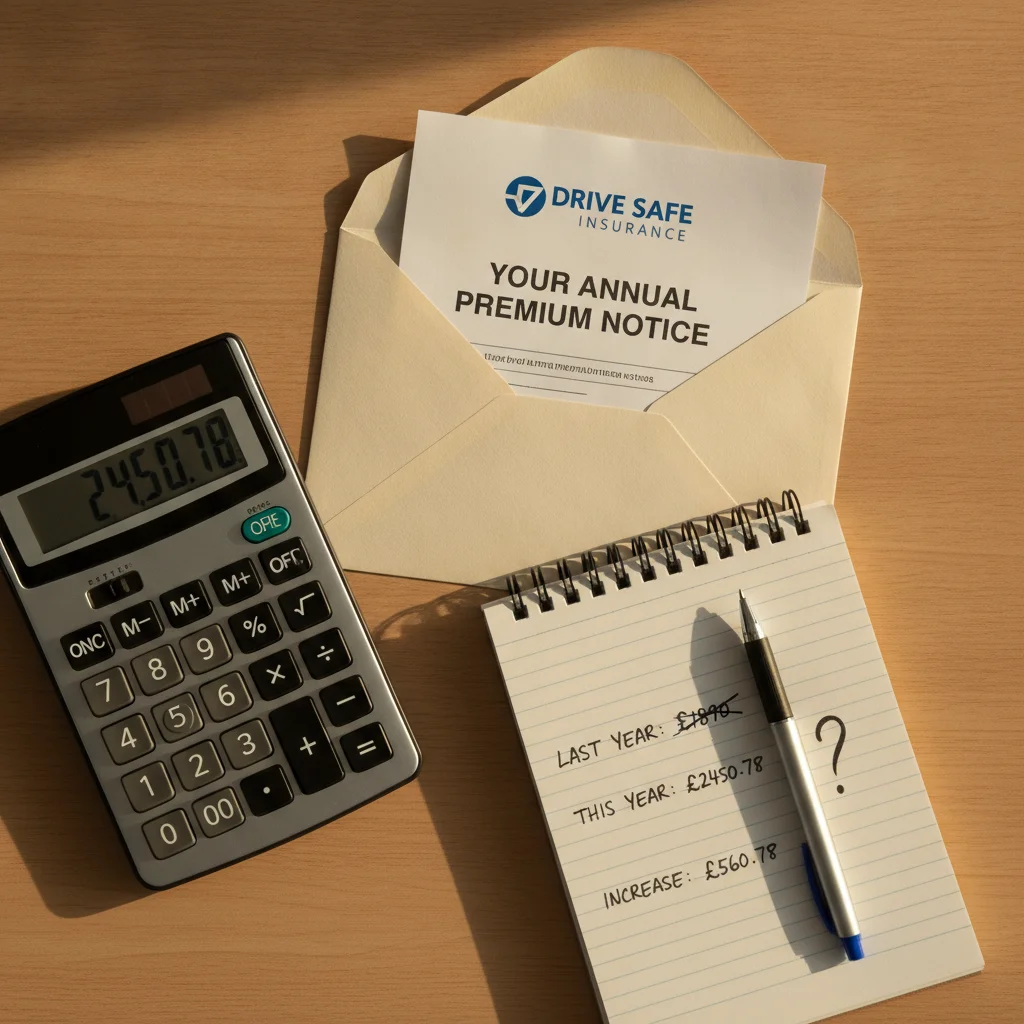
Most renewal notices don't come with a line-item explanation of why your rate changed. You'll typically see a new premium figure and maybe a brief note — "rate adjustment" or "updated territory factors" — that tells you almost nothing actionable.
Here's what you're entitled to ask for, and what to look for:
- A detailed renewal declaration page that shows each coverage line and its premium. Compare it to last year's declaration page line by line. Sometimes the rate itself is unchanged but coverage limits were automatically adjusted.
- A written explanation of rate changes. Depending on your state, insurers may be required to provide a notice if your premium increased by a threshold amount. Ask explicitly what changed in your rating factors.
- Your loss history report (CLUE report). This free report from LexisNexis shows what claims have been associated with your vehicle and address — including claims filed by previous owners of your car or previous residents of your address. Inaccuracies can inflate your rate.
If you're unsure whether to make changes now or wait, see when to make policy changes mid-term versus waiting for renewal — the timing can affect what you pay.
How to Respond When Your Premium Goes Up
A renewal increase isn't the end of the conversation — it's the beginning of one. Here's a practical approach:
1. Get Competing Quotes Before Your Renewal Date
The most powerful leverage you have is a competing offer. Get quotes from at least three carriers using identical coverage parameters. This also tells you whether your current insurer is genuinely overpriced or just keeping pace with a market-wide trend.
2. Ask About Discounts You May Now Qualify For
Discounts you didn't qualify for last year may apply now: a vehicle that's now paid off (removing a lender's minimum coverage requirement), a teen driver who completed driver's education, completion of a defensive driving course, or a new bundling opportunity. The discount conversation to have before renewing lays out a structured approach to making sure you're not leaving money on the table.
3. Reconsider Your Coverage Structure
If your vehicle has depreciated significantly, it may be worth recalculating whether comprehensive and collision coverage still makes financial sense. A general rule of thumb: if your annual premium for those coverages exceeds 10% of your car's market value, you may be over-insured relative to the payout you'd receive.
4. Consider Telematics If You're a Low-Mileage Driver
Many insurers now offer usage-based or per-mile programs that reward low annual mileage and safe driving behavior with meaningful discounts. If you drive less than the national average (~13,500 miles per year), this is worth modeling out.
Also worth understanding: how insurers calculate your renewal rate in detail — knowing the inputs helps you identify where you have room to negotiate.
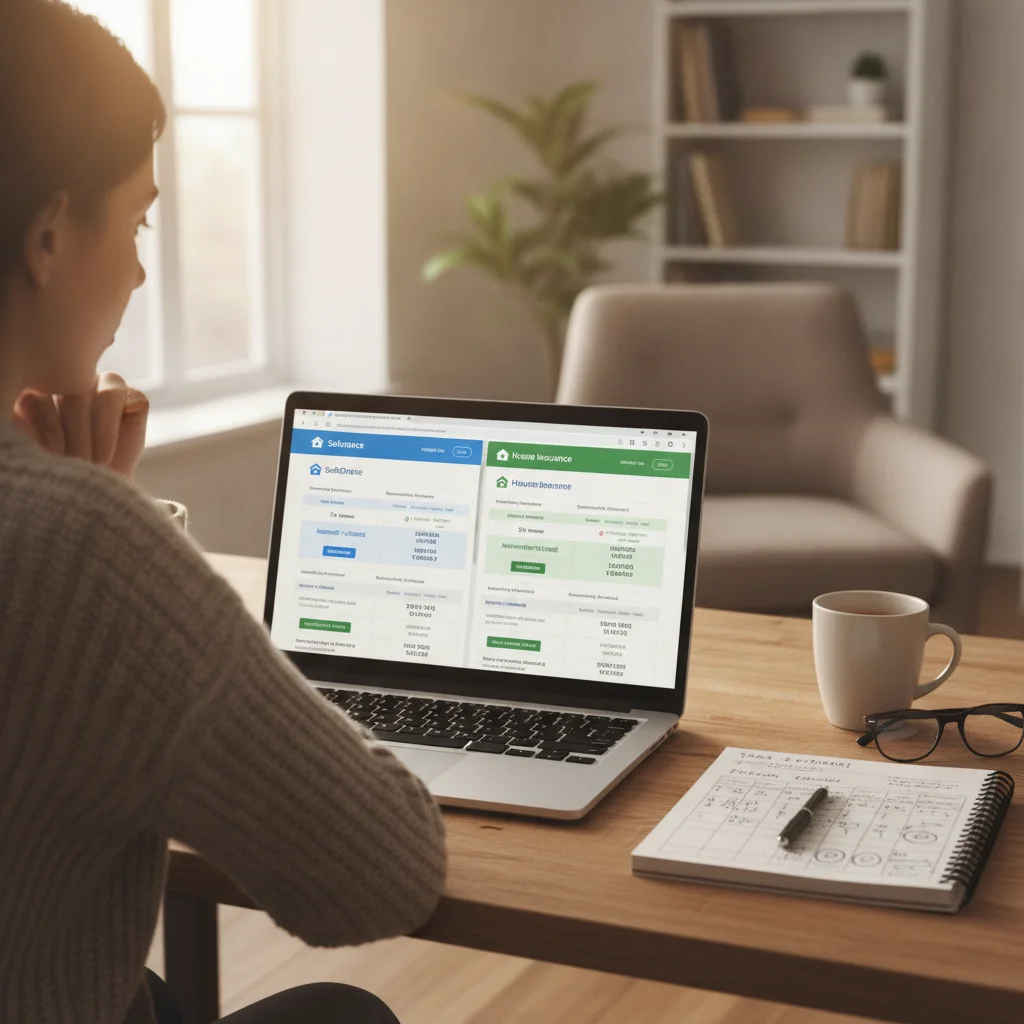
The Automatic Renewal Trap
Most auto insurance policies renew automatically unless you cancel. That convenience has a cost: a lot of drivers let mediocre rates roll over year after year simply because switching feels like work.
The insurer knows this. Renewal pricing takes policyholder inertia into account. You may be paying a loyalty premium — in the wrong sense of the word — simply by staying without checking the market.
Set a calendar reminder 45–60 days before your renewal date. That's your window to shop, negotiate, and make informed decisions before the new term locks in. Understanding how automatic renewal works — and what it doesn't do for you — is a useful starting point before that window opens.
And remember: not every factor moves against you over time. Older violations and at-fault accidents age off your record, your tenure with a carrier can generate loyalty benefits, and certain age milestones shift your actuarial profile favorably. There are factors that improve your rate automatically — but they won't help you if you never check whether you're getting credit for them.

All claims are backed by peer-reviewed research. Sources on request.