Key Takeaways
Summary
22 items · 30–60 minutes
Why Renewal Is Your Strongest Bargaining Moment
Most drivers treat their auto insurance renewal like a utility bill — they glance at the number, maybe wince, and pay it. That's a costly habit. Renewal is actually the one moment in the policy cycle when you hold genuine leverage: your insurer wants to keep you, competitors are actively bidding for your business, and any discount you lock in now compounds over every future renewal period.
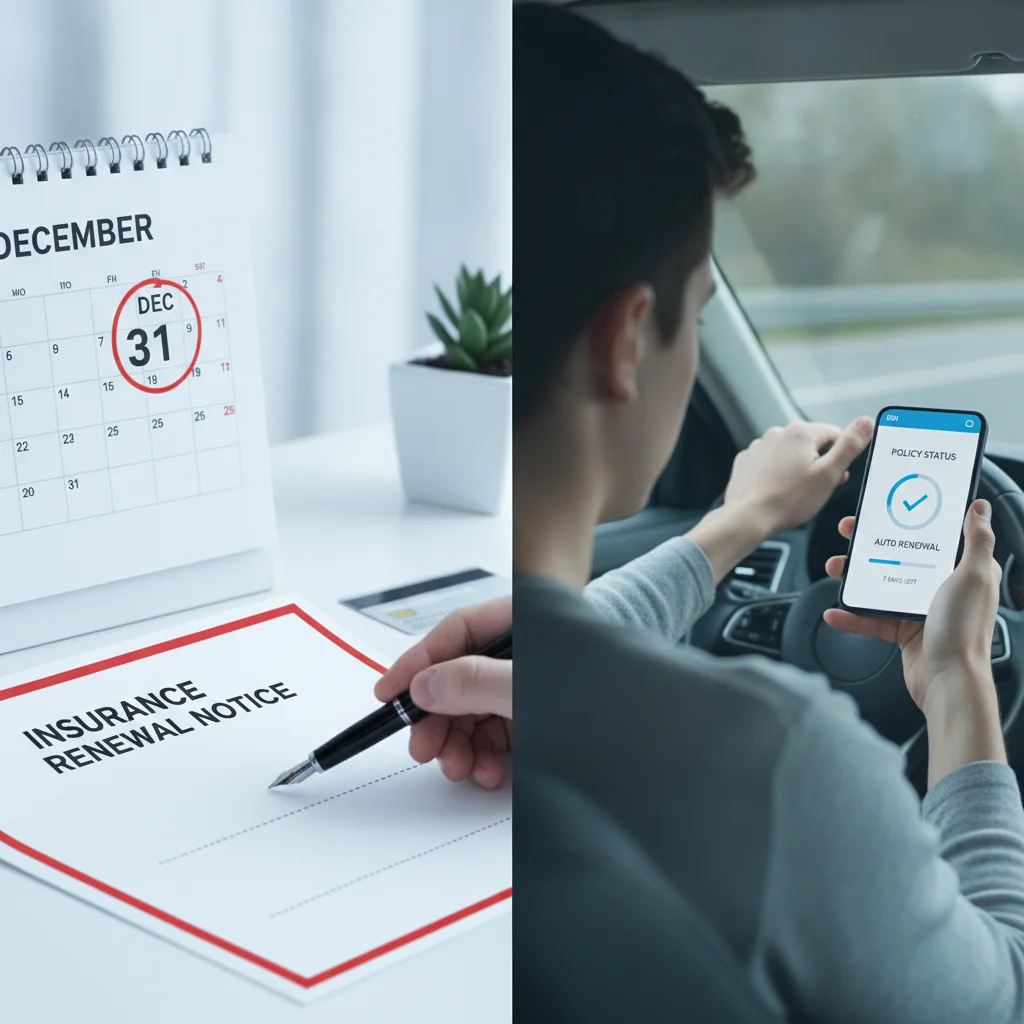
Insurance companies are not legally or practically required to proactively tell you about every discount you qualify for. Their systems may flag some automatically, but many — especially newer discounts tied to telematics programs, professional affiliations, or vehicle safety features — require you to ask. The renewal conversation, ideally initiated 3–4 weeks before your policy auto-renews, is your structured opportunity to do exactly that.
This checklist walks you through the preparation, the conversation itself, and the follow-up steps. Work through it once, and you'll have a repeatable process you can use at every renewal going forward.

If you're weighing whether to make changes now or wait until renewal, the mid-term vs. renewal timing guide lays out the tradeoffs clearly. For most discount negotiations, waiting for renewal is the right call — you avoid short-rate penalties and keep the process clean.
What You Need Before You Make the Call
Walking into this conversation unprepared means the agent controls the narrative. Spend 15–20 minutes gathering the following before you dial or log in. The checklist below covers both the documents you need and the personal changes in your life that may have quietly opened up new discounts since your last renewal.
Current Declarations Page
Lists your existing coverage levels, premium, and currently applied discounts — your baseline for the entire conversation.
Kelley Blue Book or Edmunds
Provides your vehicle's current market value so you can assess whether your collision and comprehensive coverage limits are still appropriate.
Competing Quote (one insurer minimum)
Gives you a real alternative offer to reference during the call, which strengthens your negotiating position with your current insurer.
Telematics App (insurer-specific)
If you opt into a usage-based program, the insurer's app tracks driving behavior and mileage to calculate your discount.
Defensive Driving Course Certificate
Documentation required by most insurers to apply a course-completion discount — keep a digital copy accessible.
Membership or Affiliation Cards
Proof of AAA, AARP, military service, alumni, or employer group membership that may unlock affinity discounts.

One area many drivers overlook at renewal: whether their physical damage coverage still makes financial sense given their vehicle's current market value. The guide to reviewing collision and comprehensive coverage at renewal gives you a straightforward framework for that calculation — worth doing before your call so you're negotiating the full picture, not just discounts on coverage you might not need.
Don't Wait Until Renewal Day to Act
Most insurers send renewal notices 30–45 days before your policy expires. If you wait until the last week to negotiate, you have less time to shop competing quotes and may feel pressured to accept whatever's offered. Set a reminder to begin this process at least three weeks before your renewal date. If your insurer gives less than 30 days notice in your state, that may itself be a regulatory violation worth flagging.
Telematics Programs Cut Both Ways
Usage-based insurance programs can deliver discounts of 10–30% for safe, low-mileage drivers — but some programs also have the ability to increase your rate if the data reveals risky driving patterns such as hard braking, late-night driving, or high speeds. Read the program terms carefully before opting in, and ask your insurer directly whether a negative score can raise your rate.
The Full Discount Checklist
Use this grouped checklist as your script. Don't assume any category is irrelevant to you — insurers add and restructure discounts regularly, and what wasn't available two years ago may be on the table today. Go through every group, even the ones that seem unlikely.
Preparation
Driving Record & Behavior Discounts
Vehicle & Safety Feature Discounts
Bundling & Loyalty Discounts
Affiliation & Membership Discounts
Policy Structure & Payment Discounts
Never Lie to Qualify for a Discount
Misrepresenting your mileage, claiming a defensive driving certificate you don't have, or falsely listing a vehicle at a different address to get a lower geographic rate constitutes insurance fraud. Beyond legal consequences, discovered misrepresentation gives your insurer grounds to deny a claim or cancel your policy outright — at the worst possible moment. Every discount in this checklist is one you legitimately qualify for; don't inflate the list.
How to Run the Actual Conversation
The tone of this call matters as much as the content. You're not confrontational — you're a long-term customer doing a routine audit. Here's a framework that works:
- Open by anchoring on loyalty. Start with something like: "I've been a customer for years and I want to make sure my policy is optimized before I renew. Can you run a full discount eligibility check on my account?" That phrasing signals you're engaged and have done this before.
- Work through each discount category explicitly. Don't ask "are there any discounts I'm missing?" — that's too open-ended and the agent may not know every program. Instead, ask about each category by name: "Do you offer a telematics or usage-based discount? What about an alumni or professional association discount?"
- Ask about rate changes and why. If your renewal quote is higher than last year's, ask the agent to explain exactly which rating factors changed. Sometimes it's a zip-code actuarial adjustment, sometimes it's a claims environment issue — but occasionally it's a reclassification error that can be corrected.
- Get competing quotes before you finish the call. Even if you plan to stay, mentioning that you're shopping the market is not a bluff — you should actually have one or two competing quotes ready. Many retention teams have authority to apply additional discounts that front-line agents do not.
- Confirm everything in writing. Before you hang up, ask for a revised quote reflecting all applied discounts, and request an email confirmation. Verbal commitments don't always make it into the policy.
If your insurer ultimately can't match the value you're getting elsewhere, renewal is the cleanest time to switch — no cancellation fees, no pro-rated refund complexity. The switching at renewal vs. mid-policy comparison breaks down what that process looks like in practice.
After the Call: Locking In and Following Up
The conversation is only half the job. These final steps make sure the discounts you negotiated actually appear on your renewed policy — and that you've set yourself up for an even stronger position next year.
First, compare the revised declarations page line by line against your previous policy. Look specifically at the discount section — it should itemize every discount and its dollar or percentage value. If a discount you were verbally promised isn't listed, call back immediately and reference your confirmation email.
Second, calendar your next renewal review 45 days out from your next renewal date. Life changes — a new vehicle, a paid-off loan, a teenager aging off your policy, a home purchase — can all open new discount windows between now and then.
Third, consider whether your overall financial picture has changed in ways that affect more than just insurance. If you've improved your credit profile significantly, or if interest rates have shifted, your auto loan may also be worth revisiting — the signals that indicate the right time to refinance walks through when that move makes financial sense.
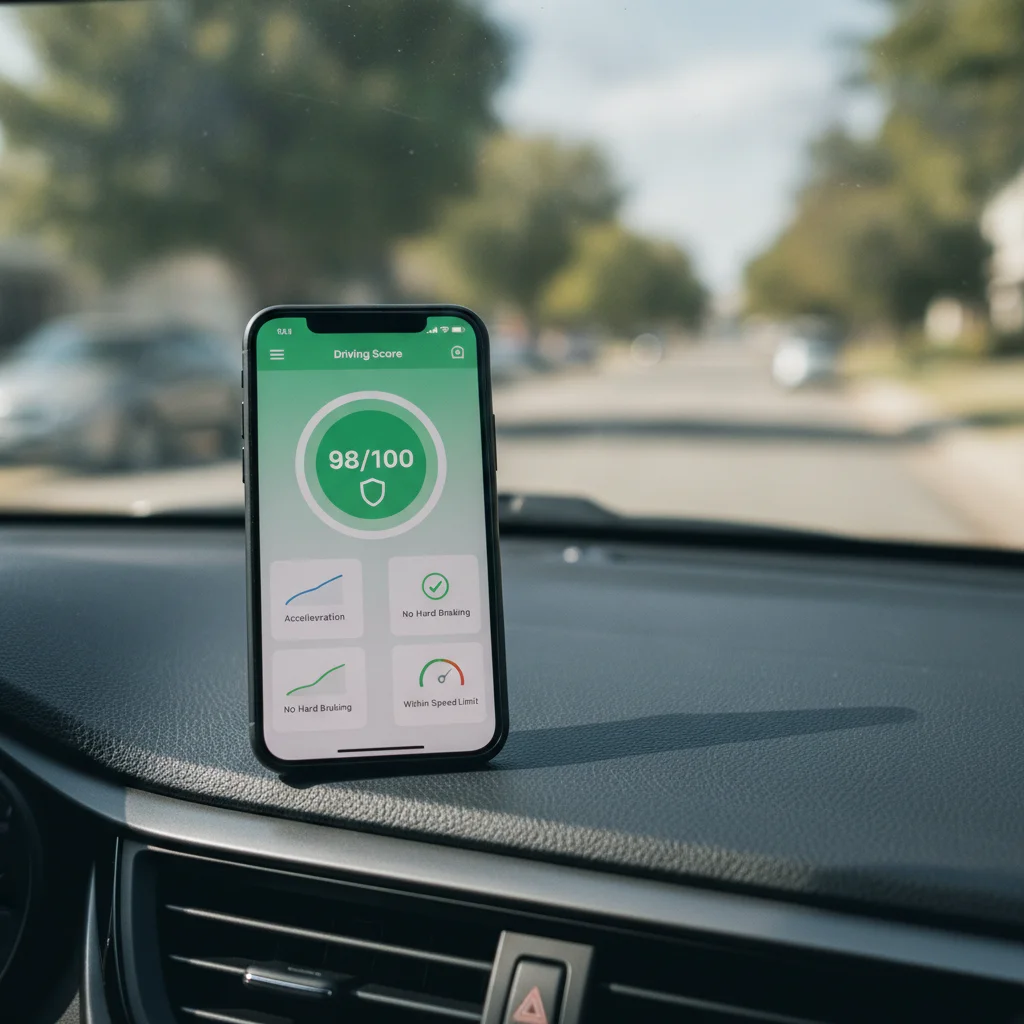
One final note: discount stacking — applying multiple discounts simultaneously — is legitimate and common. A well-positioned policyholder might combine a multi-policy bundle, a telematics discount, a good driver discount, and a paperless billing discount, each calculated on the base premium. Ask explicitly whether your insurer's discounts are stackable or whether some are mutually exclusive. That distinction alone can materially change the math.

All claims are backed by peer-reviewed research. Sources on request.