
Key Takeaways
Why Passive Policyholders Pay More
Most drivers treat auto insurance the way they treat a smoke detector — set it up, forget about it, and only think about it when something goes wrong. That approach is expensive. Insurers adjust rates at renewal whether you're paying attention or not, and the drivers who never shop, never update their profiles, and never question their coverage are quietly subsidizing everyone else.
The good news is that staying engaged doesn't require a major time commitment. A handful of recurring habits — some as quick as a 10-minute annual check-in — are enough to keep your coverage aligned with your actual life and your premium as competitive as possible.
This guide is about building those habits. Not one-time tips, but an ongoing rhythm that makes auto insurance work for you rather than against you. See our complete policy management guide for a broader look at every stage of the process.

The Annual Renewal Window: Use It Deliberately
Your renewal date is the single most important recurring event in your insurance calendar. It's when your insurer reassesses your risk profile, applies rate changes, and — in most states — your best opportunity to make coverage changes without penalty.
The mistake most drivers make is waiting until they receive the renewal notice to think about it. By then, you have days, not weeks. The smarter move is to set a calendar reminder for 45 days before renewal. That gives you time to:
- Pull competing quotes from at least three carriers
- Review your current coverage limits against your actual assets and vehicle value
- Identify discounts you may have recently become eligible for
- Decide whether your deductibles still make sense
Carriers bank on inertia. Studies consistently show that drivers who shop at renewal save meaningfully — sometimes hundreds of dollars — compared to those who auto-renew. The discounts and deals hub is a good reference for the most commonly overlooked savings opportunities before you make that call to your insurer.
“Insurance is priced for the average driver in your risk category — the only way to beat average is to actively manage your profile, your discounts, and your shopping behavior.”
— J. Robert Hunter, Former Director of Insurance, Consumer Federation of America
A note on loyalty: some insurers do reward long-term customers with small loyalty discounts, but these rarely offset the rate increases that accumulate when you never shop. Loyalty to a company that consistently reprices you upward is a losing trade.
Trigger-Based Reviews: When Life Changes, So Should Your Policy
The calendar isn't the only thing that should prompt a policy review. Certain life events have a direct, documented impact on your insurance rate and your coverage needs — and failing to update your policy in response to them is one of the most common and costly policy management mistakes drivers make.
Update your policy immediately after moving to a new address.
Your zip code is one of the most significant rating factors in auto insurance. Moving even a few miles can change your risk classification for theft, accident frequency, and weather exposure. Failing to update your address also creates a potential claim denial risk if your insurer considers the address material to the policy.
Add or remove drivers on your policy within 30 days of a household change.
Unlisted drivers in your household can complicate claims, and in some cases, give an insurer grounds to reduce or deny a payout. Adding a teen driver promptly also lets you evaluate whether your current carrier's rates are still competitive for your new risk profile.
Notify your insurer when you pay off an auto loan.
Lenders require comprehensive and collision coverage as a condition of financing. Once the loan is paid off, you control your coverage elections. Depending on the vehicle's current market value, dropping or raising deductibles on physical damage coverage may now make financial sense.
Report a change in annual mileage if your driving habits shift significantly.
Annual mileage is a direct rating factor at most carriers. Drivers who commute remotely and have cut their yearly mileage from 15,000 to 7,000 miles are entitled to a lower-risk classification — but only if they report it. Insurers rarely adjust this proactively.
Shop competing quotes at every renewal, even if you intend to stay with your current carrier.
The act of shopping — and informing your insurer you've done so — creates negotiating leverage that passive policyholders never have. Carriers often have retention pricing they can apply when a customer is actively considering leaving.
Review beneficiary and driver exclusion status annually.
Drivers who were excluded from a policy to lower premiums — perhaps a high-risk household member — remain excluded until explicitly re-added. If circumstances have changed, an excluded driver operating a covered vehicle can trigger a claim denial.
Each of these triggers is worth a 15–20 minute policy audit. In some cases — like paying off a vehicle — you may be able to drop mandatory lender coverage requirements (typically comprehensive and collision) if the vehicle's value no longer justifies the cost. In others, like adding a teen driver, you'll want to make sure your liability limits are high enough to protect your assets, not just meet state minimums.
Working Discounts Into Your Coverage Strategy
Discounts aren't something you ask for once and forget. They're living parts of your policy that expire, change, or become newly available as your circumstances evolve. Building a habit of annual discount audits — ideally as part of your renewal review — ensures you're never leaving money on the table.
~$700
Average annual savings from switching insurers
J.D. Power's U.S. Auto Insurance Study consistently finds that drivers who shopped and switched at renewal saved several hundred dollars on average compared to passive renewers.
40%
Drivers who never shop their policy at renewal
Industry surveys suggest a large share of auto insurance policyholders auto-renew without comparing competing rates, leaving significant potential savings unclaimed.
10–30%
Premium surcharge for lapsed-coverage drivers
Drivers re-entering the insurance market after a gap in coverage typically face higher premiums than comparable drivers with continuous coverage histories, according to consumer insurance research.
5–15%
Potential savings from telematics programs
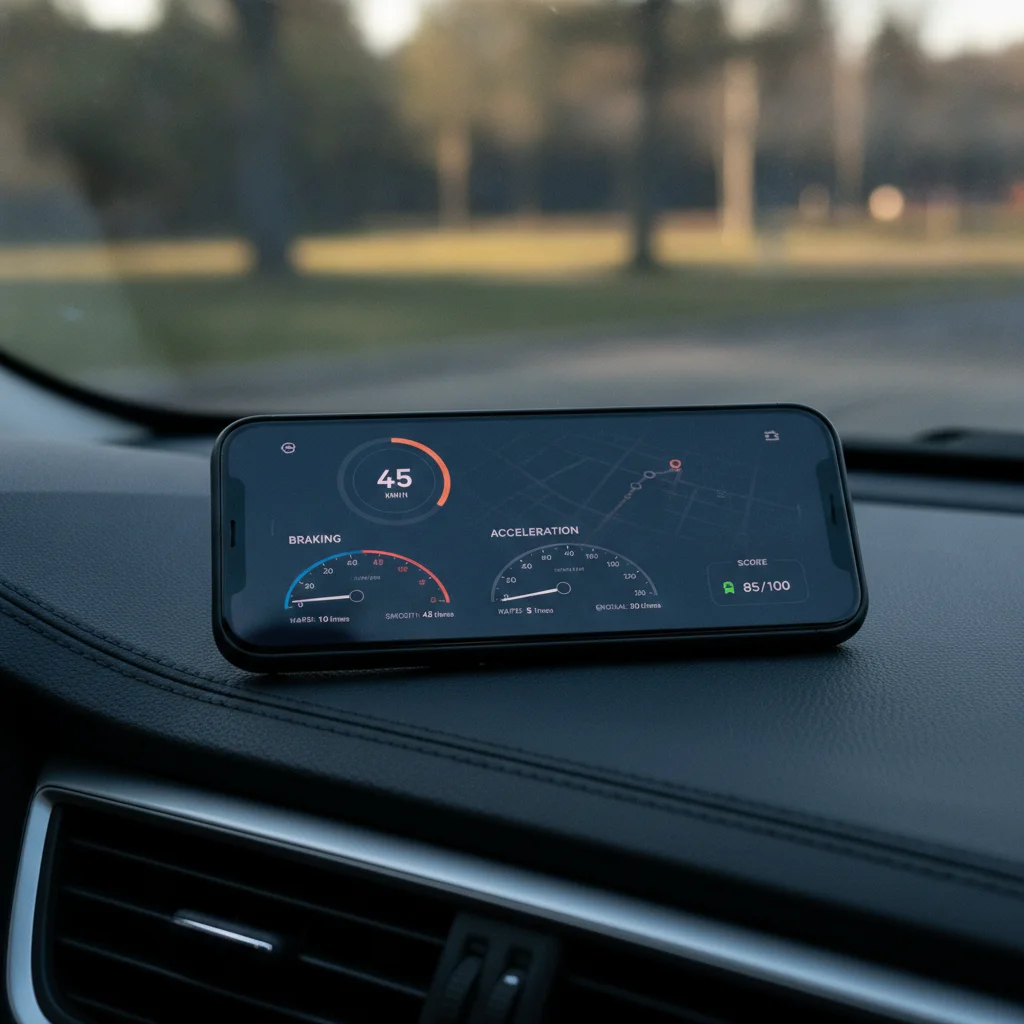
Most major carriers offering usage-based insurance programs report average premium discounts in the 5–15% range for drivers who qualify based on tracked behavior.
Beyond the standard multi-policy and good-driver discounts, a growing category worth serious attention is usage-based insurance (UBI) and telematics programs. Programs like Progressive Snapshot, State Farm Drive Safe & Save, and similar offerings at other major carriers track your driving behavior and can reward low-mileage, smooth-braking drivers with premium reductions. Our breakdown of how safe driver programs actually work goes into the specifics of what each program tracks and what the realistic savings look like.
A few discount categories that drivers frequently miss:
- Low mileage: If your commute changed — especially post-pandemic — and you're driving significantly fewer miles, inform your insurer. Many carriers now offer explicit low-mileage discounts that aren't applied automatically.
- Affinity and alumni discounts: Certain professional associations, alumni networks, and employer groups have negotiated discounts with specific carriers. Worth a quick check.
- Paperless and autopay: Small, but consistent — often 3–5% and they stack with other discounts.
- Completed defensive driving or safety courses: Some states mandate that insurers offer this discount. The road safety tips hub covers evidence-based driving habits that can support your eligibility.
Ask About Discounts Proactively
Insurers are not required to automatically apply every discount you qualify for — many require you to request them. When you call your insurer for any reason, make a habit of asking: 'Are there any discounts on my account I'm not currently receiving?' This single question catches savings that stay invisible to passive policyholders.
Protecting Your Coverage History
One of the most underappreciated aspects of managing auto insurance well is simply keeping it continuous. A lapse in coverage — even a brief one — is visible to future insurers and can trigger a surcharge that stays on your record for years. Insurers interpret a gap as a sign of financial instability or elevated risk, and they price accordingly.
This matters more than most drivers realize. The impact of a coverage lapse isn't just theoretical — drivers re-entering the market after even a 30-day gap can face premiums 10–30% higher than comparable drivers with uninterrupted histories.
Lapse Rules Vary by State
Some states have provisions that limit how long an insurer can consider a prior coverage gap when calculating your rate. Others have no such restrictions. If you've had a lapse and are shopping for new coverage, ask each carrier specifically how far back they look and how they weight prior gaps — the answers vary significantly and can affect which carrier is the best fit for your situation.
Mid-Term Changes and Fees
Most coverage changes can be made mid-term without penalty, but some insurers charge a small administrative fee for policy endorsements made outside of the renewal window. If a change is urgent — like adding a new vehicle or driver — make it immediately regardless of cost. If it's elective, timing it to your renewal can avoid the fee entirely.
Practical ways to protect continuity:
- Set autopay on your premium — the leading cause of accidental lapses is a missed payment, not deliberate cancellation.
- If you're switching carriers, confirm your new policy start date before canceling the old one. Even a one-day gap creates a record.
- If you're storing a vehicle seasonally and considering dropping coverage, research whether your state allows a permissive lapse, and what the re-entry cost will be before you cancel.
Coverage Fitness: Making Sure What You Have Still Fits
Auto insurance isn't a fixed product — it's a set of coverage elections that should evolve as your vehicle ages, your finances change, and your risk tolerance shifts. The driver who bought a new car five years ago with comprehensive, collision, and a low deductible may be significantly over-insured today if that vehicle has depreciated substantially.
As a rough benchmark: when the annual cost of comprehensive and collision coverage exceeds 10% of the vehicle's current market value, those coverages are often not financially justified. A $4,000 car carrying $800/year in physical damage coverage has a payoff structure that rarely works in the driver's favor once deductibles are factored in.
On the flip side, drivers who have built meaningful assets — home equity, savings, retirement accounts — and are still carrying minimum liability limits are playing a dangerous game. State minimum liability requirements are notoriously low and would leave you personally exposed in a serious at-fault accident. Review your liability limits against your net worth at least once a year.
For optional add-ons, the value calculation varies considerably by product. Our honest look at which add-ons pay off and which don't can help you cut coverage that isn't earning its cost.

Building the Habit Stack: A Practical Rhythm
The practices in this article only deliver value if they're actually executed. The best way to make that happen is to treat auto insurance management the way you'd treat any recurring financial task — with a predictable schedule, low friction, and a clear trigger.
Here's a working habit stack that takes most drivers fewer than two hours per year:
- 45 days before renewal (annually)
- Pull three competing quotes, audit your current discounts, check your coverage limits against current vehicle value and personal assets.
- Immediately after any major life event
- Moving to a new address, adding or removing a driver, buying or selling a vehicle, getting married or divorced, paying off a loan — any of these should trigger a same-week policy update call or online update.
- Once per year, separate from renewal
- Review your driving mileage estimate with your insurer. If it's changed significantly (more than 20%), update it. Inaccurate mileage estimates affect both your rate and your coverage accuracy.
- After any at-fault accident or moving violation
- Understand what surcharge you're facing and for how long. Some carriers forgive first incidents; others apply surcharges for three to five years. This information affects whether shopping for a new carrier makes sense.
Lapse Rules Vary by State
Some states have provisions that limit how long an insurer can consider a prior coverage gap when calculating your rate. Others have no such restrictions. If you've had a lapse and are shopping for new coverage, ask each carrier specifically how far back they look and how they weight prior gaps — the answers vary significantly and can affect which carrier is the best fit for your situation.
Mid-Term Changes and Fees
Most coverage changes can be made mid-term without penalty, but some insurers charge a small administrative fee for policy endorsements made outside of the renewal window. If a change is urgent — like adding a new vehicle or driver — make it immediately regardless of cost. If it's elective, timing it to your renewal can avoid the fee entirely.
The drivers who consistently get the best value from their auto insurance aren't doing anything exotic. They're just showing up — reviewing, asking questions, and keeping their policy current. That consistency, compounded over years, is worth real money.

All claims are backed by peer-reviewed research. Sources on request.