Key Takeaways
Summary
22 items · 20–35 minutes at the scene and before your call
Why Preparation Makes All the Difference
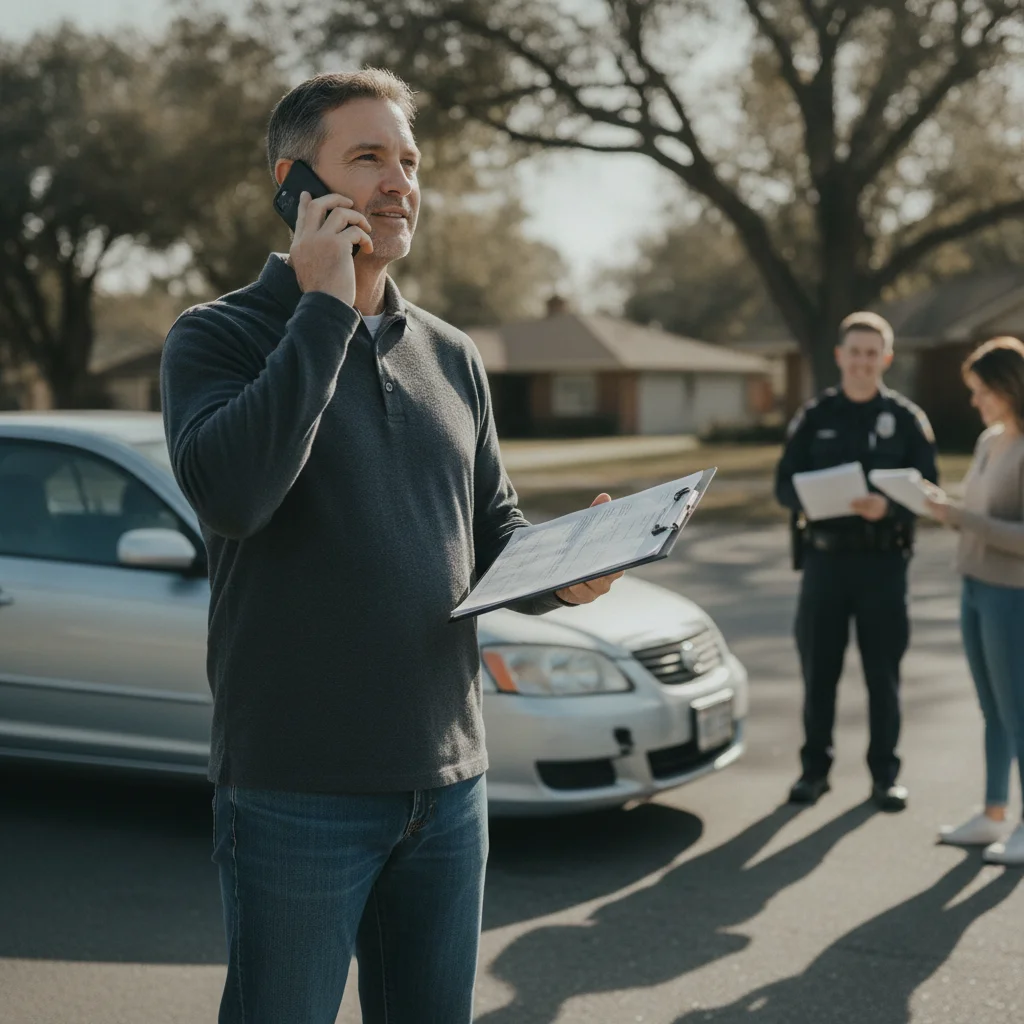
If you've ever called your insurance company right after an accident, you know the feeling: you're shaken, maybe a little overwhelmed, and suddenly you're being asked for your policy number, the other driver's license plate, and the exact street address where the incident occurred. It can feel like a lot.
Here's the reassuring truth: the claims process itself isn't complicated — it's just a series of straightforward steps. What creates stress is not having the right information ready when it's time to make that call. This checklist solves that problem.
This guide is part of the broader Complete Roadmap to Filing an Auto Insurance Claim, and it's designed to walk you through exactly what to collect — at the scene, from your own vehicle, and from other parties involved — before you dial. If you're not sure what to do in those first critical minutes after a crash, start with The First 10 Minutes After a Car Accident first, then come back here.
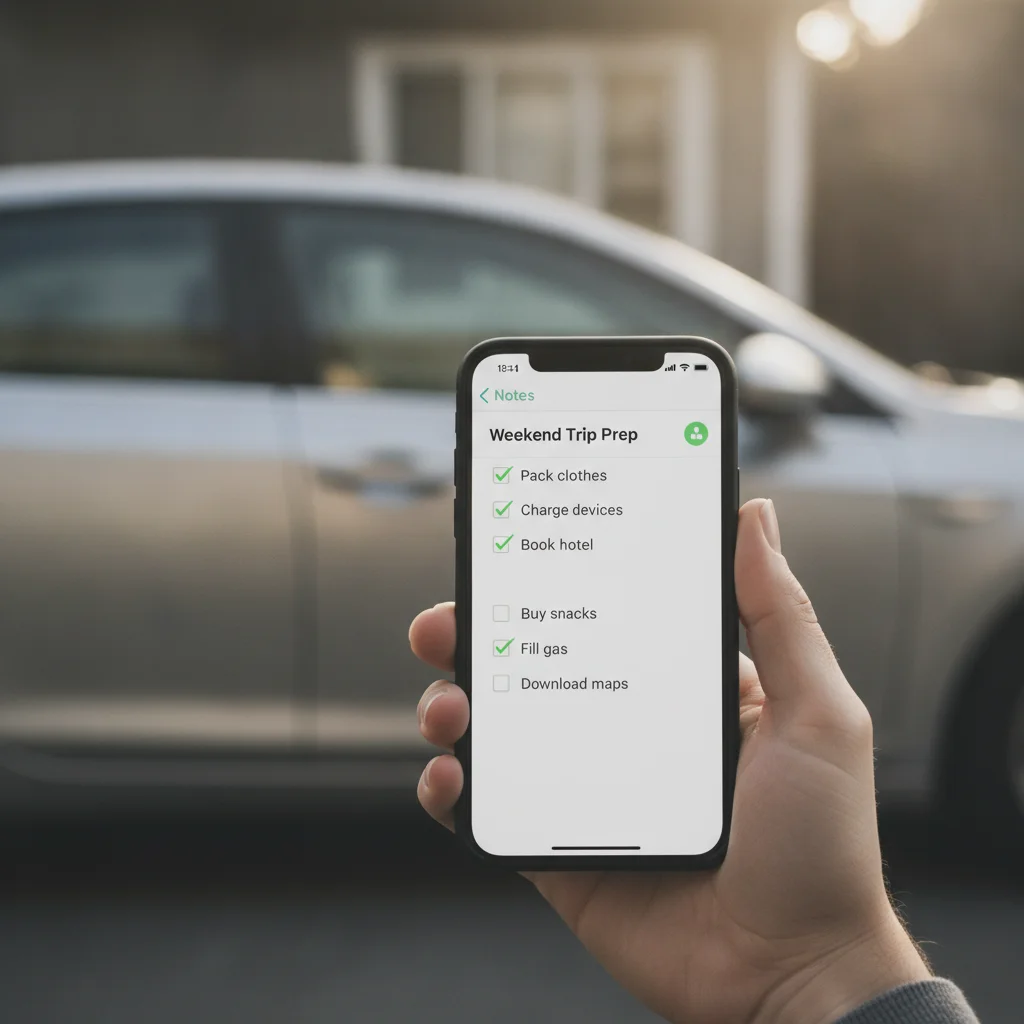
Think of this checklist as your calm, organized co-pilot. Work through each section at your own pace, and by the time you're ready to call, you'll have everything your adjuster needs to get your claim moving.
What to Gather Before You Even Think About Calling
Most people make the mistake of calling their insurer the moment they're back in their car — before they've documented anything. A two-minute pause to collect the information below will save you multiple follow-up calls later. Your adjuster can only work as fast as the information you provide allows.
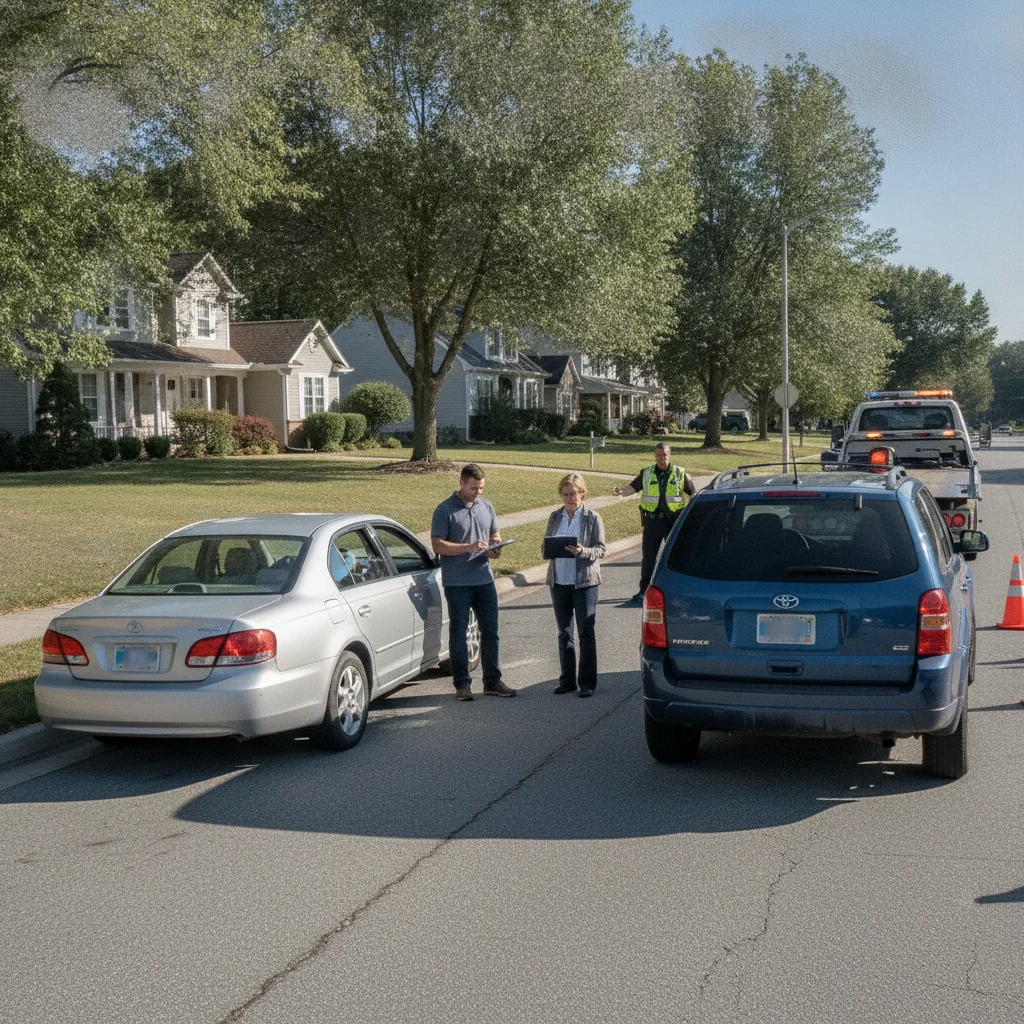
Start with your own documentation, then move to the other party, then the scene itself. That's the order that keeps things organized even when you're stressed.
Smartphone camera
Photograph the scene, damage, license plates, and the other driver's documents.
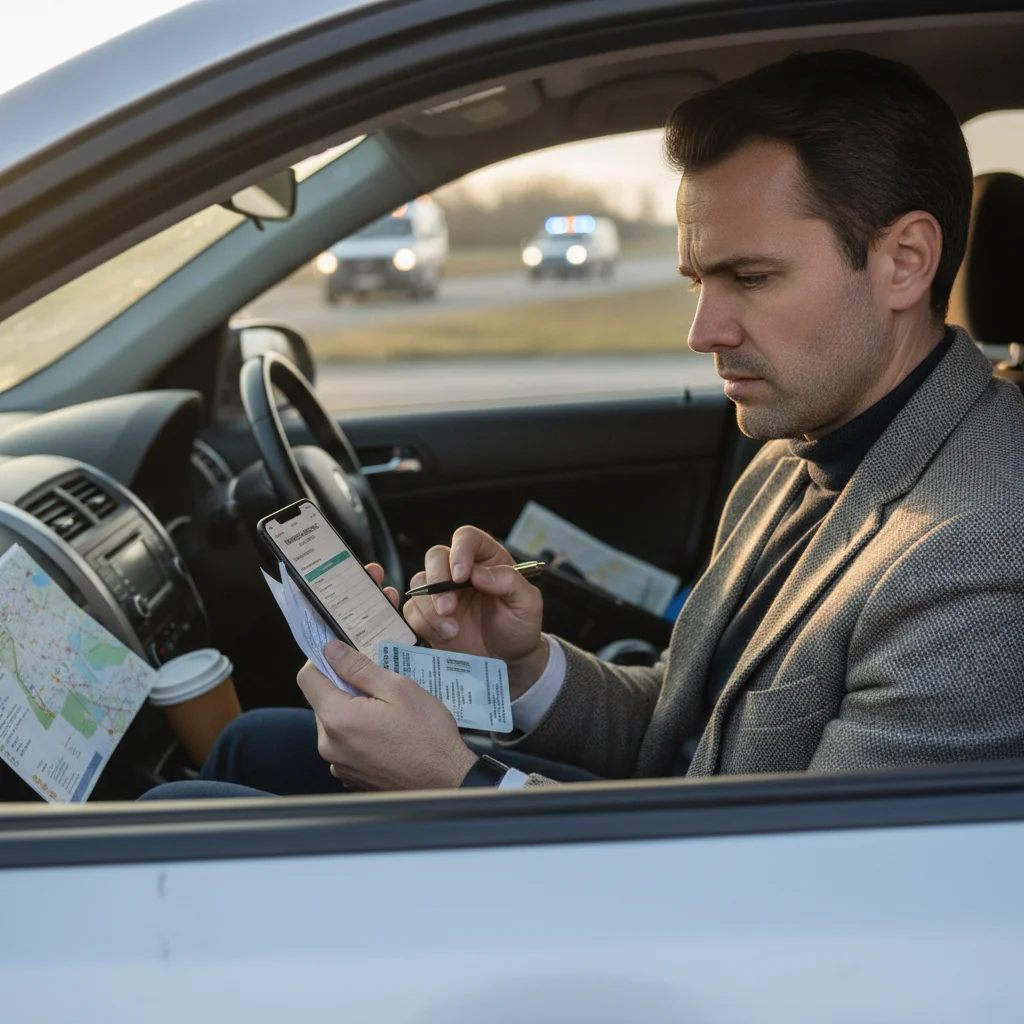
Insurance card (physical or digital)
Provides your policy number and insurer's claims contact information.
Vehicle registration
Confirms your VIN and vehicle details if your insurance card doesn't include them.
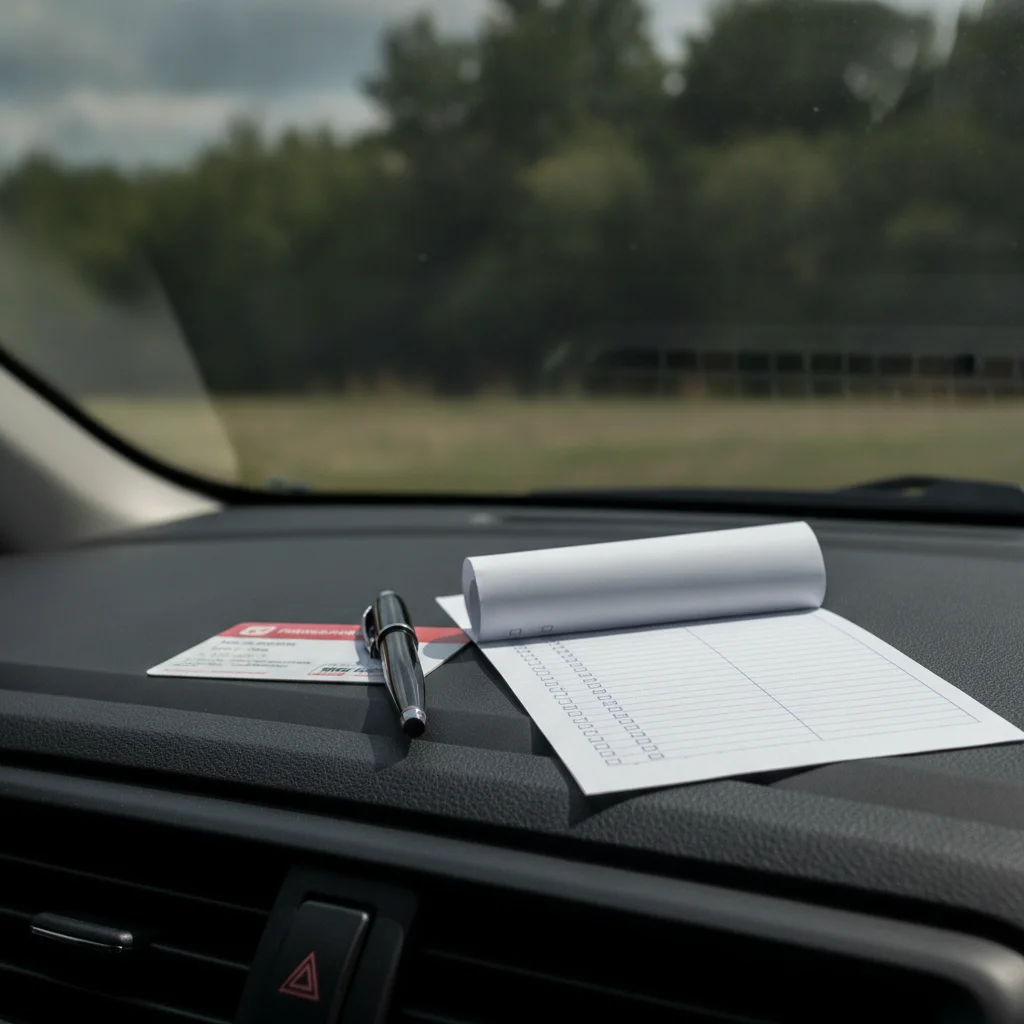
Pen and notepad (or notes app)
Records the other driver's information, witness contacts, and officer details when you can't photograph them.
Insurer's mobile app
Many insurers allow you to start a claim, upload photos, and track status directly from their app.
Printed claims checklist
A physical backup ensures you don't skip steps when your phone battery is low or you're too stressed to remember everything.
If you keep a printed version of this checklist in your glove box, you'll never have to rely on memory after a stressful event. The Auto Insurance Claim Checklist Every Driver Should Keep in Their Glove Box is a companion resource worth printing out right now.
Your Own Policy & Vehicle Information
Scene Documentation
Other Driver's Information
Witnesses & Law Enforcement
Your Own Account of Events
Don't Admit Fault at the Scene
It's natural to want to apologize after a stressful collision, but even a casual "I'm so sorry" can be interpreted as an admission of fault and used against you during the claims process. Stick to exchanging information and let your insurer make the liability determination based on the evidence. This protects both you and your claim.
Don't Leave Before You Have Everything
Once both vehicles leave the scene, tracking down the other driver's information becomes significantly harder. Even if the damage looks minor and everyone seems cooperative, complete your information exchange before anyone drives away. Minor-looking damage can cost thousands to repair, and a handshake agreement rarely holds up.
Time Limits on Filing Can Sneak Up on You
Most insurers want you to report an incident within 24 to 72 hours, and some policies impose strict deadlines. Waiting too long — even if you're unsure whether the damage is "worth" filing — can complicate or even void your claim. When in doubt, call and report; you can always decide not to proceed after the initial report.
How to Use This Information When You Call
Once you've gathered everything on the checklist, calling your insurer should feel far less daunting. Here's what to expect from that first conversation:
- Verify your identity and policy. The representative will confirm your name, policy number, and the vehicle involved. Have these ready before the hold music ends.
- Describe the incident briefly and factually. You don't need to over-explain. Stick to the what, where, and when — your insurer will ask follow-up questions. Avoid speculating about fault or saying things like "I think it was mostly my fault."
- Provide the other party's information. This is where having the other driver's name, license plate, insurance carrier, and policy number makes an enormous difference. Missing any of these can slow things down significantly.
- Share the police report number, if applicable. If law enforcement responded, give the adjuster the report number and the name of the responding officer if you have it.
- Note your claim number. The representative will give you a claim number before the call ends. Write it down immediately — this is your primary reference for every future interaction.

After that first call, your insurer will typically assign a claims adjuster, explain next steps, and tell you when to expect contact. To understand exactly what happens from that point forward, see What Actually Happens After You File an Auto Insurance Claim.
Your Claim Number Is Your Lifeline
The moment your insurer gives you a claim number, write it down in at least two places — your phone and on paper. Every future interaction with your insurer, repair shop, or rental car company will require this number. Losing track of it means delays, repeated verification steps, and unnecessary frustration at an already stressful time.
Call Your Insurer Even If You're Not at Fault
Many drivers assume they only need to call their own insurance company if they caused the accident. This is a mistake. Your insurer needs to know about any incident involving your vehicle, regardless of fault — both to protect your interests and to coordinate with the other party's insurer. Filing with your own company doesn't automatically raise your rates, especially when you're not at fault.
Special Situations That Require Extra Information
Most fender-benders follow a predictable pattern. But certain types of incidents require you to gather additional details — and sometimes make a judgment call about whether to involve others beyond your insurer.
Hit and Run
If the other driver fled the scene, document everything you can: the direction they traveled, any partial plate numbers, vehicle color and make, and whether any witnesses saw it happen. Your own uninsured motorist coverage (if you carry it) will typically handle these situations, but you'll need a police report to file.
Multi-Vehicle Accidents
If more than two vehicles are involved, collect insurance and contact information from every driver, not just the one directly in front of or behind you. Liability can be distributed across multiple parties, and your insurer will need the full picture.
Parking Lot Damage
If your parked car was damaged and the other driver left a note — or didn't — photograph the damage thoroughly, note the time and location, and check whether the lot has security cameras. This documentation matters more than you might expect when the other party disputes responsibility.
Injuries Are Involved
When anyone reports pain or injury at the scene, your claim becomes significantly more complex. This is one situation where you may eventually want to consider whether legal counsel is appropriate. When to Involve a Lawyer in an Auto Insurance Claim outlines the specific signals that suggest it's time to call an attorney rather than handling things on your own.

In any of these situations, the underlying principle stays the same: gather as much factual documentation as possible before you leave the scene, and let the professionals — your insurer and, if needed, legal counsel — interpret it.
After the Call: What to Keep Track Of
Filing the initial claim is just the beginning. The period between your first call and your final settlement involves several touchpoints, and staying organized through that process is what keeps things from dragging on longer than necessary.
Create a simple claim file
Whether it's a folder on your phone or a physical envelope, keep everything related to your claim in one place: your claim number, your adjuster's name and direct contact, all photos, any repair estimates, rental car receipts, and every piece of correspondence. This habit alone prevents the most common source of claims frustration — not being able to find something when you need it.
Respond promptly to adjuster requests
Your claims adjuster may request additional photos, a recorded statement, or access to your vehicle for inspection. Responding to these requests quickly — ideally within one business day — keeps your claim on the active list and prevents unnecessary delays.
Know your coverage limits before repairs begin
Before you authorize any repair work, confirm what your policy covers and whether you need to use an insurer-approved shop. If you're unsure what documents your policy includes, How to Request Policy Documents and Coverage History from Your Insurer explains how to get your declarations page and coverage details quickly.

If this is your first time navigating a claim from start to finish, the Your First Car Accident: A Calm, Step-by-Step Path Through the Claims Process guide covers the entire journey — from the scene to your settlement check — in plain language.

All claims are backed by peer-reviewed research. Sources on request.