
Key Takeaways
Auto Insurance Claims Process
The auto insurance claims process is the series of steps that happen between the moment you report an incident to your insurer and the moment your claim is resolved — whether through a repair payment, a settlement check, or a coverage denial. It typically involves reporting, assignment of a claims adjuster, an inspection or damage estimate, and a final payout decision. Most claims follow a predictable sequence, even if the timeline varies depending on the type of loss and how complex your situation is.
Insurers are bound by state-mandated timeframes for acknowledging claims, completing investigations, and issuing payments. These deadlines vary by state and coverage type.
The Moment the Clock Starts: Reporting Your Claim
The claims process begins the instant you contact your insurer to report an incident — not when the paperwork is finalized, not when an adjuster calls you back. That first call or app submission is what establishes your claim date, which matters both for your policy deadlines and for state-mandated insurer response windows.
Most insurers make this step available 24/7 through phone, mobile app, or online portal. When you report, be prepared to provide:
- Your policy number and contact information
- The date, time, and location of the incident
- A factual description of what happened
- The other driver's information (if applicable)
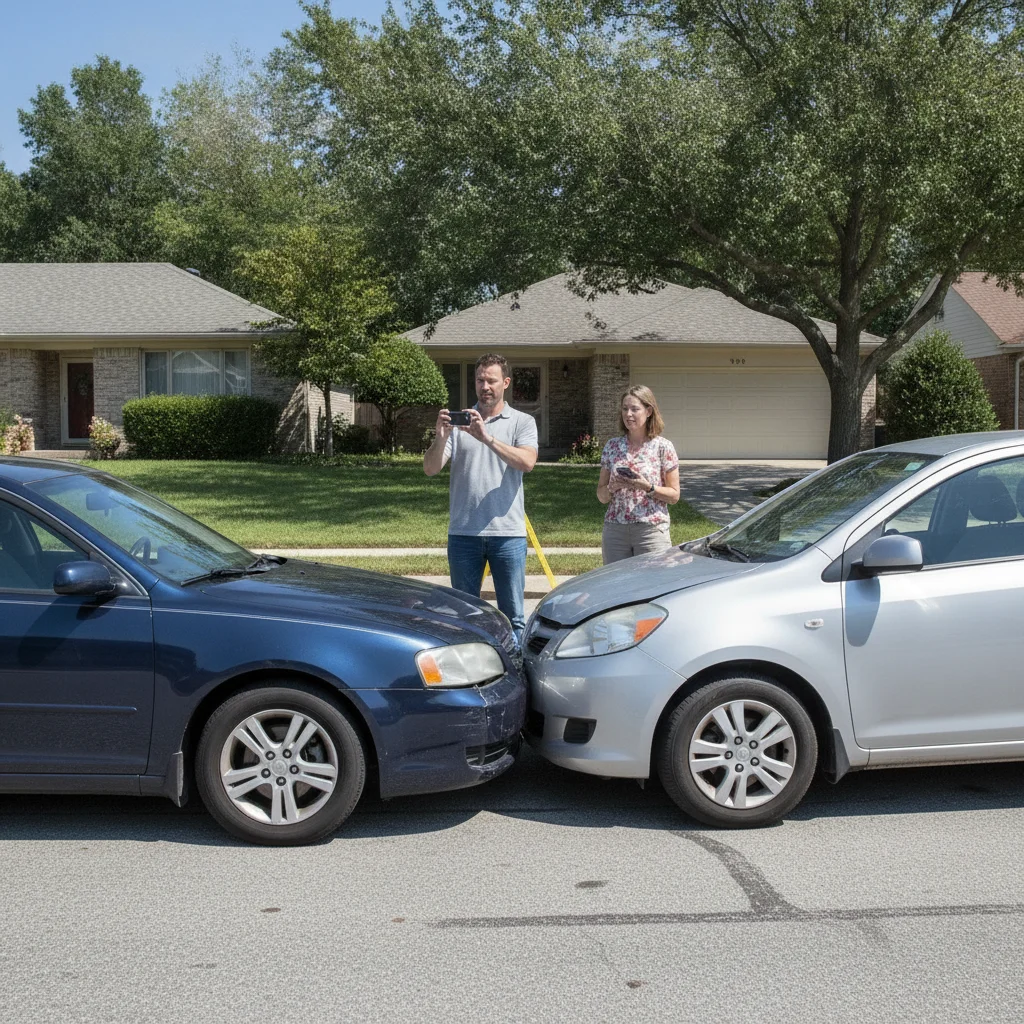
- Photos, police report numbers, or witness contacts you've collected
One thing worth knowing: stick to the facts when reporting. You don't need to assign blame or speculate about what caused the accident. Simply describe what you observed. Statements made during initial reporting can appear in your claim file, so accuracy matters more than detail.
Third-Party Claims Work Differently
If the other driver was at fault, you can file a claim directly with their insurer rather than your own — this is called a third-party claim. You won't pay a deductible in this scenario, but you have less direct control over the process since you're not the other insurer's customer. Your own insurer can sometimes help facilitate or advocate on your behalf.
Coverage Denials Must Be Explained in Writing
If your claim is denied, your insurer is required in most states to provide a written explanation citing the specific policy language behind the decision. Review that language carefully — denials are sometimes issued in error, and a written appeal with supporting documentation often leads to a reversal.
Legal Help Isn't Always Necessary — But Know When It Is
The vast majority of auto claims resolve without any need for an attorney. But if your insurer is acting in bad faith, the claim involves serious injuries, or you feel the settlement offer is dramatically unfair, professional legal guidance may be warranted. Learn more about <a href="/car-insurance/claims-and-policies/filing-a-claim/when-to-involve-a-lawyer-in-an-auto-insurance-claim">when to involve a lawyer in an auto insurance claim</a>.
If another driver was involved and their insurer may be responsible, you can choose to file a third-party claim with their insurer instead of — or in addition to — your own. See our guide on filing a liability claim to understand how that parallel process works.
Meet Your Claims Adjuster
Shortly after you file, your insurer will assign a claims adjuster to your case. This is the person — or sometimes a team — responsible for investigating what happened, reviewing your coverage, and determining what the insurer owes you.

Adjusters work for the insurance company, not for you. That's not a reason to distrust them, but it is a reason to stay organized and informed throughout the process. Their job is to reach a fair and accurate conclusion based on your policy terms and the facts of the incident.
Here's what the adjuster will typically do:
- Contact you to introduce themselves and gather initial details
- Review your policy to confirm what coverages apply
- Inspect your vehicle — either in person or through photos you submit
- Gather statements from all parties involved, including witnesses if relevant
- Review the police report and any other official documentation
- Calculate damages and issue a coverage determination
Response times vary. State laws set minimum standards for how quickly insurers must acknowledge your claim and complete their investigation. If you're unsure about your state's rules, our article on auto insurance claim timelines by state breaks it down clearly.
“The claims process is not designed to be adversarial — but it rewards policyholders who stay organized, ask questions, and understand their rights at each step.”
— Amy Bach, Executive Director, United Policyholders — a nonprofit insurance consumer advocacy organization
The Inspection and Damage Estimate
Once the adjuster is assigned, your vehicle will need to be inspected to determine the scope and cost of repairs — or whether it's a total loss. This inspection can happen in several ways:
- At a repair shop of your choosing or through the insurer's preferred network
- At a drive-in claims center operated by your insurer
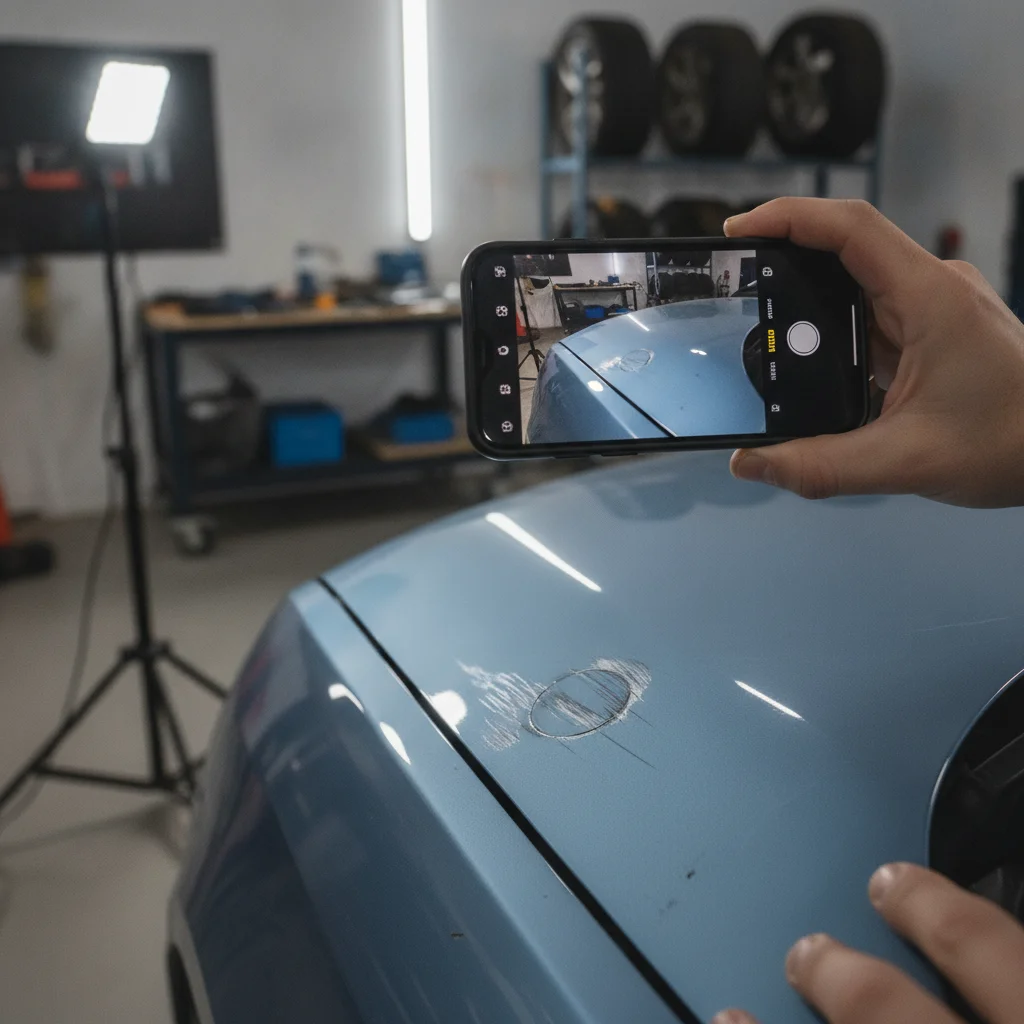
- Through a virtual inspection using photos or video you submit via app
Virtual inspections have become increasingly common and often speed up the process significantly. If the damage is more extensive than it appears in photos, a supplemental estimate may be needed once a shop begins repairs.
If the cost to repair your vehicle exceeds a threshold — typically 70–80% of the vehicle's actual cash value, though this varies by state and insurer — your car may be declared a total loss. In that case, instead of a repair payment, you'll receive the vehicle's pre-accident market value, minus your deductible.
Keep a Claims Log From Day One
Create a simple document — even a notes app entry — logging every interaction related to your claim: dates, names, phone numbers, and what was discussed. This record becomes invaluable if there are delays, disputes, or discrepancies later. Insurers maintain their own detailed files; you should too.
Don't Rush to Accept a Settlement
Once you accept a settlement and sign a release, the claim is typically closed permanently. Take time to review the offer carefully, especially if medical treatment is still ongoing or if you haven't received final repair invoices. It's reasonable — and normal — to ask for a few days to review before signing.
Photograph Your Car Regularly, Not Just After an Accident
Dated photos of your vehicle's pre-accident condition are powerful evidence when disputes arise about what damage is new versus pre-existing. A monthly parking lot photo takes 30 seconds and can significantly strengthen your position in a claim.
You're entitled to get an independent repair estimate from a shop you trust, even if your insurer has already issued one. If the numbers differ significantly, present both estimates to your adjuster and ask them to reconcile the gap. For more detailed guidance, our walkthrough on filing a collision claim step by step covers how to navigate estimate disputes.
Coverage Determination: What the Insurer Decides
After gathering information, the adjuster issues a coverage determination — a formal decision about whether your policy covers the claim, and to what extent. This is where your specific coverages and deductibles come into play.
~2–4 weeks
Average time to resolve a simple auto claim
Industry data suggests most uncomplicated property-damage-only claims close within two to four weeks, though complex or injury-related claims take considerably longer.
6 in 10
Drivers who've never reviewed their policy coverages
Surveys consistently show the majority of policyholders don't fully understand what their auto insurance covers until they need to file a claim.
$4,711
Average collision claim payout in the U.S.
According to the Insurance Information Institute, the average collision claim payment has risen steadily in recent years due to higher vehicle repair costs.
13%
U.S. drivers estimated to be uninsured
The Insurance Research Council estimates roughly 1 in 8 drivers on American roads carries no insurance — underscoring the value of uninsured motorist coverage.
15 days
Common state deadline for insurer to accept or deny a claim
Many states require insurers to accept or deny a claim within 15 business days of receiving all required documentation, though this varies significantly by jurisdiction.
Common outcomes at this stage include:
- Covered in full
- The loss falls within your coverage, and the insurer pays the repair cost minus your deductible.
- Partially covered
- Some elements of the claim are covered, others aren't — for example, if some damage predated the accident.
- Denied
- The insurer determines the claim falls outside your coverage — perhaps due to an exclusion, a lapse in coverage, or a policy condition that wasn't met.
If fault is disputed — say, both drivers share some responsibility — the adjuster will also make a fault determination that affects how much each insurer pays. Understanding how liability insurance responds after an at-fault accident can help you anticipate what that looks like from your insurer's perspective.
If you receive a denial or feel the determination is inaccurate, you have the right to request a written explanation and to appeal. Document everything and respond in writing.
Third-Party Claims Work Differently
If the other driver was at fault, you can file a claim directly with their insurer rather than your own — this is called a third-party claim. You won't pay a deductible in this scenario, but you have less direct control over the process since you're not the other insurer's customer. Your own insurer can sometimes help facilitate or advocate on your behalf.
Coverage Denials Must Be Explained in Writing
If your claim is denied, your insurer is required in most states to provide a written explanation citing the specific policy language behind the decision. Review that language carefully — denials are sometimes issued in error, and a written appeal with supporting documentation often leads to a reversal.
Legal Help Isn't Always Necessary — But Know When It Is
The vast majority of auto claims resolve without any need for an attorney. But if your insurer is acting in bad faith, the claim involves serious injuries, or you feel the settlement offer is dramatically unfair, professional legal guidance may be warranted. Learn more about <a href="/car-insurance/claims-and-policies/filing-a-claim/when-to-involve-a-lawyer-in-an-auto-insurance-claim">when to involve a lawyer in an auto insurance claim</a>.
Repairs, Rentals, and the Road to Resolution
Once coverage is confirmed, the repair process begins. If your policy includes rental reimbursement coverage, your insurer will typically authorize a rental car starting from when your vehicle goes into the shop — not necessarily from the date of the accident.
Repairs through a shop in the insurer's preferred network often come with a repair guarantee backed by the insurer. If you use an outside shop, the guarantee falls on the shop itself. Either way, you shouldn't accept your repaired vehicle before inspecting it carefully and confirming the work was completed as estimated.
If your vehicle is a total loss, the settlement process works differently. The insurer will calculate the actual cash value (ACV) of your vehicle based on comparable sales in your area, mileage, condition, and options. You'll receive a settlement offer for that amount, minus your deductible. If you disagree with the valuation, gather comparable listings and present them to your adjuster — insurers do adjust total loss offers when given solid market data.
Once repairs are complete or a settlement is agreed upon, the claim is closed. Keep copies of all correspondence, estimates, and payment records. If issues arise with repairs later — say, hidden damage surfaces — most insurers allow supplemental claims within a set period.
Keep a Claims Log From Day One
Create a simple document — even a notes app entry — logging every interaction related to your claim: dates, names, phone numbers, and what was discussed. This record becomes invaluable if there are delays, disputes, or discrepancies later. Insurers maintain their own detailed files; you should too.
Don't Rush to Accept a Settlement
Once you accept a settlement and sign a release, the claim is typically closed permanently. Take time to review the offer carefully, especially if medical treatment is still ongoing or if you haven't received final repair invoices. It's reasonable — and normal — to ask for a few days to review before signing.
Photograph Your Car Regularly, Not Just After an Accident
Dated photos of your vehicle's pre-accident condition are powerful evidence when disputes arise about what damage is new versus pre-existing. A monthly parking lot photo takes 30 seconds and can significantly strengthen your position in a claim.
When Claims Get Complicated
Most claims are routine, but some situations add layers of complexity that can extend the timeline and increase stress. Here are the most common complicating factors — and what they mean for you.
Injuries Are Involved
When bodily injury is part of the claim — whether yours, another driver's, or a passenger's — the process slows down significantly. Medical records need to be gathered, treatment may still be ongoing, and liability determinations carry higher stakes. Settlement of injury claims typically doesn't happen until medical treatment is complete or at maximum medical improvement.
Fault Is Disputed
If both drivers claim the other was at fault, insurers may conduct a more thorough investigation — reviewing traffic camera footage, accident reconstruction reports, or additional witness statements. Your insurer can pursue the at-fault driver's insurer on your behalf through a process called subrogation.
The Other Driver Is Uninsured
If the other driver has no insurance, your own uninsured motorist (UM) coverage steps in — assuming you carry it. This is one of the strongest arguments for maintaining UM coverage even when it feels like an optional add-on.
For particularly complex situations — disputes over high-dollar losses, bad faith behavior from an insurer, or claims involving serious injuries — it may be worth understanding when to involve a lawyer in an auto insurance claim.
Third-Party Claims Work Differently
If the other driver was at fault, you can file a claim directly with their insurer rather than your own — this is called a third-party claim. You won't pay a deductible in this scenario, but you have less direct control over the process since you're not the other insurer's customer. Your own insurer can sometimes help facilitate or advocate on your behalf.
Coverage Denials Must Be Explained in Writing
If your claim is denied, your insurer is required in most states to provide a written explanation citing the specific policy language behind the decision. Review that language carefully — denials are sometimes issued in error, and a written appeal with supporting documentation often leads to a reversal.
Legal Help Isn't Always Necessary — But Know When It Is
The vast majority of auto claims resolve without any need for an attorney. But if your insurer is acting in bad faith, the claim involves serious injuries, or you feel the settlement offer is dramatically unfair, professional legal guidance may be warranted. Learn more about <a href="/car-insurance/claims-and-policies/filing-a-claim/when-to-involve-a-lawyer-in-an-auto-insurance-claim">when to involve a lawyer in an auto insurance claim</a>.
What You Can Do Right Now to Protect Yourself
The best time to prepare for a claim is before one happens. A few simple habits can make an enormous difference when you're dealing with the stress of an accident.
- Keep your insurance card accessible — digitally in your phone and physically in your glovebox.
- Know your policy coverages — at minimum, know whether you have collision, comprehensive, rental, and uninsured motorist coverage.
- Document everything at the scene — photos of all vehicles, license plates, the road conditions, and any visible injuries.
- Exchange information calmly — name, contact info, insurer name, and policy number from the other driver.
- Report promptly — don't wait days before notifying your insurer, even if you're unsure whether you'll file a claim.
If this is your first time navigating a claim and you want a fuller picture of what to expect, our beginner's guide to your first car accident claim walks through the entire experience from the scene to settlement. And for a comprehensive look at every phase, our complete roadmap to filing an auto insurance claim leaves nothing out.
The claims process can feel like a black box when you're in the middle of it. But once you understand each step and what drives decisions at each stage, it becomes far less intimidating — and you're in a much stronger position to advocate for yourself throughout.
Keep a Claims Log From Day One
Create a simple document — even a notes app entry — logging every interaction related to your claim: dates, names, phone numbers, and what was discussed. This record becomes invaluable if there are delays, disputes, or discrepancies later. Insurers maintain their own detailed files; you should too.
Don't Rush to Accept a Settlement
Once you accept a settlement and sign a release, the claim is typically closed permanently. Take time to review the offer carefully, especially if medical treatment is still ongoing or if you haven't received final repair invoices. It's reasonable — and normal — to ask for a few days to review before signing.
Photograph Your Car Regularly, Not Just After an Accident
Dated photos of your vehicle's pre-accident condition are powerful evidence when disputes arise about what damage is new versus pre-existing. A monthly parking lot photo takes 30 seconds and can significantly strengthen your position in a claim.

All claims are backed by peer-reviewed research. Sources on request.