
Key Takeaways
Why You Might Need These Documents
Most drivers only think about their insurance documents at renewal time or after an accident. But there are at least a half-dozen situations where you'll need official paperwork fast — and not being prepared can cost you time, money, or even a deal.
The most common scenarios include:
- Shopping for a new policy: A competing insurer will ask for proof of continuous coverage. A lapse — even an unintentional one — can raise your rate or disqualify you from preferred pricing tiers.
- Buying or financing a vehicle: Lenders require proof of insurance before releasing funds, and dealerships need to see a valid declarations page before handing over keys. See our guide to car buying paperwork and contracts for more on what lenders expect at signing.
- Filing a claim: You'll reference your declarations page constantly during a claim to confirm what's covered, your deductibles, and your policy limits. Our filing a claim hub explains how documents fit into that process.
- Employer or housing verification: Some employers, especially those with fleet responsibilities, require proof of personal auto coverage. Certain landlords ask for it too.
- Resolving a dispute: If you and your insurer disagree about what your policy covers, the actual policy document — not a summary — is the authoritative record.
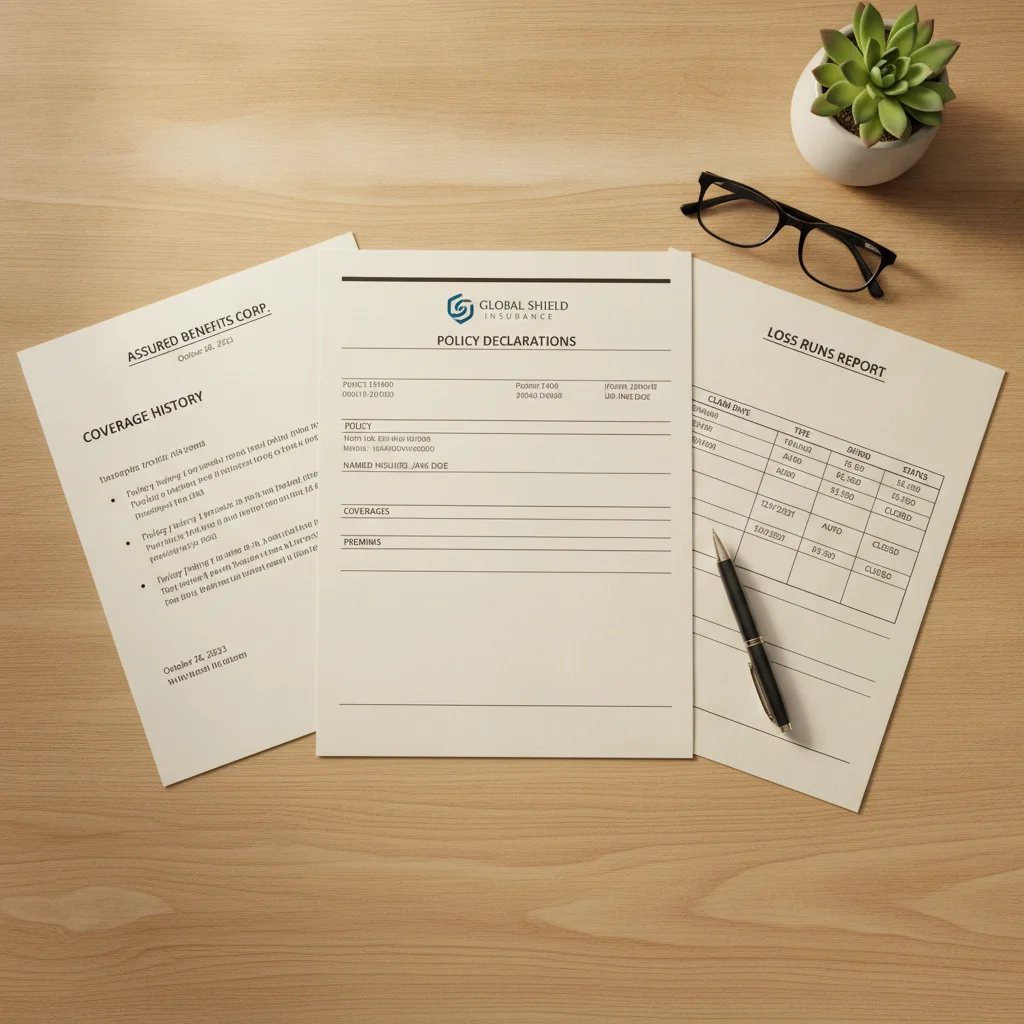
Understanding which document you actually need before you contact your insurer will save you multiple calls. The three core documents most people need are the declarations page, a coverage history letter (sometimes called a letter of experience), and loss runs (a formal claims history report). Each serves a distinct purpose, and each is requested slightly differently.
For a deeper look at managing your policy across its full lifecycle — renewals, mid-term changes, cancellations — see Auto Insurance Policy Management: Everything Drivers Need to Know.
What Each Document Actually Is
Before you request anything, make sure you're asking for the right thing. Insurers use specific terminology, and asking for the wrong document adds unnecessary back-and-forth.
- Declarations Page ("Dec Page")
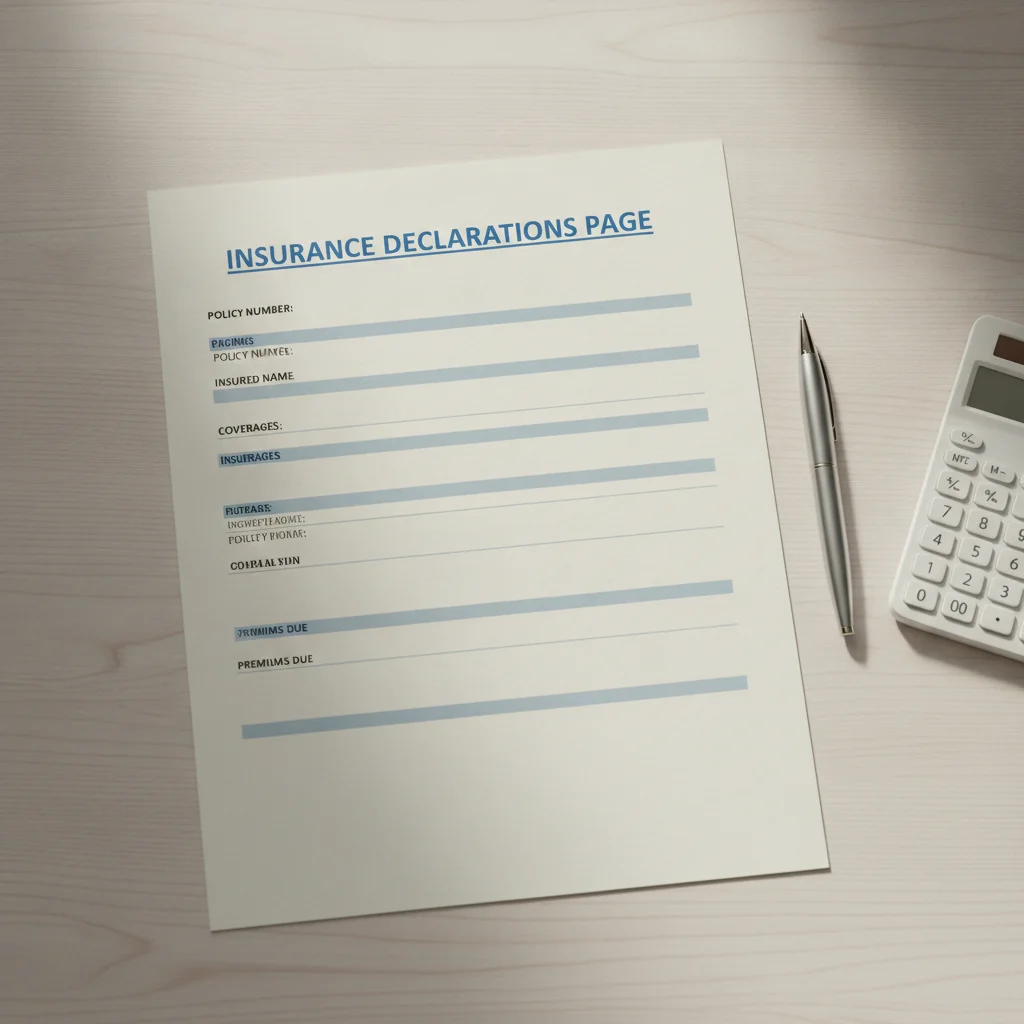
- A one-to-three page summary of your active policy. It lists the named insured, covered vehicles (with VINs), policy period, coverage types, limits, deductibles, and premium. This is the document most people mean when they say "proof of insurance" in a formal context. Your declarations page is also the best tool for apples-to-apples comparisons when you're shopping competing quotes.
- Coverage History Letter / Letter of Experience
- A formal letter on insurer letterhead confirming the dates your policy was active, the types of coverage carried, and — in most cases — whether you had any at-fault claims or lapses. This is what a new insurer wants when they ask for "proof of prior coverage." It differs from the dec page because it covers a historical period rather than your current policy snapshot.
- Loss Runs
- A detailed claims history report showing every claim you filed, when it was reported, how much was paid out, and whether the claim is still open. Loss runs are more common in commercial auto contexts but can be requested for personal policies too, especially when switching high-value or specialty vehicle coverage.
- Full Policy Documents
- The complete policy contract, including all endorsements and exclusions. Most people never read this unless there's a dispute. If your insurer is denying a claim and you believe the denial is wrong, this is the document that matters.
If your insurer has moved you to paperless delivery, you may already have access to most of these in your online portal. See Paperless Policies and Digital Management to understand what digital-first insurers typically make available and what you may still need to request manually.
What You'll Need Before You Request
Having the right information ready before you call, click, or write will cut your wait time significantly. Review the prerequisites below, then follow the steps in the next section.
What you will need
Insurer's Online Customer Portal
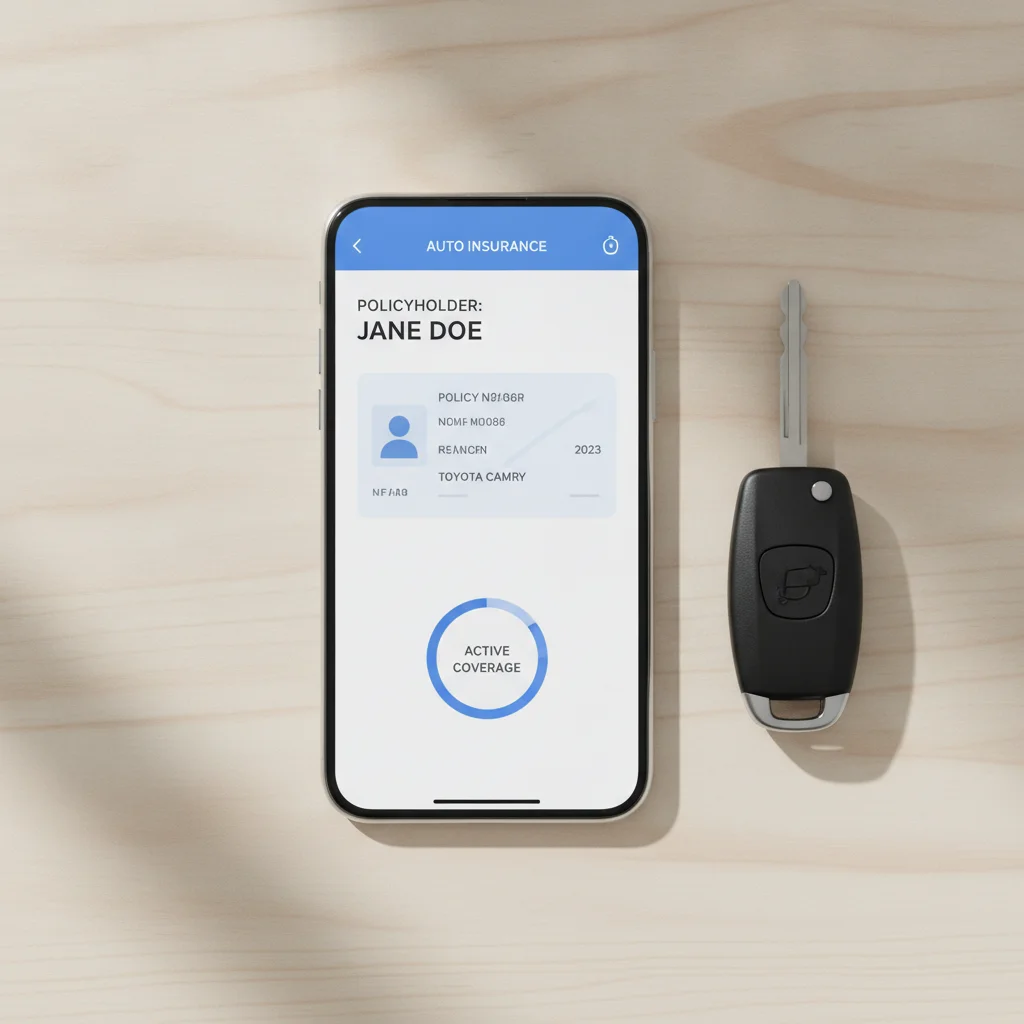
The fastest way to download your declarations page, insurance card, and recent policy documents without waiting on hold.
Insurer's Mobile App
Most major insurers offer app-based document access and the ability to submit document requests directly from your phone.
Certified Mail (USPS)
Used for formal written document requests when phone or online methods fail, or when you need a documented paper trail.
State Department of Insurance Website
Used to file a formal complaint if your insurer is unresponsive, or to locate records for defunct insurers.
Cloud Storage Account
For securely saving and organizing downloaded policy documents so they're accessible anywhere at any time.
Step-by-Step: How to Request Your Documents
Follow these steps in order. Most requests can be completed entirely online in under 15 minutes, though some insurers still require a phone call or written request for certain document types — particularly loss runs and full policy contracts.
Identify exactly which document you need
Before contacting your insurer, pinpoint the specific document being requested — a dec page, a coverage history letter, loss runs, or the full policy contract. If a third party (a lender, employer, or new insurer) made the request, ask them to specify the exact document name and acceptable format (PDF, original letterhead, etc.). Requesting the wrong document wastes time for both you and your insurer.
Log in to your insurer's online portal
Most major insurers — State Farm, GEICO, Progressive, Allstate, USAA, Liberty Mutual, and others — offer self-service document downloads through their customer portals. Navigate to your account, then look for sections labeled "My Policy," "Documents," or "Policy Details." Your current declarations page is almost always available as an immediate PDF download. Prior-year dec pages are typically archived and accessible for two to five years.
If you've never set up an online account, you'll need your policy number and the email address on file to register — a five-minute process before you can access documents.
Download or request your declarations page
Once logged in, locate your current policy period and select "Download Declarations Page" or equivalent. Save the PDF immediately — don't rely on the link remaining active. If you need a declarations page for a prior policy period, look for an archive or history section. Some insurers only keep one or two prior terms available online; for older periods, you'll need to call.
Request a coverage history letter by phone or secure message
Coverage history letters are rarely available as instant self-service downloads. Most insurers generate them on request. You have two main options:
- Secure message through the portal: Look for a "Contact Us" or "Send Message" option in your account. Send a written request specifying the exact date range you need covered and the purpose (e.g., "switching insurers," "lender requirement"). Written requests create a paper trail and often get routed to the right department faster than a general phone queue.
- Call customer service directly: Have your policy number, VIN, and identity verification information ready. Request the letter be sent to a specific email address or mailed to your address of record. Ask for an estimated delivery time and get a reference or ticket number for your request.
Standard turnaround for a coverage history letter is typically two to five business days.
Request loss runs in writing if needed
Loss runs are a more formal document and almost always require a written request. Write a brief letter or email to your insurer's customer service or underwriting department that includes: your full name, policy number, the insured vehicle's VIN, the date range for the claims history you need, and the format you're requesting (PDF, paper). If you're sending by mail, use certified mail with return receipt so you have proof of the request date.
Insurers are typically required by state regulation to provide loss runs within 10 to 20 business days of a written request. The specific requirement varies by state, so check your state's Department of Insurance website if you need to cite the relevant rule.
Verify receipt and confirm the document meets requirements
Once you receive the document, review it before forwarding it to the requesting party. Confirm that: the policy dates are correct, the named insured matches exactly (including middle initials if applicable), the vehicle information (VIN, make, model) is accurate, and the document is on official insurer letterhead with a signature or certification stamp if required. A mismatch in any of these fields can cause a lender or new insurer to reject the document and restart the process.
If you find an error, contact your insurer immediately and request a corrected version — specifying exactly what needs to change and providing the reference number from your original request.
Don't Rely on Screenshots as Official Documents
Screenshots of your policy summary screen or app dashboard are not accepted as official documentation by lenders, courts, or new insurers. You need an actual PDF or printed document generated by the insurer's systems. When in doubt, call and ask for an official version to be issued.
Fastest Method for Most Requests
For standard documents like your current declarations page or insurance card, your insurer's online portal or mobile app is almost always the fastest path — no hold times, no callbacks. Set up your portal account before you need a document urgently, not during a stressful situation like a loan closing or accident claim.
Ask for a Reference Number Every Time
Any time you make a document request by phone or secure message, ask the representative for a case or reference number before you hang up. This number lets you follow up precisely without re-explaining your request, and it creates an accountability trail if the insurer is slow to deliver.
If Your Insurer Is Unresponsive or You've Switched Providers
Most major insurers fulfill standard document requests quickly. But if you're dealing with a smaller regional carrier, a company that's been acquired, or a policy that lapsed years ago, the process can get complicated.
Former Insurer Is Slow to Respond
Insurers are generally required by state law to respond to written document requests within a defined period — typically 15 to 30 business days, depending on the state. If your insurer hasn't delivered within that window:
- Send a follow-up in writing via certified mail. Keep the return receipt.
- File a complaint with your state's Department of Insurance. This almost always accelerates insurer action — carriers do not want a complaint on their regulatory record.
- Contact your state insurance commissioner's consumer help line directly. Most states have online complaint portals that generate a formal case number.
You've Already Switched Insurers
Your former insurer is still obligated to provide your coverage history and loss runs even after your policy has lapsed or been cancelled. You typically have the right to request these records for up to five to seven years after policy termination, though the specific window varies by state.
Your Rights Don't End When Your Policy Does
A common misconception is that once a policy lapses or you switch insurers, you lose access to your records. That's not true. Your former insurer is legally obligated to provide your coverage history and loss runs for a period defined by your state — typically five to seven years after policy termination. If a former insurer refuses or fails to respond to a written request, file a complaint with your state's Department of Insurance. Carriers take regulatory complaints seriously.
The Insurer No Longer Exists
If an insurance company has been liquidated or absorbed through acquisition, your state's insurance guaranty association maintains records. Contact your state's Department of Insurance — they can direct you to the appropriate successor entity or guaranty fund. In many cases, the acquiring company inherits the obligation to provide historical policy records.
If you need to quickly pull together what you remember about your prior coverage before a call with any insurer — whether your current one or a new one you're shopping — see What Information You Need Before You Call Your Insurance Company for a useful pre-call checklist.
Keeping Your Documents Organized Going Forward
Once you've collected what you need, take 10 minutes to build a document system that prevents this scramble next time. The cost of not doing so is real: a gap in your documented coverage history can raise your premiums with a new insurer by 10–20% or more.
Digital Storage
- Download each document as a PDF from your insurer's portal and save it to a clearly labeled folder:
Auto Insurance / /. - Back it up to cloud storage (Google Drive, Dropbox, iCloud) so it's accessible from any device — including your phone at a dealership or accident scene.
- Save your dec page to your phone's photos or a document app so it's always within reach, even offline.
Paper Storage
- Keep your current insurance card and dec page in your glove compartment, inside a waterproof sleeve.
- Store older policy documents in a home file labeled by year. Retain them for at least five years.
Set a Calendar Reminder at Renewal
Each time your policy renews, download the new declarations page and archive the prior year's version. This takes five minutes and creates a clean, continuous record that will satisfy virtually any future document request — from a lender, a new insurer, or an employer — without any phone calls.
For a comprehensive framework on managing your policy from start to finish, revisit Auto Insurance Policy Management: Everything Drivers Need to Know.

All claims are backed by peer-reviewed research. Sources on request.