Key Takeaways
Uninsured Motorist Coverage (UM)
Uninsured motorist coverage is a type of car insurance that pays for your injuries and, in many states, your vehicle damage when you're hit by a driver who carries no liability insurance. It's a provision in your own policy — not the at-fault driver's — that steps in when the other party can't cover what they owe. Most states either require it or mandate that insurers offer it, though drivers can often waive it in writing.
UM coverage is distinct from underinsured motorist (UIM) coverage, which applies when the at-fault driver has insurance but not enough to cover your full losses. Policies may bundle both or sell them separately depending on the state.
The Uninsured Driver Problem Is Bigger Than Most People Realize
One in eight drivers sharing the road with you today has no car insurance. That's not a hypothetical — it's the national estimate from the Insurance Research Council, and in some states the number is closer to one in five. Every time you drive, there's a meaningful chance that the vehicle next to you at a red light is completely uninsured.
For most drivers, getting hit by someone with no coverage feels like a nightmare scenario: the at-fault party can't pay, your car is damaged, you may have injuries, and suddenly you're wondering how any of this gets resolved. The good news is that you're not automatically left holding the bill — but only if you understand your options before the accident happens.
1 in 8
U.S. drivers currently uninsured
According to the Insurance Research Council's most recent estimates, approximately 12.6% of motorists nationwide carry no auto insurance.
~26%
Uninsured driver rate in highest-risk states
States like Mississippi and Michigan have historically reported uninsured motorist rates exceeding 25%, according to IRC data.
$20,235
Average UM/UIM bodily injury claim payout
The Insurance Information Institute reports average uninsured/underinsured motorist bodily injury claims regularly exceed $20,000 when injuries are involved.
49%
States requiring UM coverage by law
Roughly half of all U.S. states mandate uninsured motorist coverage as a condition of vehicle registration and legal operation.
This guide walks through exactly what to do after a collision with an uninsured driver, how to use your own coverage effectively, and what legal options are actually worth pursuing.
What to Do at the Scene — Right Now
The steps you take in the first 30 minutes after the accident directly affect every claim and legal option you'll have later. Don't skip any of these because you're shaken up — these actions protect you.
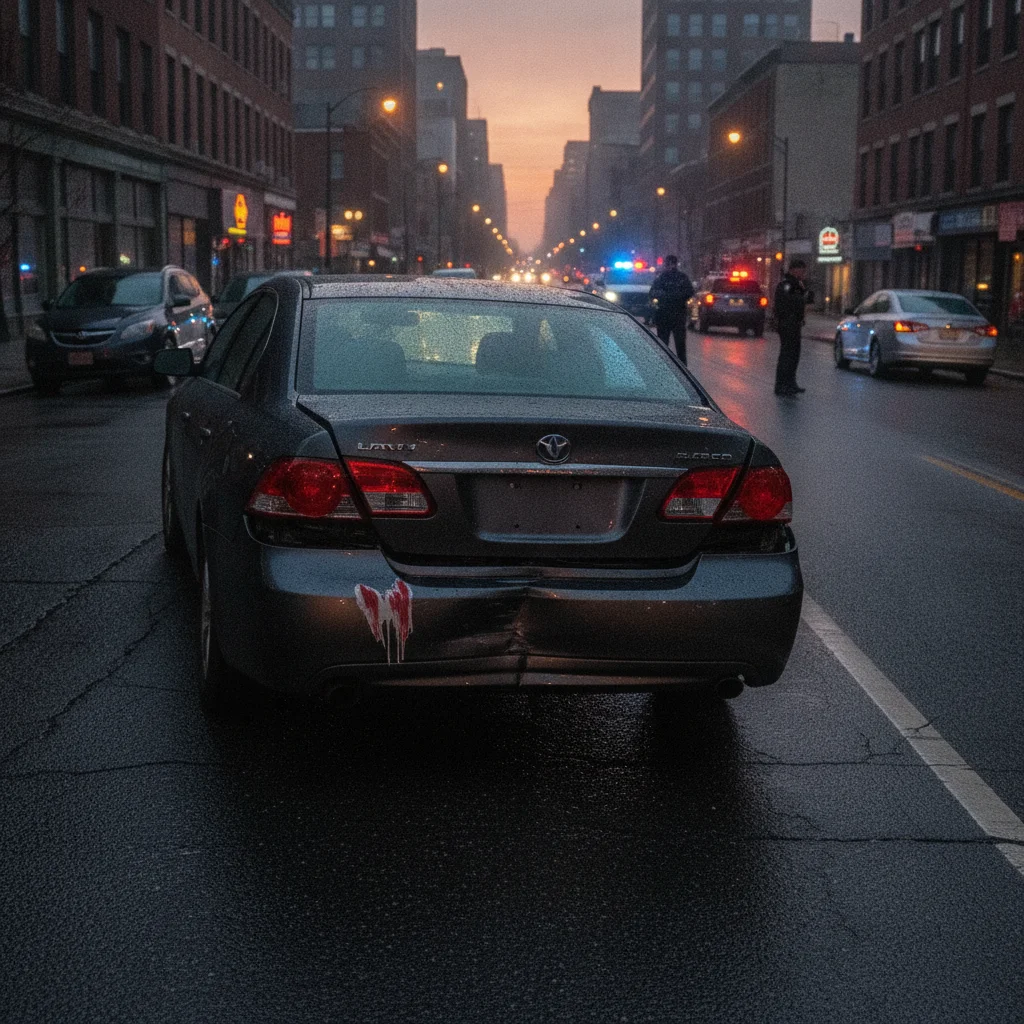
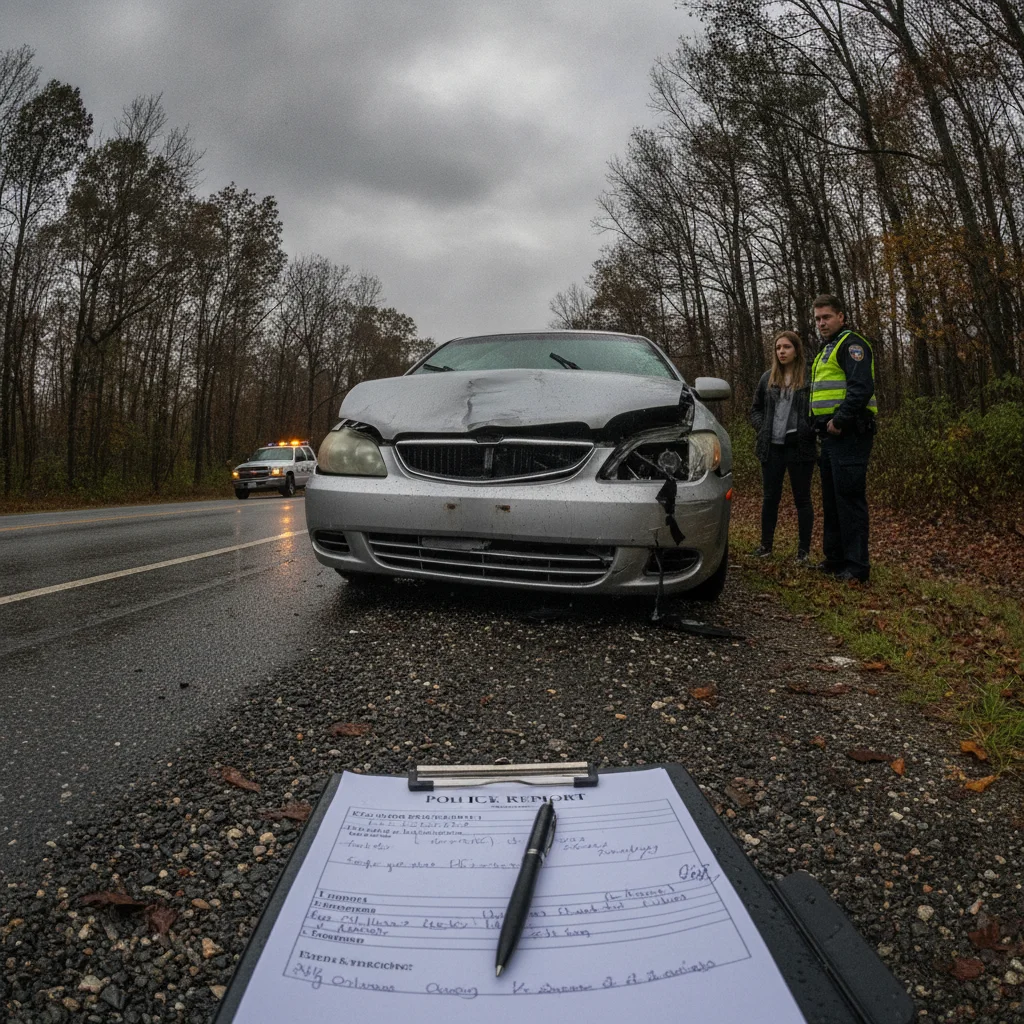
- Call the police. This is non-negotiable when the other driver is uninsured. A police report creates an official record of the accident, documents the other driver's lack of insurance, and establishes the basic facts of fault. Most UM claims require a police report.
- Document everything on the scene. Photograph all vehicle damage, the positions of both cars, skid marks, road signs, traffic signals, and any visible injuries. Get wide shots and close-ups.
- Get witness information. Names, phone numbers, and what they saw. Witnesses are especially valuable when the at-fault driver disputes the facts.
- Collect the other driver's information. Name, address, driver's license number, license plate. Even if they have no insurance, you'll need this for any future lawsuit or claim investigation.
- Do not admit fault or apologize. Even casual statements can be used against you.
- Notify your insurer the same day. Most policies require prompt notification after an accident. Late reporting can complicate or even void a claim.
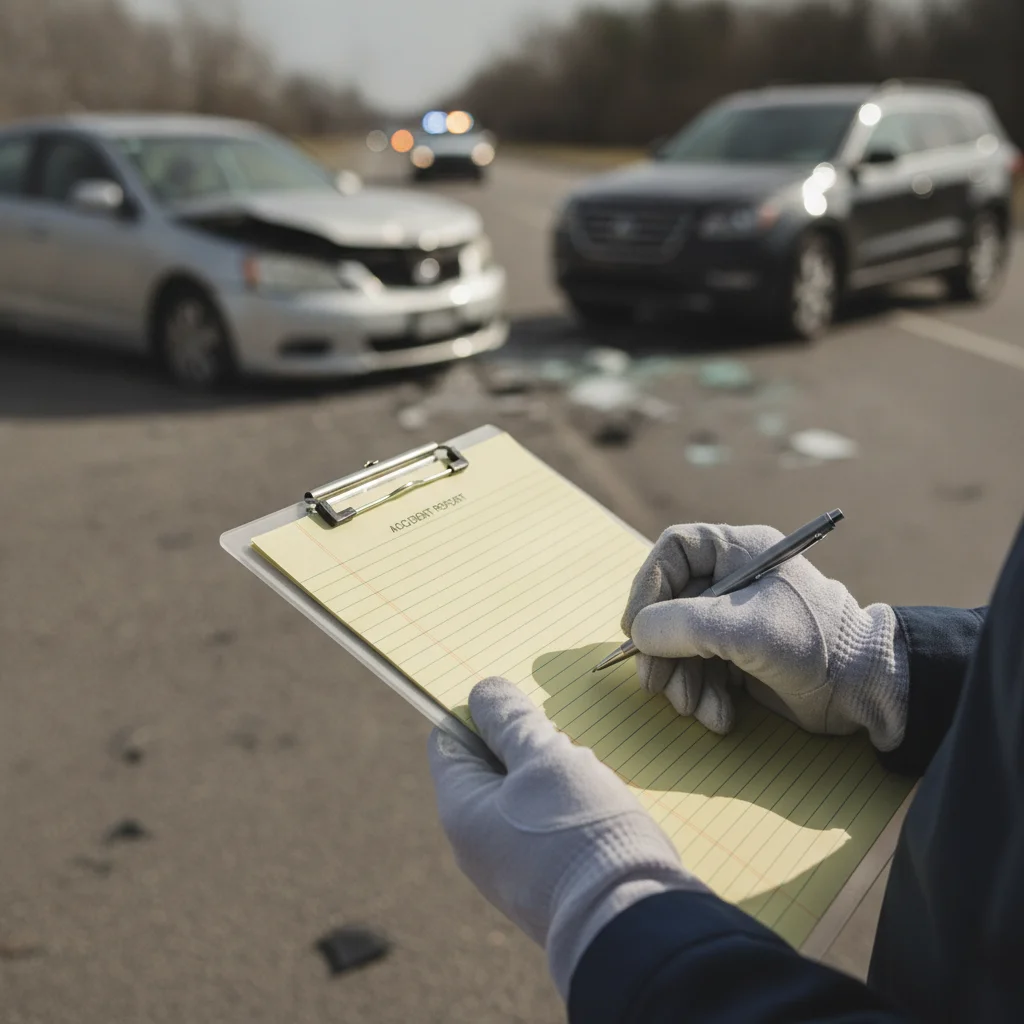
If the other driver leaves the scene before police arrive, you're now dealing with a hit-and-run scenario — which has its own claim procedures. See what to do when the at-fault driver flees for that specific situation.
Hit-and-Run Drivers Treated Like Uninsured Drivers
If an unknown driver hits your car and flees, most UM policies treat it as an uninsured motorist claim — but many states require physical contact between the vehicles to qualify. A drive-off with no contact (e.g., a car swerves and causes you to crash without touching you) may not meet that threshold. Check your policy and state rules carefully. For the full picture on hit-and-run claims, see <a href="/car-insurance/claims-and-policies/filing-a-claim/hit-and-run-claims-your-options-when-the-other-driver-disappears">your options after a hit-and-run</a>.
No-Fault States Have Different Rules
In the 12 no-fault states, your personal injury protection (PIP) coverage is the first-line payer for medical expenses regardless of who caused the accident. UM coverage in these states is still relevant for serious injuries that exceed PIP limits or meet the state's tort threshold, but the initial claims process looks different. Know which system your state uses.
Your First Resource: Your Own UM Coverage
When the at-fault driver has no insurance, the fastest and most reliable financial path in most cases is your own uninsured motorist (UM) coverage. This is coverage you've been paying for — now it's doing exactly what it's designed to do.
UM coverage typically handles:
- Medical bills for you and your passengers
- Lost wages if your injuries prevent you from working
- Pain and suffering damages (varies by state and policy limits)
- Funeral expenses in wrongful death cases
Some policies also include uninsured motorist property damage (UMPD), which covers your vehicle damage. In states without UMPD, your collision coverage fills that gap — you pay your deductible, and your insurer may later recover it from the at-fault driver through subrogation.
“Uninsured motorist coverage is really insurance against the irresponsibility of others. It's one of the few coverages where the premium is low relative to what you're actually protecting yourself against.”
— J. Robert Hunter, Former Insurance Commissioner and Director of Insurance, Consumer Federation of America
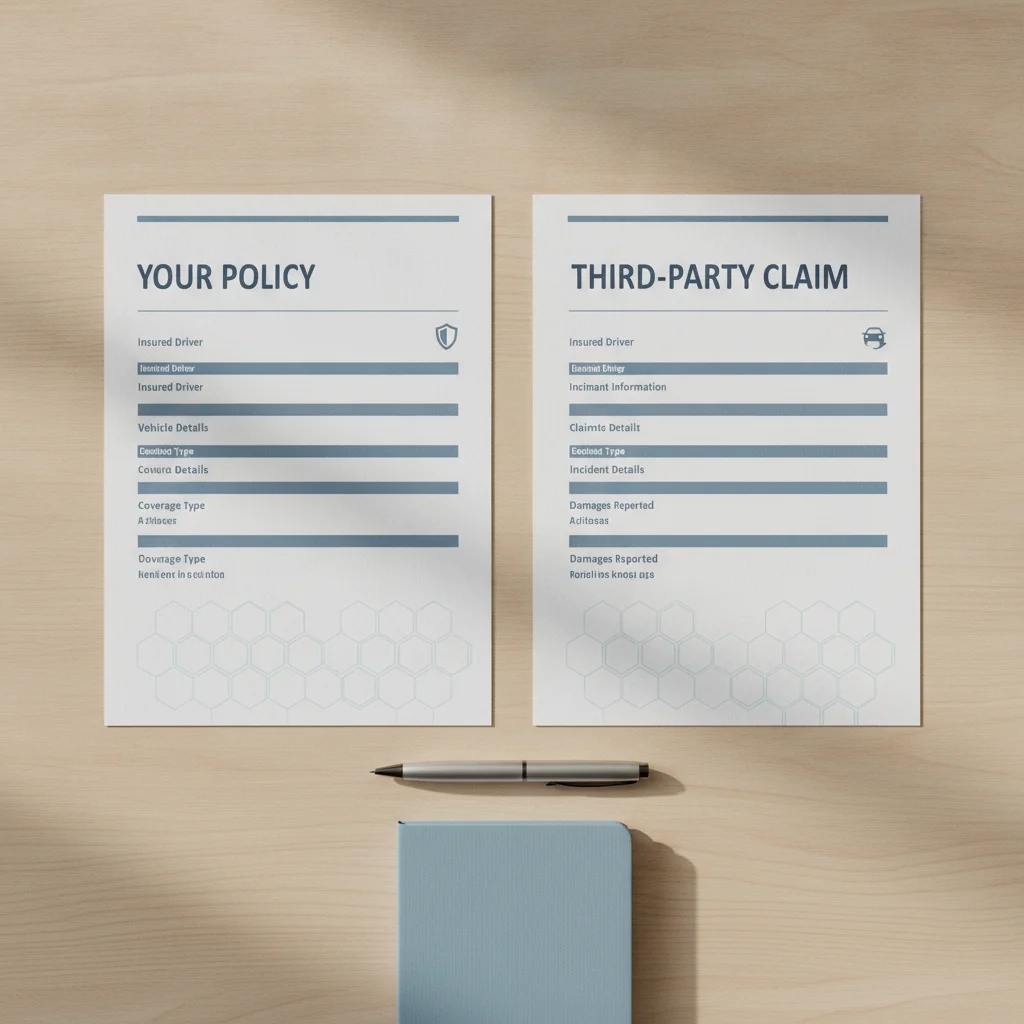
To file a UM claim, contact your insurer, provide the police report, document your damages and injuries thoroughly, and cooperate fully with the investigation. For a step-by-step breakdown of the UM filing process, see how to file a UM claim.
Match Your UM Limits to Your Liability Limits
A common rule of thumb: set your uninsured and underinsured motorist limits equal to your bodily injury liability limits. If you carry $100,000 per person in liability, carry the same in UM/UIM. The premium increase is typically small compared to the protection gained.
Check Whether You Can Stack UM Coverage
Some states allow 'stacking' — combining UM coverage limits across multiple vehicles on your policy for a higher total limit. If you insure two cars with $50,000 UM each, stacked coverage gives you $100,000. Ask your insurer if stacking is permitted in your state; it's often inexpensive to add.
One thing drivers often overlook: your insurer will still investigate fault even on a UM claim. They're paying on behalf of the at-fault driver and want to confirm you weren't the cause. Cooperate, but be accurate — not generous with what you admit.
Using Collision Coverage as a Backup
If you don't have UM property damage coverage — or if your UMPD limit is lower than your actual damage — collision coverage is the other tool in your kit. Collision pays for your vehicle repair or replacement regardless of who caused the accident, with no requirement that the other driver have insurance.
The trade-off is your deductible. If your deductible is $1,000 and the repair estimate is $3,500, you pay $1,000 and your insurer covers the rest. That deductible isn't necessarily gone for good — if your insurer pursues and recovers money from the at-fault driver through subrogation, you may get it back.

Wondering whether to file directly with your own insurer or try to go through the at-fault driver's policy? In an uninsured driver situation, there's no at-fault policy to file against — so that choice is already made for you. But in cases where the other driver has some coverage, see the trade-offs between filing with your own insurer versus the other driver's.
Suing the Uninsured Driver: When It's Worth It
You have the right to sue an uninsured at-fault driver in civil court. If you win, the court will issue a judgment in your favor. The problem — and it's a significant one — is that winning a judgment and collecting on it are two different things.
Someone with no car insurance often has no significant savings, no real property, and limited income available for wage garnishment. Your judgment may sit uncollected for years. Some states limit how much of a person's wages can be garnished, and certain assets (like a primary residence in some states) are legally protected from collection.
That said, lawsuits aren't always futile. A lawsuit may make sense if:
- The at-fault driver owns property, a business, or other significant assets
- Your damages are severe enough that the lawsuit cost is justified
- Your UM coverage is exhausted or you didn't have it
- Your attorney believes collection is realistic after an asset investigation
Before going the lawsuit route, consult a personal injury attorney — many work on contingency for these cases, meaning no upfront cost. They can run an asset check on the at-fault driver before deciding whether litigation is viable.
Why UM Coverage Limits Matter More Than You Think
Most drivers who have UM coverage set the minimum required by their state and forget about it. That's a mistake. State minimums are often $25,000 per person or $50,000 per accident for bodily injury — amounts that can be exhausted quickly by a serious injury requiring surgery, hospitalization, or physical therapy.
Consider matching your UM limits to your liability limits. If you carry $100,000/$300,000 in liability coverage, carrying the same in UM coverage means you're protecting yourself to the same degree you protect others. The premium difference is usually modest.
Match Your UM Limits to Your Liability Limits
A common rule of thumb: set your uninsured and underinsured motorist limits equal to your bodily injury liability limits. If you carry $100,000 per person in liability, carry the same in UM/UIM. The premium increase is typically small compared to the protection gained.
Check Whether You Can Stack UM Coverage
Some states allow 'stacking' — combining UM coverage limits across multiple vehicles on your policy for a higher total limit. If you insure two cars with $50,000 UM each, stacked coverage gives you $100,000. Ask your insurer if stacking is permitted in your state; it's often inexpensive to add.
Underinsured motorist (UIM) coverage is a close cousin worth understanding. If the at-fault driver has some insurance but not enough — say, $25,000 in liability coverage against your $80,000 in medical bills — UIM coverage bridges that gap. How UM/UIM coverage works and why it's undervalued goes deeper on why this coverage is the first thing people cut and the last thing they should.
Review your policy declarations page today. Know your UM and UIM limits. If you're unsure whether they're adequate, call your agent and ask what it would cost to raise them — the answer may surprise you.
State Laws and the Patchwork of UM Requirements
Whether you're required to carry UM coverage — and how much — depends entirely on where you live. The U.S. has no federal mandate, leaving a patchwork of state rules:
| State Approach | What It Means |
|---|---|
| UM required | You must carry UM coverage to legally register and drive. Roughly half of all states fall here. |
| UM offered, waivable | Insurers must offer UM, but you can reject it in writing. Common in many Southern and Midwest states. |
| No UM mandate | Neither required nor mandated to be offered in all cases. Fewer states fall here, but they exist. |
In no-fault states, the rules shift further. No-fault insurance means your own personal injury protection (PIP) coverage pays your medical bills regardless of who caused the accident — you don't need to prove the other driver's fault to get initial coverage. But no-fault systems have tort thresholds, and serious injuries still allow you to sue or pursue UM coverage beyond PIP limits.
Hit-and-Run Drivers Treated Like Uninsured Drivers
If an unknown driver hits your car and flees, most UM policies treat it as an uninsured motorist claim — but many states require physical contact between the vehicles to qualify. A drive-off with no contact (e.g., a car swerves and causes you to crash without touching you) may not meet that threshold. Check your policy and state rules carefully. For the full picture on hit-and-run claims, see <a href="/car-insurance/claims-and-policies/filing-a-claim/hit-and-run-claims-your-options-when-the-other-driver-disappears">your options after a hit-and-run</a>.
No-Fault States Have Different Rules
In the 12 no-fault states, your personal injury protection (PIP) coverage is the first-line payer for medical expenses regardless of who caused the accident. UM coverage in these states is still relevant for serious injuries that exceed PIP limits or meet the state's tort threshold, but the initial claims process looks different. Know which system your state uses.
Check your state's insurance commissioner website for current requirements. Rules change, and what applied three years ago may not apply today.
Building a Policy That Protects You Before the Accident
The time to think about uninsured driver protection is when you're comparing and buying policies — not after the accident. Here's a practical checklist for building coverage that actually protects you:
- Carry UM and UIM coverage. Both. At limits that match or approach your liability limits.
- Add collision coverage if your vehicle has meaningful value. It's the backstop for property damage when UM property damage coverage runs short.
- Know your deductibles. A $2,000 collision deductible saves you premium but costs you out-of-pocket when you need it. Balance accordingly.
- Review Med Pay or PIP coverage. Medical payments coverage or PIP can pay your medical bills immediately while a UM claim is being processed — keeping collections and debt off your plate while things resolve.
- Ask about UM property damage specifically. Not all states include it automatically in UM coverage. Confirm what your policy covers.

When comparing policies, don't shop on premium alone. A policy with lower UM limits may look cheaper but leaves you exposed to a six-figure liability gap if an uninsured driver causes a serious accident. Read the declarations page line by line before you sign.

All claims are backed by peer-reviewed research. Sources on request.