Key Takeaways
Streamlined communication between shop and insurer
Preferred shops work directly with your insurer's adjusters, often through shared digital platforms. This reduces back-and-forth delays and means supplement approvals happen faster.
Insurer-backed workmanship warranty
Many insurers offer a lifetime warranty on repairs completed at their preferred shops. If something goes wrong with the repair later, you have a clear path for recourse through your carrier.
Faster turnaround on average
Because the estimate, approval, and payment processes are integrated, preferred shops can often start work sooner and finish faster than a non-network shop navigating those steps separately.
Less administrative burden on you
You don't have to manage insurer communications, seek separate approvals, or handle payment logistics — the shop handles most of that on your behalf.
Pre-vetted for basic quality standards
DRP shops typically agree to minimum quality benchmarks as part of their participation in the network, providing at least a baseline assurance that the insurer stands behind.
Cost pressure may affect repair quality
Preferred shops operate under negotiated rate agreements with insurers, which can create subtle pressure to use cheaper parts or less labor-intensive methods than the repair technically warrants.
Shop's loyalty is partly to the insurer
A DRP shop depends on the insurer for a significant portion of its business. That financial relationship can create conflicts of interest when the best repair for your car would be the most expensive one.
May not have specialized certifications
Not all preferred shops are certified to repair advanced vehicles, ADAS systems, or EVs. Using an uncertified shop for complex repairs can compromise both safety and your vehicle's warranties.
Limited choice may not include your trusted mechanic
If you've built a relationship with a specific shop over years, the preferred network may not include them — and being funneled away from a trusted provider can feel frustrating and disempowering.
Aftermarket or salvage parts may be used
Insurers often push for non-OEM parts to control costs. Preferred shops may default to these without clearly informing you, which can affect fit, finish, and long-term durability.
Less transparency during the repair process
When the shop and insurer communicate directly, you can sometimes be left out of the loop on decisions being made about your vehicle. Staying informed requires more proactive communication on your part.
Our Verdict
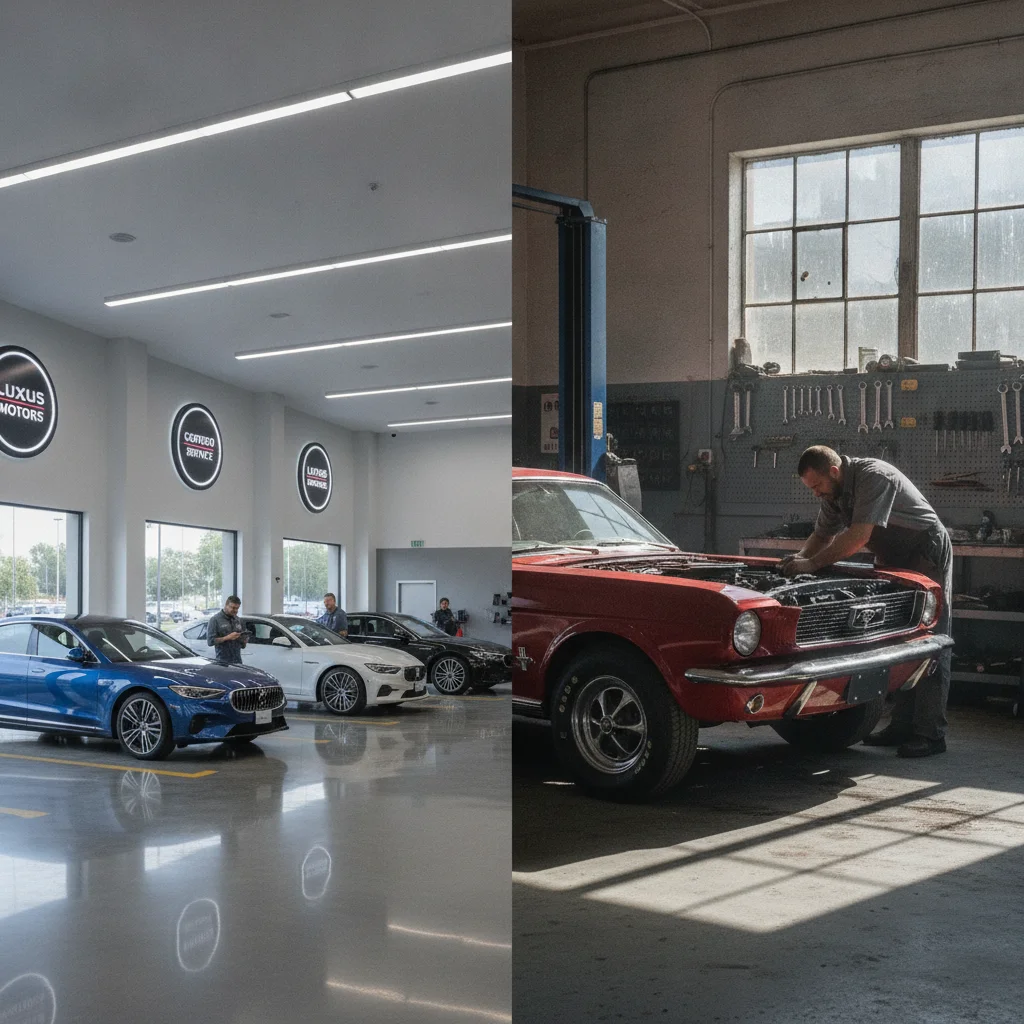
Using an insurer-recommended shop is the smoother path for drivers who want a hands-off claims experience and trust their carrier's network. Choosing your own shop makes more sense when you have a long-standing mechanic you trust, need specialized repairs, or have concerns about insurer-directed cost-cutting. Neither option is universally better — the right call depends on your insurer's track record, the extent of the damage, and how much involvement you want in the process.
Drivers who want simplicity and speed should lean toward preferred shops; those who value control and have a trusted local mechanic are better served choosing independently.
The Moment of Confusion After an Accident
After an accident, you're already dealing with a lot — stress, paperwork, rental logistics, and the practical question of how long you'll be without your car. Then your insurer mentions their list of "preferred" or "approved" repair shops, and it can feel like a directive rather than a suggestion.
Here's the thing: in most states, it's just a suggestion. You typically have the legal right to take your vehicle to any licensed repair facility you choose, regardless of what your insurer recommends. That said, the choice you make can affect how smooth or complicated your claim turns out to be.
This article breaks down both sides clearly so you can make the decision that fits your situation — not just the one that's easiest for your insurance company. If you're still weighing how to file your claim in the first place, this guide on filing directly vs. going through the other driver's insurer is worth reading first.

How Insurer-Preferred Shop Networks Work
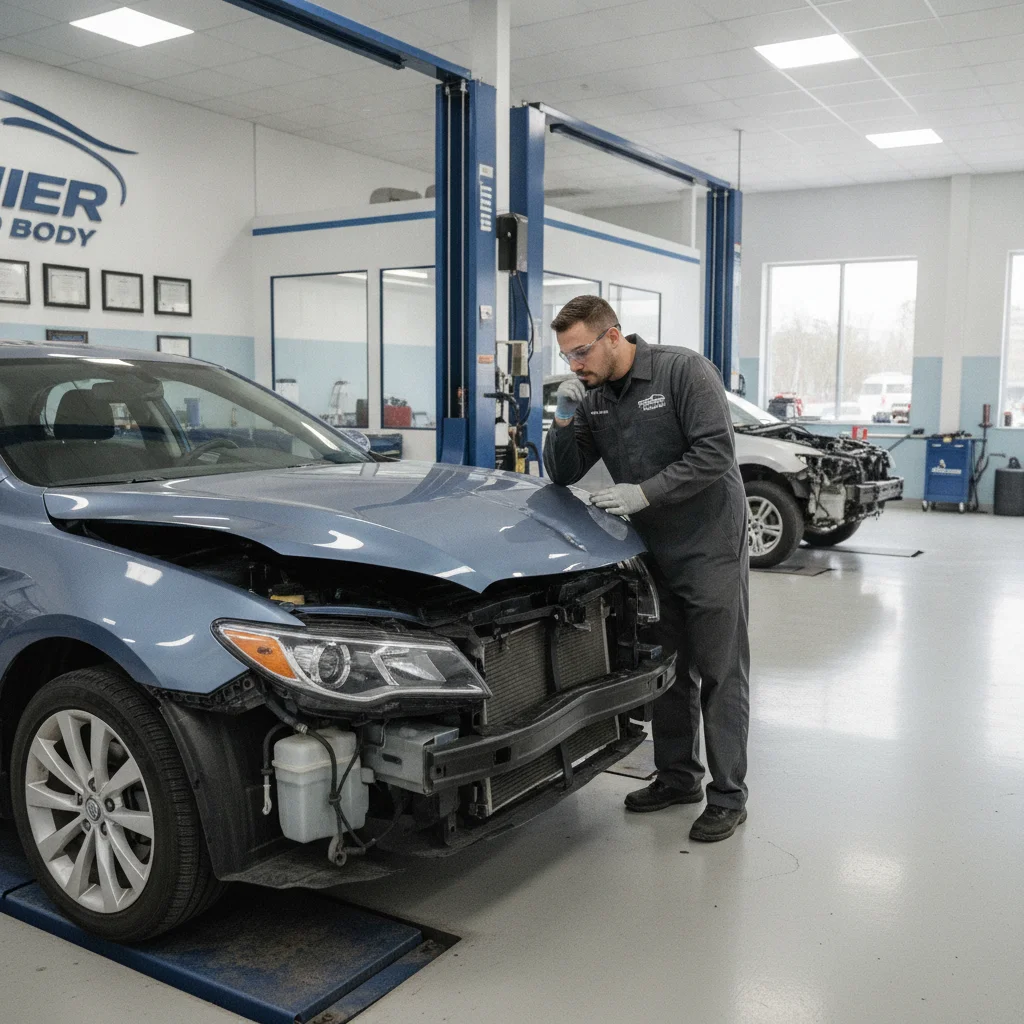
Most major insurers maintain what they call a Direct Repair Program (DRP) — a network of body shops that have agreed to specific pricing, turnaround standards, and inspection protocols in exchange for a steady stream of referrals from the insurer.
From the insurer's perspective, this creates consistency. From the shop's perspective, it guarantees volume. From your perspective, it can mean a faster, more integrated claims experience — but it also means the shop has a financial relationship with your insurance company that doesn't always put your car's repair first.
DRP Shops: Quality Control Cuts Both Ways
Insurer audits of preferred shops can be a genuine quality-assurance tool, but they're also designed to enforce cost controls. A shop that consistently comes in over the insurer's preferred cost benchmarks may lose its preferred status — which means the audit process rewards cost efficiency, not just repair quality. Keep this dynamic in mind when weighing the value of the preferred network endorsement.
What Insurers Can (and Can't) Do
Your insurer cannot legally require you to use a specific repair shop in most states. However, they can limit payment to the amount their preferred shop would have charged, decline to extend a workmanship warranty to non-network repairs, and require pre-authorization before work begins. Understanding these limitations in advance prevents unpleasant surprises at the end of your claim.
Ask the Direct Question Before You Decide
Call your insurer before dropping your car off anywhere and ask explicitly: "Am I required to use one of your preferred shops?" A straightforward answer — yes or no — tells you a lot. If the response is vague or evasive, that's worth noting as you assess how your insurer will handle the rest of your claim. A carrier that's unclear about your rights at this stage may be equally unclear later when it matters more.
It's worth knowing that DRP shops are typically audited by insurers for both quality and cost. That audit process can work in your favor (quality checks exist) or against you (cost pressure can lead to cheaper parts or faster, less thorough repairs). Neither outcome is guaranteed — it depends heavily on the individual shop and the insurer's specific program standards.
What "Preferred" Really Means
Being on an insurer's preferred list doesn't necessarily mean a shop is better. It means the shop has agreed to the insurer's rate structure. Some DRP shops are genuinely excellent. Others are excellent at managing paperwork efficiently. The two things don't always overlap.
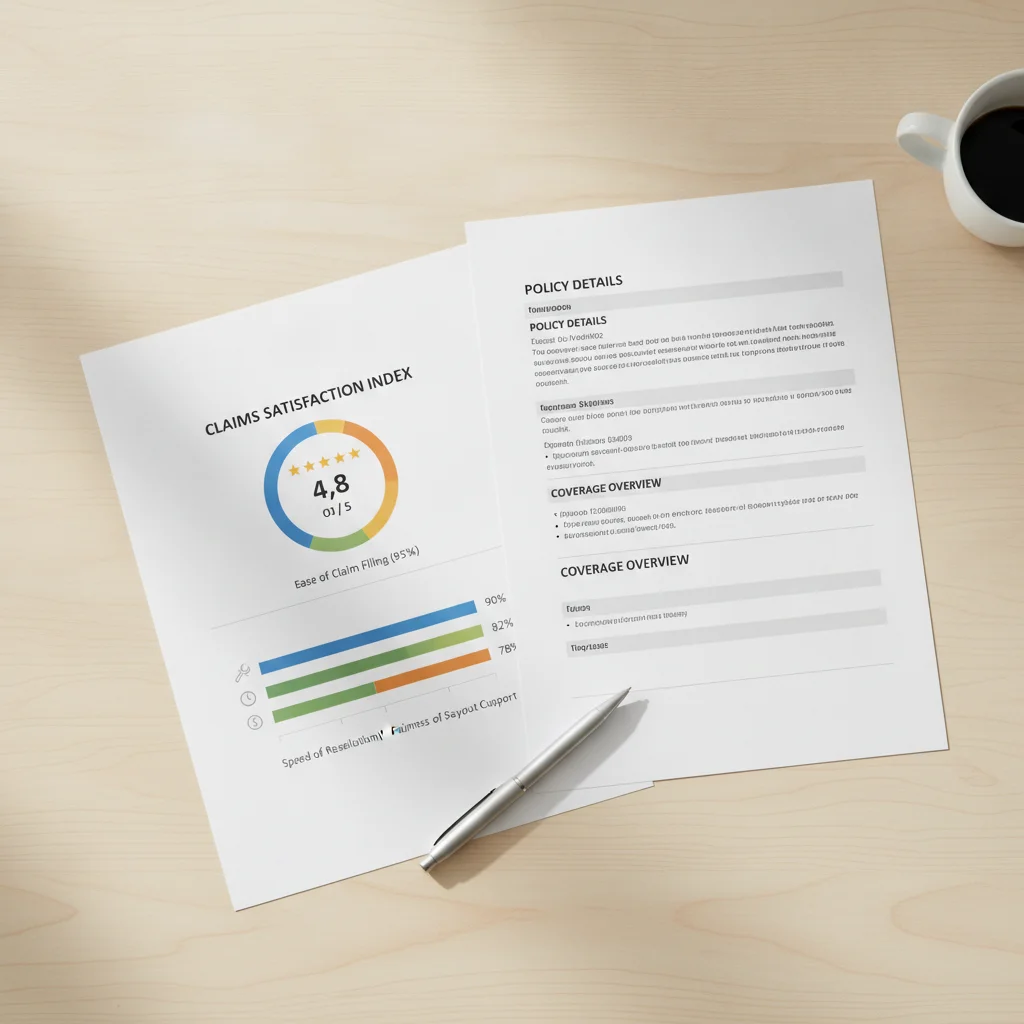
If you're curious how your insurer stacks up on claims handling overall, comparing insurers on claims satisfaction gives you a framework for evaluating that before you even need to file.
73%
Drivers unaware they can choose their own shop
A 2022 survey by the Insurance Information Institute found that nearly three in four drivers did not know they had the right to choose their own repair shop after filing a claim.
1 in 3
Collision repair customers report dissatisfaction
According to J.D. Power's Auto Claims Satisfaction Study, roughly one in three claimants who used an insurer-directed shop reported at least one concern about repair quality or parts used.
15–25%
Typical cost difference: OEM vs. aftermarket parts
Industry estimates from the Collision Repair Education Foundation suggest aftermarket parts can cost 15–25% less than OEM equivalents, a gap that often explains insurer preference for non-OEM sourcing.
Advantages of Using an Insurer-Recommended Shop
There are real, practical reasons to consider a preferred shop — especially if you've never navigated a major repair claim before.
Streamlined communication between shop and insurer
Preferred shops work directly with your insurer's adjusters, often through shared digital platforms. This reduces back-and-forth delays and means supplement approvals happen faster.
Insurer-backed workmanship warranty
Many insurers offer a lifetime warranty on repairs completed at their preferred shops. If something goes wrong with the repair later, you have a clear path for recourse through your carrier.
Faster turnaround on average
Because the estimate, approval, and payment processes are integrated, preferred shops can often start work sooner and finish faster than a non-network shop navigating those steps separately.
Less administrative burden on you
You don't have to manage insurer communications, seek separate approvals, or handle payment logistics — the shop handles most of that on your behalf.
Pre-vetted for basic quality standards
DRP shops typically agree to minimum quality benchmarks as part of their participation in the network, providing at least a baseline assurance that the insurer stands behind.
The convenience factor is real. When the shop, adjuster, and insurer are all on the same communication system, your claim can move significantly faster. Supplements (additional damage found during teardown) get approved without you having to be the go-between. And if something goes wrong with the repair, many insurers will back it with a lifetime warranty on the work done at preferred shops.
Disadvantages of Using an Insurer-Recommended Shop
Convenience has a price, and with preferred shops, that price is sometimes paid in repair quality or transparency.
Cost pressure may affect repair quality
Preferred shops operate under negotiated rate agreements with insurers, which can create subtle pressure to use cheaper parts or less labor-intensive methods than the repair technically warrants.
Shop's loyalty is partly to the insurer
A DRP shop depends on the insurer for a significant portion of its business. That financial relationship can create conflicts of interest when the best repair for your car would be the most expensive one.
May not have specialized certifications
Not all preferred shops are certified to repair advanced vehicles, ADAS systems, or EVs. Using an uncertified shop for complex repairs can compromise both safety and your vehicle's warranties.
Limited choice may not include your trusted mechanic
If you've built a relationship with a specific shop over years, the preferred network may not include them — and being funneled away from a trusted provider can feel frustrating and disempowering.
Aftermarket or salvage parts may be used
Insurers often push for non-OEM parts to control costs. Preferred shops may default to these without clearly informing you, which can affect fit, finish, and long-term durability.
Less transparency during the repair process
When the shop and insurer communicate directly, you can sometimes be left out of the loop on decisions being made about your vehicle. Staying informed requires more proactive communication on your part.
The core tension is this: the shop's continued relationship with your insurer depends on keeping costs manageable. That's not necessarily sinister, but it does create pressure — subtle or otherwise — to use less expensive parts, skip labor-intensive restoration steps, or move cars through quickly. If your vehicle has significant structural or cosmetic damage, those pressures can matter a great deal.
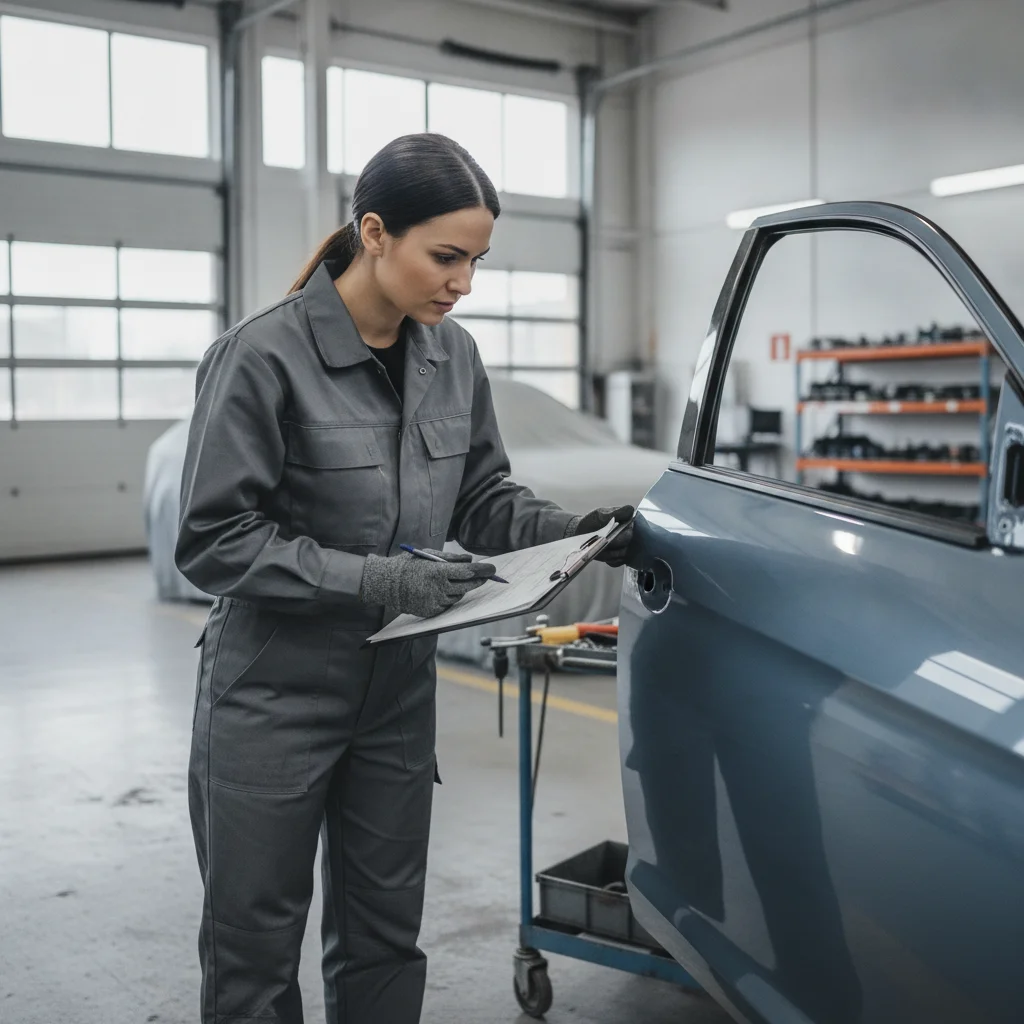
If you're considering independent shop options and wondering whether this extends to your regular service provider, this breakdown of dealer service vs. independent shops covers the broader trade-offs well.
Your Legal Right to Choose — What the Law Says
This is the part many drivers don't realize until after they've already made their choice: in the vast majority of U.S. states, your insurer cannot legally require you to use a specific shop. They can recommend shops. They can tell you the process will be smoother at a preferred location. But requiring you to use one as a condition of your claim being honored is generally prohibited.
The specific rules vary by state. A handful of states have stronger consumer protection language than others. But the baseline principle — that you have the right to choose your own licensed repair facility — is broadly supported across the country.
DRP Shops: Quality Control Cuts Both Ways
Insurer audits of preferred shops can be a genuine quality-assurance tool, but they're also designed to enforce cost controls. A shop that consistently comes in over the insurer's preferred cost benchmarks may lose its preferred status — which means the audit process rewards cost efficiency, not just repair quality. Keep this dynamic in mind when weighing the value of the preferred network endorsement.
What Insurers Can (and Can't) Do
Your insurer cannot legally require you to use a specific repair shop in most states. However, they can limit payment to the amount their preferred shop would have charged, decline to extend a workmanship warranty to non-network repairs, and require pre-authorization before work begins. Understanding these limitations in advance prevents unpleasant surprises at the end of your claim.
Ask the Direct Question Before You Decide
Call your insurer before dropping your car off anywhere and ask explicitly: "Am I required to use one of your preferred shops?" A straightforward answer — yes or no — tells you a lot. If the response is vague or evasive, that's worth noting as you assess how your insurer will handle the rest of your claim. A carrier that's unclear about your rights at this stage may be equally unclear later when it matters more.
What Your Insurer Can Do
Even though they can't force you to use their preferred shop, your insurer can:
- Decline to pay more than their preferred shop's estimate would have cost for the same repair
- Require you to get approval before the shop begins non-emergency repairs
- Limit their direct payment to the shop if it's not in their network (meaning you may have to pay upfront and seek reimbursement)
- Not extend their workmanship warranty to repairs done at non-preferred shops
None of these are dealbreakers, but they're important to understand before you commit to a shop outside the network.
When Choosing Your Own Shop Makes the Most Sense
There are specific situations where opting out of the insurer's network is the clearly better choice:
- You have a trusted, certified shop already. If you've been going to the same mechanic for years and they handle collision work, the relationship and accountability you already have may be worth more than the insurer's process simplification.
- Your vehicle needs specialized repairs. Classic cars, EVs, or vehicles with advanced driver-assistance systems (ADAS) often require technicians with specific certifications. Not all DRP shops carry those credentials. EV owners especially should consider this carefully — ADAS calibration errors after a collision repair can create serious safety problems.
- The insurer's preferred shops have poor reviews. Check Google, Yelp, and the Better Business Bureau before you commit to any shop. Preferred status doesn't shield a shop from accountability.
- You've had prior issues with insurer-directed repairs. If you've experienced a repair that wasn't up to standard and you suspect cost pressure played a role, taking control of the process this time around is a reasonable response.
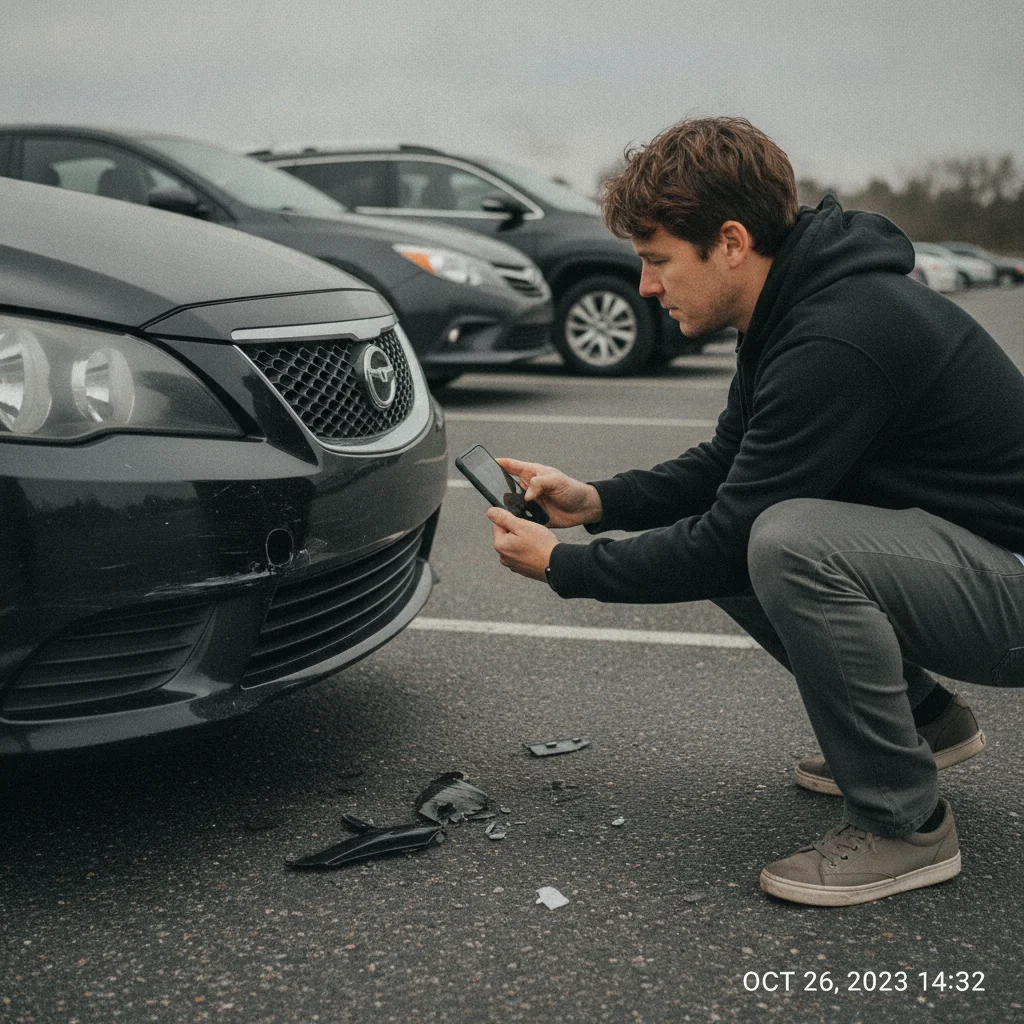
Choosing independently does require a bit more involvement from you — getting estimates, communicating with the insurer about approvals, and potentially handling direct payment logistics. But for many drivers, that involvement is worth the added peace of mind.
Practical Steps Before You Commit to Any Shop
Regardless of which path you take, a few steps will protect you either way:
- Get the estimate in writing
- Before any work begins, make sure you have a written estimate that itemizes labor, parts, and any anticipated supplements. This protects you if costs escalate unexpectedly.
- Ask about parts sourcing
- OEM (original equipment manufacturer) parts versus aftermarket or salvage parts is a real decision that affects both safety and resale value. Ask the shop directly what they plan to use, and confirm with your insurer what they'll cover.
- Confirm the insurer's approval process
- Before dropping your car off, call your insurer and confirm they've received the estimate, it's been approved, and you understand the payment process. This avoids surprises at pickup.
- Check for warranty coverage
- If you're going outside the preferred network, ask your insurer explicitly what warranty, if any, applies to the work. Some insurers extend limited warranties even to non-network shops; many don't.
- Document the damage yourself
- Before the car goes anywhere, photograph every angle of the damage in good lighting. This creates a baseline record that protects you if any disputes arise after repairs are complete.
DRP Shops: Quality Control Cuts Both Ways
Insurer audits of preferred shops can be a genuine quality-assurance tool, but they're also designed to enforce cost controls. A shop that consistently comes in over the insurer's preferred cost benchmarks may lose its preferred status — which means the audit process rewards cost efficiency, not just repair quality. Keep this dynamic in mind when weighing the value of the preferred network endorsement.
What Insurers Can (and Can't) Do
Your insurer cannot legally require you to use a specific repair shop in most states. However, they can limit payment to the amount their preferred shop would have charged, decline to extend a workmanship warranty to non-network repairs, and require pre-authorization before work begins. Understanding these limitations in advance prevents unpleasant surprises at the end of your claim.
Ask the Direct Question Before You Decide
Call your insurer before dropping your car off anywhere and ask explicitly: "Am I required to use one of your preferred shops?" A straightforward answer — yes or no — tells you a lot. If the response is vague or evasive, that's worth noting as you assess how your insurer will handle the rest of your claim. A carrier that's unclear about your rights at this stage may be equally unclear later when it matters more.
Don't be afraid to ask your insurer directly: "Am I required to use one of your preferred shops?" A reputable insurer will tell you clearly that you're not. If you get a vague or evasive answer, that's useful information about how your claim might be handled overall.
The Bottom Line on Control vs. Convenience
The insurer-recommended shop vs. your own shop decision isn't really about trust — it's about trade-offs. Preferred shops trade some of your control for a smoother process. Independent shops restore that control in exchange for more involvement on your end.
Neither is automatically better. What matters most is understanding what you're agreeing to before the car goes up on the lift. Ask questions, get things in writing, and don't let the urgency of the situation push you into a decision you haven't thought through.
If you're still in the early stages of the claims process, understanding your filing options is a smart next step. And when you're ready to think longer-term about insurer quality, comparing carriers on claims satisfaction will help you evaluate whether your current insurer is truly working in your corner.

All claims are backed by peer-reviewed research. Sources on request.