| Most reliable compact sedan | Toyota Corolla (2014–2021) (Consumer Reports, RepairPal) |
| Most reliable midsize sedan | Toyota Camry (2018–2022) (Consumer Reports, J.D. Power VDS) |
| Most reliable compact SUV | Toyota RAV4 (2019–2022) (Consumer Reports) |
| Most reliable midsize truck | Toyota Tacoma (2016–2022) (Consumer Reports, RepairPal) |
| Most reliable minivan | Toyota Sienna / Honda Odyssey (2018–2021) (Consumer Reports) |
| Average annual repair cost — all vehicles | ~$652/year (RepairPal industry average) |
| Average annual repair cost — Toyota Corolla | ~$362/year (RepairPal) |
| Typical pre-purchase inspection cost | $100–$200 (Independent mechanic market rate, 2024) |
| Highest-risk purchase window (new generation) | First 1–2 model years of a redesign (Consumer Reports first-year reliability data) |
| Safest mileage range for used buy | 30,000–80,000 miles with documented service history (General industry benchmark) |
Why Vehicle Class Changes the Reliability Equation
When buyers talk about reliability, they tend to fixate on brand reputation — Toyota good, certain European luxury brands risky. That's a reasonable starting point, but it misses something important: the type of vehicle shapes the risk profile just as much as the badge on the grille. A full-size pickup truck wears out differently than a compact sedan. A three-row SUV has more mechanical complexity than a minivan with a similar footprint. Reliability patterns follow class lines in ways that matter when you're spending real money.
This guide breaks reliability data down by vehicle segment — sedans, SUVs, trucks, and minivans — and identifies the models that consistently rise to the top in long-term owner surveys, independent repair-frequency data, and cost-of-ownership analyses. The goal isn't to hand you a list and send you on your way. It's to explain why certain models land where they do, so you can apply that logic to whatever year or trim you're actually shopping.
| Most reliable compact sedan | Toyota Corolla (2014–2021) (Consumer Reports, RepairPal) |
| Most reliable midsize sedan | Toyota Camry (2018–2022) (Consumer Reports, J.D. Power VDS) |
| Most reliable compact SUV | Toyota RAV4 (2019–2022) (Consumer Reports) |
| Most reliable midsize truck | Toyota Tacoma (2016–2022) (Consumer Reports, RepairPal) |
| Most reliable minivan | Toyota Sienna / Honda Odyssey (2018–2021) (Consumer Reports) |
| Average annual repair cost — all vehicles | ~$652/year (RepairPal industry average) |
| Average annual repair cost — Toyota Corolla | ~$362/year (RepairPal) |
| Typical pre-purchase inspection cost | $100–$200 (Independent mechanic market rate, 2024) |
| Highest-risk purchase window (new generation) | First 1–2 model years of a redesign (Consumer Reports first-year reliability data) |
| Safest mileage range for used buy | 30,000–80,000 miles with documented service history (General industry benchmark) |
Before diving in, a note on sources: the patterns described here draw primarily on Consumer Reports subscriber survey data (covering hundreds of thousands of vehicles), J.D. Power Vehicle Dependability Study scores, and RepairPal average annual repair cost figures. These sources don't always agree on every model, but where they converge, the signal is strong. See our guide to interpreting reliability ratings to understand how these studies differ methodologically.
Sedans: Compact and Midsize Leaders
Sedans have been losing market share for years, which has an underappreciated upside for used-car buyers: high supply, reasonable prices, and — in the most-built segments — decades of accumulated engineering refinement. The compact and midsize categories contain the most reliable used vehicles on the market by nearly every measure.
Compact Sedans
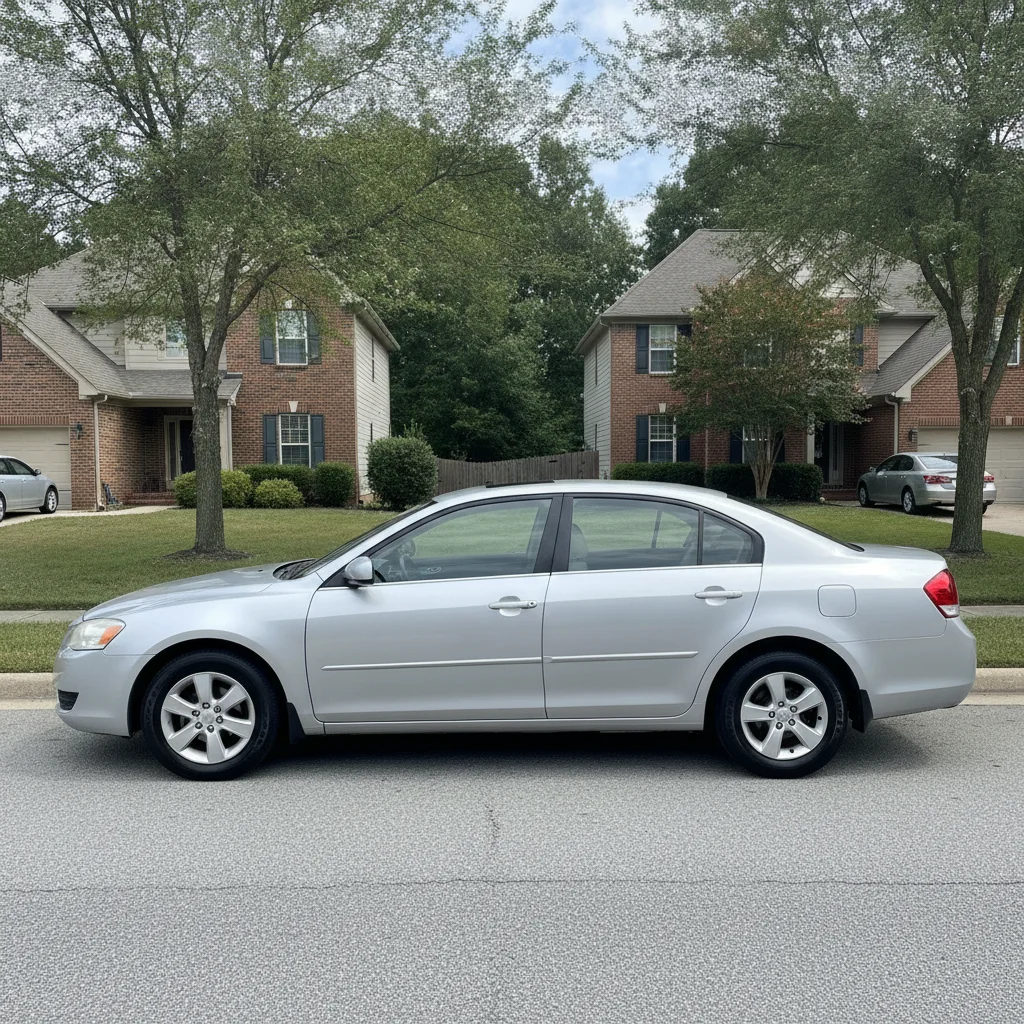
The Toyota Corolla is the benchmark. In any model year from 2010 onward, a well-maintained Corolla will typically deliver below-average repair frequency and predictable, low-cost service needs. RepairPal rates it as having an average annual repair cost around $362 — well below the industry average of roughly $652 for all vehicles. The 2014–2019 generation is a particularly strong sweet spot: modern enough for good tech, proven enough to avoid early-build gremlins.
The Honda Civic competes closely. The 2016–2021 generation earned top reliability scores from Consumer Reports and holds up well past 150,000 miles with routine maintenance. One caveat: the 1.5-liter turbocharged engine in some trims has a documented oil dilution issue in cold climates — worth knowing if you're buying in Minnesota or Michigan.
The Mazda3 earns a mention here because it's systematically underrated by buyers chasing Toyota or Honda badges. Reliability data puts it in the same tier, and used prices often reflect less demand — meaning better deals for informed shoppers.
Midsize Sedans
The Toyota Camry dominates this class. The 2018–2022 models (eighth generation) represent the best blend of reliability and value — updated platform, clean infotainment, and a proven 2.5-liter four-cylinder that has virtually no documented chronic issues. V6 models are equally reliable but cost more to insure and fuel.
The Honda Accord is a legitimate alternative, particularly the 2018–2022 generation. The 1.5T engine had some early oil dilution complaints similar to the Civic — the 2.0T or the base 1.5T in warmer-climate cars is the safer used buy.
The Mazda6 rounds out this tier. Discontinued after 2021, used inventory is finite but often priced below comparable Camrys and Accords despite nearly identical long-term reliability scores.
$652
Average annual vehicle repair cost, all makes
RepairPal's industry-wide benchmark, making it the key comparator when evaluating model-specific repair costs.
$362
Average annual repair cost — Toyota Corolla
RepairPal data showing the Corolla's repair cost is roughly 44% below the overall vehicle average.
3x
Reliability score gap between best and worst in class
Consumer Reports data shows the highest- and lowest-scoring models within the same segment can differ by a factor of three in problem frequency.
40%
Used Tacomas selling at or above original MSRP
Market analysis of 2016–2020 Toyota Tacoma resale transactions, reflecting the extreme demand premium for proven reliability in the midsize truck segment.
17
Problem areas tracked in Consumer Reports reliability survey
Covering everything from engine and transmission to in-car electronics and climate systems — giving a more complete picture than single-metric ratings.
Worth noting: reliability in sedans degrades faster when previous owners deferred maintenance. A Camry with no service records is not the same asset as one with a documented history. Always factor valuation tool estimates against condition, not just mileage and year.
SUVs: Compact, Midsize, and Three-Row
SUVs are where reliability variance is widest. The segment spans everything from car-based crossovers with excellent track records to body-on-frame three-row haulers with known powertrain and transmission issues. Buying an SUV without doing class-specific homework is where buyers routinely overpay for future repair costs.

Compact and Subcompact SUVs
The Toyota RAV4 is the consensus pick. The 2019–2022 fifth-generation models earn consistently high scores — the hybrid variant adds a mild premium in the used market but delivers even stronger long-term cost efficiency. Avoid the 2006–2012 generations if you want to stay clear of head gasket vulnerabilities on the four-cylinder.
The Honda CR-V competes directly and reliably, with one exception: the 2017 1.5T models had documented oil dilution issues in cold climates severe enough that Honda extended its warranty. The 2019–2021 CR-V largely resolved this. Stick to those years or the pre-turbo 2015–2016 models.
The Mazda CX-5 consistently earns reliability scores that rival Toyota and Honda products but with less brand recognition inflating its used price. If budget is a constraint, the CX-5 is where experienced used-car shoppers often land.
Midsize SUVs
This class gets complicated. The Toyota Highlander (2014–2019) is the most dependable midsize choice by a meaningful margin — its 3.5-liter V6 is nearly indestructible and the platform is well-understood by independent mechanics. The 2020+ generation introduced more tech complexity but maintained strong reliability scores.
The Honda Pilot (2016–2022) is a solid second choice with more cargo capacity and competitive scores. The Mazda CX-9 performs similarly with a more driver-focused character.
Avoid the Dodge Durango and Jeep Grand Cherokee with the 3.6-liter Pentastar V6 in 2012–2014 build years — documented cam phaser, exhaust manifold, and coolant issues make those specific years a maintenance burden. Later versions (2015+) improved significantly.
Three-Row SUVs
Three-row SUVs carry more complexity and, generally, more long-term risk. The Toyota Sequoia (pre-2023) runs a naturally aspirated V8 that is one of the most proven engines in the segment — high mileage examples are common for a reason. The Toyota 4Runner, technically a midsize but worth mentioning here, is the gold standard for longevity in body-on-frame design and holds value accordingly — see which models hold their value best for the full picture.
The Kia Telluride and Hyundai Palisade (2020+) have emerged as strong performers in initial quality surveys and earn above-average Consumer Reports scores — a notable development for brands that historically struggled in long-term reliability rankings. They come with an added benefit: reliability reputation hasn't yet inflated their used prices the way it has for comparable Toyotas.
Reliability Scores Change by Model Year
A brand's overall reputation doesn't tell you what you need to know about a specific used purchase. A 2017 CR-V and a 2019 CR-V have meaningfully different documented issue profiles despite sharing a nameplate. Always look up reliability data by exact model year, not just model family. Consumer Reports allows subscribers to filter by year — use it.
Three-Row SUV Complexity Comes at a Cost
Three-row SUVs typically add a third-row folding mechanism, longer driveshafts, more complex rear HVAC systems, and — in AWD variants — additional drivetrain components. Each adds a potential failure point. If you only occasionally need the third row, a two-row SUV with a folding rear seat is a lower-risk, lower-maintenance alternative worth pricing out.
A Clean History Report Isn't a Reliability Guarantee
CARFAX and AutoCheck report accidents that were filed with insurance companies and odometer readings from state DMV records. They don't capture cash-settled fender-benders, deferred maintenance, or abuse that leaves no paper trail. A clean history report is a green light to proceed with a pre-purchase inspection — not a substitute for one.
Trucks: Reliability in a Working-Class Package
Pickup trucks are durable by design, but "durable" and "low maintenance cost" aren't the same thing. Trucks also absorb abuse — towing, hauling, off-road use — that sedans and crossovers never face. When buying a used truck, reliability data matters, but use history matters just as much.
Half-Ton Pickups
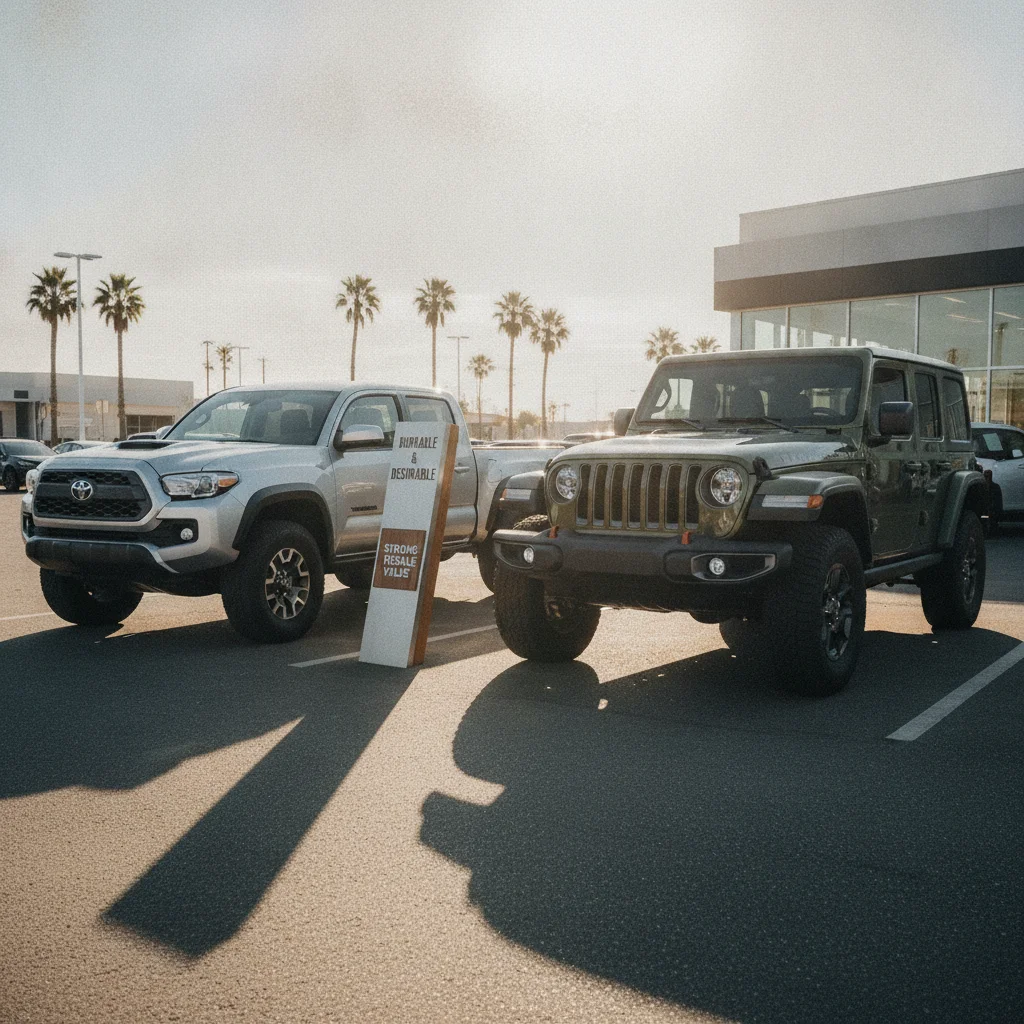
The Toyota Tacoma is the most reliable midsize truck by essentially every measure and one of the most reliable vehicles of any type. The 2016–2022 generation earns top scores, and used examples rarely last long on the market. That demand shows up in price: Tacomas depreciate more slowly than almost any vehicle in any class. The trade-off for reliability is that you'll pay near-new prices for well-maintained examples — truck depreciation patterns explain why this happens.
The Toyota Tundra (pre-2022) runs a 5.7-liter V8 widely considered one of the most bulletproof truck engines available. High mileage examples — 180,000 to 200,000 miles — with documented maintenance are not uncommon and remain viable buys.
Among domestic trucks, the Ford F-150 with the 5.0-liter Coyote V8 (2015+) is a reliable choice. The EcoBoost 2.7 and 3.5-liter turbocharged engines have strong power output but more documented issues in high-mileage examples — particularly around carbon buildup and turbo seals. If reliability is the priority over towing capacity, the naturally aspirated 5.0 is the pragmatic pick.
The Chevrolet Silverado and GMC Sierra with the 5.3-liter V8 (2014–2018) have documented AFM (Active Fuel Management) lifter failures — a costly repair. The 2019+ generation largely addressed this, but pre-2019 examples warrant inspection or an AFM-delete if you're buying one.
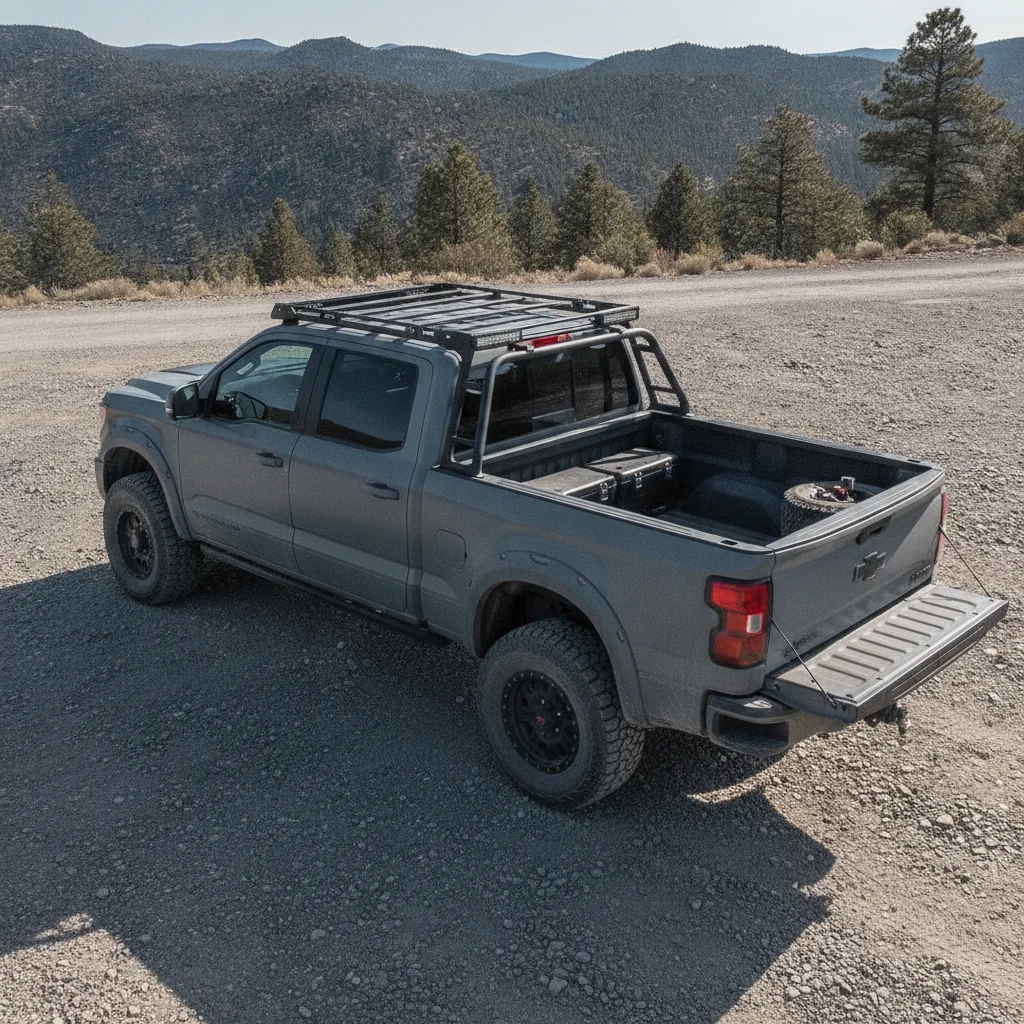
What to Look For in Any Used Truck
- Towing and payload history: Ask for trailer brake controller records, check for hitch receiver rust and frame stress points.
- Transmission fluid condition: Trucks towed regularly with unchanged fluid are ticking time bombs regardless of brand.
- Rust under the bed: In northern states, frame rust is a structural issue, not a cosmetic one. Lift the bed liner and look.
- Tire wear patterns: Irregular wear on a 4WD truck suggests alignment or front differential issues.
A pre-purchase inspection by a truck-familiar independent mechanic is non-negotiable on any used pickup above 80,000 miles. The inspection cost — typically $100–$200 — is trivial against the repair risks you're evaluating.
Minivans: The Underrated Reliability Champions
Minivans get overlooked by buyers chasing SUV styling, but from a pure reliability-per-dollar standpoint, they're among the best used-vehicle values available. The segment is dominated by two models that have been refined for decades: the Toyota Sienna and the Honda Odyssey.
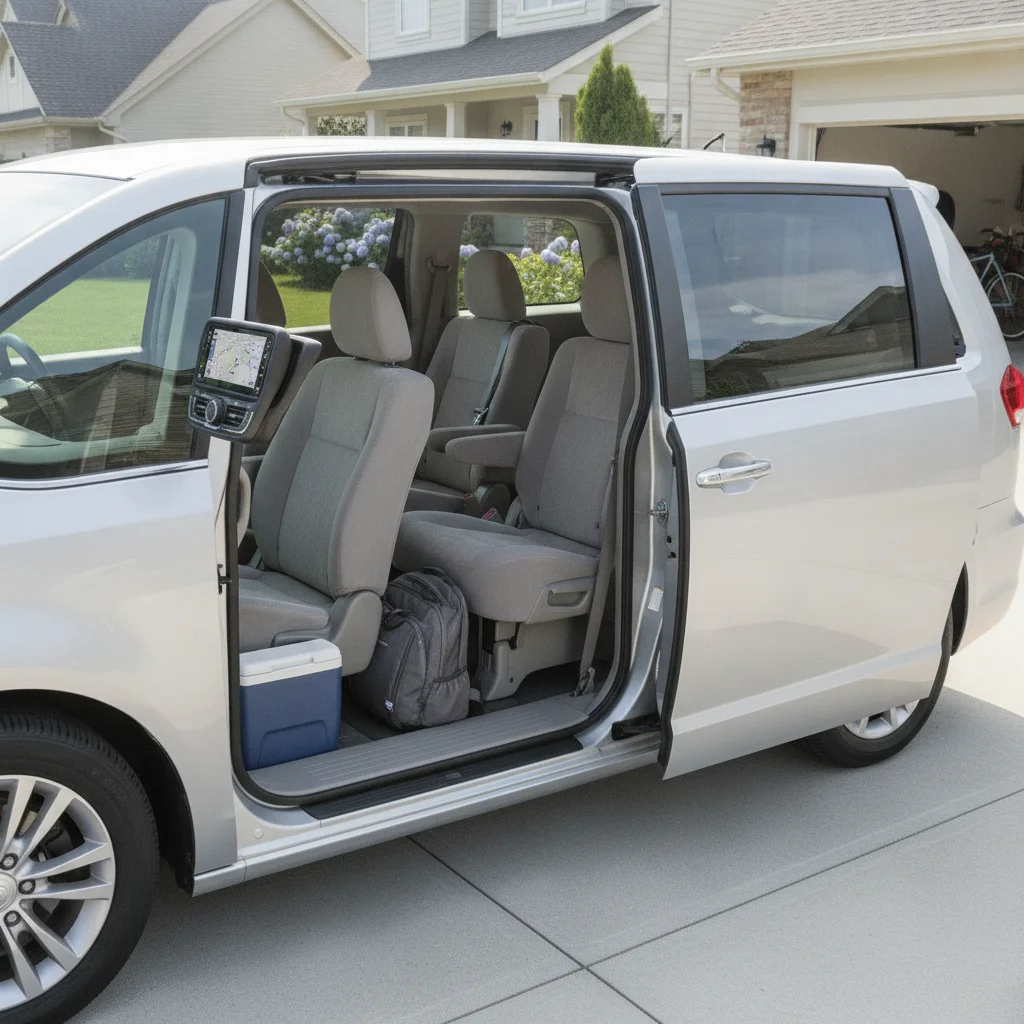
The Toyota Sienna (2011–2020) consistently earns above-average reliability scores and relatively low repair costs — RepairPal estimates average annual repairs around $554. The 2021 redesign introduced a hybrid-only powertrain that's proving very dependable; used 2021–2023 Siennas are genuinely excellent buys if budget allows. All-wheel drive is available only on pre-2021 models — the 2011–2020 AWD variants are popular in northern markets and hold value firmly.
The Honda Odyssey competes closely. The 2018–2021 generation is the strongest — upgraded 10-speed automatic transmission, resolved transmission shudder issues that plagued the 2017 model, and top-tier safety ratings. Consumer Reports gives the 2019–2021 Odyssey high reliability marks across multiple years of owner data.
The Chrysler Pacifica (2017+) is the domestic entry and a more mixed story. Early 2017–2018 examples had documented transmission and electronics issues. The 2019–2022 models improved substantially. The plug-in hybrid Pacifica has had more reliability concerns and a recall history that warrants careful research before buying used.
Vehicle Dependability Study (VDS)
J.D. Power's annual survey measuring problems reported by original owners of three-year-old vehicles over a 12-month period. Results are expressed as problems per 100 vehicles (PP100) — lower scores indicate fewer problems.
Consumer Reports Reliability Score
An annual reliability assessment based on subscriber survey responses covering 17 problem areas. Scores reflect owner-reported issues and are expressed on a 1–100 scale relative to all vehicles surveyed.
Active Fuel Management (AFM)
A GM cylinder-deactivation system used in V8 engines that shuts down four cylinders under light loads to improve fuel economy. Certain 2007–2018 applications have documented lifter failure issues, particularly under towing use or when oil changes are deferred.
Oil Dilution
A condition where unburned fuel enters the engine oil, reducing its lubricating effectiveness. Documented in some Honda 1.5T turbocharged engines in cold climates; identified by a rising oil level between changes or a gasoline smell from the dipstick.
RepairPal Average Annual Repair Cost
An estimated yearly repair and maintenance cost benchmark for a specific vehicle model, based on aggregated repair order data from independent repair shops. Used as a comparative baseline across models, not a guarantee of individual costs.
Pre-Purchase Inspection (PPI)
An inspection performed by an independent mechanic — not affiliated with the seller — before completing a used vehicle purchase. A PPI typically costs $100–$200 and covers mechanical systems, frame condition, fluid health, and known model-specific issues.
Generation (model generation)
A distinct design cycle of a vehicle model, typically spanning four to seven years. Reliability often improves within a generation as production issues are resolved, making mid-generation used buys statistically lower risk than first-year examples.
Naturally Aspirated Engine
An internal combustion engine that draws air into cylinders at atmospheric pressure, without a turbocharger or supercharger. Generally simpler mechanically and associated with lower long-term maintenance complexity than force-induction alternatives.
From a cost-of-ownership perspective, minivans compete well against three-row SUVs that carry significantly higher maintenance costs, lower fuel economy, and more complex all-wheel-drive systems. If your priority is family transportation rather than lifestyle signaling, the math usually favors a well-chosen used minivan. For a fuller picture of cost-per-mile efficiency, see cost of ownership by vehicle category.
How to Use This Information When Shopping
Reliability data gives you a probability distribution, not a guarantee. The most reliable model in a class can still produce a lemon, and a statistically troubled model can still produce a trouble-free example — especially with documented maintenance history. The data narrows your risk; it doesn't eliminate it.
Here's how to apply this practically:
- Start with the class, then the model. Decide what you need the vehicle to do — commute, haul, tow, seat seven — then identify the top reliability performers in that class. Don't start with a model and reverse-rationalize the class.
- Prioritize model years with the fewest known issues. First and second model years of a new generation often carry early-build problems. Mid-cycle examples — two to four years into a generation — tend to offer the best reliability bang for buck.
- Run a VIN history check and cross-reference reliability data. Sites like Consumer Reports allow you to look up reliability by specific model year, not just model family. A 2017 CR-V and a 2019 CR-V have meaningfully different risk profiles.
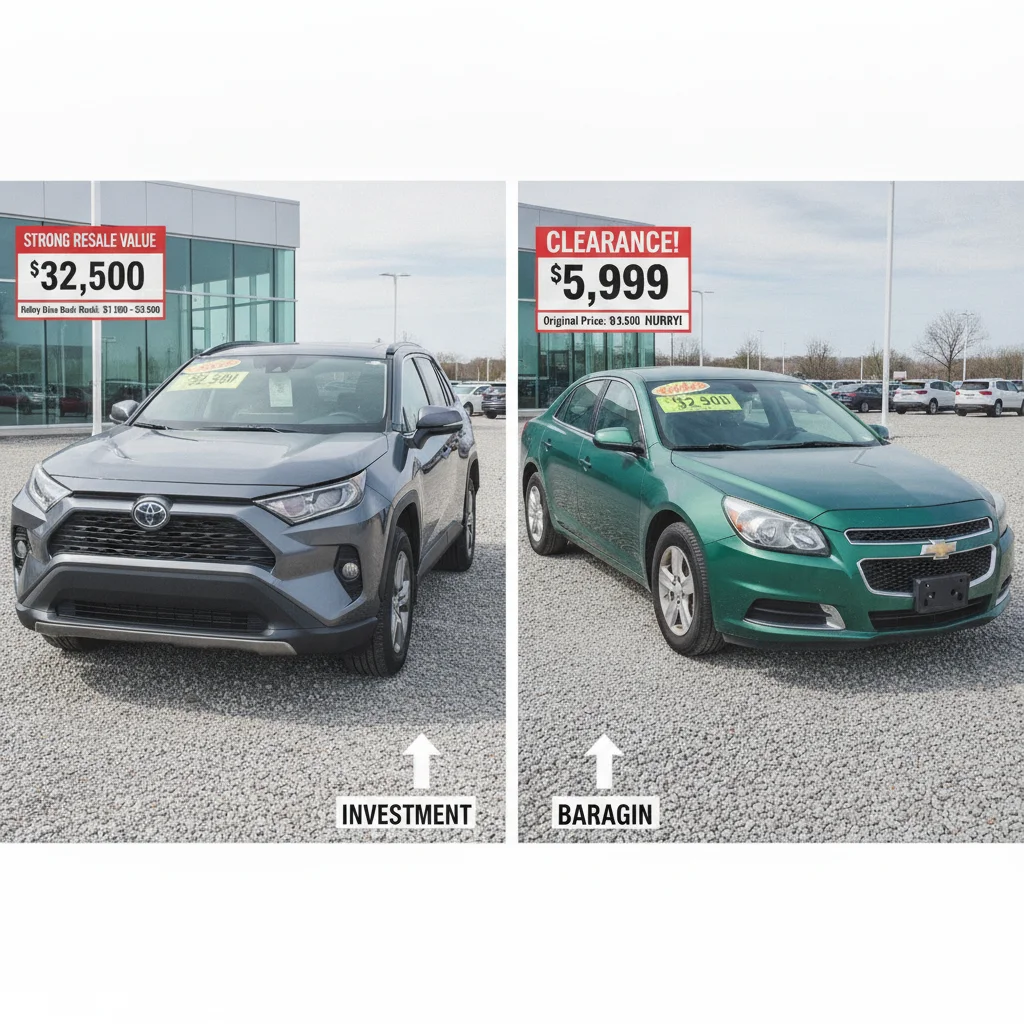
- Factor repair costs into the purchase price. A vehicle with known issues at a deep discount may still cost more over three years than a reliable model at market price. Use RepairPal's cost estimator for your specific model to quantify this before negotiating.
- Get a pre-purchase inspection. For any used vehicle over 60,000 miles, budget $100–$200 for an independent mechanic inspection. Make it a condition of the sale, not an afterthought.
Reliability Scores Change by Model Year
A brand's overall reputation doesn't tell you what you need to know about a specific used purchase. A 2017 CR-V and a 2019 CR-V have meaningfully different documented issue profiles despite sharing a nameplate. Always look up reliability data by exact model year, not just model family. Consumer Reports allows subscribers to filter by year — use it.
Three-Row SUV Complexity Comes at a Cost
Three-row SUVs typically add a third-row folding mechanism, longer driveshafts, more complex rear HVAC systems, and — in AWD variants — additional drivetrain components. Each adds a potential failure point. If you only occasionally need the third row, a two-row SUV with a folding rear seat is a lower-risk, lower-maintenance alternative worth pricing out.
A Clean History Report Isn't a Reliability Guarantee
CARFAX and AutoCheck report accidents that were filed with insurance companies and odometer readings from state DMV records. They don't capture cash-settled fender-benders, deferred maintenance, or abuse that leaves no paper trail. A clean history report is a green light to proceed with a pre-purchase inspection — not a substitute for one.
Reliability reputation also affects resale — models with strong long-term records hold value better, which affects both what you pay today and what you recover when you sell. That relationship is explored in detail in our analysis of how reliability shapes depreciation. Ultimately, the most reliable used car is the one that fits your use case, comes with documented maintenance history, passes a pre-purchase inspection, and is priced to reflect its actual condition — not just its badge.
Consumer Reports Car Reliability Ratings
Year-by-year reliability data based on owner surveys across 17 problem areas. The most granular publicly available reliability resource for used car research by exact model year.
RepairPal Repair Cost Estimator
Enter a specific make, model, and year to see average annual repair costs and common issue frequencies. Essential for comparing true ownership cost across candidate vehicles.
J.D. Power Vehicle Dependability Study
Annual study measuring problems per 100 vehicles for three-year-old models. Strong for comparing brand-level trends and identifying consistent class leaders.
CARFAX Vehicle History Report
Run a VIN-based history check before any used vehicle purchase. Reveals reported accidents, title issues, odometer discrepancies, and service records where available.
How to Read and Compare New Car Reliability Ratings
A breakdown of how J.D. Power, Consumer Reports, and owner surveys differ in methodology — essential context for interpreting any reliability score you encounter while shopping.
Valuation Tools Overview
Understand how KBB, Edmunds, and similar tools estimate used car values — and how condition, mileage, and reliability reputation factor into their pricing algorithms.

All claims are backed by peer-reviewed research. Sources on request.