Key Takeaways
Our Verdict
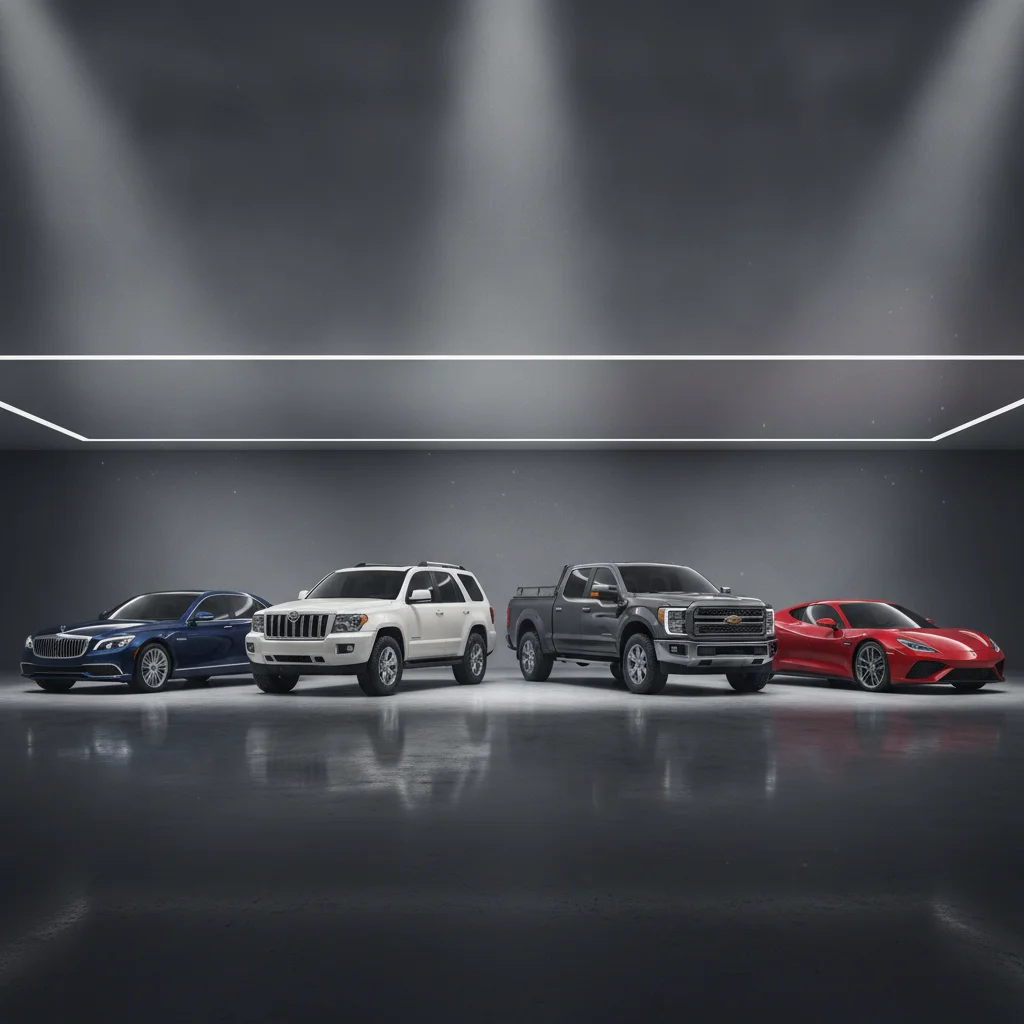
Trucks and body-on-frame SUVs are the clear winners for value retention over a five-year ownership window, making them the smartest buy if resale return matters to you. Sedans offer predictable but steep losses, while sports cars are a wildcard — exciting to own, but risky to bank on. Understanding which curve your vehicle sits on lets you time purchases and sales to minimize value loss.
| Best for | Recommended |
|---|---|
| Buyers who prioritize long-term resale value | Trucks |
| Families wanting value retention with versatility | SUVs |
| Buyers who drive high miles and want low cost-per-mile | Sedans |
| Enthusiasts willing to accept depreciation risk for the driving experience | Sports Cars |
Why Vehicle Segment Matters More Than You Think
When most people buy a car, they think about monthly payment, fuel economy, and features. Depreciation — the single largest cost of owning a new vehicle — barely makes the list. That's a mistake that costs real money.
The segment your vehicle belongs to determines more about its resale trajectory than almost any other factor. A sedan and a pickup truck bought on the same day for the same price will tell very different financial stories five years later. Understanding those stories before you sign is how you make a smarter decision.
Depreciation isn't random. Each segment follows a recognizable curve shaped by supply, demand, fuel costs, cultural utility, and brand reputation. Once you know the curve, you can buy at the right point on it — and sell before the next cliff.
For a full breakdown of the mechanics behind value loss, see our complete depreciation reference. This article focuses on the segment-by-segment comparison so you can put those concepts to work for your specific situation.
Sedans: Predictable, Steep, and Still Worth Knowing
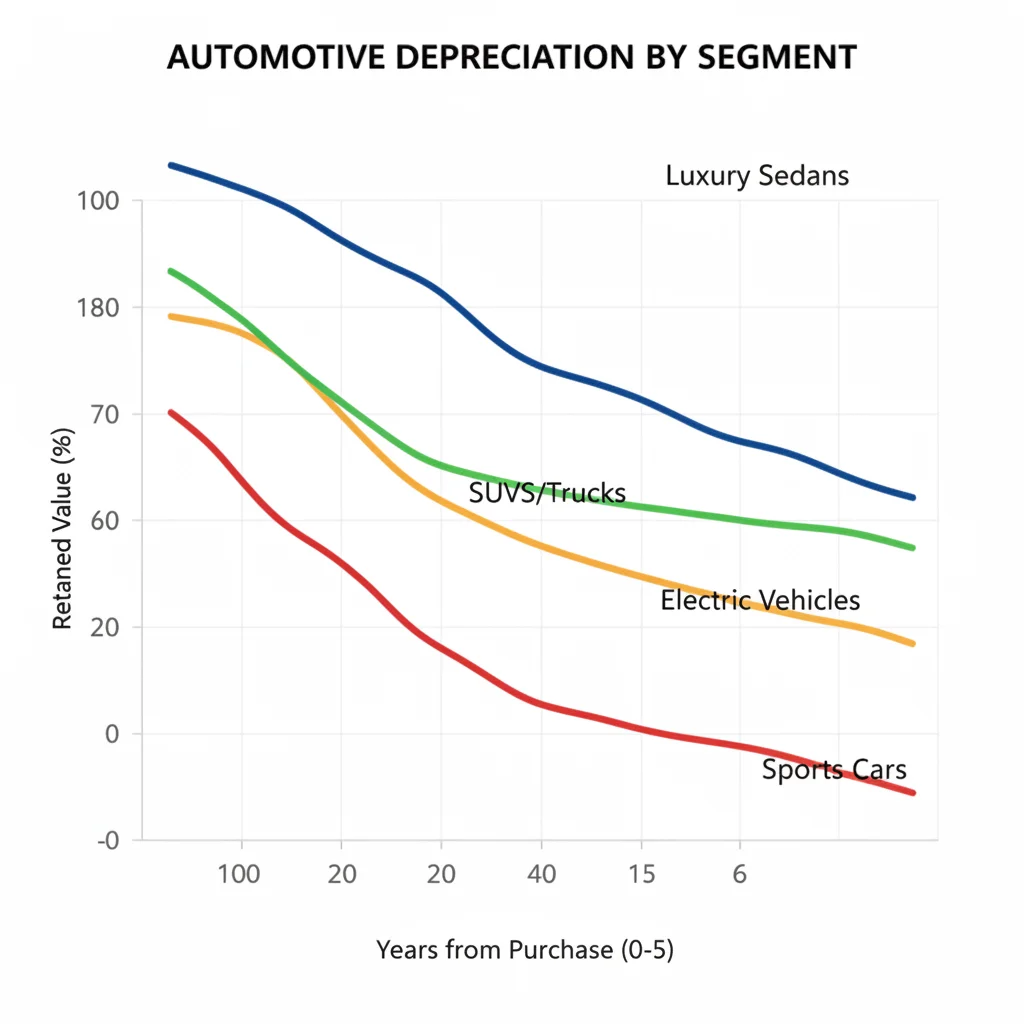
Sedans are the most straightforward segment to understand — and the one with the least favorable depreciation story. The average mainstream sedan loses around 20–25% of its value in year one alone. By year five, most are sitting at 40–50% of their original sticker price. For a $32,000 mid-size sedan, that's potentially $16,000+ in value gone.
The reasons aren't complicated. Sedan demand has been declining for over a decade as buyers migrate to SUVs and crossovers. Lower used-car demand means lower resale prices. It's basic supply and demand working against you.
50%
Average sedan value lost by year five
Industry depreciation tracking from iSeeCars and Edmunds consistently shows mainstream sedans lose roughly half their value within five years of original purchase.
65%
Toyota 4Runner value retained at 3 years
The Toyota 4Runner regularly ranks as one of the lowest-depreciating vehicles in the market, retaining an unusually high share of original MSRP.
$17,000+
Average first-year dollar loss, new pickup truck
With average transaction prices on full-size trucks exceeding $55,000, even a strong 12% first-year rate translates to significant dollar losses.
20–25%
First-year depreciation, mainstream sedan
The first year remains the most expensive for value loss across all segments, with sedans sitting near the top of first-year percentage loss.
3–5 yrs
Optimal resale window across most segments
Most financial analysts and resale data point to the three-to-five-year ownership window as the best balance of value retention and total cost of ownership.
That said, sedans aren't a total depreciation disaster if you buy right. A used sedan at the three-year mark is often one of the best financial moves in the entire used-car market — you're getting the majority of the vehicle's useful life at 40–50 cents on the dollar. The person who bought it new absorbed the worst of the curve for you.
Some sedans buck the trend. Sporty variants with limited supply — think Honda Civic Si, Subaru WRX, or Toyota Camry TRD — hold value meaningfully better than their base-trim counterparts. Brand reputation for reliability plays a huge role too: Toyota and Honda sedans consistently outperform European competitors at resale.
Buy Used Sedans at the Right Moment
A sedan coming off a two- or three-year lease is often the sweet spot for used-car value. The previous owner absorbed the steepest part of the depreciation curve, and you're getting a well-maintained vehicle with most of its useful life ahead. Look for certified pre-owned options with manufacturer warranties still attached — it's one of the best deals in the used-car market.
Keep Records to Protect Resale Value
In every segment, documented maintenance history can meaningfully improve resale price — particularly for trucks and performance vehicles where buyers are willing to pay a premium for confidence. Keep oil change receipts, inspection records, and repair invoices. A well-documented truck or SUV commands hundreds to thousands more at sale time than an undocumented one with identical mileage.
If you're selling a sedan, the window between years two and four is your best bet. After year five, the depreciation curve flattens somewhat, but you've already absorbed the steepest drops. Holding longer only makes sense if the vehicle is paid off and your cost-per-mile math still works out.
SUVs: Strong Demand Means Stronger Resale
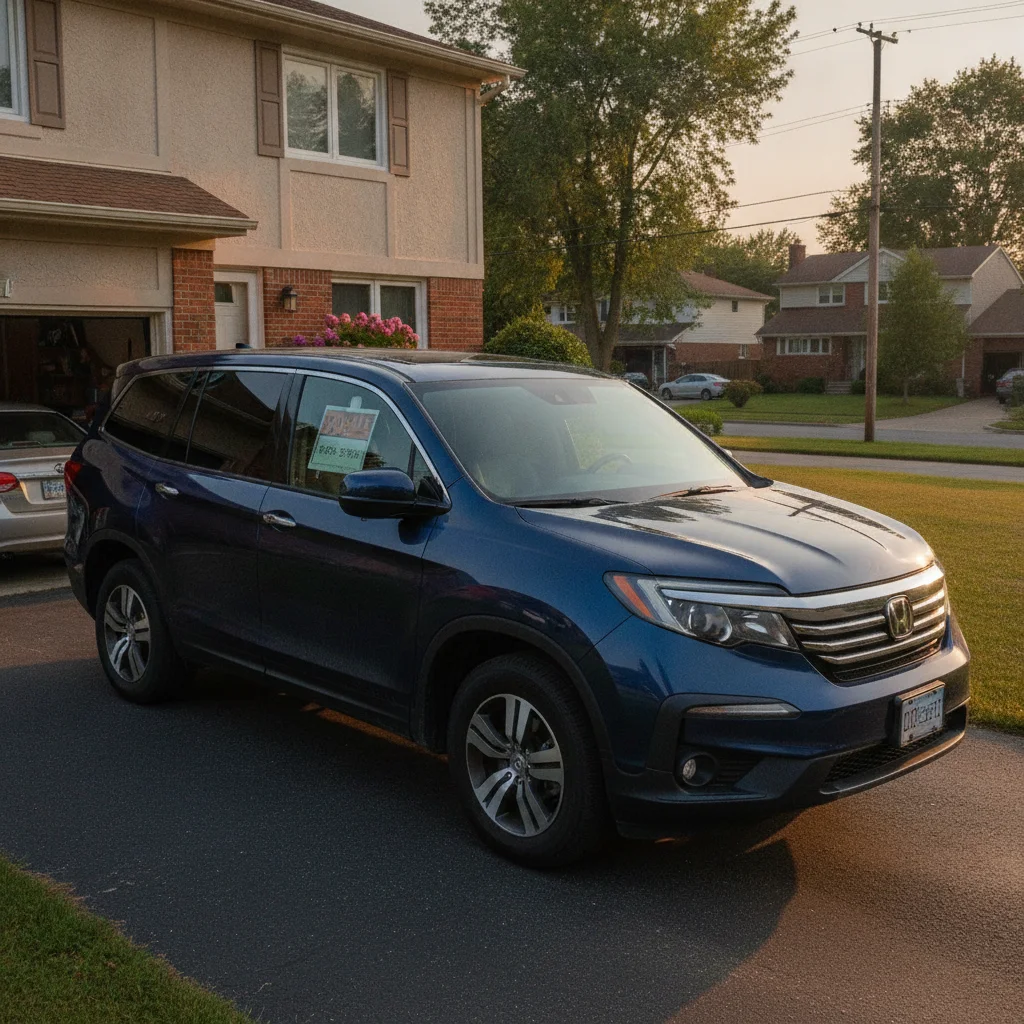
SUVs — particularly body-on-frame models and three-row family haulers — have dominated the resale market for the better part of two decades. The numbers back this up. The average SUV retains around 50–60% of its original value at the three-year mark, compared to roughly 45–50% for sedans over the same period.
Why? Demand. Americans buy SUVs in enormous numbers, and that demand carries over into the used market. When there are more buyers chasing used SUVs than there are sellers, prices stay elevated. Tow capability, cargo space, and all-wheel-drive availability make SUVs functionally versatile in ways that sustain demand across buyer profiles.
But not all SUVs depreciate the same way. You need to separate crossover SUVs (car-based unibody platforms) from traditional truck-based SUVs, and mainstream brands from luxury brands.
- Truck-based SUVs (Ford Expedition, Chevy Tahoe, Toyota 4Runner) tend to hold value exceptionally well — some Toyota 4Runners hold 65–70% after three years, which is extraordinary in any segment.
- Crossover SUVs depreciate faster than their truck-based cousins, though they still generally outperform sedans. The RAV4, CR-V, and Escape-class vehicles sit in a middle tier.
- Luxury SUVs lose significant dollar amounts even when they retain a decent percentage — a $75,000 luxury SUV losing 40% is a $30,000 hit. See how luxury depreciation compares to economy models for the full picture.
Gas prices are a real wildcard for large SUVs. When fuel spikes, used large SUV prices drop as buyers shift preferences. That's why timing matters — a Tahoe bought during a gas-price spike often represents a genuine bargain at the low point of its depreciation curve.
Trucks: The Resale Champions (With Caveats)
Full-size pickup trucks are the best depreciating segment in the American market, and it's not particularly close. The F-150, Silverado, and Ram 1500 regularly hold 60–65% of their original value at three years. Some well-specced work trucks with desirable tow packages hold even more.
The reasons are structural. Trucks are used for work — contractors, farmers, tradespeople, and outdoor enthusiasts all rely on them. That sustained functional demand across commercial and personal use categories creates a deep, consistent used-truck buyer pool. Supply is also a factor: manufacturers manage truck production more carefully than passenger car production because margins are higher. Tight supply in a high-demand segment is a depreciation-resistant formula.
| Sedans | SUVs | Trucks | Sports Cars | |
|---|---|---|---|---|
| Avg. 1-Year Depreciation | 20–25% | 15–20% | 12–18% | 15–30% |
| Avg. 5-Year Value Retained | 40–50% | 50–60% | 55–65% | 35–55% |
| Demand Trend | Declining | Strong | Very Strong | Niche/Stable |
| Best Buying Window (Used) | 2–4 years | 3–5 years | 3–4 years | 3–5 years |
| Best Selling Window | Year 2–4 | Year 3–5 | Year 3–5 | Year 2–4 |
| Trim Level Impact on Resale | Moderate | Moderate | High | High |
| Fuel Price Sensitivity | Low | Medium–High | Medium | Low–Medium |
| Reliability Impact on Value | High | High | Medium | Medium |
Trim level matters enormously in trucks. An entry-level work trim with a basic engine and vinyl floors will depreciate faster than a high-spec Lariat or Crew Cab with the Max Tow package — because the used-truck buyer market skews heavily toward loaded trucks. This is the opposite of conventional wisdom that says basic trims hold value better. In trucks, features drive demand.
The caveat: trucks are expensive. A loaded F-150 can push $65,000+. Even with strong percentage retention, the dollar losses are significant. And if you're buying a used truck that someone else held for three years, you're still paying a premium — the used truck market is tight. Understanding used depreciation curves by segment can help you identify the best point to buy.
Diesel trucks deserve a separate mention. They command a strong premium used, but their maintenance costs (DEF systems, EGR, turbo service) can erode the resale advantage if not properly maintained. Keep the service records.
Sports Cars: Volatile, High-Risk, High-Reward
Sports cars are the wildcard of depreciation, and treating them as a monolith would be misleading. The segment splits into three distinct depreciation behaviors depending on where the car sits in the market.
Volume Sports Cars (Mustang, Camaro, BRZ/86)
These depreciate similarly to sedans, or slightly worse. A base Mustang EcoBoost loses value at a rate comparable to a mainstream sedan — around 40–50% over five years. High production volumes mean the used market stays well-supplied, and supply keeps prices honest. The exception is the performance variants: a Mustang GT500 or Camaro ZL1 with limited production numbers holds significantly better than the base car.
Mid-Market Sports Cars (Corvette, Supra, Porsche 718)
These occupy genuinely interesting territory. Modern Corvettes have historically held value better than almost any other American sports car — partly due to performance-per-dollar value, partly due to enthusiast demand. The Porsche 718 line depreciates faster than many people expect for a Porsche badge, particularly the four-cylinder base models.
Exotic and Ultra-Low-Volume Cars
Different rules entirely. A Ferrari, Lamborghini, or McLaren with production limits and aspirational demand can actually appreciate, or at minimum depreciate minimally. These aren't really car purchases — they're asset purchases. Most buyers in this segment don't apply normal depreciation logic, and correctly so.
Don't Assume Sports Car Rarity Equals Appreciation
A limited-edition or special-trim sports car holds value better than its base-model counterpart, but that doesn't mean it appreciates. Most volume sports cars still follow a conventional depreciation path — the floor is just higher, not inverted. Unless you're buying an exotic with a documented appreciation history, plan for depreciation, not a return on investment.
For most buyers, the practical reality is this: if you buy a volume sports car new, expect sedan-level depreciation or worse. If you buy used at the three-to-four-year mark, you often get a great deal — someone absorbed the first drop. Timing your sale based on depreciation curves matters here more than in any other segment, because sports car values can swing sharply with model updates and market sentiment.

What These Curves Mean for Your Buy and Sell Timing
Knowing the curve isn't just academic. It changes when you buy, when you sell, and how much you spend doing both.
Buying Strategy by Segment
For sedans, buying certified pre-owned at two to four years old lets someone else absorb the worst of the drop. You're getting a near-new vehicle for substantially less, and reliability hasn't suffered meaningfully.
For SUVs, the calculus is similar — but watch for the post-gas-spike windows when large SUV prices dip. Those are the moments to buy a Tahoe or Expedition at a rare discount.
For trucks, consider whether the premium for a lightly used truck makes sense versus new, especially when incentives are available on new inventory. In tight markets, used trucks sometimes approach new truck pricing — at that point, new (with warranty) wins.
For sports cars, the best deals are often at the three-to-five-year mark on volume models after a significant refresh or new-generation release drops values on the outgoing car.
Selling Strategy by Segment
Across most segments, years three to five represent the sweet spot — you've amortized the first-year hit, the vehicle still commands enough value to matter, and reliability concerns haven't yet started spooking buyers. After year seven, depreciation on most vehicles has flattened considerably, but you've often already lost most of the dollar value. Read more on how to time your sale using depreciation curves.
Use valuation tools to anchor your expectations. KBB, Edmunds, and similar tools give you real market data, not guesses. Pull values at regular intervals so you can see your specific vehicle's curve in real time.

A Note on Electric Vehicles and Segment Comparisons
EVs don't fit neatly into the segments above. An electric SUV doesn't depreciate like a gas SUV — battery technology evolution, charging infrastructure, and manufacturer incentive changes all create a different value dynamic. Some EVs (particularly non-Tesla models in early years) have depreciated faster than almost anything in the market. Others have held value well.
If you're comparing a gas segment vehicle to its EV equivalent, the rules change enough to warrant a separate analysis. See how EV depreciation follows a different set of rules before making a direct comparison. The EV truck and SUV segment in particular has its own emerging story that's still being written as the market matures.
For a deeper dive into how all of these numbers fit together — formulas, terms, and segment benchmarks in one place — our full depreciation reference is the place to start. And if you want to benchmark your vehicle's category specifically, depreciation rate benchmarks by vehicle category gives you the anchor numbers to work from.

All claims are backed by peer-reviewed research. Sources on request.