Key Takeaways
Our Verdict
New cars give you published benchmarks — invoice price, holdback, and manufacturer incentives — that make price negotiations more formulaic. CPO deals are less transparent but offer real room to move if you come armed with comparable market data and understand the dealer's cost structure. Neither is inherently a better deal; the better deal is the one you're more prepared to negotiate.
| Best for | Recommended |
|---|---|
| Buyers who want maximum pricing transparency and manufacturer incentives | New Car |
| Buyers focused on minimizing depreciation hit while keeping warranty coverage | Certified Pre-Owned |
| Buyers with strong credit seeking low-APR manufacturer financing | New Car |
| Buyers who want near-new quality at a meaningful price discount | Certified Pre-Owned |
Why the Same Tactics Don't Work on Both
Most car buyers walk into a dealership with one script in their head and apply it regardless of whether they're looking at a new Camry or a two-year-old CPO Camry. That's a mistake. The pricing structure, the dealer's profit sources, and the leverage points are fundamentally different between the two — and using the wrong approach can cost you hundreds or thousands of dollars.
On a new vehicle, the dealer's gross profit comes primarily from the spread between what they paid the manufacturer (invoice) and what you pay, plus holdback, plus any manufacturer-to-dealer incentives. On a CPO vehicle, the gross comes from the spread between what they acquired the car for at auction or trade-in, the cost of reconditioning and certification, and your purchase price. Those are two completely different cost structures — and they respond to completely different pressure points.
This isn't just theory. Leverage in a car deal is about timing, information, and alternatives. Understanding which type of vehicle you're negotiating determines which of those three matters most in any given conversation.

Pricing Benchmarks: What You're Negotiating Against
On a new car, you have published reference points. Invoice price is publicly available through Edmunds, TrueCar, and manufacturer sites. MSRP is printed on the window sticker. The difference between invoice and MSRP typically runs 3% to 8% depending on the model, and that spread is where most of your negotiation lives. Add in any manufacturer-to-dealer cash incentives — which can run from $500 to $5,000 depending on the model and month — and you can often calculate the dealer's effective cost with reasonable precision.
CPO pricing has no equivalent transparency. The dealer paid what they paid at auction or credited a trade-in at a price they set, spent somewhere between $500 and $2,500 reconditioning the vehicle and covering the cost of certification, and then marked it up. You can't look up their cost the way you can look up invoice on a new car.
What you can do is use market comparables. Platforms like Carfax Market Value, Edmunds CPO listings, and Cars.com show you what comparable CPO vehicles are selling for in your region. That's your benchmark. CPO valuations work differently from standard used car estimates — tools like KBB and Edmunds often undervalue or inconsistently account for CPO status, so cross-reference multiple sources before you sit down.
| Factor | New Car | Certified Pre-Owned | |
|---|---|---|---|
| Pricing benchmark | Invoice + manufacturer incentives (published) | Market comparables (requires research) | |
| Manufacturer financing | Often available, sometimes 0% APR | Rarely available; mostly 3rd-party lenders | |
| Negotiation floor | Invoice minus dealer cash incentives | Acquisition cost + reconditioning + certification fee | |
| Depreciation risk | High — 15–25% in year one | Lower — first wave already absorbed | |
| Warranty coverage | Full factory warranty from day one | Remaining factory + CPO extension varies by brand | |
| Flexibility triggers | Model year changeover, month-end, high inventory | Days on lot, market comps, reconditioning cost | |
| F&I add-on exposure | High — especially GAP on low down payments | Moderate — watch duplicate warranty coverage | |
| Total cost predictability | High — incentives and rates often published | Moderate — depends on loan rate and CPO terms |
Manufacturer Incentives: A New-Car-Only Weapon
One of the most significant structural advantages of buying new is access to manufacturer incentives. These take several forms: cash-back rebates applied to the purchase price, low-APR financing (sometimes 0% for qualified buyers), and lease support. These are funded by the manufacturer, not the dealer, which means they exist regardless of how much negotiating room the dealer has in the price itself.
In practice, this means you can sometimes get a new car for less out-of-pocket than a comparable CPO — especially at end of model year or during high-inventory periods. A $3,000 rebate on a new model plus 1.9% APR financing can easily beat a CPO deal where the best rate available through the dealer is 6.5% through a third-party lender.
0%–2.9%
Typical manufacturer APR on new car promos
Manufacturer-subsidized financing rates on new vehicles for well-qualified buyers, per Edmunds market data, frequently run well below prevailing market rates.
6%–9%
Average used car loan rate in 2024
According to Experian's State of the Automotive Finance Market, average used vehicle loan rates rose sharply through 2023–2024, widening the gap versus subsidized new car rates.
$1,800+
Average new vehicle incentive per unit
Cox Automotive reported average manufacturer incentive spending exceeded $1,800 per new vehicle sold in Q1 2024, down from 2022 lows but still meaningful negotiating context.
45–60 days
Lot age when dealer flexibility increases
Industry floor-plan financing typically triggers increased urgency to sell after a vehicle has sat 45–60 days, as carrying costs accumulate against the dealer's profit margin.
CPO deals do occasionally come with manufacturer-backed financing, but it's far less common and typically reserved for a narrow window of programs on specific models. When you see a CPO loan rate advertised by a manufacturer, read the fine print — it often applies only to specific model years, trim levels, and mileage thresholds, and it may require financing through the captive lender rather than an outside bank.
Run the Total Cost Math, Not Just the Sticker
Before deciding between a new car and a CPO, calculate total cost over your expected ownership period: purchase price minus projected resale value, plus total interest paid, plus insurance cost difference. A new car with 0% APR financing can sometimes beat a CPO deal on total out-of-pocket cost over 3–5 years even with a higher sticker price. Do the math before you anchor on the window.
Ask for the CPO Inspection Report
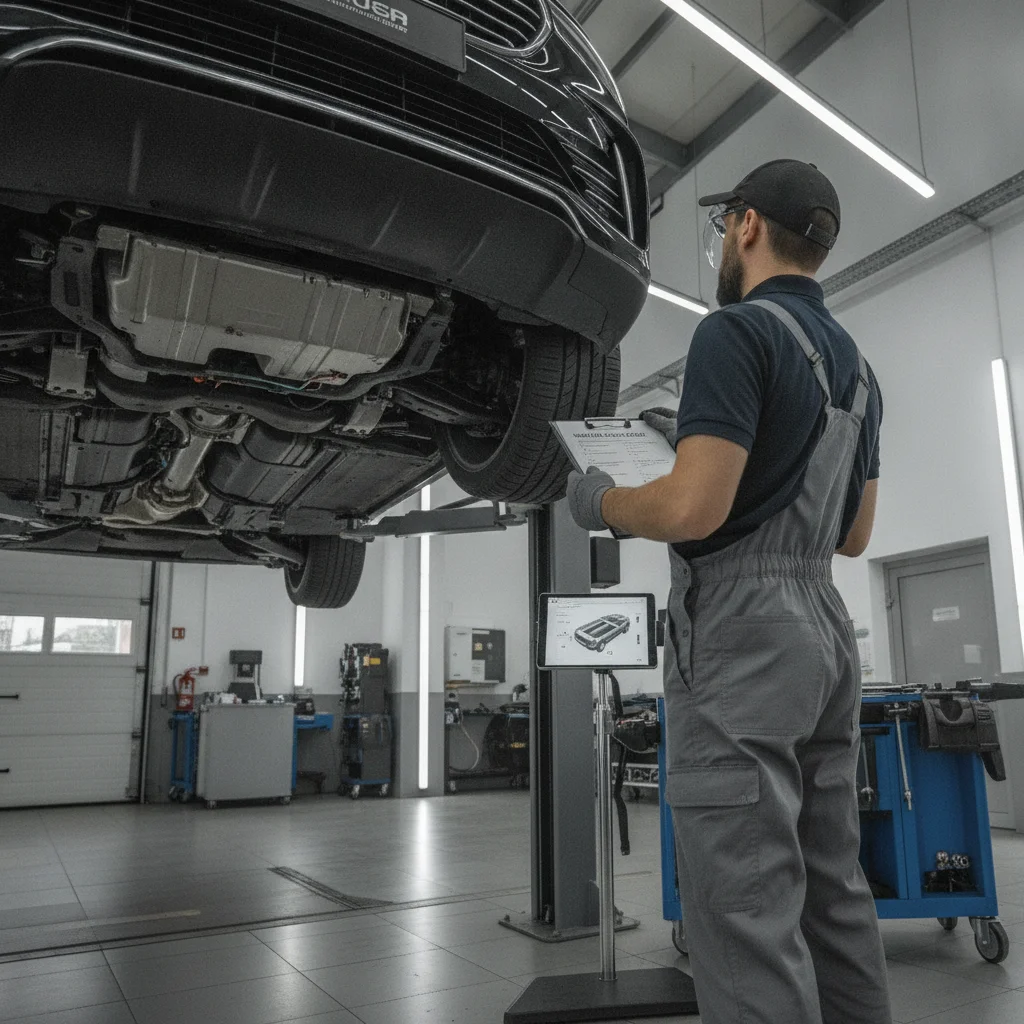
Dealers are required to perform a multi-point inspection before certifying a vehicle, and that report exists. Ask for it. It tells you what was repaired (establishing the dealer's cost basis) and what passed without repair (giving you confidence in the vehicle's condition). If a dealer won't share it, that's worth noting.
The practical implication: before you dismiss a new car as too expensive compared to CPO, run the actual monthly payment math accounting for all incentives and the financing rate you'd qualify for. The sticker gap sometimes narrows more than you expect when you factor in 0% APR versus 5–7% on a used car loan.
Dealer Flexibility: When and Where They'll Move
Both new and CPO cars have pricing flexibility, but different triggers activate it.
New Car Flexibility Triggers
- End of model year: Dealers need to clear current-year inventory before next-year models arrive. August and September are historically strong months to negotiate on new cars.
- End of month/quarter: Sales managers are chasing volume bonuses. The last three days of the month are worth using.
- High inventory models: If the dealer has 60-day supply of a specific trim, their urgency to deal goes up significantly.
- Discontinued trims or colors: These cars aren't moving and dealers know it.
CPO Flexibility Triggers
- Days on lot: A CPO vehicle that's been sitting 45–60+ days is costing the dealer floor-plan interest. Ask the salesperson when it arrived — or check the listing date on the dealer's website. That date is leverage.
- Reconditioning investment: If the dealer did significant mechanical or cosmetic work to certify the vehicle, they have a higher cost basis and less room to move. If the car was nearly retail-ready at trade-in, they have more cushion.
- Market comparables: Bring printed or screen-capped comparable listings. Dealers respond to market data more than emotional appeals.
Negotiating CPO price is a distinct skill from negotiating new cars — the conversation starts from a different place and the evidence you bring to the table has to be different too.
The Financing Conversation: Different Sequence, Different Stakes
On a new car deal, the finance office is where dealers make significant back-end profit — through finance reserve (the markup on the loan rate), extended warranties, and add-on products. The standard advice holds here: negotiate the out-the-door price first, then discuss financing. Never let the conversation collapse into a monthly payment discussion before the purchase price is settled.
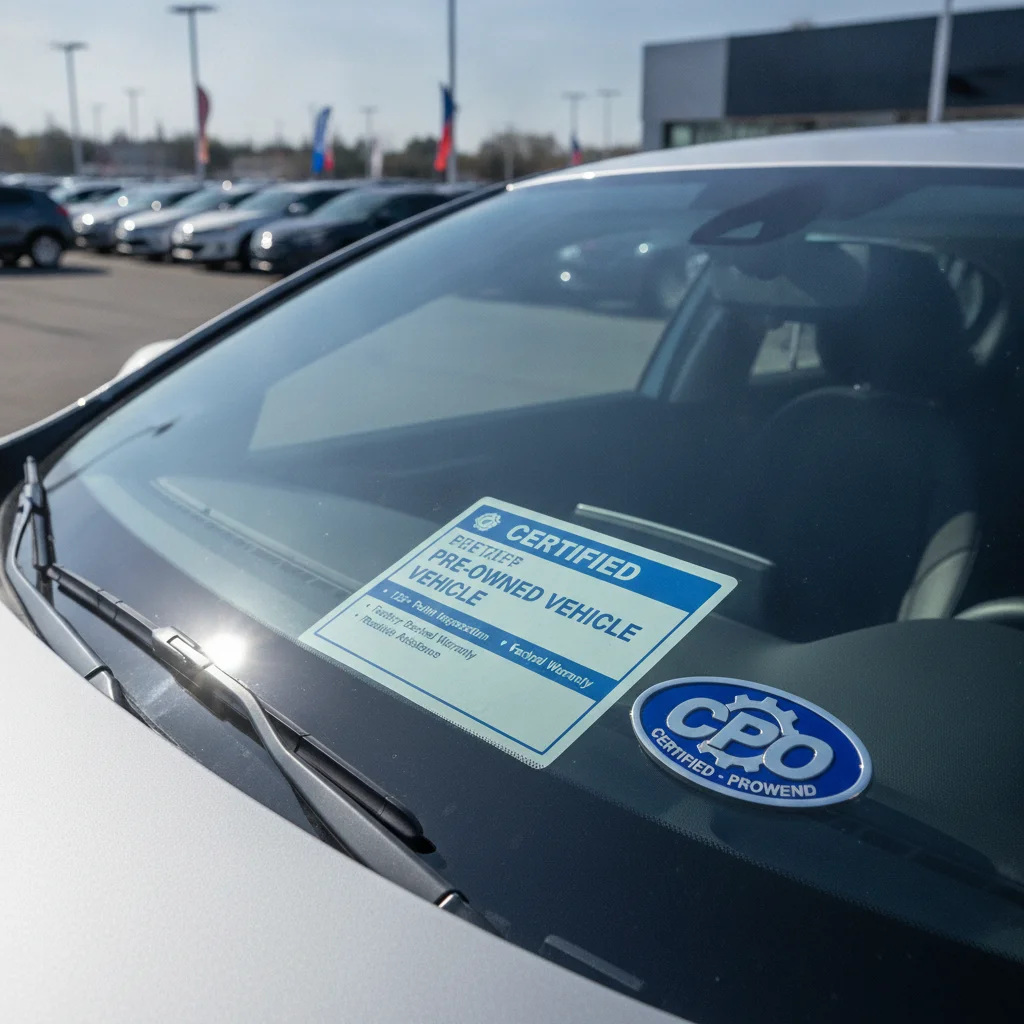
On a CPO deal, the same sequence applies, but there's an additional layer. CPO vehicles often come with an existing balance of manufacturer warranty that transfers to you, plus a dealer-administered extended warranty as part of the CPO program. Understand exactly what's included in the CPO certification before you let the finance manager sell you an additional extended service contract on top of it. Paying $1,800 for an extended warranty when the CPO program already gives you 7-year/100,000-mile powertrain coverage is money wasted.
Don't Double-Buy Warranty Coverage on CPO
Finance managers routinely pitch extended service contracts on CPO vehicles without clearly explaining what's already covered by the CPO program itself. On many manufacturer CPO programs, powertrain coverage extends to 7 years and 100,000 miles from the original sale date. Buying an additional extended warranty that overlaps with existing CPO coverage is one of the most common and expensive mistakes CPO buyers make. Get a written summary of all existing coverage before you enter the F&I office.
Monthly Payment Framing Is a Trap on Both
Whether you're buying new or CPO, dealers are trained to move the conversation to monthly payments as quickly as possible. A lower monthly payment achieved by stretching the loan term from 60 to 72 or 84 months adds significant total interest cost and extends the period of negative equity. Always negotiate price first, then calculate the payment yourself based on a loan term you've chosen in advance.
Also be aware of the rate environment. New car loans through captive lenders (Toyota Financial, Ford Motor Credit, etc.) often carry subsidized rates that independent lenders can't match. CPO loans almost always come from independent lenders or credit unions — there's no manufacturer rate subsidy. This means your credit score matters even more on a CPO deal. Check your rate with your own bank or credit union before you walk in, and use that as your baseline. Down payment strategy also differs between new and used vehicle purchases, so factor that into your total deal math.
What CPO Certification Actually Costs the Dealer — and You
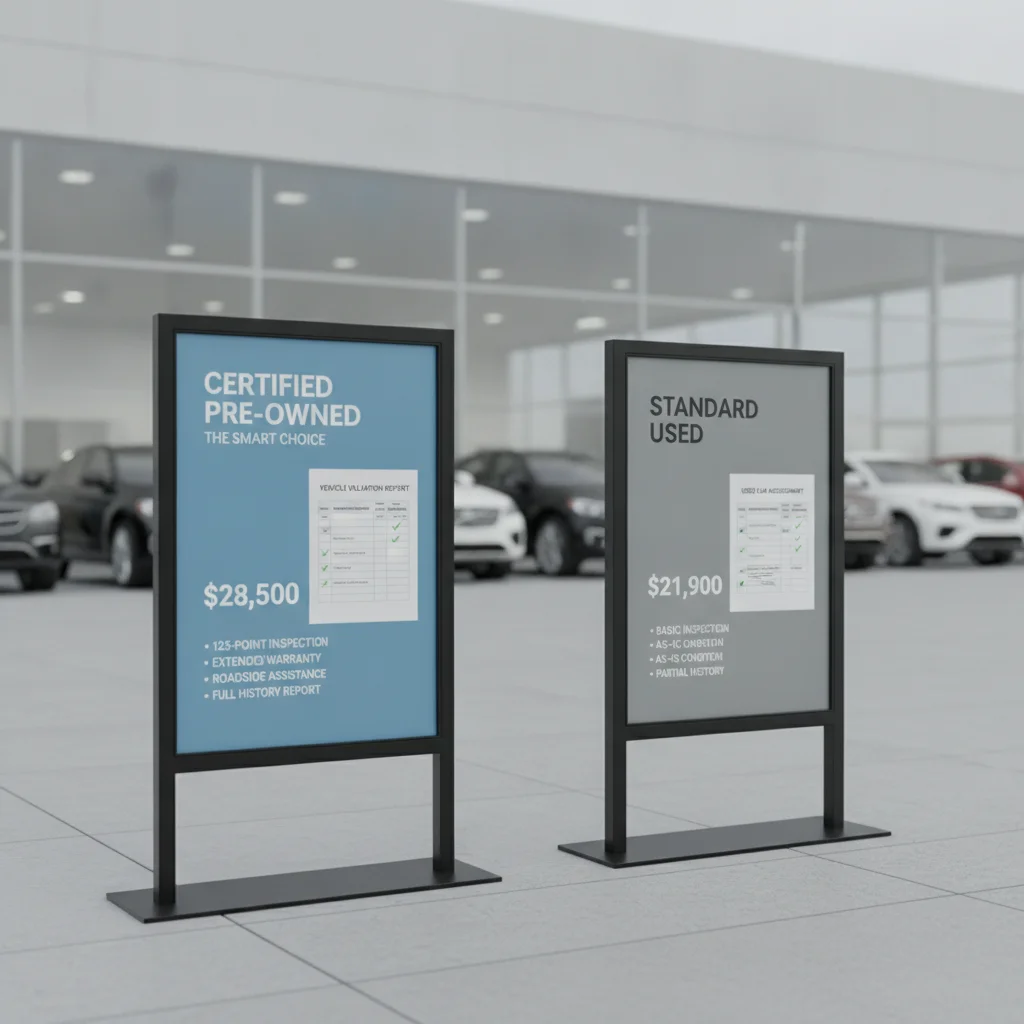
This is the piece most buyers miss entirely. CPO certification isn't free for the dealer. They pay a per-vehicle fee to the manufacturer to enroll the vehicle in the program — typically $200 to $700 depending on the brand — and they're required to meet a multi-point inspection checklist and repair anything that fails it before the car can carry the CPO badge.
That reconditioning cost is baked into the asking price, and it creates a real floor below which most dealers won't sell. If a vehicle needed $1,400 in repairs to pass certification plus $400 in enrollment fees, the dealer has $1,800 in costs they expect to recover before they see any gross profit. Negotiating below that floor will hit a wall fast.
The flip side: that certification cost also gives you something real. CPO programs deliver tangible value through manufacturer-backed warranty extensions, roadside assistance, and often a return window or exchange program. You're not just paying for marketing — you're paying for transferred risk. Whether that's worth the premium depends on the specific program and what's already covered by the remaining factory warranty.
The practical takeaway: when negotiating a CPO price, don't just reference market comparables. Ask what the certification inspection found and what was repaired. Dealers will sometimes share this to justify the price — but if they did extensive work, it also sets a firm lower bound on their flexibility.
Add-Ons and After-Sale Products: The Real Profit Center on Both
Regardless of new versus CPO, the finance and insurance (F&I) office is where dealers recover margin that was lost in price negotiation. The product menu typically includes extended warranties, paint protection, fabric protection, tire and wheel coverage, and GAP insurance. These products carry gross profit margins of 50% to 80% for the dealer.
On a new car, some of these products have legitimate value — GAP insurance matters if you're putting less than 20% down on a vehicle that will depreciate quickly in year one. On a CPO vehicle, the calculus is different. The first wave of depreciation has already happened. GAP exposure is lower if you negotiated a reasonable price and put a reasonable down payment in. And the factory warranty extensions that came with CPO certification may already cover what the dealer is trying to sell you separately.
The rule is simple: evaluate every F&I product on its own merits, separately from the car deal. Decline anything you can get cheaper elsewhere. GAP insurance through your auto insurer often costs $20–$40 per year versus $600–$900 as a dealer add-on. New and used car contracts differ in what they disclose and require — read both carefully before signing.
For a deeper look at extracting long-term value from a CPO purchase beyond the initial deal, see how to maximize a CPO over time.
Building Your Negotiation Strategy Before You Walk In
The buyers who get the best deals — on new or CPO — do their homework in a specific order. Here's the sequence that actually works:
- Know your credit score before anything else. Your rate directly affects total cost of ownership. A 1.5% rate difference on a $28,000 loan over 60 months is roughly $1,100. That's as important as negotiating $1,000 off the price.
- Get pre-approved from your bank or credit union. Walk in with a rate in hand. This shifts the financing conversation entirely — you have a benchmark, and the dealer has to beat it to earn the business.
- For new cars, look up invoice price and current manufacturer incentives. Your target is invoice minus any dealer cash incentives, or close to it. Don't anchor to MSRP.
- For CPO, pull 5–7 comparable listings in your region. Filter for same model year, similar mileage, same trim. Print them or have them on your phone. This is your price anchor.
- Decide your walk-away price in advance. Not a range — a number. Dealers are trained to blur ranges into the higher end. A firm number changes the dynamic.
Negotiating used car prices follows similar principles but without the CPO certification layer — worth reviewing if you're also considering non-certified used vehicles as an alternative.

All claims are backed by peer-reviewed research. Sources on request.