Key Takeaways
Start here
Why Most First Test Drives Miss the Point
Before you sit down
Before You Even Start the Engine
On the road
What to Evaluate While Driving
Red flags to catch
Sounds, Smells, and Sensations You Should Never Ignore
Finishing up
Cabin, Tech, and Comfort Checks
Before you commit
After the Drive: What to Do Before You Decide
Why Most First Test Drives Miss the Point
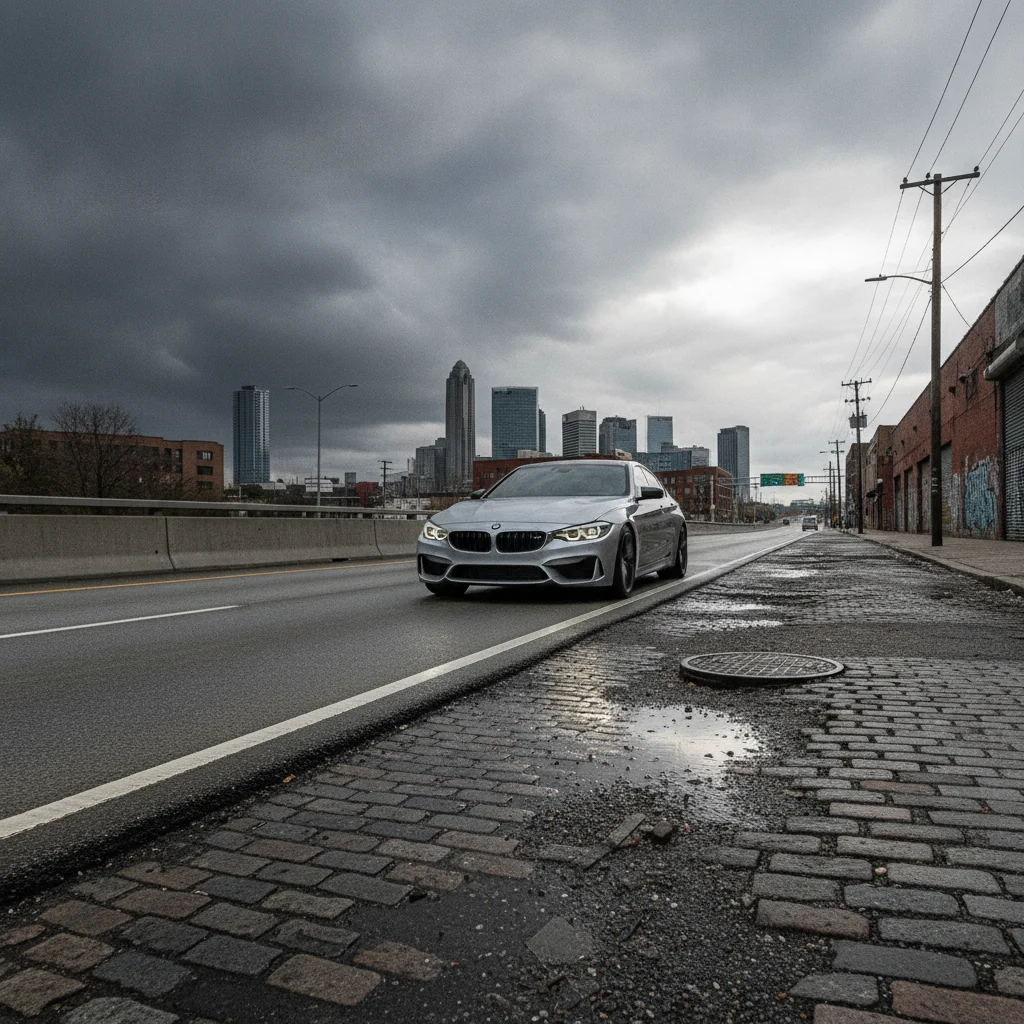
First-time buyers almost always focus on the same things: does the seat feel good, does it accelerate smoothly, does the stereo sound nice? Those things matter, but they're the easy part. A car can feel perfectly comfortable on a 10-minute dealership loop and still have a slipping transmission, warped rotors, or a suspension that's one pothole away from a costly repair bill.
The goal of a test drive isn't to see if you like the car — you probably already do, or you wouldn't be there. The goal is to find the things that would make you regret the purchase six weeks later. That requires a plan.
Skipping the test drive entirely has become more common with online car buying, but the risks are real. Even if you're buying new, a test drive tells you whether this specific car — not just this model — matches how you actually drive and live.
This guide gives you a structured, practical checklist for evaluating any car during a test drive, whether it's brand new off a dealer lot or a 6-year-old used vehicle from a private seller.
Before You Even Start the Engine
The two minutes you spend outside the car and in the driver's seat before turning the key are some of the most valuable in the entire process. Most buyers skip straight to driving. Don't.
Pre-purchase inspection (PPI)
A mechanical inspection of a used vehicle performed by an independent mechanic before you buy it. It typically costs $100–$150 and can identify problems the seller may not have disclosed.
Brake fade
A reduction in braking effectiveness that happens when brakes overheat, usually after repeated hard stops. It's hard to detect on a short test drive but reveals itself on longer downhill or repeated-stop routes.
Wheel alignment
The adjustment of a vehicle's suspension so all four wheels point in the correct direction. Poor alignment causes the car to drift left or right and accelerates tire wear.
CV axle (constant-velocity axle)
A drive shaft component in front-wheel-drive and all-wheel-drive vehicles that transfers engine power to the wheels. A worn CV joint makes a clicking noise when turning under power.
Transmission hesitation
A noticeable delay or stumble when the transmission shifts gears or when power is applied from a stop. It can indicate worn transmission components or a software calibration issue.
LATCH anchors
Standardized attachment points built into vehicle rear seats for securing child safety seats without using the seat belt. Their accessibility and placement vary significantly between vehicles.
Walk Around the Exterior
Look at the car from each corner at a low angle — this reveals panel gaps, mismatched paint, and subtle dents that disappear when you're standing upright. Check that all four doors open and close cleanly. Uneven panel gaps (one door flush, another with a visible gap) often indicate prior collision repair.
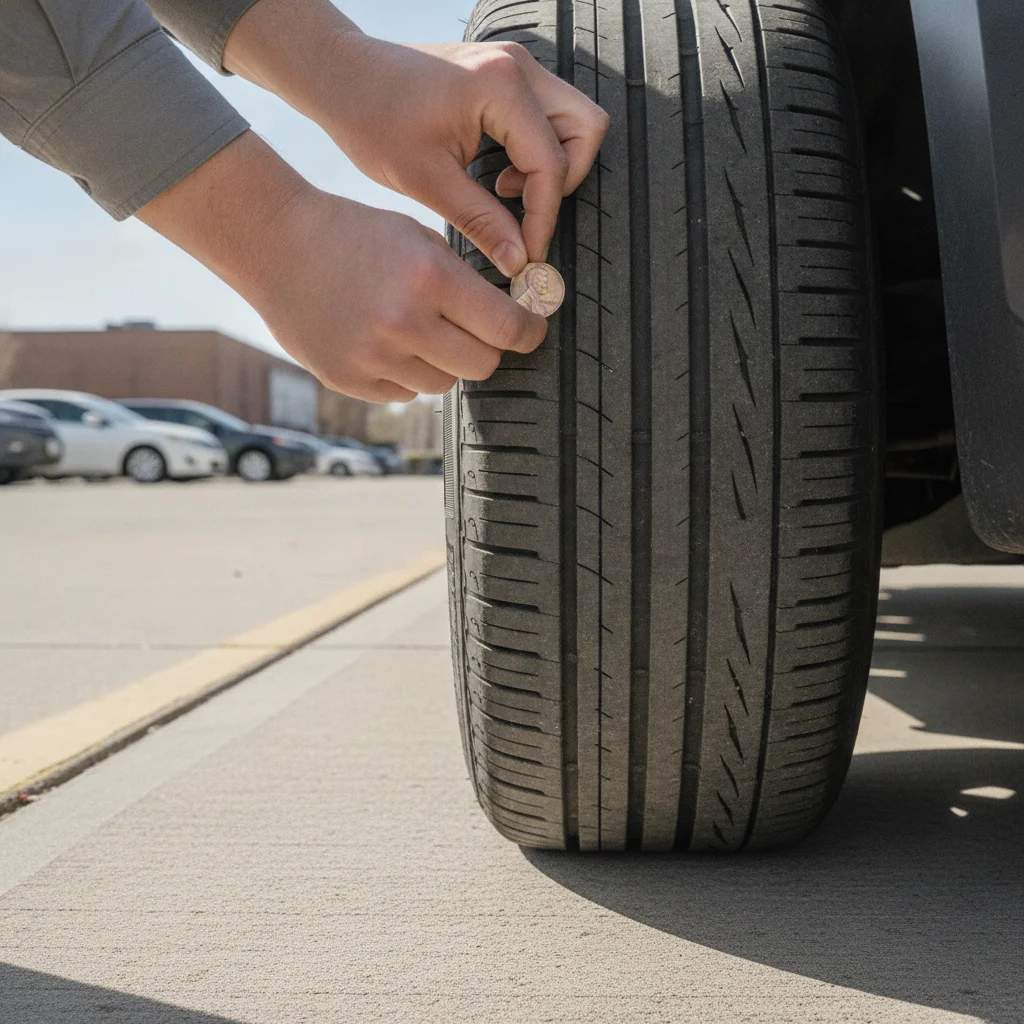
For used cars especially, look at tire wear patterns. Tires worn more on the inside or outside edge point to alignment or suspension issues. Tires worn unevenly across the tread suggest inflation problems or a bent wheel.
Bring a Printed Checklist
Write out your evaluation points before you arrive at the dealership or seller's driveway. When you're excited about a car and someone is watching, it's easy to forget half your checklist. A printed sheet keeps you systematic and signals to the seller that you're a serious, informed buyer — which tends to get you more honest answers.
Test the Seat for Long Drives
Sit in the driver's seat for at least 10 minutes without moving the car. If the seat feels uncomfortable or your lower back starts to protest before you've even started the engine, that car will be miserable on anything over an hour. Seat support matters more than most buyers realize until they're 90 minutes into a road trip.
Check Under the Hood
You don't need to be a mechanic. Just open the hood and look for three things:
- Oil on the dipstick: Should be amber-brown, not black or foamy. Foamy oil can indicate a head gasket problem.
- Coolant level: Should be between the MIN and MAX marks on the reservoir when the engine is cold.
- Any obvious leaks: Look for wet spots, residue buildup, or a strong smell of burning oil before you've even started the car.
Adjust Everything Before You Drive
Seat position, mirrors, steering column height — adjust all of it to how you'd actually drive. Check your blind spots. If you can't get a comfortable driving position with clear sightlines, that's a real usability issue, not something you'll adapt to. Also note whether the adjustments use manual levers or power controls, and whether lumbar support is available if that matters to you.
Start the engine and let it idle for 60 seconds before moving. Listen for any rough idling, rattles, or warning lights that stay on after the car has started. A check engine light that's illuminated at startup is a conversation-stopper until you know what triggered it.
What to Evaluate While Driving
A useful test drive covers at least three distinct driving situations. One route is rarely enough — each condition surfaces different potential problems.
City Driving: Stop-and-Go
In normal traffic, evaluate:
- Transmission shifts: Automatic transmissions should shift without jerking or hesitation. A clunk when moving from park to drive, or a delay before power reaches the wheels, is worth flagging.
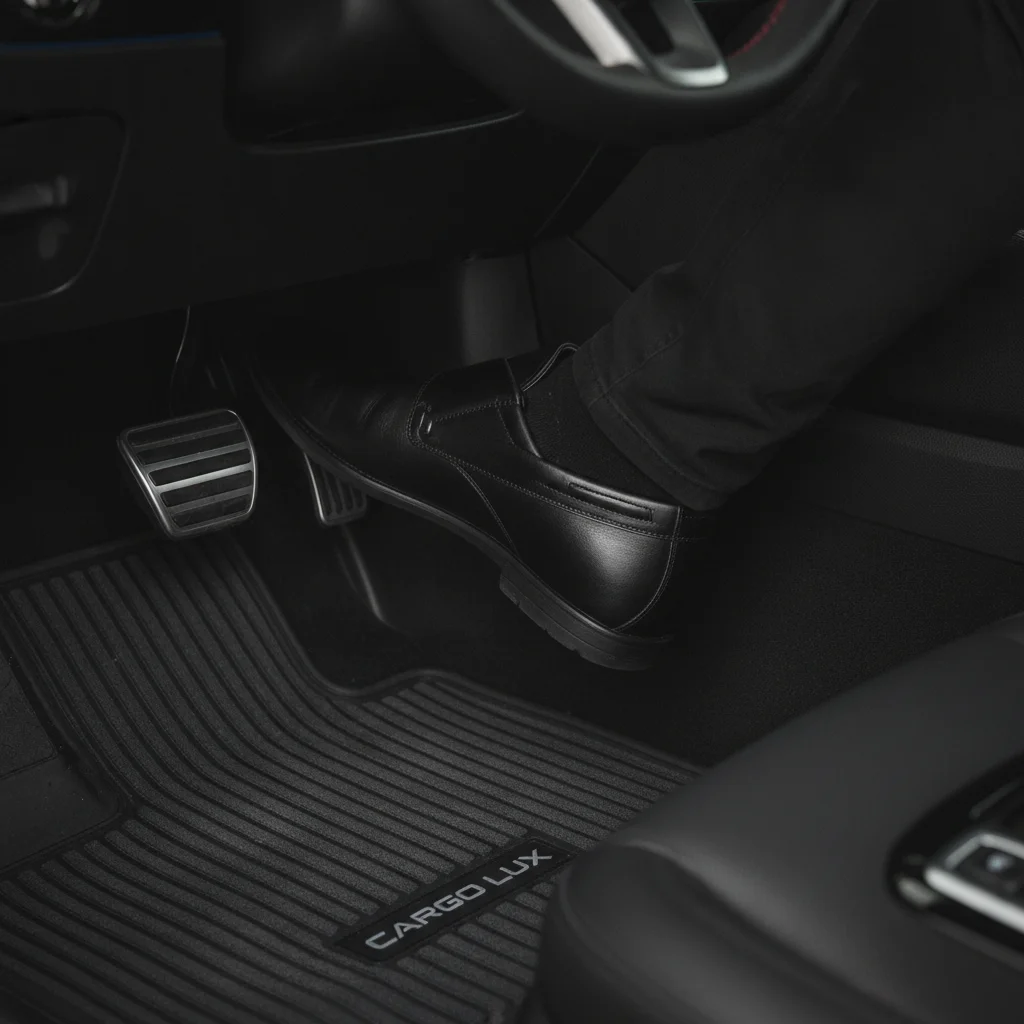
- Brake feel: The pedal should be firm, not spongy. It should require moderate pressure to stop smoothly. A pedal that sinks toward the floor suggests low fluid or a leak. Vibration through the pedal points to warped rotors.
- Turning radius: Make a U-turn if possible. Tight urban streets make a large turning radius genuinely inconvenient day-to-day.
- Visibility: Can you see the front corners of the car from the driver's seat? Thick A-pillars and low rooflines create blind spots that cameras don't always fix.
Highway: Merging and Cruising
Get on a highway or a road where you can reach 55–65 mph. Evaluate:
- Acceleration under load: Merging at highway speed requires confident power delivery. Hesitation here is a real safety issue.
- Steering tracking: On a straight, flat road, briefly ease pressure on the wheel. The car should hold its line without drifting. Noticeable pull to one side means alignment or tire issues.
- Wind and road noise: Highway noise levels vary enormously between vehicles. If you make long commutes, this matters significantly for fatigue and passenger conversation.
- Stability at speed: The car should feel planted. Wandering, floating, or vibration through the steering wheel at highway speed are signs of worn suspension or unbalanced tires.

Parking and Low-Speed Maneuvers
Pull into a parking space — preferably a tighter one — and back out. This tests the backup camera quality (if equipped), parking sensor accuracy, and the steering effort required at low speeds. If the car has a surround-view camera system, use it: pixelated or laggy displays are a usability problem you'll encounter every day.
Brake performance testing deserves special attention. Find a safe empty stretch of road and do a firm stop from about 35 mph — not a panic stop, just a deliberate, confident application of the brakes. The car should stop straight, with no pull left or right, and the pedal should feel consistent from start to stop.
Sounds, Smells, and Sensations You Should Never Ignore
Your senses are diagnostic tools. Here's what specific signals typically mean:
Never Mask a Warning Light
If a check engine light, oil pressure warning, or ABS light is on during the test drive, don't let the seller dismiss it as 'just a sensor.' Ask for an OBD-II scan of the trouble codes before proceeding. Many auto parts stores (AutoZone, O'Reilly) will scan for free. A seller who refuses this request is hiding something.
Sounds
| Sound | When It Happens | Likely Cause |
|---|---|---|
| Clunking | Over bumps or during turns | Worn ball joints or sway bar links |
| Grinding | When braking | Brake pads worn to metal |
| Whining | Turning the wheel at low speed | Power steering fluid low or pump wear |
| Clicking | Turning while accelerating | CV axle joint failure (front-wheel drive) |
| Knocking | Under acceleration, especially cold | Engine wear or low oil pressure |
Smells
- Burning oil: Could be a valve cover gasket leak dripping onto hot exhaust components. Investigate before buying.
- Sweet/syrupy smell: Coolant leak. This can signal a cracked hose or worse, a failing head gasket.
- Sulfur/rotten egg smell: Often a catalytic converter issue, which is an expensive repair.
- Musty or mildew smell: Interior water intrusion — check the carpet under the floor mats for dampness.
Vibrations
Vibration through the steering wheel at highway speed usually means unbalanced tires or bent wheels — inexpensive fixes, but they suggest the car hasn't been well maintained. Vibration through the seat or floor at idle points to engine mounts or exhaust hangers. Vibration that only appears during braking, especially in the pedal itself, indicates warped brake rotors.
For a deeper breakdown of what different sensations behind the wheel reveal, see test drive tactics for sounds and sensations.
Used vs. New Test Drive Priorities Differ
On a new car, you're primarily evaluating fit, features, and whether the model suits your lifestyle — mechanical issues are generally covered under warranty. On a used car, you're investigating wear, maintenance history, and hidden damage. Adjust your attention accordingly, and consider whether a longer-format evaluation makes sense.
A Vehicle History Report Is Not a Substitute for an Inspection
Carfax and AutoCheck reports pull from reported accidents and title records, but plenty of damage is never reported to insurance. A car can show a clean history and still have frame damage, flood intrusion, or worn mechanical components. The report tells you what was recorded — a mechanic tells you what's actually there.
Cabin, Tech, and Comfort Checks
The inside of the car is where you'll spend all your time. Evaluate it like it's a tool you're buying, not just a nice place to sit.
Ergonomics and Controls
Can you reach the climate controls without taking your eyes completely off the road? Infotainment systems that bury basic functions four menus deep are a genuine distraction hazard. Try adjusting the fan speed, switching to navigation, and changing an audio input while in motion (safely). If it takes more than two taps or turns, it'll annoy you daily.
Check that your left arm rests somewhere comfortable during highway driving. An absent or poorly positioned armrest causes real fatigue on longer trips.
Bring a Printed Checklist
Write out your evaluation points before you arrive at the dealership or seller's driveway. When you're excited about a car and someone is watching, it's easy to forget half your checklist. A printed sheet keeps you systematic and signals to the seller that you're a serious, informed buyer — which tends to get you more honest answers.
Test the Seat for Long Drives
Sit in the driver's seat for at least 10 minutes without moving the car. If the seat feels uncomfortable or your lower back starts to protest before you've even started the engine, that car will be miserable on anything over an hour. Seat support matters more than most buyers realize until they're 90 minutes into a road trip.
Rear Seat and Cargo Reality Check
Sit in the back seat yourself — don't just look at it. Knee room behind your own driving position is what matters, not what a spec sheet says. If you have children who use car seats, install one during the test drive if you can. The LATCH anchors should be accessible, not buried between seat cushion gaps.
Open the trunk or cargo area and lift any false floor panels. Check for a spare tire or run-flat kit. A trunk that looks spacious can have a loading lip so high that lifting groceries becomes an inconvenience every single week.
Technology and Driver Aids
Test every active system you're paying for:
- Adaptive cruise control: Does it respond smoothly to a car ahead slowing down, or does it brake abruptly?
- Lane-keeping assist: Does it steer gently or jerk the wheel? Many buyers turn this off within a month if it's intrusive.
- Backup camera: Is the image clear and wide enough to be useful, or is it a postage stamp of low-resolution video?
- Bluetooth connectivity: Pair your phone during the drive. Check call audio quality and whether steering wheel controls work properly with your phone's media app.
OBD-II Bluetooth Scanner
A $25–$50 Bluetooth OBD-II dongle paired with a free app like Torque or OBD Fusion lets you read any stored or pending check engine codes on a used car before you drive it. Worth owning before any used car test drive.
CarFax Vehicle History Report
Pull a vehicle history report using the VIN before or immediately after a promising test drive. It surfaces accident records, title issues, odometer rollbacks, and ownership history that the seller may not volunteer.
Test Drive Checklist Template
A structured checklist covering exterior, under-hood, driving, and interior evaluation points. Print one per vehicle you plan to test so your notes are organized and comparable.
RepairPal Shop Finder
Use RepairPal to locate highly-rated independent mechanics near the seller who can perform a pre-purchase inspection. Avoid using the selling dealership's own service department for this check.
If you're weighing a new car purchase, also review the considerations specific to buying a new vehicle from a dealership — the test drive priorities differ from used cars in ways that matter. The new car test drive vs. used car inspection breakdown explains exactly how to adjust your approach.
After the Drive: What to Do Before You Decide
The test drive ends, the salesperson starts talking numbers, and the momentum of the moment can push a first-time buyer toward a decision they're not ready to make. Slow down deliberately.
Write Down What You Noticed
Before you talk price, take five minutes to write down (or voice-memo) every observation from the drive — positive and negative. Memory degrades fast, especially when someone is walking you through financing options. Your notes become your negotiation leverage and your sanity check.
Compare Against Your Baseline
If you haven't driven comparable vehicles yet, do that before deciding. Even driving a similar trim level of the same model at a different dealership gives you a reference point. A car that felt fine might feel noticeably worse — or better — in comparison.
Short test drives can create false confidence — if your drive was under 20 minutes or didn't include highway speeds, schedule a second, longer drive before committing.
For Used Cars: Get an Independent Inspection
If the car passed your test drive and you're seriously considering it, the next step is a pre-purchase inspection (PPI) by an independent mechanic — not the dealership's service department. This typically costs $100–$150 and takes about an hour. A good mechanic will put the car on a lift and check suspension components, look for oil leaks, examine brake pad thickness, and scan for diagnostic trouble codes. That $150 can save you from a $3,000 surprise.
Used vs. New Test Drive Priorities Differ
On a new car, you're primarily evaluating fit, features, and whether the model suits your lifestyle — mechanical issues are generally covered under warranty. On a used car, you're investigating wear, maintenance history, and hidden damage. Adjust your attention accordingly, and consider whether a longer-format evaluation makes sense.
A Vehicle History Report Is Not a Substitute for an Inspection
Carfax and AutoCheck reports pull from reported accidents and title records, but plenty of damage is never reported to insurance. A car can show a clean history and still have frame damage, flood intrusion, or worn mechanical components. The report tells you what was recorded — a mechanic tells you what's actually there.
Don't Rush to Paperwork the Same Day
The paperwork and contract phase is significant and deserves its own clear head. If everything checks out from the test drive and inspection, then move forward — but give yourself at least one night to review financing terms, the vehicle history report, and any documentation the seller provides before signing anything.
A car that's right for you will still be right for you tomorrow. And if someone claims it won't be — that's a sales tactic, not a fact.

All claims are backed by peer-reviewed research. Sources on request.