Key Takeaways
The Rise of the No-Drive Purchase
Online car buying has fundamentally changed how Americans shop for vehicles. Platforms like Carvana, Vroom, and even traditional dealer websites now allow you to complete an entire purchase without ever sitting in the car. The pitch is frictionless: browse, finance, and get a vehicle delivered to your driveway. It sounds like a win.
But I spent years on the finance side of dealerships, and I can tell you: the easier a transaction feels for the buyer, the more room there is for things to go wrong after the sale. That's not a knock on digital car buying — it's a structural reality. Speed and convenience remove the checkpoints that protect you.
According to a 2023 Cox Automotive study, nearly 1 in 4 vehicle buyers now complete most of their purchase journey online, and a growing segment never visit a dealership at all. Yet satisfaction scores for those buyers lag behind buyers who completed a physical test drive. The gap isn't about the platform — it's about what gets skipped.
25%
Buyers completing most of purchase online
Cox Automotive's 2023 Car Buyer Journey study found nearly 1 in 4 buyers now complete most of their vehicle purchase journey digitally.
Lower
Satisfaction scores for no-test-drive buyers
Cox Automotive data consistently shows buyers who skipped in-person evaluation report lower long-term satisfaction than those who completed a physical test drive.
$150–$200
Average cost of a third-party pre-purchase inspection
Independent PPI services typically charge $100–$200 for a comprehensive inspection — a fraction of the cost of an undisclosed mechanical issue post-purchase.
This article is for the digital-savvy buyer who is tempted to skip the test drive because the deal looks great on paper. I want you to understand exactly what you're trading away — and what mistakes will cost you most.
Mistakes That Cost Buyers the Most
After watching hundreds of buyers regret their purchases over the years, a clear pattern emerges. These aren't random errors — they follow predictable logic. Understanding why they happen is the first step to avoiding them.

Treating a return policy as a substitute for a test drive.
Why it happens: Online retailers like Carvana prominently advertise 7-day return windows, which creates a psychological safety net that makes skipping the test drive feel low-risk.
Relying on owner reviews and spec sheets to gauge how a car feels to drive.
Why it happens: Buyers research extensively online and develop confidence in aggregate data — average ratings, common complaints, comparison charts — which feels like a substitute for personal experience.
Skipping the pre-purchase inspection on a used vehicle to save time and money.
Why it happens: Buyers who feel they've already done thorough research — history report, dealer reputation check, photos — underestimate what an in-person mechanical inspection adds.
Assuming a new car purchase doesn't require a test drive because it's factory-fresh.
Why it happens: New car buyers assume all units of the same model are identical, so one test drive (or no test drive) covers all units. They also feel less risk because new cars come with warranties.
Making a purchase decision under artificial urgency without completing due diligence.
Why it happens: Dealers and online platforms use scarcity signals — limited inventory notices, countdown timers, competing buyer claims — that trigger loss-aversion psychology and compress deliberation.
Ignoring NVH (noise, vibration, harshness) until after purchase.
Why it happens: Buyers focus on performance specs, cargo space, and fuel economy — quantifiable metrics — and underweight subjective qualities like cabin noise and road feel because these are hard to assess remotely.
The common thread across all these mistakes is the same: information that only your body can gather gets substituted with information a screen can provide. Those are fundamentally different data sets, and the gap between them is where regret lives.
What a Test Drive Reveals That Nothing Else Can
Let's be precise about what a test drive actually does. It's not just about whether you like how the car drives. It's a multi-channel sensory assessment that no video, virtual tour, or third-party inspection can fully replicate.
Mechanical Behavior Under Load
Transmission hesitation, brake fade, suspension clunking, steering pull — these behaviors often only emerge when you are driving, at real-world speeds, on real roads. A pre-purchase inspection catches a lot of static issues (fluid levels, rust, tire wear), but an inspector driving a vehicle for five minutes around a lot is not the same as you driving it for 30 minutes on the highway. Our guide on why even short test drives can mislead you goes deep on this — transmission hesitation and brake fade rarely appear in a 10-minute loop.
Ergonomic Fit
Seat position, headroom, steering wheel reach, pedal placement — these are body-specific variables. A 6'2" buyer and a 5'4" buyer experience the same car completely differently. Videos show the interior. They do not tell you whether your left knee will hit the door panel every time you turn, or whether the seat bolsters cut into your hips on a two-hour drive.
Blind Spots and Visibility
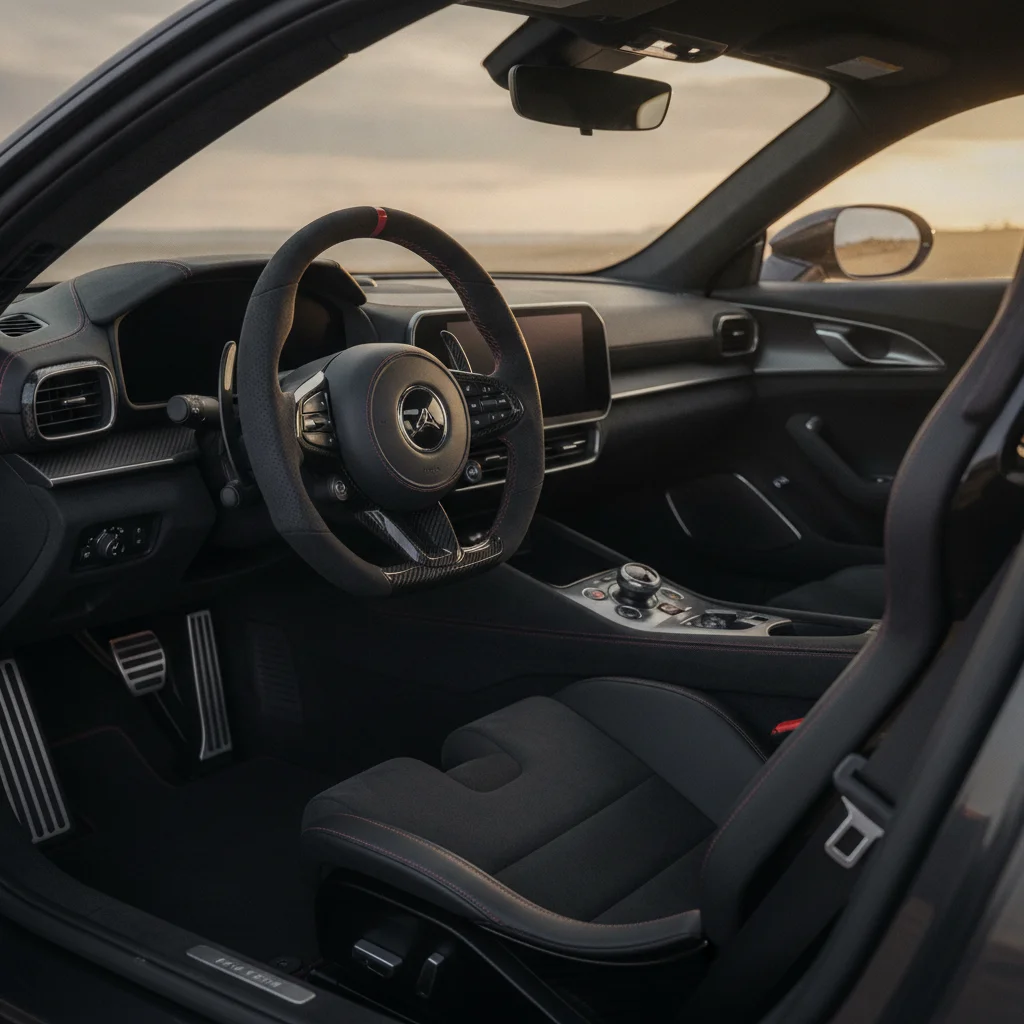
Modern vehicles with thick A-pillars, high beltlines, and small rear windows can create dangerous blind spots. You cannot assess this from a photo or even a 360-degree virtual tour. You find out on your first lane change on the interstate.
Noise and NVH Levels
NVH — noise, vibration, and harshness — is one of the most underrated factors in long-term vehicle satisfaction. A vehicle might feel perfectly quiet in a parked showroom video and reveal significant wind noise, road roar, or drivetrain drone at 70 mph. First-time buyers especially miss this. Our article on what first-time buyers miss on test drives covers exactly what to listen for.
For a full framework on evaluating all of these dimensions systematically, see our test drive tactics guide — it walks you through what to assess for sound, sensation, and vehicle behavior.
Virtual Tours Don't Show Everything
360-degree interior videos and detailed photo packages have improved dramatically, but they are curated by the seller. Sellers choose the lighting, the angle, and what to frame. Mechanical smells, subtle vibrations, and worn upholstery texture don't appear in video. A virtual tour is marketing material — useful, but not a substitute for physical evaluation.
"As-Is" Listings Mean Zero Recourse
When you see "as-is" on a used vehicle listing, understand what it means legally: the seller accepts no responsibility for any mechanical failure discovered after purchase. There is no appeal to a warranty, no dealer goodwill repair, no legal remedy for a transmission that fails two weeks after delivery. For as-is vehicles purchased remotely, a third-party PPI is not optional — it is the only protection you have.
When Remote Buying Is Still Reasonable (And How to Protect Yourself)
I'm not telling you to never buy a car remotely. There are legitimate scenarios where it makes sense — a rare model unavailable locally, a certified pre-owned with a documented service history, or a manufacturer-direct purchase on a new vehicle you've already driven in another trim or model year. The key is structured risk management, not blanket avoidance.
What to Demand Before You Sign
- A third-party pre-purchase inspection (PPI) — hire your own mechanic, not one recommended by the seller. Services like Lemon Squad or a local ASE-certified shop will run a proper road test and lift inspection for $100–$200. Non-negotiable on used vehicles.
- Full documentation package — Carfax or AutoCheck history, all service records the seller has, current title status, and a clear odometer disclosure statement.
- Video walkaround with audio — request a live video call, not a pre-recorded clip. Ask the seller to start the car cold, rev it, and drive it briefly while pointing the camera at the dash.
- Written return policy terms — if the seller offers a return window, get the exact conditions in writing before purchase. Understand who pays return shipping, whether restocking fees apply, and what constitutes a valid return reason.
New car buyers who've already test-driven the same model have a lower-risk remote purchase path. If you're considering a new vehicle, our new car buying hub covers what else to verify before signing a dealer's remote sales agreement.
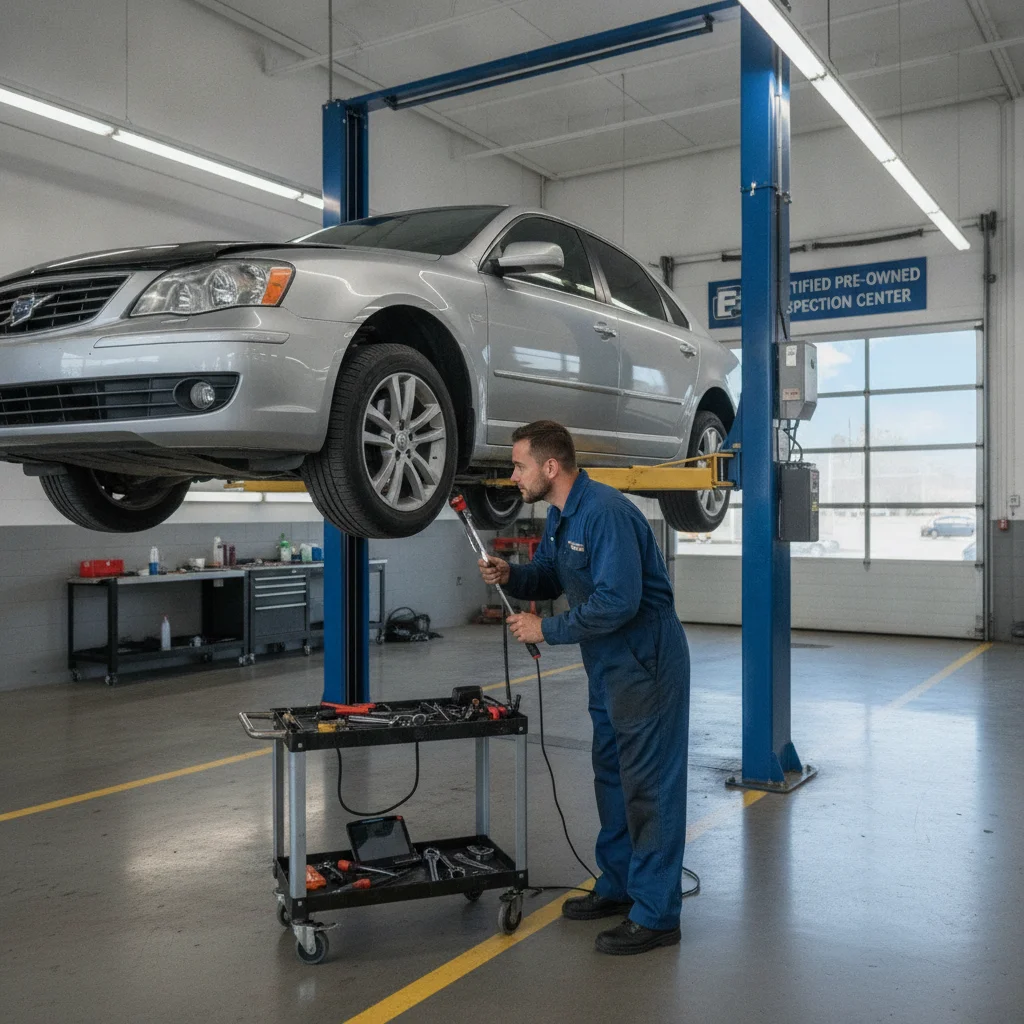
Used car remote purchases carry significantly more risk, because condition variance is high even within the same year, make, and model. Two identical-spec 2020 SUVs can drive and feel completely different depending on how they were maintained and driven. A PPI narrows that gap but doesn't close it. Budget accordingly — and never skip the PPI to save the fee.
A Return Policy Is Not a Test Drive
The 7-day return window offered by many online retailers sounds like protection, but it is not equivalent to a test drive. Return policies have strict mileage limits (often 200–400 miles), condition requirements, and logistical costs that make them difficult to exercise in practice. More importantly, they do not tell you what you would have learned driving the car before you bought it — they only give you a narrow window to discover problems after you own it. Use the return window as an emergency backstop, not as your primary risk management tool.
Dealer and Platform Tactics That Push You to Skip
Here's the part most buying guides won't tell you: urgency is manufactured. I've seen it from the inside. "This one won't last the weekend" is not market analysis — it's a pressure tactic. Online platforms have digitized these same tactics: countdown timers on listings, "X people are looking at this right now" notifications, and limited-time delivery windows are all designed to compress your decision timeline.
The faster you decide, the less time you have to drive the car, get a PPI, compare financing, or negotiate meaningfully. That compression benefits the seller, not you. Every hour they can shave off your deliberation cycle increases their closing rate and reduces your leverage.
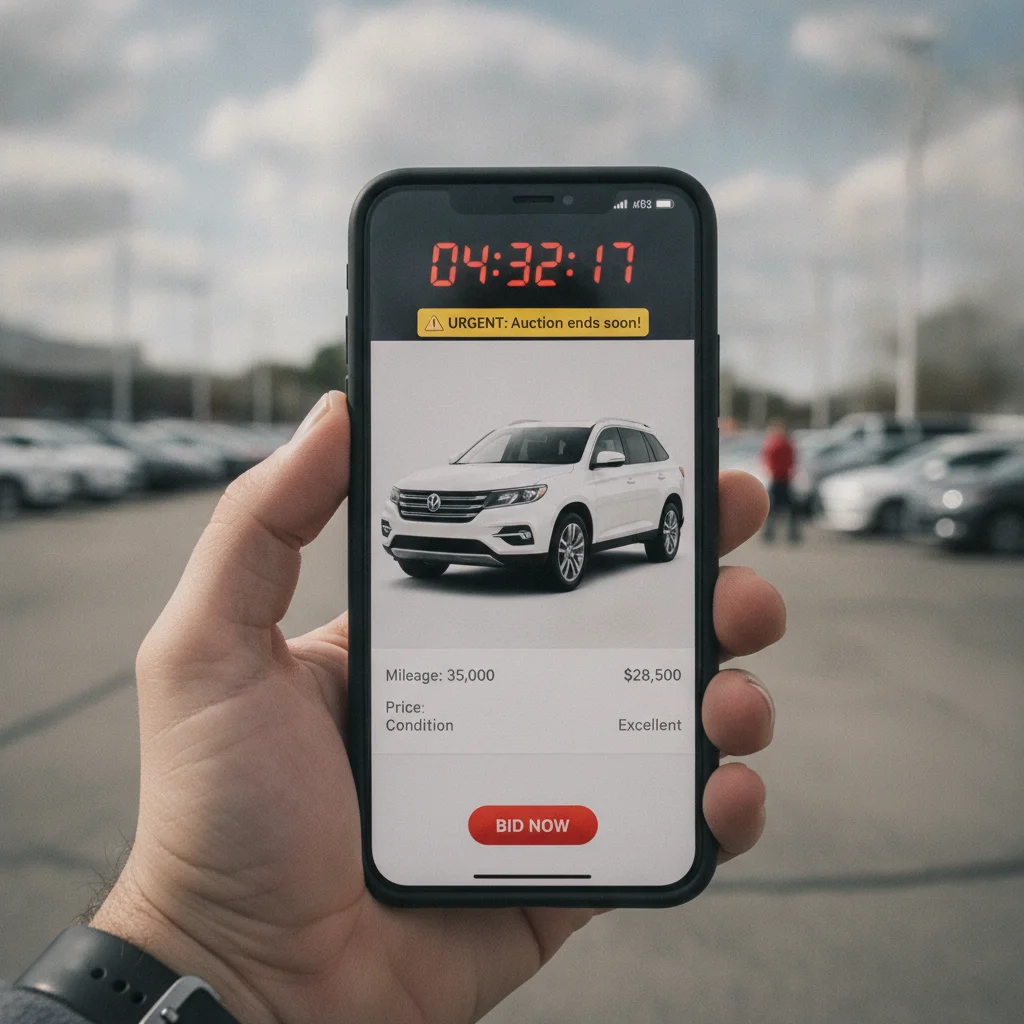
Specific Tactics to Watch For
- "We have another buyer coming in tomorrow"
- May be true, may not be. Either way, a good car at a fair price is replaceable. A bad purchase is not easily undone.
- Bundled "protection" packages at delivery
- Extended warranties, paint protection film, GAP insurance — these are often pitched at delivery when you're emotionally committed. Research them independently before signing, not in the finance office.
- "Our return policy covers you"
- Return policies on remote purchases often have narrow windows (3–7 days), mileage caps (usually 200–400 miles), and condition requirements that can disqualify a return if you've driven the car at all. Read the fine print before treating a return policy as a substitute for a test drive.
- The "as-is" used vehicle online listing
- "As-is" means exactly that. No legal recourse for mechanical failures discovered after purchase. These listings require a PPI even more urgently — not less.
For buyers on the other side of the transaction — those selling privately and managing test drive requests from strangers — our guides on seller safety before test drives and handling test drive requests safely are worth reading for perspective on how both sides of this transaction work.
The Bottom Line: What the Test Drive Actually Costs You to Skip
The test drive isn't a formality. It's the moment where the abstract becomes concrete — where price, specs, and reviews meet your actual body and your actual commute. Skipping it to save a few hours of inconvenience is a trade that regularly costs buyers thousands of dollars in unwanted repairs, resale losses on a car they never bonded with, or the grinding frustration of five years in a vehicle that was never quite right.
If you're in the market right now, visit our Test Drives & Inspections hub for a complete framework covering everything from how to schedule a drive to what to evaluate while you're behind the wheel.
The best deal isn't the one that closed fastest. It's the one you're still happy with three years from now. Take the drive.

All claims are backed by peer-reviewed research. Sources on request.