Key Takeaways
The Block-Loop Trap: Why Short Drives Mislead Buyers
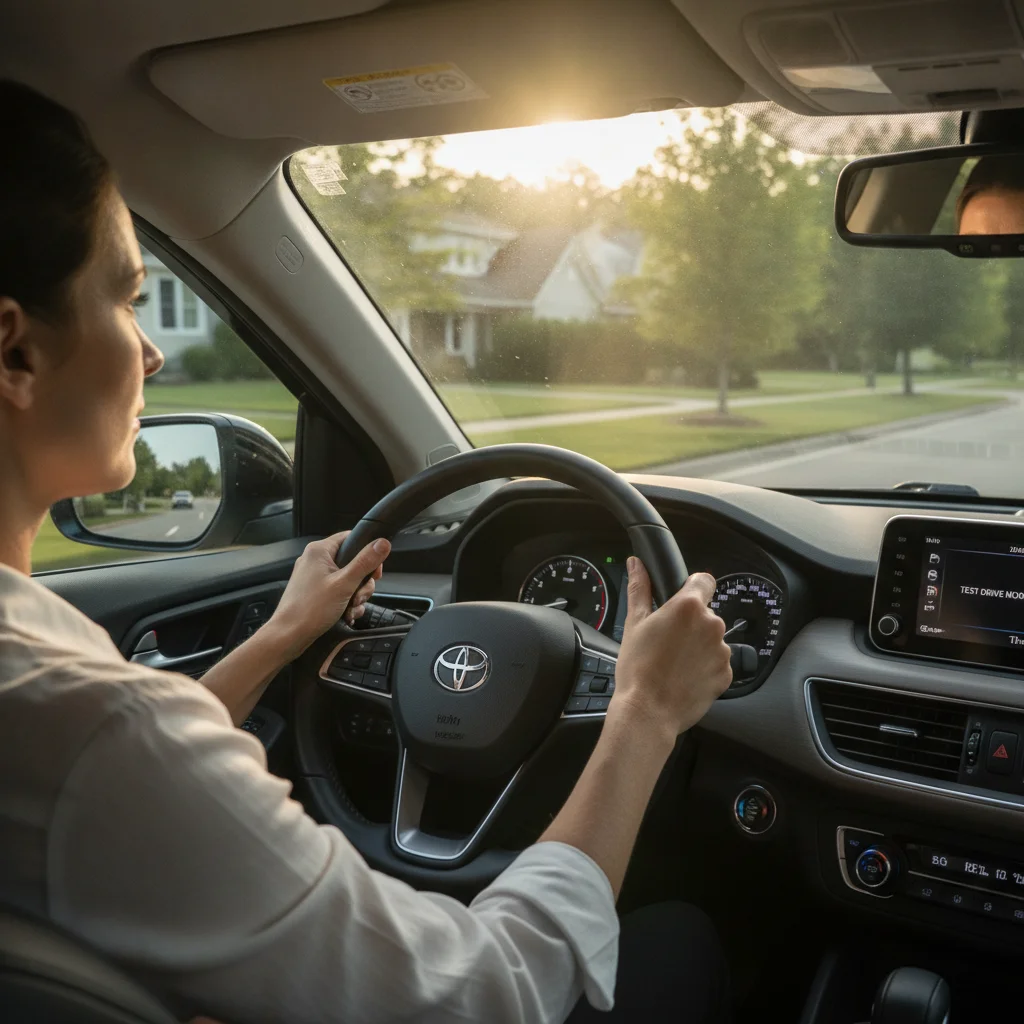
Here's what a typical dealership test drive looks like: a salesperson hands you the keys, rides shotgun, and guides you around a pre-mapped 10-minute neighborhood loop. You check that the AC works, confirm the seats aren't broken, and make a right back into the lot. Deal done — or nearly.
The problem is that 10 minutes on quiet streets filters out almost everything that matters mechanically. Transmission hesitation shows up under load, not at 25 mph on a flat road. Brake fade requires sustained, repeated stops. Highway wind noise only appears above 60 mph. Suspension clunks need rough pavement. If your test route avoids all of that, you're essentially buying the car blind.
This isn't a fringe risk. It's the most common and costly mistake used car buyers make — and it happens not because buyers are careless, but because the standard test drive format is optimized for the dealership's schedule, not your due diligence. Understanding exactly what a short drive hides, and knowing what a proper drive looks like, can save you thousands in post-purchase repairs.
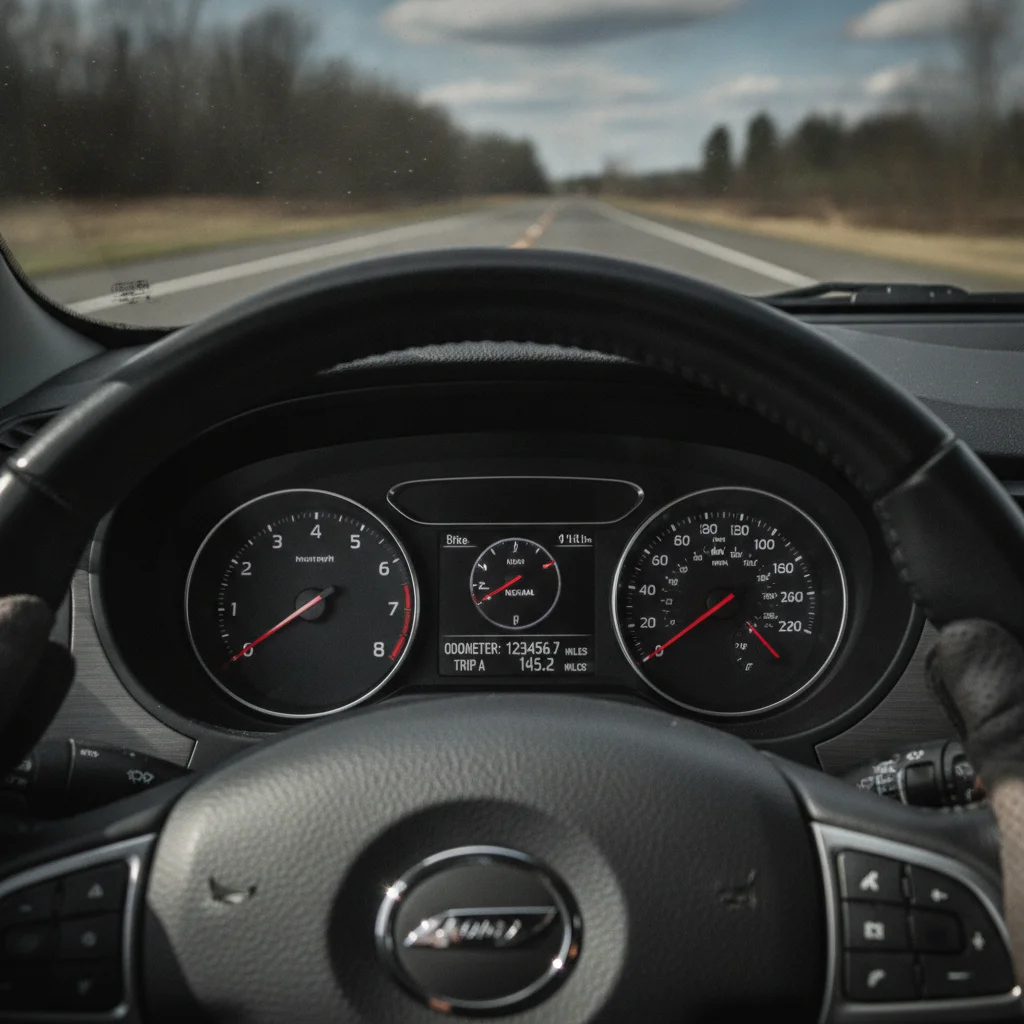
For a full breakdown of what to actively listen and feel for once you're behind the wheel, see our guide to test drive tactics. This article focuses on what goes wrong before you even get to that evaluation stage.
The Most Common Test Drive Mistakes — and How to Fix Them
Each mistake below represents a specific failure mode that costs buyers real money. Some are about what you do before the drive, some during, and some about where you drive. All of them are avoidable once you know to look for them.
Sticking to a short neighborhood loop at low speed.
Why it happens: Dealers often suggest a pre-planned route to keep things quick. Buyers, not wanting to seem difficult, follow along.
Letting the salesperson dominate the conversation during the drive.
Why it happens: Sales training encourages conversation to build rapport — and incidentally to fill the silence your ears need to detect problems.
Skipping the cold start by arriving after the dealer has already warmed up the vehicle.
Why it happens: Dealerships routinely pre-warm cars before test drives — it's standard practice. Buyers rarely think to request otherwise.
Never testing the brakes with real force.
Why it happens: Drivers instinctively brake gently in an unfamiliar vehicle and in traffic. Hard braking feels aggressive, so buyers skip it.
Ignoring the transmission under load by never accelerating hard.
Why it happens: Buyers worry about being rough on a car that isn't theirs, and dealers sometimes subtly discourage aggressive driving.
Not testing at highway speeds for sustained wind and tire noise.
Why it happens: Many dealership test loops don't include a highway segment. Buyers don't push for one.
Skipping the post-drive sit to listen for shutdown sounds.
Why it happens: Once parked, buyers are mentally transitioning to price negotiation and miss the last 60 seconds of diagnostic information.
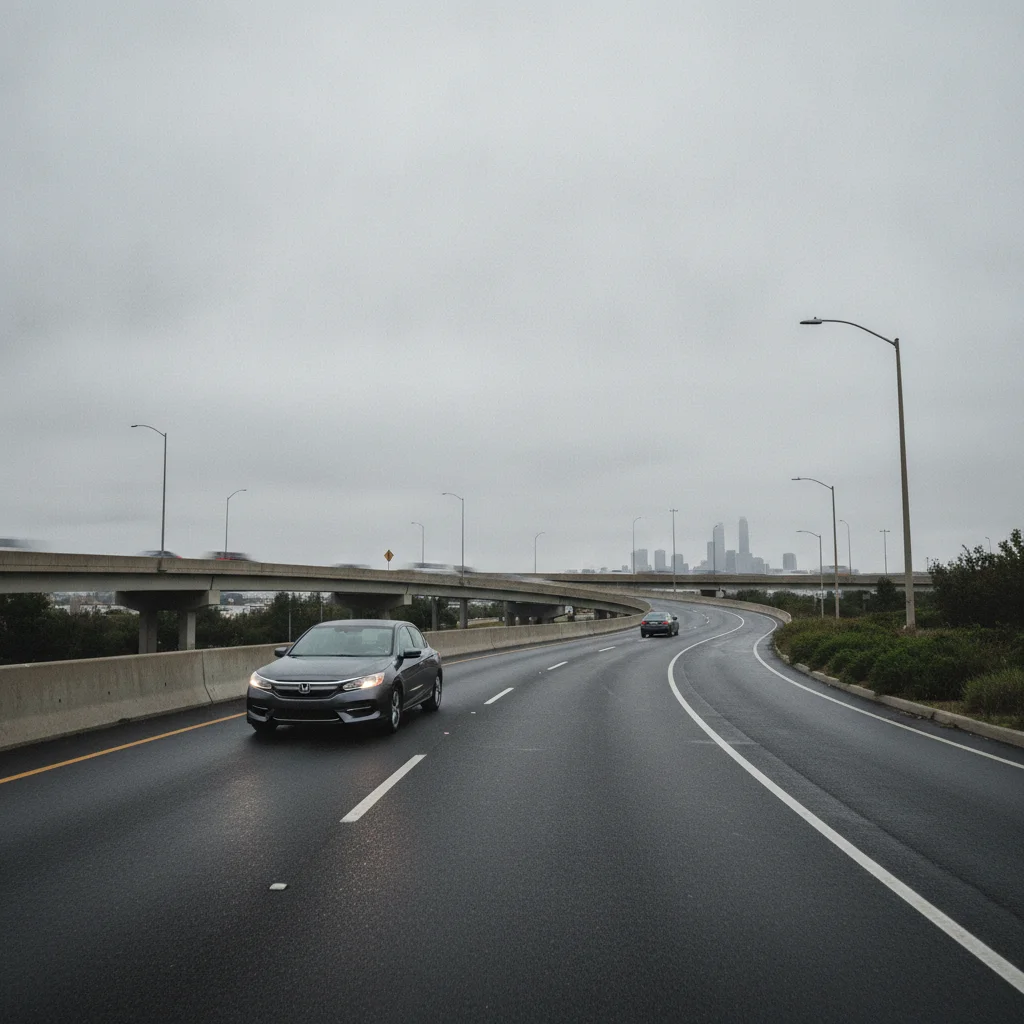
Route design is one of the most overlooked elements of any test drive. If you want to go deeper on building a route that covers all the conditions a car will actually face, our article on test driving in different conditions lays out exactly how to do it.
Never Let the Dealer Dictate Your Route
A pre-planned dealership loop is designed for convenience — theirs, not yours. If a salesperson insists on a specific short route or seems uncomfortable when you request a highway segment, that resistance itself is a signal worth noting. You're evaluating a purchase that may cost $15,000–$40,000. A 30-minute drive is a completely reasonable request.
Skipping the Drive on "Clean" Carfax Reports
A clean vehicle history report does not mean a mechanically sound car. Unreported accidents, gradual mechanical wear, and deferred maintenance leave no Carfax trace. The test drive is your only direct window into how the car actually behaves — no document replaces it.
Rushing Because You've Already Fallen in Love With the Car
Emotional attachment to a specific vehicle is the single biggest driver of rushed, incomplete test drives. If you've decided you want the car before you've tested it properly, you've lost your leverage and your objectivity. Force yourself through every step of the checklist regardless of how much you like what you see.
What a Proper Test Drive Actually Covers
A complete test drive isn't about driving longer just for the sake of it. It's about deliberately hitting conditions that expose different failure modes. Here's a practical route structure that works in most markets:
- Cold start: Arrive early, before the dealer has warmed up the car. Listen for rough idle, ticking, or smoke during the first 60–90 seconds.
- Slow urban driving: Low-speed turns, stop signs, and parking lot maneuvers reveal steering feel, turning radius, and suspension clunks over bumps and dips.
- Hard acceleration from a stop: Merge onto a main road aggressively. This is where transmission hesitation, torque steer, and drivetrain vibration appear.
- Highway segment (minimum 5 miles): Sustained 65–75 mph reveals wind noise, tire hum, steering wander, and whether the engine runs smoothly under cruising load.
- Hard braking from 60 mph: Find a safe stretch and do a firm, controlled stop from highway speed. Check for pull, vibration through the pedal, or excessive stopping distance.
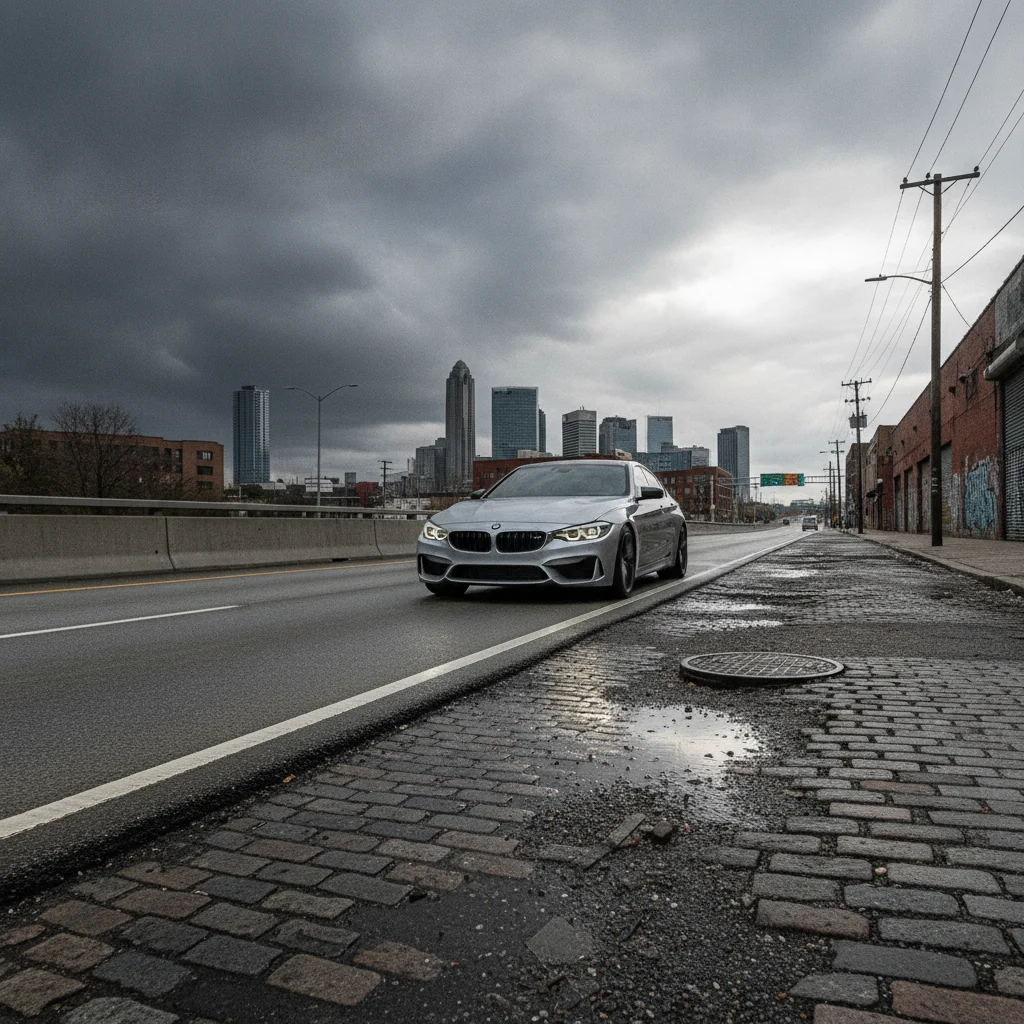
- Rough road or side street: Seek out a patchy surface. Loose rattles, clunking suspension, and worn bushings come alive here.
- Engine off, sit quietly: After parking, turn off the engine and radio. Listen for ticking, bubbling from the coolant, or any sounds that continue after shutdown.
This full sequence typically takes 25–35 minutes. Any dealer who won't allow it is a red flag in itself.
$3,500+
Average automatic transmission repair cost
According to RepairPal data, automatic transmission rebuilds typically run $2,500–$5,000 depending on vehicle make and model.
30 min
Recommended minimum test drive length
Consumer Reports recommends at least 30 minutes to adequately evaluate a used vehicle across varied driving conditions.
$150
Typical pre-purchase inspection cost
Independent mechanic PPIs generally run $100–$200 — a small fraction of what a missed defect can cost after purchase.
1 in 3
Used car buyers who skip highway speeds
Informal surveys by automotive consumer sites suggest a significant share of buyers never take a test vehicle above 45 mph.
For buyers specifically evaluating the braking system, our detailed brake performance evaluation guide covers pedal travel, fade, vibration, and pull in precise terms.
Always Pair the Test Drive With a Mechanic Inspection
A thorough test drive surfaces symptoms. A pre-purchase inspection identifies causes. These two steps are complementary, not interchangeable. Before committing to any used vehicle — especially a private party sale — invest $100–$200 in a PPI at an independent shop. If a seller refuses to allow a mechanic inspection, walk away immediately. That refusal tells you everything you need to know.
Transmission and Powertrain: The Most Expensive Things to Miss
Transmission repairs are among the costliest fixes on any used vehicle — frequently $2,000–$5,000 or more. Yet they're the component most often overlooked on a short test drive, because their symptoms require specific conditions to surface.
Hesitation on acceleration (the car pausing a beat before power arrives) is most noticeable when pulling onto a highway or overtaking. A brief neighborhood loop at low speed won't trigger it. Harsh shifts between gears often appear only after the transmission fluid warms up — meaning the first few minutes of a cold drive won't reveal them. Shuddering under light throttle, common in CVTs and older automatics, typically appears only at steady-state highway speeds.
Transmission behavior during a test drive is nuanced enough that it warrants its own evaluation checklist — one that distinguishes normal adaptive shifting from early failure signs. Read that guide before testing any vehicle with more than 60,000 miles.
The same applies to AWD and 4WD systems. Worn transfer cases and differentials often only bind or shudder during tight low-speed turns — exactly the kind of parking lot maneuvering most buyers rush through. Slow, full-lock turns in both directions are a must if you're buying a truck or SUV.
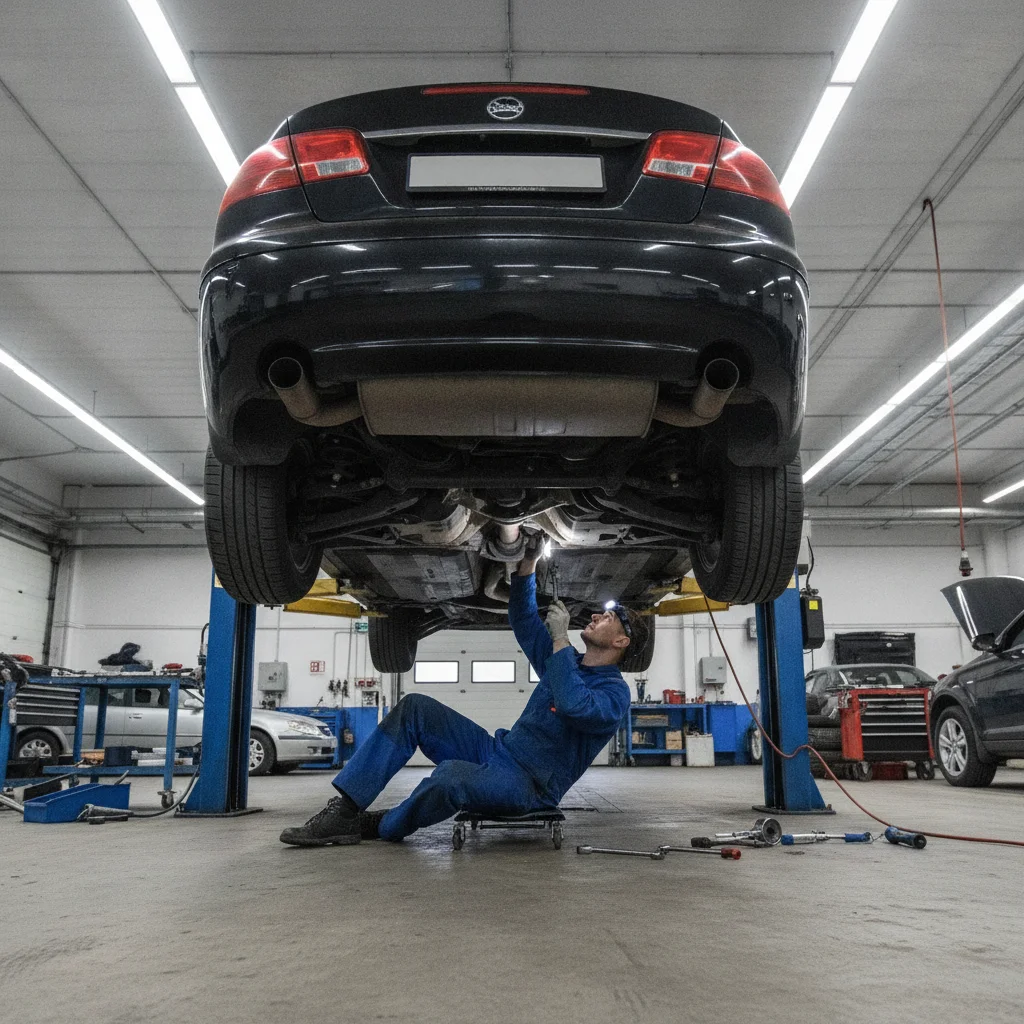
Before You Drive: Setting Yourself Up for an Honest Evaluation
The quality of a test drive is partly determined before you turn the key. A few steps taken before you even sit in the driver's seat dramatically improve what you'll detect during the drive.
Request a Cold Start
Ask the dealer not to warm up the vehicle before your arrival. Cold starts reveal oil consumption smoke, rough idle, and startup noises that disappear once the engine reaches operating temperature. Most dealers pre-warm cars as a matter of habit — sometimes to hide exactly these issues. Insisting on a cold start is a reasonable, normal request.
Walk the Lot First
Before the drive, check the tires for uneven wear patterns (a sign of alignment or suspension issues), look underneath for fresh oil or fluid stains, and check that all four tires are the same brand and model. Mismatched tires suggest deferred maintenance and can indicate a prior accident.
Silence Everything
Before pulling out of the lot, turn the radio off and ask the salesperson to hold questions until you're parked again. You need your ears free. Confirm that the AC, heat, and fan are set to a level that won't mask mechanical sounds.
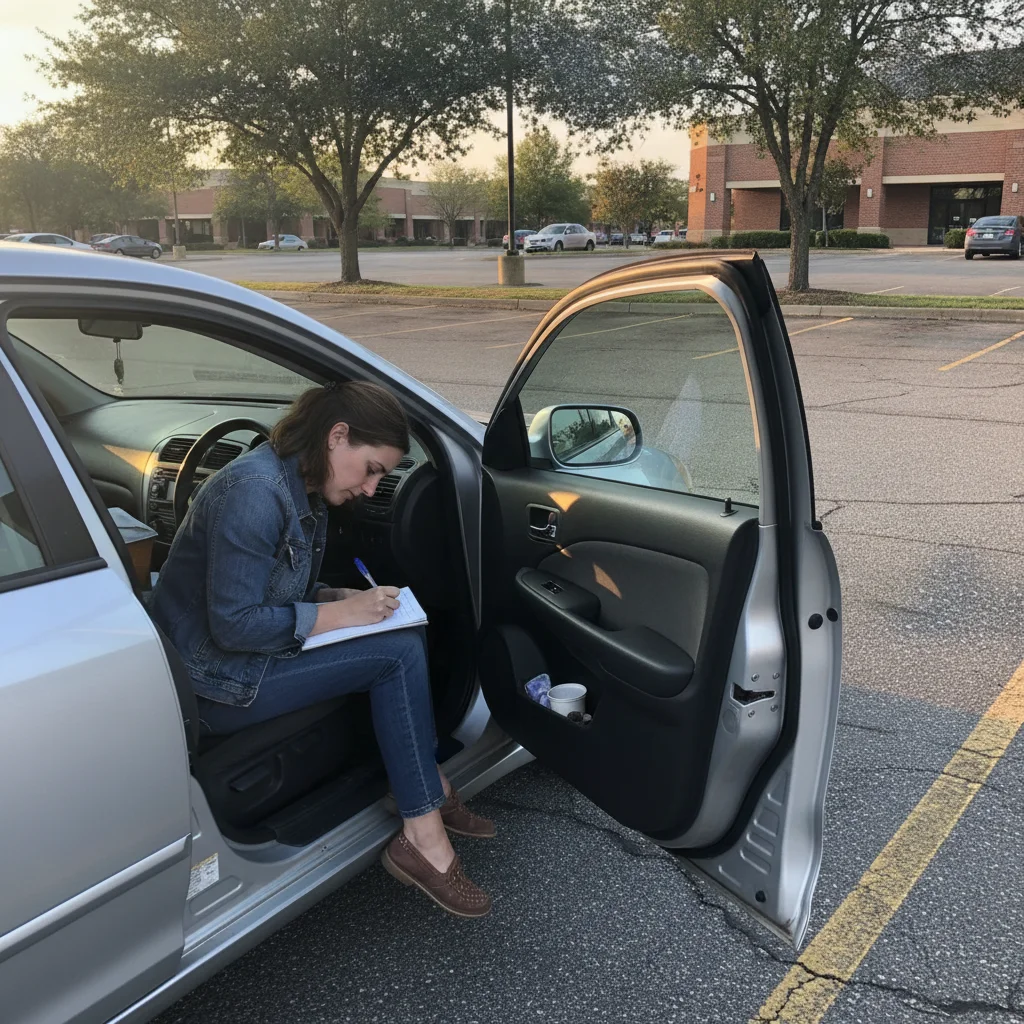
Bring a Notepad or Use Your Phone
You will forget details. After the drive, take 3–5 minutes to jot down anything that felt unusual — even minor things like a slight vibration at idle or a soft brake pedal. These observations matter during negotiation and when discussing the vehicle with a mechanic.
If you're going into your first test drive ever, our first-time buyer test drive guide gives you a prioritized checklist of what matters most when everything feels overwhelming.
And if you're tempted to skip the test drive entirely for an online purchase, read this first: why skipping the test drive could cost you more than you think. The convenience of digital car buying has real mechanical blind spots.
After the Drive: What to Do With What You Found
Even a thorough test drive has limits — it won't tell you about hidden rust, previous flood damage, or a tampered odometer. That's why the test drive should always be paired with a pre-purchase inspection (PPI) from an independent mechanic, ideally before you've agreed to a price.
A PPI typically costs $100–$200 and can surface issues worth ten times that in repair costs. For used vehicles, particularly those outside a certified pre-owned program, this is non-negotiable. Anything flagged during your test drive — a shimmy at highway speed, a soft brake pedal, transmission hesitation — gives the mechanic specific things to verify on the lift.
Use what you find to negotiate, not just to walk away. If the brakes need replacement, that's a $300–$600 deduction you can ask for at signing. If tires are worn unevenly and need alignment work plus replacement rubber, quote that number and subtract it from the asking price. Dealers expect some back-and-forth; a well-documented list of findings gives you legitimate leverage.
The used car buying hub covers the full evaluation and purchase process, from sourcing vehicles to final paperwork — worth reviewing before you start shopping if you haven't already.
And keep monitoring after purchase. If the car develops warning signs — new noises, dashboard alerts, fluid leaks — in the first few weeks, the warning signs resource hub can help you identify what you're dealing with before a small issue becomes a large repair bill.

All claims are backed by peer-reviewed research. Sources on request.