Key Takeaways
Why You Need an Independent Inspection
Most buyers spend more time researching a $50 appliance than a $15,000 car. That imbalance costs people real money. The average used car transaction involves at least one hidden issue the buyer discovers only after driving home — and by then, the seller is long gone and the money is spent.
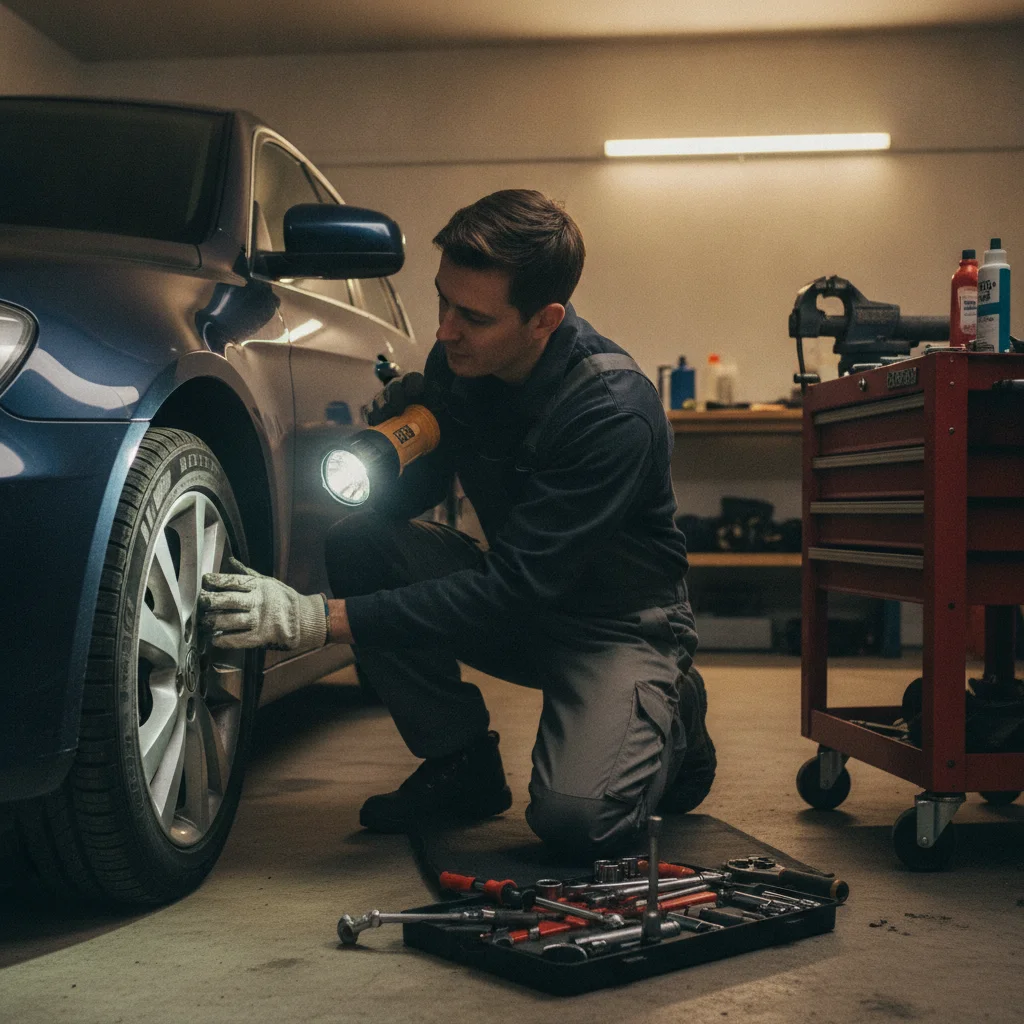
A third-party mechanic inspection — sometimes called a pre-purchase inspection (PPI) — puts a qualified, disinterested professional under the car before you commit. They are not trying to sell you anything. They are not emotionally attached to the vehicle. Their only job is to tell you what's wrong and roughly what it will cost to fix it.
For $100–$200, that's a remarkably good deal. For context: a single overlooked head gasket failure can run $1,500–$3,000. Timing chain replacement on some engines exceeds $2,500. A corroded frame that disqualifies the car from financing or resale can make a "deal" a total loss. These are not rare scenarios. They happen to buyers who skip the inspection every single day.
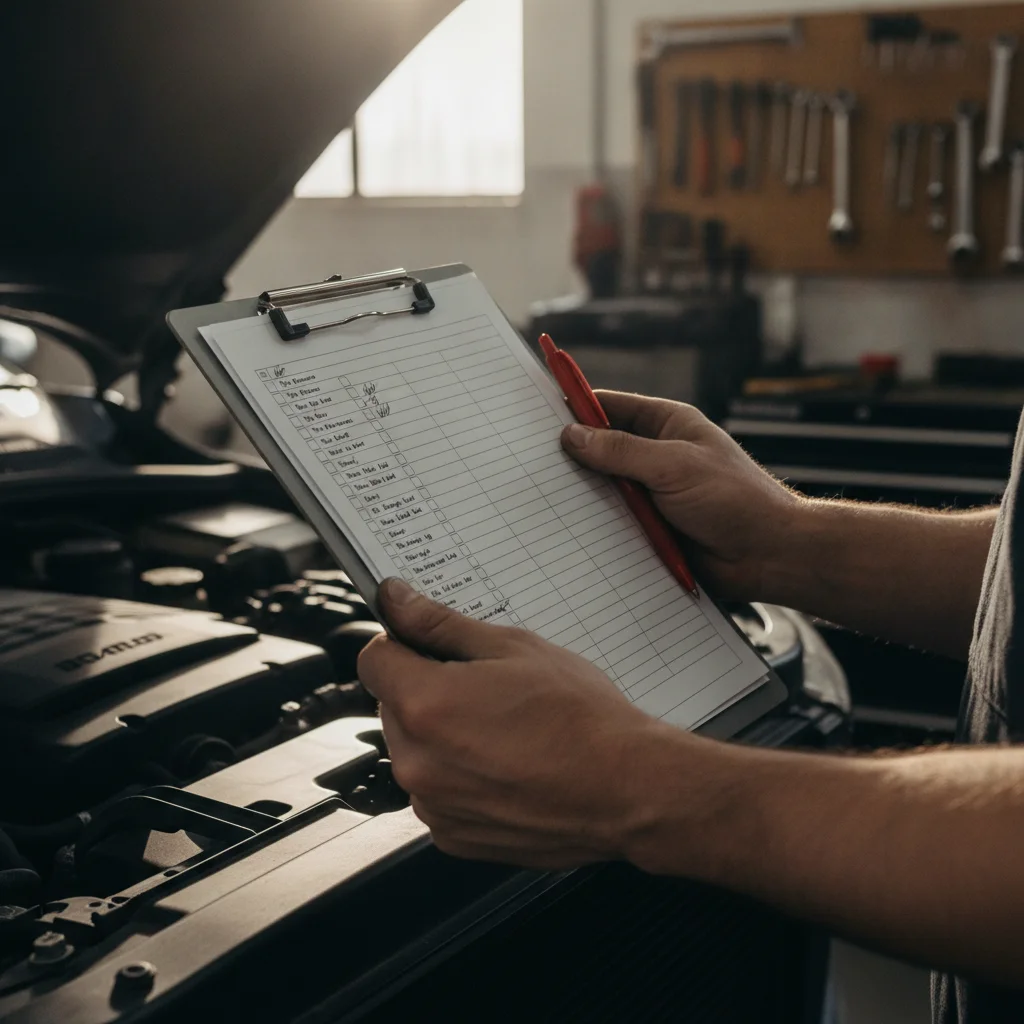
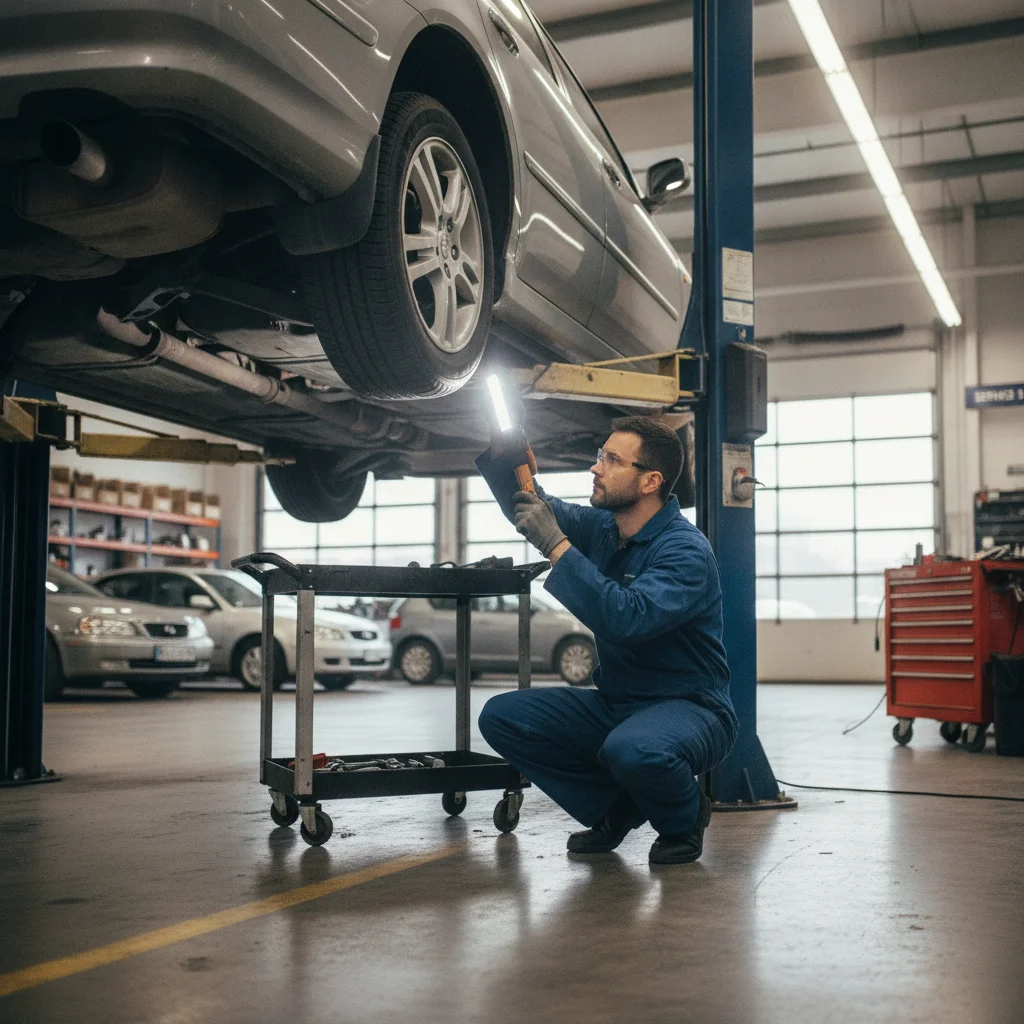
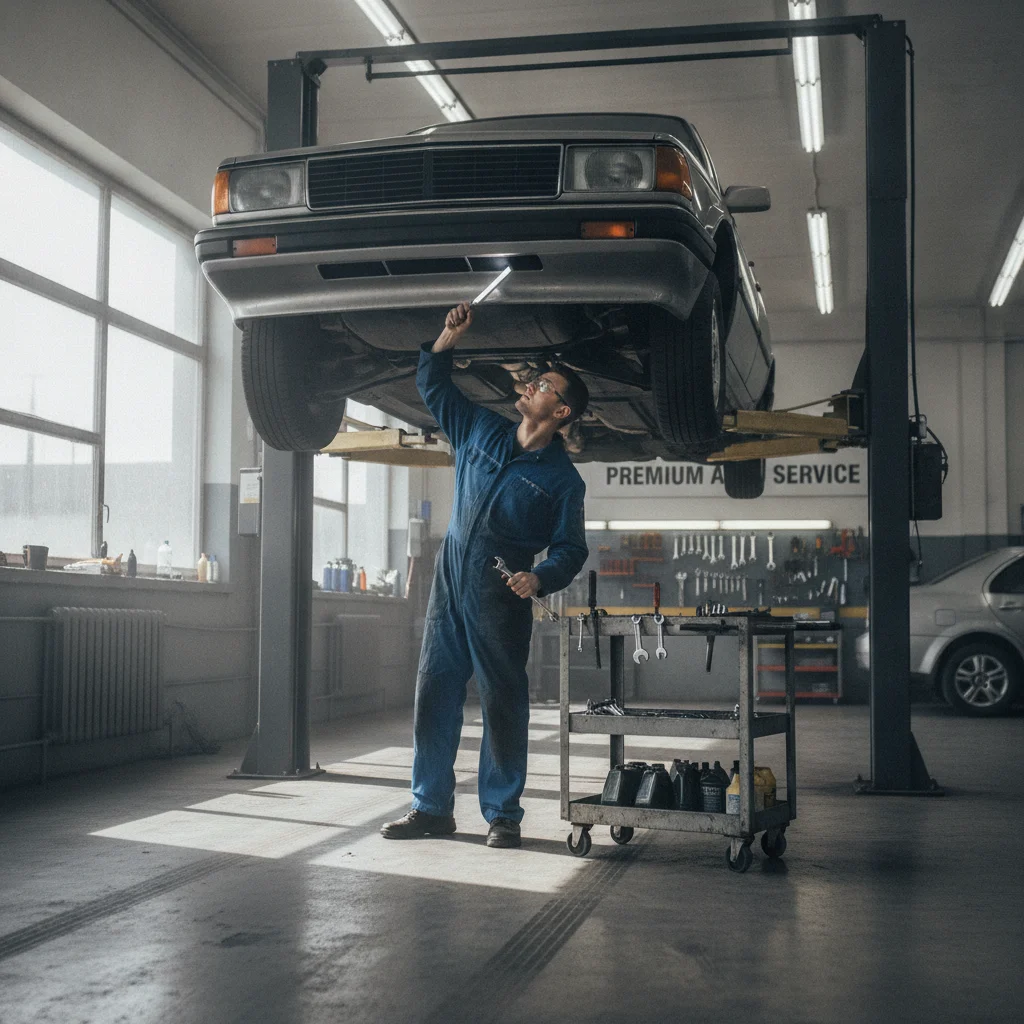
A dealer-ordered inspection or a carfax report is not the same thing. Vehicle history reports only capture what was officially reported — accidents, title transfers, major recalls. They don't tell you the transmission is slipping, the CV axles are cracked, or that three of the four brake calipers need replacement. Only a mechanic with the car on a lift can see those things.
If you want to do your own walkthrough first, the early warning signs checklist covers what you can spot yourself — but it's a complement to a professional inspection, not a substitute. And for a deep dive into exactly what a qualified mechanic checks during a formal PPI, see what mechanics check and why it matters.
What You Need Before You Start
Before you contact a mechanic or ask the seller for an inspection, get these basics squared away. Jumping ahead without them wastes everyone's time.
What you will need
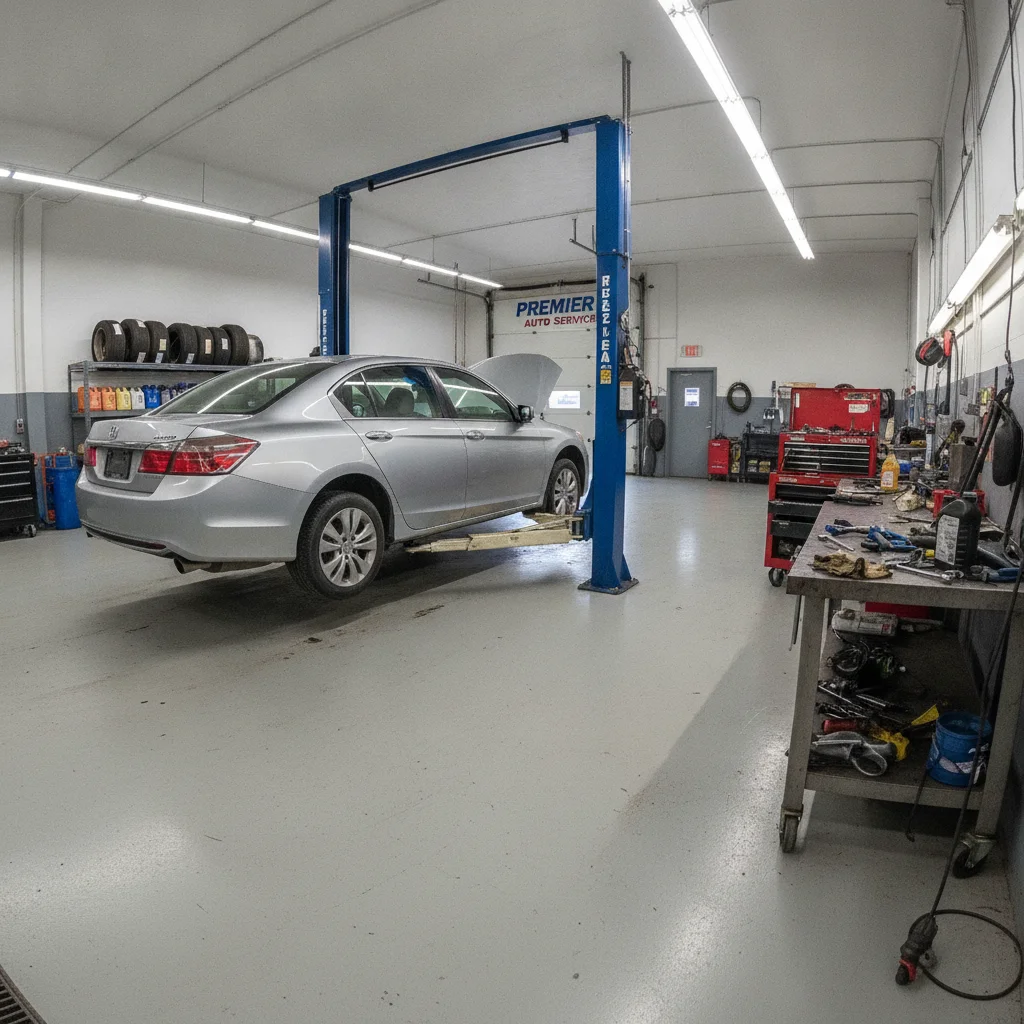
One item worth flagging: when you negotiate the inspection appointment with the seller, be explicit that this is a condition of purchase — not a formality after you've agreed to buy. Keep the deal contingent on a satisfactory inspection outcome. Don't let a pushy seller flip the sequence on you.
Never Pay a Deposit Before the Inspection
Some sellers — particularly at high-volume used car lots — will pressure you to leave a deposit to "hold" the vehicle while the inspection is arranged. Resist this unless the deposit is fully refundable in writing if you choose not to proceed. A non-refundable deposit before an inspection gives you no exit if the car fails.
Watch for Inspection Interference
Occasionally a seller will ask to be present during the inspection and attempt to influence the mechanic's findings or hover over conversations. A legitimate mechanic will proceed professionally regardless, but if a seller becomes disruptive, that behavior tells you something important about what they may be trying to conceal.
Step-by-Step: Arranging the Inspection
The process is straightforward once you know the sequence. Follow these steps in order — skipping ahead or doing them out of sequence is where buyers create problems for themselves.
Get the seller's agreement upfront
Before you spend a dollar or an hour on logistics, confirm the seller will allow a third-party inspection. Ask directly: "I'd like to have an independent mechanic inspect the vehicle before I commit. Is that acceptable to you?"
A motivated, honest seller will say yes without hesitation. Some will ask if they need to do anything — they don't, other than making the car available at the scheduled time. Note the response carefully. Reluctance, deflection, or refusal is a signal worth taking seriously.
Find a qualified, independent mechanic
You have three practical options for finding an inspector:
- Local independent shop near the vehicle's location: Search for ASE-certified shops (ase.com lets you verify certifications). Call ahead, explain you need a pre-purchase inspection on a vehicle you don't yet own, and ask if they handle PPIs regularly. A shop that does them regularly will have a clear price and process.
- Mobile mechanic services: Services like Wrench or YourMechanic send a mechanic to the vehicle's location. Convenient for private party sales where moving the car to a shop may be complicated. Pricing is comparable to shop-based inspections.
- Manufacturer dealer (for same-brand vehicles only): A Toyota dealer inspecting a Toyota, for example, has brand-specific diagnostic tools and access to technical service bulletins. This is a reasonable option if the car is still under a transferable warranty, but note the conflict of interest — a dealer may upsell services.
Avoid using any shop the seller recommends. The inspector must have no financial relationship with the seller.
Schedule the appointment and coordinate logistics
Once you've selected a mechanic, coordinate three-way timing: the seller's availability, the mechanic's schedule, and your own if you plan to attend.
For a shop-based inspection, the seller will need to drive or arrange transport of the vehicle to the shop. Confirm the seller is comfortable doing this and that the shop's address is practical for them. For a mobile mechanic, confirm a suitable location — typically the seller's driveway or a large flat parking area.
Get a written confirmation from the shop: appointment date and time, estimated duration (usually 60–90 minutes), inspection scope, and total cost. Ask whether they'll provide a written report and how quickly after the inspection.
Share the vehicle history report with the mechanic
If you've already pulled a Carfax or AutoCheck report, send it to the inspector before the appointment. A reported accident, salvage title flag, or odometer discrepancy should prompt the mechanic to look more closely at specific areas — frame rails, panel gaps, airbag deployment indicators, and odometer unit consistency.
Also share the VIN so the mechanic can look up any open recalls and relevant technical service bulletins (TSBs) that might indicate known failure points on this specific year, make, and model.
Attend the inspection and ask questions
If logistics allow, show up. A good mechanic will talk through what they're seeing as they go. When the car is on the lift, ask them to point out anything unusual — you don't need to understand every component, but seeing a cracked CV boot or a weeping rear main seal in person gives you a clearer picture of severity than a line item in a report.
Specific questions worth asking during the inspection:
- Is this a safety issue or a maintenance issue?
- How soon does this need to be addressed?
- What's a realistic repair cost at an independent shop (not a dealer)?
- Does anything here suggest prior accident damage that wasn't disclosed?
- Is the overall mechanical condition consistent with the mileage and age?
Get the written report before leaving
Don't accept a verbal summary as your final deliverable. Ask for a written report — either printed or emailed — before the inspection is considered complete. The report should document every finding, note the component affected, and ideally include a severity rating and estimated repair cost.
This document serves two purposes: it's your decision-making tool for whether to buy, and it's your negotiating evidence if you decide to proceed but want a price adjustment. A verbal "yeah there are a few things" from the mechanic carries zero weight in a negotiation. A written itemized report with dollar estimates does.
Once the inspection is complete and you have the written report in hand, you're in a strong position to either finalize the purchase with confidence or use the findings to negotiate. See how to negotiate using inspection findings for the right way to frame repair costs without overplaying your hand.
If you're buying a car remotely — from an online listing in another city or state — the logistics differ somewhat. The remote vehicle inspection guide walks through how to line up a third-party inspector when you can't be physically present.
Tools and Resources You'll Use
You don't need much to arrange an inspection, but the right resources make it faster and more reliable.
ASE-Certified Independent Mechanic
Performs the physical inspection of the vehicle and produces the written findings report.
Vehicle History Report (Carfax or AutoCheck)
Provides the mechanic with background on reported accidents, title issues, and odometer readings to focus the inspection.
OBD-II Scanner
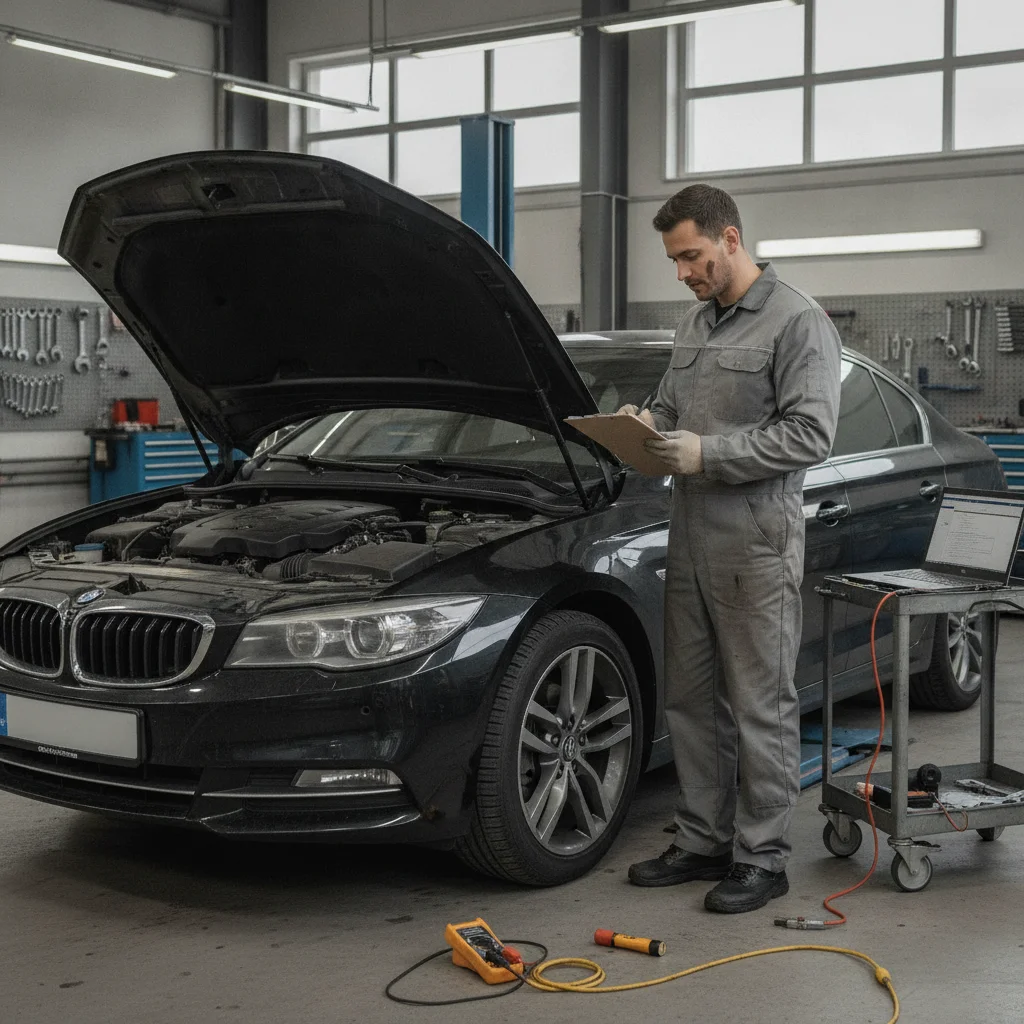
Reads stored trouble codes and pending fault codes from the vehicle's computer — most shops include this in a PPI.
Mobile Mechanic Service (e.g., Wrench, YourMechanic)
Brings the inspection to the vehicle's location — useful for private party sales where transporting to a shop is inconvenient.
Camera or Smartphone
Capture photos of flagged components during the inspection for reference in negotiations or future repair planning.
Repair Cost Reference (e.g., RepairPal, Kelley Blue Book Repair Estimator)
Cross-check mechanic estimates against regional market rates to contextualize findings in negotiation.
Reading the Report and Making Your Decision
When you receive the written inspection report, don't just scan for a pass/fail verdict — most good inspectors don't give one. Instead, you'll get an itemized list of findings, typically organized by severity: items needing immediate attention, items to monitor, and items that are normal wear for the vehicle's age and mileage.
Here's how to interpret what you're reading:
- Safety-critical failures (bad brake components, cracked steering parts, frame damage, bald tires): These are non-negotiables. Either the seller fixes them before sale, the price drops enough to cover repairs, or you walk.
- High-cost deferred maintenance (timing belt due, transmission fluid never changed, coolant flush overdue): Factor these into your total cost of ownership immediately. A $12,000 car needing $1,800 in immediate service is a $13,800 car.
- Normal wear items (minor oil seepage, surface rust on rotors, cracked weatherstripping): These are expected at higher mileage. Use them minimally in negotiation — pushing hard on routine wear reads as inexperienced.
- Unknown or flagged items: If the mechanic flags something but can't fully diagnose without additional teardown, ask for a rough cost estimate and factor in the uncertainty as risk.
Once you've categorized the findings, add up the legitimate repair costs. If the total is less than 5% of the asking price, the car may still be worth buying at the current price or with a modest discount. If it's 10% or more, you have meaningful negotiating ground — or a reason to reconsider entirely.
Use Repair Estimates to Anchor Negotiation
When presenting inspection findings to a seller, quote repair costs from RepairPal or a similar estimator for independent shops — not dealer rates. Dealer labor rates can be 30–50% higher than independent shops, and using inflated numbers makes your ask seem unreasonable. Credible, market-rate estimates are far more persuasive.
Best Time to Schedule Is Midweek
Independent shops are typically less booked Tuesday through Thursday. Scheduling midweek usually gets you a faster appointment slot and more unhurried inspector attention than a Friday afternoon squeeze-in. Avoid scheduling the inspection the same day you plan to complete the purchase — give yourself at least 24 hours to review the report.
Don't Skip Inspections on Low-Mileage Cars
Low mileage does not mean low risk. A car driven 4,000 miles per year for ten years has likely sat for long stretches — which causes dry-rotted belts, corroded brake hardware, degraded seals, and moisture-related electrical issues. A mechanic who knows this will check accordingly; a buyer who skips the inspection because "it's only got 40k miles" is making a classic mistake.
For a structured approach to the full pre-purchase evaluation — including what to check yourself before and after the mechanic visit — the complete pre-purchase vehicle inspection checklist gives you a point-by-point framework covering exterior, interior, engine, and undercarriage.
Walk Away From Inspection Refusals
No legitimate private party seller or dealer should refuse a pre-purchase inspection on a vehicle they're confident in. If a seller declines, stalls indefinitely, imposes unreasonable conditions, or says the car is "too popular to wait" — treat it as a disqualifying red flag. There is no car so good that it justifies skipping the one tool designed to protect you from a costly mistake.
Salvage and Rebuilt Title Vehicles Need Extra Scrutiny
If the vehicle history report or seller discloses a salvage or rebuilt title, a standard PPI is not enough. Ask the mechanic specifically to assess structural integrity, airbag system status, and quality of any visible repair work. Rebuilt title vehicles can be roadworthy, but the risk profile is meaningfully higher, and financing and insurance may be restricted or denied entirely.
Common Mistakes Buyers Make With Inspections
Even buyers who know to get an inspection sometimes undermine themselves with avoidable errors. Here are the most common ones and how to sidestep them.
- Booking the inspector without telling the seller
- Always confirm the seller is available and cooperative before scheduling. A no-show wastes the inspector's time and your booking fee.
- Letting the seller choose the shop
- You choose the mechanic, not the seller. If a seller insists on a specific shop, that's a yellow flag — possibly red. Independent means independent.
- Skipping the inspection on "certified" used cars
- Certified Pre-Owned (CPO) programs vary widely in what they actually cover. A CPO designation from a manufacturer is more reliable than a dealer's self-certified label, but even manufacturer CPO vehicles can carry undisclosed issues. An independent inspection adds a verification layer that no certification program fully replaces.
- Not attending the inspection in person
- If you can be there, be there. The mechanic can walk you through findings in real time, point to specific components, and give you a clearer sense of severity than any written report captures. Ask questions. Take photos.
- Treating the report as a negotiation weapon rather than information
- Every finding is information first. Make decisions based on total cost and risk, not on how many problems you can list to pressure the seller. Overplaying minor findings often derails deals that were otherwise worth completing.
If you're preparing to sell a vehicle rather than buy one, it's worth knowing that which pre-sale repairs and detailing steps deliver the best ROI can address some of what an inspection would flag — giving you a cleaner report and stronger negotiating position from the seller's side.

All claims are backed by peer-reviewed research. Sources on request.