Key Takeaways
Why Inspection Findings Change the Negotiation Dynamic
Getting an independent pre-purchase inspection (PPI) is one of the smartest moves a used car buyer can make. But most buyers waste the advantage it creates. They either ignore the findings entirely, or they walk into the seller's driveway waving a list of every scratch and squeaky belt as if the car should be free.
The inspection report isn't a weapon — it's evidence. How you present that evidence determines whether you walk away with a fair price adjustment or an annoyed seller who digs in on asking price.
The dynamic shifts because a PPI moves the negotiation from opinion to fact. Before the inspection, a seller can say "the car runs great" and a buyer can say "I'm not sure." After a documented inspection, the conversation is about specific findings with documented repair costs. That's a stronger position — but only if you handle it methodically.
For broader context on used car negotiation tactics beyond the inspection, see Negotiating a Used Car Price: Tactics That Actually Hold Up.
Before You Negotiate: Do the Homework First
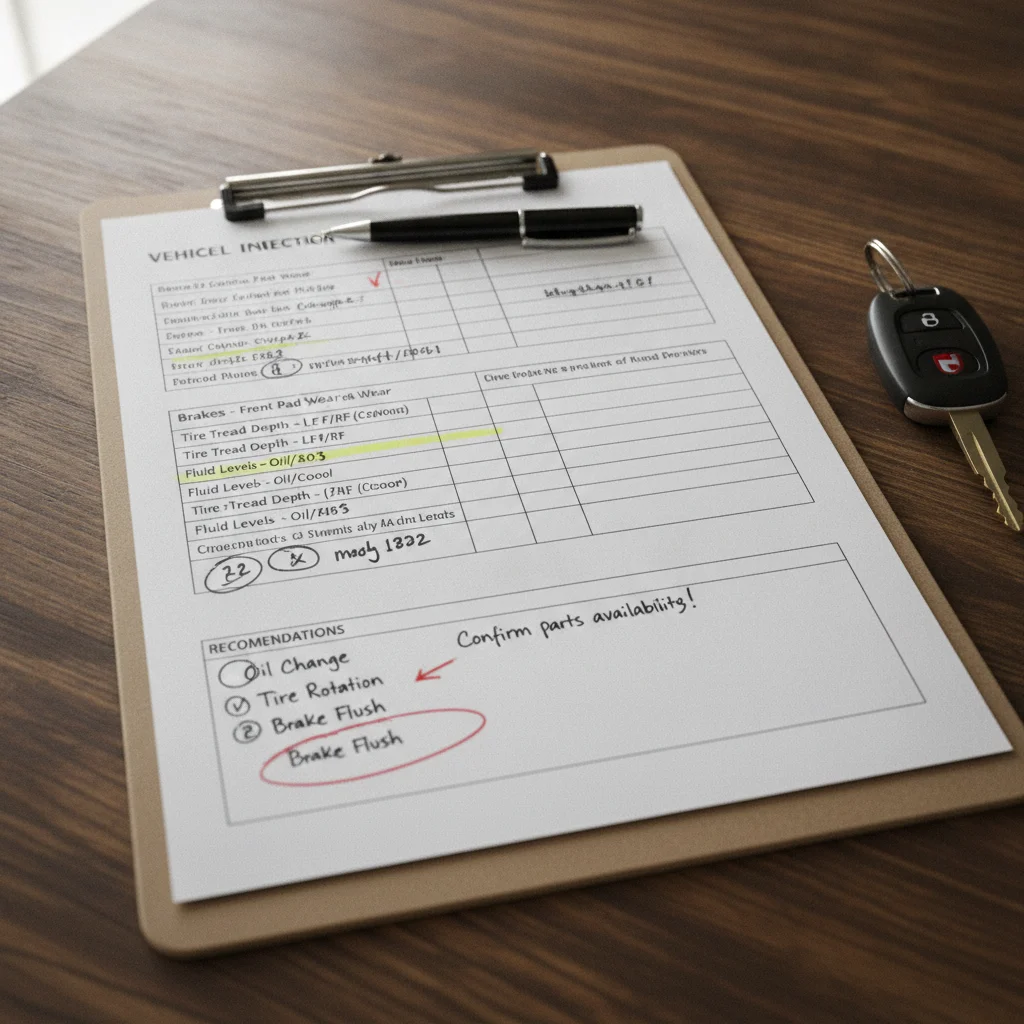
You cannot walk into a post-inspection negotiation without preparation. Showing up with a vague sense that "some stuff needs fixing" is almost as weak as showing up with nothing. Here's what you need to have ready before you say a word about price.
Get at least one written repair estimate for every significant finding before you talk price.
Vague claims about "potential issues" are easy for sellers to dismiss. A written estimate from a shop turns a concern into a documented cost the seller has to address logically, not emotionally. It also shows you've done the work — you're a serious buyer, not a tire-kicker trying to talk the price down.
Triage your findings into three buckets: deal-breakers, price-adjusters, and accept-and-move-on.
Presenting every finding as equally serious dilutes your credibility and exhausts the seller's patience. Keeping your negotiation focused on the two or three most costly items forces a real conversation about money rather than a defensive debate about minor wear.
Know your target price and walk-away price before making any post-inspection offer.
Without a pre-set floor, emotions take over — especially if you've already imagined driving this car home. A walk-away number forces discipline and prevents you from accepting a deal that only looks good compared to the asking price rather than actual market value.
Frame your post-inspection offer as a revised number, not a list of deductions.
Line-item negotiations invite line-item rebuttals. The seller starts debating each repair cost individually, and the conversation becomes a battle of estimates rather than a deal. A single revised offer is clean, professional, and easier to say yes to.
Let the seller respond before you say anything after making your offer.
Buyers undercut their own offers by filling the silence immediately after naming a number. Silence feels uncomfortable, but it shifts pressure to the seller. Speaking first after an offer usually results in you talking yourself up before they've even said no.
If repairs are part of the agreement, document them in writing before closing the transaction.
Verbal agreements about repairs evaporate quickly. Once money changes hands, sellers have little incentive to honor commitments made during negotiation. A short written addendum protects both parties and prevents costly disputes.
One note worth flagging: not every inspection finding is your problem to solve. Some sellers price their cars to reflect known issues — they've already baked in a discount. If the asking price is already well below market, your inspection findings may carry less weight than you expect. Run the math both ways before deciding how hard to push.
When the Price Already Reflects the Condition
Some sellers price aggressively below market specifically because they know the car has issues. In those cases, your inspection findings confirm what's already priced in — and pushing for further reductions may be unreasonable. Compare the asking price to actual market comps at the condition level the inspection reveals before deciding how hard to push. If the price is already fair given the condition, your leverage is limited.
Dealer Repairs vs. Price Reductions: Know the Difference
When buying from a dealer, you may be offered a repair rather than a discount. A dealer performing the repair in-house costs them less than giving you cash off — but it may also be more convenient than managing repairs yourself. Ask for a loaner or written confirmation of the repair before you agree. Get the specific work order in writing, not just a verbal promise from the salesperson.
How to Present Findings Without Torpedoing the Deal
Delivery matters as much as the substance. Sellers — especially private party sellers — have emotional attachment to their vehicles. Framing your findings as a list of accusations puts them on the defensive. Instead, position yourself as a reasonable buyer trying to make the numbers work.

Stick to a simple structure: acknowledge something positive about the car, present the significant findings calmly, state the documented repair costs, and make a specific revised offer. Don't editorialize. Don't say the car is "falling apart" or that the inspector was "shocked." Let the numbers speak.
“The goal of negotiation is not to win an argument — it's to reach an agreement both parties can live with. Evidence changes minds; pressure just creates resistance.”
— Roger Fisher, Co-author of 'Getting to Yes' and negotiation researcher at Harvard Law School
When dealing with a dealer rather than a private seller, the conversation is more transactional and less emotional — but dealers are also more experienced at deflecting inspection-based price requests. They may offer a complimentary repair rather than a straight discount. Know in advance which you prefer. For strategies specific to that context, the Dealer Negotiation hub covers those dynamics in depth.
For private seller situations, the approach is more personal. Negotiating With Private Buyers Without Leaving Money on the Table offers the seller's perspective — understanding it makes you a more effective buyer.
Lead With Your Best Finding, Not All of Them
If your inspection turned up five issues, open the negotiation with the one or two that cost the most to fix. Save the smaller items as fallback points if the seller won't move enough on the big ones. Burying your strongest argument in a list of minor complaints is a classic rookie mistake. Lead with impact.
Walking Away Keeps Your Credibility Intact
If the deal doesn't work at your walk-away number, leave gracefully. Sellers sometimes come back within 48–72 hours once they've had time to think. If you've stormed off or made it personal, that callback never comes. A clean exit is also a negotiating tool.
Prioritizing Findings: What Moves the Price, What Doesn't
Not all inspection findings are equal negotiating leverage. Knowing which findings justify a price reduction — and which ones to leave off the table — keeps you credible and focused.
88%
Used cars with at least one defect found at PPI
According to a multi-year analysis by Lemon Squad, roughly 88% of pre-purchase inspections reveal at least one repair need, with an average of 3–4 issues per vehicle.
$500–$1,500
Average repair cost range discovered in PPIs
Industry data from independent inspection services suggests the most common significant findings — brakes, tires, and fluid services — cluster in this cost range on vehicles 5–10 years old.
50–70%
Reasonable discount relative to repair estimate
Experienced buyer-side negotiators consistently recommend requesting 50–70% of documented repair costs as a price adjustment rather than the full amount.
High-leverage findings: Safety systems (brakes, tires, suspension), drivetrain issues (transmission, differential, CV joints), and anything requiring immediate repair to make the car roadworthy. These are non-negotiable from a safety standpoint and easy to justify requesting a discount for.
Medium-leverage findings: Deferred maintenance that will become expensive soon — timing belt/chain near service interval, aged coolant, worn spark plugs. These are real costs coming at the buyer, even if the car runs fine today.
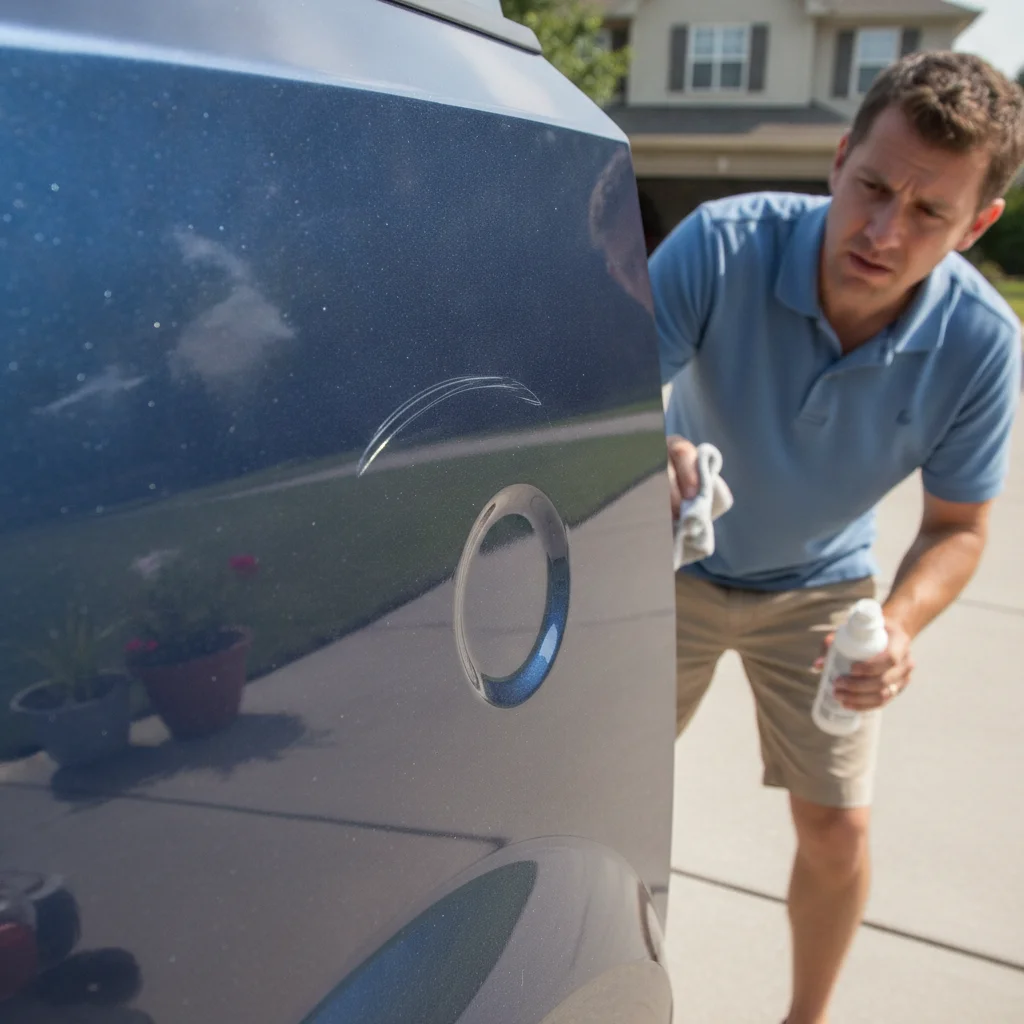
Low-leverage findings: Cosmetic damage — chips, dings, worn interior surfaces. Most sellers have already priced these in, or expect buyers to accept them at a car's age and mileage. Pushing hard on cosmetics burns goodwill you need for mechanical issues. See Why Buyers Negotiate Hard on Cosmetic Flaws for an inside look at how sellers think about this.
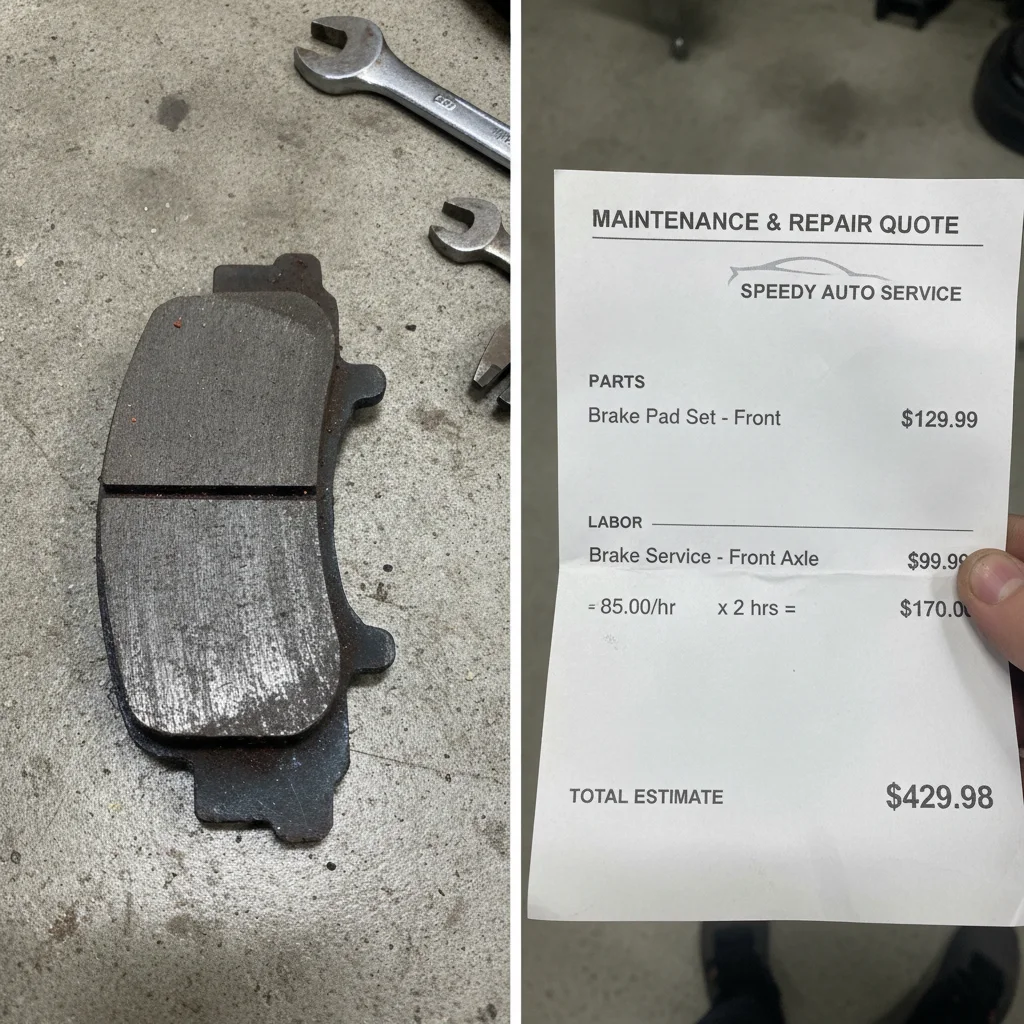
Zero-leverage findings: Normal wear items that are within spec, or conditions typical for the car's age and mileage. Mentioning these destroys your credibility for the findings that actually matter.
The Numbers: How Much to Ask For
This is where most buyers either leave money on the table or blow up the deal. There's a rough rule of thumb that holds up in practice: ask for 50–70% of documented repair costs as a price reduction. Not 100%. Here's why.
Asking for a dollar-for-dollar reduction on every repair assumes the car has zero value as-is and that the repairs will cost exactly what the estimate says. Sellers know neither is true. A reasonable discount acknowledges that the car still has value and that repair costs involve some uncertainty.
Example: Your inspector finds the rear brakes need replacement (estimated $350) and the car is due for a timing belt service (estimated $600). Total documented cost: $950. A reasonable ask is $500–$650 off the asking price. That's a concrete, defensible number based on real estimates — not a round figure you invented.
If you have multiple findings, prioritize them and present one consolidated number rather than itemizing every repair. A single revised offer is easier for a seller to respond to than a line-item debate. Come in with your number, explain what it's based on, and let there be silence. Don't fill it.
Knowing When to Walk Away
Some inspection results don't lead to a negotiation — they lead to a decision to pass. If the inspector finds evidence of major structural damage, prior flood history, or a rebuilt title that wasn't disclosed, that's not a discount situation. That's a deal-breaker. The seller either didn't know (which is concerning on its own) or withheld it (which is worse).
Set your walk-away criteria before you go in. Know the maximum you're willing to pay after accounting for inspection findings, and know the categories of problems that end the deal regardless of price. Structural issues, undisclosed salvage titles, and evidence of odometer fraud are common examples. These aren't negotiating points — they're exit criteria.

If you do walk away, do it cleanly. Thank the seller, explain briefly that the inspection findings put the car outside your budget or risk tolerance, and leave. Don't burn bridges with a lecture — used car communities in any region are smaller than you think, and you may cross paths with this seller again.
Lead With Your Best Finding, Not All of Them
If your inspection turned up five issues, open the negotiation with the one or two that cost the most to fix. Save the smaller items as fallback points if the seller won't move enough on the big ones. Burying your strongest argument in a list of minor complaints is a classic rookie mistake. Lead with impact.
Walking Away Keeps Your Credibility Intact
If the deal doesn't work at your walk-away number, leave gracefully. Sellers sometimes come back within 48–72 hours once they've had time to think. If you've stormed off or made it personal, that callback never comes. A clean exit is also a negotiating tool.
Putting It All Together
Post-inspection negotiation is a skill, not an instinct. Most buyers either skip the inspection entirely or don't know how to convert findings into leverage. The buyers who do it well follow a consistent process: get real repair estimates, triage the findings by significance, present calmly and specifically, ask for a reasonable portion of documented costs, and know when to walk.
One more thing worth noting: if you and the seller agree on a price adjustment but the seller intends to make repairs before closing, get that in writing. What they promise verbally before the deal can become a memory dispute after. If repairs are the agreed resolution, specify which items, verify the work was done, and re-inspect if necessary before handing over payment.
The inspection isn't the end of due diligence — it's the beginning of the final phase. Use it well, and you'll pay a fair price for a car you actually understand. For sellers reading this and wondering what prep work reduces this kind of buyer pushback, Detailing vs. Minor Repairs Before a Private Sale breaks down where prep dollars pay off most.

All claims are backed by peer-reviewed research. Sources on request.