Key Takeaways
Why a Remote Inspection Is Non-Negotiable
Buying a car you've never sat in — from a seller three states away — has become completely normal. Online platforms have widened your options dramatically. But wider options come with a specific risk that dealership buyers rarely face: you're committing real money to a machine you cannot see, smell, hear, or touch.
Photos lie. Listings omit. Even sellers who believe they're being honest may not know their car has a leaking differential or a frame that was quietly repaired after a collision. A seller's word is not due diligence — a mechanic's written report is.
The good news: you don't have to be in the same zip code as the car to get a professional set of eyes on it. The pre-purchase inspection (PPI) industry has adapted to the remote-buying world. Services operate in nearly every metro area in the country, and booking one typically takes less than 24 hours. See our guide to arranging a third-party mechanic inspection for the full case on why this $100–$200 spend is the highest-ROI step in any used car purchase.
For a remote purchase specifically, skipping the inspection is not a calculated risk — it's a gamble with the odds stacked against you. This guide walks you through every step of arranging one from a distance.
What You'll Need Before You Start
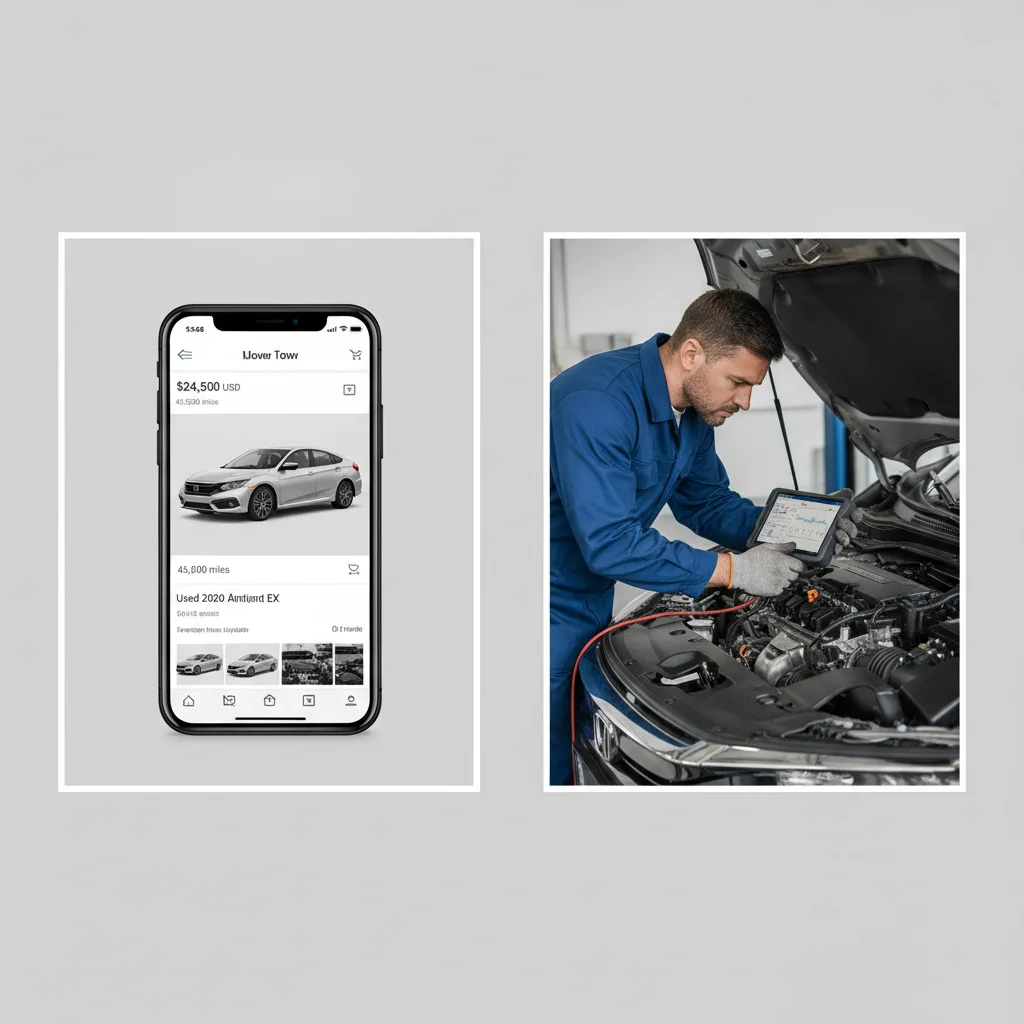
Before you can book an inspection, you need a few pieces of information from the seller and a clear picture of your own timeline. Gather everything below before you reach out to any inspection service.
What you will need
If the seller is vague about the car's location or won't give you a VIN before you commit to buying, treat that as a serious warning sign. Legitimate private sellers and dealers will hand over the VIN immediately — it's public information that benefits both parties. Run it through a vehicle history service before you even book the inspection. If the history report surfaces a salvage title, odometer rollback, or undisclosed accident, you may not need the inspection at all. Our guide to navigating remote listings covers how to vet listings before you get to this stage.
Choosing the Right Inspection Service
You have three main options for sourcing a remote pre-purchase inspection, each with different trade-offs on cost, coverage, and report quality.
Lemon Squad
National mobile inspection service that sends a certified inspector to the vehicle's location and delivers a digital report with photos.
CARCHEX
Provides tiered pre-purchase inspections nationwide through a network of ASE-certified technicians, with detailed written reports.
AAA Pre-Purchase Inspection
In-shop inspections at AAA-approved facilities; well-suited when the seller can bring the vehicle to a nearby AAA location.
Local independent mechanic
A vetted independent shop near the seller's location that can perform a pre-purchase inspection at competitive rates.
Carfax or AutoCheck report
Vehicle history report used to cross-reference the inspection findings against reported accidents, title events, and service records.
Google Maps or Yelp
Used to identify and vet highly rated independent mechanics near the vehicle's location when national services aren't preferred.

National mobile inspection companies like Lemon Squad and CARCHEX send a certified inspector directly to the vehicle — wherever it sits. They typically produce standardized digital reports with photos, condition ratings by system, and a pass/fail summary. Turnaround is often 24–48 hours. These services cost $150–$250 depending on the inspection tier you choose.
AAA-affiliated shops near the seller's location will inspect the vehicle if the seller brings it in or if you can arrange transport to the shop. AAA's inspection program is respected and thorough, and if you're a member, discounts often apply. The limitation: the car needs to come to them, which adds a negotiation step with the seller.
Independent local mechanics near the seller are the most flexible option. Search for shops with strong Google or Yelp reviews, call them directly, and ask if they perform pre-purchase inspections on vehicles they didn't sell or service. Many will. Rates vary widely — $75 to $175 is common — but you get a real conversation with the technician afterward.
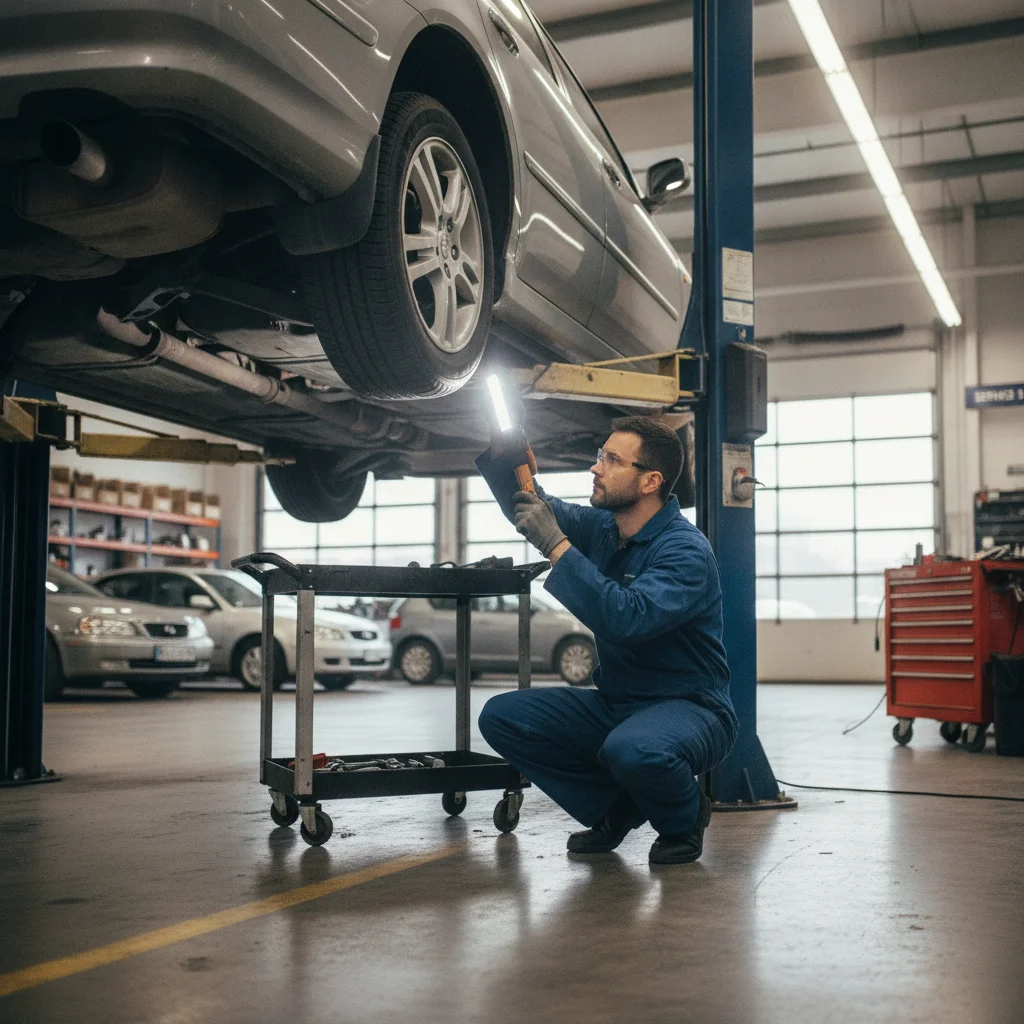
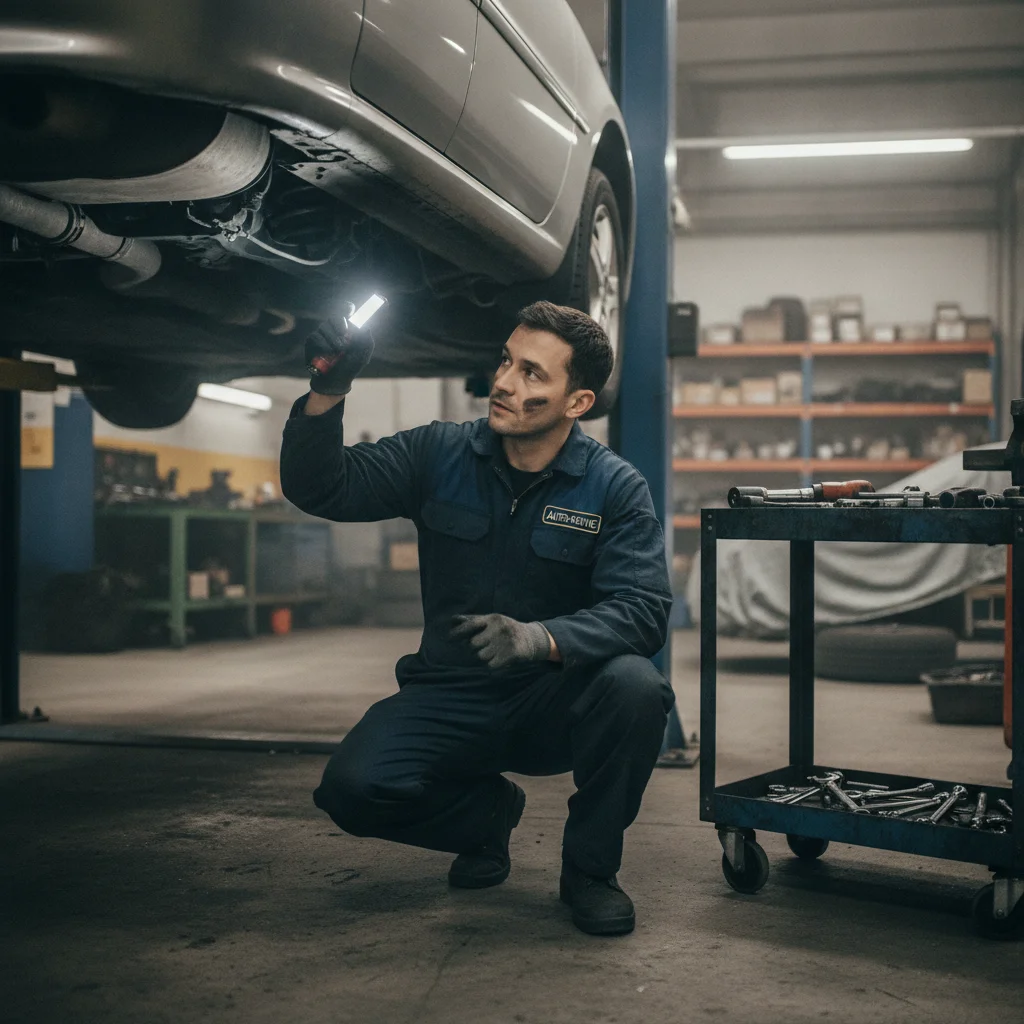
Whichever route you choose, confirm before booking that the inspector will produce a written report with photographs. A verbal summary over the phone is not enough documentation when you're negotiating price or walking away from a deal. For a detailed breakdown of what inspectors actually check under the hood and underneath the car, see what mechanics check during a pre-purchase inspection.
Book the Inspection Before Going Under Contract
On private-party sales, there's no formal contract stage — but on dealer or platform sales, avoid signing any purchase agreement that locks you in before an inspection is complete. Reputable platforms like Carvana and CarMax have return windows, but those aren't substitutes for knowing what you're buying upfront. Always sequence the inspection before any binding commitment.
Use the Inspector's Phone Number
After you receive your written report, call the inspector directly if the service allows it. Inspectors often notice things they soften in writing — a verbal conversation can surface concerns that are diplomatically worded in the report. Ask specifically: 'Would you buy this car at the asking price?' Most will give you an honest answer.
Combine Inspection With a Live Video Walkthrough
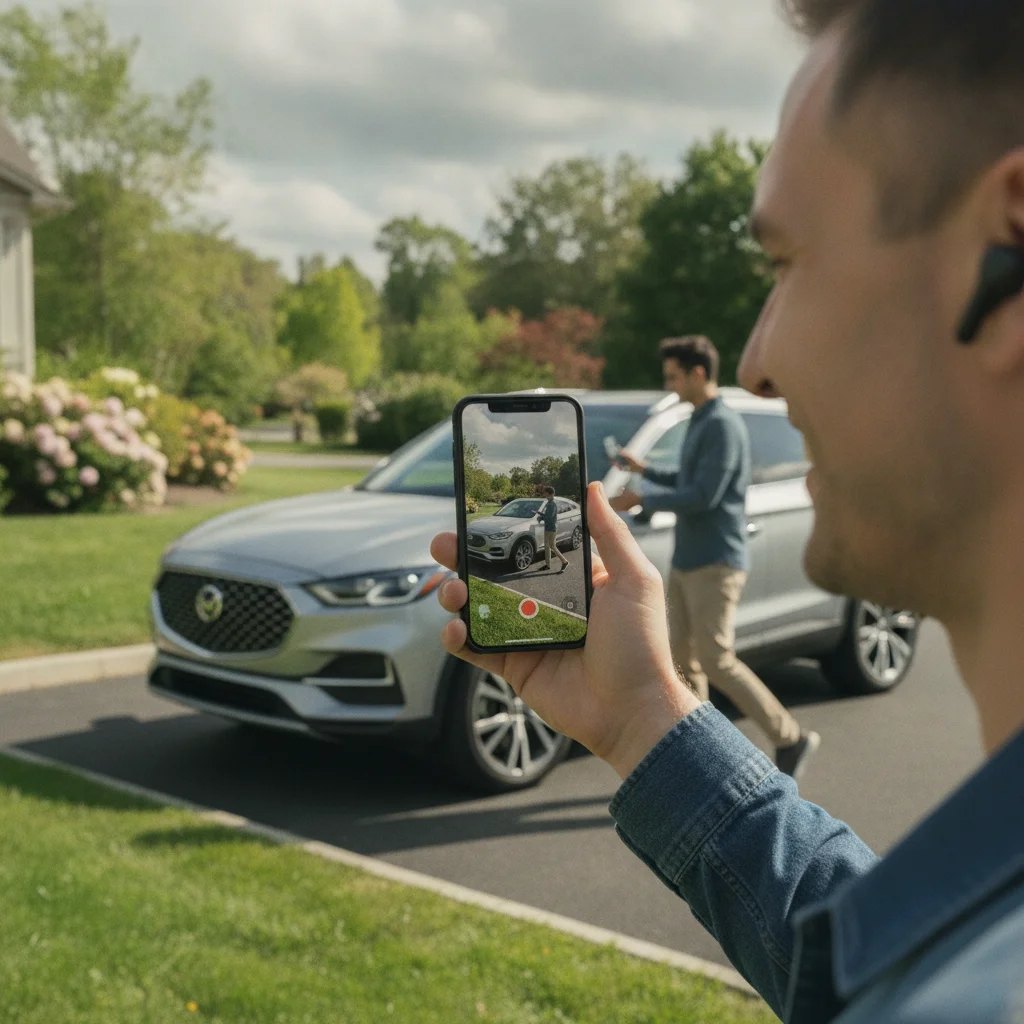
Ask the seller for a live FaceTime or video call walkthrough before or after the inspection. Have them start the engine cold, record the exhaust, and show you areas the photos didn't capture. This doesn't replace the mechanic's assessment but gives you additional visual context and reveals whether the seller is comfortable with transparency.
Step-by-Step: Arranging the Inspection
The process moves fast once both parties are on board. Work through these steps in order — don't skip the seller communication step, because inspections that get ambushed on the seller end often fall apart at the last minute.
Pull the Vehicle History Report First
Before spending money on an inspection, run the VIN through Carfax, AutoCheck, or the free NMVTIS database. Look specifically for: salvage or rebuilt titles, reported accidents with airbag deployment, odometer discrepancies, and title washes (a car registered across multiple states in rapid succession to obscure a branded title).
If the history report surfaces any of these issues, decide whether you want to proceed at all before booking an inspection. The $25–$45 report cost is a filter, not a substitute for mechanical due diligence — but it can save you the inspection fee entirely if the title situation is disqualifying.
Get the Seller's Agreement in Writing
Contact the seller — by text or email, not just verbally — and confirm they will allow a third-party inspector to examine the vehicle. Say it plainly: "Before I move forward, I'll need to have the car inspected by an independent mechanic. The inspection will take about an hour. Are you willing to allow that?"
Get a "yes" response in writing. This protects you if the seller later claims they never agreed, and it gives you documentation if the deal falls through due to seller obstruction. Also confirm the exact address where the vehicle is located — apartment complexes, storage units, and rural properties can all complicate inspector access.
Choose and Book Your Inspection Service
Select your inspection service based on the vehicle's location. For urban and suburban areas, national mobile services (Lemon Squad, CARCHEX) are fastest and most convenient. For rural areas, search Google Maps for "pre-purchase inspection" near the seller's zip code and call shops directly to confirm they offer the service.
When booking, provide:
- The vehicle's exact address
- The seller's name and contact number (the inspector will coordinate access)
- The VIN
- Your preferred inspection timeframe
- Your email address for the report
Pay for the inspection directly — never let the seller pay for or arrange the inspector. Independence is the entire point.
Confirm the Appointment Between Inspector and Seller
Most inspection services will contact the seller directly to coordinate the time. Follow up with the seller yourself to confirm they received the call and that the appointment is confirmed. Remote deals can stall or fall apart at this step if the seller goes cold — check in 12–24 hours after the booking.
If the seller suddenly becomes unavailable, starts stalling, or claims the car isn't accessible, consider that a strong signal that something is wrong. Motivated, honest sellers make themselves available.
Review the Full Written Report Before Responding
When the report arrives — typically within a few hours of the inspection completing — read every section before you respond to the seller or the platform. Don't skim to the summary rating. Dig into:
- Structural and frame condition
- Engine and transmission notes
- Brake system measurements (pad thickness, rotor condition)
- Suspension wear indicators
- Fluid conditions and visible leaks
- Tire tread depth and even wear across all four tires
- Interior and electrical system status
- Evidence of paint overspray, panel gaps, or repaired body work
If the inspector noted anything you don't understand, call the service and ask for a verbal walkthrough. A good inspection company will spend 10–15 minutes on the phone with you.
Negotiate Based on Repair Costs, Then Decide
If the report surfaces issues, get repair estimates from a local shop before you counter-offer. Real numbers are more persuasive than vague "the inspection found some problems" framing. Present your counter as: the inspection identified repairs costing approximately $X, so you're adjusting your offer accordingly.
If the car is clean or has only minor items, proceed with confidence — you've done what most buyers skip. If the issues are severe, walk away. Your inspection fee bought you certainty, and certainty is worth more than any deal that moves fast and asks you to trust.
Never Wire Money Before Receiving the Report
Remote vehicle scams almost always involve urgency pressure around payment. A common pattern: a listing that looks underpriced, a seller who agrees to everything quickly, and then a request for a wire transfer or Zelle payment 'to hold the car' before the inspection is complete. Wire transfers are irreversible. Do not send any funds — deposit, hold fee, or full payment — until the inspection report is in your hands and you've decided to proceed.
Seller Refusal Is a Deal-Breaker
If a seller refuses to allow a third-party inspection under any framing, walk away from the deal entirely. There is no legitimate reason for an honest seller to block an independent inspection. Any excuse — 'I've had too many flaky buyers,' 'I don't have time,' 'the car speaks for itself' — is not a reason, it's a deflection. Your job is to protect yourself, not to close any particular deal.
Reading the Report and Negotiating with the Findings
When the inspection report lands in your inbox, read it carefully before you respond to the seller with anything. Inspect every line — not just the summary. A report that says "minor issues noted" in the headline but lists a cracked CV boot, worn brake pads, a battery near end of life, and evidence of a repainted quarter panel in the detail rows is not a clean bill of health.
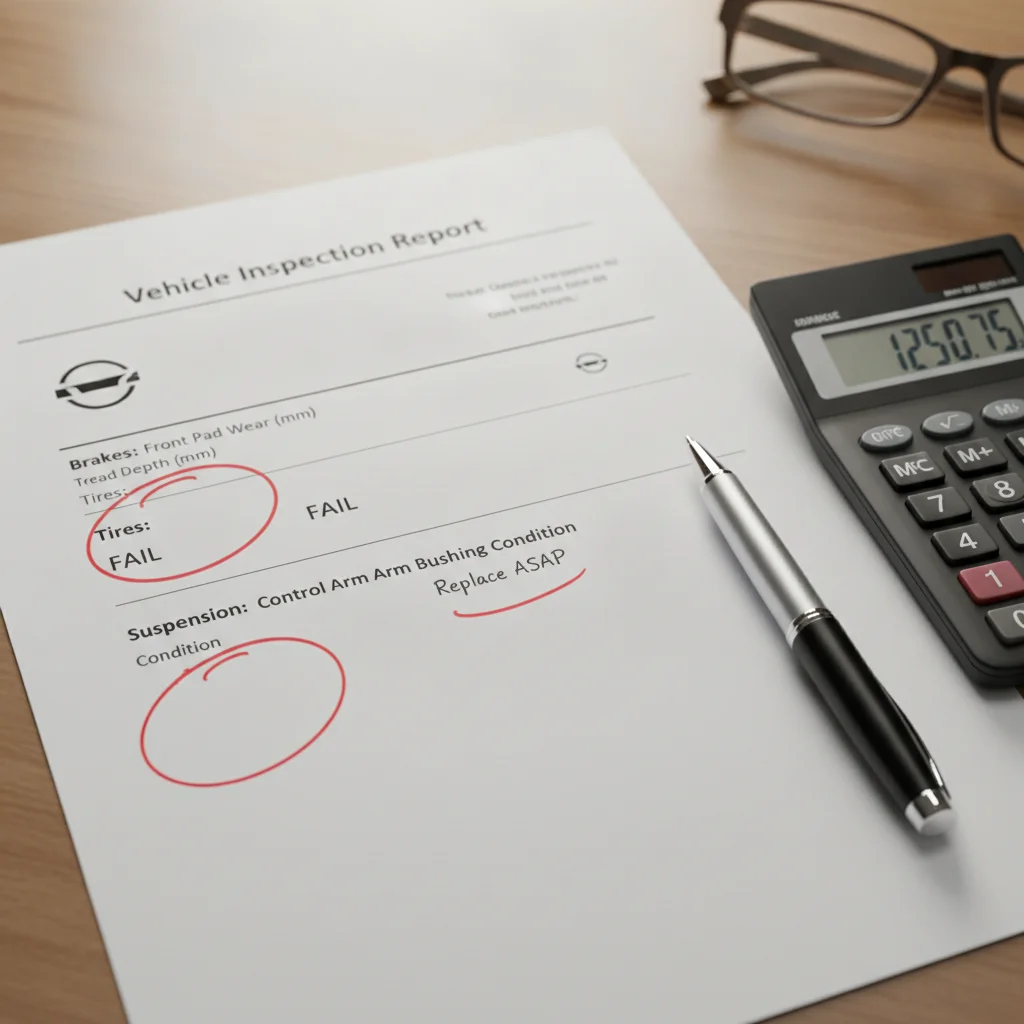
Categorize what you find into three buckets:
- Safety-critical issues (bad brakes, suspension damage, frame concerns, airbag faults): These are either deal-breakers or require a significant price reduction and seller disclosure.
- Maintenance items (worn tires, aging belts, fluid services due): Price these out at your local shop. If the car needs $800 in near-term maintenance, that's $800 off your offer.
- Cosmetic issues (small dents, interior wear): Useful as minor leverage but rarely worth walking away over.
Use the repair estimates in the report — or real quotes from a local shop — to build a counter-offer. "The inspection found the rear struts are leaking and the front brake rotors are at minimum thickness. I've priced the repairs at $950. I'll proceed at $X reflecting that cost." This is not aggressive — it's exactly how professional buyers operate. The seller can accept, counter, or decline. Any of those responses gives you useful information.
Structural Damage Is a Hard Stop
If the inspection report reveals frame damage, structural welds, or evidence of a serious unreported collision, do not negotiate — walk away. Structural damage affects crash safety, alignment, tire wear, and resale value in ways that no price reduction fully compensates for. A $3,000 discount on a car with a bent frame is not a deal; it's a liability that follows you for the life of the vehicle.
As-Is Sales Require More Scrutiny, Not Less
When a seller lists a vehicle as 'sold as-is,' your legal recourse after purchase is essentially zero. This makes the pre-purchase inspection more critical, not optional. An as-is sale means the seller is explicitly transferring all risk to you — the inspection is your only tool to understand exactly what that risk is before you accept it.
If the report surfaces a safety-critical issue or evidence of undisclosed structural damage, walk away cleanly. The inspection cost you $150–$200. Buying the car could cost you that much every month in repairs, and potentially your safety. For a complete framework of due diligence steps in remote purchases, see our pre-purchase checklist for buying a car online.
Common Seller Objections and How to Handle Them
Most honest sellers will agree to an inspection without hesitation. Friction at this stage is informative — it tells you something about what the seller believes the car will reveal. Here's how to handle the most common pushback.
"I already have a Carfax — you don't need an inspection."
A vehicle history report and a mechanical inspection are not substitutes for each other. A Carfax shows reported events. It won't tell you the transmission is slipping, the frame was straightened without a collision report being filed, or that there's active rust on the subframe. Politely hold your position: "I appreciate the report — I've already reviewed it. The inspection is a standard step I take on all used car purchases."
"I have other buyers interested."
This is one of the oldest pressure tactics in the book. Urgency pressure is designed to make you skip due diligence. A real competing buyer won't prevent you from arranging a 24-hour inspection. If the seller won't allow you 24–48 hours for a third-party inspection, that's your answer about the car.
"The car is at a dealership — they already inspected it."
A dealership's internal inspection is not an independent inspection. The technician works for the dealer, not for you. Certified pre-owned programs have standards, but even CPO inspections have missed major issues. An independent inspector works for the buyer — that distinction matters. See how to protect yourself when you can't inspect a car in person for more on handling dealer-side friction.
"The car is sold as-is."
"As-is" is a disclosure about legal liability after the sale — it doesn't prevent an inspection before the sale. You are fully within your rights to require an inspection before committing. Any seller who conflates the two is either confused or hoping you are. The as-is designation makes the inspection more important, not less, since you'll have zero recourse once the deal closes. For the broader context of how used car purchases work, our hub on buying used cars is worth bookmarking.

All claims are backed by peer-reviewed research. Sources on request.