
Key Takeaways
Why Online Car Buying Myths Won't Die
I spent years on the other side of the finance desk. One of the most reliable ways a dealership kept buyers in the showroom — and away from clicking 'buy now' on a competitor's platform — was by seeding doubt about online car buying. 'You can't really trust what you see online.' 'You can't inspect it.' 'What if the paperwork is wrong?' These weren't innocent cautions; they were calculated friction.
The reality is that online car buying has matured dramatically. Platforms like Carvana, Vroom, CarMax's online arm, and manufacturer direct-order programs have sold millions of vehicles with documented satisfaction rates. The myths that persist aren't grounded in current market conditions — they're the residue of a $40 billion dealership lobby and human reluctance to change habits. This article names those myths and replaces them with facts you can act on today.
If you want to understand the broader mindset that protects online buyers from costly mistakes, see how smart online shoppers approach the process before you start clicking.

The Myths, Debunked
Below are the most persistent misconceptions that keep digitally capable buyers standing in showrooms they don't need to be in. Each myth is paired with what the evidence and experience actually show.
Myth
You can't inspect a car before buying it online, so you're always buying blind.
Fact
Most reputable online platforms provide detailed inspection reports, hundreds of photos, and in many cases offer a third-party pre-purchase inspection or a multi-day return window.
This myth conflates early-era Craigslist transactions with how structured online car retailers actually operate today. Platforms like Carvana run vehicles through 150-point inspections and publish the results with photo documentation. CarMax's online inventory draws from the same vehicles available in store, each with their own certified condition report. Vroom discloses known issues in writing as part of listing compliance requirements.
If you're still uneasy, nearly every platform allows you to order an independent third-party inspection — a mechanic travels to the vehicle's location and sends you a written report — for $100 to $200. That's cheaper than driving three hours to a dealer and paying for your own travel. And if the car arrives and doesn't match its listing, the return policy kicks in. Not perfectly in every case, but the structural protections are far stronger than 'you're buying blind.'
Myth
Online car prices are higher because you're paying a convenience fee.
Fact
Online car prices are frequently equal to or lower than dealership prices because the platforms operate without the overhead of large physical showrooms and high-commission sales staff.
Brick-and-mortar dealerships carry substantial fixed costs: facility, floor plan interest on inventory, sales staff commissions averaging 25–30% of gross profit, and F&I departments structured to add margin after the price is agreed. Online retailers have leaner operations. Carvana's no-haggle model, for instance, eliminates the commission structure entirely — the price you see is the price, without a salesperson adding back-end profit.
More importantly, the online environment creates instant price comparison. You can open five tabs and see the same trim level at five different prices in under ten minutes. That transparency is structurally deflationary for pricing. The 'convenience fee' myth assumes you're paying more for ease — in practice, the ease comes from eliminating the environments where dealers traditionally extracted the most margin.
What to know before buying new covers how to benchmark prices before you commit to any channel, online or otherwise.
Myth
You can't finance a car online — you have to go through the dealer to get a loan.
Fact
Financing through a dealer is optional and often more expensive. Banks, credit unions, and online lenders routinely preapprove buyers before they shop, and online platforms integrate their own lending without requiring dealership involvement.
This myth is one that dealerships have actively cultivated, because financing is where franchised dealers make a significant portion of their profit. When a dealer arranges your loan, they typically mark up the lender's rate — sometimes by 1 to 3 percentage points — and keep the spread as income. It's legal. It's rarely disclosed. And it costs buyers thousands over the life of a loan.
Online buying breaks this dynamic. You arrive with a preapproval from your own bank or credit union, and the platform simply needs to confirm the purchase price and vehicle details. Online retailers like Carvana also offer their own financing, which is competitive and transparent — though you should still compare it against your preapproval rate rather than accepting the first number offered.
The broader myth that dealer financing is the only option is addressed directly in common dealer negotiation myths — it's one of the most expensive assumptions a buyer can carry into any purchase.
Myth
If something goes wrong with an online purchase, you have no recourse.
Fact
Online car platforms are subject to the same state consumer protection laws as dealerships, and most major platforms provide documented return policies, dispute resolution processes, and warranty coverage.
The 'no recourse' fear likely stems from the wild-west era of classified ad car sales, where a handshake deal with a stranger genuinely offered little protection. Structured online retail is a different environment. Federal and state consumer protection laws apply regardless of whether you signed in a finance office or on a tablet at your kitchen table. Lemon laws, truth-in-lending disclosure requirements, and state title regulations don't disappear because the sale was digital.
Beyond legal protections, the platform-level policies are often more generous than dealer policies. Carvana's seven-day return window and CarMax's 30-day return policy have no equivalent in most franchised dealerships, where 'all sales final' is standard the moment you drive off the lot. Document the vehicle's condition on delivery day — video walkthrough, odometer photos, any visible issues — and you have a clear record if a dispute arises.
Myth
Delivery and registration logistics make online buying more complicated than just going to a dealership.
Fact
Online platforms handle delivery logistics, temporary tags, and title/registration paperwork as part of the purchase — buyers are typically less involved in administrative steps than they would be at a dealership.
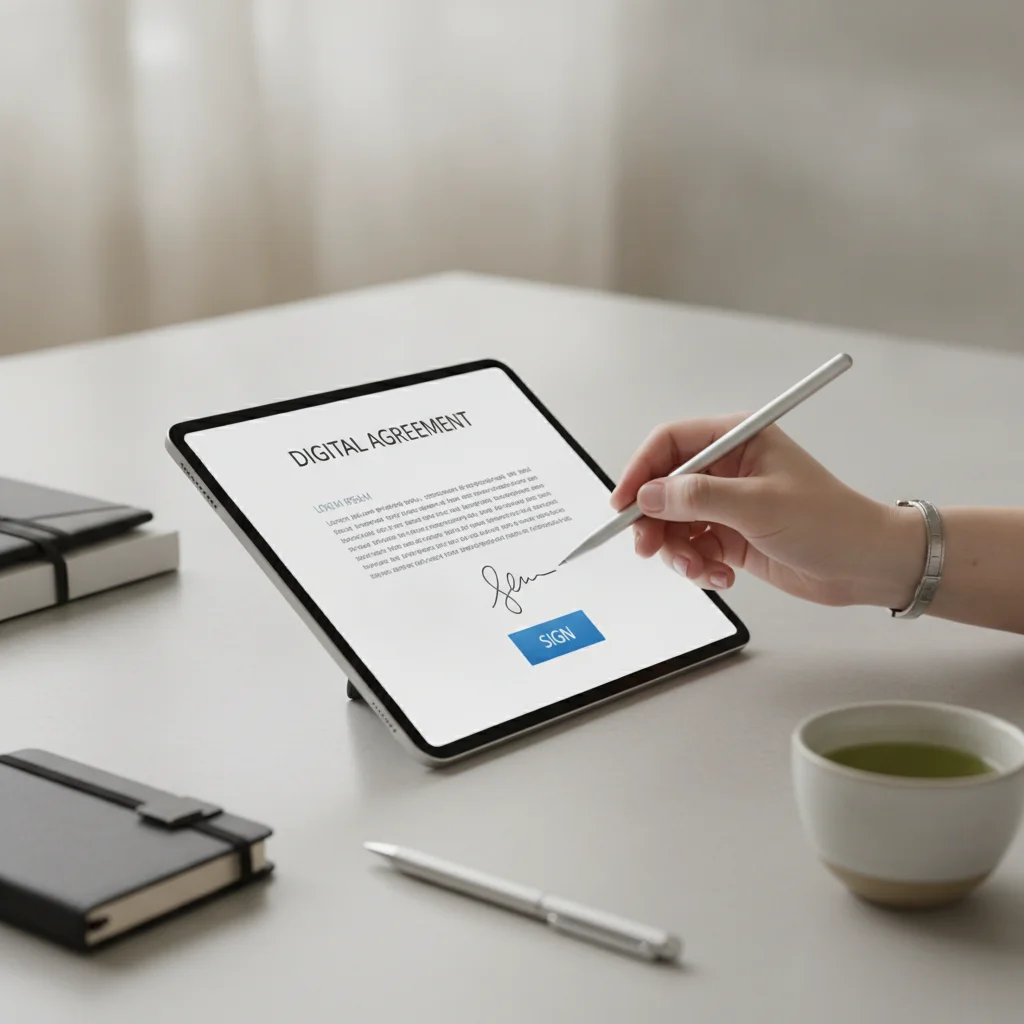
At a traditional dealership, the F&I process involves the buyer signing 8 to 12 documents, some of which they don't fully understand under time pressure. The dealer then handles DMV filing — but the buyer still had to physically be present for all of it. With an online purchase, documents are sent electronically in advance, you sign via DocuSign or a similar platform, and the retailer files the paperwork with your state DMV on your behalf.
Delivery itself is handled by the platform's logistics network or a third-party auto transport company. Most major platforms deliver within 2 to 7 business days for vehicles within the platform's available inventory, or longer for cross-country transport. A temporary operating permit is provided so the vehicle is legally drivable from the moment it arrives. Permanent registration is mailed once the state DMV processes the filing.
The one legitimate complexity: some states have specific registration requirements or tax structures that can add steps. But that complexity exists regardless of purchase channel — and an online platform's customer service team handles it more systematically than most dealership clerks do.
Myth
Online car buying is only for used cars — you can't order a new car without going to a dealership.
Fact
Several manufacturers now offer direct online ordering, and most franchised dealers accept full purchase agreements through their internet sales departments without requiring an in-person visit.
Tesla pioneered the direct-order model and has operated it exclusively online since 2019. Rivian, Lucid, and several other EV manufacturers sell direct with no dealer involvement at all. For traditional ICE vehicles, manufacturers including Ford, GM, and Stellantis brands have introduced online ordering programs that allow buyers to configure, price, and reserve vehicles with a deposit — finalizing the transaction at delivery with minimal dealership interaction.
Even without those programs, franchised dealerships' internet sales departments are specifically set up to close transactions remotely. Internet sales managers are paid to sell cars via phone and email. You can negotiate price, confirm financing, arrange a trade-in pickup, and schedule delivery without stepping inside the showroom. The in-person visit for new cars is increasingly optional rather than required. Buying new cars covers the current landscape of direct and dealer ordering options in more detail.
Myth
You'll always get a worse trade-in value if you're not physically at a dealership.
Fact
Instant offer platforms frequently provide trade-in valuations competitive with or higher than dealer appraisals, and competing offers can be used as leverage regardless of purchase channel.
Dealer trade-in appraisals are influenced by how motivated the buyer appears to be to close a deal in that moment. If you've just test-driven a car you love and the salesperson senses it, the trade-in offer goes down — because they know you're less likely to walk over it. That psychological dynamic doesn't exist in an online appraisal process.
Platforms like CarMax, Carvana, and KBB Instant Cash Offer provide written bids that are valid for 7 days and can be taken to any dealer as a competing offer. Dealers routinely match or beat these bids to keep the deal in-house. Getting an online offer before you set foot in a dealership is one of the most practical ways to protect yourself from a low appraisal, whether or not you ultimately buy online. Myths about instant car-buying services explains what these platforms actually pay and where their offers fall short.
Not All Online Car Platforms Are Equal
The protections described in this article apply primarily to established, structured online retailers — not private-party listings on Facebook Marketplace, Craigslist, or similar platforms. Private sales carry real risks: no return policies, no inspection guarantees, and limited recourse if the title is encumbered or the vehicle has undisclosed issues. If you're buying from a private seller, always pull a vehicle history report, arrange a pre-purchase inspection, and never pay in cash without a proper bill of sale.
Deposit Terms Vary — Read Before You Pay
Some online platforms and dealer internet departments require a deposit to hold a vehicle. Not all deposits are refundable. Before sending any money, confirm in writing whether the deposit is fully refundable, under what conditions it can be forfeited, and how long the vehicle will be held. A non-refundable deposit on a car you haven't yet inspected is a negotiating vulnerability — the platform knows you're now financially committed.
What Online Buying Actually Gets Right
Here's what dealership finance managers rarely advertise: the online channel removes most of the high-margin pressure points that cost buyers money in a traditional purchase. There's no four-square worksheet, no 'let me talk to my manager,' and no F&I office upsell room. Those three environments alone account for thousands of dollars in unnecessary profit extracted from buyers who showed up in person.
30 days
CarMax return window on online purchases
CarMax offers a 30-day money-back guarantee on vehicles purchased online or in-store, with no questions asked — far exceeding any standard dealership return policy.
43%
Car buyers who completed all or most of the purchase online
A 2023 Cox Automotive Car Buyer Journey Study found that 43% of buyers completed most purchase steps online, up from 32% in 2020.
1–3%
Typical dealer loan markup over lender's rate
According to Consumer Financial Protection Bureau research, dealers routinely mark up auto loan interest rates by 1 to 3 percentage points, costing buyers hundreds to thousands over the loan term.
$1,500+
Average F&I profit per vehicle at franchised dealers
NADA data consistently shows that franchised dealers earn $1,500 or more per vehicle in finance and insurance office products — a cost center largely absent in direct online purchases.

When you buy online, the price is listed. The financing is arranged before you see the car. The add-ons — extended warranties, gap insurance, paint protection — are presented as line items you can decline with a checkbox, not as a verbal pitch while you're fatigued from three hours of negotiation. That structural difference is enormously valuable, and it's why dealerships have historically tried to discredit the channel.
That said, online buying isn't a magic shield. deals can still fall apart at the last minute due to title issues, financing snags, or inventory errors. Knowing what to watch for keeps you protected rather than blindsided.
Preapproval Protects You in Every Channel
Whether you buy online or walk into a dealership, arriving with a preapproved loan from your own bank or credit union is the single most effective financial protection available to a car buyer. It caps your interest rate, clarifies your budget, and removes the dealer's primary point of leverage — the monthly payment conversation. Get preapproved before you start shopping, not after you've fallen in love with a car.
Paperwork, Titles, and the Legal Side of Remote Purchases
One of the most persistent fears about online car buying is that the paperwork is somehow riskier or more confusing than signing in a finance office. Having worked in that finance office, I'd argue the opposite is true. At a dealership, you're handed a thick packet under mild social pressure, often after hours of negotiation when you're mentally exhausted. Online, the same documents are emailed to you in advance. You can read them at your kitchen table, pause, Google a clause, and sign only when you understand what you're signing.
Title transfers in remote purchases follow the same state laws that govern any vehicle sale. The platform handles the lien release if there's a trade-in, files the title application, and registers the vehicle in your name. For the mechanics of how that actually works, this breakdown of title transfer misconceptions clears up a lot of the confusion buyers carry into the process.
If contracts and what's actually enforceable concern you, car contract myths that cost buyers money explains which clauses matter and which fears are overblown. Understanding the paperwork and contracts process end-to-end is the fastest way to stop feeling intimidated by any purchase channel.
Trade-Ins, Negotiation, and Getting a Fair Deal Online
Buyers often assume that walking away from a dealership means walking away from negotiating power. That assumption is wrong, and it's costing people money on trade-ins especially. Instant-offer platforms — CarMax, Carvana, KBB Instant Cash Offer — provide competing bids you can use to benchmark your trade-in value against whatever a dealer offers. You don't need to be in a showroom to create competition for your car.
On new vehicles, manufacturer programs, broker services, and dealer internet departments all accept written offers. The internet sales manager at most franchised dealerships is authorized to close deals via email — without you ever setting foot inside. The key is to approach them the same way you'd approach any negotiation: with a competing price in hand and a willingness to walk. common myths about dealer negotiation covers why leverage works the same way whether you're emailing or sitting across a desk.
For trade-in platforms specifically, the myths about instant car-buying services is worth reading before you accept the first number you're quoted. Those services have real advantages, but also real limitations that sellers routinely misunderstand.

The broader point: online buying doesn't mean passive acceptance of posted prices. It means shifting the negotiation to a channel where you have more time, more information, and less psychological pressure than you'd have sitting in a showroom chair. That's an advantage, not a limitation.
How to Move Forward with Confidence
If you've been on the fence about buying a car online, the myths explored in this article are likely part of what's kept you there. The channel isn't perfect — no purchase channel is — but the specific fears people carry about inspection risks, financing traps, paperwork nightmares, and no-return policies are largely based on outdated or inaccurate information.
Here's a practical sequence that removes most of the risk from an online purchase:
- Get preapproved for financing through a bank or credit union before you shop. This gives you a rate ceiling and tells you exactly what you can afford independent of dealer financing.
- Use multiple platforms to compare the same vehicle across listings. Identical trim levels often vary by $1,500–$3,000 between platforms.
- Read the return policy in full before placing a deposit. Confirm the window in days, the mileage cap, and whether the return is truly free or has a restocking fee buried in the terms.
- Order a third-party inspection if the platform doesn't provide a current, detailed condition report. Services like Lemon Squad or CARFAX Inspection will send a mechanic to the car's location for under $200.
- Review all contract documents before delivery day. Everything should arrive electronically in advance. If a platform won't send documents ahead of time, that's a red flag worth investigating.
Online car buying is not a shortcut that bypasses due diligence — it's a channel that rewards buyers who do their homework. The myths that say otherwise are designed to benefit someone other than you. For more context on the assumptions that cost new-car buyers money regardless of channel, see new car buying myths that cost people real money and used car myths that cost buyers real money.

All claims are backed by peer-reviewed research. Sources on request.