
Key Takeaways
Subprime Auto Loan Cost
When lenders see a low credit score, they charge higher interest rates to offset the greater risk of non-payment. That higher rate — often called a subprime rate — means you pay substantially more in interest over the life of a car loan than a borrower with good credit would pay for the exact same vehicle. The difference isn't just a few dollars per month; it can amount to thousands of dollars across a 48- to 72-month loan term.
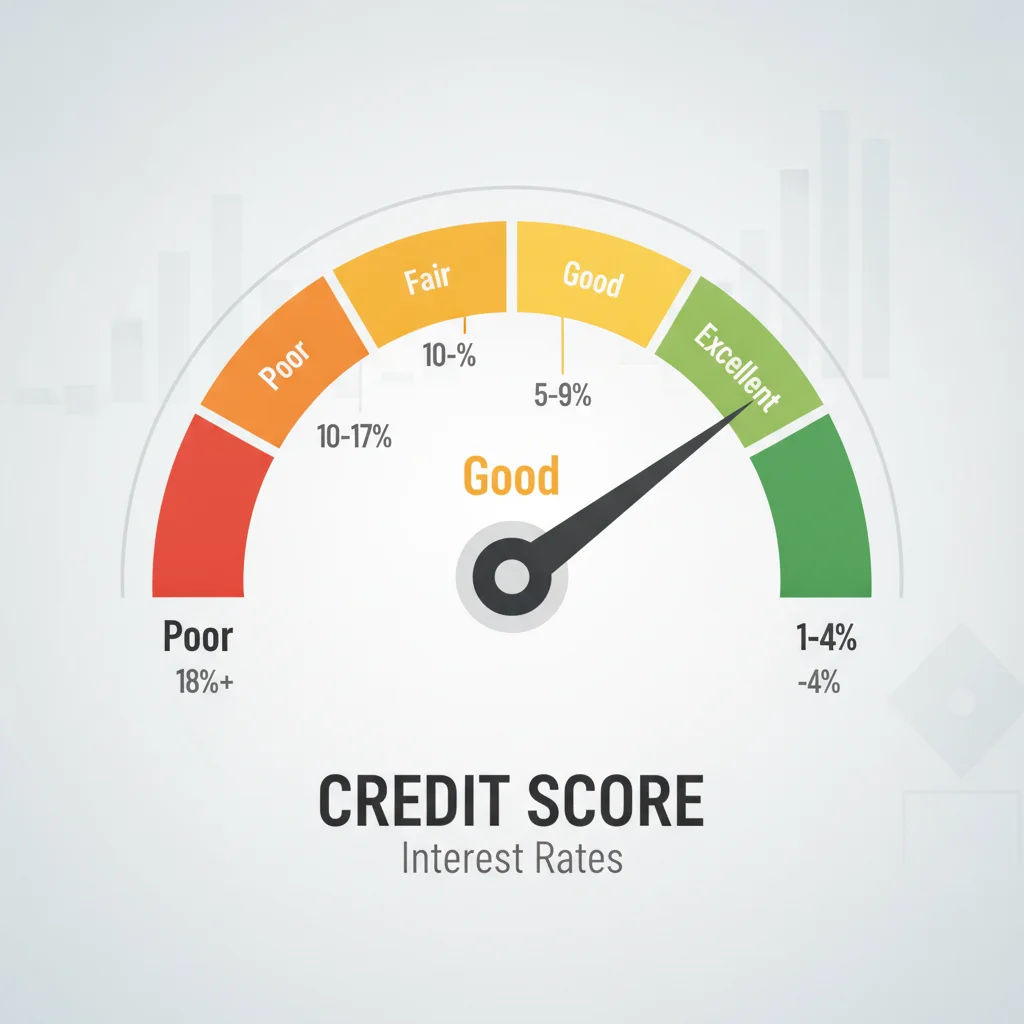
Lenders price auto loan risk using risk-based pricing models tied to credit score tiers. Borrowers in the deep subprime range (typically FICO scores below 580) may face APRs that are 10 to 20 percentage points higher than rates offered to prime or superprime borrowers.
Why Your Credit Score Determines the Price of Borrowing
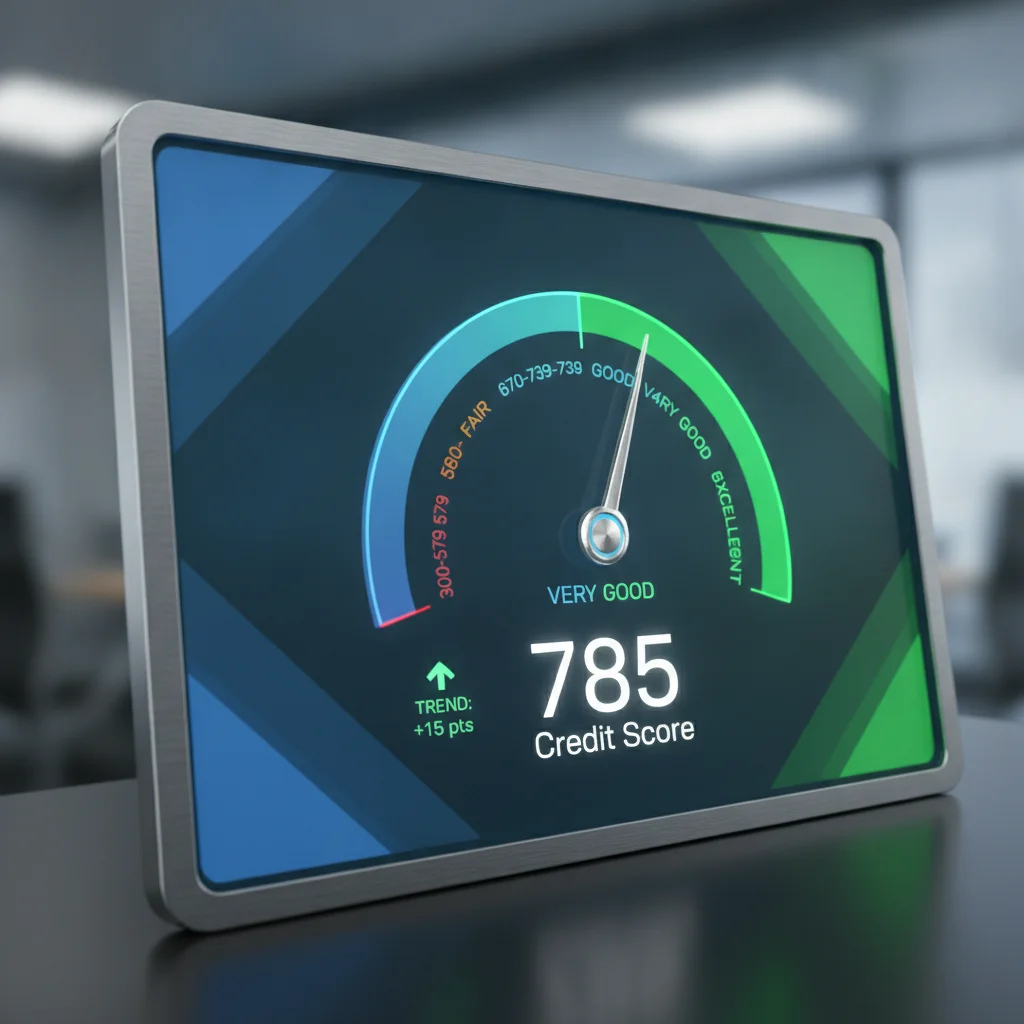
When you apply for an auto loan, your credit score does something very specific: it tells the lender how likely you are — statistically — to repay the debt on time. The lower the score, the more uncertain that outcome looks to the lender. And lenders manage uncertainty by charging more for it.
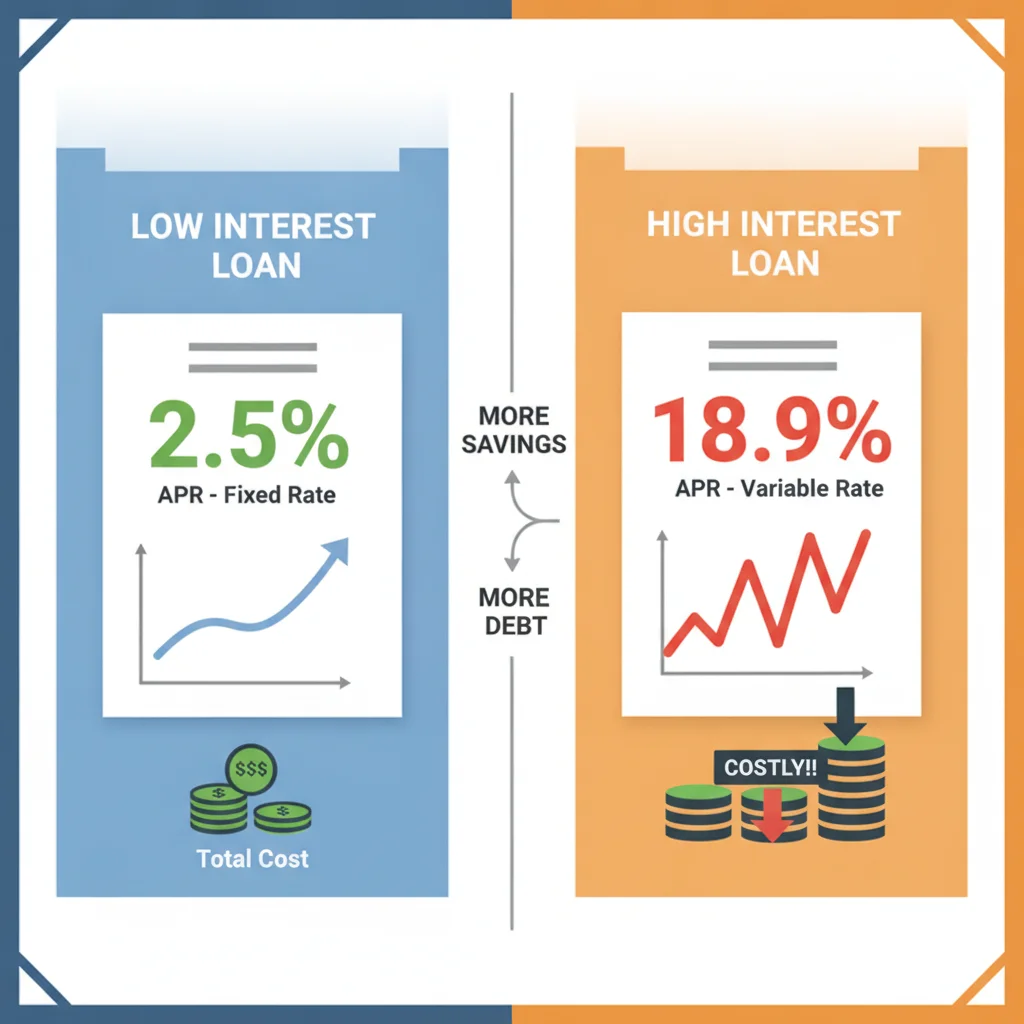
This is called risk-based pricing. Rather than offering one rate to everyone, lenders assign interest rates based on the borrower's credit tier. A borrower in the superprime range might qualify for a 5% APR. A borrower in the subprime range might be offered 18% or more — for the exact same vehicle, same loan amount, same term.
The result is that two people sitting in the same car dealership, signing paperwork on the same car, can walk away with vastly different financial obligations. One is borrowing money cheaply. The other is paying a steep premium — not for the car, but for the lender's risk exposure.
Understanding why this happens is the first step to navigating it wisely. The interest rate isn't arbitrary. It reflects a lender's expected loss rate across a pool of similar borrowers. Subprime borrowers, as a group, default more often — so lenders price that in for everyone in the tier. That doesn't mean you will default. But your individual trustworthiness gets averaged against everyone else in your score range.
For a full breakdown of how lenders categorize scores into tiers, see credit score ranges lenders use when evaluating auto loan risk. Understanding where you land is the starting point for every decision that follows.
The Numbers: What Each Credit Tier Actually Costs
Let's make this concrete. Assume you're financing a $25,000 used car over 60 months. Here's how total interest paid changes as the APR increases across credit tiers:
| Credit Tier | Typical FICO Range | Approximate APR | Monthly Payment | Total Interest Paid |
|---|---|---|---|---|
| Superprime | 781–850 | 5.5% | $479 | $3,740 |
| Prime | 661–780 | 7.5% | $501 | $5,060 |
| Near-Prime | 601–660 | 11.5% | $549 | $7,940 |
| Subprime | 501–600 | 17.5% | $628 | $12,680 |
| Deep Subprime | 300–500 | 22.5% | $697 | $16,820 |
Look at the distance between the top and bottom rows. A deep subprime borrower pays $13,080 more in interest than a superprime borrower — on the same $25,000 car. That's more than half the car's purchase price paid out purely in interest charges.
$12,000+
Extra interest paid by deep subprime vs. superprime borrowers
On a $25,000 auto loan over 60 months, the difference between a 5.5% and 22.5% APR exceeds $13,000 in total interest paid.
21.55%
Average APR for deep subprime new car loans
According to Experian's State of the Automotive Finance Market report, deep subprime borrowers faced average new vehicle APRs above 21% in recent quarters.
3x
Higher interest cost for subprime vs. prime borrowers
A subprime borrower at 17.5% APR pays roughly three times more in total interest than a prime borrower at 7.5% APR on the same $25,000 60-month loan.
35%
Of FICO score determined by payment history
According to FICO's scoring model, on-time payment history is the single largest factor — meaning a subprime auto loan managed well can meaningfully improve future borrowing costs.
$10,800
Extra interest from 48-month to 84-month term
Extending a $25,000 subprime loan at 17.5% APR from 48 to 84 months adds over $10,000 in interest while only reducing the monthly payment by $180.
Even the step from prime to subprime — a difference that might be just 60 to 80 credit score points — adds over $7,600 in interest. Those aren't abstract numbers. That's a family vacation, a year of car insurance, or a meaningful emergency fund that instead flows to the lender.
For a closer look at how APR interacts with your total loan cost, the Interest & APR hub walks through the mechanics in plain terms. And if you want to see rates mapped directly to credit score ranges, auto loan rates by credit score gives you a range-by-range view.
How Loan Term Length Amplifies the Cost
When monthly payments feel too high, the instinctive move is to stretch the loan term. A 72-month or even 84-month loan lowers what you pay each month — but it compounds the damage that a high APR does over time.
Here's why: interest accrues on your remaining balance every month. The longer you carry a balance, the more months of interest you pay. And at a subprime rate of 17% or 20%, each of those extra months is expensive.
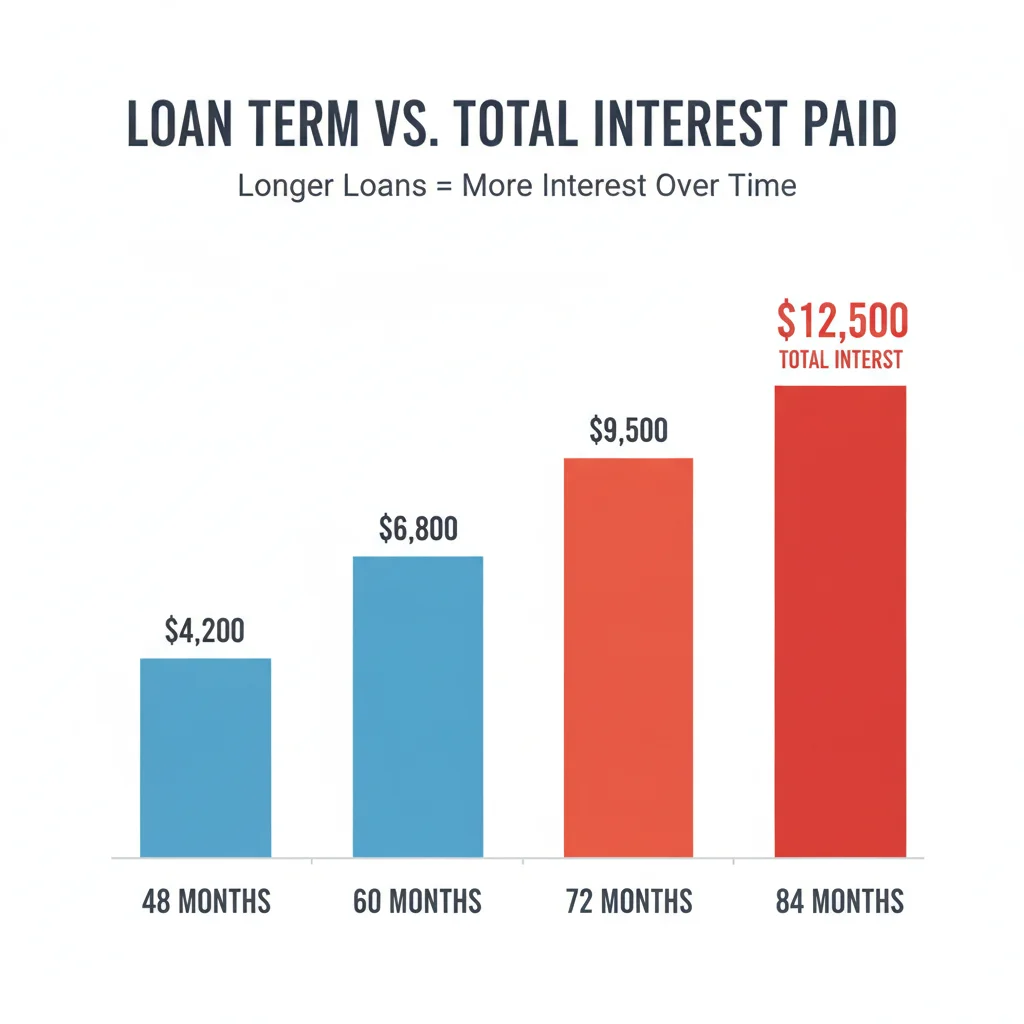
Let's use the same $25,000 vehicle at a 17.5% APR and see what changing the term does:
| Loan Term | Monthly Payment | Total Interest Paid | Total Cost of Loan |
|---|---|---|---|
| 48 months | $720 | $9,560 | $34,560 |
| 60 months | $628 | $12,680 | $37,680 |
| 72 months | $573 | $16,256 | $41,256 |
| 84 months | $540 | $20,360 | $45,360 |
Extending from 48 to 84 months saves $180 per month — but costs an additional $10,800 in interest. That monthly savings comes at a very high long-term price.
Choose the Shortest Term Your Budget Allows
At subprime APRs, every additional month you carry a balance costs you significantly more in interest. Before committing to a longer loan term for the lower monthly payment, use a loan calculator to see the total interest difference. Even shaving 12 months off your term can save $2,000–$4,000 depending on your rate. The monthly payment difference is often smaller than you expect.
Automate Your Payments From Day One
If you're using a subprime loan to rebuild your credit, a single missed payment can set you back significantly — both in credit score and in late fees. Set up automatic payment through your bank or lender immediately after signing. Many lenders also offer a small rate discount (0.25%–0.5%) for enrolling in autopay, which adds up over a 60-month loan.
There's another risk specific to subprime borrowers who take long loan terms: negative equity. Cars depreciate fastest in their early years. A long loan term means your balance shrinks slowly — often more slowly than the vehicle loses value. You can find yourself owning more on the car than it's worth for years into the loan, which leaves you with no good options if the car is totaled, needs major repairs, or you need to sell it.
The subprime auto loan APR breakdown article digs deeper into how APR compounds across different scenarios. It's worth reading before you sign anything.
Factors That Make the Cost Even Higher
The interest rate is the biggest driver of cost, but subprime borrowers often face additional expenses that prime borrowers avoid entirely. These can meaningfully increase the true cost of the loan.
Required Add-Ons at the Dealership
Dealers sometimes require subprime borrowers to purchase products like GAP insurance, extended warranties, or credit life insurance as a condition of approval. While some of these products have genuine value, rolling them into the loan means you pay interest on them too. A $1,500 warranty financed at 18% APR over 60 months costs you nearly $2,100 by the time you're done paying.
Higher Down Payment Requirements
Many subprime lenders require a larger down payment — sometimes 10%–20% of the vehicle price — to reduce their exposure. While a bigger down payment reduces your loan amount and total interest, it means more cash out of pocket upfront, which can strain buyers with limited savings.
Vehicle Restrictions
Subprime lenders often limit which vehicles they'll finance. Older cars or high-mileage vehicles may be off the approved list, which can push borrowers toward newer, more expensive vehicles they wouldn't have chosen otherwise. Vehicle age and mileage limits that block bad-credit loan approvals is a helpful resource before you start shopping.
Dealer Financing vs. Direct Lending
When a dealer arranges your financing, they typically add a markup — called a dealer reserve — to the rate the lender actually quoted. This markup compensates the dealer for arranging the loan but raises your APR. Getting pre-approved directly through a bank, credit union, or online lender lets you see the base rate before any dealer markup is applied. Always compare your pre-approval offer against what the dealer presents before signing.
Your Score Can Shift While You Wait
If you're actively working to improve your credit score before buying, be aware that your score can move in either direction. A new credit card application, a missed payment on an existing account, or an increase in credit card utilization can lower your score even as you're trying to build it. Monitor your credit monthly using a free service, and avoid opening new lines of credit during the six months before you plan to apply for a car loan.
The Credit Score Effect on Insurance
In most states, auto insurers use credit-based insurance scores as part of their premium calculation. Borrowers with lower credit scores often pay higher insurance premiums — meaning the credit score impact isn't confined to the loan itself. Your total monthly cost of ownership may be higher than you anticipate based on the loan payment alone.
See how all of this connects in the Credit Score Impact hub.
What Subprime Borrowers Can Actually Do About It
Being in a subprime credit tier doesn't mean you're powerless. There are concrete actions that reduce the cost of borrowing now, and strategies that improve your position over time.
Shop Multiple Lenders — Don't Settle for the First Offer
Dealer financing is convenient but rarely the cheapest option. Credit unions, online lenders, and community banks often offer more favorable terms for subprime borrowers than franchise dealerships do. Getting pre-approved from two or three sources before walking into a dealership gives you real leverage — and a baseline to compare the dealer's offer against.
Make the Largest Down Payment You Can Afford
Every dollar you put down reduces the amount you finance — and at a 17%–20% APR, that's meaningful. A $2,000 down payment on a $25,000 loan at 17.5% over 60 months saves you over $800 in interest compared to financing the full amount. It also reduces your negative equity risk.
Choose the Shortest Term You Can Sustain
Resist the pull of the lowest monthly payment. If you can manage the payment on a 48-month loan, the long-term savings over a 72-month loan at the same rate are substantial. Use an online auto loan calculator to compare total interest paid across different term lengths before deciding.
“The single biggest mistake subprime borrowers make is accepting the first offer they receive. Lenders expect negotiation. A competing offer — even from a credit union — changes the entire conversation at the dealer's finance desk.”
— Melinda Zabritski, Senior Director of Automotive Financial Solutions, Experian
Understand That Negotiation Is Possible
Many subprime borrowers assume the rate they're offered is non-negotiable. That's often not true. The myths keeping subprime borrowers from negotiating article covers exactly what's actually on the table and what isn't. Dealers earn money on financing — that creates room to negotiate.
Plan for Refinancing
A subprime loan doesn't have to be permanent. If you make consistent on-time payments and your credit score improves, refinancing within 12–24 months can significantly reduce your rate and total cost. Refinancing out of a high-rate subprime loan walks through when and how this makes sense. It's worth building this into your plan from day one.
The Credit Score Improvement Calculation: Is Waiting Worth It?
One of the most practical questions a subprime borrower faces is whether to buy now or wait, build credit, and buy later at a better rate. The answer depends on two things: how quickly you can realistically improve your score, and what transportation costs you during that waiting period.
Here's a concrete way to think about it. Suppose you're currently in the subprime tier and would receive a 17.5% APR. If you waited 12 months and improved to near-prime (11.5% APR), on a $25,000 loan over 60 months, you'd save roughly $4,700 in interest. But if you spent $400 per month on ride-shares or alternative transportation during that 12-month wait, that's $4,800 — essentially wiping out the savings.
On the other hand, if you could drive a cheap beater for a year, spend $150/month on transportation, and improve your credit score by 80 points, the math shifts decisively in favor of waiting.
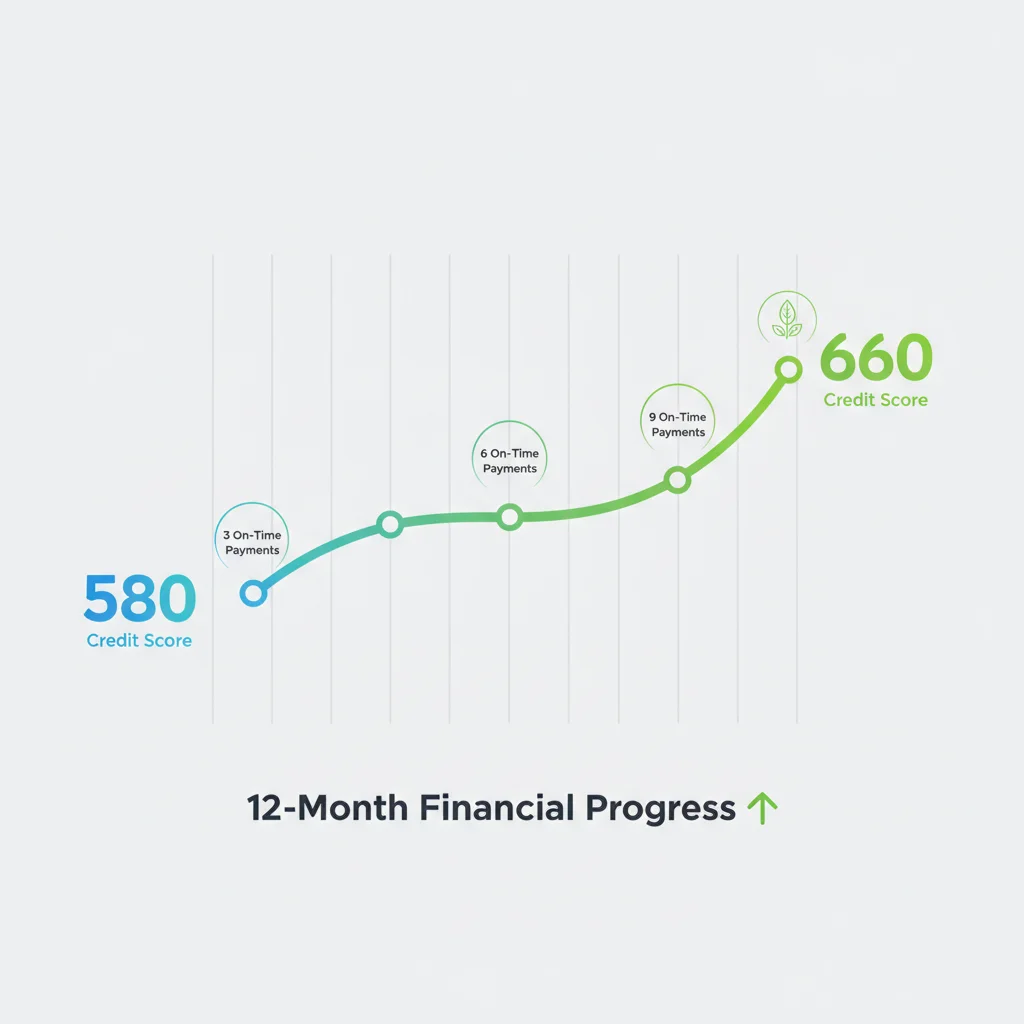
The key variable is how aggressively and realistically you can move your score. The actions that tend to produce the fastest results include:
- Paying down existing revolving debt (credit cards), especially if your utilization is above 30%
- Disputing inaccurate negative items on your credit report
- Making every existing payment on time without exception
- Avoiding new credit applications that generate hard inquiries
For some borrowers, a 12-month focused effort can move a score from 580 to 640 — a shift that changes everything about the loan they qualify for. For others, a difficult credit history (bankruptcy, multiple defaults) may limit how fast scores recover regardless of what they do.
The real dollar cost of a low credit score on a car loan article helps you calculate the precise break-even point for your situation. And if market conditions are shifting, how interest rate environments should influence when you buy adds another layer to that decision.
Dealer Financing vs. Direct Lending
When a dealer arranges your financing, they typically add a markup — called a dealer reserve — to the rate the lender actually quoted. This markup compensates the dealer for arranging the loan but raises your APR. Getting pre-approved directly through a bank, credit union, or online lender lets you see the base rate before any dealer markup is applied. Always compare your pre-approval offer against what the dealer presents before signing.
Your Score Can Shift While You Wait
If you're actively working to improve your credit score before buying, be aware that your score can move in either direction. A new credit card application, a missed payment on an existing account, or an increase in credit card utilization can lower your score even as you're trying to build it. Monitor your credit monthly using a free service, and avoid opening new lines of credit during the six months before you plan to apply for a car loan.
Using a Subprime Loan as a Credit-Building Tool
There's a counterintuitive reality worth acknowledging: a subprime auto loan, managed carefully, can actually accelerate your path to better borrowing. This isn't spin — it's how credit scoring mechanics work.
Payment history accounts for 35% of your FICO score — the largest single factor. Every on-time payment you make on your auto loan adds a positive data point to your credit file. Over 12–24 months of consistent payments, the cumulative effect can meaningfully lift your score, even if nothing else in your credit profile changes.
What many borrowers get wrong is treating the loan as simply a debt to survive rather than an opportunity to build. Missing even one payment — or making a payment 30 days late — can undo months of positive progress. The penalty falls hardest on people who can least afford it.
Choose the Shortest Term Your Budget Allows
At subprime APRs, every additional month you carry a balance costs you significantly more in interest. Before committing to a longer loan term for the lower monthly payment, use a loan calculator to see the total interest difference. Even shaving 12 months off your term can save $2,000–$4,000 depending on your rate. The monthly payment difference is often smaller than you expect.
Automate Your Payments From Day One
If you're using a subprime loan to rebuild your credit, a single missed payment can set you back significantly — both in credit score and in late fees. Set up automatic payment through your bank or lender immediately after signing. Many lenders also offer a small rate discount (0.25%–0.5%) for enrolling in autopay, which adds up over a 60-month loan.
How a bad credit auto loan can actually rebuild your score explains the specific mechanism behind this, including what borrowers commonly misunderstand about how lenders report to credit bureaus.
Understanding what's at stake when payments falter is equally important. What happens when you miss a payment on a subprime auto loan gives you a clear timeline — from grace period through potential repossession — so you know exactly what to expect and when to act.
And if you're considering a used vehicle specifically, Financing a used car with bad credit covers the additional layer of risk that comes from combining subprime financing with an older vehicle. The combination is workable — but only if you go in with clear eyes.

All claims are backed by peer-reviewed research. Sources on request.