
Key Takeaways
Why Private Sale Myths Are So Costly
Selling a car privately sounds straightforward: post some photos, field some calls, take the cash, hand over the keys. But the gap between what most sellers think is true and what actually happens in a private transaction can cost you hundreds or even thousands of dollars — and in some cases, months of legal headaches.
These myths persist because they contain just enough truth to be believable. Dealers do offer less than retail for trade-ins. Cash is harder to dispute than a check. High asking prices sometimes leave room to negotiate. But context matters enormously, and acting on half-truths can torpedo a deal or expose you to risks you never anticipated.
If you're also weighing a dealer trade-in or instant-offer service against going private, it's worth reading the trade-in value myths sellers believe and the myths about instant car-buying services before making your channel decision. Then come back here, because what follows applies specifically to the private sale process — and every point is one real sellers get wrong every day.
The Myths, Corrected
Below are the most damaging private-sale misconceptions, paired with the accurate reality and a practical explanation of what to do instead. Read all of them — the ones that seem obvious are often the ones sellers dismiss too quickly.
Myth
You always get more money selling privately than trading in to a dealer.
Fact
Private sales often yield more gross dollars, but the net advantage shrinks or disappears once you account for your time, listing costs, and the taxes a buyer avoids paying on a lower trade-in allowance.
The trade-in vs. private sale math is more complicated than it first appears. Yes, a dealer will offer you wholesale or near-wholesale when you trade in — typically 10–20% below what you could list privately. But consider what happens next:
- Time cost: A private sale can take 2–8 weeks of fielding calls, scheduling showings, and negotiating. What is your time worth per hour?
- Sales tax offset: In most states, a trade-in reduces the taxable purchase price of your new vehicle. On a $20,000 trade-in, at a 7% tax rate, that's $1,400 in tax savings that effectively adds to your trade-in's value.
- Out-of-pocket costs: Detailing, minor repairs to make the car presentable, and listing fees (some platforms charge for featured placements) all reduce your net proceeds.
Run the full numbers before deciding. For many sellers of common, mid-range vehicles in good condition, the private sale premium is real. For sellers of higher-mileage vehicles or those needing repairs, the dealer route or an instant-offer platform may net nearly as much with far less friction. See myths about instant car-buying services for a side-by-side reality check on that option.
Myth
Listing high gives you room to negotiate — it's just smart strategy.
Fact
Overpricing your listing by more than 5–8% typically reduces total inquiries and extends time on market, ultimately producing a lower final sale price.
The negotiation-room theory assumes that buyers will find your listing regardless of price, make an offer, and meet you in the middle. In practice, most private buyers on platforms like Facebook Marketplace and Craigslist filter by price range. If your asking price is $16,000 but comparable vehicles sell for $13,500, you won't appear in searches set below $15,000 — you'll simply be invisible to the most serious shoppers.
Beyond search filters, overpriced listings signal one of two things to experienced buyers: the seller is uninformed about market value, or the car has a hidden problem that the seller is trying to recoup. Neither impression helps you.
The practical approach: Price within 5% of the realistic private-party value for your vehicle's actual condition. State in your listing that the price is firm or that you have some flexibility — that honesty attracts buyers who respect your time. You'll get fewer tire-kickers and faster serious offers.
For context on what buyers are thinking when they see your listing, the used car myths that cost buyers real money article is useful reading from the other side of the transaction.
Myth
You don't need to transfer the title right away — it's fine to let the buyer handle it when they get around to it.
Fact
As the seller, you remain legally connected to the vehicle until the title is properly transferred and you notify your DMV. Delays expose you to liability for tickets, accidents, and even crimes committed in the vehicle.
This is one of the most dangerous myths in private car sales. Until the title is formally transferred and you have filed a release of liability with your state's DMV, the vehicle is still associated with you in public records. That means:
- Parking tickets and toll violations get sent to you
- If the buyer causes an accident, your name may appear in initial incident reports
- In extreme cases, if the vehicle is used in a crime, you may receive a visit from law enforcement
The fix is simple: complete the title transfer at the time of sale. Sign the title over to the buyer in the correct fields — your state's DMV website will show you exactly where. Do not sign a blank title. Fill in the buyer's name, the sale date, and the odometer reading. Then file your state's Notice of Release of Liability (or equivalent) immediately — most states allow this online in under 10 minutes.
If the buyer is financing through a credit union or bank, the lender may need to be listed as lienholder on the new title. In that case, the funds are typically disbursed through the lender, and you surrender the title to them directly. Know this process before you agree to a financed sale so there are no surprises at closing.
[important_callout]Myth
Cash is the only safe way to get paid — checks and apps are too risky.
Fact
Large cash transactions carry their own risks, and legitimate payment alternatives exist. The real issue is verifying funds — not the payment method itself.
Cash feels safe because it's immediate and tangible. But carrying $15,000 in cash creates real personal safety risks for both parties, and large cash transactions can flag reporting requirements at financial institutions. Cash is also impossible to trace if something goes wrong.
Here's how to evaluate each payment method:
- Bank wire / ACH transfer
- Safest for high-value transactions. Funds are verified before the buyer takes the car. Confirm the transfer has settled in your account — not just initiated — before handing over the keys. Wires typically settle same-day; ACH can take 1–3 business days.
- Cashier's check
- Legitimate cashier's checks are safe, but fake cashier's checks are one of the most common private-sale scams. Never accept a cashier's check for more than the agreed price. Verify any cashier's check by calling the issuing bank directly (look up the number yourself — don't use one printed on the check) before the buyer takes the vehicle.
- Payment apps (Venmo, Zelle, Cash App)
- Acceptable for amounts under $5,000 if you're using a bank-backed app like Zelle, which draws directly from a verified bank account. Avoid apps that allow chargebacks (including Venmo's 'purchase' mode) for vehicle sales.
- Personal checks
- Decline these. A personal check can bounce days after the buyer drives away with the car.
The safest transaction: meet at the buyer's bank, have them withdraw cash or get a verified cashier's check in front of you, and complete the paperwork on the spot.
Myth
You need to disclose every minor flaw or you'll scare off buyers.
Fact
Selective silence about known defects is legally risky in most states. Transparent, honest disclosure builds buyer trust and protects sellers from post-sale claims.
Many sellers fear that disclosing a known issue — a slight oil seep, a sticky window switch, a past fender-bender — will crater negotiations. The opposite is more often true. Buyers who discover undisclosed defects during a test drive or inspection lose trust in the seller entirely, and the deal collapses. Buyers who are told about issues upfront can price them in and proceed with confidence.
More importantly, concealing known material defects is fraudulent misrepresentation in most U.S. states. A buyer who discovers a problem after the sale that you knew about and hid can pursue you in small claims court — and they often win. The 'as-is' label on a bill of sale doesn't protect you from fraud claims; it only protects you from claims about defects you weren't aware of.
The practical approach:
- Disclose any known mechanical issues, accident history, and significant maintenance that is overdue in your listing and again verbally before the test drive.
- Provide a vehicle history report (Carfax or AutoCheck) — it costs $40–$50 and removes ambiguity about title status and reported accidents.
- Document your disclosures in the bill of sale: 'Vehicle sold as-is. Buyer acknowledges disclosure of [specific items].'
Honesty sells cars. Sellers who present a clean, documented vehicle history — even with imperfections noted — consistently close deals faster than those who try to hide problems.
Myth
A handshake deal is fine — you don't need a written bill of sale for a private sale.
Fact
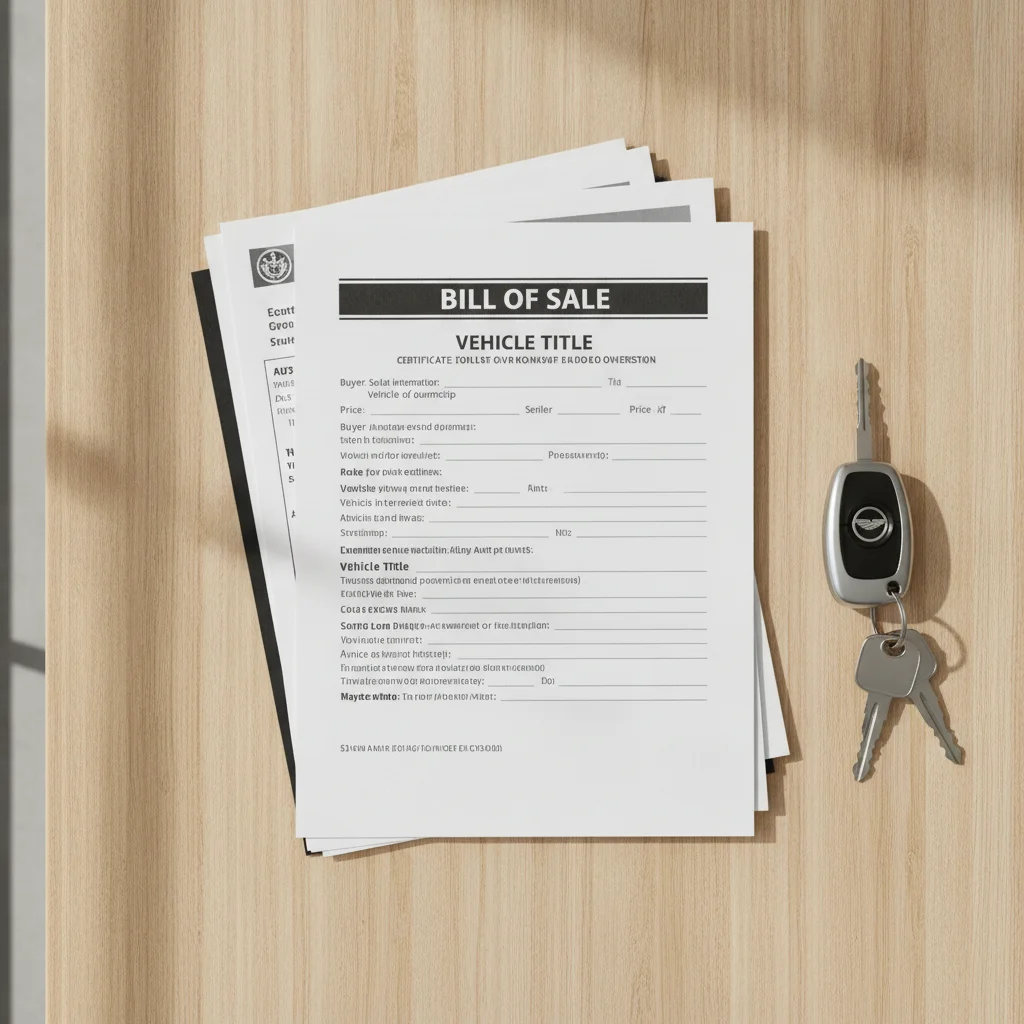
A written bill of sale is essential in almost every state and protects both parties in the event of any post-sale dispute.
Even in states that don't legally mandate a bill of sale for vehicle transfers, skipping written documentation is a serious mistake. Without a bill of sale, you have no proof of the sale price (relevant for tax purposes and dispute resolution), no documented odometer reading (required under federal law for vehicles under 10 years old or under 16,000 lbs), and no record of the 'as-is' terms of the sale.
A proper bill of sale should include:
- Full legal names and addresses of buyer and seller
- Vehicle Year, Make, Model, VIN
- Odometer reading at time of sale
- Sale price and payment method
- Date of sale
- Both parties' signatures
- Any disclosed known defects or conditions
- 'Sold as-is, no warranty expressed or implied' language
Your state's DMV website typically has a free, downloadable bill of sale template that meets all local requirements. Use it. Print two copies — one for each party. This document takes five minutes to complete and can save you from months of legal exposure.
Myth
Private buyers won't pay sales tax, so there's no tax angle for the seller to worry about.
Fact
In most states, the buyer owes sales tax when they register the vehicle — but sellers can have tax obligations too, particularly around capital gains on business-use vehicles.
The tax picture in a private sale is widely misunderstood on both sides. Here's the reality broken into two separate questions:
What Does the Buyer Owe?
In the vast majority of U.S. states, the buyer pays sales or use tax to the DMV when they title and register the vehicle — not to the seller. The seller does not collect, remit, or report this tax. However, some states have minimum tax floors based on book value, not the actual sale price, which affects buyers who thought they'd save by buying at a low private-sale price. See sales tax myths on private party car sales for the state-by-state nuances.
What Does the Seller Owe?
For personal-use vehicles, the IRS allows you to claim a loss on a sale (cars depreciate), but you cannot deduct a personal vehicle loss. Gains on personal-use vehicles are technically taxable, but in practice, almost no seller sells a personal car for more than they paid — so this rarely applies.
The exception: if you used the vehicle for business and claimed depreciation deductions, the sale price above your depreciated basis could be taxable income. Talk to your accountant if your vehicle was used for business purposes.
Myth
Selling 'as-is' means the buyer has zero recourse no matter what.
Fact
'As-is' protects sellers from warranty claims about unknown defects — it does not shield sellers from fraud claims for knowingly concealing material problems.
The phrase 'sold as-is' is valuable and should appear in every private sale bill of sale. It signals clearly that no warranty is being provided and that the buyer accepts the vehicle in its current condition. This protects you if the transmission fails a week after the sale due to a pre-existing condition you didn't know about.
What 'as-is' does not do:
- It does not protect you if you knew the head gasket was failing and told the buyer the engine was 'perfect.'
- It does not prevent a buyer from filing a fraud claim in small claims court for active misrepresentation.
- It does not override state lemon laws, though private sales are typically exempt from lemon law protections in most states (lemon laws generally apply only to dealer sales).
Bottom line: 'As-is' is a shield against honest ignorance, not a license for deception. Disclose what you know. Let the car speak for itself. Buyers who proceed after full disclosure have almost no legal ground to pursue you afterward.
10–20%
Typical dealer trade-in discount vs. private sale price
Industry data from Edmunds and KBB consistently show dealers offer wholesale or near-wholesale values, often 10–20% below private-party retail for comparable vehicles.
$1,400+
Potential sales tax savings from trading in vs. selling private
On a $20,000 trade-in value in a state with 7% sales tax, trading in can reduce taxable purchase price by $20,000 — worth roughly $1,400 in buyer-side tax savings that effectively benefits the seller's net position.
2–8 weeks
Average time on market for private car sales
Listings data from Facebook Marketplace and Craigslist suggest most private vehicle listings take 2–8 weeks to sell depending on price accuracy, vehicle type, and local demand.
#1
Fake cashier's check — top private-sale scam type
The Federal Trade Commission consistently ranks counterfeit cashier's checks among the most common fraud methods targeting private vehicle sellers.
5–8%
Maximum effective listing premium above market value
Beyond a 5–8% buffer, listings typically see significantly reduced inquiry volume as they fall outside the search filters most serious buyers use on major platforms.
Protecting Yourself After the Sale
The transaction doesn't end when the buyer drives away. Several obligations and risks follow you if you haven't handled the paperwork correctly.
Verify Payment Before Releasing the Vehicle
Do not hand over keys, title, or signed paperwork until payment has fully cleared. For bank wires, confirm the settlement — not just the initiation — in your account. For cashier's checks, call the issuing bank directly to verify authenticity before the buyer leaves your presence. Once a car is gone, recovering it is extremely difficult regardless of what a court may later order.
Beware the Overpayment Scam
If a buyer sends a cashier's check for more than the agreed price and asks you to wire back the difference, stop immediately — this is a well-known fraud. The original check will bounce days later, and any money you wired is gone. No legitimate buyer accidentally overpays and asks a private seller to return funds via wire transfer.
Don't Let a Buyer 'Take It to a Mechanic' Alone
Offering to let a buyer have the car inspected by their own mechanic is a sign of transparency — but accompany the vehicle. Drive it to the shop together or follow in another car. Allowing a buyer to drive your vehicle to an unknown location alone creates risk of theft, unreported damage, and liability if they're in an accident during what is effectively an unsupervised test period.
Notify Your DMV Promptly
Most states give you 5 to 10 business days to file a Notice of Release of Liability (or equivalent) with your state's DMV. File it the same day if possible. It costs nothing in most states and takes ten minutes online. This single step is what legally disconnects you from whatever the buyer does with the vehicle afterward — parking tickets, toll violations, accidents, and in the worst cases, criminal use of the vehicle.
Cancel Your Insurance — But Not Too Early
Don't cancel your policy until the sale is fully complete and the buyer has driven away with the title. Canceling early creates a gap that could expose you if something goes wrong during a test drive. Once the car is gone, call your insurer immediately to cancel or transfer coverage. You may be entitled to a prorated refund.
Keep Copies of Everything
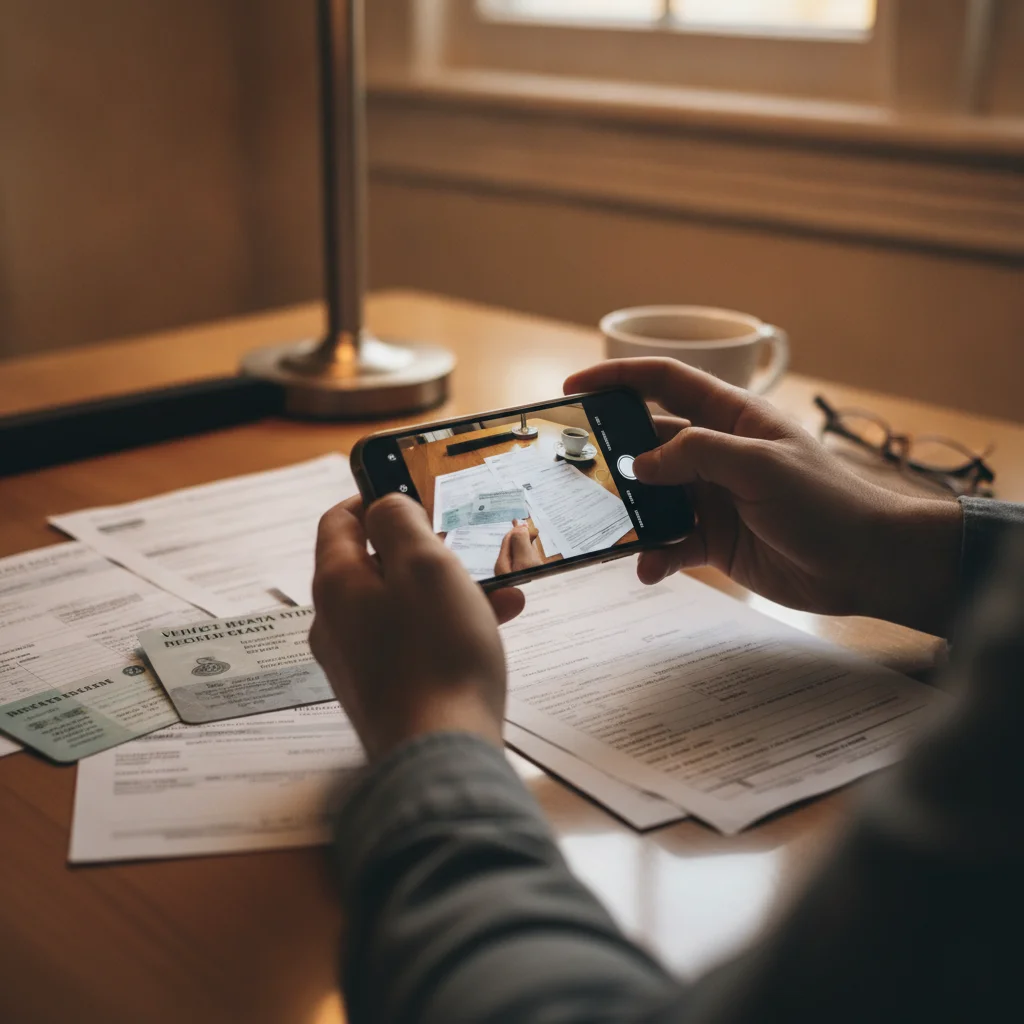
Scan or photograph the completed bill of sale, the odometer disclosure, and any other signed documents before you hand them over. Store them somewhere you can retrieve them in two years if needed. Disputes are rare, but when they happen, documentation is everything.
Understand the Tax Picture
Many sellers incorrectly assume they owe sales tax on the transaction. In almost all U.S. states, the buyer pays sales tax when they register the vehicle — not the seller. However, if you sell for more than your cost basis, there can be federal income tax implications, though the IRS personal-use vehicle exemption means this rarely affects everyday sellers. For the full breakdown, see common misconceptions about sales tax on private car sales.
Never Sign a Blank Title
Signing a title without filling in the buyer's name, sale date, and odometer reading creates a 'floating title' that can be transferred to anyone — including to your name in a fraudulent transaction. Always complete all fields on the title at the time of sale, in ink, and keep a photocopy before you hand it over. This is one of the most irreversible mistakes a private seller can make.
File Your Release of Liability the Same Day You Sell
Most states allow online submission in under 10 minutes. Until this form is filed, you remain connected to the vehicle in state records — meaning tickets, tolls, and accident liability can still follow you. Do not wait for the buyer to handle the title transfer first. File your release independently, immediately, regardless of what the buyer does next.
Getting Your Asking Price Right from the Start
Pricing is where most private sellers lose money — not at the negotiating table, but in the listing itself. A car priced too high sits unsold. A car priced too low attracts lowballers and sells below its potential. Neither outcome is good.
Use Multiple Valuation Sources
Check Kelley Blue Book, Edmunds Private Party Value, and actual current listings on Craigslist, Facebook Marketplace, and CarGurus for your specific make, model, year, trim, mileage, and region simultaneously. The spread between these sources tells you where genuine market demand sits. Don't anchor to the highest number you find — anchor to the median of comparable sold listings, not asking prices.
Factor In Your Car's Real Condition
Valuation tools ask you to self-report condition. Most sellers rate their car one full grade higher than buyers will. If the tool says 'Good' condition is worth $14,200 and 'Very Good' is worth $15,800, assume buyers will see 'Good' and price accordingly — then let condition justify a small premium if you can document the service history.
Time the Market Intelligently
Convertibles in January and snow tires in July are both uphill climbs. If your vehicle has seasonal appeal, listing at the right time can be worth $500–$1,500 in effective demand. The myths about the best time to sell a car article breaks down which timing beliefs actually hold up and which ones don't. And for broader market timing guidance, the hub covers seasonal and economic trends in detail.
What to Do With Lowball Offers
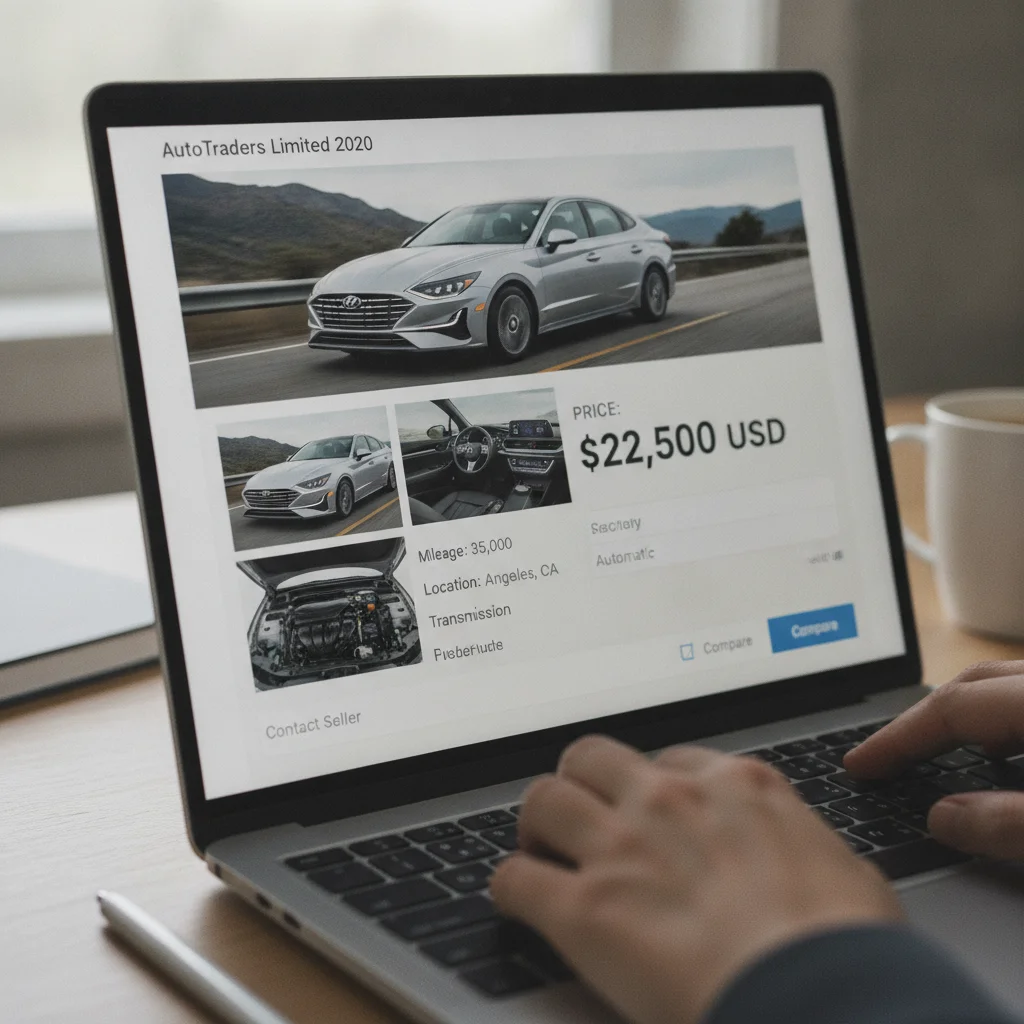
Don't ghost lowballers — counteroffer once. A buyer who opens at $10,000 on a $13,500 car isn't necessarily a waste of your time; they may simply be testing your floor. Counter at your asking price or just below it, explain what justifies the price briefly (recent tires, clean history report, one owner), and see if they engage. If they counter again reasonably, you have a real negotiation. If they don't move, move on.
Screening Buyers and Handling Test Drives Safely
Private sales create personal safety considerations that dealers handle automatically with staff, security cameras, and controlled lots. As a private seller, those protections fall on you.
Pre-Screen Before You Meet
Ask qualifying questions by text or phone before giving your address: Are you financing or paying cash? When are you looking to buy? Have you seen the listing photos? Serious buyers answer directly. Vague or evasive answers are a signal. You don't owe anyone an in-person meeting before they've demonstrated they're a real prospect.
Meet in Public First, Then at Home
For the first contact, many sellers prefer a well-lit public location — a busy parking lot or a bank — especially if multiple buyers are interested and you're trying to narrow down. Reserve home-address showings for buyers who have already confirmed serious intent.
Accompany Every Test Drive
Never hand a stranger the keys and wait inside. Ride along on every test drive, and limit the route to roads you know. Ask for a copy of the buyer's driver's license before they get behind the wheel — this is standard practice and any serious buyer will comply without hesitation.

If you're selling a higher-value vehicle, it's worth reviewing the used car myths that cost buyers money — understanding what buyers believe going in helps you anticipate objections and handle the transaction more confidently from your side of the table.
Private sales reward sellers who prepare. The myths in this article aren't obscure edge cases — they're the default assumptions most sellers bring to the table. Strip them out, replace them with the facts, and you're already ahead of the majority of private sellers in your market.

All claims are backed by peer-reviewed research. Sources on request.