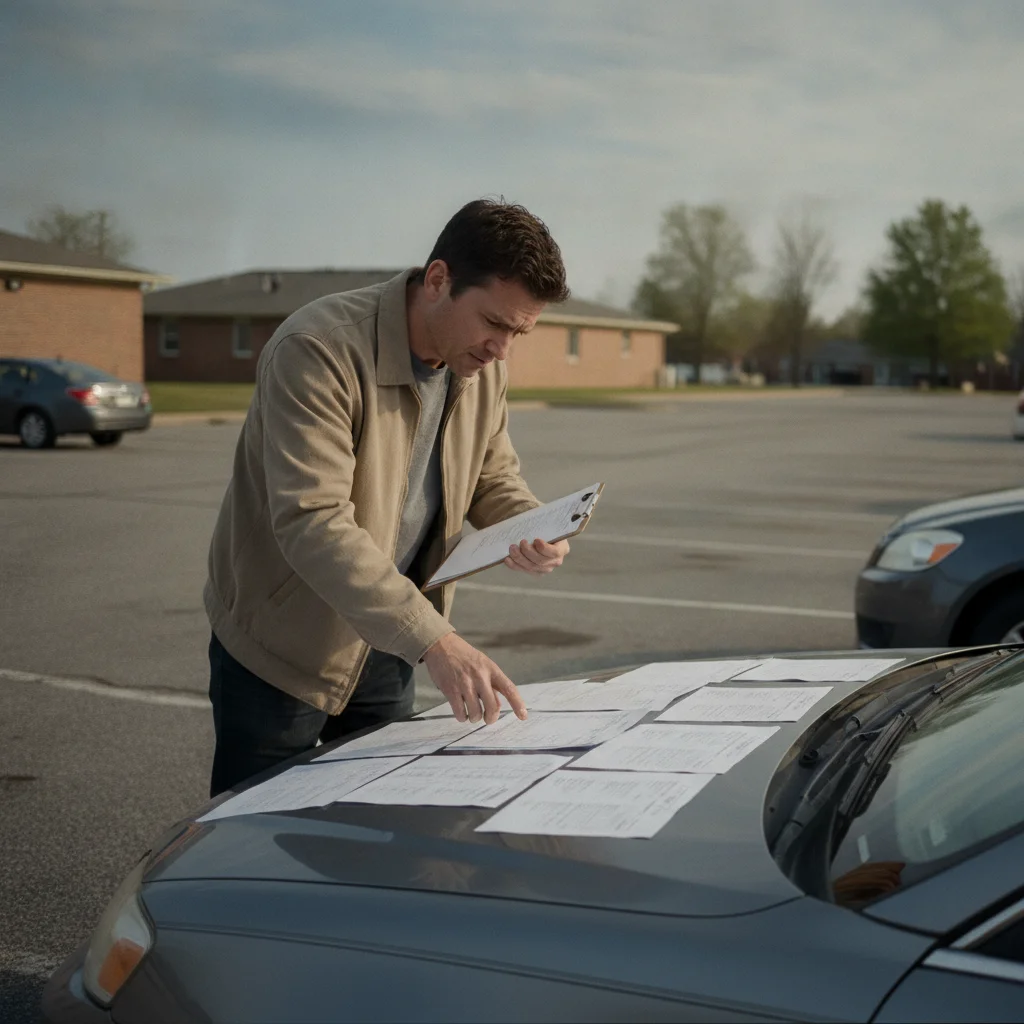
Key Takeaways
Why Multiple Buyers Is a Good Problem to Have — If You Play It Right
Posting a well-priced private listing and watching three, four, or five inquiries roll in within the first 24 hours feels great — until you realize you now have to manage four separate conversations, two scheduled test drives, and one impatient buyer who won't stop texting. Handle this badly and you'll either leave money on the table or anger people who might have paid full asking price.
The sellers who close quickly and cleanly don't rely on luck. They set up a simple process before the first inquiry even arrives: consistent communication, a clear policy on how offers are handled, and a fallback plan for when buyers flake. This guide walks you through exactly that process, step by step.
If you're still evaluating whether private party is the right channel for your car at all, it's worth knowing how online instant-offer platforms compare on speed and payout — see how instant offer platforms stack up before committing to one path.
What You Need Before You Start Taking Inquiries
Most sellers improvise their way through buyer management and pay for it with confusion, duplicate commitments, and lost deals. Set yourself up properly first.
What you will need
Buyer Tracking Spreadsheet
Logs every inquiry with timestamps, contact details, and current status so you never lose track of where each buyer stands.
Deposit Agreement Template
A simple written agreement covering deposit amount, refund policy, and purchase deadline — protects both parties and filters out non-serious buyers.
Vehicle History Report (Carfax or AutoCheck)
Proactively sharing a clean history report builds buyer confidence and reduces negotiating friction.
Bill of Sale Template
Documents the final transaction with buyer/seller details, sale price, and vehicle information — required in most states for title transfer.
Calendar App with Reminders
Schedules and confirms test drive appointments with buffer time so buyers never overlap at your door.
Secure Payment App (Zelle, bank wire, or cash)
Facilitates fast, traceable payment at the time of sale — avoid personal checks or payment apps that allow chargebacks.
Having these tools in place before your listing goes live means you're reacting from a position of control rather than scrambling to remember who said what three days ago.
The Step-by-Step Process for Managing Competing Buyers
Follow these steps in order. Skipping steps — especially the written-policy step — is the most common reason sellers lose credibility with serious buyers and end up settling for less.
Set your communication policy before your first reply
Before you respond to a single inquiry, decide on your ground rules and stick to them for every buyer. Your policy should cover three things:
- How you handle holds: No holds without a written deposit agreement. Period.
- How you prioritize buyers: First-come, first-served based on inquiry time, or highest verifiable offer — pick one and apply it consistently.
- Your response window: Commit to replying to all inquiries within a set timeframe (e.g., within a few hours during daytime hours). Buyers who feel ignored move on quickly.
Having a policy doesn't mean you need to recite it like a legal disclaimer in every message. It just means you know the rules before pressure hits.
Log every inquiry with timestamp and contact details
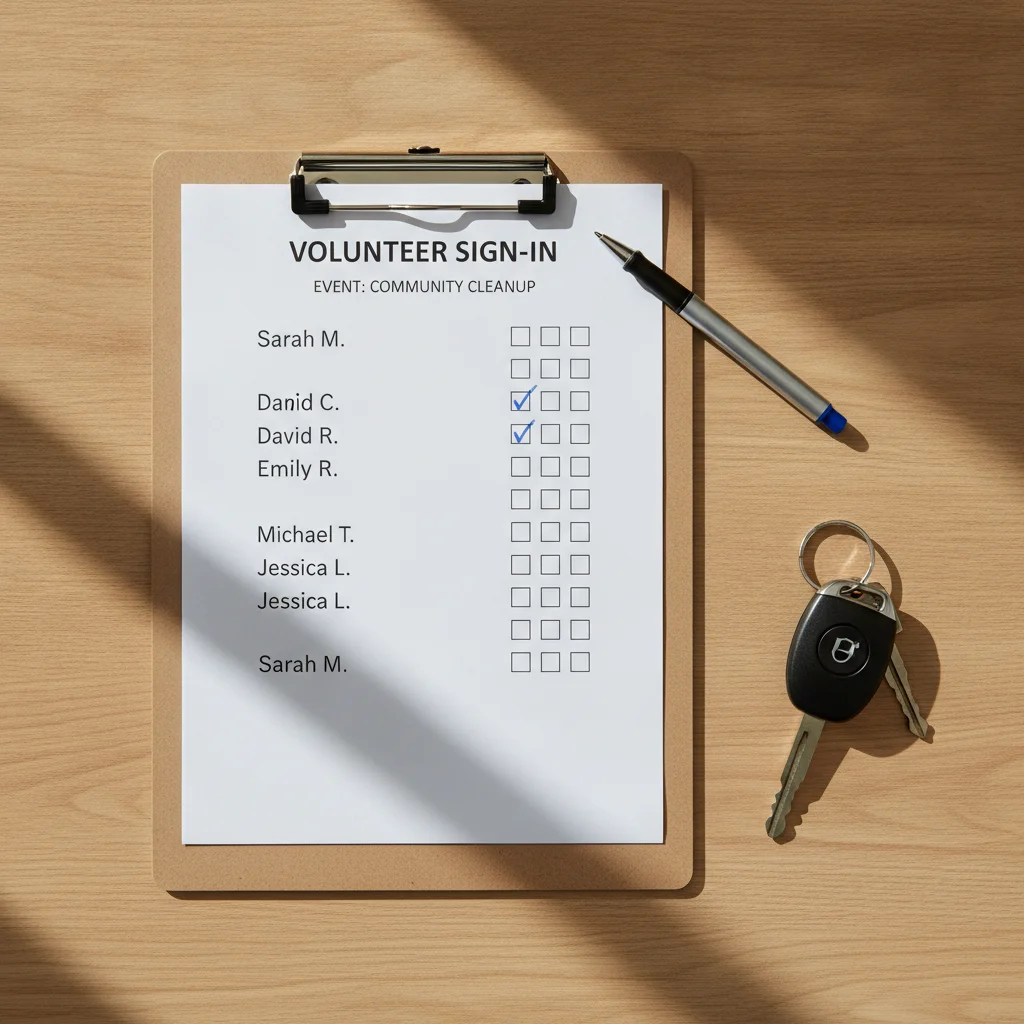
Create a simple spreadsheet or even a notes list with the following for each buyer: name, contact method and number, date and time of first inquiry, current status (inquired, test drive scheduled, offer made, deposit received), and any specific notes (financing, distance traveling, flexibility on price).
You don't need fancy CRM software. A basic spreadsheet with five columns gets the job done. What matters is that you never have to rely on memory when a buyer asks, "Did I or did I not reach out before that other guy?"
Send every buyer the same opening message
Reply to each inquiry with a consistent message that covers: the car's current availability, your process for scheduling test drives, and your policy on holds. Here's a template you can adapt:
"Thanks for reaching out. The [Year Make Model] is still available. I'm scheduling test drives on a first-come, first-served basis. The car will remain listed and available to all interested buyers until a deposit or full payment is received. Let me know if you'd like to schedule a time to see it."
This single message sets expectations, filters out non-serious buyers, and positions you as organized and professional — all of which work in your favor during negotiation.
Schedule test drives with staggered, buffered windows
Book test drives at least 45–60 minutes apart — 90 minutes if you expect the buyer to need significant time for questions or inspection. Confirm each appointment the night before with a quick text. If a buyer doesn't confirm, assume a 50% chance they won't show and have a backup ready to fill the slot.
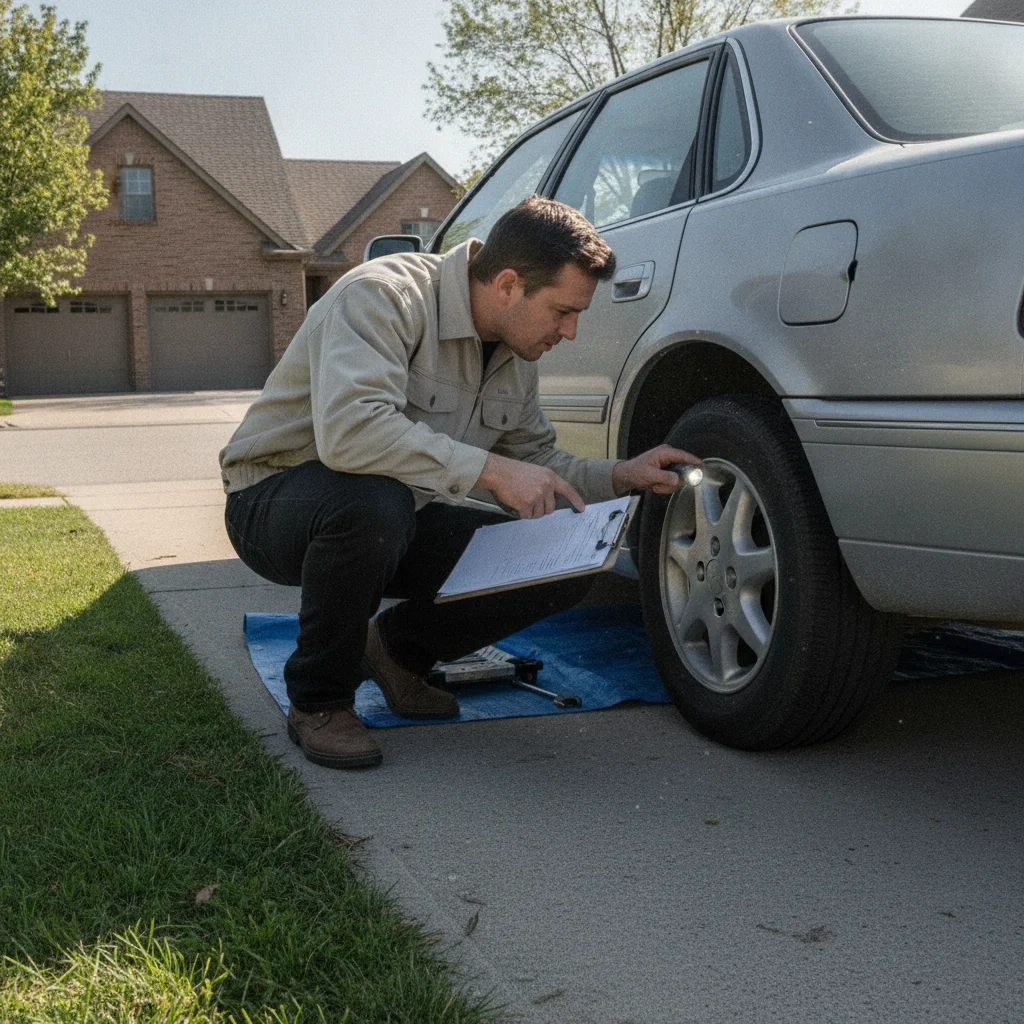
Choose a meeting location that's safe and logistically sensible: your driveway or a nearby public parking lot with good visibility. Avoid rushing buyers through the drive — a buyer who feels pressured offers less, or walks.
Set and communicate a decision deadline
Once you've had serious interest from two or more buyers, it's fair and effective to set a deadline. Something like: "I have several parties who have seen the car and I plan to make a decision by [specific date and time]. If you're interested in moving forward, please let me know your offer or confirm your intent by then."
A deadline creates real urgency without inventing fake competing offers. It also gives every buyer an equal shot and gives you a clean moment to close rather than an open-ended waiting game that drags for weeks.
Accept the best offer and notify all other buyers promptly
Once you have a signed deposit agreement or full payment, notify every other buyer the same day — ideally within a few hours. A brief, respectful message is all it takes:
"Hi [Name], I wanted to let you know that the car has been sold. I appreciate your interest and wish you the best in your search."
This closes the loop professionally. Buyers who were treated well through the process often leave positive reviews on platforms, refer others to your future listings, or become buyers themselves for your next car. Burning bridges for no reason is just bad business.
Never Accept Personal Checks or PayPal
Personal checks can bounce days after you've handed over the title, and PayPal Goods & Services allows chargebacks that can claw back your payment weeks later. For private party sales, accept only cash, a bank-issued cashier's check you verify with the issuing bank before signing the title, or a bank wire transfer confirmed in your account. The risk of payment fraud spikes when you have multiple buyers creating time pressure.
Don't Create Fake Competing Offers
Telling a buyer "I have an offer at $15,000, can you beat it?" when no such offer exists is deceptive and, in some states, grounds for a buyer to pursue legal remedies after the fact. You don't need invented pressure — a real deadline and a genuine first-come, first-served policy create enough urgency on their own. Stick to the facts.
Batch Your Test Drives on One Day
If you're fielding serious interest from three or more buyers, consider scheduling all test drives on the same Saturday with 60–90 minute gaps. Batching keeps your focus sharp, accelerates the decision timeline, and makes it easier to set a natural closing deadline by end of day. Buyers also sense momentum when they know others are looking — which tends to sharpen offers.
Confirm Every Appointment the Night Before
A quick text the evening before a scheduled test drive — "Just confirming we're still on for tomorrow at 10 AM at [location]" — cuts your no-show rate dramatically. Give buyers an easy out if their plans changed. A buyer who reschedules honestly is far better than one who silently ghosts and wastes your morning.
How to Handle Offers, Counteroffers, and the 'I'll Pay Asking If You Hold It' Request
This is where sellers get burned most often. A buyer calls, loves the car over the phone, offers asking price, and says, "Don't sell it to anyone else — I'll be there Saturday." Saturday comes and goes.
Your rule must be simple and communicated to every buyer upfront: the car is available to all interested parties until a deposit or full payment is received. No exceptions, no matter how convincing the promise sounds.
Handling Low Offers Without Shutting Down the Relationship
If a buyer offers $1,500 below your asking price, don't hang up or go cold. Counter with a specific number — say, splitting the difference — and give them 24 hours to decide. A firm but fair counteroffer keeps the negotiation alive without signaling desperation. For a deeper breakdown of countering tactics, see negotiating with private buyers without leaving money on the table.
The 'Best and Final' Move
If you have two serious buyers at similar price points and want to close fast, it's acceptable to tell both: "I have another offer at $X. I'm giving both parties until to submit their best offer. I'll go with the higher number." Keep this honest — don't fabricate competing offers. Fabricated urgency destroys trust and, in some states, can expose you to legal liability.
Deposits: Do They Actually Hold a Buyer?
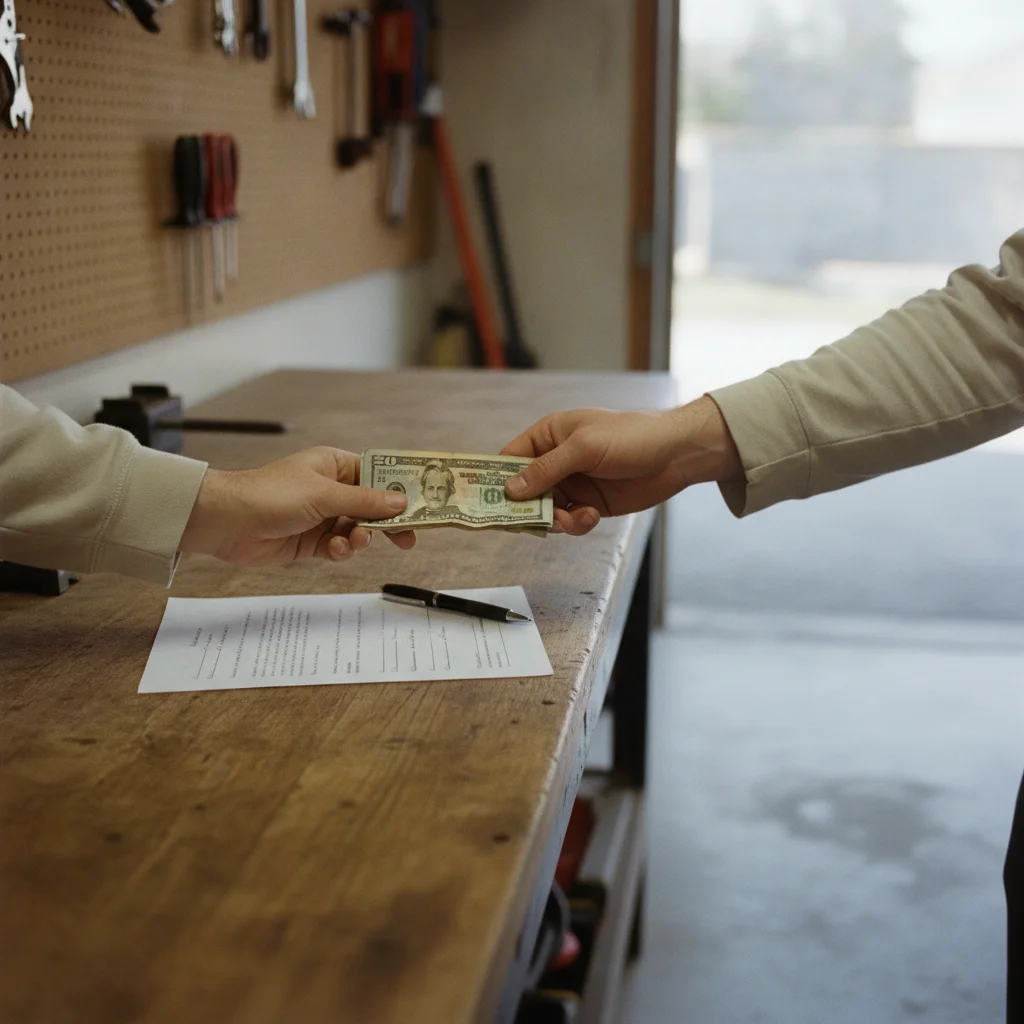
A cash deposit — typically $200–$500 — signals real commitment and weeds out tire-kickers immediately. Put the deposit terms in a simple written agreement: the amount, what happens if the buyer walks (non-refundable), and a deadline for completing the full purchase (usually 48–72 hours). Without a written agreement, collecting a deposit just creates a dispute.
Do Not Sign the Title Until Payment Clears
This is the single most important rule in any private party transaction. A signed title transfers legal ownership — once it's signed over, recovering your car or your money if payment fails is extremely difficult and often impossible without expensive legal action. For cashier's checks, call the issuing bank directly to verify the check before you sign anything. For cash, count it in full before proceeding. Do not let urgency from competing buyers rush you past this step.
Keeping Backup Buyers Warm Without Leading Them On
Your deal falls through more often than you'd expect. The buyer's financing gets denied, their spouse vetoes the color, or they simply ghost you after the test drive. A warm backup buyer can get you back on track in hours instead of relisting and starting over.
After your primary buyer commits, send a brief message to everyone still in your queue — something like: "The car is currently under a pending agreement, but I'll reach out immediately if anything changes. Thank you for your interest." This is honest, keeps the door open, and doesn't obligate you to anything.
Never tell a backup buyer the deal is off unless you're sure. And never tell them they're "next in line" in a way that implies guaranteed access — that creates expectations you may not be able to fulfill.
If the primary deal collapses, contact your backup list in the order inquiries arrived. First-come, first-served is the cleanest policy and the one most buyers consider fair. When you reach out, be direct: "The previous agreement fell through. The car is available again. Are you still interested?" Simple, professional, no drama.
Thinking about running a similar multi-offer strategy when you're on the buying side? The same discipline pays off — getting multiple trade-in offers before you buy shows how competing quotes give you real leverage at the dealership.
Common Mistakes That Cost Sellers the Deal or the Relationship
Even experienced private sellers make these errors. Avoid them and you'll close faster with fewer headaches.
- Promising exclusivity verbally. Once you say "I won't show it to anyone else," you've either made a commitment you may need to break or handed all leverage to one buyer. Don't do it.
- Scheduling test drives back-to-back with no buffer. If Buyer A runs 20 minutes late and Buyer B shows up on time, you've created an awkward confrontation at your driveway. Build in at least 45–60 minutes between appointments.
- Sharing another buyer's offer details without permission. Telling Buyer B exactly what Buyer A offered feels like leverage, but it's a breach of trust. Confirming that a competing offer exists is fair; revealing the exact number is not.
- Going dark on buyers while you wait for your top pick to decide. Buyers move on. If you haven't heard from your preferred buyer in 24 hours, follow up once — and if there's still no response, move to the next person on your list.
- Accepting a verbal offer and not confirming it in writing. Texts count. After any verbal agreement, send a quick message: "Just confirming we agreed on $14,500, with you picking up the car by Saturday at noon." This protects both parties.
Understanding what buyers are checking on their end helps you anticipate friction before it becomes a problem — what buyers check before making an offer on your listing is a useful complement to this process.

All claims are backed by peer-reviewed research. Sources on request.