Key Takeaways
Reconditioning Costs
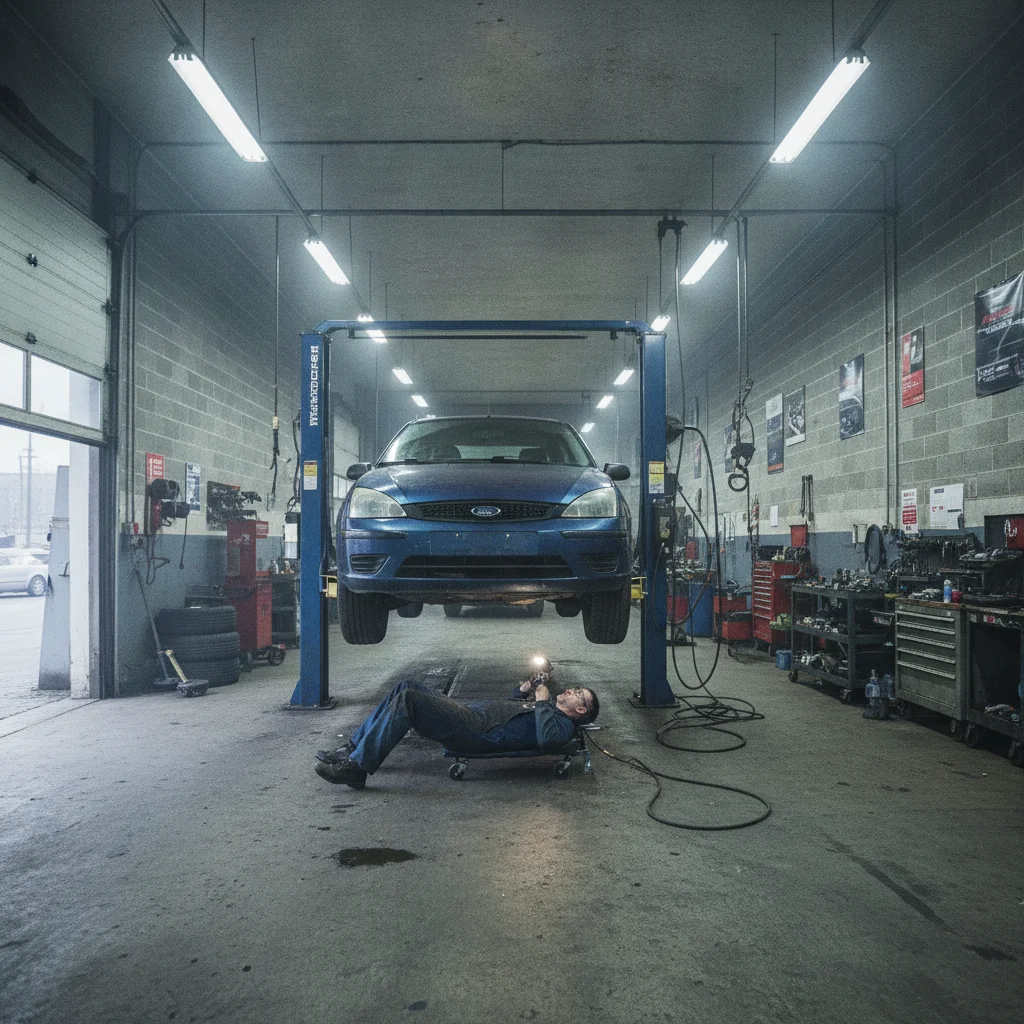
Reconditioning costs are the expenses a dealership expects to spend preparing a used vehicle for resale — covering repairs, detailing, new tires, worn brakes, paint touch-ups, and any mechanical work needed to bring the car to their certified or lot-ready standard. Dealers subtract these estimated costs from a vehicle's projected retail resale value before arriving at your trade-in offer. The bigger the estimated recon bill, the lower the number they hand you.
Dealers typically apply a standard recon budget — often $1,000 to $2,500 — even before physically inspecting a vehicle, then adjust upward once the lot tech or service department reviews the actual condition.
Why Your Trade-In Offer Is Lower Than You Expected
You checked Kelley Blue Book. You looked at CarGurus listings. Your car seemed worth $18,000, maybe $19,000. Then the dealer slid a paper across the desk showing $14,500 — and smiled like they'd done you a favor.
The gap between what a car is worth at retail and what a dealer offers at trade-in is not random. It follows a formula, and reconditioning costs are one of the biggest variables in that formula. Most dealers won't walk you through their math. Understanding it yourself is the only way to push back intelligently.
See how dealers construct the full trade-in offer to understand every factor working against you — reconditioning is just one layer of a multi-step calculation designed to protect dealer margin.
How Dealers Calculate Reconditioning Costs
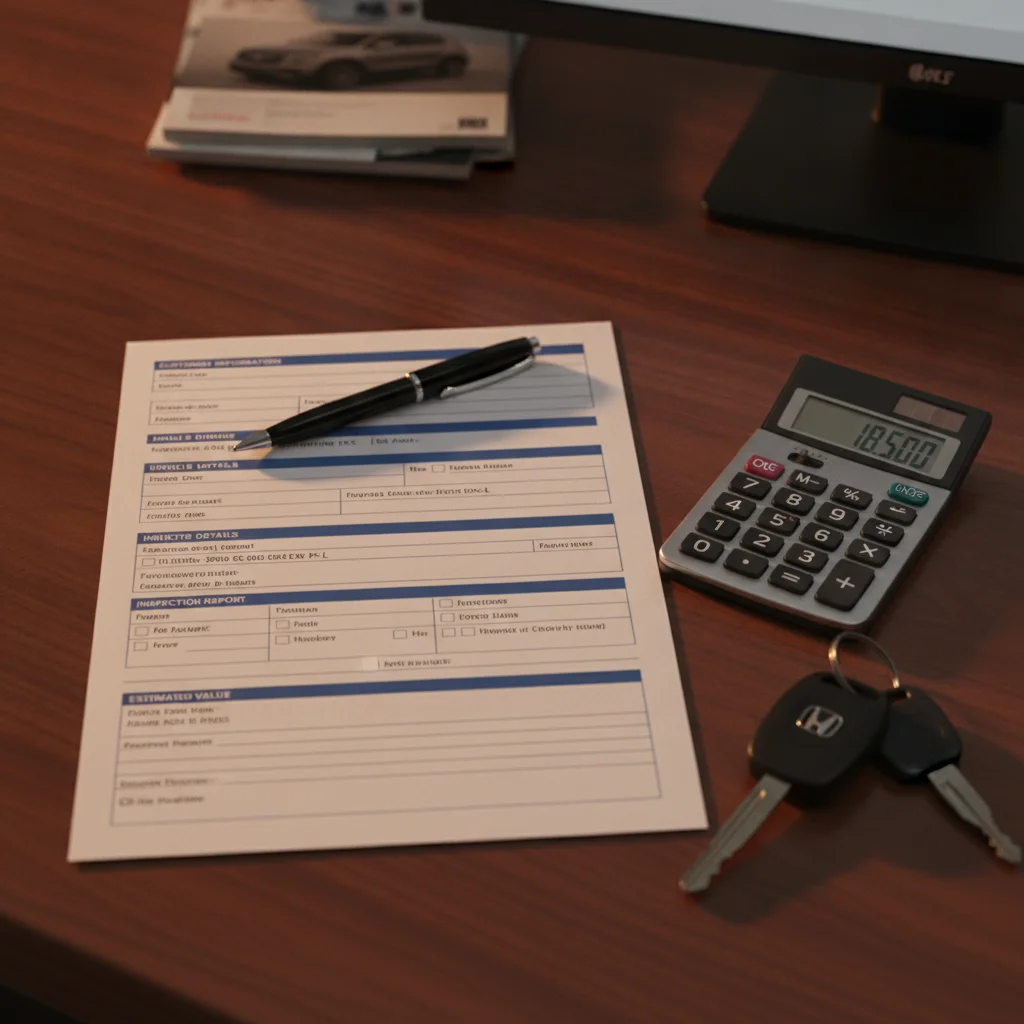
Dealers work backward from a target retail price. They look at what comparable vehicles are selling for in their market — using tools like vAuto or Dealertrack — then subtract every cost they expect to incur before putting the car on the lot. Reconditioning is one of the largest and most flexible of those subtractions.
Here's a simplified version of the math:
| Projected Retail Price | $19,500 |
|---|---|
| Auction / transport (if not kept) | − $600 |
| Dealer profit margin target | − $2,500 |
| Reconditioning estimate | − $1,800 |
| Trade-In Offer to You | = $14,600 |
That recon line — $1,800 in this example — is the number dealers have the most discretion over. It's an estimate, not an invoice. And estimates can be inflated.
$1,000–$2,500
Typical baseline recon allowance per trade-in
Industry estimates from used car operations consultants suggest most franchised dealers budget $1,000–$2,500 in reconditioning before a vehicle reaches the lot.
$2,000–$4,000
Average gap between trade-in offer and private sale price
Consumer Reports and iSeeCars data consistently show private party sales yield $2,000–$4,000 more than dealer trade-in offers for the same vehicle and condition.
40%
Of tire tread that can trigger full replacement deduction
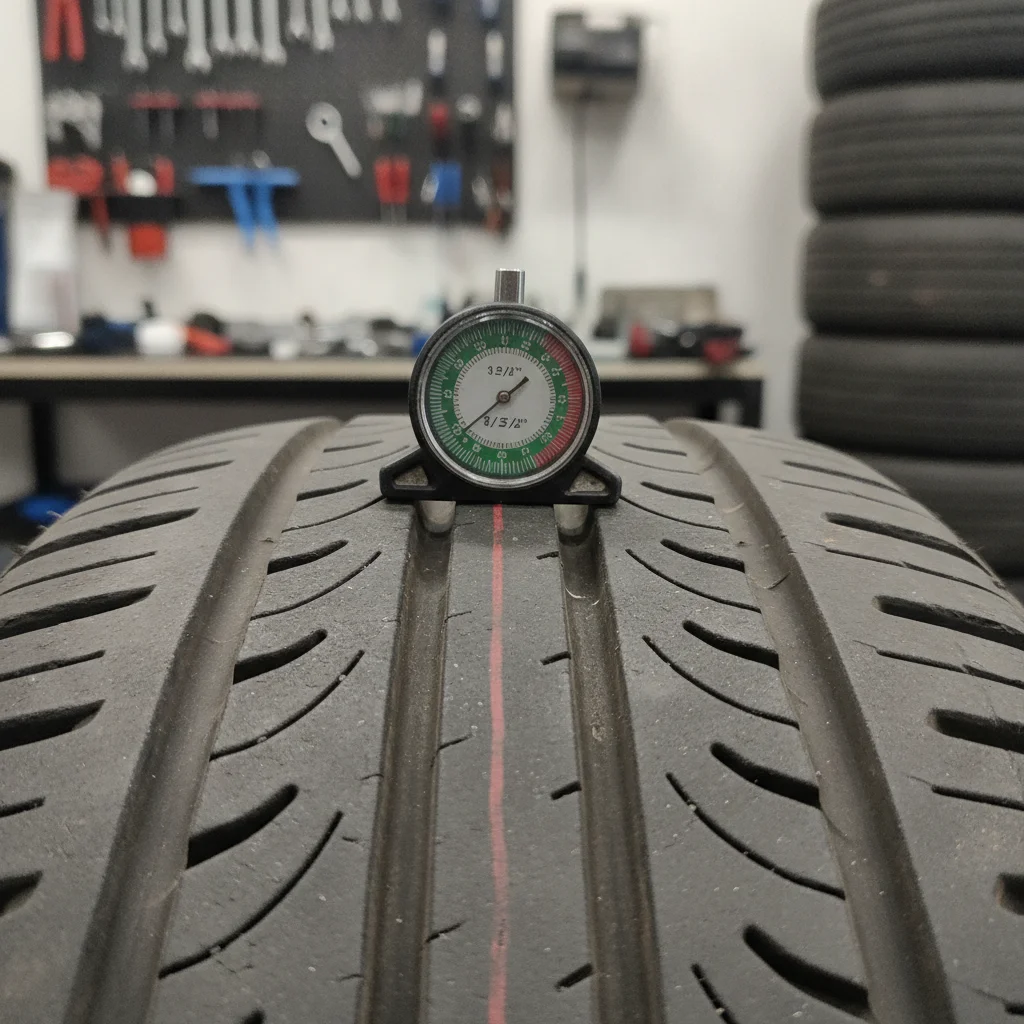
Many dealers classify tires with less than 4/32" of remaining tread as requiring full replacement, even though tires are technically legal to drive on at 2/32".
$500–$2,000+
Recon deduction for an active check engine light
An unresolved diagnostic trouble code typically triggers a deduction well above the cost of diagnosis alone, as dealers price in repair uncertainty.
3–5 days
Average time a vehicle spends in dealer reconditioning
According to Cox Automotive's used vehicle benchmarks, the average franchise dealer takes 3–5 days to recondition a vehicle after trade-in appraisal.
For a deeper look at how the recon deduction interacts with depreciation curves, see what trade-in values reveal about depreciation.
Certified Pre-Owned Programs Raise the Recon Bar
If a dealer plans to certify your trade-in under a manufacturer's CPO program, reconditioning standards are significantly higher — and costs can be substantially greater. A vehicle with 48,000 miles may require a full multi-point service, tire replacement, and brake work to meet CPO standards, pushing the recon deduction well above the typical baseline. This is legitimate cost, not padding, though it still reduces your offer.
Competing Offers Shift the Negotiation Dynamic
Walking in with a written offer from CarMax, Carvana, or another dealer forces the appraising dealer to justify any gap. They can either match the offer, itemize why their recon estimate justifies the difference, or lose the deal. Written competing offers are the most effective single tool for trade-in negotiation.
The Line Items Inside a Typical Recon Estimate
Recon is not one flat charge. It's a stack of individual line items, each one reducing your offer. Here's what dealers commonly include — and the realistic cost range for each:
- Full detail (interior + exterior): $150–$400. This is applied to nearly every trade-in, even clean ones.
- Paint correction / scratch removal: $200–$800 depending on severity and panel count.
- Dent repair (paintless dent removal): $75–$300 per dent. A bumper full of parking lot dings can cost $400–$600 total.
- Tire replacement: $600–$1,200 for a full set of mid-grade tires, mounted and balanced. Even tires at 40% tread may trigger a full replacement charge.
- Brake pads and rotors: $300–$700 per axle at dealer labor rates.
- Windshield chip / crack repair: $100–$400 depending on size and location.
- Diagnostic codes (check engine light): $150–$600+ for diagnosis, often much more to repair. An active code can add $500–$2,000 to the recon estimate depending on cause.
- Key fobs / missing items: $200–$500 per key fob for newer vehicles with proximity entry.
The critical insight: dealers price recon at their internal shop rate or estimated wholesale cost — not consumer retail. But they often pad estimates, especially on items like tires and paint, knowing most sellers won't check.
Document Your Car's Condition Before the Appraisal
Take timestamped photos of every panel, the interior, tires, and under the hood the day before the appraisal. If a dealer claims new damage during inspection, you have photographic proof of condition at arrival. This documentation also supports your case when challenging recon estimates line by line.
Get Three Trade-In Offers Before Accepting Any
CarMax, Carvana, and a competing dealer will each apply their own recon estimate to your vehicle. Differences of $1,000–$2,500 between offers on the same car are common. The highest offer reveals what your car can actually command — use it as a floor in any negotiation.
What Dealers Apply Automatically — Before They Even Look
Here's the part most sellers never learn: many dealers apply a baseline recon allowance before your car hits the service drive. This number — often $800 to $1,500 — is baked into their offer calculation as a default assumption. It represents a best-case recon scenario for a "clean" vehicle.
Once the lot tech actually inspects the car, that number only goes up. It rarely comes down.
This means that even if your car is genuinely in above-average condition, you're still absorbing a $800–$1,500 recon deduction by default. The dealer is protecting against surprises. You're subsidizing their risk.
“Dealers don't just estimate what it costs to fix your car — they estimate what it costs to fix your car plus a buffer for every risk they can't see yet. That buffer comes directly out of your trade-in number.”
— Dale Pollak, Founder of vAuto and author on used vehicle profitability strategies
The only way to counteract the automatic baseline is to arrive with documentation that proves your car's condition — recent service records, a pre-inspection report from an independent mechanic, and photos showing current tire tread depth and interior condition. Tangible evidence is harder to dismiss than a clean-looking vehicle.
Dealer tactics that shrink trade-in value go beyond recon — understanding the full playbook makes you a harder target at the negotiating table.
Repairs Worth Making Before You Trade In (And Ones That Aren't)
The guiding principle is simple: only fix something if your cost is less than the dealer's recon deduction for that same item. Everything else, leave alone.
Repairs That Typically Pay Off
- Professional detailing: A $150–$200 detail can recover $300–$500 in offer value. Always worth it.
- Windshield chip repair: $75 at a glass shop prevents a $250–$400 dealer deduction.
- Replace a single missing key fob: A $100–$200 aftermarket key can prevent a $400 deduction on newer vehicles.
- Clear a soft fault code: If the check engine light is on due to a loose gas cap or a cleared sensor, addressing it before the appraisal eliminates a high-cost recon flag.
Repairs That Rarely Pay Off at Trade-In
- Transmission or engine work: These repairs rarely return dollar-for-dollar. Disclose the issue and negotiate instead.
- Body panel replacement: A new bumper cover at a body shop runs $800–$1,500. The dealer's paintless dent recon estimate may only be $300–$400, meaning you'd overspend.
- Full tire replacement: Four new tires at a retail shop ($700–$900) may only recover $500–$700 in offer improvement. The math often doesn't work unless tires are completely bald.
For a full breakdown of which prep steps deliver the best return, see the detailing and repairs that move the needle.
How to Challenge a Recon Estimate During Negotiation
The single most powerful move you can make when trading in is asking the dealer to itemize the recon deduction. Most won't offer this voluntarily. Ask directly: "Can you break down what's included in your reconditioning estimate line by line?"
If they comply, review each item against real-world pricing. Tire quotes are easy to verify with a quick Discount Tire or Costco check on your phone. Paint correction quotes can be compared against local detailing shops. Brake quotes can be checked against a quick call to a nearby independent mechanic.

When estimates are padded — and they often are — present your counter with documentation. A quote from a body shop showing $350 for the bumper repair they're charging $800 for is a legitimate counterpoint. Dealers won't always budge, but a documented challenge often moves the number by $300–$700 on a single line item.
If the dealer refuses to itemize the recon estimate, that's information too. It signals padding and gives you more justification to consider selling privately or getting competing offers from CarMax, Carvana, or another dealer.
Certified Pre-Owned Programs Raise the Recon Bar
If a dealer plans to certify your trade-in under a manufacturer's CPO program, reconditioning standards are significantly higher — and costs can be substantially greater. A vehicle with 48,000 miles may require a full multi-point service, tire replacement, and brake work to meet CPO standards, pushing the recon deduction well above the typical baseline. This is legitimate cost, not padding, though it still reduces your offer.
Competing Offers Shift the Negotiation Dynamic
Walking in with a written offer from CarMax, Carvana, or another dealer forces the appraising dealer to justify any gap. They can either match the offer, itemize why their recon estimate justifies the difference, or lose the deal. Written competing offers are the most effective single tool for trade-in negotiation.
The recon conversation is directly connected to the broader role reconditioning plays in shaping your trade-in offer — knowing how to frame the discussion gives you real leverage.
Private Sale vs. Trade-In: The Recon Equation
The cleanest way to avoid the reconditioning deduction is to sell the car yourself. A private buyer negotiates based on what they can see — a specific dent, a tire condition, a maintenance record. There's no automatic $1,500 baseline, no inflated labor rate, and no dealer margin layered on top.
The tradeoff is real: private sales take more time, require more logistics, and carry transaction risk. But on a $15,000 car, the difference between a dealer trade-in and a private sale can realistically be $2,000–$4,000 — and a significant portion of that gap is the reconditioning deduction working against you.
Document Your Car's Condition Before the Appraisal
Take timestamped photos of every panel, the interior, tires, and under the hood the day before the appraisal. If a dealer claims new damage during inspection, you have photographic proof of condition at arrival. This documentation also supports your case when challenging recon estimates line by line.
Get Three Trade-In Offers Before Accepting Any
CarMax, Carvana, and a competing dealer will each apply their own recon estimate to your vehicle. Differences of $1,000–$2,500 between offers on the same car are common. The highest offer reveals what your car can actually command — use it as a floor in any negotiation.
If you're buying new at the same time, also be aware that dealers often exploit the combined transaction to blur where value is being given and where it's being taken. Extras like paint protection film or nitrogen tires can be used to obscure the true net of your trade. Dealer add-ons that inflate your final bill are the buying-side equivalent of recon deductions on the selling side — both deserve the same skeptical attention.
Understanding how depreciation works gives you the baseline context to evaluate any trade-in offer, regardless of what recon figure a dealer applies.

All claims are backed by peer-reviewed research. Sources on request.