
Key Takeaways
Reconditioning Costs
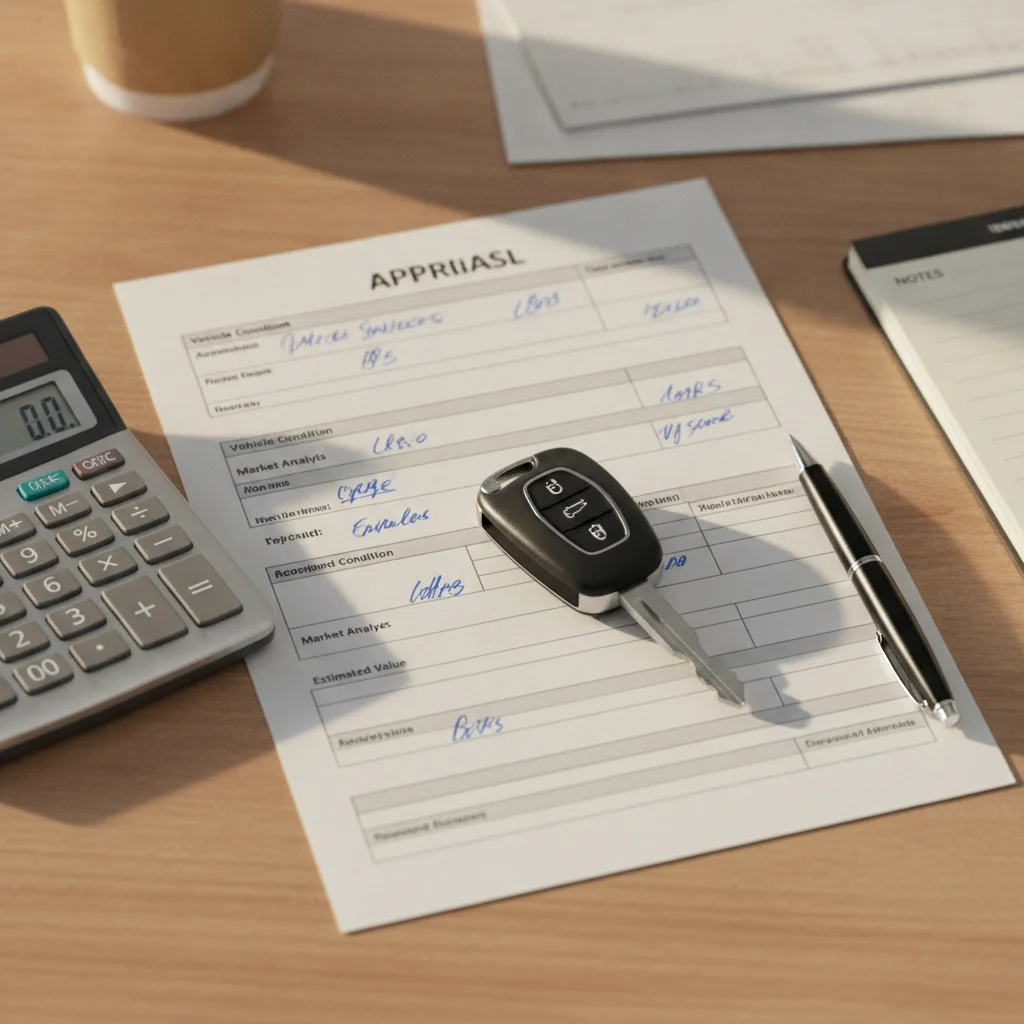
Reconditioning costs are the expenses a dealer estimates it will take to make your trade-in vehicle retail-ready — covering repairs, detailing, new tires, paint correction, and any mechanical work needed before the car can be placed on their lot. The dealer subtracts this estimated total from what they believe the car is worth on the open market, and the result is your trade-in offer. In short, the worse the estimated condition, the lower the check you receive.
Dealers calculate reconditioning against the vehicle's Actual Cash Value (ACV), not its book value. ACV already reflects market demand and depreciation; piling reconditioning deductions on top of ACV is where most trade-in value disappears.
Why Reconditioning Costs Exist — and Why They Matter to You
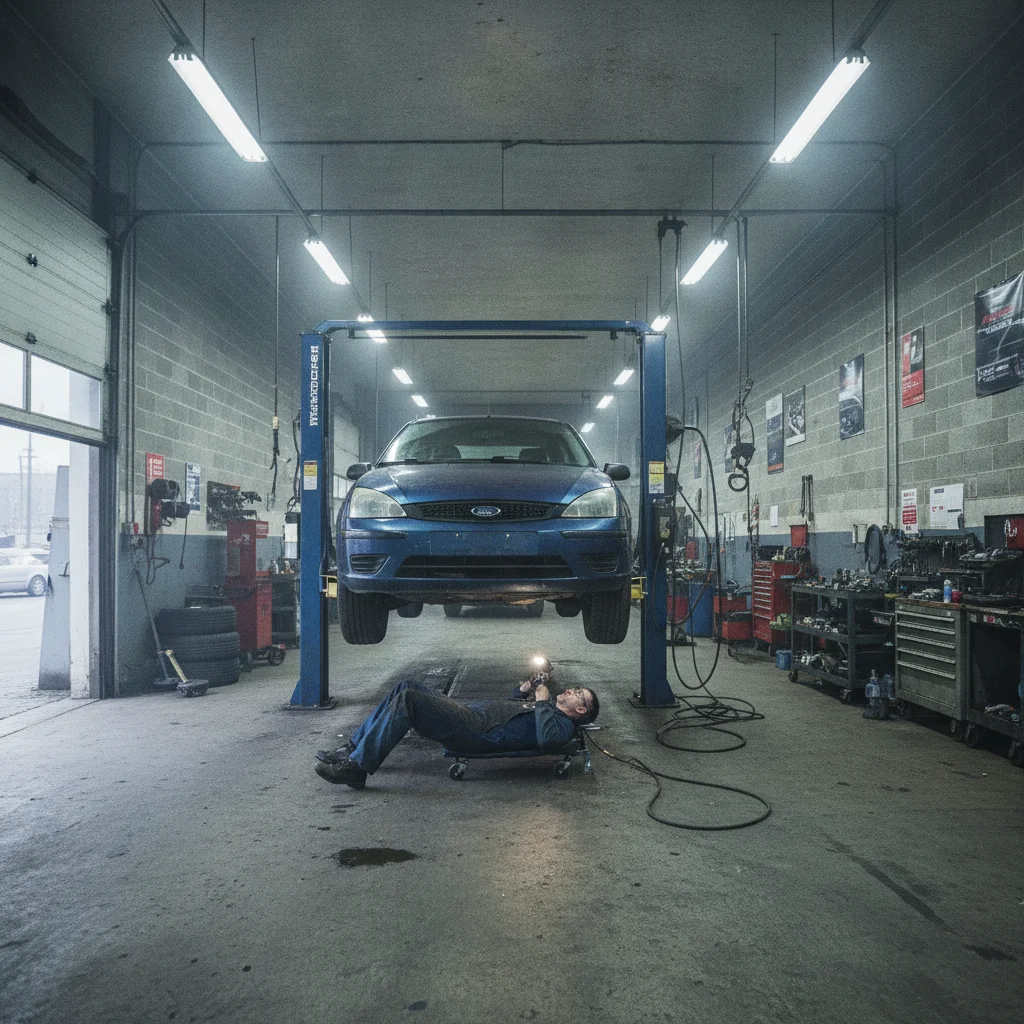
When a dealer takes your car in trade, they are not buying it for sentimental reasons. They are buying an asset they intend to resell at a profit. Before any used vehicle hits a dealer's retail lot, it has to pass through their reconditioning process — a combination of mechanical inspection, detailing, and any repairs needed to make the car presentable and legally sellable. Every dollar of that process comes directly off your trade-in offer.
This is not inherently dishonest. Dealers genuinely do spend money reconditioning vehicles. The problem is twofold: first, their estimates are often inflated well above what repairs will actually cost them (they buy parts and labor at wholesale, not retail); second, those estimates are presented to you as objective fact, not as negotiable figures. Most buyers accept the number without question.
Understanding trade-in terminology like ACV and reconditioning cost before you walk into the dealership changes the entire dynamic. You stop being a passive recipient of whatever number the appraiser writes down, and you start being a negotiating counterpart.
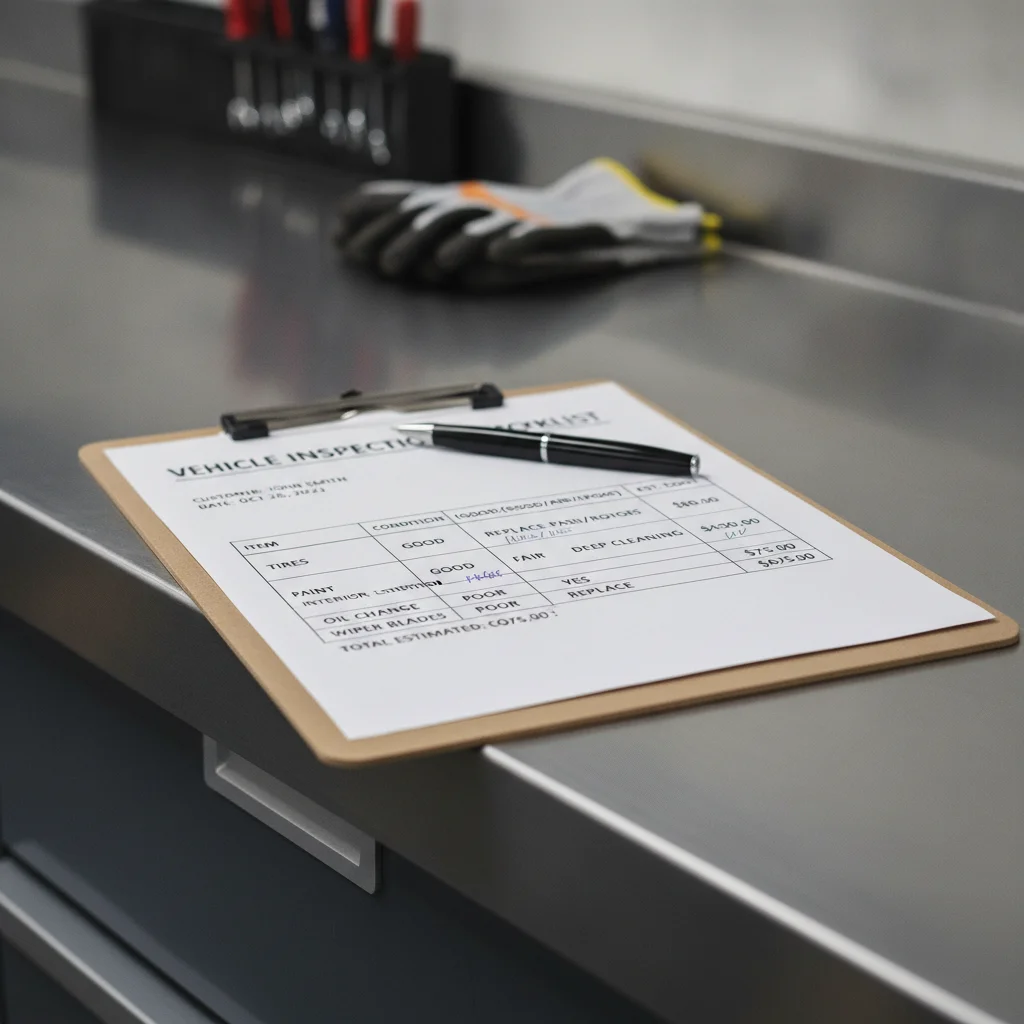
The math works like this: a dealer runs your vehicle through their service department, generates an estimate of all required reconditioning work, and subtracts that total from the car's Actual Cash Value. What remains is your trade-in offer. A car with a $12,000 ACV and $2,500 in estimated reconditioning becomes a $9,500 offer — sometimes less once the dealer's profit cushion is added on top.
ACV vs. Book Value: An Important Distinction
Reconditioning deductions are applied against Actual Cash Value (ACV), not book value. ACV is a dealer's real-time, market-driven estimate of what your car would fetch at a wholesale auction today. Book value from tools like Kelley Blue Book reflects retail trends and is almost always higher than ACV. This is why your trade-in offer can feel so far below what you see in online pricing guides.
Competing Offers Have an Expiration Date
Third-party trade-in offers from platforms like CarMax, Carvana, or Vroom are typically valid for seven days. Plan your dealership negotiations within that window so your competing offer is current and binding. An expired offer carries significantly less leverage than one that is still active.
What Reconditioning Actually Includes — Line by Line
Most sellers assume reconditioning just means a wash and wax. In reality, dealer reconditioning is a structured cost-center that touches nearly every system of the vehicle. Knowing what they look for lets you address the high-impact items before the appraisal even starts.
Cosmetic and Detailing Work
This is the most visible category. Dealers inspect for door dings, scratches, paint oxidation, stained upholstery, cracked dashboards, and odor. A professional detail typically runs $150–$400 at a third-party shop — the same job is often billed internally at $400–$800 or more. Smoke odor or pet damage can trigger a separate deduction on top of standard detailing.
Tires and Brakes
Tires below a certain tread depth will be flagged for replacement. At dealer retail pricing, a set of four mid-range tires can be quoted at $800–$1,200 — even if aftermarket options exist for half that. Brake pads and rotors are similarly marked up in reconditioning estimates.
Mechanical and Safety Items
Any active warning lights, deferred maintenance items (like overdue timing belts or fluid services), or suspension components showing wear will appear as line items. A single check-engine code, even for a minor issue, can trigger a blanket estimate of several hundred dollars regardless of the actual repair cost.
Windshield and Glass
A chipped or cracked windshield is an easy deduction — typically $200–$500. If you have comprehensive auto insurance with glass coverage, replacing it before the trade-in often costs you nothing out of pocket and eliminates that deduction entirely.

For a full look at which prep steps deliver the best return before selling, see the detailing and repairs guide — it ranks the fixes worth making versus the ones to skip.
Check Your Insurance Before Replacing Your Windshield
Before paying out of pocket to replace a cracked windshield, call your insurance provider. Most comprehensive policies include glass coverage with no deductible. A free windshield replacement eliminates a $200–$500 trade-in deduction at zero cost — one of the best pre-trade-in moves you can make.
Always Ask for an Itemized Reconditioning Breakdown
Never accept a single-line reconditioning allowance without demanding a detailed breakdown of every deduction. This simple request shifts the power dynamic — appraisers know that itemized estimates are easier to challenge and often reduce padded figures on the spot. Put the request in writing if possible.
How Dealers Calculate — and Inflate — the Numbers
Here is the inside reality: the reconditioning estimate your appraiser generates is rarely a precise, good-faith quote from the service department. In many stores, appraisers use a standardized reconditioning allowance — a fixed dollar amount applied to all vehicles in a certain condition tier — rather than an actual line-by-line repair estimate. This number is padded to protect the dealer's margin if actual reconditioning runs higher than expected.
But padding works both ways. If actual reconditioning comes in under the estimate, the dealer keeps the difference as additional profit. You have no visibility into this outcome.
$1,500
Average reconditioning cost per used vehicle
Industry estimates from the National Automobile Dealers Association (NADA) suggest average per-unit reconditioning spend typically falls between $1,000 and $2,000 for standard used vehicles.
10–20%
Wholesale-to-retail gap on trade-in offers
Dealers typically offer 10% to 20% below a vehicle's private-party retail value, even before reconditioning deductions are applied, to build in their resale margin.
$0
Out-of-pocket cost for windshield replacement with glass coverage
Most comprehensive auto insurance policies include free glass replacement with no deductible, eliminating a $200–$500 reconditioning deduction at zero cost to the seller.
3–5x
Markup on reconditioning labor vs. dealer actual cost
Reconditioning estimates frequently reflect retail labor rates, while dealers' internal technicians are paid flat-rate wages that are significantly lower — creating a built-in profit cushion.
The deductions dealers won't explain often include labor at retail shop rates rather than the dealer's actual internal cost. Dealers who own their own reconditioning departments pay their technicians flat-rate wages that are substantially lower than the labor rates they charge on a repair order — and the reconditioning estimate may reflect the latter, not the former.
Another tactic: bundling. Rather than listing every deduction individually, some appraisers present a single large reconditioning allowance — say, $2,000 — without specifying what it covers. This makes it difficult to dispute individual line items because there are no individual line items to dispute. Always ask for the breakdown.
“The reconditioning allowance is one of the most misunderstood elements of a trade-in appraisal. It is not a service estimate — it is a negotiating tool. Buyers who ask for a line-by-line breakdown almost always end up with a higher offer.”
— Desmond Kimathi, Former dealership finance manager and automotive consumer advocate
Understanding the hidden math behind your trade-in offer — including auction fees, market days supply, and the dealer's target gross — gives you a complete picture of why the number is as low as it is, and where you have room to push.
How to Reduce What Dealers Deduct
You cannot eliminate reconditioning deductions entirely, but you can shrink them significantly with targeted preparation. The goal is to address the items where your cost to fix is lower than the dealer's deduction — and skip everything else.
High-ROI Preparation Steps
- Professional detail: A $150–$200 full detail at a reputable shop eliminates the detailing deduction, which dealers often price at $400 or more. This is almost always worth doing.
- Windshield replacement: Use your comprehensive insurance glass coverage to replace a cracked windshield at zero cost to you. Eliminates a $200–$500 deduction.
- Address warning lights: A $150 diagnostic and minor repair (such as replacing an O2 sensor or tightening a gas cap) can remove a broad-brush mechanical deduction worth far more.
- Touch-up paint on minor scratches: A $30 touch-up pen applied carefully to surface scratches is not a showroom finish, but it reduces the severity of the visual impression during appraisal.
What Not to Fix
- Major mechanical repairs: If the transmission, engine, or AC compressor is failing, you will not recoup the retail repair cost in a higher trade-in offer. Disclose the issue and negotiate accordingly.
- New tires on a high-mileage vehicle: If the car has 110,000 miles and needs tires, spending $700 on new rubber will not increase your offer by $700. The ACV discount on the vehicle's age already accounts for end-of-life components.
- Full paint correction or body panel replacement: Body shop work is expensive and dealers get it done far cheaper through their own body shop relationships. You lose on this trade every time.
Check Your Insurance Before Replacing Your Windshield
Before paying out of pocket to replace a cracked windshield, call your insurance provider. Most comprehensive policies include glass coverage with no deductible. A free windshield replacement eliminates a $200–$500 trade-in deduction at zero cost — one of the best pre-trade-in moves you can make.
Always Ask for an Itemized Reconditioning Breakdown
Never accept a single-line reconditioning allowance without demanding a detailed breakdown of every deduction. This simple request shifts the power dynamic — appraisers know that itemized estimates are easier to challenge and often reduce padded figures on the spot. Put the request in writing if possible.
Using Competing Offers to Challenge Reconditioning Estimates
The single most powerful tool you have against inflated reconditioning estimates is a competing trade-in offer in hand before you walk into a dealership negotiation. When CarMax, Carvana, or a competing franchise dealer has already offered you $11,500, it becomes very difficult for the dealer across town to defend an $8,800 offer based on $2,700 in reconditioning they haven't fully itemized.
Competing offers reframe the conversation. Instead of you defending why your car is worth more, the dealer has to explain why their reconditioning estimate is so much higher than what the market is demonstrating.
The dealer trade-in appraisal process is not a one-shot event — it is a negotiation that begins the moment you decide to trade. Get your competing quotes before you set foot in the selling dealership, and bring the documentation with you. A printed offer from a third-party buyer is harder to dismiss than a verbal claim.
Also worth knowing: instant cash offer platforms like CarMax and Carvana publish specific, written offers that are valid for a defined period. These are not lowball starting points — they represent real money a real buyer will pay you today. That changes your negotiating floor completely. For more on dealer tactics that erode your trade-in value, including how dealers bundle financing to obscure the true trade-in number, that resource covers the full playbook.
ACV vs. Book Value: An Important Distinction
Reconditioning deductions are applied against Actual Cash Value (ACV), not book value. ACV is a dealer's real-time, market-driven estimate of what your car would fetch at a wholesale auction today. Book value from tools like Kelley Blue Book reflects retail trends and is almost always higher than ACV. This is why your trade-in offer can feel so far below what you see in online pricing guides.
Competing Offers Have an Expiration Date
Third-party trade-in offers from platforms like CarMax, Carvana, or Vroom are typically valid for seven days. Plan your dealership negotiations within that window so your competing offer is current and binding. An expired offer carries significantly less leverage than one that is still active.
What Your Trade-In Offer Tells You About Depreciation
Reconditioning costs are only one layer of the trade-in discount. Below them sits a deeper reality: the dealer's trade-in offer is built on a wholesale view of your car's value, not a retail one. That gap — between what a private buyer might pay and what a dealer will offer — typically ranges from 10% to 20% of the car's market value, even before a single dollar of reconditioning is applied.
What dealer trade-in values reveal about depreciation is that they price in not just the car's current decline in value, but also the risk the dealer takes on — holding the car, marketing it, offering a warranty, and absorbing any reconditioning overruns. You are, in effect, paying for their risk tolerance.
This does not mean trading in is always wrong. The convenience factor is real, and in some states the sales tax offset on the trade-in value reduces your out-of-pocket cost on the new vehicle meaningfully. But going in with clear eyes about the depreciation math means you are making a deliberate financial decision — not a passive one driven by whatever number the finance manager writes on the four-square worksheet.
Bottom line: reconditioning costs are real, but they are also negotiable, partially preventable, and frequently inflated. Treating them as a fixed, objective deduction is the mistake most sellers make. Treating them as an opening position in a negotiation is how you leave with a better number.

All claims are backed by peer-reviewed research. Sources on request.