Key Takeaways
Used Car Prices During a Recession
A recession is a sustained period of economic contraction — typically two or more consecutive quarters of shrinking GDP — during which consumer spending tightens. Used car prices during a recession don't follow a single pattern. Depending on the cause of the downturn and how new car supply is affected, used car values can drop sharply, stay flat, or even climb above normal levels.
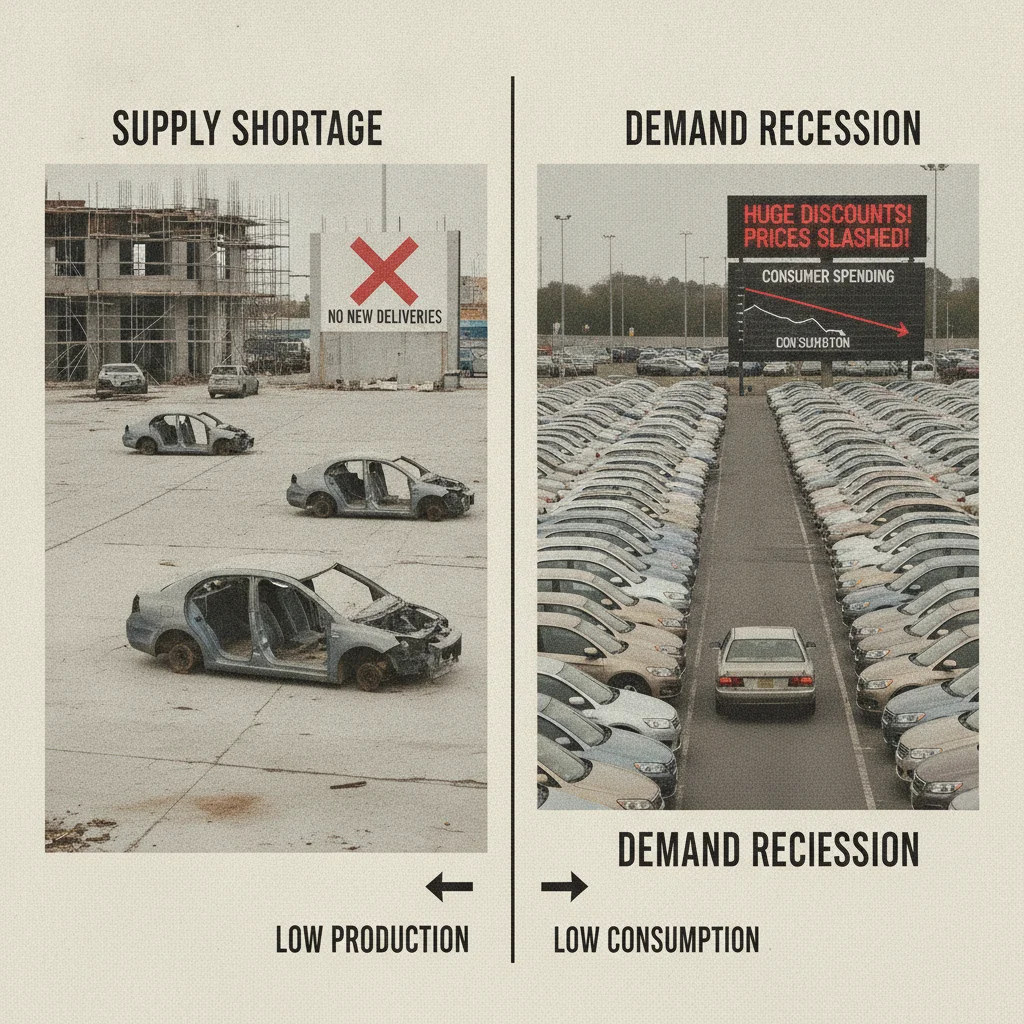
Economists distinguish between demand-side recessions (where buyers lose income and pull back) and supply-shock recessions (where disruptions constrict inventory). These produce opposite effects on used car pricing, which is why treating all recessions as identical is a mistake for sellers timing their exit.
Why Recessions Don't All Hit Used Car Prices the Same Way
Most people assume a recession means prices drop across the board. With used cars, that assumption gets you into trouble. The used car market responds to the type of recession, not just the fact of one.
There are two broad recession categories that matter here:
- Demand-driven recessions: The economy contracts because consumers lose jobs or confidence and pull back spending. Classic examples include the 2008 financial crisis. Buyers disappear, so sellers compete on price, and values fall — especially for anything perceived as a discretionary purchase.
- Supply-shock recessions: The contraction happens because production or distribution breaks down, regardless of what buyers want. The COVID-19 recession of 2020–2021 is the textbook case. New car factories shut down. Semiconductor shortages throttled production. New inventory dried up — and suddenly the used car market was the only place buyers could find a vehicle.
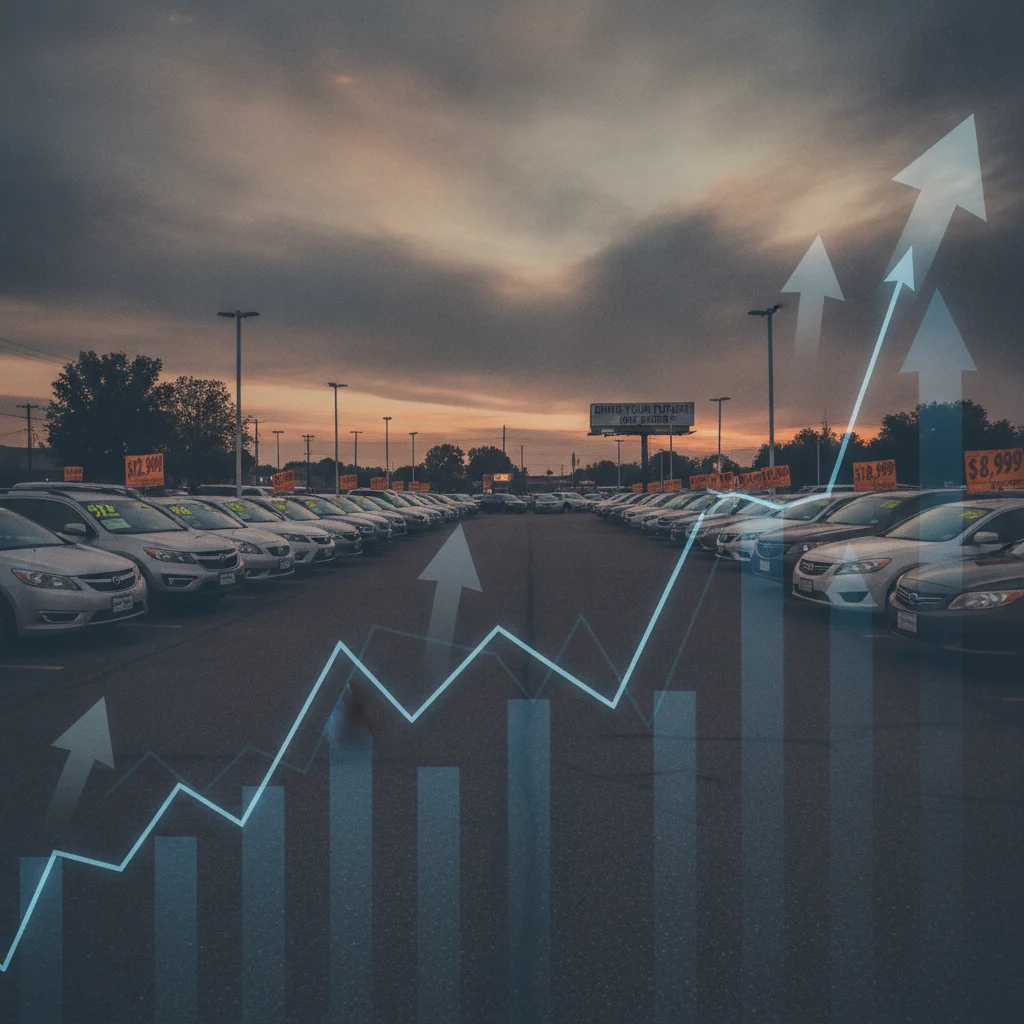
In a supply shock, you get the paradox of a weakening economy with rising used car prices. That's exactly what happened between 2020 and 2022, when used car prices at some points were running 30–50% above their pre-pandemic levels.
The takeaway for sellers: before you decide whether to list quickly or hold off, you need to identify which kind of recession you're in — or heading into. Economic signals like unemployment trends, consumer confidence indexes, and fuel prices can tell you a lot about where the market is headed before prices move.
Not All Recessions Are Declared Quickly
The official determination that the U.S. economy is in a recession is made by the National Bureau of Economic Research — and that determination often comes months after the recession has already begun. By the time a recession is officially called, used car prices may have already shifted significantly. Sellers who wait for official confirmation before acting are almost always reacting too late.
Instant Offers React to Wholesale Data, Not Retail Listings
Platforms like CarMax and Carvana price their offers based on wholesale auction data, which updates continuously. If Manheim wholesale prices dropped last week, your instant offer this week will reflect that — even if retail listings in your area haven't fully adjusted yet. Always compare an instant offer against current private-party comps before accepting.
What the Data Tells Us: Historical Price Behavior
Looking at how used car prices have moved through past recessions gives sellers a realistic baseline for what to expect.
54%
Rise in wholesale used car prices (Apr 2020 – Jan 2022)
According to the Manheim Used Vehicle Value Index, wholesale prices surged 54% from their April 2020 low to their January 2022 peak.
30–50%
Above pre-pandemic retail price levels at peak
Industry analysts at Cox Automotive and Edmunds reported retail used car prices running 30–50% above 2019 baselines at peak in early 2022.
15–20%
Wholesale price correction from 2022 peak to 2023
Manheim data showed wholesale used vehicle values declining roughly 15–20% from their 2022 high by the end of 2023, though prices stayed above pre-pandemic levels.
~25%
Truck/SUV value decline in 2008–2009 recession
Analysts tracking NADA and Black Book data observed full-size trucks and large SUVs losing roughly 20–25% of value during the 2008–2009 financial crisis, compounded by fuel price spikes.
During the 2008–2009 financial crisis, used car values dropped meaningfully — particularly in the truck and SUV segment, where spiking fuel prices compounded the demand-side pressure. A full-size pickup that would have fetched $20,000 in early 2008 might have cleared only $14,000–$15,000 by early 2009. Compact cars and fuel-efficient vehicles fared better, as buyers who did purchase shifted toward economy models.
Fast-forward to 2020: the recession triggered by the pandemic produced the opposite result. The Manheim Used Vehicle Value Index — the most widely tracked wholesale price benchmark — rose roughly 54% from its April 2020 trough to its January 2022 peak. That's not a statistical quirk. Sellers who listed in late 2021 frequently received offers 20–40% above what they would have expected in any normal market.
The correction that followed was gradual. By 2023, wholesale prices had pulled back 15–20% from peak but remained elevated compared to 2019 baselines. Many sellers who held inventory waiting for prices to return to peak lost more than they would have by selling during the early correction window.
“In automotive retail, the sellers who do best in uncertain markets are the ones who've done their homework before prices move — not the ones reacting to headlines after the fact.”
— Jonathan Smoke, Chief Economist, Cox Automotive
The pattern is consistent across both cycles: the first 6–12 months of a recession represent the most volatile pricing window. Early action — whether buying or selling — tends to produce better outcomes than waiting for clarity that usually arrives too late to act on.
The New Car Inventory Connection
One of the most reliable ways to read where used car prices are heading during a recession is to watch new car lot inventory. These two markets are tightly connected, and once you understand the relationship, it becomes a useful timing tool.
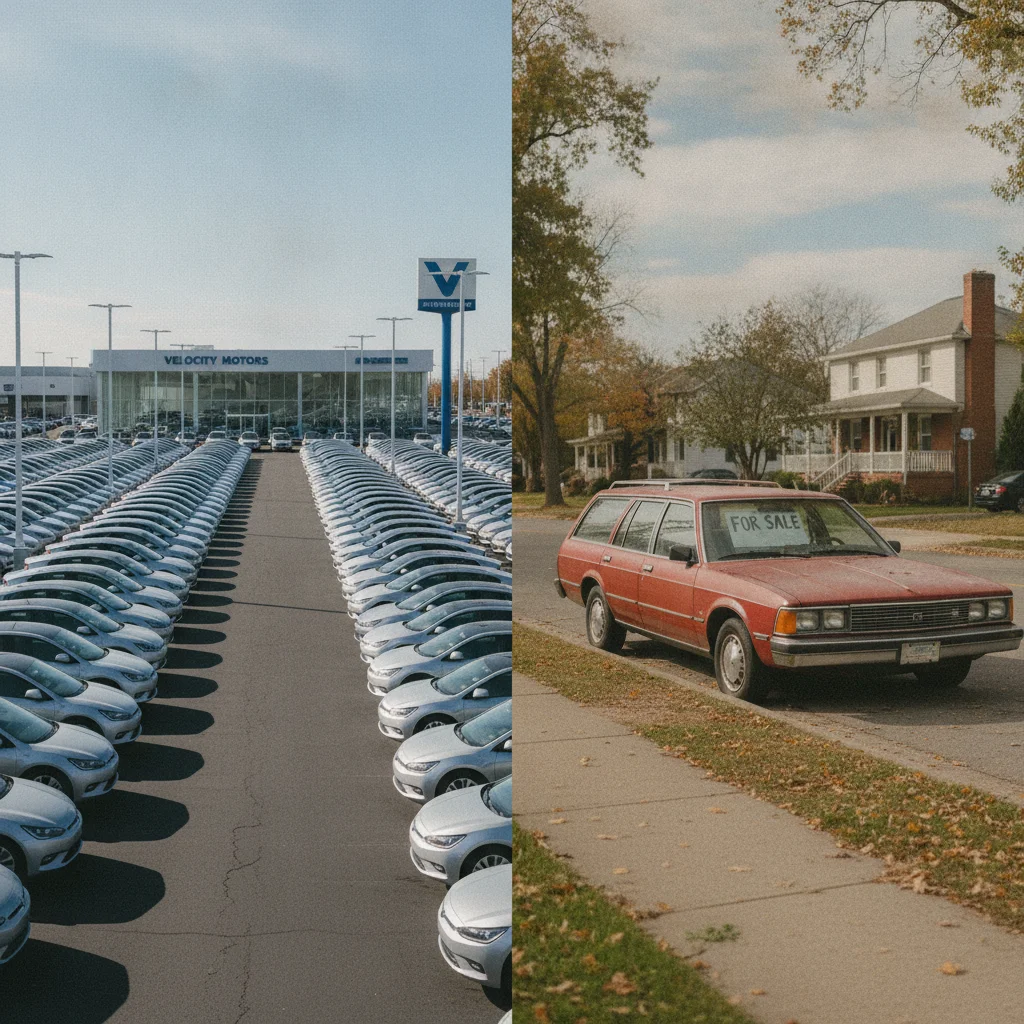
When new car lots are full — dealerships stacking 80–90 days of supply — buyers have options. They can negotiate on new vehicles, walk away from used ones, and generally hold more cards. Used car sellers lose leverage in that environment.
When new car lots thin out, the dynamic flips. Buyers who need a vehicle and can't find one new will pay a premium for used. Private sellers suddenly have leverage they rarely see in normal markets. This is essentially what happened in 2021: new car production delays sent buyers flooding into the used market, and sellers who recognized the shift early captured the best prices.
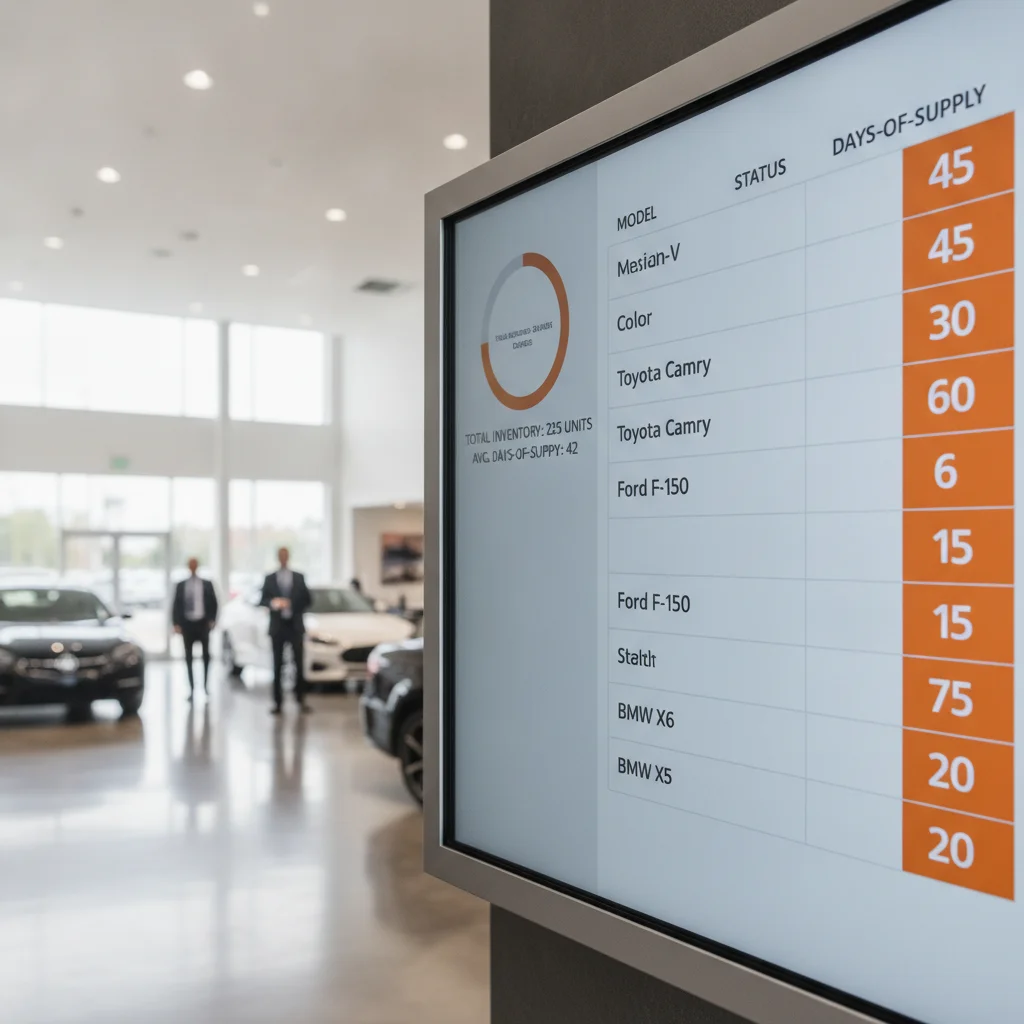
How new car inventory levels affect what you can get for your used vehicle is something worth tracking monthly if you're deciding when to sell. The Bureau of Economic Analysis, manufacturer delivery data, and even dealer lot counts (often reported by automotive data firms like Cox Automotive) are all public-facing signals.
Check Manheim Index Monthly Before Listing
The Manheim Used Vehicle Value Index is free to track and updated monthly. It measures wholesale auction prices across hundreds of thousands of transactions. If the index has been falling for two or three consecutive months, expect retail prices to follow within 4–8 weeks. Listing before that retail correction fully materializes can preserve thousands in sale value.
Layer Macro Timing With Seasonal Timing
Recession dynamics and seasonal demand patterns operate simultaneously. A convertible listed in a recessionary January faces two headwinds at once — low seasonal demand and macro uncertainty. If you have flexibility, align your listing with the seasonal peak for your vehicle type even within a down market. A small seasonal tailwind can partially offset macro pressure.
Which Vehicles Hold Up — And Which Don't
Not all used cars respond to recession pressure the same way. Segment matters enormously, and if you're trying to time a sale, knowing where your vehicle falls in this spectrum is critical.
Vehicles That Tend to Hold Value
- Fuel-efficient compacts and sedans: Honda Civic, Toyota Corolla, Hyundai Elantra. When gas prices rise alongside an economic downturn (common in supply shocks), these vehicles see increased demand from budget-constrained buyers.
- Reliable economy SUVs: RAV4, CR-V, Forester. Families downsizing from luxury crossovers often move into this tier, supporting prices.
- Hybrid and increasingly EV models in markets with high fuel costs — though EV values have their own dynamics tied to charging infrastructure and range anxiety.
Vehicles That Tend to Lose Value Faster
- Full-size trucks and large SUVs: Especially vulnerable when fuel prices spike. They also attract discretionary buyers who pull back spending in recessions.
- Luxury and performance vehicles: Buyers of $60,000+ used vehicles are most likely to postpone purchases when economic uncertainty rises.
- High-mileage examples of any segment: Recession-era buyers are already cautious and tend to skip vehicles with deferred maintenance or mileage risk.
Hidden depreciation triggers — like a prior accident, outstanding recall, or aging infotainment system — become more costly in a soft market because buyers have more options and less willingness to overlook flaws. A recession magnifies the gap between clean, well-maintained vehicles and everything else.
How Recessions Affect Seller Channels Differently
Where you sell matters as much as when you sell during a downturn. Private-party listings, dealer trade-ins, and instant offer platforms all react to recession conditions at different speeds and in different ways.
Private-Party Sales
Private listings typically yield the highest net price in any market, but they require time and effort — and during a recession, that timeline extends. Buyers become more cautious, more likely to lowball, and more likely to walk away over minor issues. Plan for longer listing periods and more negotiation friction.
Dealer Trade-Ins
Dealers price risk into everything. In a recession, they're more uncertain about how long a vehicle will sit and what they can sell it for, so they trim trade-in offers accordingly. You'll almost always do better than a dealer trade-in on the private market — the spread just widens during downturns.
Instant Offer Platforms
Services like CarMax, Carvana, and similar platforms adjust their algorithms quickly when wholesale prices shift. In a declining market, they often reprice faster than private buyers realize the market has turned. How instant offers hold up when prices drop is worth understanding before you commit to that channel in a recession environment — sometimes the convenience costs more than it should.
Not All Recessions Are Declared Quickly
The official determination that the U.S. economy is in a recession is made by the National Bureau of Economic Research — and that determination often comes months after the recession has already begun. By the time a recession is officially called, used car prices may have already shifted significantly. Sellers who wait for official confirmation before acting are almost always reacting too late.
Instant Offers React to Wholesale Data, Not Retail Listings
Platforms like CarMax and Carvana price their offers based on wholesale auction data, which updates continuously. If Manheim wholesale prices dropped last week, your instant offer this week will reflect that — even if retail listings in your area haven't fully adjusted yet. Always compare an instant offer against current private-party comps before accepting.
In a rising market — like the 2020–2022 supply shock — instant offer platforms can actually be competitive because they're updating bids upward frequently. In a falling market, they're first to adjust downward, sometimes before private buyers catch on.
Timing Your Sale: Practical Signals to Watch
If you're sitting on a vehicle and trying to decide whether to sell now or hold, here are the signals I'd actually track — not abstract economic theory, but things you can check without a finance degree.
- Unemployment claims: When weekly jobless claims start rising consistently, consumer confidence drops within 4–8 weeks. That's usually when used car demand starts softening. The Department of Labor publishes this weekly.
- Federal Reserve rate decisions: Rate hikes increase the cost of auto loans directly. When financing a $20,000 car gets meaningfully more expensive month over month, some buyers exit the market entirely.
- New car days of supply: Watch the Cox Automotive / Manheim monthly reports. When days of supply on new cars climbs above 70–80 days nationally, used car sellers start losing leverage.
- Fuel price trajectory: Rising fuel costs compress demand for trucks and large SUVs almost immediately. If you own one and fuel prices are climbing, the window to capture peak value narrows fast.
- Your local market listings: Check how many similar vehicles are listed in your metro on Autotrader, Cars.com, or Facebook Marketplace. If the number doubles in 60 days, supply is outpacing demand in your area.
Tracking economic signals before you list is one of the highest-leverage things a seller can do — it costs nothing and can shift your outcome by thousands of dollars.
Also worth noting: recession pricing effects don't always operate in isolation from seasonal patterns. A vehicle listed in a recessionary winter market faces stacked headwinds. Seasonal demand can temporarily inflate or deflate your car's value independent of macro conditions — so factor both layers when you're picking your listing date.
Check Manheim Index Monthly Before Listing
The Manheim Used Vehicle Value Index is free to track and updated monthly. It measures wholesale auction prices across hundreds of thousands of transactions. If the index has been falling for two or three consecutive months, expect retail prices to follow within 4–8 weeks. Listing before that retail correction fully materializes can preserve thousands in sale value.
Layer Macro Timing With Seasonal Timing
Recession dynamics and seasonal demand patterns operate simultaneously. A convertible listed in a recessionary January faces two headwinds at once — low seasonal demand and macro uncertainty. If you have flexibility, align your listing with the seasonal peak for your vehicle type even within a down market. A small seasonal tailwind can partially offset macro pressure.
What This Means for the Used Car Market Going Forward
The used car market has been through more volatility in the last five years than in the prior two decades combined. The lesson most sellers took away from 2020–2022 is that waiting for the "right" moment can mean waiting too long. The sellers who captured the best prices in that cycle weren't the ones who perfectly called the top — they were the ones who listed while prices were clearly strong and accepted offers before the correction started.
Going into any future recession, the framework is the same: identify the type of recession, monitor new car supply, understand your vehicle's segment sensitivity, and choose your sales channel based on current market velocity. None of this requires perfect prediction. It requires being directionally right a little earlier than most people act.
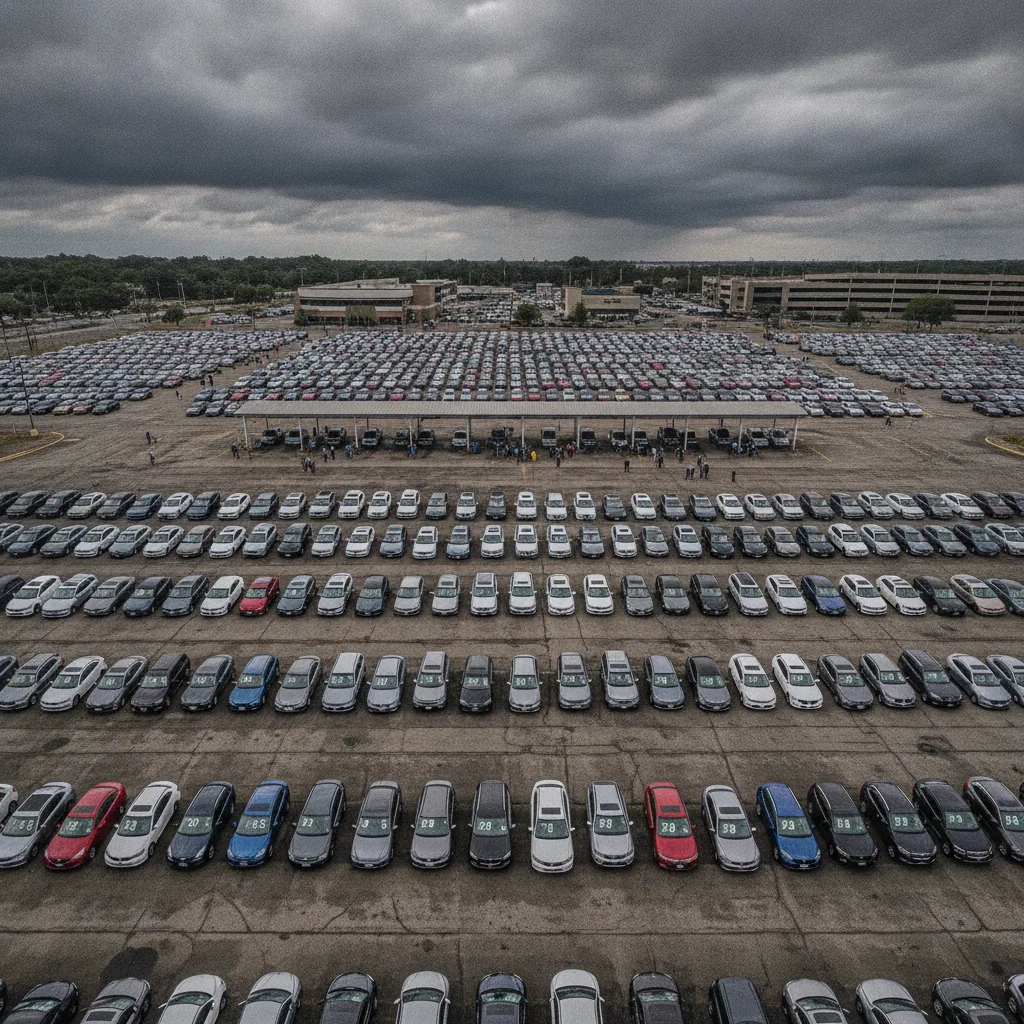
For context on the bigger picture of how your car's value erodes over time regardless of macro conditions, the depreciation basics are worth understanding as a baseline before you layer in recession-specific dynamics. And if you're on the buying side trying to figure out how to evaluate a pre-owned vehicle in a volatile market, buying used cars covers what to watch for when supply and pricing are in flux.
The bottom line: recessions create real opportunities for sellers who understand the mechanics — and real losses for those who assume price direction based on headlines alone.

All claims are backed by peer-reviewed research. Sources on request.