Key Takeaways
Why EV Resale Value Moves Differently Than Gas Car Resale Value
Selling a used Honda Accord is mostly about mileage, condition, and season. Selling a used EV is all of that — plus something harder to pin down: the story buyers tell themselves about the future of electric vehicles right now, this week, when they're searching listings.
That story shifts constantly. A new administration signals rollbacks to EV mandates. A rival automaker announces a 500-mile range battery. A charging network expands to 50,000 stations nationwide. Every one of those headlines moves buyer psychology, and buyer psychology moves what people will pay.
That's the core insight behind EV resale timing: you're not just selling a car, you're selling a car inside a narrative. Understanding that narrative — and knowing when it tilts in your favor — is how you avoid leaving two, three, or even five thousand dollars on the table.
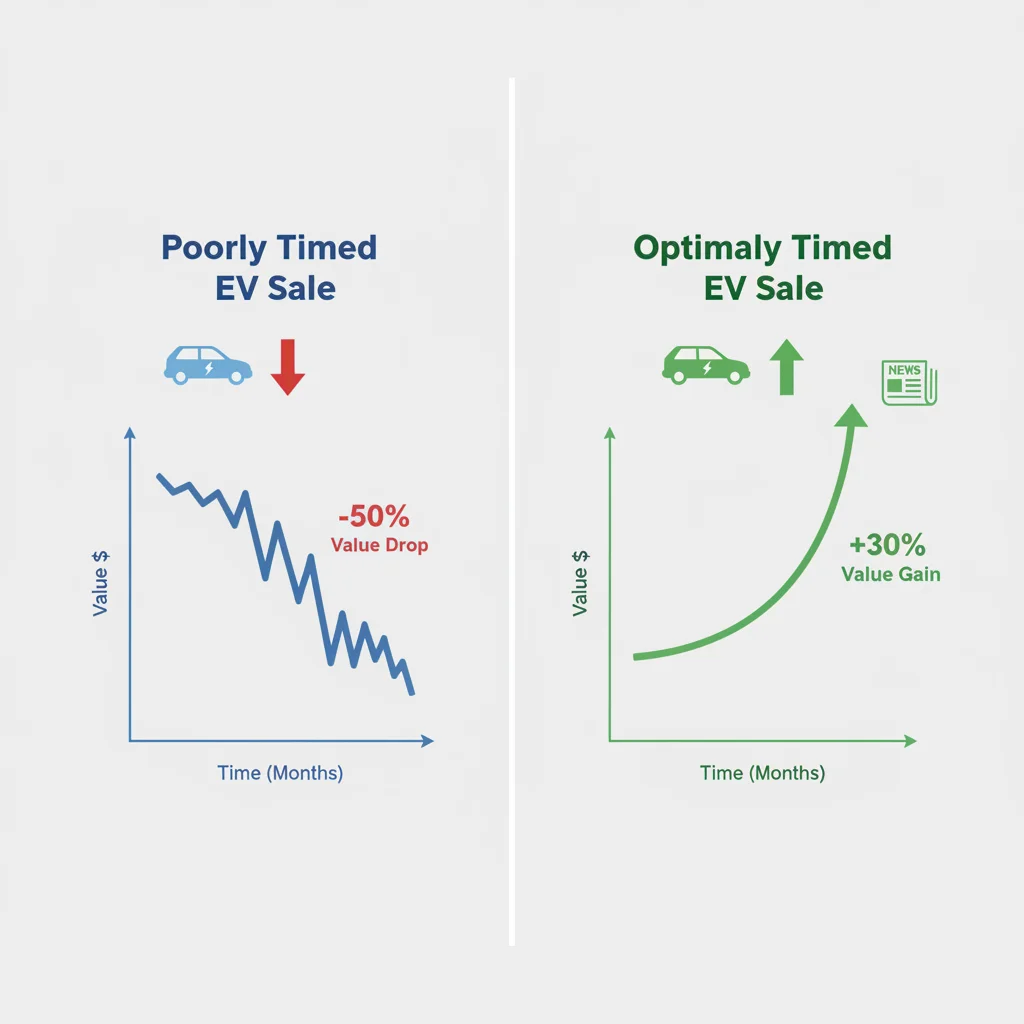
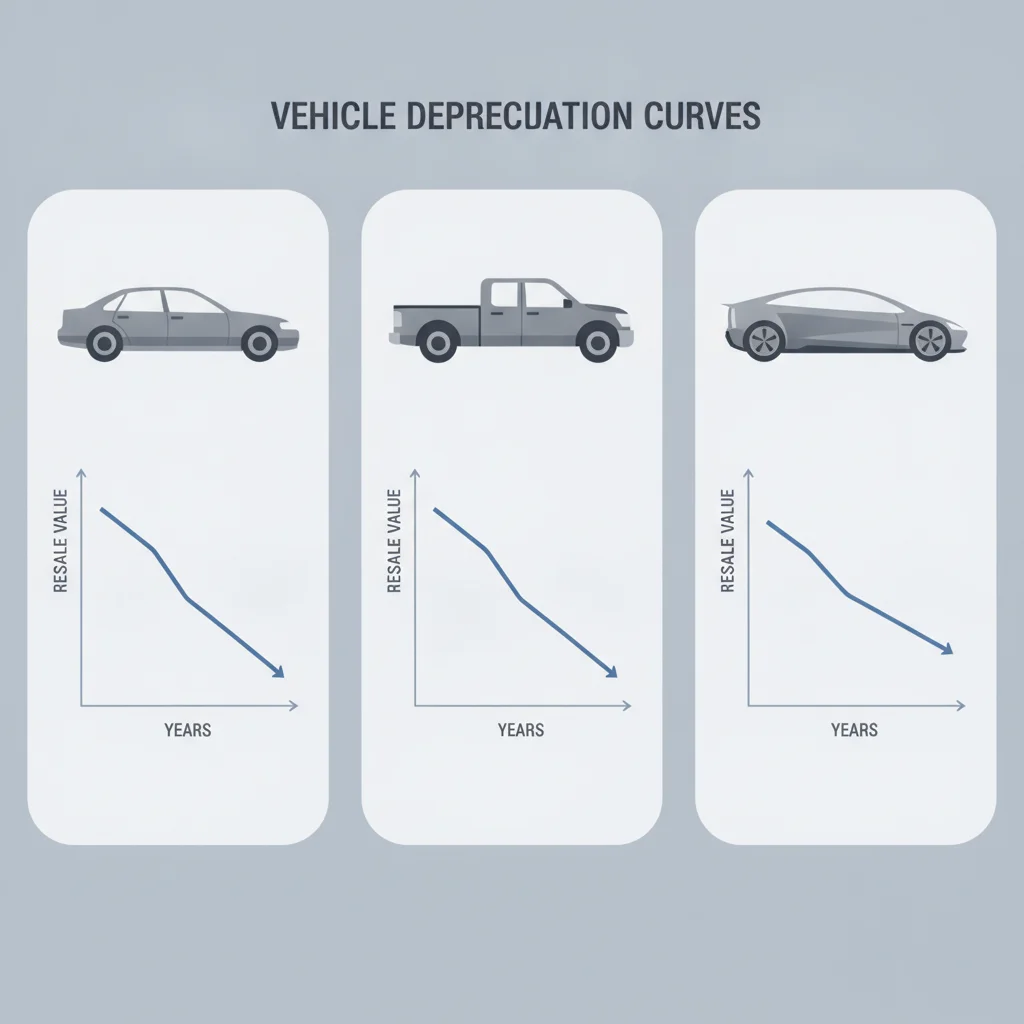
For a broader look at how depreciation curves differ across vehicle types, see depreciation curves by vehicle type. EVs are their own category — typically steep early depreciation followed by stabilization periods that are closely tied to policy and infrastructure news rather than pure age or mileage.
The practical upshot: if you pick your listing window deliberately instead of selling whenever it's convenient, you can ride a favorable narrative instead of fighting a negative one.
What You'll Need Before You Start
Before you can time anything, you need your house in order. Here's what to gather and set up before you begin tracking your listing window.
What you will need
OBD-II Diagnostic App (EV-compatible)
Reads battery state-of-health data directly from your vehicle's battery management system so you have hard numbers to share with buyers.
Google Alerts
Monitors news coverage of EV incentives, charging infrastructure, and range milestones so you can identify favorable narrative windows as they build.
CarGurus or AutoTrader (seller account)
Lists your vehicle on high-traffic private-party platforms that reach active EV buyers and show you real-time market pricing data.
Kelley Blue Book / Edmunds Instant Cash Offer
Provides a baseline valuation reference, though active listing prices in favorable narrative windows often run higher than these estimates.
Detailing kit or professional detail service
Maximizes visual appeal in listing photos and at test drives — first impressions directly affect willingness to pay asking price.
CARFAX or AutoCheck report
Documents clean ownership and accident history, removing a common buyer objection before it's raised.
How to Read the EV Market Narrative and Choose Your Window
There are four recurring narrative cycles that consistently influence used EV demand. Learning to recognize them is the skill that separates a timed sale from a lucky one.
Incentive Announcement Windows
When federal or state governments announce new EV incentives — or extend existing ones — buyer demand spikes for new EVs first, then ripples into the used market as buyers who don't qualify for new-car credits look for alternatives. Conversely, when credits phase out or get restricted, some buyers accelerate their used-car searches before rules tighten further.
If you're selling and a major incentive change is in the news, list within two to three weeks of the announcement. That's when search traffic is highest and buyers are emotionally primed to act. For the buyer side of that same dynamic, our guide on EV incentive deadline timing explains exactly why buyers rush — which tells you when demand peaks as a seller.
Range Milestone Coverage
Any time a major automaker announces a breakthrough in range — or the EPA certifies a new class of EVs with 300+ miles of rated range — buyers in the used market start re-evaluating older EVs. The effect cuts both ways: buyers may discount older models, but they also get excited about EVs in general and start shopping more actively. Your job is to list your vehicle while general enthusiasm is high, before skepticism about your specific model's range sets in.
Our article on EV range myths breaks down what buyers actually fear about range — arming you with exactly the counterarguments you'll need in your listing description and buyer conversations.
Charging Infrastructure Milestones
When a major charging network announces significant expansion — new corridors, new metro coverage, cross-brand compatibility — range anxiety decreases across the board. Buyers who were on the fence about EVs start converting. List within the four to six weeks following a major charging infrastructure story to capture that wave.
Seasonal Demand
Spring (late March through May) is the strongest season for used car listings broadly. For EVs specifically, there's an additional factor: warm weather improves real-world range, which means buyers who test-drive your car in April get a better experience than buyers who test-drive in January. Better test drives close more deals at asking price.
For a full breakdown of how all these cycles interact, market timing for car sellers covers seasonal, economic, and vehicle-type factors together.
Step-by-Step: Timing and Executing Your EV Sale
Here's the process, start to finish. Each step builds on the last — don't skip the prep steps thinking you can rush to the listing.
Pull Your Battery Health Report
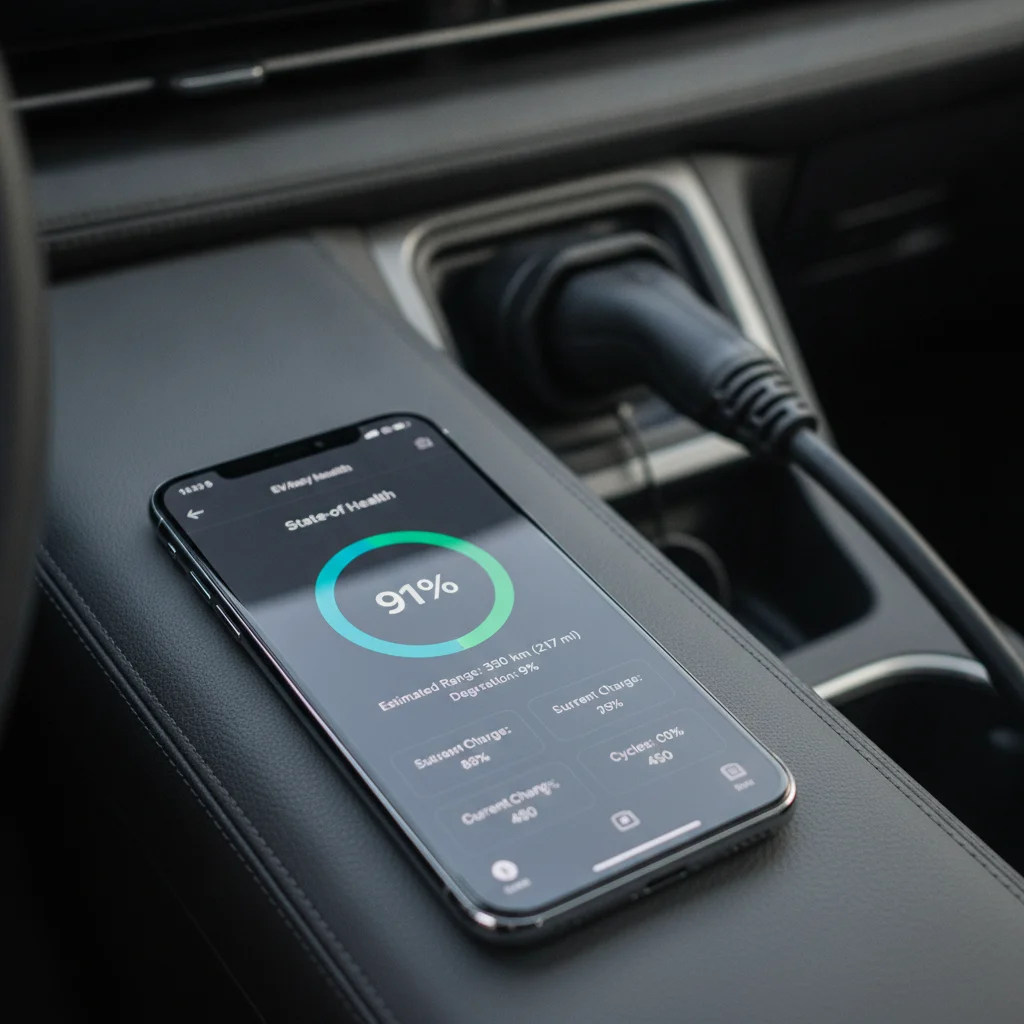
Connect an EV-compatible OBD-II app — LeafSpy for Nissan LEAFs, Scan My Tesla for Tesla models, or a generic CAN-bus reader for other makes — and document your battery's state-of-health (SOH) percentage. A reading of 85% or higher is considered healthy for most used EVs; above 90% is excellent.
Screenshot the data, save it as a PDF, and plan to share it proactively in your listing and in conversations with serious buyers. This single piece of documentation addresses the number-one concern of used EV buyers before they have to ask.
Run a Documented Real-World Range Test
Charge your EV to 100% on a day with mild weather (between 60–75°F is ideal). Drive at a steady 65–70 mph on highway until the battery reaches 10%, logging your starting and ending odometer readings. Calculate the miles driven and record it alongside your SOH percentage.
This test simulates exactly what buyers fear: highway range in real conditions. Presenting a documented result eliminates that fear. Note weather conditions, temperature, and whether you used climate control — buyers will ask, and having that detail signals you're being thorough, not selective.
Set Up News Monitoring for Narrative Triggers
Create Google Alerts for: your vehicle's make and model, 'EV tax credit,' 'federal EV incentive,' 'charging network expansion,' and 'EV range record.' Set delivery to daily digests. Also follow relevant subreddits and EV-specific automotive media outlets — news breaks there before it hits mainstream outlets.
You're watching for three types of triggers: (1) new or extended EV incentive announcements, (2) major charging infrastructure expansion news, and (3) positive range technology milestones. Any of these creates a demand spike in the used EV market within one to three weeks.
Research Active Comparable Listings
Search CarGurus and AutoTrader for your exact model, year, trim, and approximate mileage within 200 miles. Note the current asking prices, how long listings have been active, and whether prices have been reduced. Days-on-market and price-cut history tell you more than the asking price alone.
If comparable listings are moving in under two weeks without price reductions, that's a hot micro-market — you can price at the top of the range. If listings are sitting for 30+ days with multiple cuts, either the narrative window hasn't opened yet or the market for your specific model is soft. Wait if you can.
Prepare Your Listing During a Quiet Period
Write your listing description, take professional-quality photos, and set your price target before you spot your window — not after. That way, when a favorable narrative trigger fires, you can publish within 24 hours instead of scrambling to prep while the news cycle peaks.
Your listing description should lead with battery health (SOH percentage), real-world range test results, and any remaining warranty coverage. Follow with standard details: mileage, trim, features, condition. Close with your asking price and availability for test drives. Use plain, specific language — no marketing fluff.
Identify Your Window and Go Live
When you see a narrative trigger building — an incentive announcement, a major charging expansion, sustained positive EV media coverage — publish your listing immediately. Don't wait for peak coverage; list as the story is gaining momentum. By peak, buyers are already in decision mode and competition from other sellers may have increased.
Post simultaneously on at least two platforms: CarGurus, AutoTrader, or Facebook Marketplace. Price at the top of your researched range if market velocity (low days-on-market, no price cuts on comparables) supports it.
Negotiate With Data, Not Emotion
When a serious buyer engages, let your documentation do the work. Share the SOH report, the range test results, and the service records upfront — before they ask. Buyers who try to negotiate on the basis of 'EV batteries degrade' or 'range will only get worse' lose that argument when you have hard data showing the opposite.
Hold your price if the market data supports it. If a buyer pushes back, point to active comparables: 'There are two similar models listed near me at $X and $Y, and they've been listed for less than a week without price cuts.' That's a data-backed defense of your price, not a negotiating bluff.
Common Mistakes That Kill Your Timing Advantage
Most sellers undermine their own timing with a handful of predictable errors. Here's what to watch for.
Negative News Cycles Can Wipe Out Your Timing Work
A major EV recall, a high-profile charging network outage, or a legislative rollback of EV incentives can flip buyer sentiment rapidly. If a significant negative story breaks within a week of your planned listing date, consider delaying — the discount you'll have to offer to close a deal in a negative narrative window typically exceeds the cost of waiting two to four weeks for sentiment to stabilize.
Don't Misrepresent Battery Condition
Presenting battery health data is a powerful tool — but it only works if the data is accurate and honestly represented. Misrepresenting SOH or cherry-picking range test conditions to inflate apparent range exposes you to legal liability and can result in a deal falling apart at the worst possible moment. Present your data exactly as collected, context and all.
Waiting Too Long After a Positive News Cycle
Narrative windows close. A charging network expansion story dominates automotive media for two to three weeks, then the news cycle moves on. If you're still prepping your listing four weeks after the story broke, you've missed it. Start your prep work as soon as you see a relevant story building — don't wait for peak coverage to begin gathering your documents.
Underestimating How Much Battery Health Data Matters
Used EV buyers are more data-literate than used gas car buyers, on average. They will ask about battery degradation. If you can't answer with a specific state-of-health percentage or a documented range test, you look like you're hiding something — even if you're not. Get the data first, present it proactively, and you eliminate the most common buyer objection before it's raised.
Listing Without a Range Test in the Description
A simple real-world range test — charge to 100%, drive at highway speeds, document the miles traveled before hitting 10% — is worth more than any amount of marketing language in your listing. Buyers fear range more than almost anything else. Hard numbers dissolve that fear. See the EV range and efficiency hub for context on what buyers consider reasonable range for different vehicle classes.
Trading In When Private Sale Is Viable
Dealers are not incentivized to care about narrative timing. They price your trade-in against wholesale auction values, which lag retail market conditions by weeks. In a favorable narrative window, the private-party premium can be substantial — often $2,000 to $5,000 on a well-maintained EV. The extra friction of a private sale is usually worth it when timing is on your side.
Price Above Tools During Hot Windows
Kelley Blue Book and Edmunds valuations are updated periodically and often lag real market conditions by two to four weeks. In a favorable narrative window with low listing inventory and fast turnover, active private sellers routinely command 5–10% above these baseline estimates. Use the tools as a floor, not a ceiling, when market velocity supports it.
Transferable Warranty Is a Genuine Value-Add
Many EV manufacturers offer battery warranties of 8 years or 100,000 miles that transfer to subsequent owners. If your vehicle is still within warranty, lead with that in your listing headline — it directly addresses the degradation fear and justifies a higher asking price. Verify transferability terms with your manufacturer before making that claim.
Spring Listings Benefit From Natural Range Advantage
Listing in April or May means buyers test-drive in mild weather, when real-world EV range is at its seasonal best. A buyer who experiences your car performing at or above its EPA-rated range is far more likely to pay asking price than one who test-drives in January cold and watches the range estimate drop. When possible, align your window with both a narrative trigger and warm-weather months.
Pricing Against Active Listings, Not Stale Estimates
Valuation tools like Kelley Blue Book and Edmunds are useful baselines, but they lag actual market conditions. In a hot narrative window, active private listings on CarGurus or AutoTrader will price above those estimates. Check what's actually selling — not just listed — by looking at price-drop history and days-on-market data. If comparable EVs are selling in under two weeks without price reductions, you have room to list slightly above estimate.
Tax Credit Changes Affect Used EV Demand Directly
The Inflation Reduction Act introduced a used EV tax credit of up to $4,000 for qualifying vehicles and buyers. When that credit is available, it effectively subsidizes buyers — increasing demand and supporting your asking price. But eligibility rules are complex and change with IRS guidance. Before listing, check whether your vehicle qualifies under current rules, and include that information in your listing if it does. A buyer who discovers they qualify for a $4,000 credit while looking at your car is a buyer who's ready to pay your price. See our guide on <a href="/electric-vehicles/ev-ownership-costs/ev-tax-credits/timing-your-ev-purchase-around-tax-credit-rule-changes">EV tax credit timing</a> for the current eligibility framework.
Putting It All Together: A Realistic Timeline
Here's what the full process looks like when you compress it into a practical calendar.
| Week | Activity |
|---|---|
| Week 1 | Pull battery health report, gather service records, run real-world range test, photograph car |
| Week 2 | Monitor news cycles, research comparable active listings, set your price target |
| Week 3 | Write listing description, post on two to three platforms, respond to inquiries quickly |
| Week 4 | Conduct test drives, negotiate from a position of documented data, close sale |
That four-week runway assumes you've identified a favorable narrative window at the start of Week 1. If you haven't spotted a clear window yet, do your prep work during a quiet period so you're ready to list the moment one opens — rather than scrambling to gather documents while the news cycle is already peaking.
Buyers on the other side of this transaction are doing their own timing calculations. If you're curious how the timing-your-purchase playbook works from their perspective, understanding it makes you a sharper negotiator — you'll know when a buyer is trying to low-ball you because they think the narrative is turning negative, and you'll know whether they're right.
Done right, timing your EV sale is less about being lucky and more about being prepared to move fast when conditions align. The car doesn't change. The battery is what it is. But the story the market tells about your car — that shifts, and you get to choose which version of the story your buyer reads.

All claims are backed by peer-reviewed research. Sources on request.