Key Takeaways
Summary
22 items · 1.5–3 hours (spread over 1–2 days)
Why Perceived Depreciation Is Costing You Money Right Now
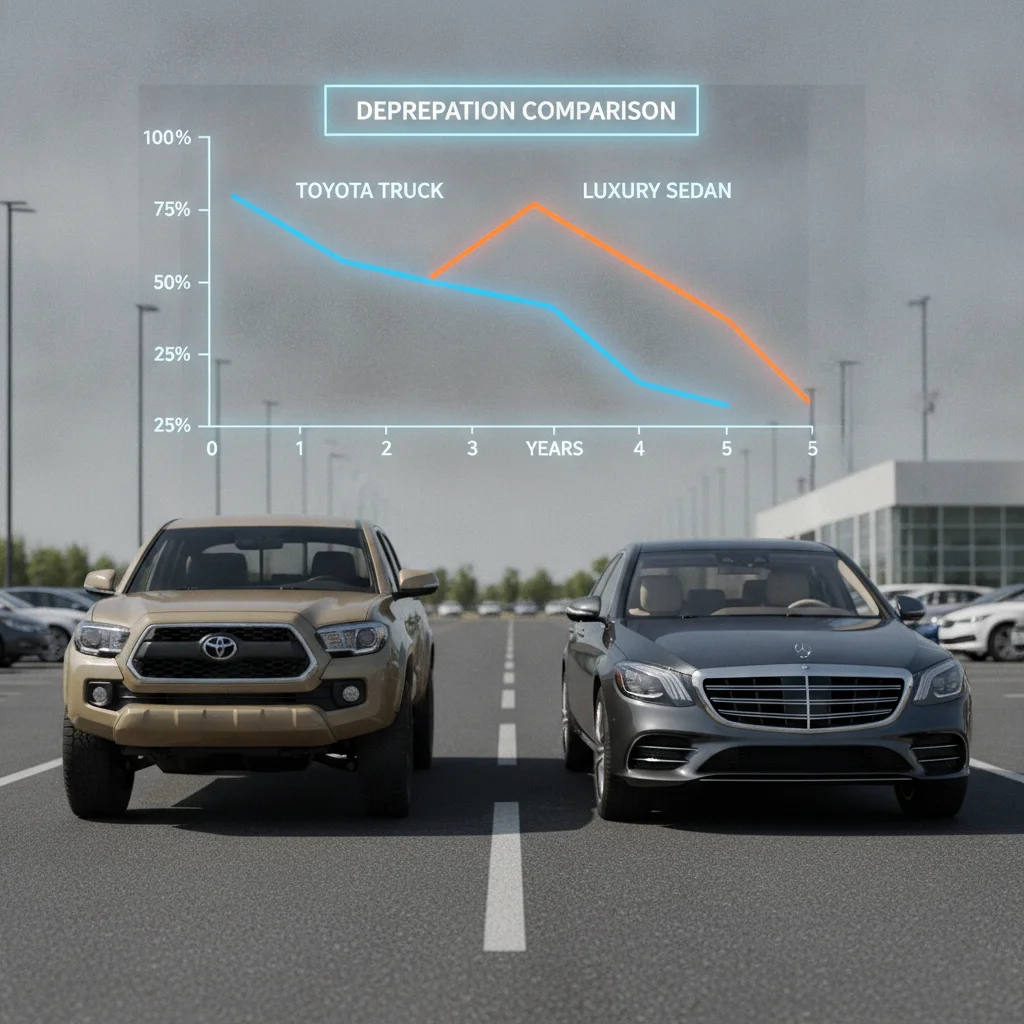
Depreciation is a mathematical fact — a new car loses roughly 20% of its value in the first year alone, and the curve continues downward from there. But here's what most sellers overlook: buyers don't calculate depreciation from a spreadsheet when they show up to see your car. They calculate it from what they see, smell, and feel during the first five minutes.
That gap between actual depreciated value and perceived depreciated value is where sellers routinely lose money. A buyer who sees a dusty interior, faded trim, and a missing service record mentally applies an extra depreciation penalty — often $500 to $2,000 more than the vehicle actually deserves. Conversely, a seller who presents the same car clean, documented, and priced with data can close that gap and often exceed Kelley Blue Book private-party estimates.
This checklist walks you through every preparation step that influences perceived value before your listing goes live. For context on how fast your specific vehicle is likely to have depreciated, see our guide on slow vs. fast depreciators — brand reputation and segment matter far more than most sellers realize.
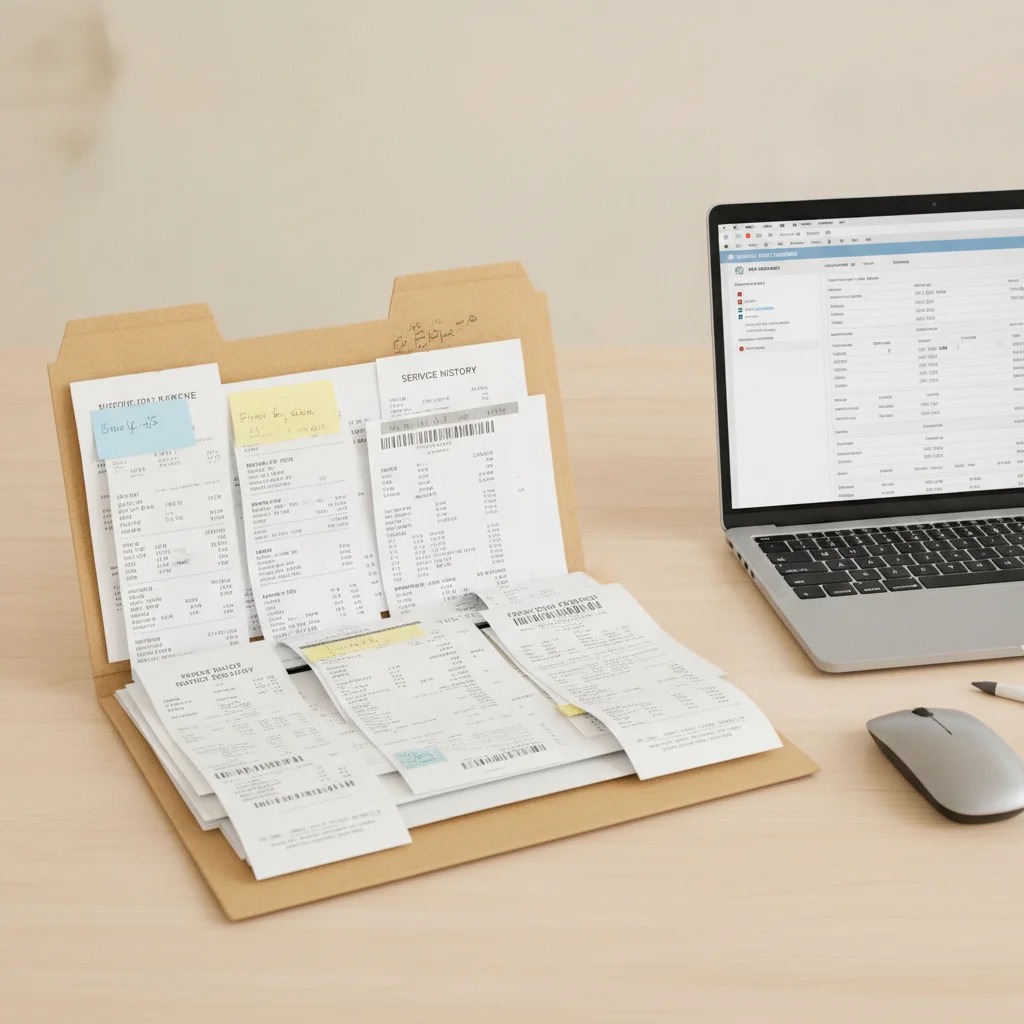
Work through this checklist in order. The steps are grouped by phase: documentation first, then cosmetics, then pricing, then listing presentation. Each phase builds on the one before it.
Tools and Resources You'll Need
Before you start, gather the materials and services below. Most are free or low-cost; the few that cost money typically pay for themselves many times over in the final sale price.
Carfax or AutoCheck
Pull a full vehicle history report using your VIN to review accident records, title status, and service history visible to buyers.
NHTSA Recall Lookup (nhtsa.gov/recalls)
Check for any open safety recalls on your vehicle using its VIN — free and takes under two minutes.
OBD-II Scanner
Read stored diagnostic trouble codes from your car's computer so you know about any engine or emissions issues before buyers do.
Kelley Blue Book & CarGurus
Cross-reference your vehicle's private-party market value using two independent sources to set a data-backed asking price.
Color-Matched Touch-Up Paint
Fill in minor paint chips using your car's factory paint code (found on the door jamb sticker) to improve visual appeal.
Plastic Trim Restorer
Reverse oxidation on faded exterior black plastic trim, which is one of the most visible age signals on a used car.
Ozone Generator or Odor Eliminator
Neutralize smoke, pet, or food odors that standard cleaning cannot fully remove — critical for eliminating a major buyer turn-off.
Independent Pre-Sale Inspection
Have a trusted mechanic inspect the car before listing so you know its true mechanical condition and can disclose or fix issues proactively.
The Pre-Listing Checklist
Work through each group below before you write a single word of your listing description. Skipping steps in the documentation phase is the single most common mistake sellers make — buyers who can't verify a car's history assume the worst and bid accordingly.
Always Disclose Known Issues in Writing
Failing to disclose a known mechanical defect, accident, or title issue is not just an ethical problem — in many states it's a legal one. Private-party sellers can face rescission claims and civil liability if a buyer proves you concealed a material defect. Document your disclosures in writing (even a simple text or email thread) before the sale. Buyers who feel informed are also far more likely to complete the transaction at your asking price rather than walking away after the inspection.
Documentation & History
Mechanical Readiness
Exterior Cosmetics
Interior Presentation
Listing Photography
Don't Over-Invest in Cosmetic Repairs
There's a real risk of spending more than you'll recover. A $600 professional paint correction on a car priced at $8,000 rarely returns $600 in sale price — buyers in that range expect some wear. Focus your money on odor elimination, a clean interior, and functional issues. Save major cosmetic spending for vehicles priced above $15,000 where buyers have higher expectations and more to spend.
Aftermarket Modifications Usually Hurt Value
Custom wheels, lowered suspensions, tinted windows, and performance exhaust systems shrink your buyer pool — most private buyers want a factory vehicle. If you've made modifications, consider reverting to OEM parts before listing if you still have them. <a href="/maintenance-and-ownership/ownership-costs/depreciation-basics/things-owners-unknowingly-do-that-accelerate-their-cars-depreciation">Modifications are one of the most common unintentional depreciation accelerators</a> sellers don't realize they're making.
Pricing It Right: The Final Step Most Sellers Rush
Once the car is clean, documented, and photographed, you have one last job: anchoring your price to real market data instead of sentiment. Many sellers use their original purchase price as a mental anchor — a deeply human bias that consistently results in overpricing and stale listings.
Here's a simple framework. Pull your car's value from at least two sources: Kelley Blue Book (private-party value, not trade-in) and CarGurus or Autotrader's "Market Value" tool. Average the two. Then adjust upward if you have a complete service history, below-average mileage for the car's age (roughly 12,000 miles per year is the U.S. average), or recent major maintenance like new tires or brakes. Adjust downward for known cosmetic or mechanical issues you've chosen not to fix.
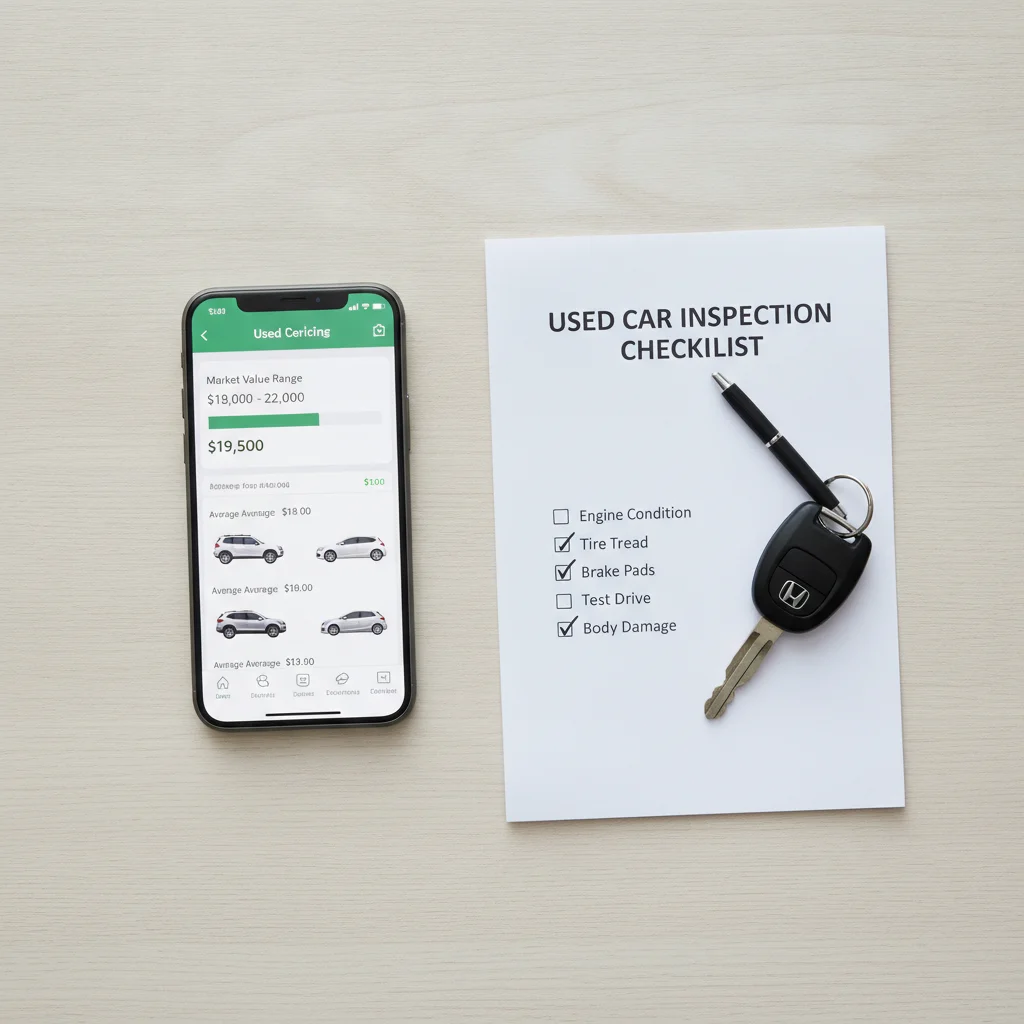
Want to do the full math step by step? Our article on calculating your car's depreciated value walks through every input — age, mileage, condition score, and regional market adjustments — in plain language.
One pricing mistake worth calling out specifically: listing at a round number like $15,000 when the market value is $14,200. Buyers using filtered search results on Autotrader and CarGurus set price ceilings at round numbers. A price of $14,750 gets you into more search results and signals that you've actually done your homework. It's a small psychological shift with a measurable impact on listing views.
Also be aware that certain vehicle-specific events can drag your price down in ways that aren't visible to you but are very visible to savvy buyers. Hidden depreciation triggers like open recalls, recent model refreshes, or local market oversupply can quietly undercut even a perfectly prepared car — worth checking before you commit to a price.
Writing a Listing That Reflects Your Preparation
All the prep work in this checklist only pays off if your listing communicates it clearly. Buyers skim — the average used-car listing gets about 45 seconds of attention before the buyer decides to inquire or move on. Your job is to surface the most confidence-building facts in the first three lines.
Lead with what separates your car from the 30 identical listings on the same platform. Examples:
- "One owner, full dealer service history, 0 accidents on Carfax."
- "New tires and brakes at 41,000 miles — receipts included."
- "Non-smoker, no pets, garage-kept since new."
These aren't marketing fluff — they're the exact signals that allow a buyer to mentally justify paying closer to your asking price. Each one is a documented fact you've already assembled by working through this checklist.
For photo order: lead with the driver's-side three-quarter exterior shot in good light, then interior from the driver's seat, then odometer, then any recent maintenance receipts laid out clearly. A well-lit odometer photo prevents one of the most common buyer objections — "I can't tell what the mileage actually is."
Finally, be straightforward about any imperfections you've chosen not to repair. A listing that says "minor scuff on rear bumper, reflected in price" reads as honest and saves everyone time. Buyers who discover undisclosed issues during inspection lose trust immediately — and often walk away entirely, even from cars they were ready to buy. For a broader look at what the detailing and repairs process should include, our preparation hub covers which fixes deliver the best return on investment.
If you're thinking longer term — keeping the next car in better shape from day one — slowing depreciation before it starts through strategic maintenance and mindful mileage is genuinely one of the highest-return habits a car owner can build.

All claims are backed by peer-reviewed research. Sources on request.