Key Takeaways
Why Depreciation Is a Game You Can Actually Influence
Most car owners treat depreciation like the weather — something that just happens to them. The truth is, while you can't stop a car from aging, you have more control over the rate of value loss than you probably think.
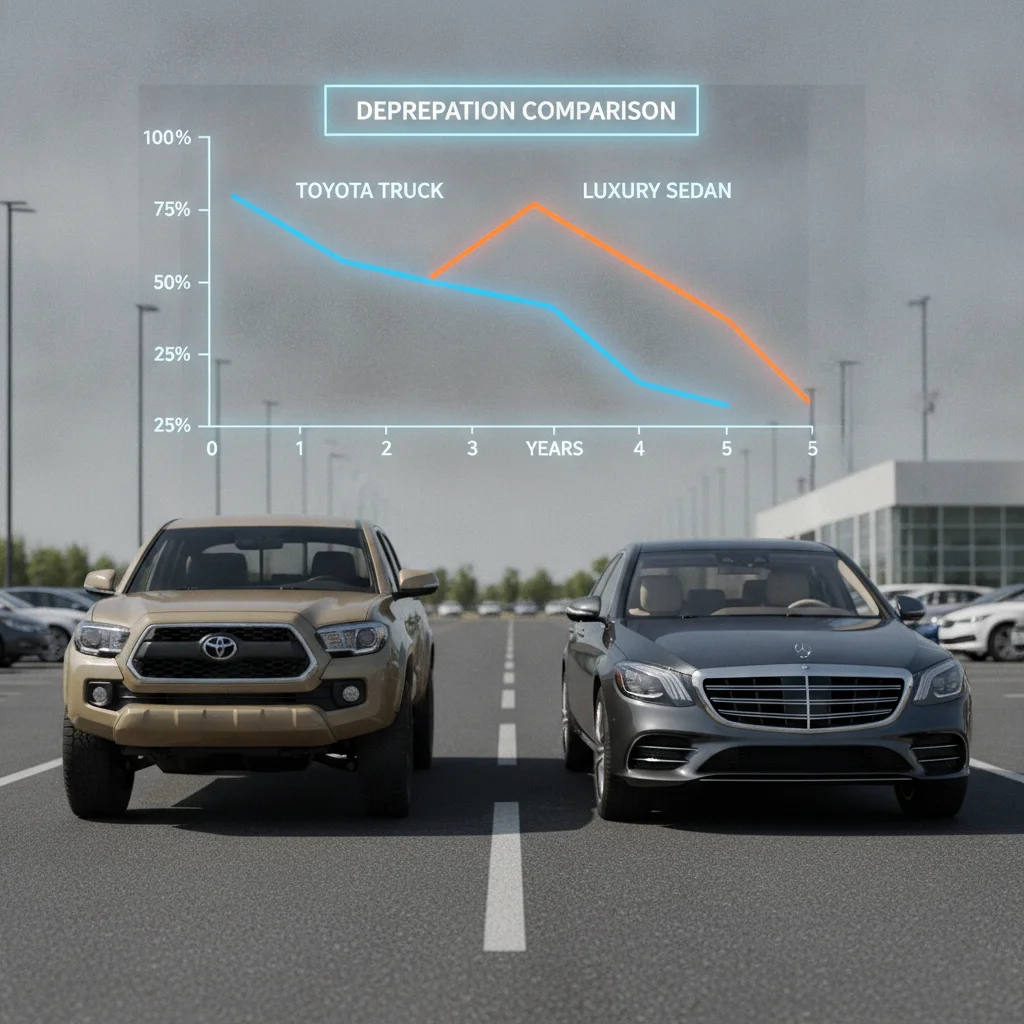
Depreciation isn't a single, uniform slide. It accelerates at certain points and levels off at others. The first year is brutal — a new car can drop 15–25% of its purchase price before the first scheduled service is even due. By years three to five, the curve typically flattens. After that, it depends heavily on the car itself and, critically, how it's been treated.
That's where you come in. Buyers pay premiums for well-maintained vehicles. They pay discounts — big ones — for cars with spotty histories, cosmetic neglect, and mystery mileage. Understanding which side of that equation your car lands on means understanding what you control. For a deeper look at how brand reputation and vehicle type shape the baseline depreciation curve before your habits even enter the picture, see our guide on slow depreciators vs. fast depreciators.
The practices below are not expensive restoration projects. They're decisions and habits that pay compounding dividends over the entire time you own the car.
The Practices That Actually Move the Needle on Resale Value
Here's the honest truth from someone who has appraised plenty of trade-ins: the gap between a car worth $14,000 and the same make and model worth $11,000 almost always comes down to a handful of preventable differences. These practices address those differences directly.
Follow the manufacturer's maintenance schedule without exception.
Skipped or delayed services — especially oil changes and timing belt/chain intervals — create mechanical wear that shows up in inspection reports and buyer test drives. A car that's been on schedule is demonstrably lower risk, and buyers price that in. Gaps in service history create doubt, and doubt costs you money.
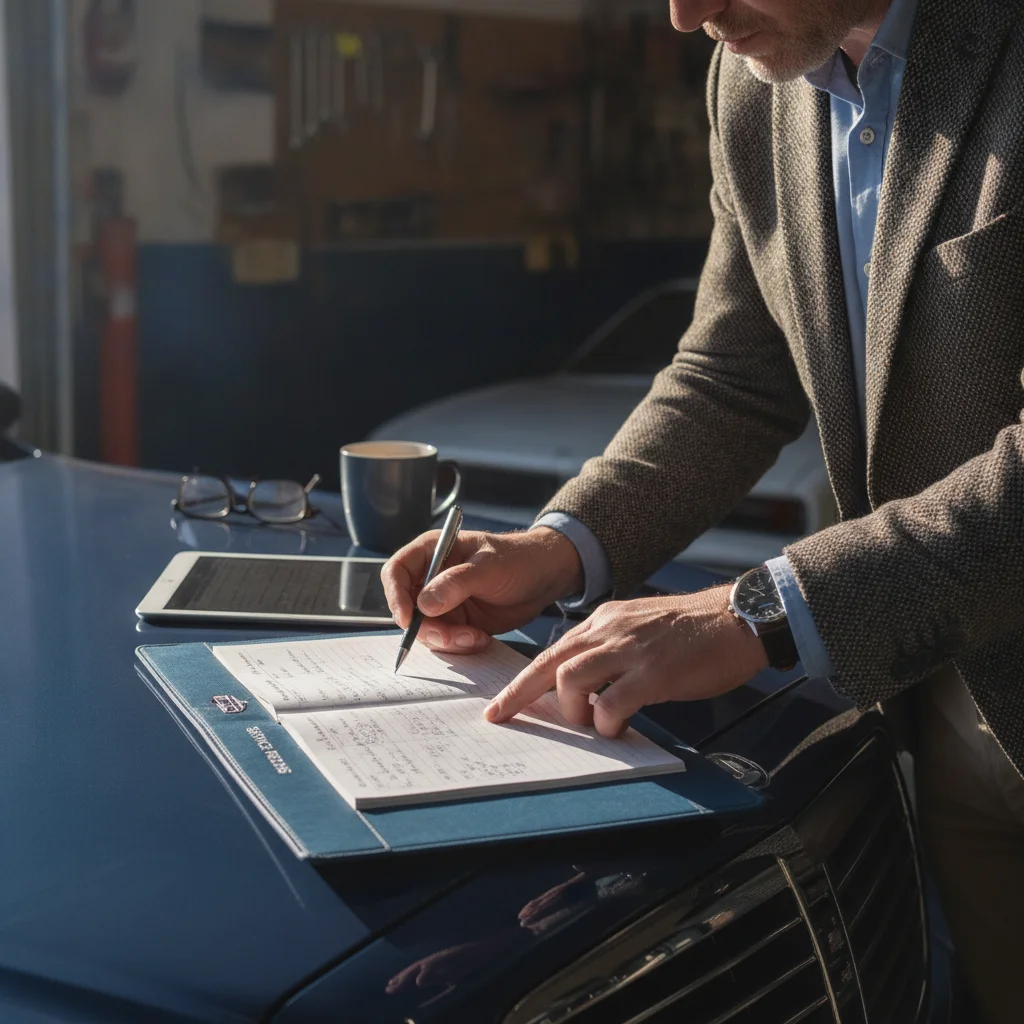
Keep a complete, organized service record from the day you buy the car.
Documentation is proof. Without it, a buyer must trust your word. With it, they can verify the car's history — and they will pay a premium for that certainty. Records also protect you legally if a mechanical dispute arises post-sale.
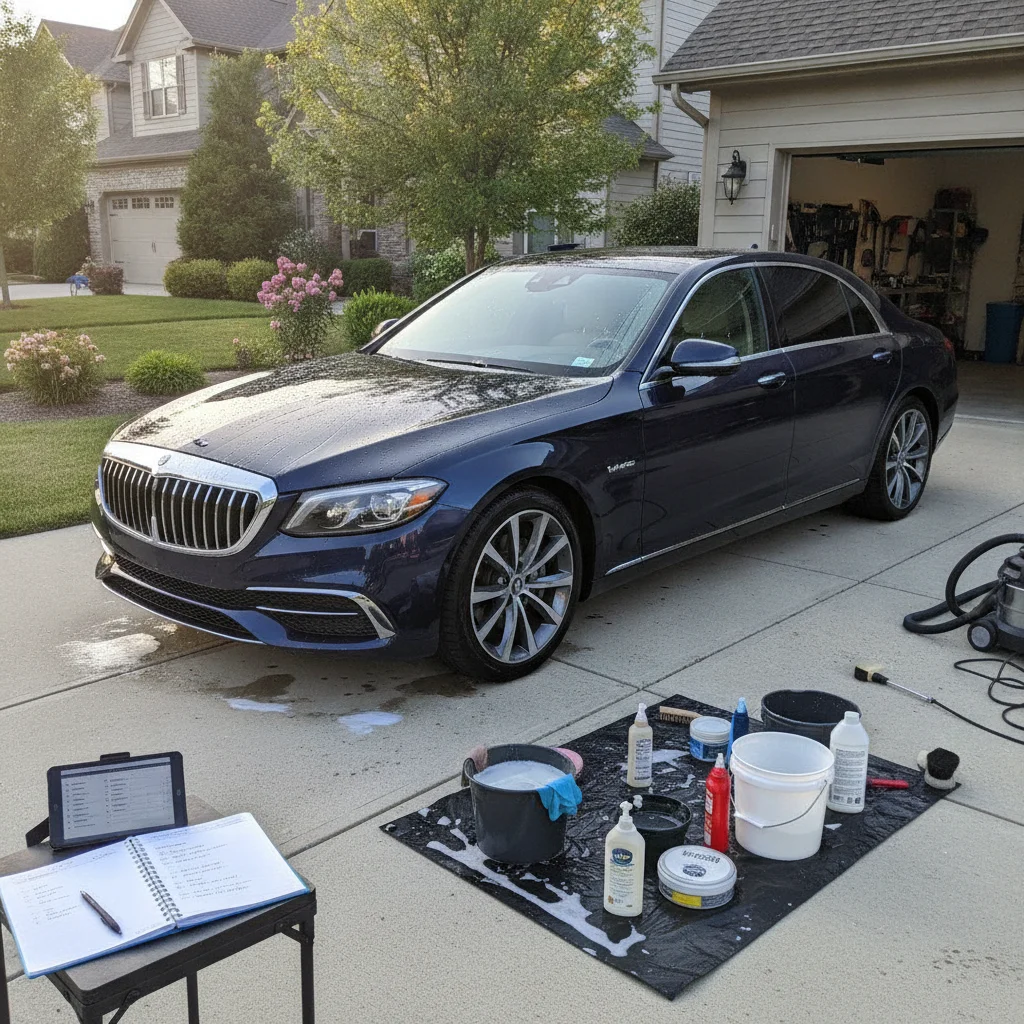
Protect the paint with regular waxing or a professional ceramic coating.
Paint condition is one of the top three factors buyers assess visually. Oxidation, chips, and swirl marks suggest age and neglect even when the car runs perfectly. UV damage degrades clear coat permanently and is expensive to correct before selling.
Use fitted floor mats and seat covers to protect the factory interior.
Carpet stains and worn upholstery are cosmetically visible and expensive to fully restore. A set of all-weather floor liners ($80–$150) preserves the factory carpet underneath, which removes a common discount point at trade-in.
Address minor damage — chips, small dents, cracked trim — promptly and cheaply.
Rock chips left unrepaired turn into rust. Small dents become negotiating leverage for buyers. Fixing these issues with touch-up paint ($15) or paintless dent repair ($75–$150 per dent) costs a fraction of what they subtract from an appraisal.
Keep the car garaged or covered whenever possible.
Sun, rain, bird droppings, and tree sap degrade paint, rubber seals, and plastic trim continuously when a car sits exposed. Garaged vehicles consistently show less exterior wear at the same age, which translates directly to higher appraisals.
Keep the car in stock configuration; restore original parts before selling.
Factory configuration appeals to the widest possible buyer pool. Aftermarket wheels, suspension drops, or non-OEM audio systems may appeal to some buyers but alienate far more. Restoring stock parts signals to buyers that the car was responsibly owned.
Monitor and manage annual mileage where financially practical.
Mileage is one of the most heavily weighted variables in used car valuations. High-mileage vehicles face steeper depreciation curves and narrower buyer pools. If your driving is flexible, clustering long-distance travel on a secondary vehicle can protect equity in a primary car.
Mileage, Modifications, and the Decisions That Cost You at Resale
Beyond maintenance, two other ownership choices quietly shape resale value more than most people expect: how many miles you put on and what you bolt onto the car.
Mileage Is the Most Visible Depreciation Signal
Buyers and appraisers use mileage as a proxy for wear. The widely used benchmark is 12,000–15,000 miles per year. Go significantly above that, and value drops faster. A car with 90,000 miles on a 5-year-old frame faces a steeper discount than a comparable 6-year-old vehicle with 60,000 miles. If you drive a lot for work, consider whether a separate high-mileage commuter vehicle makes financial sense to protect equity in a primary car you intend to sell.
20%
Average value lost in year one of ownership
According to Carfax and iSeeCars data, new vehicles lose approximately 15–25% of their value within the first 12 months, making early maintenance habits disproportionately impactful.
~$0.08
Value lost per additional mile over benchmark
Industry appraisal models typically deduct $0.06–$0.10 per mile above the 12,000-mile-per-year benchmark, compounding significantly over multi-year ownership.
$1,500+
Premium for documented service history
Dealer appraisers and private buyers consistently pay measurable premiums for vehicles with complete, verifiable maintenance records versus identical cars with gaps in documentation.
3–5 years
Window when depreciation curve typically flattens
Most mainstream vehicles experience their sharpest value loss in years one through three, after which the depreciation rate slows — rewarding owners who hold through the curve.
Aftermarket Modifications Narrow Your Buyer Pool
This is one of the most common mistakes I see. Owners spend money on upgrades they love — lowered suspension, tinted windows past legal limits, custom exhaust — and assume those upgrades add value. They almost never do for resale purposes. Most buyers want stock. A small number of modifications genuinely hold value; the majority shrink the pool of interested buyers and introduce liability questions around emissions and safety compliance.
If you're going to modify, do it knowing it's for your enjoyment — not as an investment. And keep all original parts so you can restore the car to stock before selling.
Keep Original Parts When You Modify
If you install aftermarket wheels, an upgraded exhaust, or a cold-air intake, always hold onto the factory components. Storing originals allows you to restore the car to stock configuration before selling — a 15-minute swap that can recover meaningful value. Label and bag each original part when you remove it so reinstallation is straightforward.
Timing a Sale Around Mileage Thresholds
Used car valuations often step down at round-number mileage thresholds: 30,000, 60,000, 75,000, and 100,000 miles. If you're approaching one of these milestones and considering selling, doing so a few thousand miles before the threshold can preserve significantly more value than waiting until just after you've crossed it.
Cosmetic Condition: The First Impression Buyers Never Get Over
Mechanically sound cars sell at a discount all the time because of cosmetic issues that could have been avoided or addressed cheaply. First impressions in the used car market are almost entirely visual.
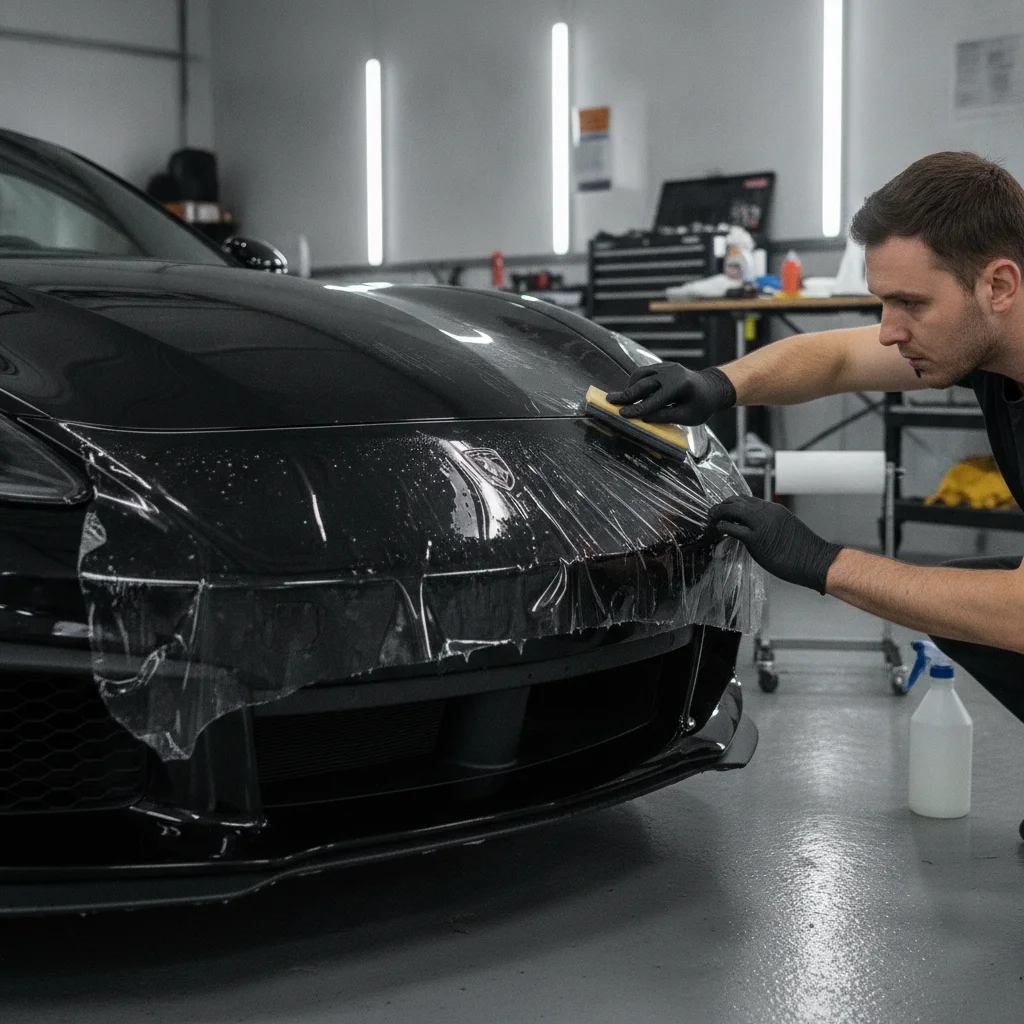
Paint Is Your Car's Biggest Surface Area
UV damage, oxidation, and rock chips age a car visually faster than almost anything else. A paint protection film on the front bumper and hood costs a few hundred dollars and can preserve the finish through years of highway miles. Regular waxing — or a ceramic coating applied once — creates a barrier against environmental damage that also makes the car easier to clean. Don't underestimate how much a dull, oxidized hood depresses a buyer's first offer.
Interior Wear Tells Buyers How You Lived in the Car
Cracked leather, stained fabric, and sun-faded dashboards signal neglect. Use a UV-protectant conditioner on leather and vinyl regularly. Fitted floor mats preserve the factory carpet underneath. If you have pets or kids, seat covers over the factory upholstery are worth every dollar. When you remove them before selling, the seats underneath often look nearly new.
For a practical look at what to address right before you list the car, check out our article on steps to take before listing that slow perceived depreciation.
Window Tint and Cosmetic Legality
Tinted windows are one of the most common aftermarket additions that can quietly hurt resale. Many states have strict Visible Light Transmission (VLT) laws, and tint that exceeds legal limits creates a compliance issue for the next owner. If your tint is past legal limits, consider removing or replacing it before listing — buyers in your state may factor in the cost of removal.
Dealer Detailing vs. DIY Before Appraisal
Professional detailing before a trade-in appraisal can return $300–$800 in added value, but only if the underlying condition supports it. A thorough detail won't mask mechanical issues or structural rust — appraisers are trained to look past surface cleanliness. Focus on underlying condition first, then clean presentation second.
Documentation: The Invisible Asset Most Owners Throw Away
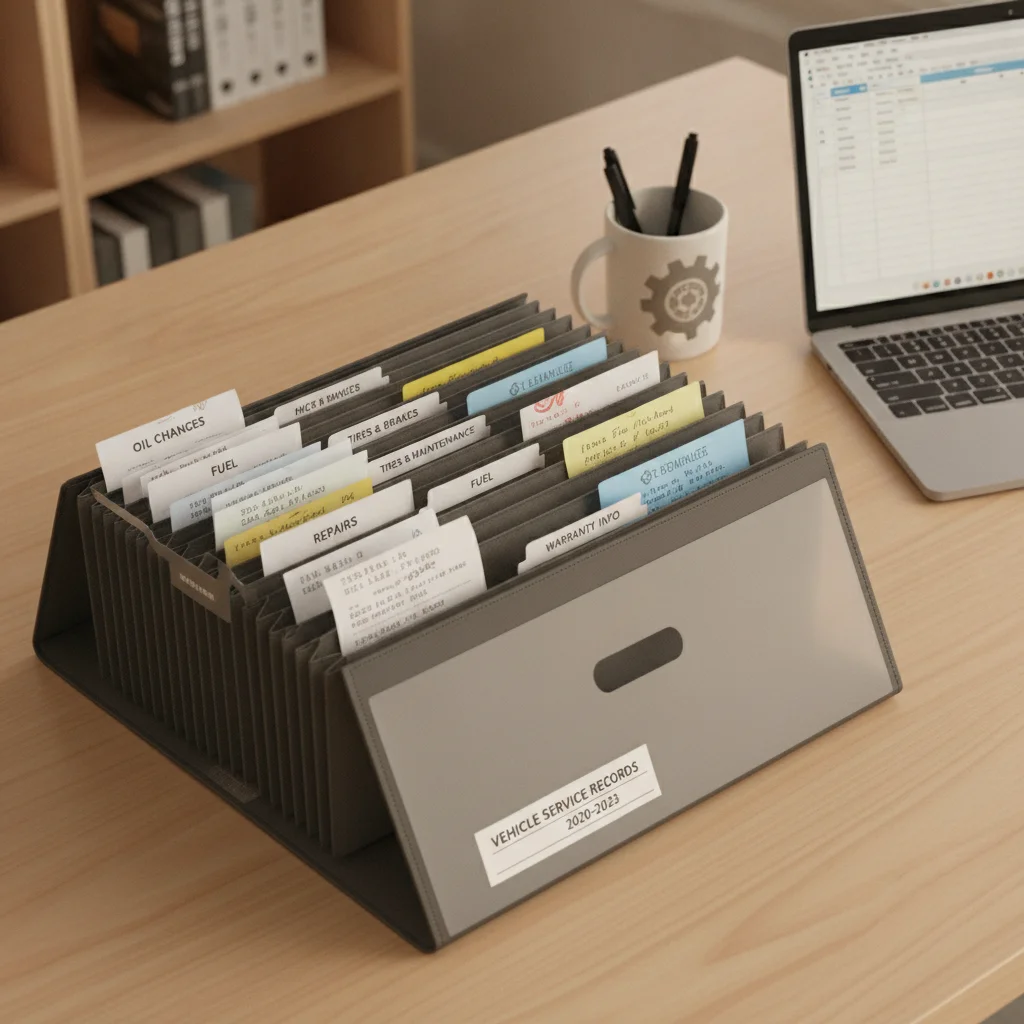
I can't overstate this one. A folder of service records — oil changes, tire rotations, brake jobs, dealer visits — is worth real money. It's tangible proof that the car was maintained, and it shifts the burden of doubt from buyer to seller.
“Buyers don't just buy a car — they buy its history. A well-documented vehicle removes the fear of the unknown, and that peace of mind has real monetary value in any used car transaction.”
— Lauren Fix, Automotive analyst and nationally recognized car care expert
Without records, a buyer has to take your word for it. With records, they have evidence. Appraisers at dealerships and savvy private buyers will pay measurably more — sometimes $500 to $1,500 more on a mid-range vehicle — for a car with a clean, documented history compared to one with gaps.
Digital records work fine. Take photos of receipts, log everything in a free app like Fuelly or your automaker's connected vehicle portal if it offers one. The habit takes two minutes per service visit and compounds in value every year you own the car.
This also connects directly to the strategic side of ownership timing. Once you understand the depreciation curve and have clean records proving your car is at the top of its condition range, you're in the best possible position. Our guide on the optimal time to sell before depreciation accelerates explains exactly when to act on that position.
Quick Wins You Can Start Today
Not every depreciation-fighting move requires planning ahead or spending money. Some of the highest-impact actions you can take are immediate. Here's where to start:
On the flip side, it's worth knowing what habits quietly accelerate value loss. If you're skipping oil changes, letting warning lights linger, or storing the car improperly, you may be undoing everything here. Our article on things owners unknowingly do that accelerate depreciation covers the most damaging mistakes in detail.
Putting It All Together: Protect Value Through Every Year of Ownership
Depreciation is unavoidable, but its pace is negotiable. The owners who get the best resale prices aren't the ones who spent the most on their cars — they're the ones who were consistent. Clean service records, a preserved exterior, a factory-correct configuration, and smart mileage habits don't require a big budget. They require attention.
Think of it this way: every dollar you spend on a $20 oil change protects a lot more than the engine. It creates a paper trail that tells the next buyer this car was taken care of. Every $15 bottle of leather conditioner preserves an interior that otherwise costs $300 to repair before listing. The math on preventive care almost always wins.
If you're still in the buying phase and want to start from the best possible position, the Depreciation Basics hub lays out the full landscape — including how age, mileage, and condition interact to set your car's floor value. And when it comes time to actually hand over the keys, our trade-in strategies guide will help you extract every dollar your maintenance habits have earned.
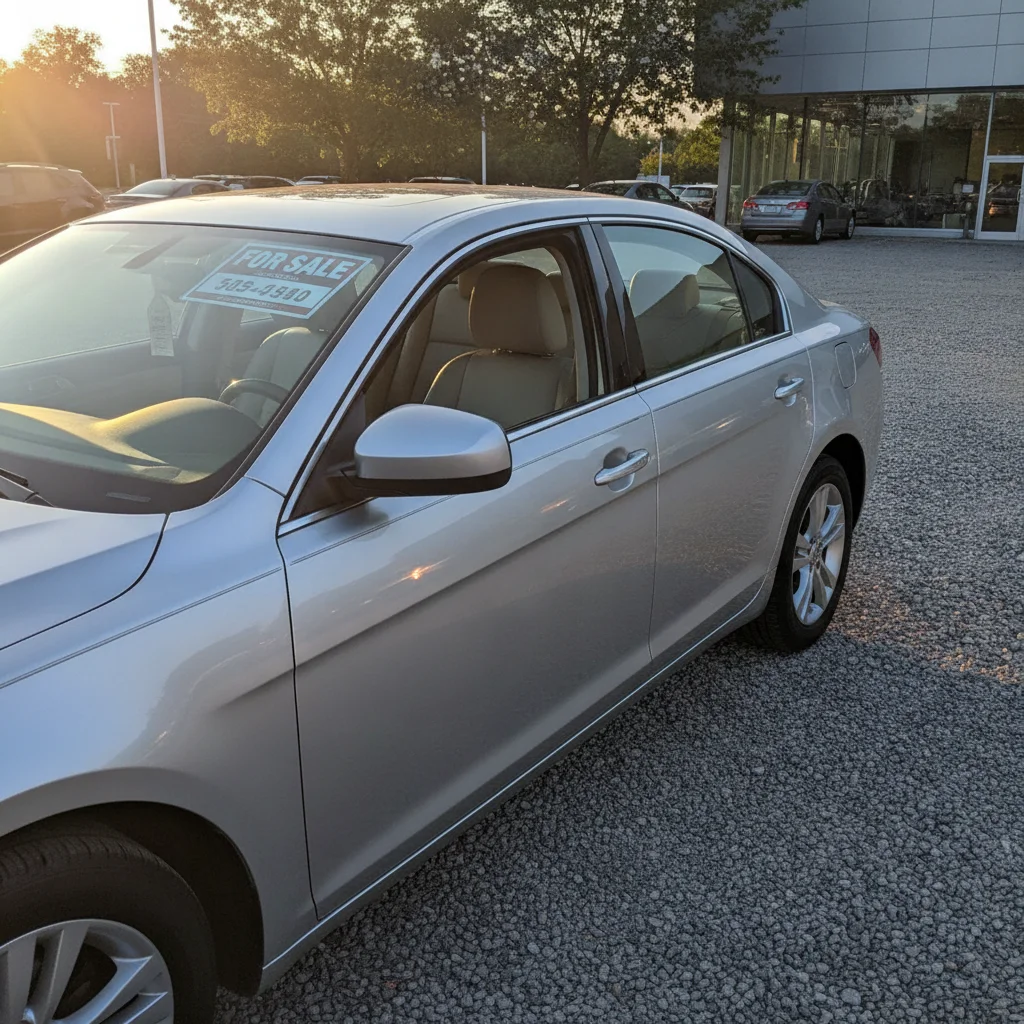
The work you put in during ownership is the work that shows up in the sale price. Start now, stay consistent, and your future self — the one negotiating a trade-in or posting a private listing — will thank you.

All claims are backed by peer-reviewed research. Sources on request.