Key Takeaways
Depreciation Buffer
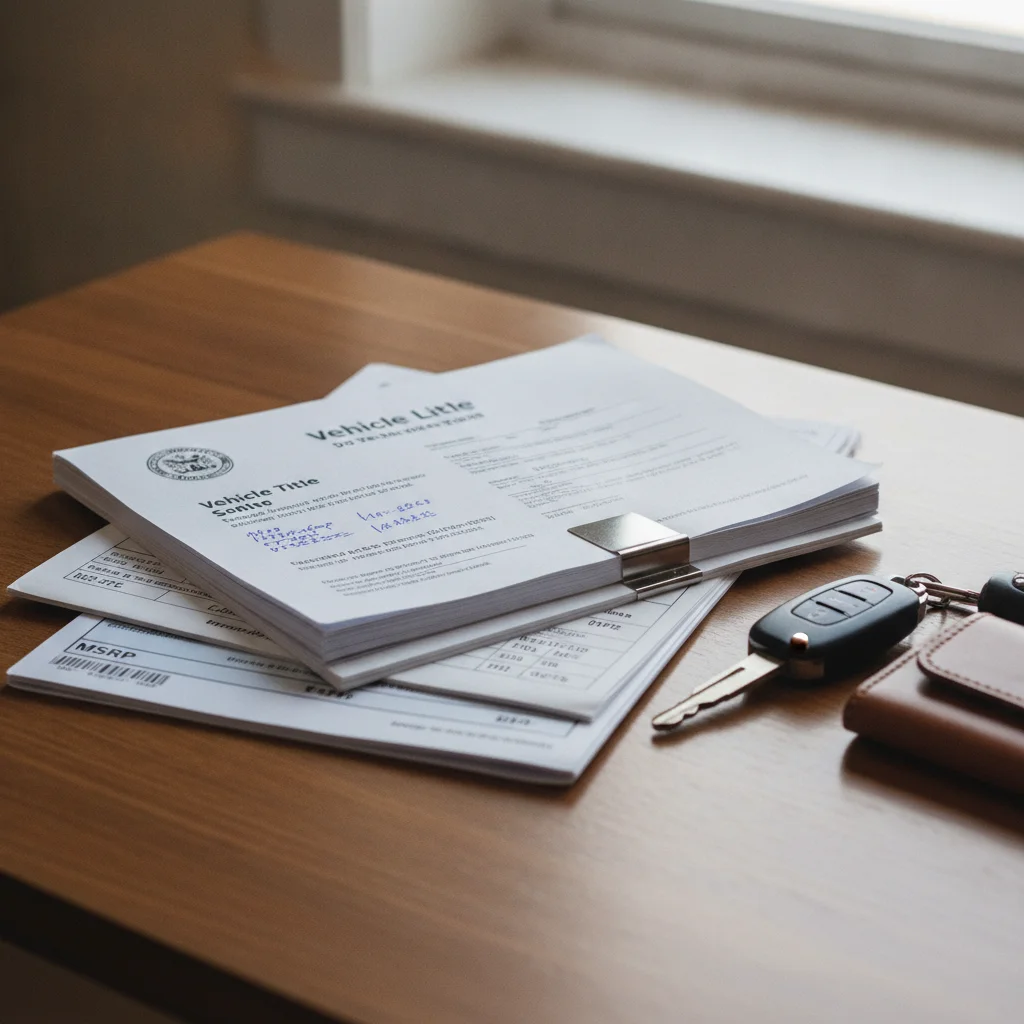
A depreciation buffer is anything that slows the rate at which a car loses market value compared to the average vehicle of the same make, model, and year. In the context of service records, a complete and organized maintenance history acts as documented proof that the car has been properly cared for, reducing the perceived risk a buyer or dealer assumes when purchasing it. That reduced risk translates directly into a higher willingness to pay — effectively offsetting some of the value the car would otherwise have lost over time.
Appraisers and used-car buyers factor in condition-adjusted depreciation curves; a documented service history can shift a vehicle from a lower condition tier to a higher one, which can represent hundreds or thousands of dollars in assessed value on industry pricing guides like Kelley Blue Book or Black Book.
Understanding the Depreciation Curve
Before you can understand how service records slow depreciation, you need a clear picture of how depreciation actually works. A new car doesn't lose value at a flat, steady rate. It drops sharply at first and then levels out — a pattern that looks like a ski slope, not a gradual hill.
Here's a typical breakdown for an average new vehicle:
- Year 1: Loses roughly 15–20% of its purchase price the moment it's driven off the lot and through the first year
- Years 2–3: Drops another 15% per year, meaning the car can be worth 40–50% less than its original price by the end of year three
- Years 4–5: The rate slows considerably — typically 10–15% per year
- Years 6+: Depreciation flattens further, often settling into a slow, gradual decline
These are averages. The actual depreciation of any specific car depends on brand reputation, mileage, condition, regional demand, and — critically — perceived risk. That last factor is where service records enter the picture.
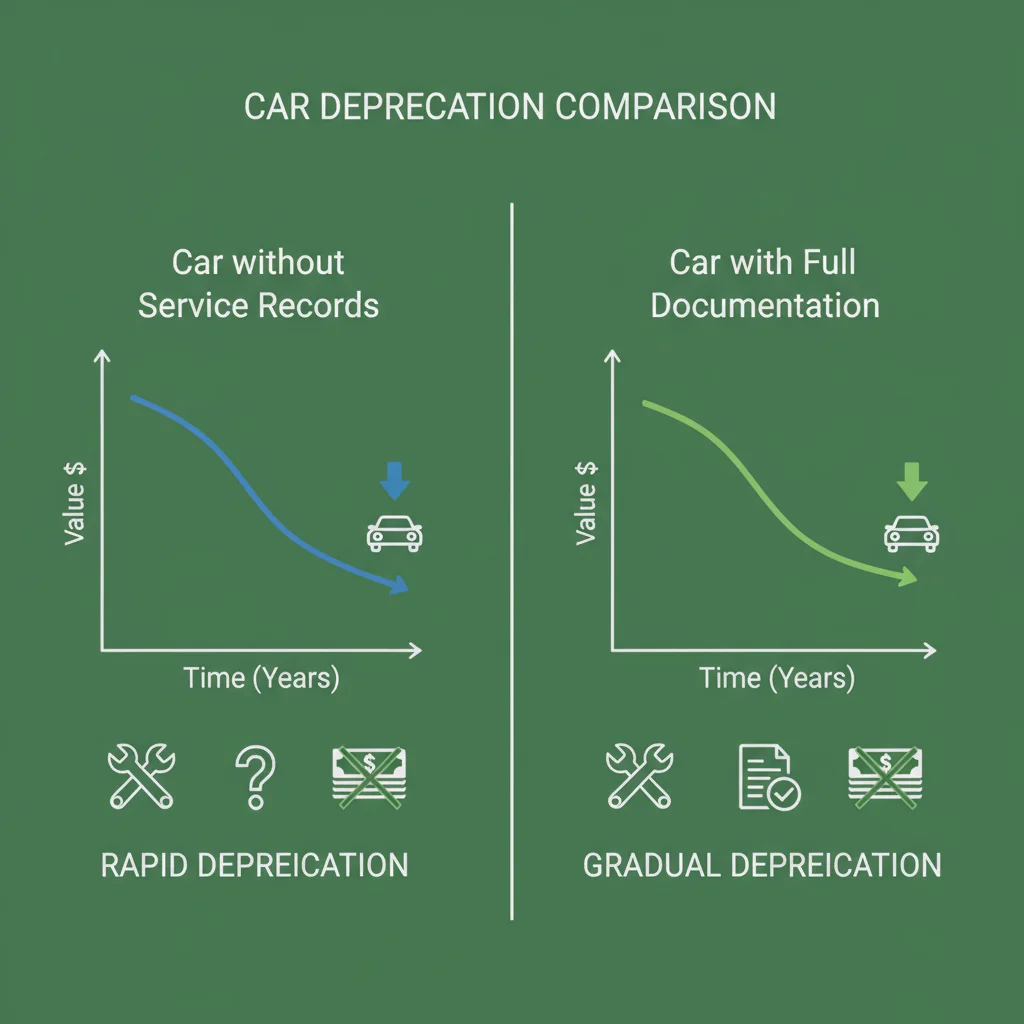
When a buyer or dealer looks at a used car, they're not just evaluating what it is. They're evaluating what it might cost them after they buy it. A car with no service history forces them to assume the worst. A car with a full documented history allows them to price it more like a known quantity. That difference in perceived risk is what drives the premium.
You can explore the full mechanics of how vehicles lose value over time in our depreciation basics hub.
How Risk Pricing Works in the Used-Car Market
Every purchase involves risk. In the used-car market, the biggest risk is an unexpected repair bill shortly after buying. A transmission rebuild can run $3,000–$5,000. An engine failure on a well-used vehicle could cost more than the car is worth.
Buyers — whether private individuals or dealer appraisers — intuitively (and sometimes explicitly) price this risk into their offers. Think of it this way: if a buyer believes there's a 20% chance a car needs a $2,000 repair within the first year, they'll mentally deduct some portion of that expected cost from what they're willing to pay.
“A car without service records is a black box. The buyer has no way of knowing what was done or skipped, so they price in the possibility that everything was skipped. Documentation is how you open that black box and show them the truth.”
— Erin Keane, Certified Vehicle Appraiser, National Automobile Dealers Association (NADA)
Service records function as risk-reduction documentation. When you hand a buyer a folder showing consistent oil changes every 5,000 miles, a timing belt replaced at the manufacturer-recommended interval, and brake pads changed with documentation, you're removing uncertainty from their calculation. You're converting a high-risk unknown into a lower-risk known.
This is exactly why appraisal guides like Kelley Blue Book and Black Book include condition tiers — Poor, Fair, Good, Very Good, Excellent — with meaningful price differences between them. A car with no service history almost always lands in a lower tier. A car with complete records frequently earns an upgrade to a higher tier, even at the same mileage.
$1,500+
Average premium for documented maintenance history
Industry appraisal data indicates well-documented vehicles frequently command $1,000–$2,500 more than comparable undocumented cars, depending on segment and mileage.
40–50%
Typical value lost in first three years
According to Kelley Blue Book and iSeeCars depreciation research, the average new vehicle loses roughly half its purchase price within three years of ownership.
77%
Used-car buyers who consider service records important
A CarGurus consumer survey found that the large majority of used-vehicle shoppers rate maintenance documentation as a significant factor in their purchase decision.
2 tiers
Condition tier shift possible with full records
Appraisers using Black Book or Manheim Market Report guidelines can justify moving a vehicle up one to two condition tiers when complete service documentation is presented.
The practical takeaway: documentation doesn't just make your car look nicer on paper. It shifts the buyer's risk calculation in your favor, which is one of the few levers you have as a seller to command a price above the depreciated baseline.
What 'Complete' Service Records Actually Means
Many sellers assume they need a perfect, unbroken chain of receipts from day one. In reality, completeness is relative — and even partial records add measurable value. Here's how to think about what counts:
The Baseline: Oil Change History
Regular oil changes are the single most important indicator of basic maintenance discipline. A buyer who sees consistent oil changes at appropriate intervals gains confidence that the owner didn't run the engine dry or ignore routine service. Most quick-lube chains and dealers maintain digital histories you can request even if you've lost the paper receipts.
High-Value Records: Major Scheduled Services
These are the repairs buyers worry about inheriting. If you have documentation for any of the following, include them prominently:
- Timing belt or timing chain replacement
- Transmission fluid service or rebuild
- Coolant flush
- Spark plug replacement
- Brake pad and rotor replacement
- New tires (with date and mileage)
Supporting Evidence: Anything Itemized and Dated
Credit card statements, bank records showing payments to repair shops, and emailed invoices from service departments all serve as corroborating evidence. They won't have the detail of a full repair order, but they demonstrate that money was spent on the car at a real business on a real date.
Request Your Digital History Before You Sell
Call every dealership or service chain where you had work done and ask for a printed or emailed copy of your complete service history. Most franchised dealers retain records for at least 10 years in their management system. Quick-lube chains like Jiffy Lube and Valvoline also maintain digital histories tied to your license plate — a quick call or online lookup can recover years of oil change records at no cost.
Organize Records Before Any Appraisal Appointment
Don't hand a dealer appraiser a shoebox of loose receipts. Spend 20 minutes putting records in chronological order, oldest to newest, and write a one-page summary listing major services by date and mileage. An organized presentation signals that you're a careful owner and makes it easy for the appraiser to justify a higher condition tier — which translates directly into a higher offer.
For a detailed walkthrough of how to compile what you have and fill gaps before listing, see our guide on getting your service records in order before listing.

What buyers are really looking for is a narrative: this car was driven by someone who paid attention to it. A few gaps in that narrative are forgivable. A complete absence of any narrative forces them to invent the worst-case version on their own.
The Dollar Value of Documentation: What the Data Shows
Abstract arguments about risk only go so far. Let's talk numbers.
Industry data and appraisal research consistently show that documented maintenance history adds measurable dollars to resale and trade-in outcomes. The exact amount depends on vehicle segment and mileage, but the pattern is consistent:
| Vehicle Type | Estimated Value Add from Full Service History | Why It Matters Most |
|---|---|---|
| Luxury sedan (50k–80k miles) | $1,000–$2,500 | Higher repair costs make buyers more risk-averse |
| Full-size pickup (80k–120k miles) | $800–$2,000 | Heavy-use expectations; buyers scrutinize mechanical history |
| Mainstream sedan (40k–70k miles) | $400–$1,000 | Competitive market; records differentiate similar listings |
| Economy car (under 40k miles) | $200–$600 | Lower stakes, but records still accelerate sale speed |
These figures represent the incremental value — what you gain compared to an otherwise identical car without documentation. The investment to produce these records is effectively zero if you've already done the maintenance; it's simply a matter of retrieving and organizing what exists.
Condition Tiers and Pricing Guides Explained
Kelley Blue Book, Black Book, and Manheim all use tiered condition ratings — typically ranging from Poor to Excellent — that correspond to different dollar values for the same vehicle. The difference between a 'Fair' and 'Very Good' rating on a $20,000 car can easily be $1,500–$2,500. Service records are one of the primary inputs appraisers use when deciding which tier a car earns. Understanding this system helps sellers see why documentation isn't just a nicety — it's a financial lever.
Records Matter Even If You Didn't Do All the Work
Some owners worry that records showing deferred maintenance will hurt more than help. In most cases, transparency still works in your favor. A buyer who sees that you skipped one service but otherwise maintained the car consistently is in a far better position to make an informed decision than one who has no information at all. Honest, incomplete records almost always outperform no records.
Sync Your Records with Your Car's VIN
Carfax and AutoCheck compile service history tied to a vehicle's 17-digit VIN number. Some repair shops automatically report service visits to these databases. Run a Carfax or AutoCheck report on your own car before listing it so you know what a buyer will see — and so you can supplement the report with any visits that weren't captured automatically. This gives you a complete picture of your documented history before negotiations begin.
For a direct comparison of what documentation does in a dealer trade-in context specifically, our article on building a paper trail that supports a higher trade-in offer covers the appraisal process in detail.
Presenting Records Strategically: Timing and Framing
Having the records is step one. Presenting them effectively is step two. Both matter.
In a Private Sale
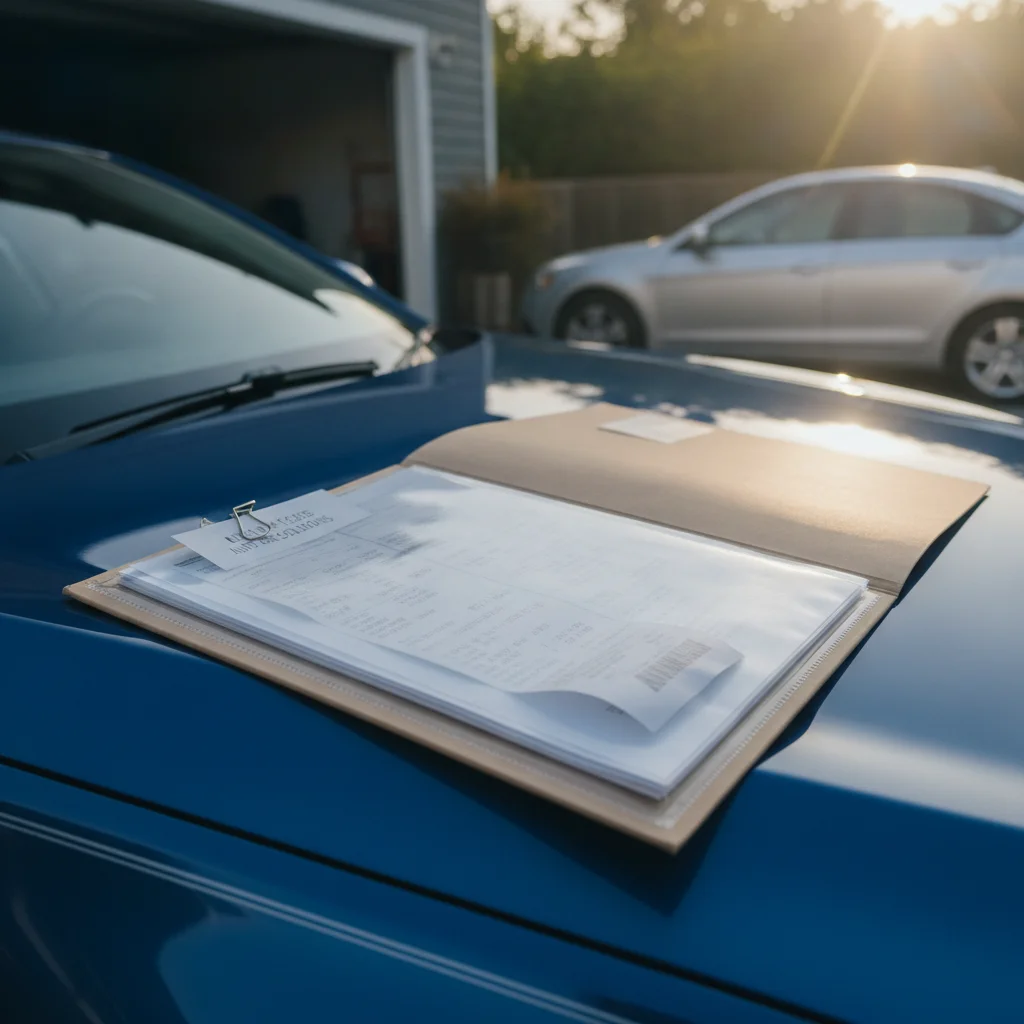
Lead with the records, don't wait to be asked. When you list the car online, mention in the description that complete service records are available. When a buyer comes to look at the car, have the folder organized and ready — not stuffed in a glove box. Chronological order, oldest to newest, with major services flagged with a sticky note or paper clip, makes a strong impression.
The act of presenting organized records signals that you're a careful owner. It's a credibility signal that operates independently of what the records actually say.
At a Dealer Trade-In
Dealers appraise hundreds of cars and have limited time per vehicle. Make their job easy. A one-page summary of major services — with dates, mileage, and what was done — placed on top of the full folder gives the appraiser exactly what they need to justify a higher condition tier to their manager.
Our article on documentation that strengthens your trade-in position goes deeper on what dealers specifically look for in the appraisal process.
What to Do If Records Are Incomplete
Don't hide the gaps — acknowledge them proactively. If you bought the car used and have records only from the past three years, say so. Buyers distrust evasiveness far more than they distrust incomplete histories. What you're selling is honesty combined with whatever documentation you do have.
For a full strategy on recovering lost records and presenting partial histories effectively, see how service records affect perceived value — and what to do if you don't have them.
Request Your Digital History Before You Sell
Call every dealership or service chain where you had work done and ask for a printed or emailed copy of your complete service history. Most franchised dealers retain records for at least 10 years in their management system. Quick-lube chains like Jiffy Lube and Valvoline also maintain digital histories tied to your license plate — a quick call or online lookup can recover years of oil change records at no cost.
Organize Records Before Any Appraisal Appointment
Don't hand a dealer appraiser a shoebox of loose receipts. Spend 20 minutes putting records in chronological order, oldest to newest, and write a one-page summary listing major services by date and mileage. An organized presentation signals that you're a careful owner and makes it easy for the appraiser to justify a higher condition tier — which translates directly into a higher offer.
Building the Habit: Documentation as an Ongoing Practice
The sellers who benefit most from service records are the ones who start collecting them from day one — not the week before they list the car. The good news is that building this habit requires almost no extra effort if you fold it into your existing maintenance routine.
Simple Systems That Work
- A dedicated folder in your glove box: Every receipt goes in. Oil changes, tire rotations, brake jobs, anything. Costs nothing and takes seconds per visit.
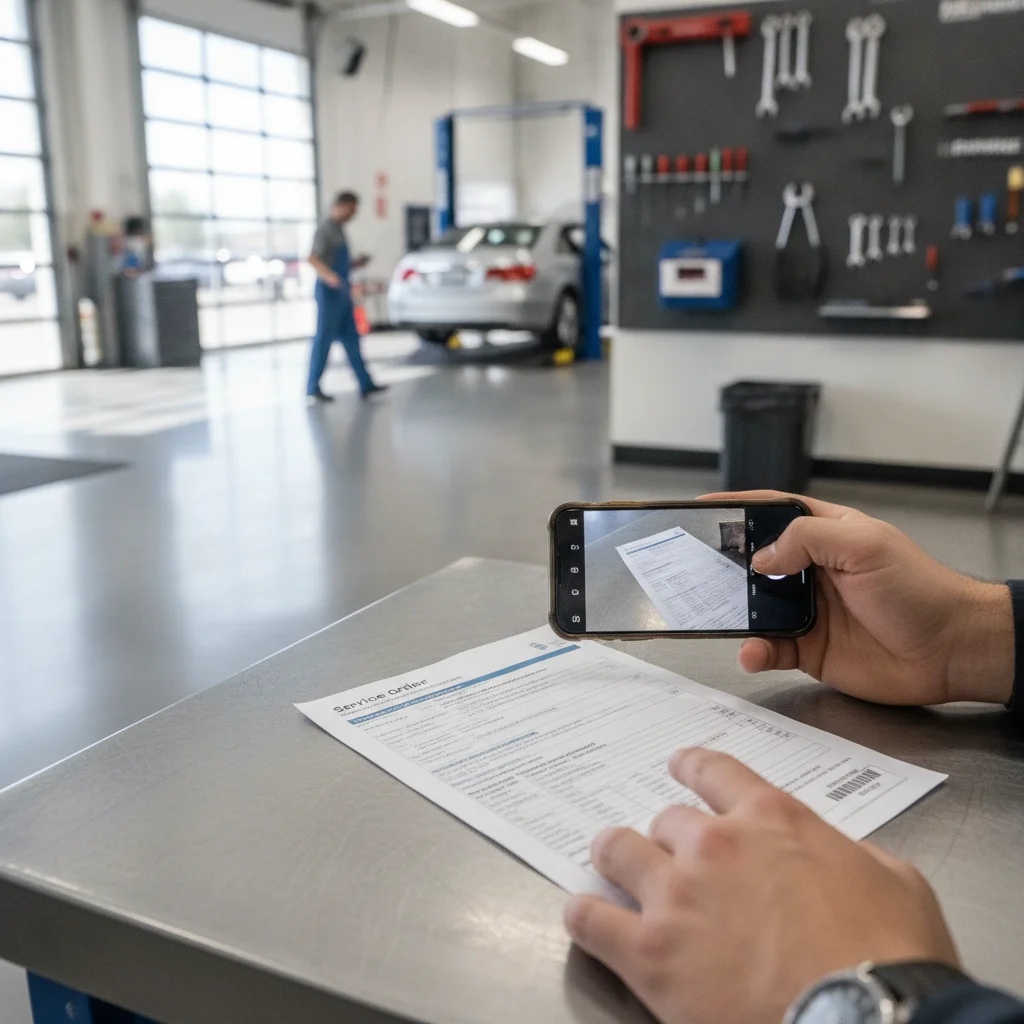
- A smartphone photo archive: Take a photo of every repair order before you leave the service bay. Store them in a labeled album. If the paper is ever lost, the photo is your backup.
- Digital dealer portals: Many franchise dealerships now maintain your full service history in an online account. Check whether your dealer offers this and save your login credentials.
- Carfax or AutoCheck service history: Some major chains report service visits to these platforms automatically. Pull a report on your own car once a year to see what's captured.
Condition Tiers and Pricing Guides Explained
Kelley Blue Book, Black Book, and Manheim all use tiered condition ratings — typically ranging from Poor to Excellent — that correspond to different dollar values for the same vehicle. The difference between a 'Fair' and 'Very Good' rating on a $20,000 car can easily be $1,500–$2,500. Service records are one of the primary inputs appraisers use when deciding which tier a car earns. Understanding this system helps sellers see why documentation isn't just a nicety — it's a financial lever.
Records Matter Even If You Didn't Do All the Work
Some owners worry that records showing deferred maintenance will hurt more than help. In most cases, transparency still works in your favor. A buyer who sees that you skipped one service but otherwise maintained the car consistently is in a far better position to make an informed decision than one who has no information at all. Honest, incomplete records almost always outperform no records.
Sync Your Records with Your Car's VIN
Carfax and AutoCheck compile service history tied to a vehicle's 17-digit VIN number. Some repair shops automatically report service visits to these databases. Run a Carfax or AutoCheck report on your own car before listing it so you know what a buyer will see — and so you can supplement the report with any visits that weren't captured automatically. This gives you a complete picture of your documented history before negotiations begin.
The longer you own a vehicle, the more valuable a complete record becomes — both because the car accumulates more miles (raising buyer concern) and because the documentation window to recover lost receipts closes over time. A receipt from three years ago is retrievable from most shops. One from eight years ago typically is not.
For a more complete guide to organizing and preserving your maintenance records over the life of ownership, our article on keeping your service records and why it pays off when you sell covers the full lifecycle approach.
Think of service records as a savings account. Every receipt you add deposits a small amount of future resale value. Every receipt you lose makes a small withdrawal. The balance at the end of ownership is what determines how much of your car's remaining value you actually capture when you sell.

All claims are backed by peer-reviewed research. Sources on request.