Key Takeaways
How Title History Shapes Buyer Confidence
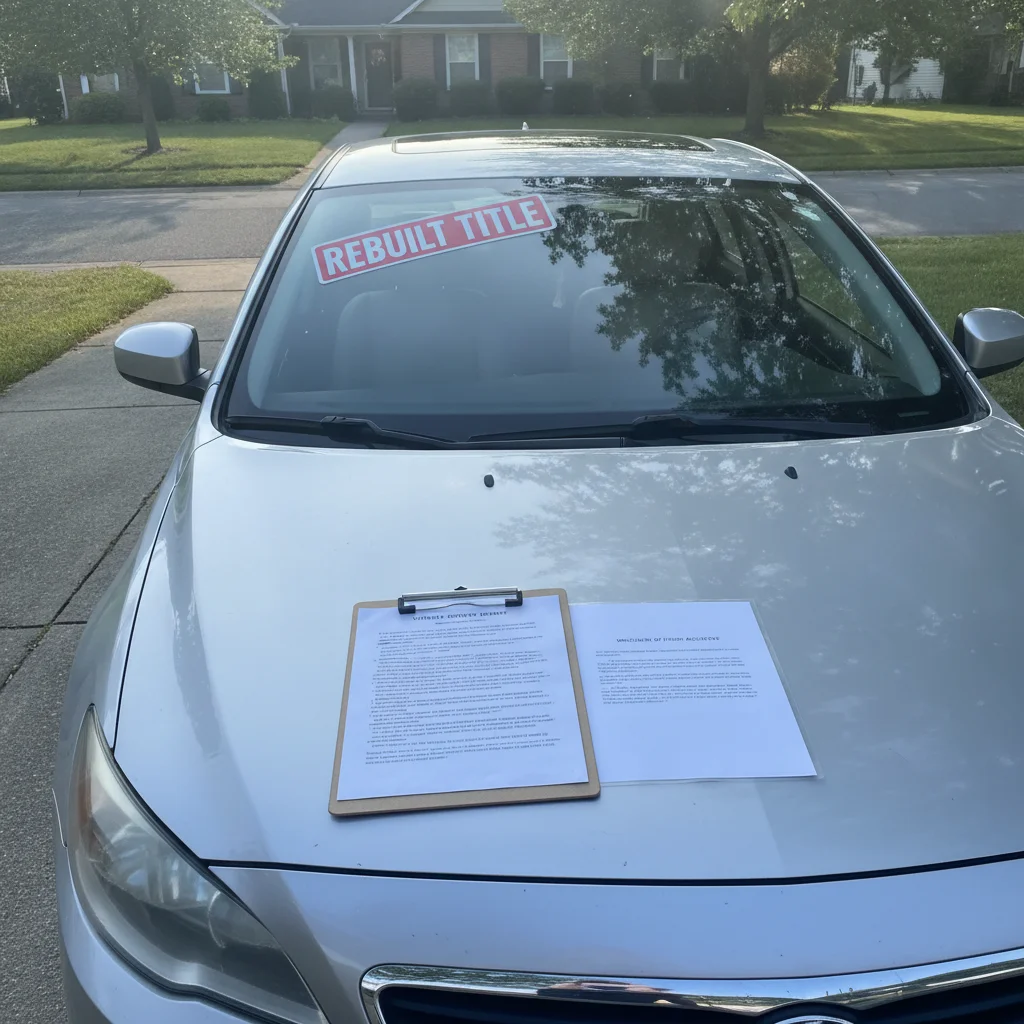
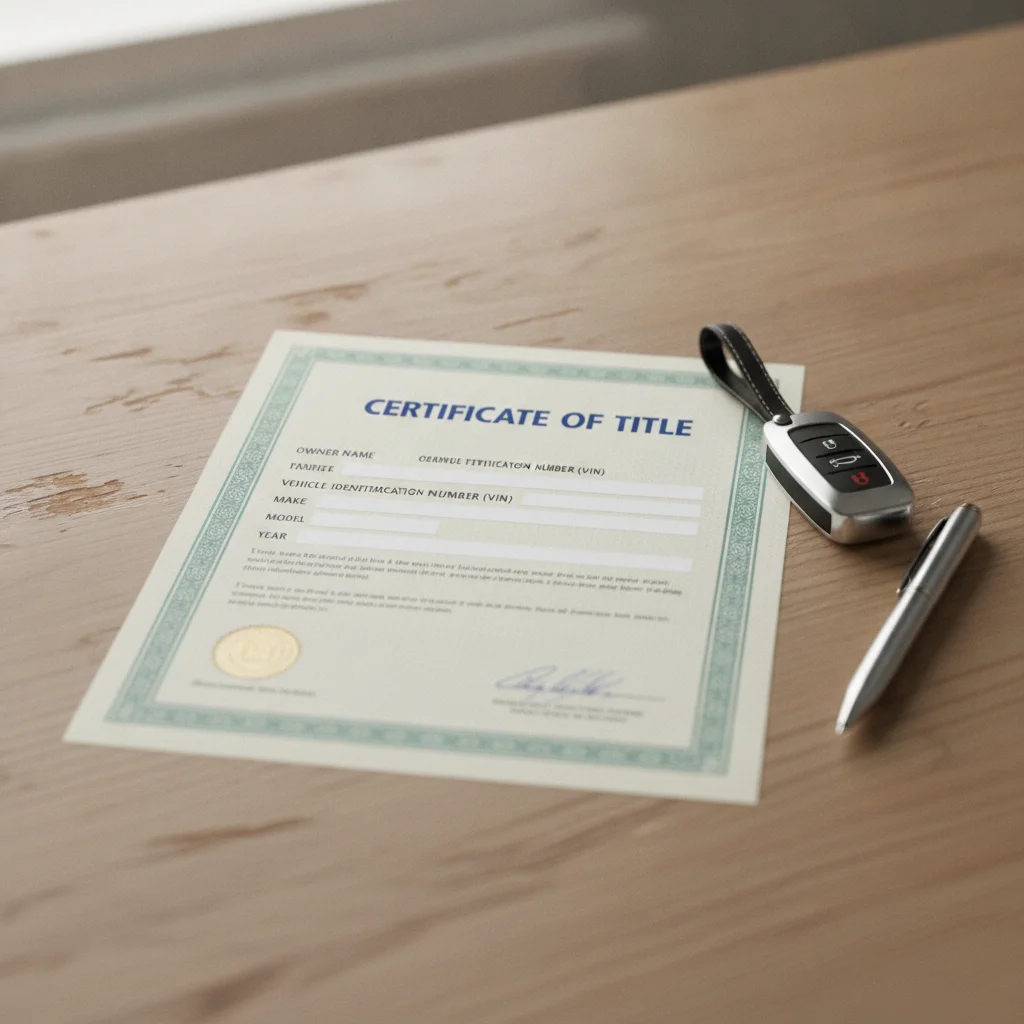
When a buyer considers purchasing a used car, the vehicle title is the single most important document in the transaction. It legally establishes ownership, records any liens, and — critically — carries a permanent designation that reflects the car's history. A clean title tells a buyer the vehicle was never declared a total loss. Every other designation sends a warning signal that can stop a sale cold.
Understanding title types is not optional knowledge for sellers. It is the foundation of every negotiation. If you are preparing to sell a vehicle, the title types guide explains exactly how each brand affects insurability, financing eligibility, and resale price. Sellers who skip this step often discover mid-negotiation that buyers already know more about their car's title than they do.
Buyers reject cars with unclear title history for very practical reasons. Lenders frequently refuse to finance vehicles with salvage or rebuilt titles. Insurance companies may offer only limited coverage. And resale value drops significantly — sometimes by half — making the purchase a financial liability rather than an asset. The moment a buyer senses uncertainty about ownership history, trust erodes quickly.
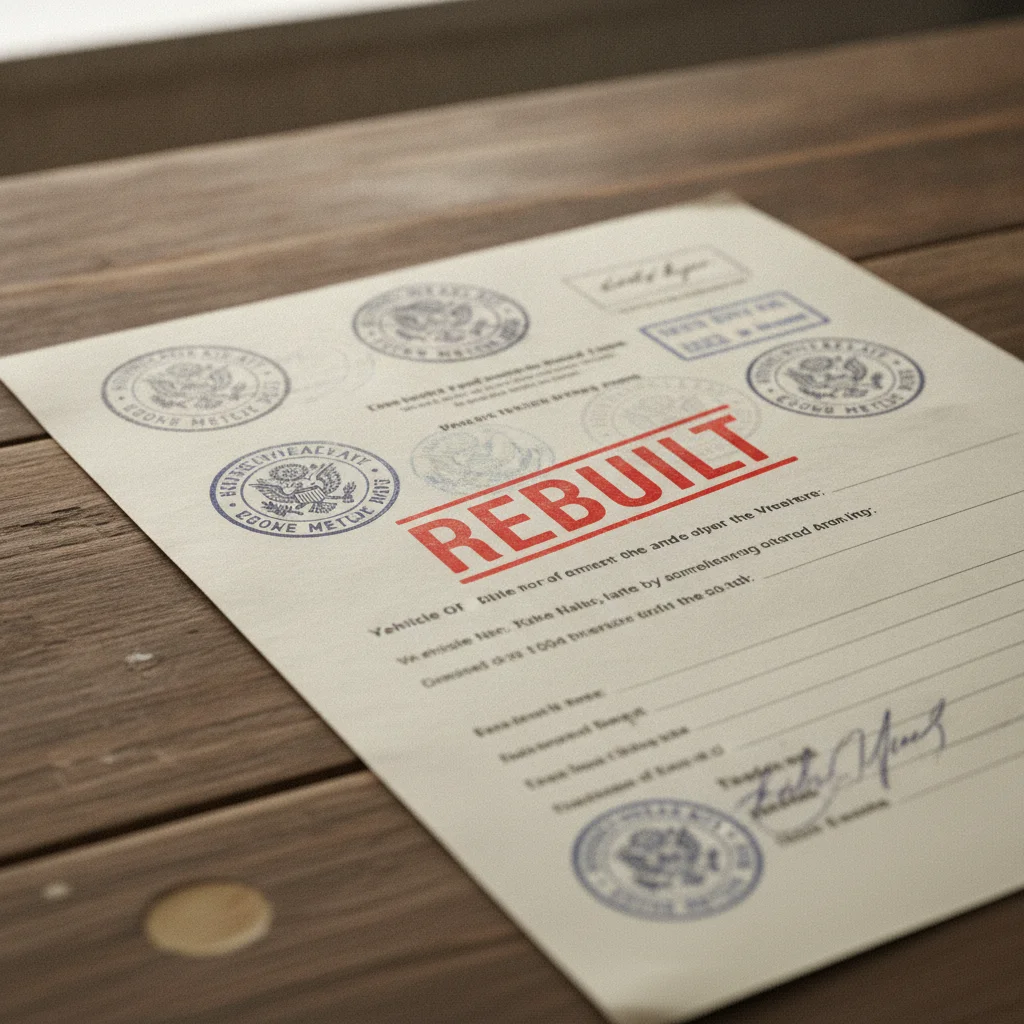
The mistakes sellers make around title history are consistent and predictable. Most are avoidable with preparation and transparency. The sections below walk through each one, why it happens, and what you can do before your first listing goes live.
The Most Costly Mistakes Sellers Make With Title History
Sellers often underestimate how much weight buyers place on documentation. A car that runs well and looks clean can still sit unsold for weeks — or attract offers 30% below asking — simply because the title paperwork raises questions. Here are the most common errors that derail used car sales, and how to avoid every one of them.
Failing to disclose a branded title upfront in the listing.
Why it happens: Sellers fear that disclosing a salvage or rebuilt title will immediately kill interest or force a dramatically lower asking price, so they hope to explain it in person instead.
Pricing a rebuilt or salvage-titled vehicle as if it has a clean title.
Why it happens: Sellers anchor to what they paid for the vehicle or what they spent on repairs, rather than researching what branded title vehicles actually sell for in the current market.
Providing no supporting repair or inspection documentation for a rebuilt title vehicle.
Why it happens: Sellers assume the physical title itself is sufficient proof that a vehicle has been legally cleared for the road, not realizing buyers want to understand the quality and scope of the repairs made.
Misrepresenting a flood-damaged vehicle with a clean title.
Why it happens: Not all flood damage triggers a formal title brand — particularly if the previous owner chose not to file an insurance claim. Sellers may not even know the vehicle experienced water intrusion.
Ignoring state-specific disclosure requirements for private party sales.
Why it happens: Most sellers assume disclosure laws only apply to licensed dealers, not private individuals. In reality, most states impose disclosure obligations on all sellers.
Transferring a title with an outstanding lien still attached.
Why it happens: Sellers who financed the vehicle and have not yet paid off the loan sometimes attempt to sell before the lien is released, assuming the buyer will "figure it out" or that the lender will cooperate automatically.
20–50%
Resale value reduction for branded titles
Industry data consistently shows rebuilt and salvage-titled vehicles sell for 20–50% less than comparable clean-title cars, depending on the damage type and repair quality.
~1 in 4
Used cars with unreported accident history
A Carfax analysis of vehicles listed for sale found that approximately 1 in 4 had at least one accident that was not disclosed by the seller in the listing.
77%
Buyers who say title issues are a dealbreaker
A 2023 consumer survey by Autolist found that 77% of used car shoppers would walk away from a purchase if they discovered an undisclosed title brand during negotiation.
38 states
States requiring rebuilt title inspection before resale
According to the National Salvage Vehicle Reporting Program, 38 states require a formal inspection before a salvage vehicle can be retitled and legally offered for sale.
It bears repeating: disclosure is not just a strategy for protecting your sale. In most states it is a legal requirement. Refer to the rebuilt title disclosure guide for a state-by-state breakdown of what sellers must provide in writing at the point of sale.
Verbal Disclosures Are Not Enough
Telling a buyer about a title brand during a test drive or phone call does not protect you legally. Most states require written disclosure, and without it you may face a fraud claim even if you believe you were transparent. Always document title disclosures in your bill of sale or a separate signed disclosure form, and keep a dated copy for yourself.
Lien Releases Take Time — Plan Ahead
If your vehicle is still financed, the lender holds the title. Requesting a payoff letter and arranging a lien release can take days to weeks depending on your lender. Do not list the vehicle for sale until you have a clear timeline for obtaining a clean title. Promising a buyer a title you cannot immediately deliver kills deals and can expose you to breach of contract claims.
What Buyers Actually Do When Title History Is Unclear
Many sellers assume that a reasonable explanation — "yes, it was in a minor accident, but it's fully repaired" — will reassure a skeptical buyer. In practice, verbal reassurances rarely work. Buyers have access to the same digital tools sellers do, and they use them before showing up.
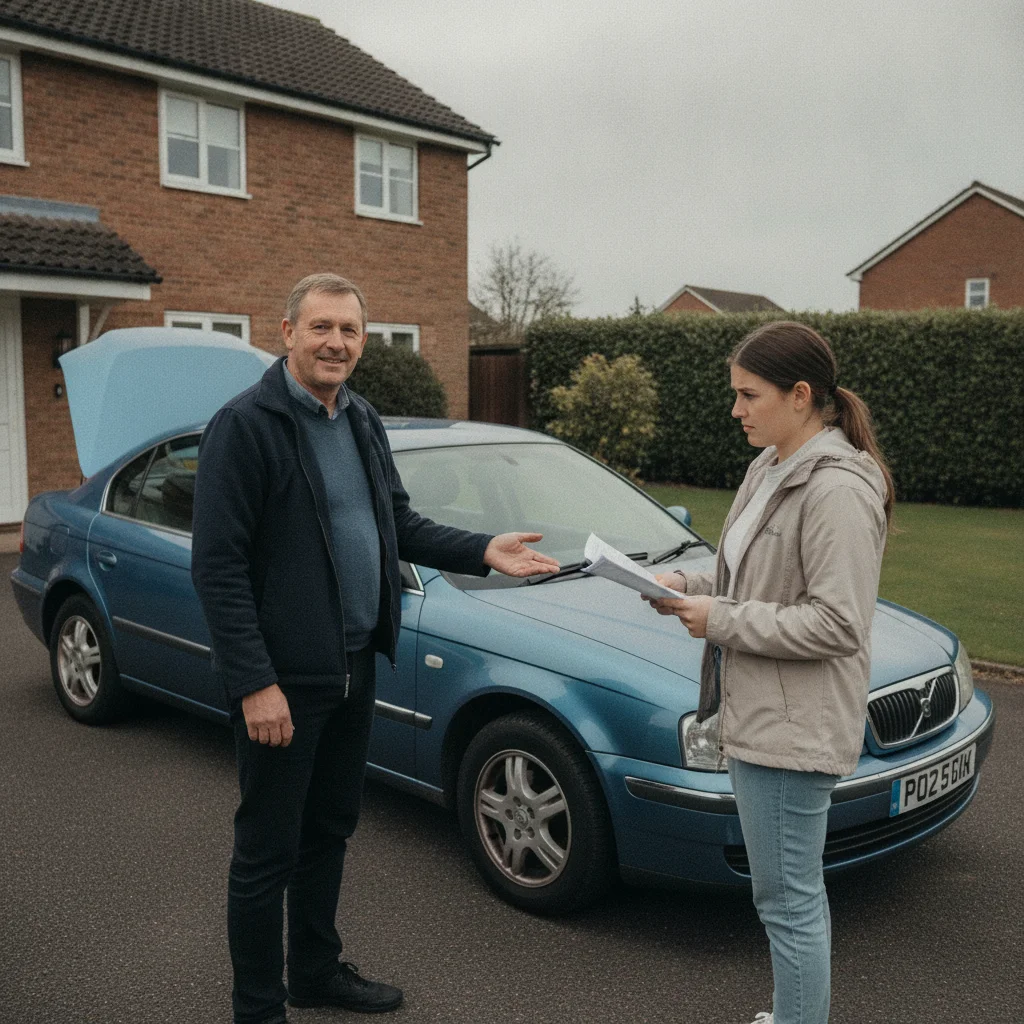
Here is a realistic picture of what happens when a buyer encounters title uncertainty during the shopping process:
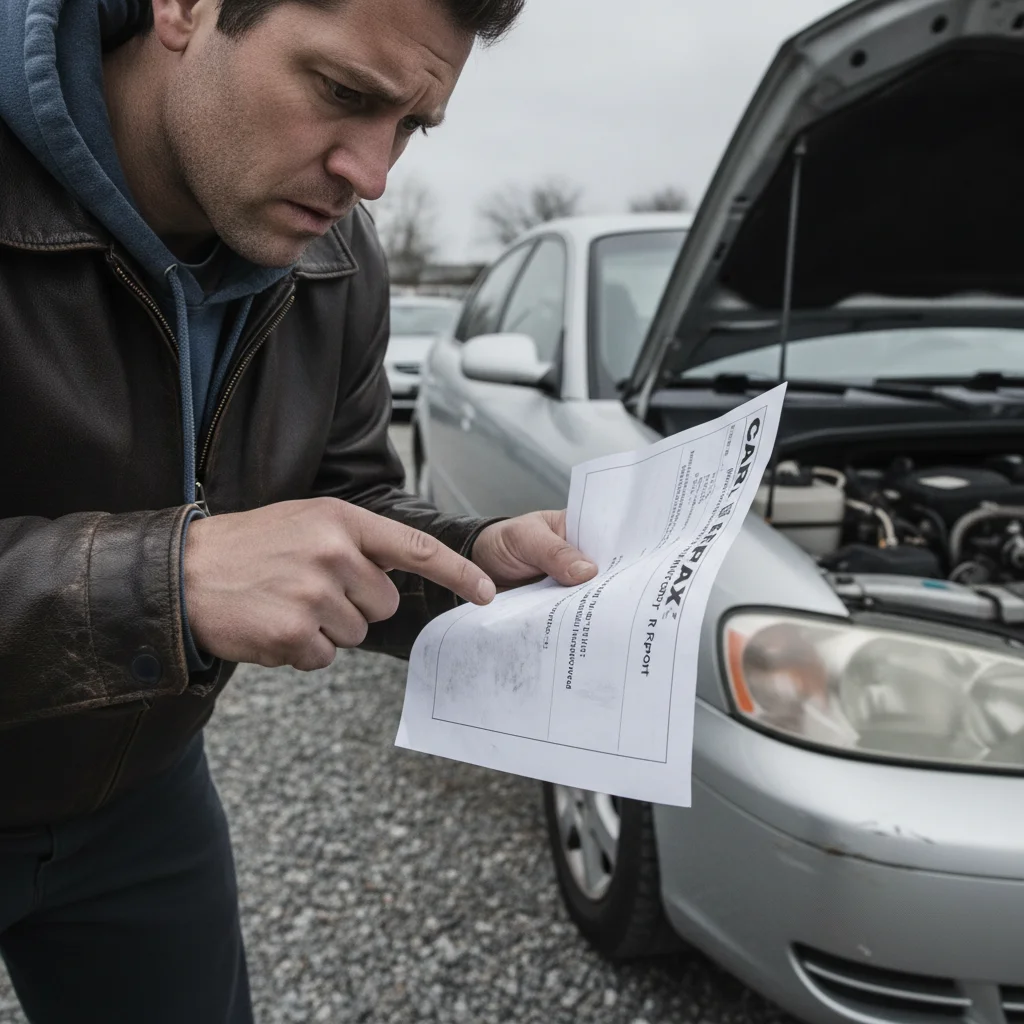
- They run their own history report immediately. Services like Carfax and AutoCheck are standard buyer tools. If your listing price does not reflect a title brand and the report reveals one, you lose credibility instantly.
- They attempt to get financing lined up — and get rejected. Many banks and credit unions will not finance vehicles with salvage or rebuilt titles. When a buyer discovers this after falling in love with your car, the frustration turns to resentment, and the deal collapses.
- They contact their insurance company. Some insurers will not provide comprehensive coverage on rebuilt title vehicles. A buyer who discovers this mid-negotiation will walk — or demand a price so low it insults both parties.
- They bring the car to an independent mechanic. This is standard practice for any used car purchase. If the mechanic finds evidence of significant prior damage inconsistent with the title disclosure, the buyer assumes the worst.
The vehicle history report limitations article is worth reading from a seller's perspective: it explains what buyers know that reports miss, and why transparency from you is actually more reassuring than a clean report alone.
Concealing a Title Brand Is Fraud
Knowingly selling a vehicle with a branded title without disclosing it is not just an ethical lapse — it is fraud in most U.S. jurisdictions. Buyers who discover the concealment after purchase have legal grounds to rescind the sale, sue for damages, and file complaints with state consumer protection agencies. The financial and legal consequences of non-disclosure far outweigh any short-term benefit of a higher sale price.
State-by-State Disclosure Requirements Sellers Must Know
Title disclosure requirements are not uniform across the country. What is legally sufficient in one state may expose you to a fraud claim in another. This is one area where sellers cannot afford to guess.
States With the Strictest Disclosure Rules
California, Texas, New York, and Florida all require sellers — including private party sellers, not just dealers — to disclose any known branded title status in writing before completing a sale. California goes further: sellers must disclose flood damage even if the title has not been formally branded.
Rebuilt Title Inspection Requirements
Many states require a formal rebuilt title inspection before a salvage vehicle can be legally re-titled and sold. This typically involves a state DMV or highway patrol inspection confirming the vehicle has been properly repaired. States including Colorado, Oregon, Washington, and Michigan have formal inspection programs. If you are selling a rebuilt title vehicle, confirm whether your state's inspection certificate must accompany the sale documents.
Lemon Law Buyback Titles
If a manufacturer purchased your vehicle back under a lemon law claim, most states require the title to carry a permanent "lemon law buyback" or "manufacturer buyback" brand. Attempting to sell such a vehicle without disclosing this status — even privately — is illegal in nearly every jurisdiction.
How to Research Your State's Requirements
- Visit your state's DMV website and search for "title branding" or "salvage disclosure requirements."
- Contact your state attorney general's consumer protection office for private sale obligations.
- If uncertain, consult a local auto transaction attorney before listing.
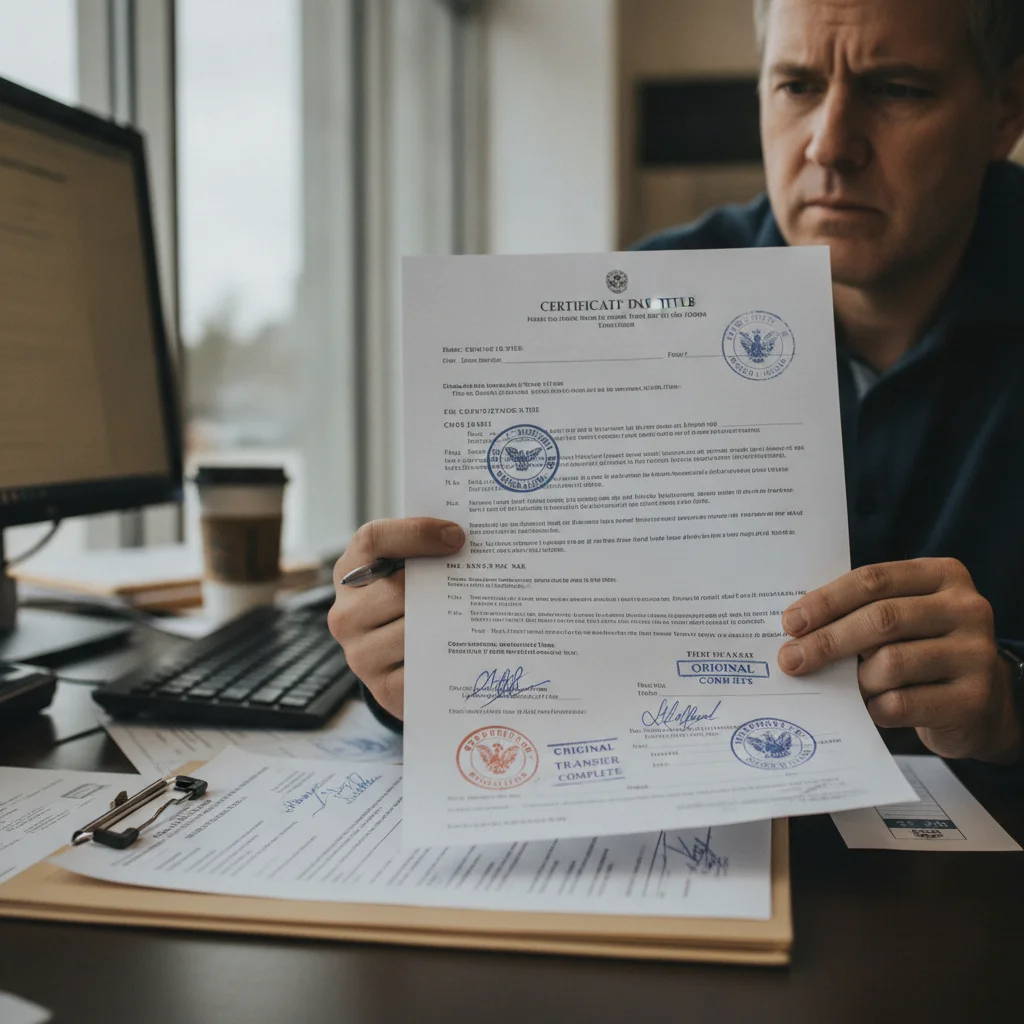
Understanding the full legal weight of the title document is covered in depth in the vehicle title explainer, which walks through every field on the title form and what each one means for the sale.
How Sellers Can Build Buyer Confidence Before the First Inquiry
The best time to resolve title concerns is before your listing goes live — not during a negotiation. Sellers who approach this proactively close deals faster, at better prices, and without the legal exposure that comes from undisclosed issues.
Step 1: Order Your Own Vehicle History Report
Run a Carfax or AutoCheck report on your own vehicle before listing. You need to know exactly what buyers will see. If there are discrepancies between the report and the physical title, resolve them at your DMV before the car goes to market.
Step 2: Gather All Supporting Documentation
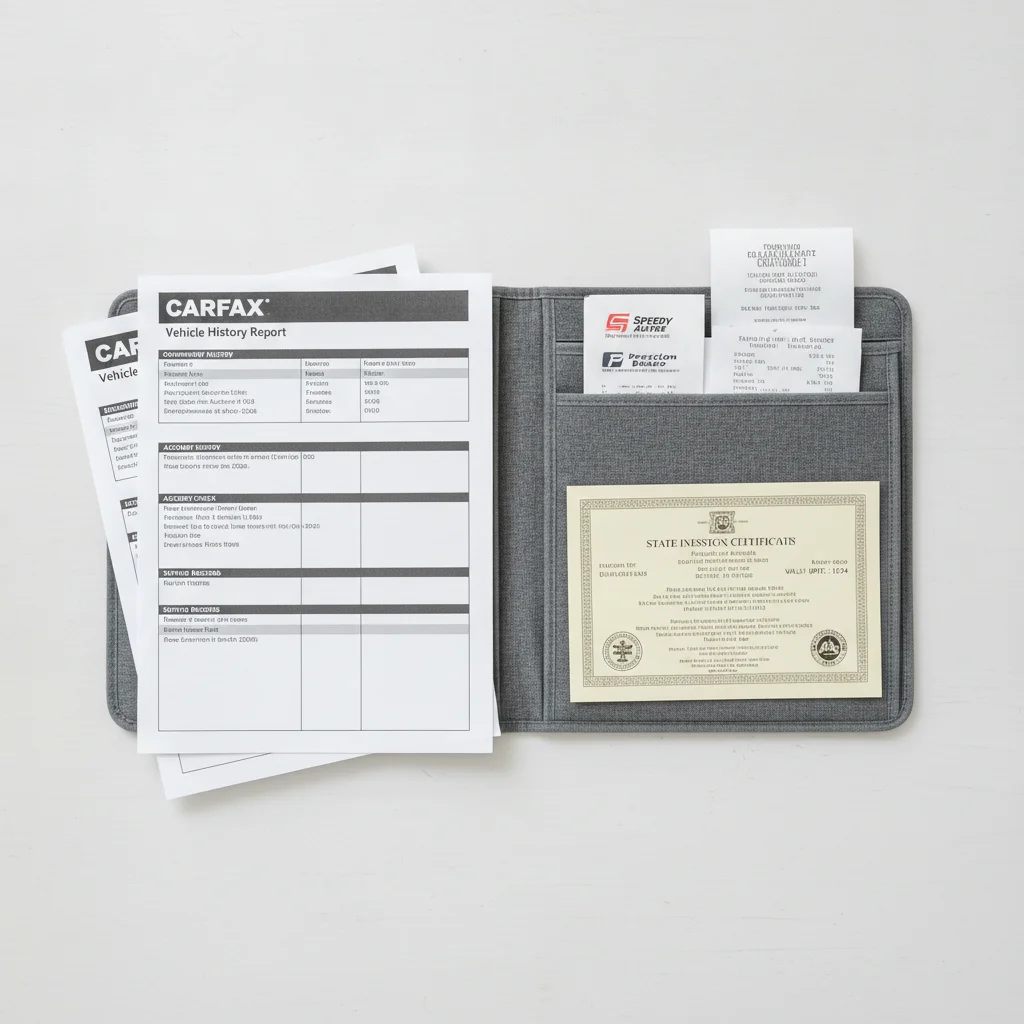
For rebuilt title vehicles, collect every repair receipt, inspection certificate, and insurance settlement letter. Buyers will want this documentation, and having it organized signals that you have nothing to hide. For any vehicle, a complete service record history covering oil changes, major repairs, and scheduled maintenance significantly reduces buyer anxiety.
Step 3: Price Realistically for the Title Brand
A rebuilt title vehicle priced as if it has a clean title will sit on the market and generate hostile negotiations. Research comparable rebuilt title sales in your area — tools like Kelley Blue Book now allow you to filter by title type. Price the vehicle to reflect its actual market position from the start.
Step 4: Be Explicit in Your Listing
Disclose the title brand in the listing headline or the first paragraph of your description. "Rebuilt title — professionally repaired, all documentation available" tells buyers exactly what they are evaluating. Hiding this information in fine print, or omitting it entirely, guarantees that the issue surfaces at the worst possible moment.

Step 5: Know What a Clean Title Actually Means
Even with a clean title, buyers can still have concerns about unreported accidents or undisclosed mechanical issues. Reviewing the used car buying hub from a buyer's perspective gives you insight into how informed buyers evaluate any vehicle — and helps you anticipate and answer their questions before they ask.
For sellers navigating the full paperwork process from contract to title transfer, the paperwork and contracts hub provides a comprehensive look at the documents involved at every stage of a private sale.
The Bottom Line for Sellers
Unclear title history does not just reduce your sale price — it can eliminate your buyer pool entirely. Lenders, insurers, and informed buyers all apply filters that remove branded or undisclosed title vehicles from serious consideration. The sellers who succeed with these vehicles are the ones who confront the issue head-on, document everything, price honestly, and disclose completely.
If your vehicle has a clean title, protect it. Keep records, document repairs, and never let a buyer walk away with unanswered questions about the car's history. If your vehicle carries a branded title, treat transparency as your primary sales tool. A buyer who trusts you will negotiate in good faith. A buyer who discovers a hidden issue will walk — and may report you to your state's consumer protection office.
Title history is not a technicality. It is the foundation of trust in any used car transaction. Build that foundation before the first buyer shows up, and you will close faster, safer, and at a price that reflects your car's true value.

All claims are backed by peer-reviewed research. Sources on request.