Key Takeaways
Why Detailing Myths Are So Costly
When you're preparing a car for sale, advice is everywhere — YouTube comment sections, Reddit threads, the guy at the auto parts store. Some of it is genuinely useful. A lot of it will cost you time, damage your car, or create problems with buyers down the line.
The frustrating part is that most detailing myths don't feel like myths. They're passed along by people who mean well, sometimes by people who swear they worked. And because cars vary so much — in age, paint type, trim material, and condition — a technique that didn't cause visible harm on one vehicle can permanently damage another.
This matters more than it might seem. Sellers who waste prep time chasing ineffective fixes often arrive at their listing date with a car that looks no better, or worse, has new scratches, streaky trim, or a chemical smell buyers notice the moment they open the door. That's before we even talk about the money spent on products that didn't deliver.
The real ROI of detailing depends entirely on doing the right things — not just doing more things. Let's go through what the evidence actually shows.
Myth
Toothpaste removes paint scratches effectively and safely.
Fact
Toothpaste is a mild abrasive that may temporarily reduce the appearance of very light surface swirls but cannot remove true scratches — and repeated use can thin your clear coat.
This one circulates constantly, and it makes a certain intuitive sense — toothpaste is slightly abrasive, abrasives remove scratches, therefore toothpaste removes scratches. The logic breaks down in practice.
Toothpaste abrasives are uncontrolled and inconsistent compared to automotive compounds specifically formulated for clear coat. On a light surface swirl in strong sunlight, you might see a temporary improvement. On anything deeper — a scratch that catches your fingernail — toothpaste does nothing except create a hazy residue you'll need to remove.
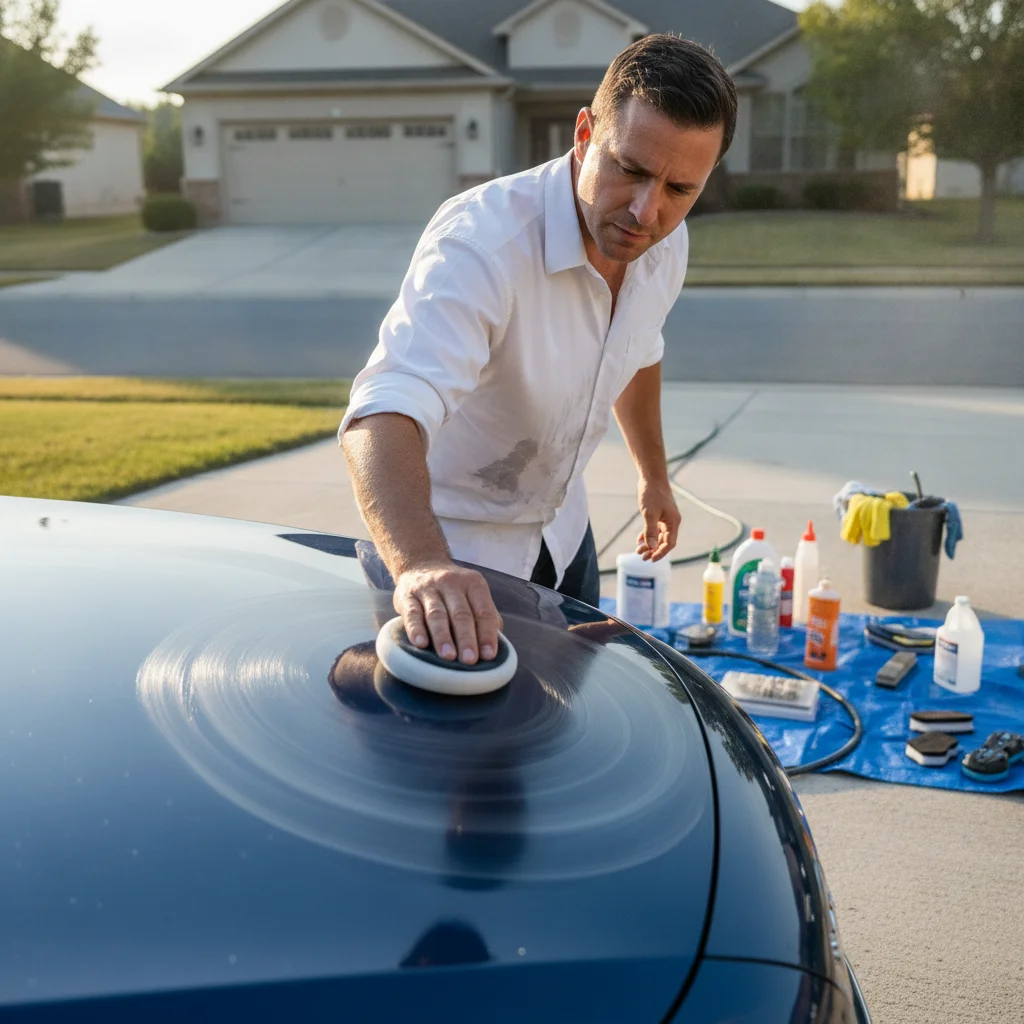
The real risk is repeated application. Rubbing abrasive material on clear coat in circular motions without proper lubrication introduces more micro-scratches than it removes. On older paint with already-thin clear coat, this can cause visible damage that wasn't there before.
If you have genuine scratch concerns, a dedicated scratch-concealing polish (around $10–$18 at any auto parts store) is safer and more effective for light marks. Anything deeper warrants a realistic conversation about whether paint correction makes financial sense for your sale — see what detailing actually returns before spending money on it.
Myth
WD-40 restores faded plastic trim and protects it long-term.
Fact
WD-40 produces a short-lived shine on trim but is a petroleum-based solvent that attracts dust, can degrade plastic over time, and washes off immediately in rain.
Faded black trim is one of the most common cosmetic issues on used cars, and WD-40 is one of the most commonly suggested fixes. It does produce an immediate visual result — trim darkens and looks refreshed. The problem is everything that happens after.
WD-40 is a water-displacement solvent, not a trim conditioner. It sits on the surface and attracts airborne dust and grime. Within days, trim treated with WD-40 often looks worse than before. It also washes off completely in rain, meaning your buyer's first wet day undoes whatever impression it made during the viewing.
Longer-term, petroleum-based products can leach plasticizers from trim components — the compounds that keep plastic flexible — accelerating brittleness over years of use.
Products specifically formulated for trim restoration — trim restorer gels, ceramic-based trim coatings, or heat gun restoration for plastic — are the appropriate tools here. A quality trim gel runs $10–$20 and will last months rather than days. For a car with significantly faded trim, a heat gun technique (careful, gradual heat application to restore pigment) can produce near-permanent results with no product cost at all, though it requires practice on an inconspicuous area first.
[in_content_images:3]Myth
A full professional detail before selling always pays for itself.
Fact
Professional detailing improves buyer appeal but does not reliably return its full cost in added sale price, particularly on lower-value or high-mileage vehicles.
The assumption that a $200–$400 professional detail will add $200–$400 to your sale price is understandable but not supported by the data. The relationship between detailing spend and sale price is real but non-linear — it depends heavily on the vehicle's starting condition, its market value, and the channel you're selling through.
On a $25,000 low-mileage private sale vehicle, a professional detail can meaningfully differentiate your listing from comparable cars and reduce buyer negotiation on cosmetic grounds. On a $7,500 high-mileage vehicle, buyers in that price range are often expecting imperfection and are less influenced by showroom-level presentation. Overspending on prep for a car in that tier is one of the most common seller mistakes.
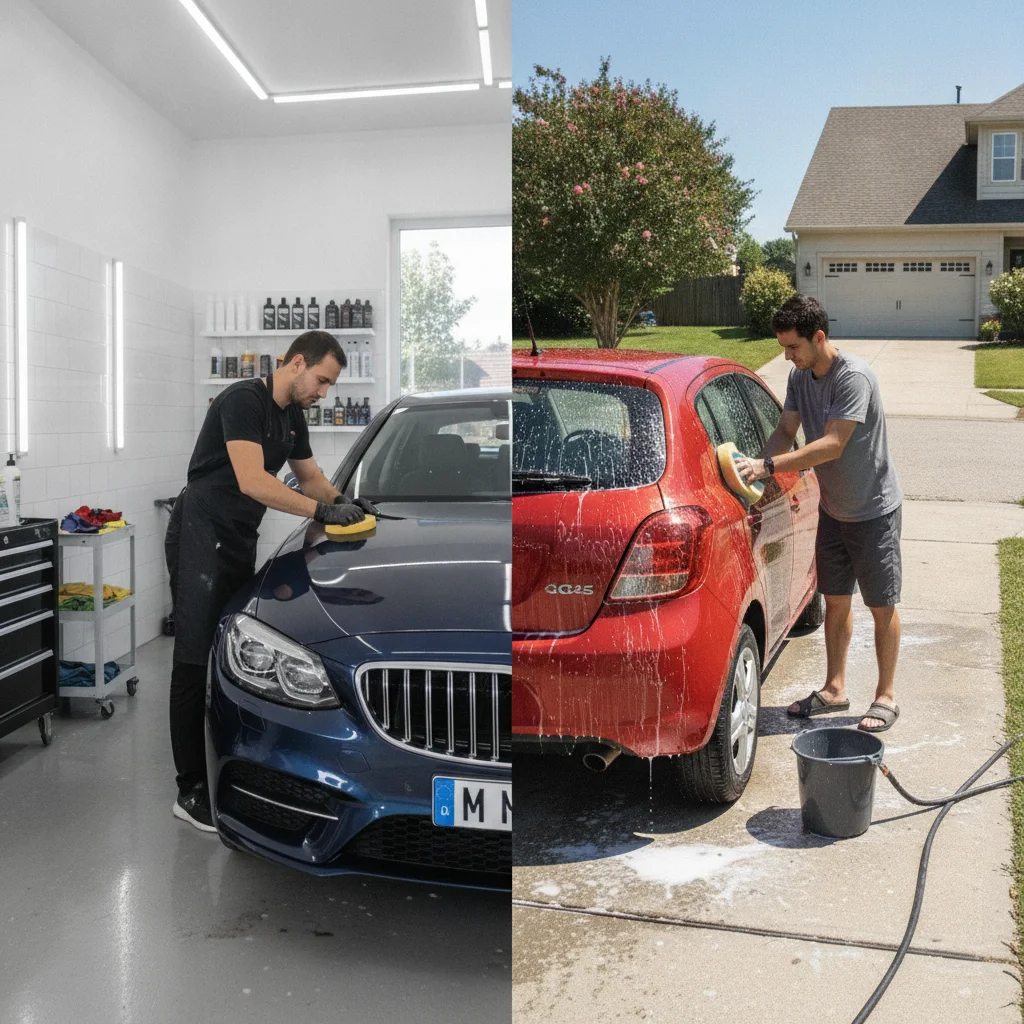
The more accurate framing is: a car that's clean, odor-free, and presentable will sell faster and face less negotiation than one that isn't. Whether that requires a professional or a thorough DIY job depends on your starting point. The professional detailing versus DIY comparison covers this cost-benefit analysis in detail.
Myth
Masking odors with air fresheners makes a car more appealing to buyers.
Fact
Strong air fresheners signal to experienced buyers that something is being concealed, and synthetic fragrances in enclosed spaces often trigger immediate negative reactions.
This myth persists because it feels logical — a good smell should be better than a bad smell. But buyers who've looked at more than a few used cars have developed a reliable heuristic: an aggressively air-freshened car probably has an odor problem underneath.
The psychology here is straightforward. A buyer who walks up to a car and is immediately hit with pine tree or vanilla fragrance doesn't think "this car smells great." They think "what is this covering?" That suspicion colors everything that follows in the viewing — they look harder for problems, trust the seller less, and negotiate more aggressively.
Beyond buyer psychology, many people have sensitivities to synthetic fragrance, and an overwhelming scent in an enclosed space can physically cut a viewing short.
The right approach is odor elimination, not odor masking. An ozone generator rental, enzyme-based fabric treatment for upholstery and carpet, and thorough ventilation address the source. A car that smells genuinely neutral — not perfumed, not funky — reads as clean and well-maintained. That's the impression that supports your asking price.
Myth
Touch-up paint perfectly hides chips and makes them invisible to buyers.
Fact
Touch-up paint rarely matches exactly and almost never blends with surrounding paint, making chips more visible under certain light conditions and flagging the attempt to observant buyers.
Touch-up paint is a legitimate tool — it stops corrosion from developing in bare metal chips, which is its actual primary value. As a cosmetic fix that makes chips invisible, it almost never delivers.
Color matching is the first problem. Paint color codes are starting points, not exact matches — the same code looks different on a car painted in 2019 versus one repainted in 2023, and it looks different still after years of UV exposure and oxidation. Touch-up paint applied to an aged chip will almost always read as slightly off under direct light.
Application technique is the second problem. Touch-up paint applied with the tiny brush in the bottle typically results in a raised, slightly glossy blob that reads as obviously patched in raking light (like sunlight hitting the car at a low angle, which is exactly how buyers inspect paint).
For chips on a car you're selling, a professional chip repair service ($75–$150 for a handful of chips) produces significantly better results if cosmetic improvement is the goal. For structural protection without cosmetic pretense, apply touch-up correctly — clean the chip, apply thin layers, let cure — and don't expect it to disappear. Pricing around honest condition is often cleaner than attempting concealment. The risks of trying to hide flaws go beyond aesthetics and are worth understanding before you start patching.
Myth
Cleaning a car just before listing is enough — timing doesn't matter.
Fact
Cars shown too soon after cleaning can have product residue, streaks, or residual chemical smells that undermine the impression a proper clean should create.
This is a subtler myth, but it costs sellers real credibility during viewings. Rushing a clean the morning of or the day before a showing creates specific problems that experienced buyers pick up on immediately.
Glass cleaned too recently without proper buffing leaves streaks that are invisible indoors but painfully obvious when driving toward the sun. Interior dressings applied too heavily leave a greasy, artificial shine on dashboards that rubs off on buyers' hands and clothing. Carpet that was shampooed 12 hours ago may still be slightly damp, which both feels unpleasant and suggests recent cleanup of something the seller didn't want visible.
The practical guidance: complete your full clean 48–72 hours before showing the car. This gives surfaces time to dry completely, products to cure, and residual chemical smells to dissipate. A light wipe-down the morning of a showing is appropriate — a full cleaning scramble is not.
The Prep Work That Actually Moves the Needle
Once you've cleared away the myths, what's left is a fairly short list of prep tasks that genuinely improve buyer perception and support your asking price. The good news is that most of them are affordable, and some cost nothing but time.
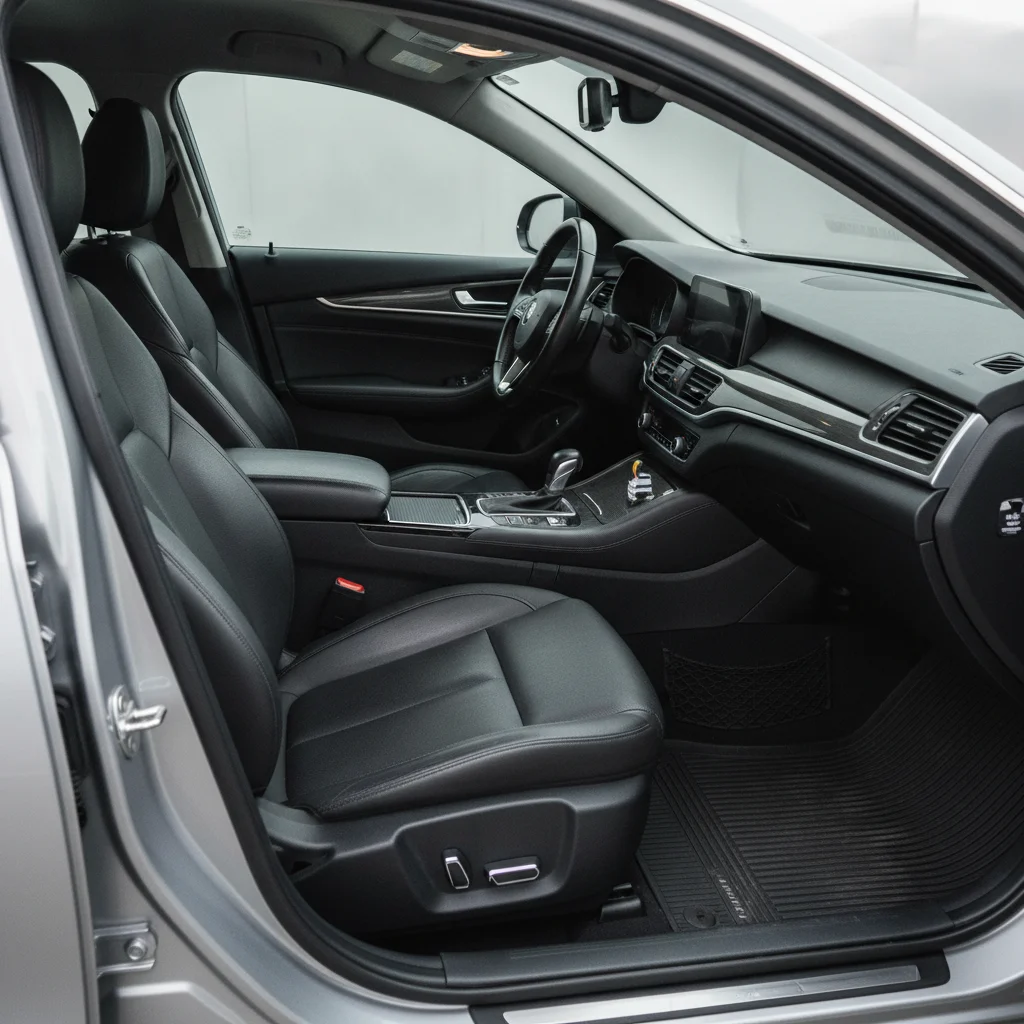
Interior Cleanliness Is Consistently the Highest-Impact Factor
Buyers spend more time inside a car during a viewing than outside. A spotless, fresh-smelling interior signals that the vehicle was cared for. Conversely, stains, pet hair, and odors trigger automatic price resistance — or cause buyers to walk away entirely.
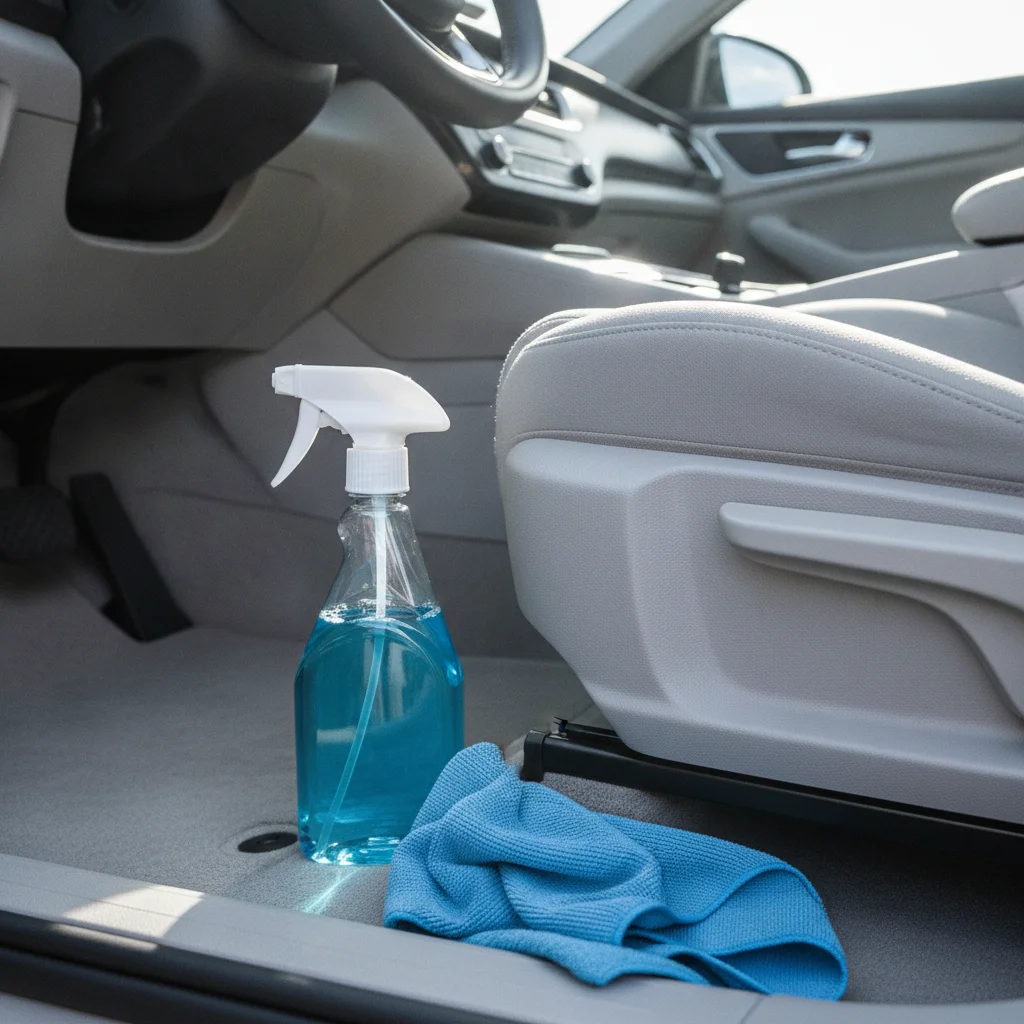
For stain removal, realistic expectations matter. Not every stain comes out completely, but most can be reduced enough to stop being a negotiating chip. A proper enzyme-based cleaner and a wet-dry vacuum will handle the majority of organic stains. For anything older or set-in, a steam cleaner rental ($30–$50) often closes the gap.
Paint Decontamination, Not Paint Correction
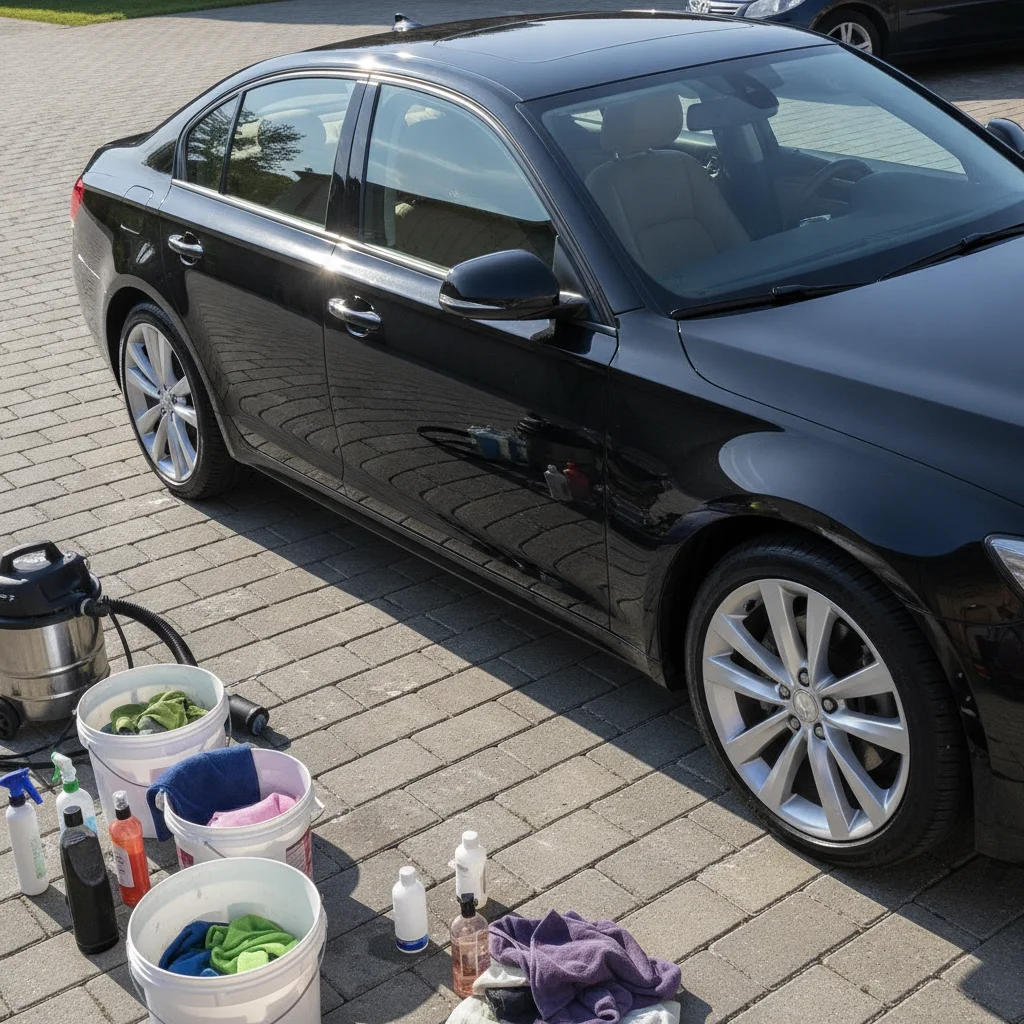
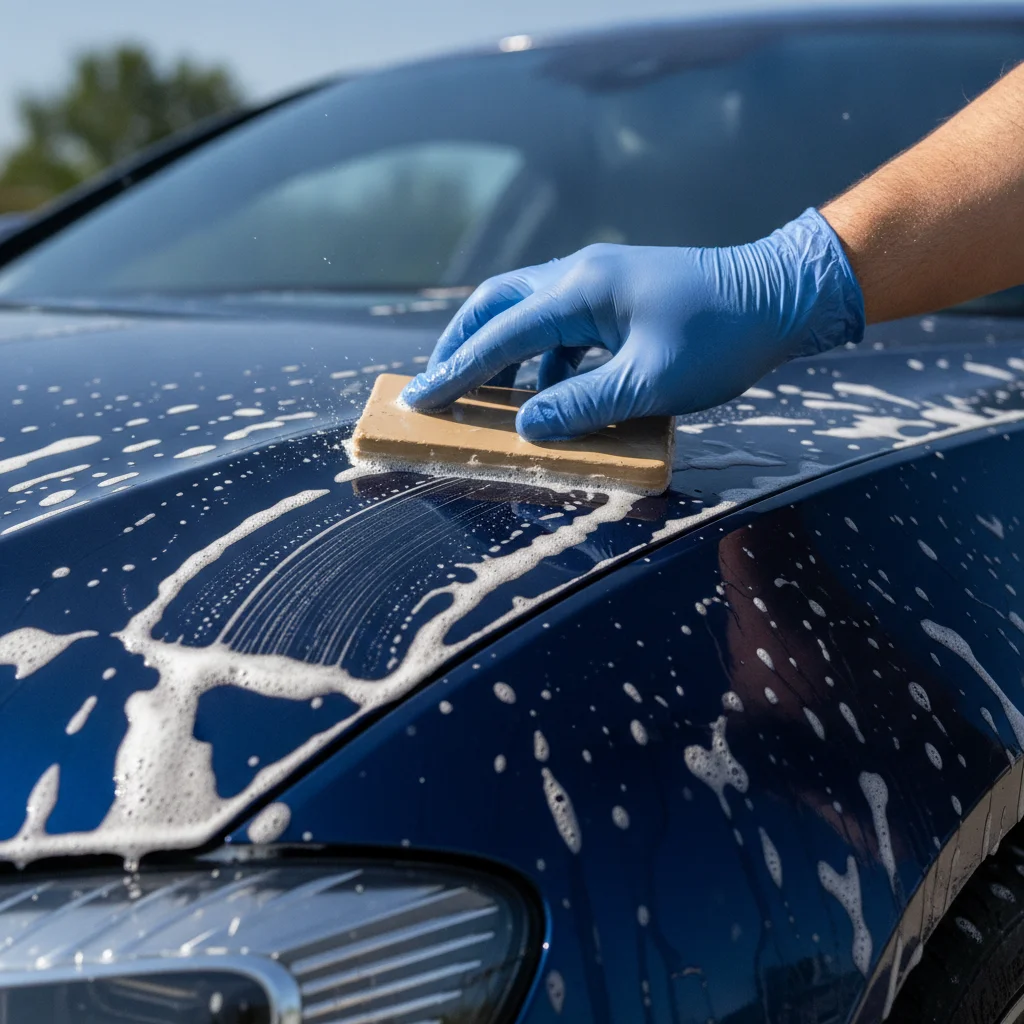
There's a meaningful difference between a car that's been properly washed and decontaminated versus one that's been polished or compounded. For most private sellers, a thorough two-bucket wash, a clay bar pass, and a spray wax is the right stopping point. It removes the embedded grime and brake dust that make paint look dull without the risk and expense of machine polishing.
Paint correction — the kind that removes scratches — is a different matter. Whether it makes financial sense depends heavily on the car's value and condition. See our comparison of professional detailing versus DIY for a breakdown of when to go each route.
Address Odors at the Source
An ozone generator rental ($20–$40 per day from equipment rental stores) is one of the most cost-effective investments a seller can make on a car with smoke, pet, or mildew odors. It doesn't mask smells — it eliminates them. Enzyme-based fabric sprays handle residual biological odors. What doesn't work: air fresheners placed in the car before a viewing. Buyers recognize masking immediately, and it raises suspicion rather than confidence.
Don't Over-Apply Interior Dressings Before a Showing
Silicone-based dashboard and trim dressings applied too generously leave a greasy residue that transfers to buyers' clothing and hands — creating a worse impression than no product at all. Apply sparingly to a microfiber cloth, never directly to the surface, and buff until no transfer occurs. Better yet, apply 48 hours before any viewing so the product fully cures.
Chemical Smells Raise Red Flags With Buyers
A car that smells strongly of cleaning products during a viewing tells buyers that a significant cleanup was recently performed. This can suggest hidden problems were addressed rather than honest presentation. Ensure all cleaning is done well in advance, and ventilate thoroughly before any showing.
Set Realistic Expectations by Price Tier
A $6,000 used car with 110,000 miles doesn't need — and can't financially support — a $400 professional detail. A $22,000 low-mileage vehicle probably can. Matching your prep investment to your price point is the discipline that separates sellers who come out ahead from sellers who spend their way into a worse outcome. For a broader look at where prep money pays off and where it doesn't, the guide on detailing versus minor repairs is worth reading before you start spending.
What to Do Instead of Hiding Flaws
One of the most common impulses sellers have is to hide problems — fill that chip, cover that stain, park strategically so the door ding isn't visible. It's understandable. But the evidence consistently shows it backfires.
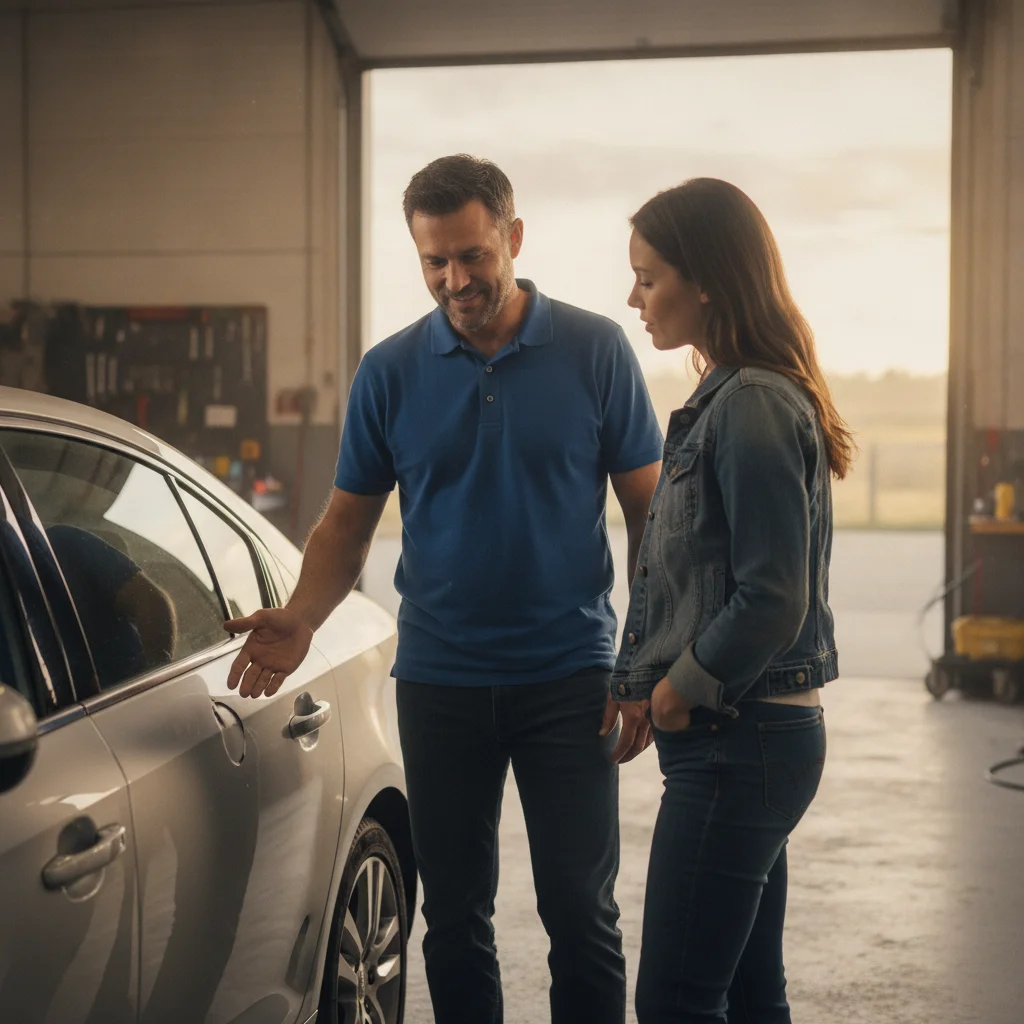
Buyers today are more informed than they were a decade ago. Many arrive with a flashlight, a paint depth gauge, or a mechanic referral lined up. Attempted concealment that's discovered — and it usually is — doesn't just cost you the negotiating point. It costs you the buyer's trust entirely, and sometimes the sale.
Concealing Known Defects Can Create Legal Liability
In most U.S. states, knowingly concealing a material defect from a private vehicle buyer can expose you to fraud claims or civil liability, even in as-is sales. This includes using temporary fixes to obscure structural issues, odor masking to hide water damage, or touch-up paint to conceal rust that's progressed beneath the surface. Accurate disclosure protects you legally and tends to produce faster, cleaner sales.
Transparency, counterintuitively, tends to strengthen a seller's position. Acknowledging a known flaw before the buyer finds it signals honesty and often takes the wind out of aggressive negotiating. It also reduces legal exposure. The mistakes sellers make when trying to hide flaws are well-documented — and most of them are avoidable with a simple change in approach.
For cosmetic issues that genuinely affect perceived value, the better path is accurate pricing. Understand how each visible flaw will influence a buyer's offer — buyers negotiate hard on cosmetic flaws, and knowing which ones are worth fixing versus pricing around will save you both time and money.
The bottom line: spend your prep budget on things that genuinely improve condition, price accurately for what remains, and let the car's honest presentation do the selling.
84%
Buyers who cite interior condition as a top factor
According to CarGurus buyer surveys, interior cleanliness ranks among the most influential factors in used car purchase decisions.
$150–$400
Typical professional full detail cost
Edmunds and detailing industry data show full-service interior and exterior details typically fall in this range, varying by vehicle size and market.
3x
Negotiation discount amplification from visible odors
Industry appraisal data consistently shows smoke and pet odors generate price concession requests 2–4x larger than the actual remediation cost.

All claims are backed by peer-reviewed research. Sources on request.