Key Takeaways
Option A
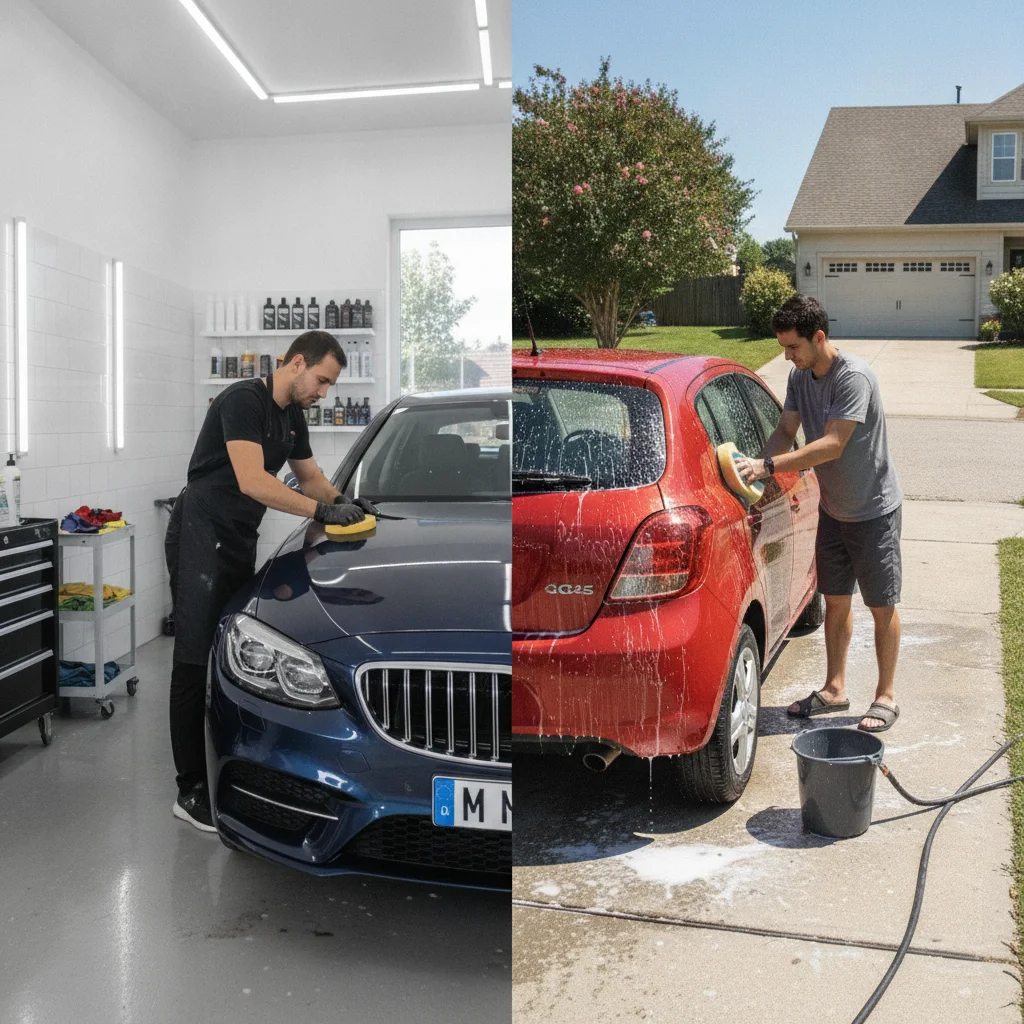
Professional Detailing
The expert-grade, hands-off option for maximum presentation impact.
Best for: Sellers with higher-value vehicles, limited time, or cars that need serious interior or paint restoration before listing.
Option B
DIY Detailing
The budget-friendly, effort-intensive route to a clean, presentable car.
Best for: Sellers on a tight budget whose cars are already in decent condition and only need a thorough, methodical clean-up.
If your car is worth $15,000 or more
Professional Detailing
At higher price points, a professional finish can meaningfully shift buyer perception and support your asking price. The $200–$400 investment is easy to recover.
If your car is priced under $5,000
DIY Detailing
A thorough DIY clean-up can get the car looking its best without cutting into already slim margins. Focus your effort on the interior, where buyers spend the most time.
If you're in a hurry and listing this week
Professional Detailing
A professional can complete a full detail in half a day and have your car photo-ready fast. DIY rushed is often worse than no detail at all.
If your car has heavy pet hair, smoke odors, or stained upholstery
Professional Detailing
These issues require specialized equipment and products that most DIYers don't have. A pro is far more likely to solve the problem — not just mask it.
If your car is clean but just needs a refresh before photos
DIY Detailing
A careful wash, interior wipe-down, and window clean is well within DIY reach and can be done the morning of your photo shoot for minimal cost.
What You're Actually Deciding
When you're preparing a car for sale, detailing isn't just about appearances — it's about setting buyer expectations from the very first photo. The question of whether to hire a professional or handle it yourself is really a question about what your time is worth, how much margin you have, and how much of a presentation gap exists between your car's current state and where it needs to be.
Before you decide, it helps to know exactly what each level of service entails. A lot of sellers use the terms "wash," "detail," and "full paint correction" interchangeably, but they're very different commitments. If you haven't already, review what each service actually includes — it'll help you anchor this comparison to your car's specific needs.
The goal here is practical: help you choose the approach that gets your car sold faster, at a better price, without overspending on prep work that the market won't reward.
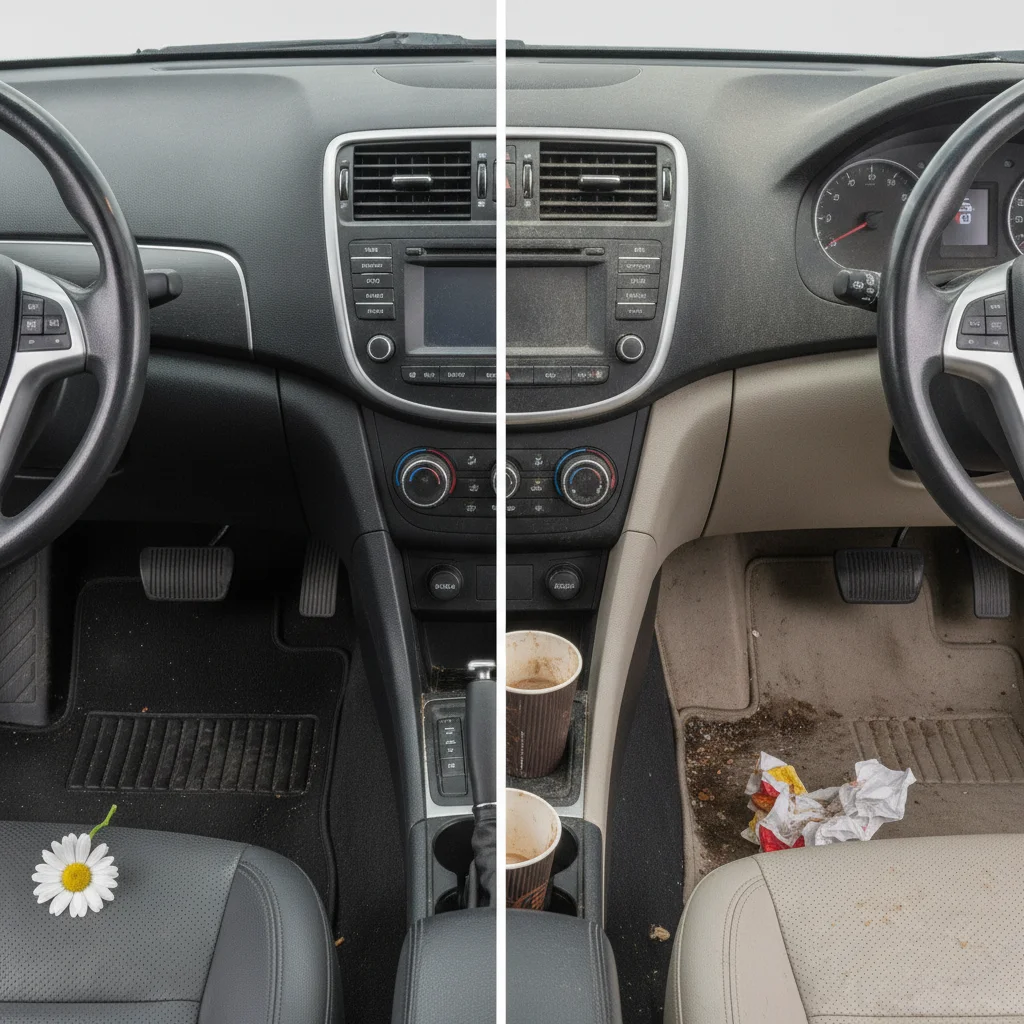
Breaking Down the Costs
Cost is almost always the first thing sellers want to compare — and rightfully so. But the sticker price of each option only tells part of the story.
Professional Detailing Costs
A full interior and exterior professional detail typically runs between $150 and $350 for a standard sedan or SUV. Add-ons like clay bar treatment, odor elimination, engine bay cleaning, or ceramic coating can push the total to $500 or more. Premium detailers in major metro areas may charge even higher rates for the same base service.
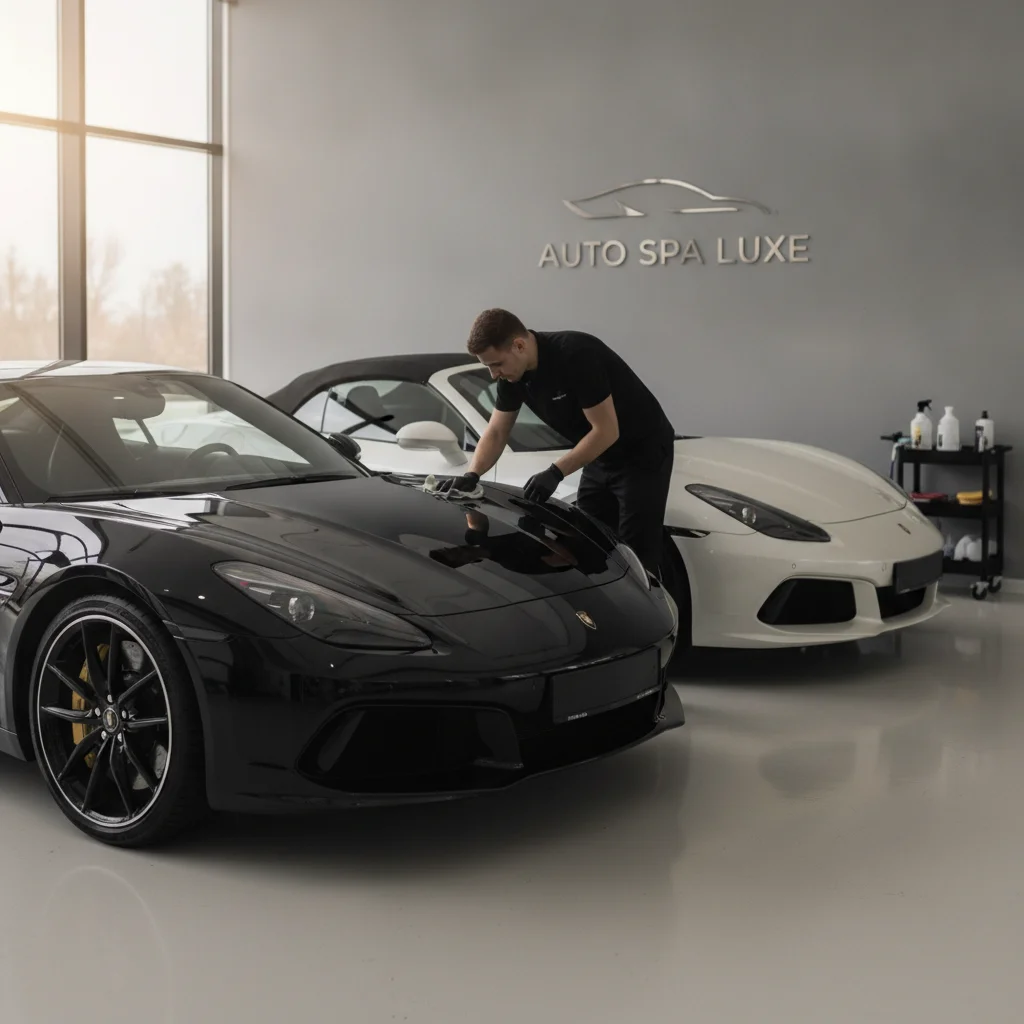
What you're paying for isn't just labor — it's specialized products, professional-grade equipment (steam cleaners, ozone generators, dual-action polishers), and experience. A good detailer has seen every kind of mess and knows exactly which product combination won't damage your trim, stain your leather, or dull your matte paint.
DIY Detailing Costs
If you already own some basic supplies, your out-of-pocket cost could be under $30. Starting from scratch, a reasonable DIY kit — car shampoo, microfiber towels, interior cleaner, glass cleaner, a vacuum, tire dressing, and a spray wax — will run you between $60 and $100. That's a one-time investment that's reusable, which makes the economics look better if you detail regularly.
The hidden cost is time. A thorough DIY detail — done properly, not just quickly — takes most people between 4 and 8 hours. If your weekend hours have real value, that needs to factor into your math.
| Criterion | Professional Detailing | DIY Detailing |
|---|---|---|
| Typical Cost | $150–$500+ | $30–$100 in supplies |
| Time Required from Seller | Drop-off/pick-up only (~1–2 hrs) | 4–8 hours of active labor |
| Paint Correction Quality | Professional-grade with polishing tools | Surface-level with hand application |
| Interior Deep Clean | Full extraction, steam, and product treatment | Achievable with patience and right products |
| Odor Elimination | Ozone/thermal fogging available | Limited — surface cleaning only |
| Risk of Surface Damage | Low — experienced hands and correct products | Moderate — wrong products can harm trim or paint |
| Best Vehicle Value Range | $8,000+ | Under $8,000 |
| Scheduling Flexibility | Requires booking in advance | Fully flexible — your schedule |
| Photo-Readiness | Same-day after pickup | Depends on your pace and conditions |
$150–$350
Average full detail cost for a standard vehicle
Based on industry pricing from detailing associations and consumer surveys across U.S. markets as of 2024.
3–10%
Potential sale price lift from professional detailing
Estimates from automotive resale analysts suggest a well-detailed car can command 3–10% more than a comparable undetailed listing.
6–8 hours
Average time for a thorough DIY full detail
Experienced DIY detailers report that a proper full interior and exterior detail takes most sellers an average of one full day.
#1
Interior condition as buyer turnoff in private sales
Consumer surveys consistently rank interior cleanliness as the top factor that causes buyers to walk away or negotiate down aggressively.
Quality of Results: Where the Gap Really Shows
Here's the honest truth: for most private sellers, the quality gap between a careful DIY detail and a professional one is most visible in three specific areas — paint correction, odor removal, and upholstery restoration. In everything else, a methodical DIY job can get surprisingly close.
Paint and Exterior
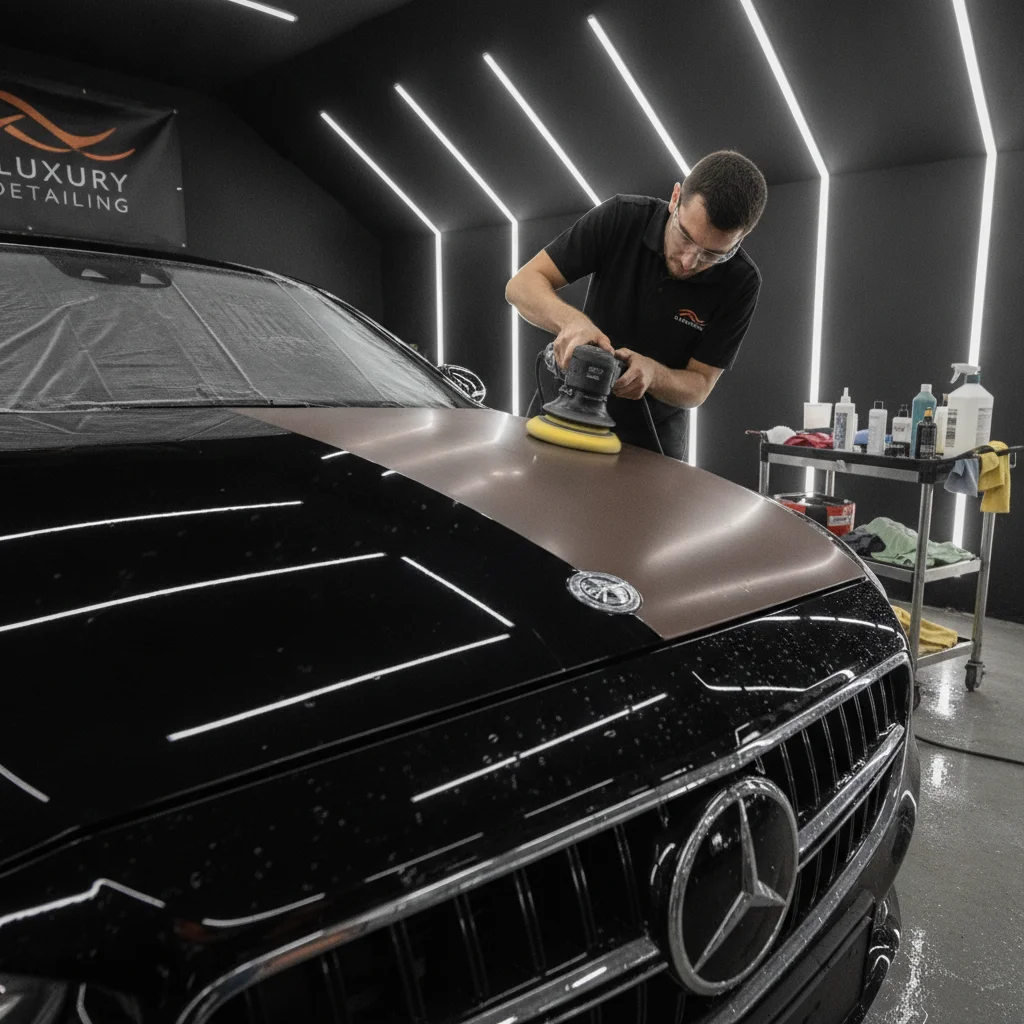
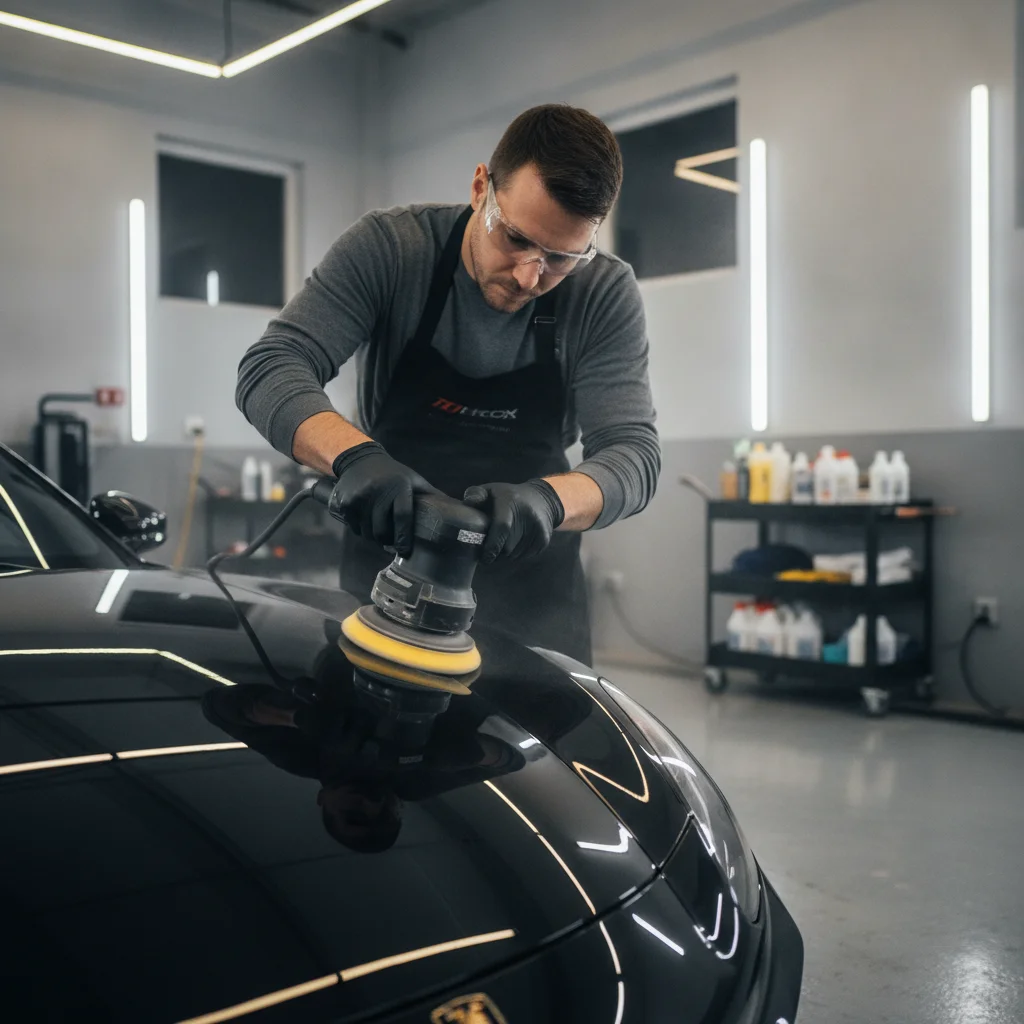
Professional detailers use dual-action polishers with compound and polish to remove swirl marks, light scratches, and oxidation. This is genuinely difficult to replicate by hand. If your paint has visible swirling under direct sunlight or a chalky, faded appearance, a professional exterior detail will make a meaningful visual difference — one that photographs better and holds up under a buyer's close inspection.
For DIY, a thorough wash, clay bar treatment (around $20–$30 for a kit), and a quality spray wax can still produce a noticeably cleaner, shinier result than an unwashed car. You won't eliminate defects, but you'll minimize the distraction they cause. Color plays a role here too — dark and light paint show flaws very differently, so your detailing approach should match what your specific color reveals.
Interior Cleaning
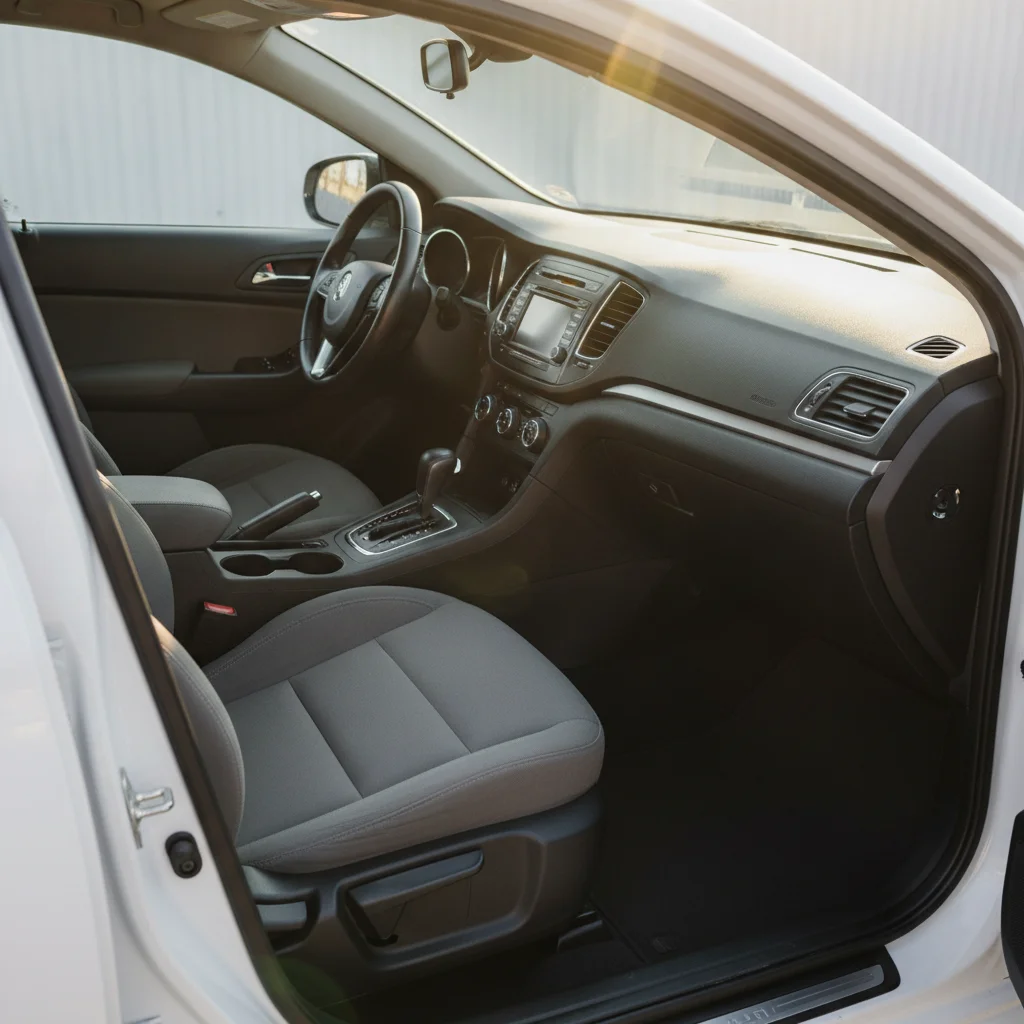
This is where most buyers form their strongest impression, and it's also where DIY has the most room to perform well. Vacuuming seats and carpets, wiping down hard surfaces, cleaning the windows from the inside, and removing visible stains are all achievable without professional tools — if you're thorough and patient.
Where professionals pull ahead is in deep odor elimination (pet, smoke, food), heavily soiled upholstery, and material-specific treatments that require the right product chemistry. If your interior has any of those issues, a targeted interior cleaning approach can help you decide what's within DIY reach and what needs a professional hand. Similarly, if you have leather seats versus cloth, those surfaces need completely different products — the right interior care method depends on your seat material.
The Odor Problem
Odor is the detail issue that most sellers underestimate. Buyers are immediately and viscerally aware of smell when they open the door. If your car has embedded smoke or pet odor, no air freshener masks it — and no amount of surface cleaning removes it. Ozone treatment and thermal fogging, both professional tools, are the only reliable solutions. This is one area where DIY simply can't match the outcome.
When Paint Correction Changes the Math
If your car has significant swirl marks, oxidation, or light scratches, professional paint correction may be worth considering separately from a standard detail. It's a more expensive service — often $300–$800 on its own — and the ROI depends heavily on your car's value. <a href="/selling-your-car/preparing-to-sell/detailing-and-repairs/paint-correction-before-selling-when-its-worth-it-and-when-it-isnt">Paint correction is worth it in specific situations</a> and not in others, and rushing into it without understanding your car's condition first is a common and costly mistake.
Timing, Convenience, and Practical Logistics
Your timeline matters more than most sellers realize. If you're listing the car this weekend, you need your detail done before photos — not after. And detailing for photos versus detailing for in-person viewings actually involves slightly different priorities. Understanding those two different goals can help you decide where to put your effort based on where you are in the selling process.
Professional Timing
Booking a professional detailer requires advance planning, especially in busy seasons (spring and summer). Turnaround is typically 4–8 hours for a full detail, meaning you drop the car off in the morning and collect it in the afternoon. Mobile detailers can come to you, which adds convenience but may cost slightly more.
DIY Timing
DIY gives you full schedule control. You can work across multiple mornings, tackle the interior one day and the exterior the next, or adjust based on weather. The downside: it's easy to underestimate how long a proper detail takes. Rushing a DIY job often produces results that are worse than a careful basic wash — and potentially damaging if you use the wrong products on sensitive surfaces.
If you're juggling a job listing, buyer inquiries, paperwork, and viewings, adding 6 hours of physical labor to your plate may not be the right call — even if the dollar savings look attractive on paper.
The ROI Calculation: Does It Actually Pay Off?
Detailing isn't an emotional decision — it's a financial one. The right question isn't "will this make my car look better?" It's "will this make me more money than it costs?"
The answer depends heavily on your car's current condition and its sale price. Data on detailing ROI suggests that a well-executed detail can support sale prices 3–10% higher than comparable cars listed without it — but that lift is more predictable on vehicles priced above $8,000, where buyers are more discerning and the investment represents a smaller percentage of the total transaction.
On a $4,000 car, spending $300 on professional detailing that yields a $200 lift puts you in the red. On a $16,000 vehicle, the same $300 investment that supports even a $500 better outcome makes clear financial sense.
It's also worth noting that detailing is just one part of the pre-sale equation. If your car has visible mechanical issues, dents, or a cracked windshield, those problems will suppress buyer confidence regardless of how clean the paint looks. Understanding how detailing fits alongside minor repairs helps you prioritize where your prep dollars go first.
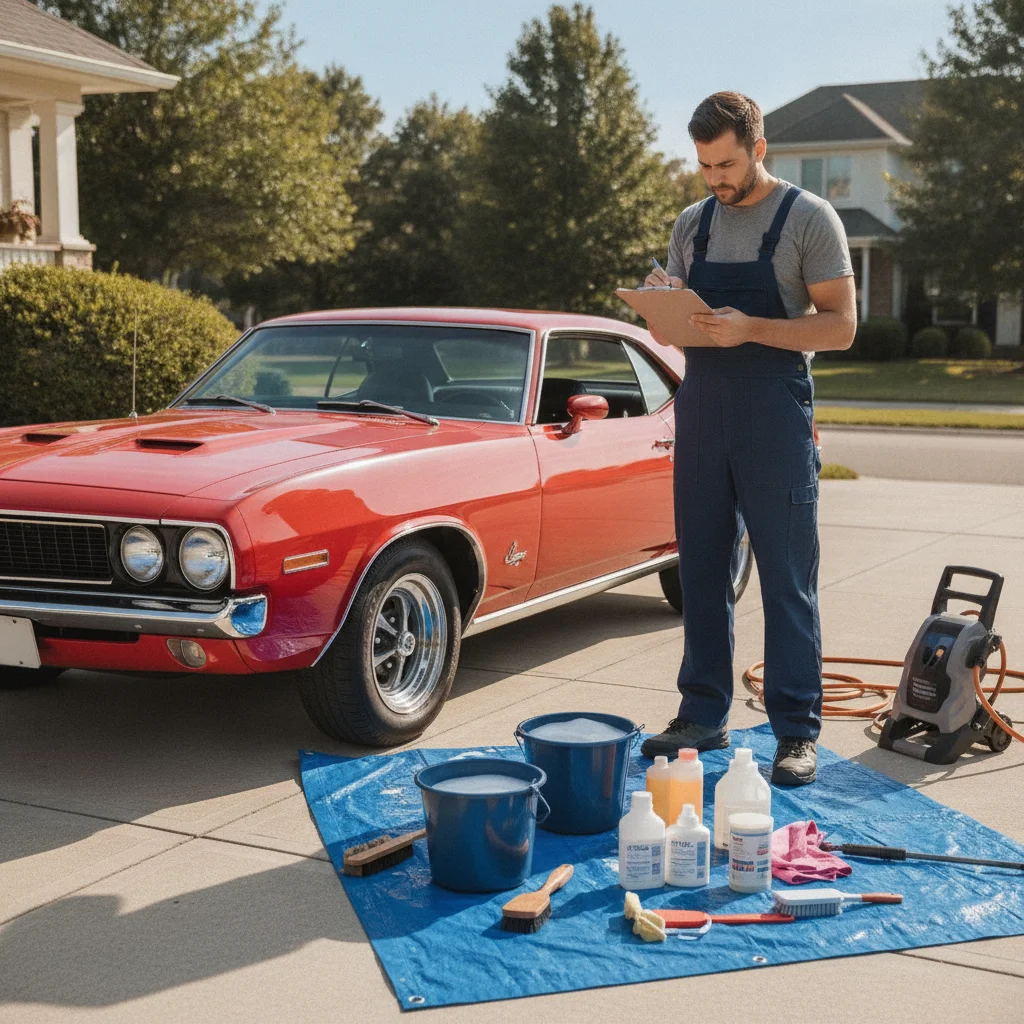
One practical middle path: do the interior yourself (where buyer perception is highest and DIY results are most achievable), and hire a professional for exterior paint correction if your car's condition warrants it. This hybrid approach often delivers 80% of the professional result at 50–60% of the cost.
Making the Call for Your Situation
There's no single right answer here — but there are clear patterns. If your car is worth significant money, has problematic odors or heavily soiled upholstery, or you're listing in a competitive market where photos need to stand out, professional detailing is a sound investment. The cost is real, but so is the return.
If your car is in decent shape, you're selling in a lower price bracket, and you have a free weekend and some patience, a careful DIY detail can genuinely move the needle without touching your margin. The key word is "careful" — a rushed job with the wrong products can leave water spots, streaks, and surface damage that's harder to explain away than a simple imperfect finish.
Whatever route you choose, go in with a clear plan. Know which surfaces need what products, work in a logical sequence (interior vacuuming before wipe-downs, exterior washing before waxing), and remember that buyers notice the details you might stop seeing after years of ownership — the smell, the steering wheel grime, the foggy rear window. Those small things signal care or neglect more loudly than most sellers expect.
For sellers managing the full private party sale process, detailing is just one of several steps — but it's often the one that shapes first impressions and sets the tone for every buyer interaction that follows.

All claims are backed by peer-reviewed research. Sources on request.