| Basic Wash Cost Range | $10 – $75 (National average, 2024) |
| Full Detail Cost Range | $150 – $400 (National average, varies by vehicle size) |
| Paint Correction Cost Range | $300 – $1,500+ (Depends on stages and vehicle condition) |
| Time for a Full Detail | 3 – 8 hours |
| Time for Multi-Stage Correction | 6 – 20+ hours |
| Paint Correction Removes | Swirls, light scratches, oxidation above clearcoat |
| What a Wash Cannot Fix | Bonded contaminants, odors, interior grime, paint defects |
| Best ROI for Most Sellers | Full interior-exterior detail |
Why Sellers Confuse These Three Services
When you're getting ready to sell your car, someone will inevitably tell you to "get it detailed." But that word — detailed — gets used loosely. A lot of sellers pay for more than they need, or skip something that would have made a real difference to a buyer standing in their driveway, checkbook in hand.
The truth is that a basic wash, a detail, and a full paint correction are three meaningfully different things. They cost different amounts, take different amounts of time, and produce very different results. If you understand what each one actually does — and what it doesn't do — you can make a smarter call about where to spend your prep budget.
| Basic Wash Cost Range | $10 – $75 (National average, 2024) |
| Full Detail Cost Range | $150 – $400 (National average, varies by vehicle size) |
| Paint Correction Cost Range | $300 – $1,500+ (Depends on stages and vehicle condition) |
| Time for a Full Detail | 3 – 8 hours |
| Time for Multi-Stage Correction | 6 – 20+ hours |
| Paint Correction Removes | Swirls, light scratches, oxidation above clearcoat |
| What a Wash Cannot Fix | Bonded contaminants, odors, interior grime, paint defects |
| Best ROI for Most Sellers | Full interior-exterior detail |
This article gives you clear definitions and a practical way to match your car's current condition to the right level of service. If you're also weighing whether to fix minor dents or scratches before selling, see our guide on detailing vs. minor repairs before a private sale for a side-by-side comparison of where prep dollars actually pay off.
A Basic Wash: What It Does and Doesn't Do
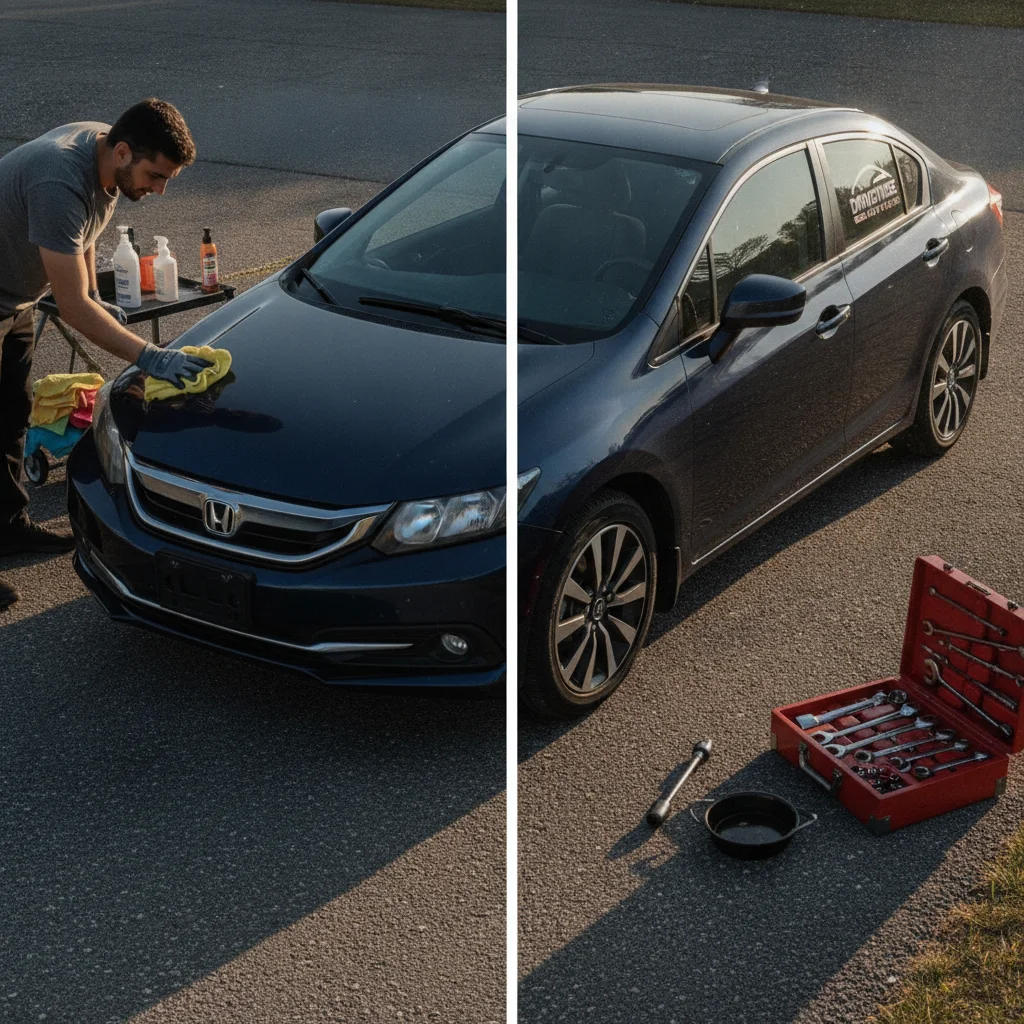
A basic wash is exactly what it sounds like — water, soap, and rinsing, usually followed by a towel dry. It removes loose surface dirt, bird droppings, road dust, and grime from the exterior. Most touchless automatic car washes and self-serve bays fall into this category. A hand wash by a conscientious attendant is better than a machine, but it's still just a wash.
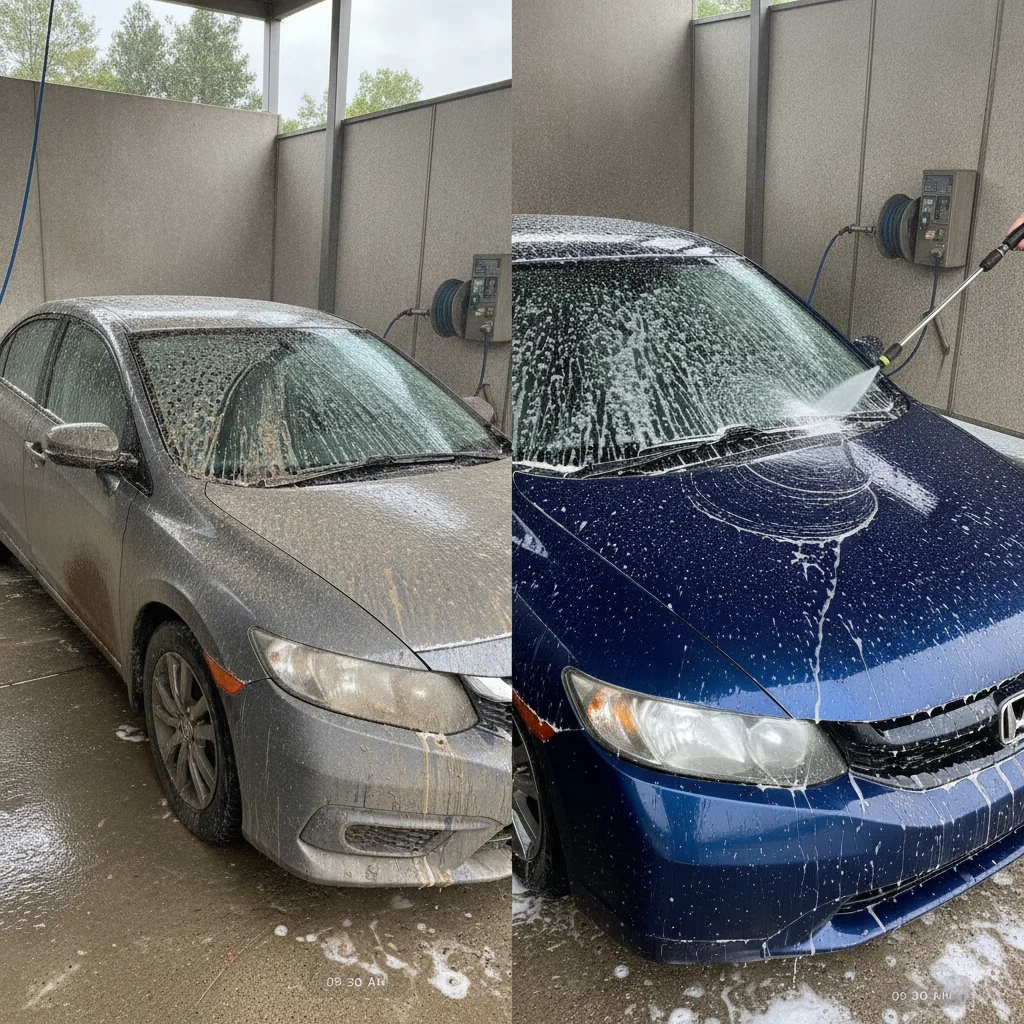
Here's what a basic wash will not do:
- Remove swirl marks, light scratches, or oxidation from the paint surface
- Clean brake dust and tar off the wheels beyond the surface level
- Touch any interior surfaces — seats, carpets, vents, door panels
- Apply any protection (wax, sealant, ceramic coating) to the paint
- Eliminate odors or biological contamination inside the cabin
For a seller, a basic wash might be the right move only if your car is genuinely in great shape and you just need it to look presentable for photos taken the same afternoon. Even then, it's worth knowing that a clean car and a detailed car look noticeably different in both photographs and in person. See how those goals differ in our article on detailing for photos vs. detailing for viewings.
Typical cost: $10–$40 at a car wash facility; $25–$75 for a hand wash by a detailing shop.
A Full Detail: The Interior-Exterior Reset
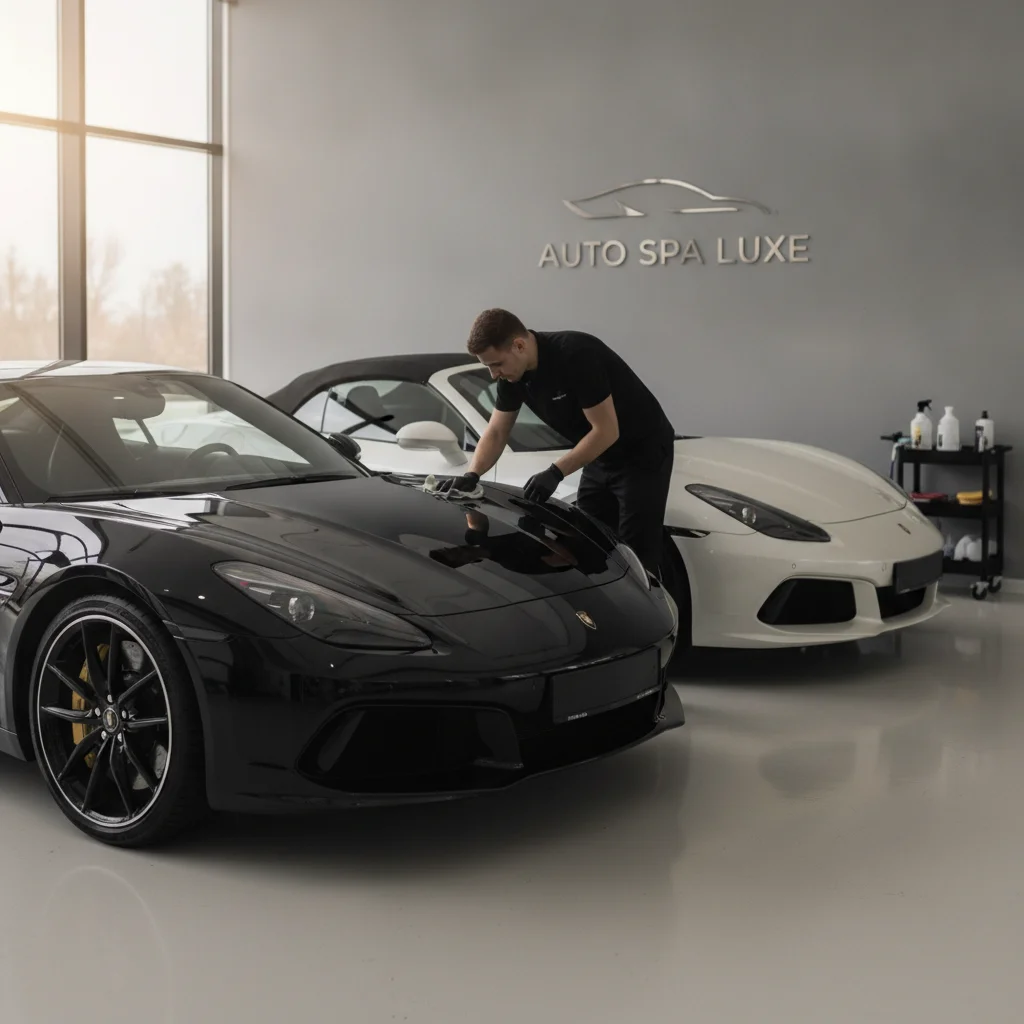
A full detail — sometimes called a "full service detail" or "interior-exterior detail" — is a thorough, multi-step cleaning of the entire vehicle. This is what most sellers should be thinking about when they ask whether they should "get it detailed" before listing.
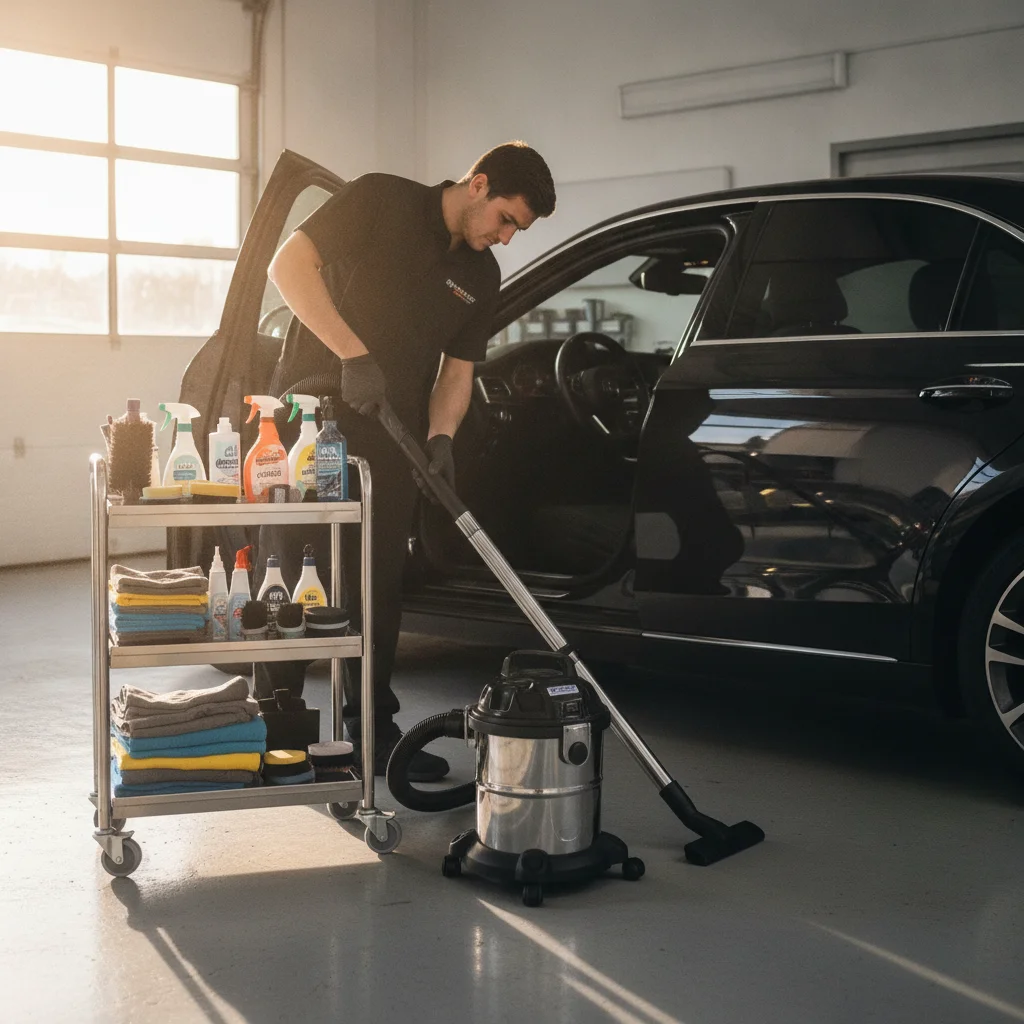
Here's what a proper full detail typically includes:
- Exterior wash and clay bar treatment: The clay bar lifts bonded contaminants (tree sap, industrial fallout, overspray) that soap and water can't remove. This leaves the paint surface noticeably smoother to the touch.
- Wheel and tire cleaning: Brake dust is acidic and bonds to wheels over time. A detail removes it properly, not just surface-level.
- Paint protection: Most shops apply a wax or polymer sealant after the clay bar treatment. This adds a layer of protection and gives the paint a warm, reflective glow.
- Interior vacuum and wipe-down: Every surface — seats, carpets, floor mats, door jambs, dashboard, vents — gets cleaned. Leather is conditioned. Glass is cleaned inside and out.
- Odor treatment: Many shops use an ozone generator or enzyme spray to neutralize odors rather than just masking them.
A Detail Makes Existing Defects More Visible
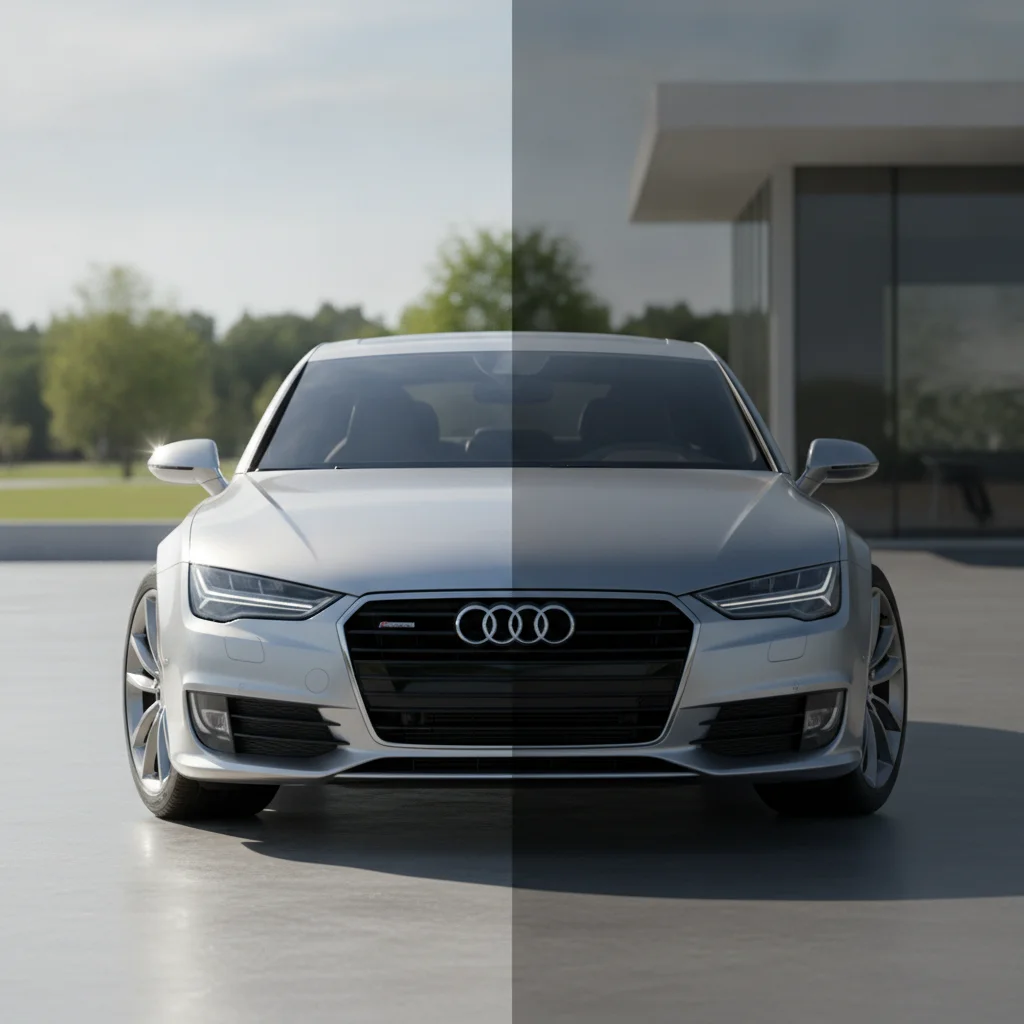
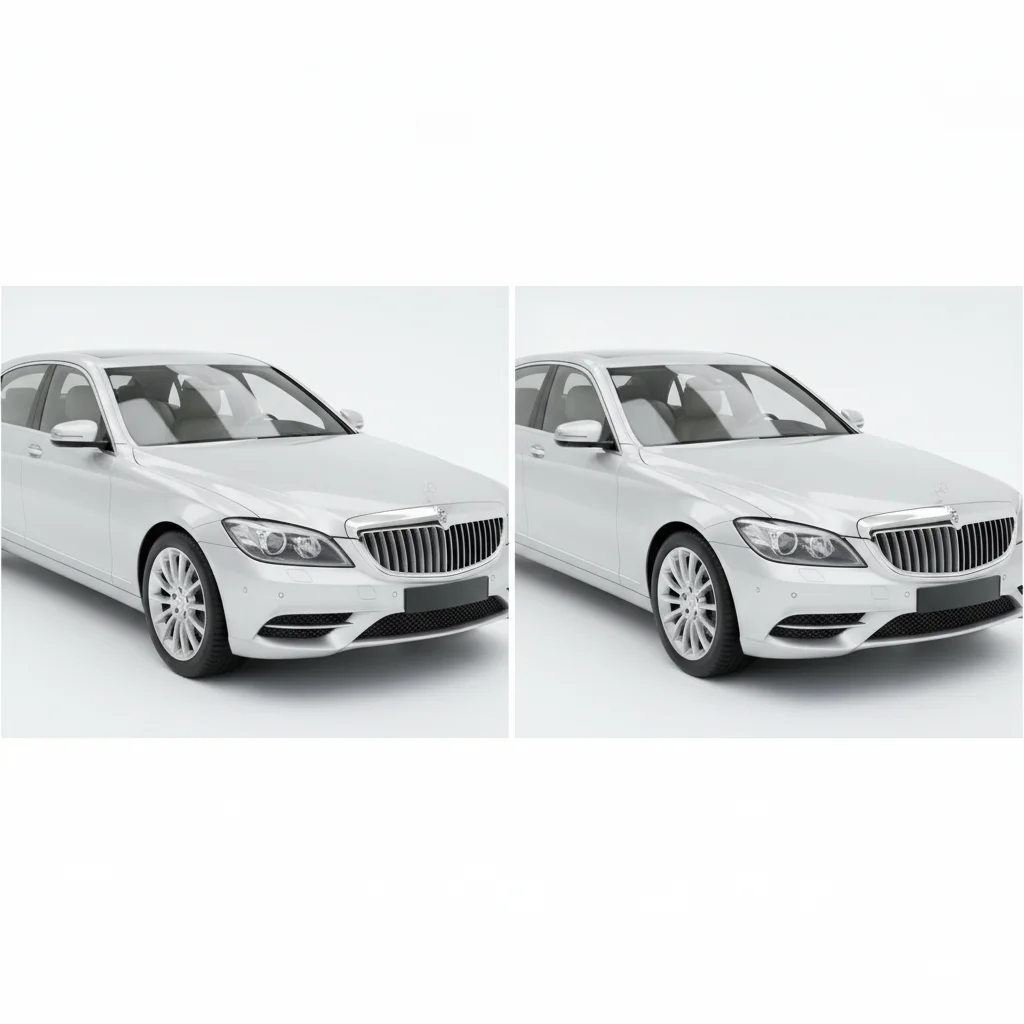
After a full detail and wax, your car's paint will reflect light more evenly — which actually makes any remaining swirl marks and light scratches easier to see in sunlight. This isn't a flaw in the detailing process; it's just physics. If you're planning to get a detail and then discover your paint needs correction, it's more efficient to do correction first, then protect and seal the result. Ask your detailer to assess the paint condition before you book.
A full detail does not correct paint defects. If your car has swirl marks, fine scratches, or hazy clearcoat from years of automatic washes and UV exposure, a detail will make those defects slightly more visible — because clean, waxed paint reflects light more evenly and makes surface flaws easier to see. That's not a reason to skip a detail; it's just something to understand upfront.
For sellers, a full detail is almost always worth the cost on a private sale. Buyers respond emotionally to a car that smells clean, feels clean, and looks cared-for. That emotional response often translates to less negotiating pressure on price. Color can also affect what shows up after a detail — dark cars and light cars behave very differently, and our article on pre-sale detailing for dark vs. light colored cars walks through what to expect for each.
Typical cost: $150–$400 depending on vehicle size, condition, and local market rates.
Paint Correction: A Different Category Entirely
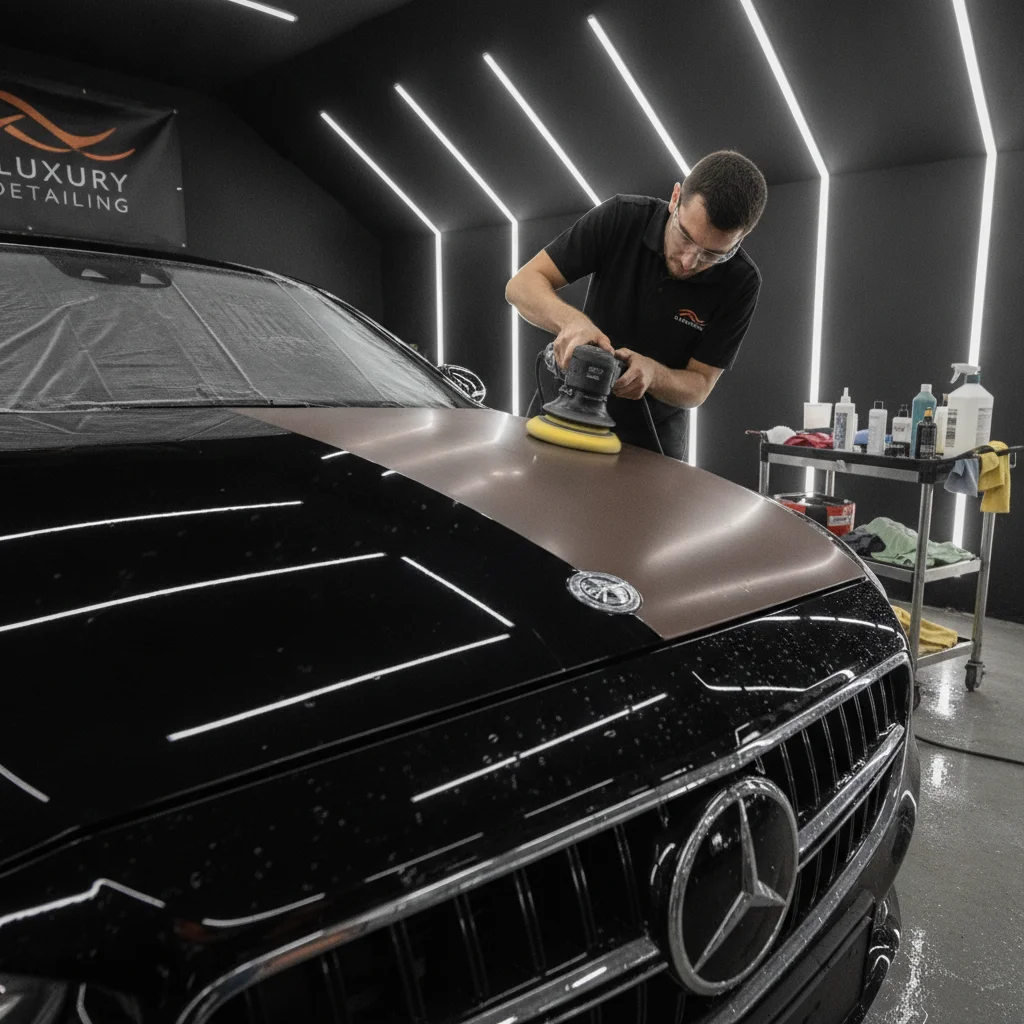
Paint correction is a professional paint restoration process that physically removes a thin layer of clearcoat to eliminate swirl marks, light scratches, water spot etching, and oxidation. It uses machine polishers with cutting compounds and polishing pads — it is not a cleaning service. It's closer to a skilled trade procedure than it is to a car wash.
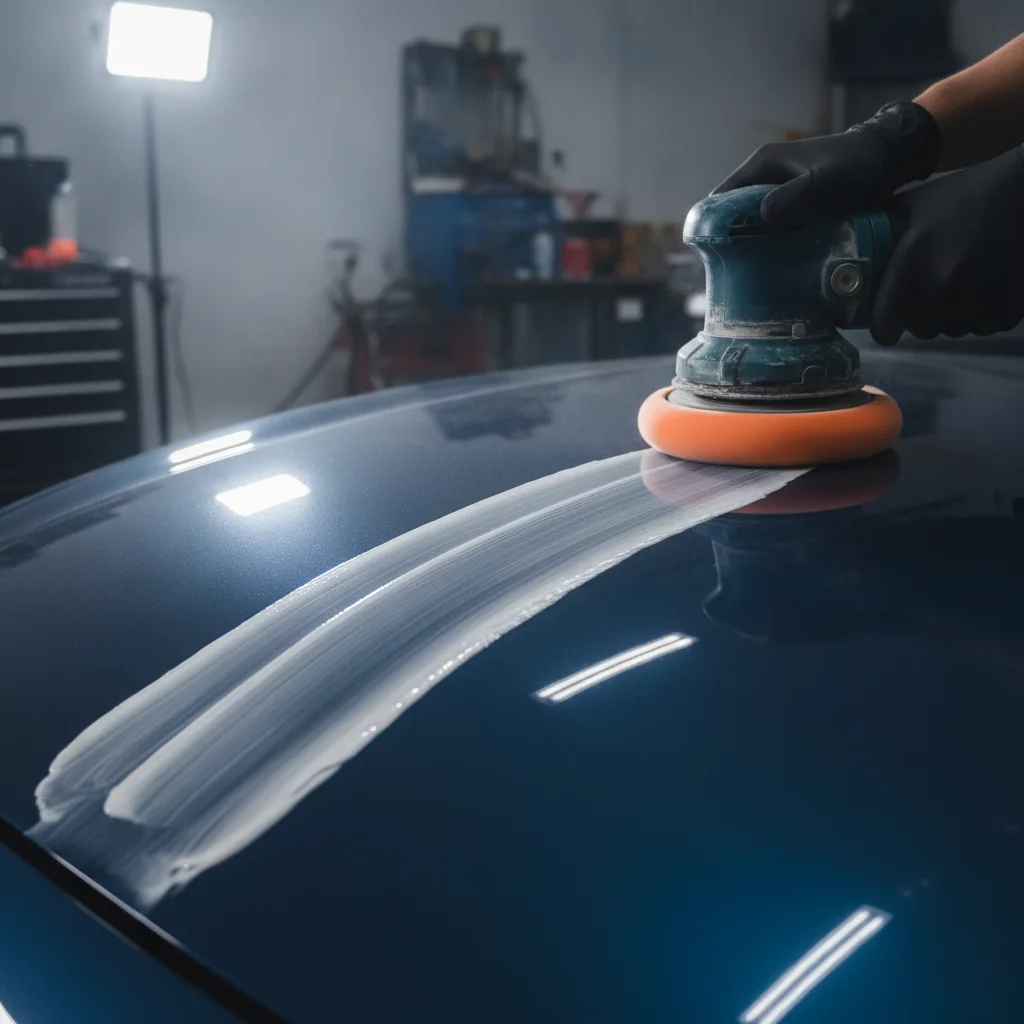
Paint correction is typically divided into stages:
- One-step polish: A single-pass machine polish that refines the surface and removes light defects. This is sometimes called a "paint enhancement" or "single-stage correction."
- Two-stage correction: A cutting stage followed by a finishing polish. This removes moderate swirl marks, fine scratches, and water spots more thoroughly.
- Multi-stage correction: Three or more passes with progressively finer compounds. Used on heavily neglected paint or dark-colored cars where even minor defects are highly visible. This can restore a paint finish close to showroom condition.
6–20+ hrs
Time required for a full multi-stage paint correction
Industry standard timing reported by professional detailing associations; time varies by vehicle size and paint condition.
$150–$400
Typical cost of a full interior-exterior detail
National average range cited by detailing industry surveys; luxury or oversized vehicles often cost more.
2–5 years
Lifespan of a ceramic coating applied after correction
Longevity depends on application quality, maintenance habits, and climate conditions.
~70%
Of paint defects visible on dark-colored vehicles vs. light
Detailing professionals widely note dark paint — especially black, dark blue, and charcoal — shows swirl marks and light scratches far more prominently than white or silver paint.
A proper paint correction job takes 6–20+ hours depending on the car's condition and size. Afterward, the corrected paint is typically protected with a ceramic coating or paint protection film (PPF) — because an unprotected, freshly corrected surface will re-contaminate and develop new swirls quickly.
For sellers, the honest question is whether the cost of paint correction will yield a meaningful return. On a high-value vehicle — a luxury sedan, a well-kept sports car, an SUV under five years old — a correction can dramatically change what a buyer perceives. On a $5,000 commuter car, spending $800–$1,500 on a two-stage correction rarely pays off. Our companion article on paint correction before selling breaks down exactly how to make that call based on your car's current value and condition.
Typical cost: $300–$500 for a one-step polish; $600–$1,500+ for a full multi-stage correction with ceramic coating.
Choosing the Right Level for Your Situation
Here's a practical way to match your car to the right service before you call a shop:
| Your Car's Condition | Best Service Level | Why |
|---|---|---|
| Clean, well-maintained, no visible paint flaws | Basic wash + quick interior wipe | Don't over-invest on a car that's already presentation-ready |
| Daily driver — dust, smells, some dirt buildup inside and out | Full detail | Resets buyer perception and reduces negotiating pressure |
| Moderate swirl marks or haze on paint, but otherwise clean | Full detail + one-step polish | Improves reflectivity without full correction cost |
| Heavy swirl marks, fine scratches, oxidized clearcoat, high-value vehicle | Multi-stage paint correction + protection | Maximizes perceived value on a car worth $15k+ |
| Deep scratches, chips through the clearcoat, physical damage | Body shop repair first, then detail | Paint correction cannot fix damage below the clearcoat level |
One important note: paint correction cannot fix scratches that have cut through the clearcoat into the base coat or primer. If you can feel a scratch with your fingernail, it's below the clearcoat — and that's a body shop repair, not a detailing job. Don't pay for correction work if what you actually need is touch-up paint or a panel respray.
Clearcoat
The transparent outer layer of a car's paint system that sits on top of the color (base coat). Most paint defects like swirl marks and light scratches exist within the clearcoat, which is why correction is possible without repainting.
Clay Bar Treatment
A decontamination step in which a block of synthetic clay is rubbed across a lubricated paint surface to lift bonded contaminants — tree sap, overspray, industrial fallout — that soap and water cannot remove. It leaves paint noticeably smoother before polishing or waxing.
Paint Correction
A professional process using machine polishers and abrasive compounds to remove a thin layer of clearcoat, eliminating swirl marks, fine scratches, water spot etching, and oxidation. It physically levels the surface rather than filling or masking defects.
Swirl Marks
Fine, circular scratches in the clearcoat typically caused by improper washing technique (like automatic car washes with brushes, or dirty wash mitts). They appear as haze or spider-web patterns in direct sunlight and are especially visible on dark-colored vehicles.
Paint Sealant
A synthetic polymer product applied after cleaning or correction to protect the paint surface from UV rays, contaminants, and light abrasion. It typically lasts 3–6 months, longer than traditional carnauba wax.
Ceramic Coating
A liquid polymer that chemically bonds to the vehicle's paint surface to create a hard, hydrophobic protective layer. Unlike wax or sealant, it lasts 2–5 years and is typically applied after paint correction to preserve the corrected finish.
Oxidation
Degradation of the clearcoat caused by prolonged UV exposure, resulting in a chalky, dull, or hazy appearance. Mild oxidation can often be removed by paint correction; severe oxidation may require a full respray.
Paint Protection Film (PPF)
A thick, clear urethane film applied to painted surfaces to protect against rock chips, scratches, and minor impacts. Unlike ceramic coatings, PPF has self-healing properties and provides physical impact resistance.
If you're comparing prep costs against repair costs more broadly, the article on detailing vs. minor repairs before a private sale gives you a framework for making those tradeoffs without overspending.
Detailing vs. Minor Repairs Before a Private Sale
A practical framework for deciding which pre-sale prep costs are worth it and which tend to cost more than they return at the sale price.
Paint Correction Before Selling: When It's Worth It
A focused decision guide for sellers weighing whether the cost of correction is justified given their vehicle's market value and current paint condition.
Detailing for Photos vs. Detailing for Viewings
Explains how to prep your car differently depending on whether you're optimizing for listing photos or in-person buyer impressions.
Pre-Sale Detailing for Dark vs. Light Colored Cars
Tailors detailing advice to your car's specific paint color, since dark and light vehicles show very different types of flaws after a detail.

All claims are backed by peer-reviewed research. Sources on request.