Key Takeaways
Our Verdict
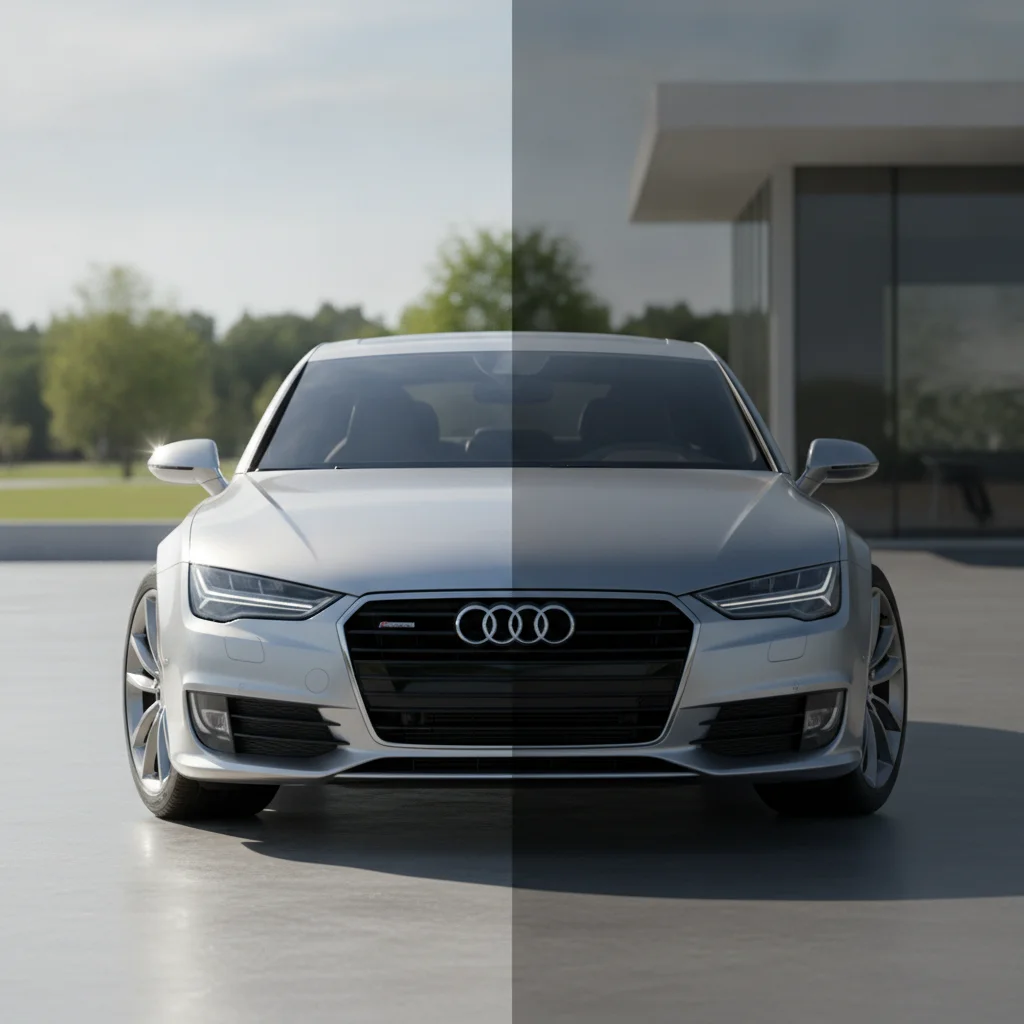
Neither dark nor light paint is inherently harder to detail — they just show different problems. Dark cars need careful swirl removal and light-diffusing protection, while light cars need thorough decontamination and stain treatment. Match your prep work to your car's specific vulnerabilities and you'll present a vehicle that buyers notice for the right reasons.
| Best for | Recommended |
|---|---|
| Sellers with a dark-colored car and surface swirl marks | Dark Car Protocol: machine polish + carnauba or ceramic coating |
| Sellers with a light-colored car showing stains or oxidation | Light Car Protocol: iron decontamination + heavy-duty wash + paint sealant |
| Sellers on a tight budget who want maximum visual impact | Color-targeted DIY detailing with the right product selection |
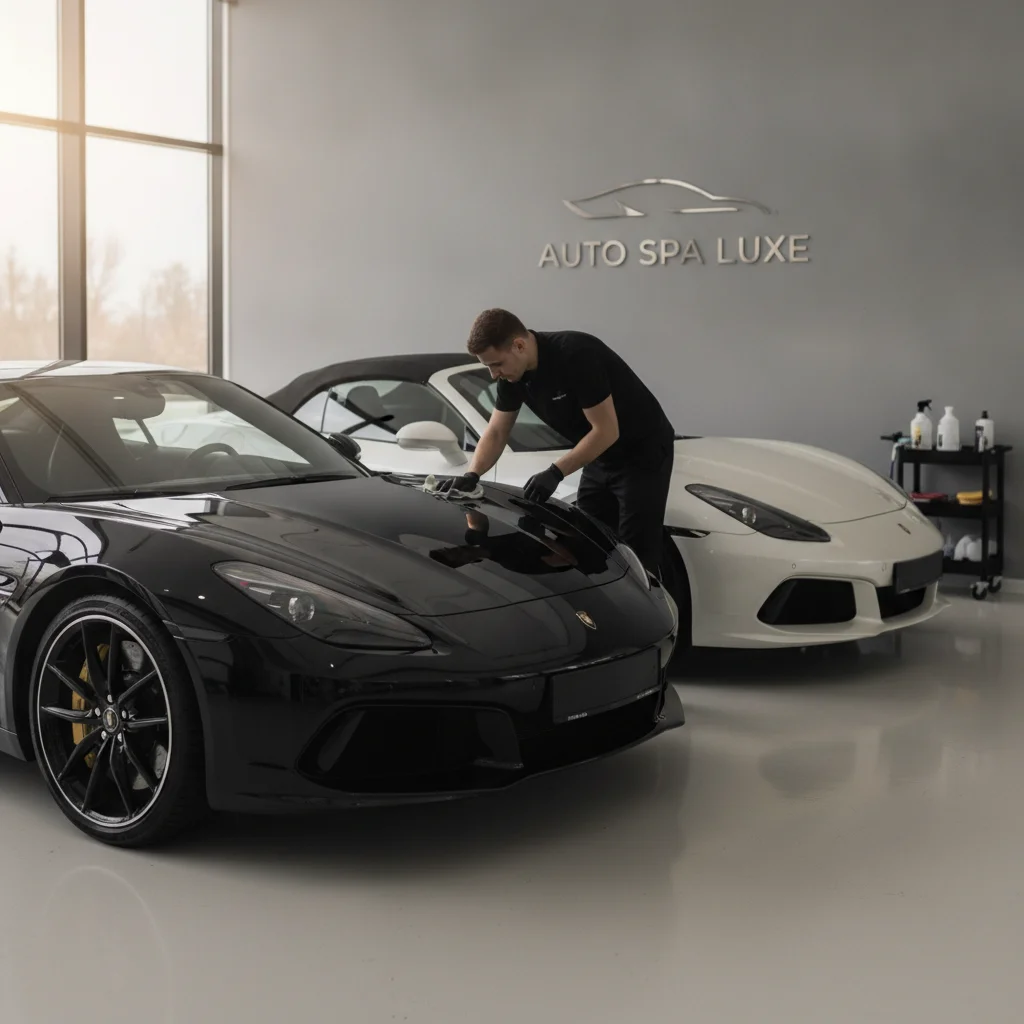
| Sellers with a high-value vehicle where ROI justifies the spend | Professional detailer experienced in your specific paint color |
Why Paint Color Changes Everything About Detailing
If you've ever wondered why your neighbor's silver car always looks cleaner than your black one — even when yours was washed more recently — paint color is the answer. Different colors interact with light in fundamentally different ways, and that means they show different types of flaws with dramatically different intensity.
When you're preparing a car for sale, understanding this distinction isn't a nice-to-have. It directly determines which products are worth your money, where to spend your time, and what a buyer is going to notice the moment they walk toward your listing.
This comparison breaks down the detailing priorities for dark-colored cars versus light-colored cars — what each color group conceals, what it exposes, and what you should do about it before photos and viewings. For a broader look at where prep dollars pay off overall, see our data-informed look at detailing ROI before a sale.
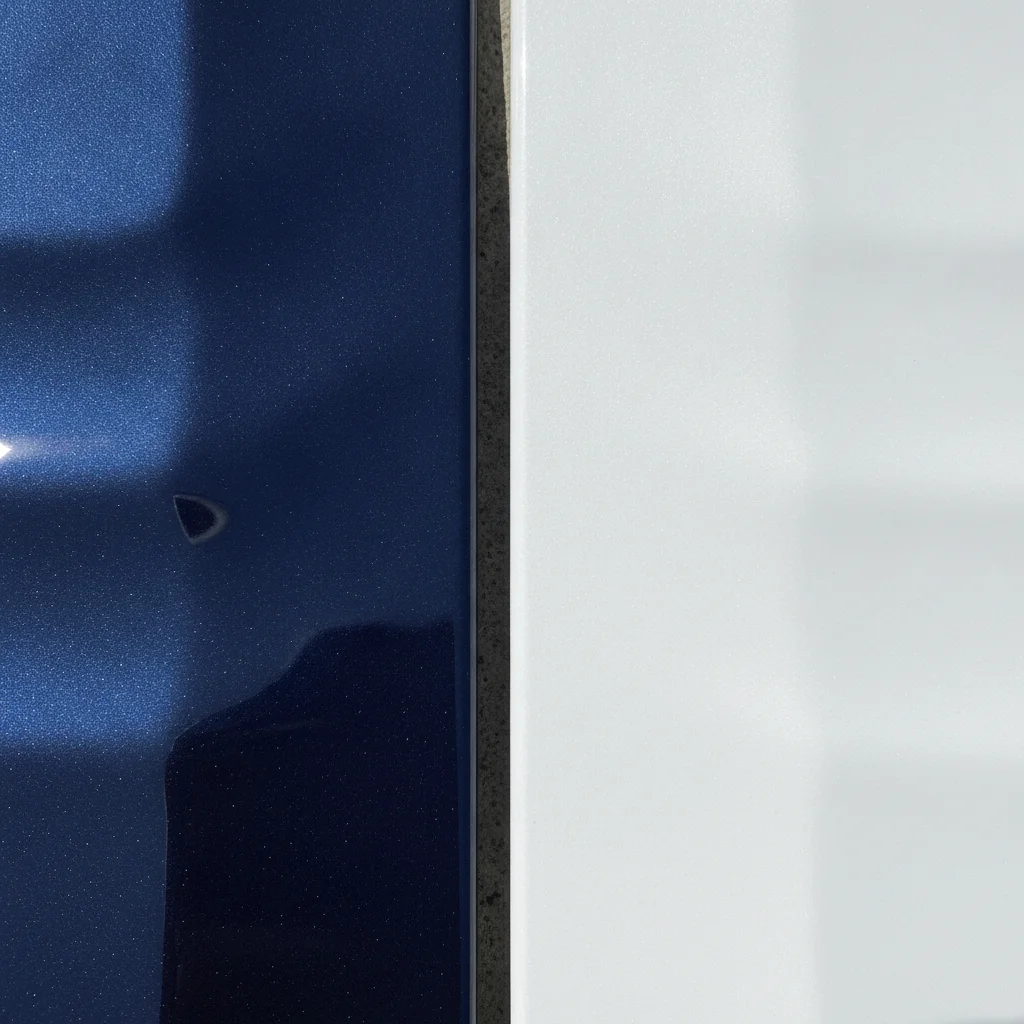
Dark Colored Cars: The Swirl Mark Problem
Black, dark grey, navy, deep burgundy — these finishes look stunning when they're right. But they are unforgiving when they're not. The core issue with dark paint is that it acts like a mirror. Any disruption to the surface — even a fine scratch left by a microfiber cloth used incorrectly — catches the light and becomes visible.
What Dark Paint Shows
- Swirl marks: The most common complaint on dark cars. These circular scratches come from improper washing, drive-through car washes, and dry wiping. Under direct sunlight or artificial lighting, they create a spider-web pattern across panels.
- Water spots: Mineral deposits left after water evaporates are especially visible on dark finishes because the white residue contrasts sharply with the paint.
- Fine scratches: Even light contact — like a jacket zipper brushing a door panel — can leave a visible mark on dark paint.
- Buffer holograms: If a previous owner or detailer used a rotary polisher incorrectly, those rainbow-like trails are very obvious on dark surfaces.
What Dark Paint Hides
- Light dust and pollen between washes
- Minor staining on lower panels
- Surface contamination that hasn't bonded to the clear coat yet
The Right Approach for Dark Paint
The goal with dark paint is to eliminate surface imperfections and then seal them away. Here's the sequence that works:
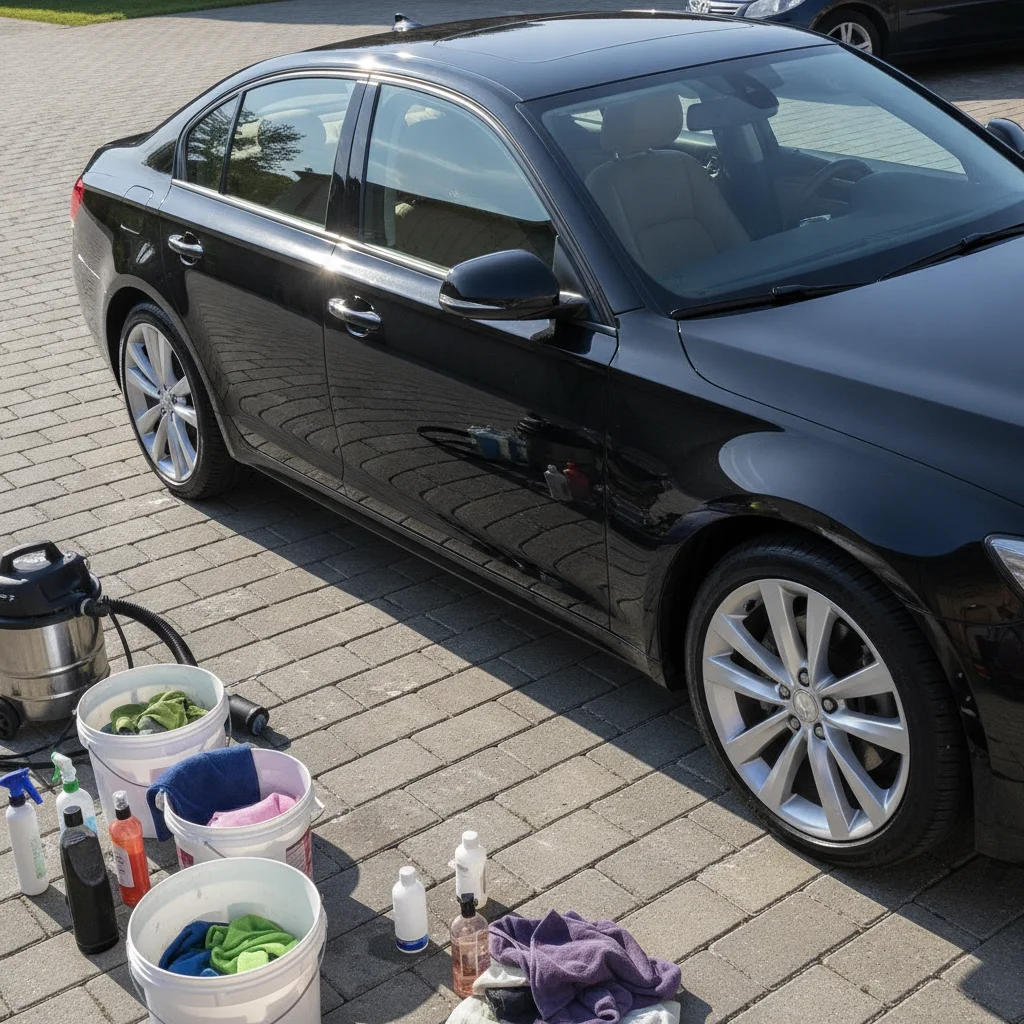
- Two-bucket wash method: One bucket for clean soapy water, one for rinsing your mitt. This prevents dragging contaminants across the paint — the primary cause of swirl marks.
- Clay bar decontamination: Removes bonded contaminants like brake dust, tree sap, and industrial fallout that washing alone won't touch.
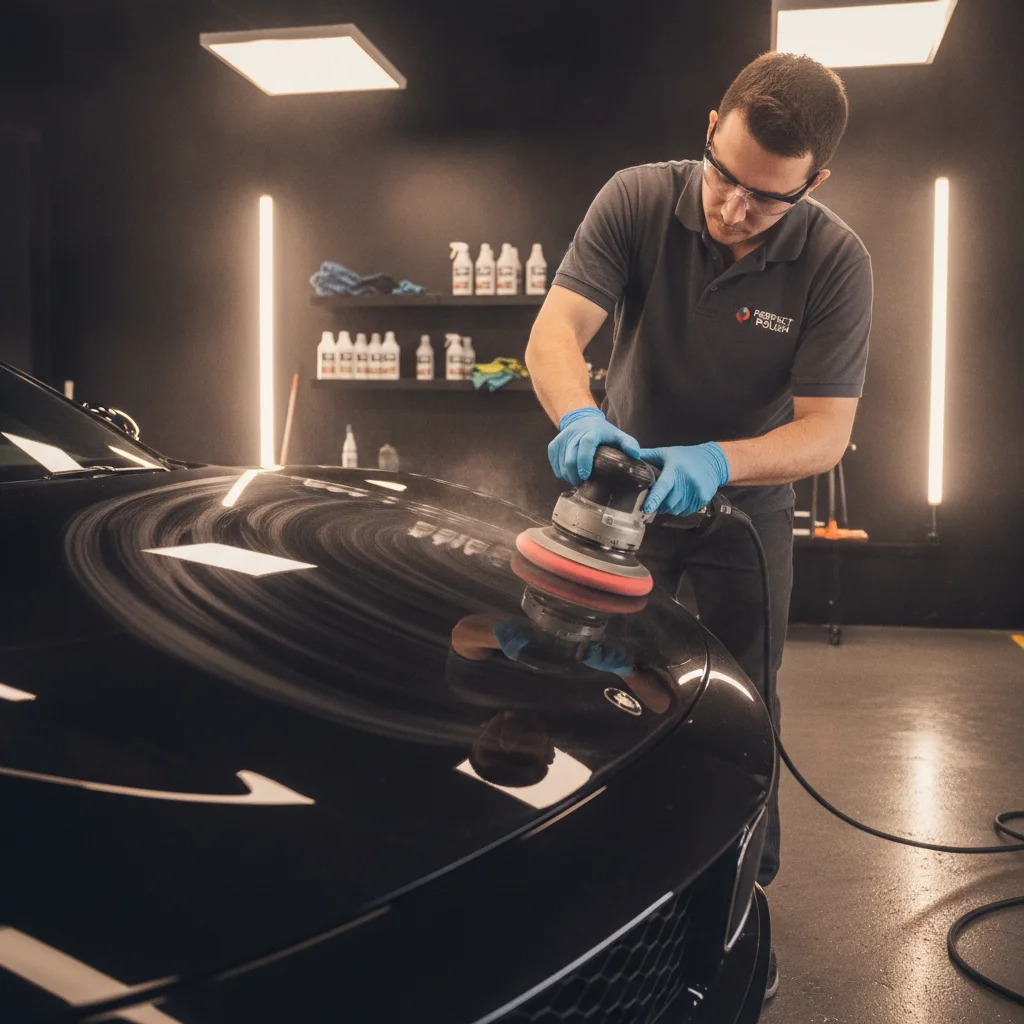
- Machine polish or compound: For cars with visible swirl marks, a dual-action (DA) polisher with a light cutting compound followed by a finishing polish is the most effective fix. Hand polishing rarely generates enough correction on dark paint.
- Carnauba wax or ceramic coating: Carnauba gives a warm, deep gloss that photographs well. A ceramic coating provides longer-lasting protection and helps repel the water spots that plague dark finishes.
Test Your Paint Before You Polish
Before committing to a polish or compound, do a light test on a small, inconspicuous panel — like the area below the door handle. This tells you how the paint responds, whether it's single-stage (no clear coat) or clear-coated, and how aggressive a product you actually need. Single-stage paint, common on older vehicles, requires more caution because polishing removes color along with the clear coat.
Quick Interior Win for Light Interiors
If your car has a beige or cream interior, a UV-safe fabric or leather protectant applied after cleaning does double duty: it repels future staining and gives the surface a fresh, lightly conditioned appearance that reads as well-maintained during viewings. It takes five minutes and costs under $15.
When drying a dark car, always use a clean, plush microfiber drying towel or a forced-air blower. Chamois leathers and paper products can leave the exact swirl marks you've worked to remove.
Light Colored Cars: The Stain and Grime Problem
White, silver, cream, light grey, champagne — these colors are far more forgiving of surface scratches and swirl marks, because the lighter base doesn't create the same contrast that makes fine marks visible. But they have their own set of challenges that sellers frequently underestimate.
What Light Paint Shows
- Dirt and mud: Light paint offers almost no camouflage for road grime, mud splash on lower panels, or general surface dirt. A car that's 80% clean can still look dirty at a glance.
- Staining: Bird droppings, tree sap, and iron deposits stain white and cream paint visibly. If left too long, bird droppings can etch through the clear coat and leave permanent marks.
- Yellowing and oxidation: Older white or cream paint is susceptible to yellowing, especially on horizontal surfaces like hoods and roofs that receive the most UV exposure. This gives the car an aged, uncared-for appearance.
- Brake dust on wheels: Visible against the brighter surrounding bodywork — buyers notice dirty wheels on light cars more readily than on dark ones.
What Light Paint Hides
- Fine swirl marks that would be dramatic on black paint
- Light scratches below the level of the clear coat
- Minor paint thickness variations from previous body work
The Right Approach for Light Paint
The priority on light cars shifts from paint correction to deep cleaning, decontamination, and protection against staining:
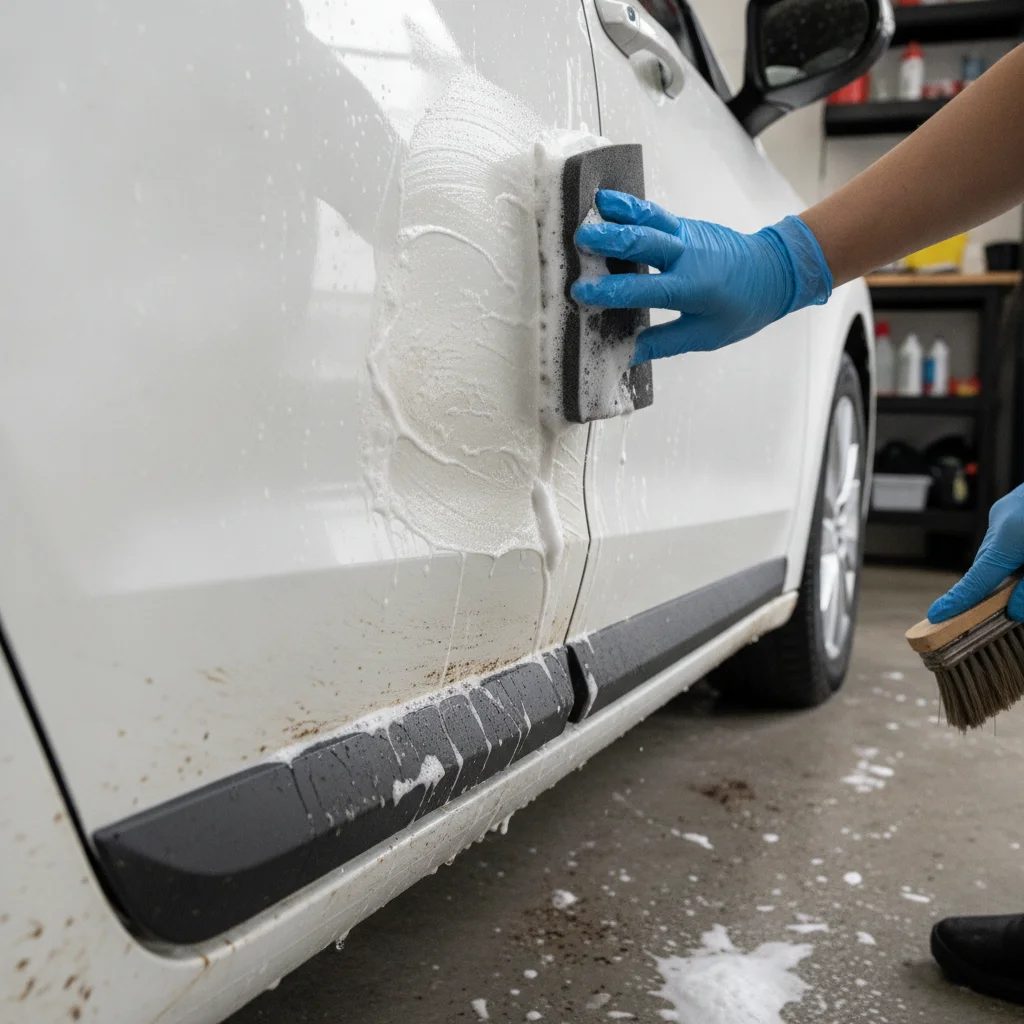
- Pre-wash foam or snow foam: A thick foam layer loosens surface dirt before contact washing, reducing the risk of grinding particles into the paint. This step matters more on light cars because visible contamination is the main enemy.
- Iron decontamination spray: Especially important for silver and white finishes. Iron fallout from brakes bonds invisibly at first but causes rust-like staining over time. An iron remover turns purple on contact and rinses away the contamination.
- Targeted stain treatment: Bird dropping etching, sap spots, and yellowing on horizontal panels each need specific products — an all-purpose cleaner or a light polish to address the etched areas.
- Oxidation removal: If the paint looks chalky or dull, a mild compound or dedicated oxidation remover will restore clarity. This is one of the highest-impact steps on older white or cream vehicles.
- Paint sealant or ceramic coating: Synthetic sealants bond harder than carnauba wax and provide better resistance to the staining and contamination that light cars attract. Worth the extra cost on a white car going to sale.
Don't Over-Polish Dark Paint Before a Sale
It's tempting to keep polishing a dark car until it looks perfect, but each polishing session removes a thin layer of clear coat. On a car with an older or thinner clear coat, over-polishing can cause premature clear coat failure — a problem far worse than the swirls you started with. One careful pass with a finishing compound is almost always enough for pre-sale purposes.
Drive-Through Washes Won't Fix a Light Car
Don't assume a white car is clean just because it's been through a drive-through wash. Drive-through brushes often leave a hazy film on light paint and do nothing for bonded contamination, bird dropping stains, or oxidation. Buyers will notice what a quick wash misses — and a hazy finish on a white car can look worse than no wash at all.
Don't assume a white car is clean just because it's been through a drive-through wash. Drive-through brushes often leave a hazy film on light paint and do nothing for bonded contamination, bird dropping stains, or oxidation. Buyers will notice what a quick wash misses.
Side-by-Side: Dark vs. Light Detailing Priorities
The table below summarizes how detailing priorities, product choices, and effort levels compare across the two color groups. Use it as a quick reference when planning your pre-sale prep.
| Criterion | Dark Colored Cars | Light Colored Cars | |
|---|---|---|---|
| Primary visual flaw | Swirl marks and fine scratches | Dirt, staining, and oxidation | |
| Key prep step | Machine polish / swirl removal | Iron decontamination + oxidation treatment | |
| Best wax / protection | Carnauba wax or ceramic coating | Synthetic paint sealant | |
| Washing method priority | Two-bucket, no-swirl technique | Pre-wash foam to lift heavy surface dirt | |
| Drying approach | Plush microfiber or forced-air blower | Standard microfiber — less critical | |
| Photography challenge | Hot spots and swirl visibility in direct sun | Washing out in flat light; dirty lower panels | |
| DIY difficulty level | Moderate — polish requires care | Moderate — stain removal needs targeted products | |
| Budget priority item | DA polisher rental + finishing polish | Iron remover + oxidation compound |
68%
Buyers influenced by exterior paint condition
According to CarGurus consumer research, paint condition ranks among the top three visual factors influencing private sale offer prices.
$150–$300
Average cost of professional paint correction detail
Industry pricing data from detailing trade sources indicates single-stage paint correction on a mid-size vehicle typically falls in this range depending on paint condition.
3–5x
More visible swirl marks on black vs. silver paint
Detailing industry tests show dark finishes can make the same level of surface scratching appear three to five times more visible than on comparable light-colored vehicles.
Products That Differ by Color (and Why It Matters)
Not all detailing products are color-neutral. Some are specifically formulated for dark paint, others for light, and using the wrong one can make the problem worse — or simply waste your money.
Polishes and Compounds
On dark cars, use a finishing polish with a soft foam pad for final correction — it minimizes the risk of introducing new marks. Aggressive cutting compounds designed for heavy correction can leave micro-marring that's harder to fix than the original swirls. On light cars, you can use a slightly more aggressive compound on oxidized areas without worrying as much about marring visibility, since the lighter surface won't show it as dramatically.
Waxes and Coatings
Carnauba wax is widely favored on dark paint for its warm, deep gloss. On white or silver cars, synthetic paint sealants often produce a crisper, brighter result that suits the color better. Ceramic coatings work well on both, but they're a particularly smart investment on dark cars because of how effectively they repel the water spots that plague those finishes.
Tyre and Trim Dressings
This one catches sellers off guard: a heavy, shiny tyre dressing that looks great on a black car can make a white car look overdone or contrast oddly with a lighter body. Use a matte or satin finish dressing on light-colored vehicles for a cleaner, more natural result.
Glass and Trim
Window cleaning matters equally for both color groups from a photography standpoint, but it's worth noting that chrome and bright trim elements stand out more on dark cars and need careful attention — streaks or product residue on trim will photograph poorly. See our guide to detailing for photos vs. in-person viewings for a full breakdown of what each stage of the sale demands.
Interior Prep: Does Color Affect This Too?
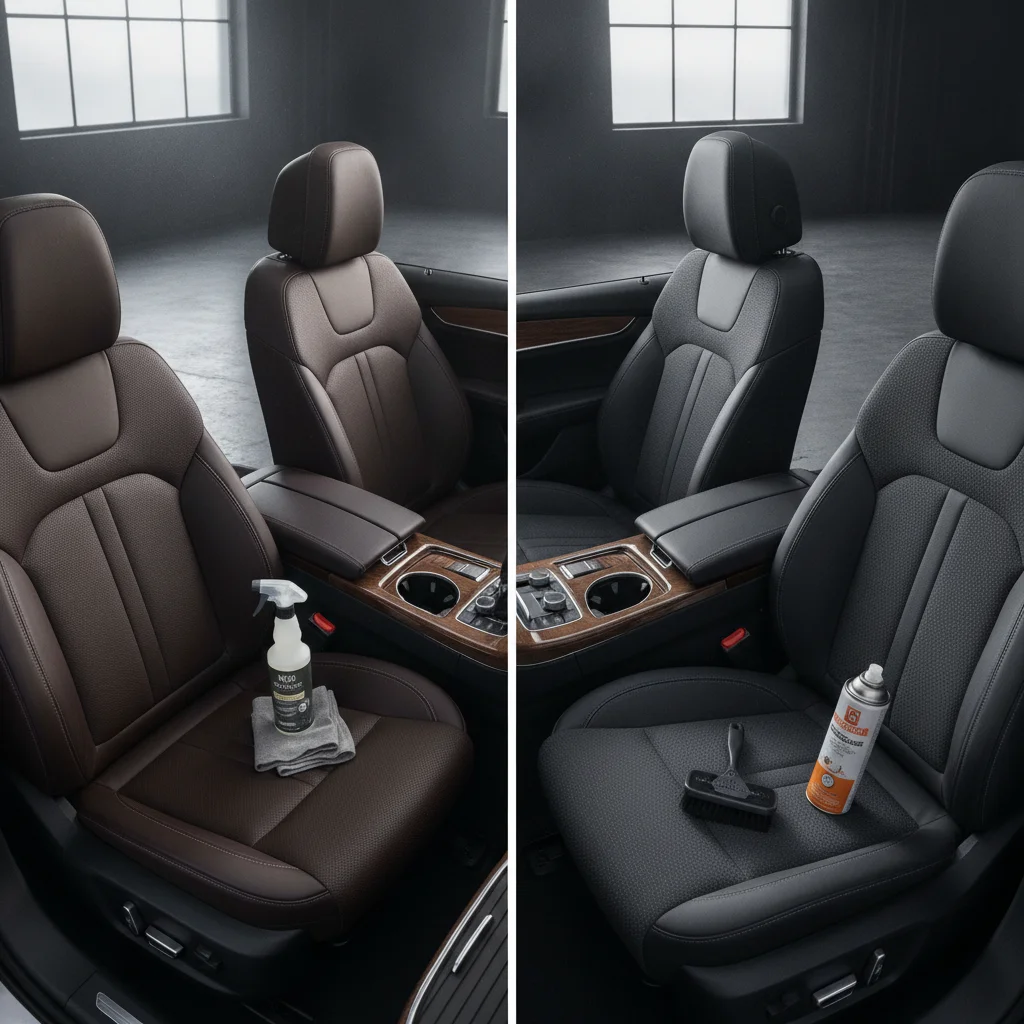
The interior is less dramatically affected by exterior color, but your car's trim color inside follows similar principles. Light-colored interiors — cream leather, beige fabric, off-white headliners — show staining and wear more aggressively than darker interiors. If your car has a light interior and dark exterior, you're dealing with both challenges at once.
For fabric seats, extraction cleaning (using a wet-dry vacuum or upholstery extractor) removes embedded dirt that surface sprays won't reach. For leather, conditioning is as important as cleaning — dry or cracked leather is one of the most off-putting things a buyer can see during a viewing. Our comparison of leather vs. cloth interior care walks through the right products and methods for each surface type.
The headliner deserves specific attention in light-interior cars — staining from roof leaks, sunroof drainage failures, or simply years of hand contact near grab handles can leave visible marks that buyers immediately register as a maintenance concern.
Test Your Paint Before You Polish
Before committing to a polish or compound, do a light test on a small, inconspicuous panel — like the area below the door handle. This tells you how the paint responds, whether it's single-stage (no clear coat) or clear-coated, and how aggressive a product you actually need. Single-stage paint, common on older vehicles, requires more caution because polishing removes color along with the clear coat.
Quick Interior Win for Light Interiors
If your car has a beige or cream interior, a UV-safe fabric or leather protectant applied after cleaning does double duty: it repels future staining and gives the surface a fresh, lightly conditioned appearance that reads as well-maintained during viewings. It takes five minutes and costs under $15.
Budgeting Your Detail: Where to Focus Limited Time and Money
Most sellers aren't starting from scratch with unlimited time and a full detailing toolkit. If you need to prioritize, here's how to allocate a limited budget by color:
Dark Car: Where to Spend First
- Machine polish for swirl removal — This is the single biggest visual impact item. Renting a DA polisher and buying a finishing polish kit costs $40–$80 and can transform a hazy black hood into a mirror surface.
- Quality microfiber cloths and a two-bucket wash setup — Protect your polish work from day one. Budget $20–$30 for supplies.
- Spray ceramic coating or synthetic sealant — Easier to apply than full ceramic, and provides real protection. $20–$50 for a good consumer product.
Light Car: Where to Spend First
- Iron decontamination spray and thorough wash — Removes the bonded contamination that makes silver and white cars look dull or stained. $15–$25 for a good iron remover.
- Oxidation compound if needed — Restores clarity to yellowed or chalky paint. High ROI on cars five years or older. $15–$30.
- Paint sealant — Protects the clean surface and adds a bright, fresh gloss that reads well to buyers. $20–$40.
If budget allows, professional detailing is worth considering for high-value vehicles or where the condition has deteriorated significantly. Our comparison of professional vs. DIY detailing helps you weigh the cost against likely return. And before you decide how much to spend, it's worth reading our guide on detailing vs. minor repairs — detailing isn't always the highest-ROI prep move depending on the vehicle's condition.
Getting Your Listing Photos Right for Each Color
Detailing and photography interact more than most sellers realize. A detail job optimized for in-person viewing doesn't always translate to great listing photos — and the reverse is also true.
Dark Cars and Photography
Dark paint photographs best in open shade or on a heavily overcast day. Direct sunlight creates hot spots — bright reflections that blow out the detail and can mask swirl marks in some patches while emphasizing them in others. Shoot your dark car in the morning or late afternoon, out of direct sun, ideally against a neutral background that doesn't compete with the paint.
A light coat of quick detailer spray applied just before shooting keeps the surface dust-free and adds a flash of gloss that shows up well in photos without the streaking risk of rewashing.
Light Cars and Photography
White and silver cars can handle brighter light conditions better than dark ones, but they're susceptible to appearing washed out in overcast conditions. Bright shade or soft direct light often produces the best results. Clean wheels and tires matter especially on light cars because the contrast between a dirty wheel and a bright body panel is stark in photos.
Make sure the lower panels are spotless — light cars' rocker panels and door sills tend to collect grime that photographs badly even when the upper body looks clean. Our full guide on prepping for photos vs. viewings covers this in more depth, including how to stage the car for both digital and in-person first impressions.

All claims are backed by peer-reviewed research. Sources on request.