Key Takeaways
Our Verdict
Photo detailing and viewing detailing serve fundamentally different purposes. Glossy products and strategic lighting make your listing stand out online, but buyers at your door will use their eyes, hands, and nose to evaluate the car up close. The most effective sellers treat each stage separately rather than assuming one detail job covers both.
| Best for | Recommended |
|---|---|
| Sellers focused on generating listing clicks and inquiries | Photo Detailing |
| Sellers close to finalizing a deal with serious in-person buyers | Viewing Detailing |
| Sellers with a limited budget who can only do one pass | Viewing Detailing |
| Sellers with time to prep twice who want maximum appeal at every stage | Both Photo and Viewing Detailing |
Why the Same Detail Job Can't Do Both Jobs
When you're selling a car privately, you're really selling it twice. The first sale happens before anyone ever contacts you — it's the moment a potential buyer scrolls past your listing photos and decides whether to click or keep scrolling. The second sale happens in your driveway or parking lot, when that same buyer arrives, walks around the car, opens the doors, and decides whether to trust what they're seeing.
Most sellers treat these two moments as one. They get the car cleaned up, take some photos, and assume the same prep will carry through to viewings. That assumption is understandable, but it can quietly cost you offers.
The skills and products that make a car look stunning in photos are not always the same ones that make it hold up under a buyer's hands-on inspection. Some shine-boosting sprays, for example, amplify reflections beautifully on camera but can streak or smell artificial in person. Conversely, the thorough interior cleaning that a buyer will appreciate when they're sitting in the driver's seat doesn't show up in exterior listing shots at all.
Understanding what each stage actually demands — and preparing for both deliberately — is one of the most cost-effective things you can do as a private seller. See our guide to the difference between a wash, a detail, and a full paint correction to understand which level of prep your car actually needs before deciding how to split your effort.
What Photo Detailing Is Really About
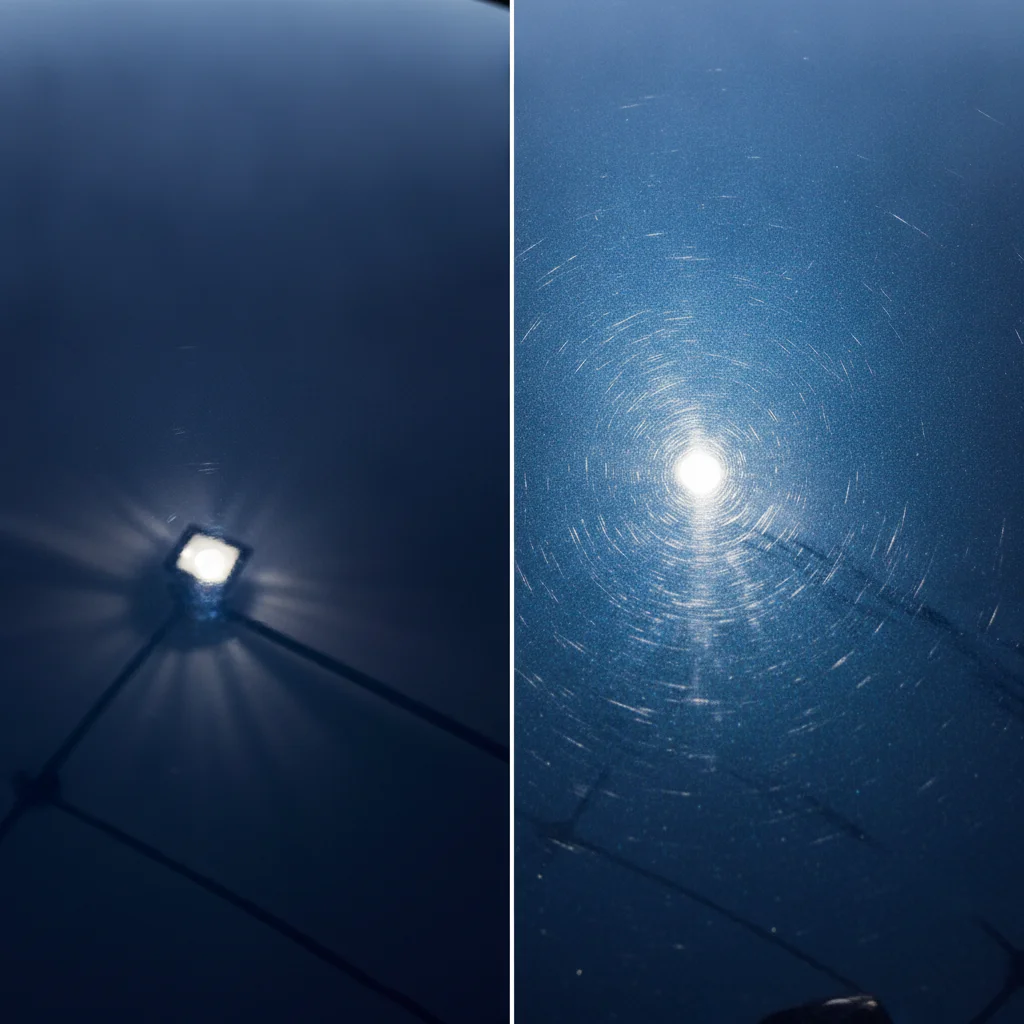
Photography rewards contrast, light, and surface reflectivity. A well-glossed car in good lighting photographs several grades better than it looks in person — that's not deception, it's just how cameras read surfaces. Your goal when prepping for photos is to make that optical advantage work in your favor.
Exterior priorities for photos
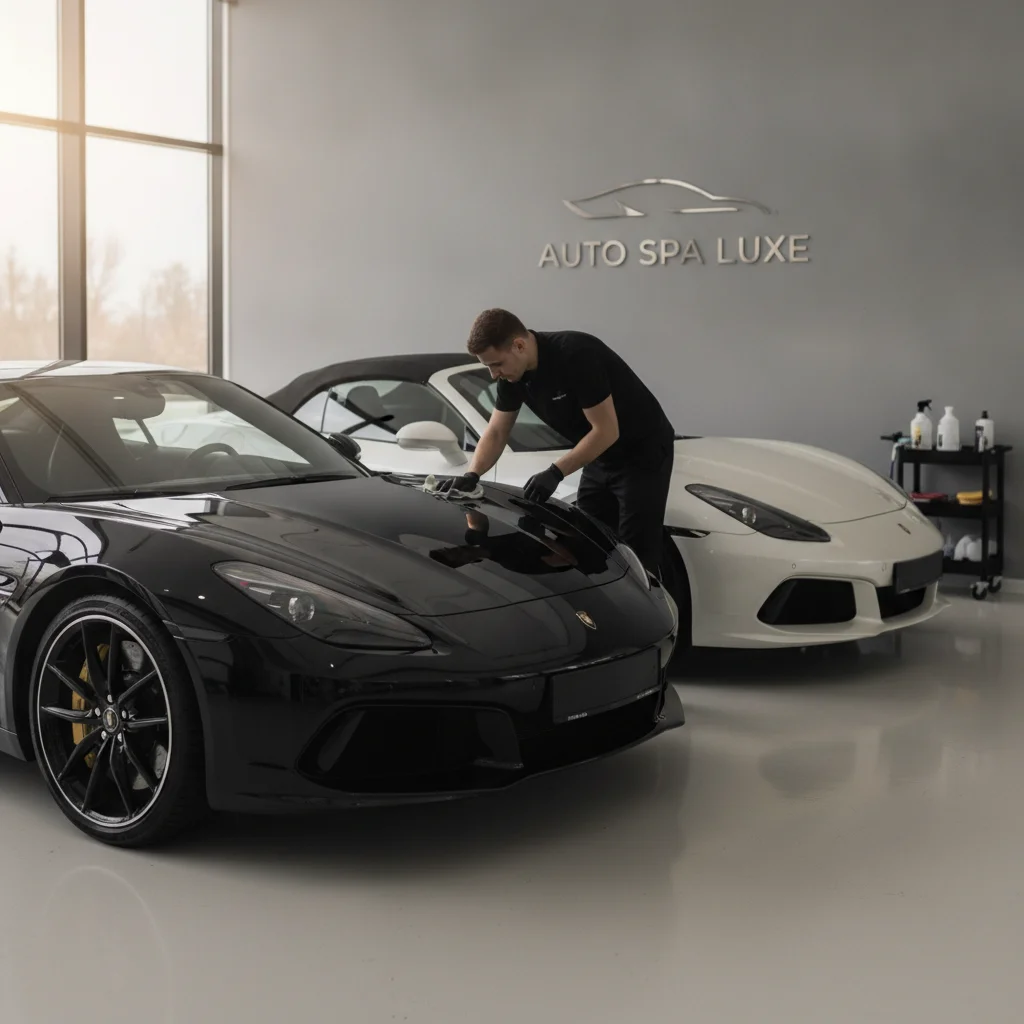
- Gloss and shine above all else. A fresh coat of spray wax or a quick detailer applied right before shooting makes paint pop on camera. The layer doesn't need to last — it needs to look good for 30 minutes.
- Tire dressing. Dark, dressed tires frame the car beautifully in photos and make the vehicle look better maintained at a glance.
- Streak-free glass. Windows that catch the light cleanly read as transparency and openness in photos. Smeared or hazy glass looks dark and neglected on camera.
- No water spots. Water spots and mineral deposits scatter light unevenly and show up prominently in direct-sun photos. Dry the car meticulously after washing.
Staging choices matter too
Shoot in indirect morning or late-afternoon light, not midday sun. Find a clean, uncluttered background — an empty parking lot or quiet street edge reads much better than a busy driveway with trash cans in frame. Position the car at a 3/4 front angle and a 3/4 rear angle as your anchor shots; these two angles communicate the most about the car's shape and condition.
Shoot in the Golden Hour for Best Results
The hour after sunrise and the hour before sunset produce soft, directional light that wraps around body panels and minimizes harsh shadows. This light is far more forgiving of minor paint imperfections than midday sun. If you can only shoot once, make it early morning on an overcast day — diffused cloud cover gives you flattering, even illumination across all angles.
Keep a Viewing Kit in the Trunk
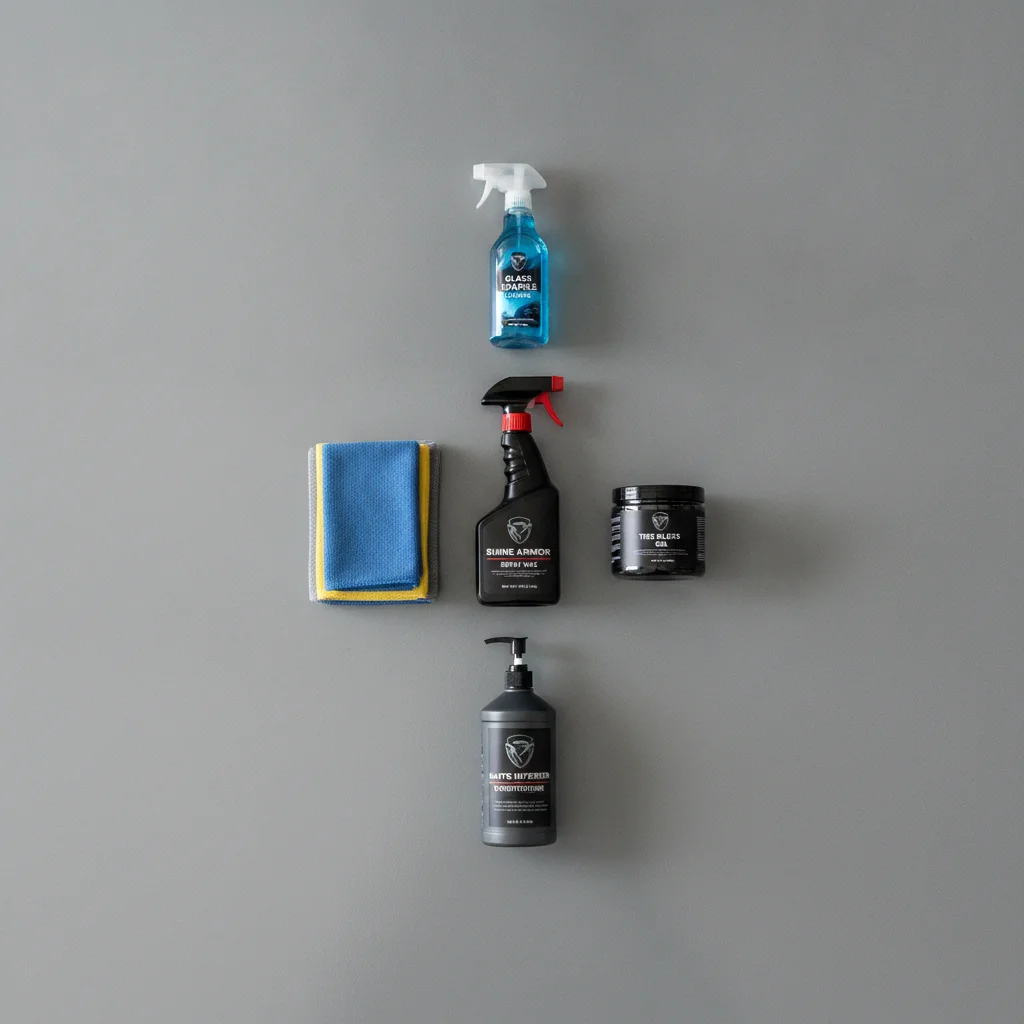
Once your car is listed, assemble a small kit: a microfiber cloth, a spray detailer, a glass cleaner, and a pack of interior wipes. Keep it in the car so you can do a 15-minute refresh whenever a showing is scheduled with short notice. This habit prevents the 'great photos, disappointing in person' experience that costs you negotiating power.
What to deprioritize for photos
Deep interior cleaning doesn't meaningfully improve your photos unless you're shooting very close-up interior shots. A quick surface wipe and vacuum is enough for the interior shots most buyers expect to see. Don't spend two hours shampooing carpet that won't show up clearly in a wide-angle interior shot — save that work for viewings.
For more on how paint color affects what photographs well, see our article on pre-sale detailing for dark vs. light colored cars.
73%
Buyers who cite photos as first filter
According to consumer research from Cars.com, approximately 73% of used car shoppers say listing photos are the primary factor in deciding whether to contact a seller.
89%
Buyers who inspect interior in person
A 2023 Cox Automotive study found that nearly 9 in 10 private-sale buyers conduct a thorough interior inspection before making an offer.
$150–$300
Average professional full detail cost
Industry estimates from detailing service aggregators place the average full interior and exterior detail between $150 and $300 depending on vehicle size and market.
What Viewing Detailing Is Really About
An in-person viewing is a completely different sensory experience than looking at photos. Buyers arrive with expectations set by your listing — and their job from the moment they walk up is to find the gap between the photos and reality. Their instincts are working against you, at least initially, which means your prep needs to be honest, thorough, and sensory-aware.
Exterior priorities for viewings
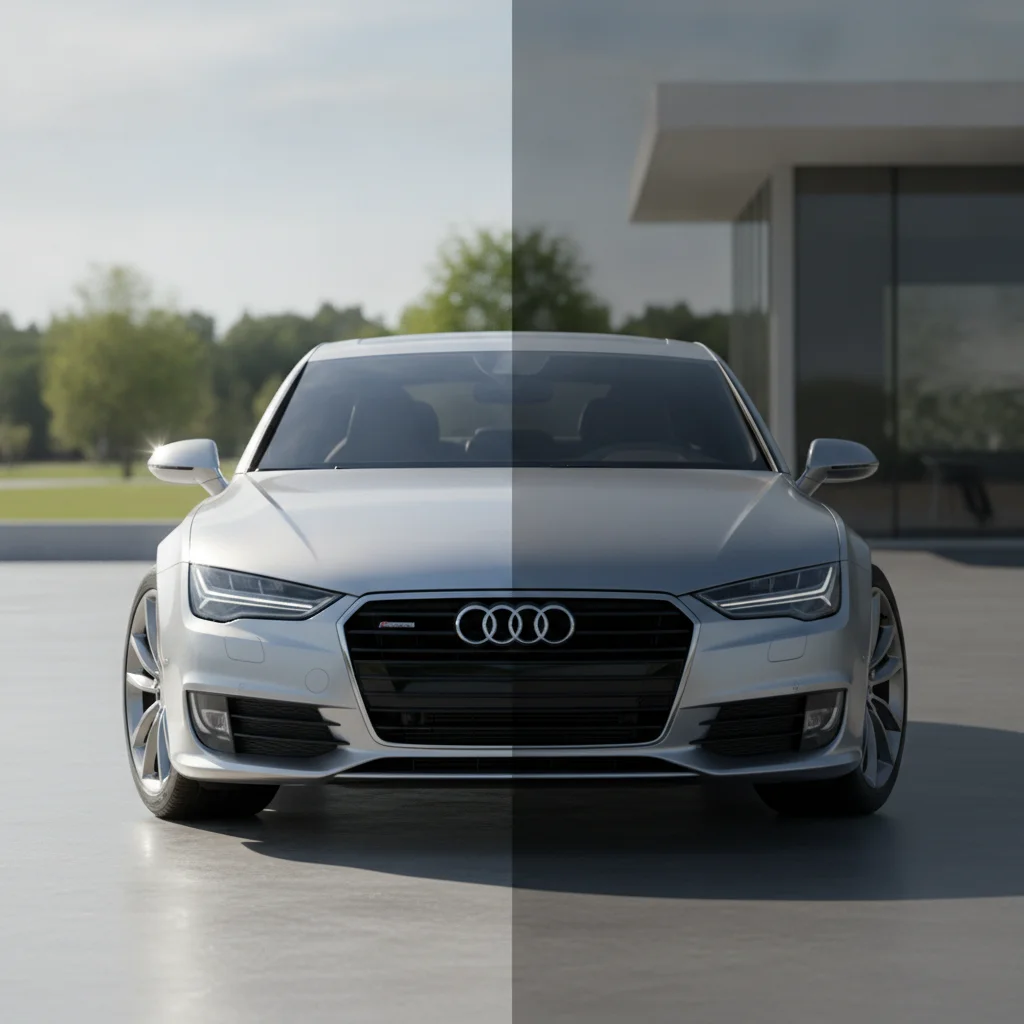
- Cleanliness that holds up in direct sunlight. Midday or bright-overcast light is the most revealing condition for paint. Swirl marks, light scratches, and faded clear coat are all invisible in your listing photos but glaringly obvious when a buyer circles the car in sunlight. If these are present on your car, acknowledge them upfront rather than hoping they won't notice.
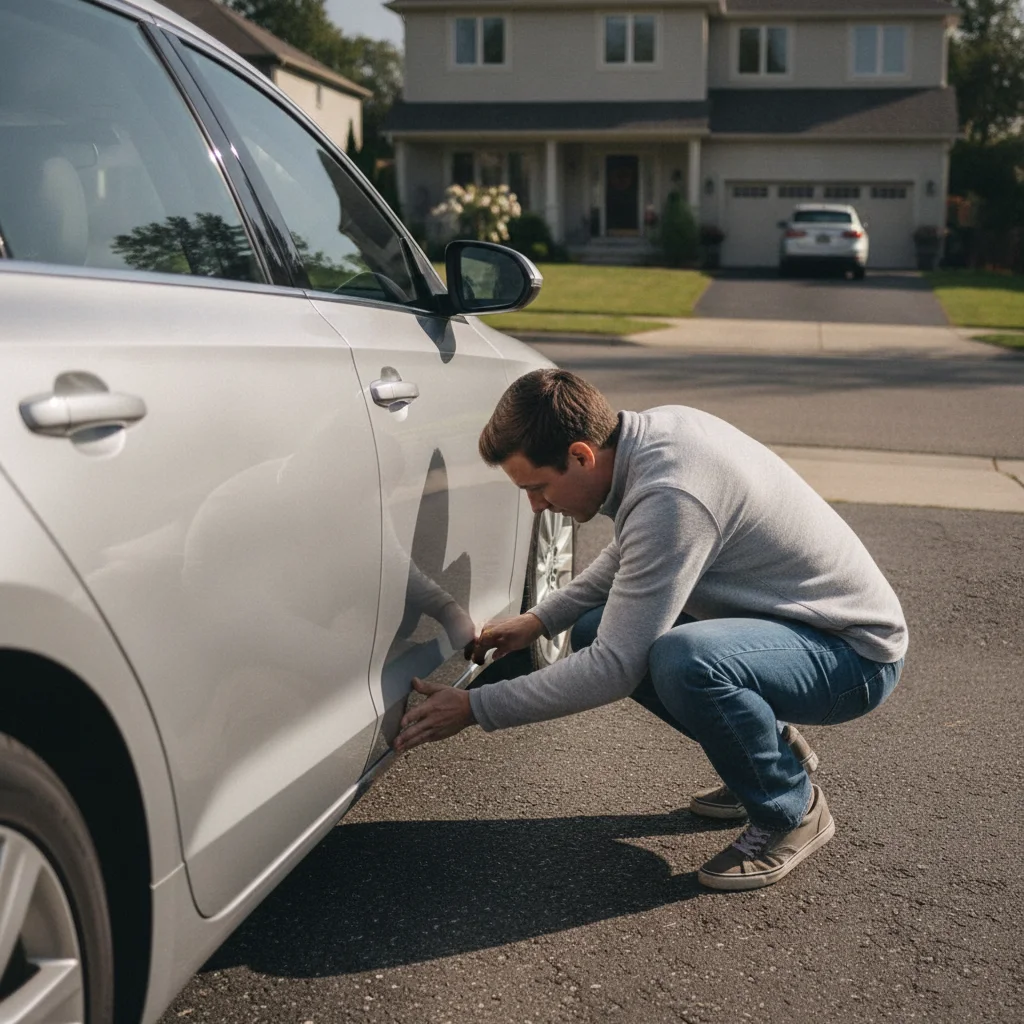
- Panel gaps and trim. Buyers who are even slightly informed will run their fingers along body seams and look at panel gaps. Make sure trim pieces are clean of accumulated grime in the edges.
- Wheels and wheel wells. Buyers touch wheels. Brake dust and road grime in wheel wells communicates neglect in a tactile way that photos never could.
Interior priorities for viewings
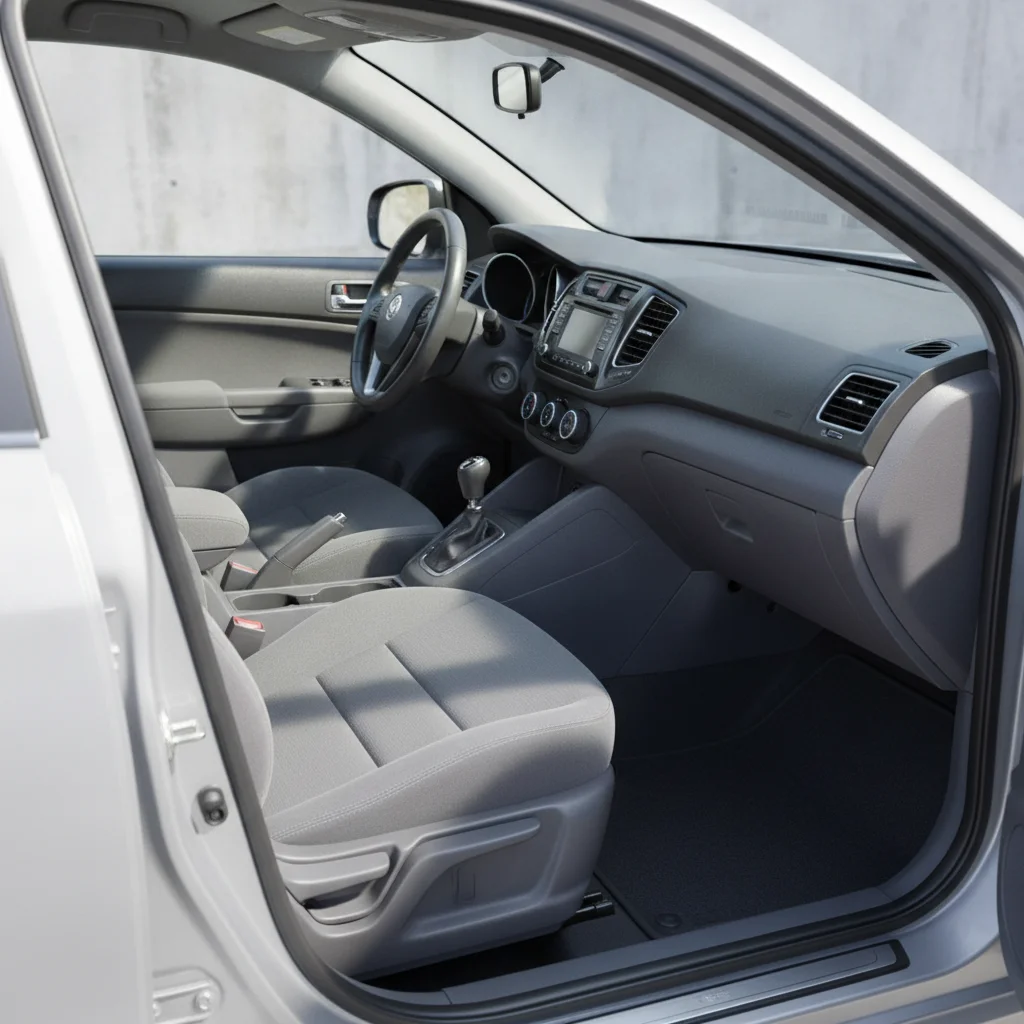
This is where viewing prep diverges most sharply from photo prep. The interior is where buyers spend the most time during a viewing — sitting in each seat, opening the glove box, checking storage pockets, and yes, smelling the cabin.
- Odor elimination comes first. No amount of scent masking covers a deep cigarette or pet odor. If your car has a persistent smell, be honest about it, and invest in an ozone treatment before trying to sell. A pine tree air freshener is worse than no freshener — it signals that you're hiding something.
- Every surface the buyer will touch. Door handles, the gear selector, the steering wheel, center console latches — clean them. Sticky or grimy tactile surfaces are an immediate trust signal in the wrong direction.
- Cargo area and under the seats. Serious buyers look there. Crumbs, forgotten items, and stained carpet under the front seats can undo an otherwise strong showing.
Masking Odors Can Backfire Badly
Hanging multiple air fresheners or spraying a strong scent before a viewing is one of the most common seller mistakes — and buyers notice immediately. A powerful fragrance in an enclosed car tells an experienced buyer that something is being hidden. If your car has a genuine odor issue, address the source first with an ozone treatment or enzyme spray. Then, and only then, can a light, neutral scent be appropriate.
Buyers are also listening during a viewing. Start the car and let it idle before they arrive if possible, so the engine is warm. A cold start with rattles or belt noise that disappears once warmed up shouldn't be the first thing they hear. This isn't concealment — it's giving the car its best honest representation. For perspective on how dealers approach this same dynamic, see how dealers prepare cars for test drives.
Photo vs. Viewing Detailing: Side-by-Side Comparison
The table below breaks down how the two approaches differ across the most common preparation categories. Use it as a planning checklist for each stage of your sale.
| Preparation Category | Photo Detailing Priority | Viewing Detailing Priority | |
|---|---|---|---|
| Exterior gloss/shine | High — use spray wax immediately before shoot | Moderate — fresh but not overdone | |
| Tire appearance | High gloss gel dressing for contrast | Light water-based dressing only | |
| Glass clarity | Critical — streak-free for reflections | Important — clean but not the focus | |
| Paint defects (swirls, scratches) | Lower priority — angles hide minor flaws | High priority — direct sun reveals everything | |
| Interior surface cleaning | Basic vacuum and wipe for shots | Thorough — every touchpoint matters | |
| Cabin odor control | Not relevant for photos | Critical — smell is the first impression | |
| Wheel and wheel well cleaning | Moderate — visible in wide shots | High — buyers touch and inspect closely | |
| Dashboard and trim dressing | High-gloss finish acceptable | Matte or satin finish preferred | |
| Cargo area cleanliness | Photograph it clean, but basic wipe is fine | Full clean — serious buyers look here | |
| Engine bay | Only if shooting engine bay photos | Should look maintained, not over-detailed |
Products That Work for Photos but Not for Viewings
This is where sellers most often make an expensive mistake. Several popular detailing products are excellent for photography but create problems during in-person viewings.
Spray wax and quick detailers
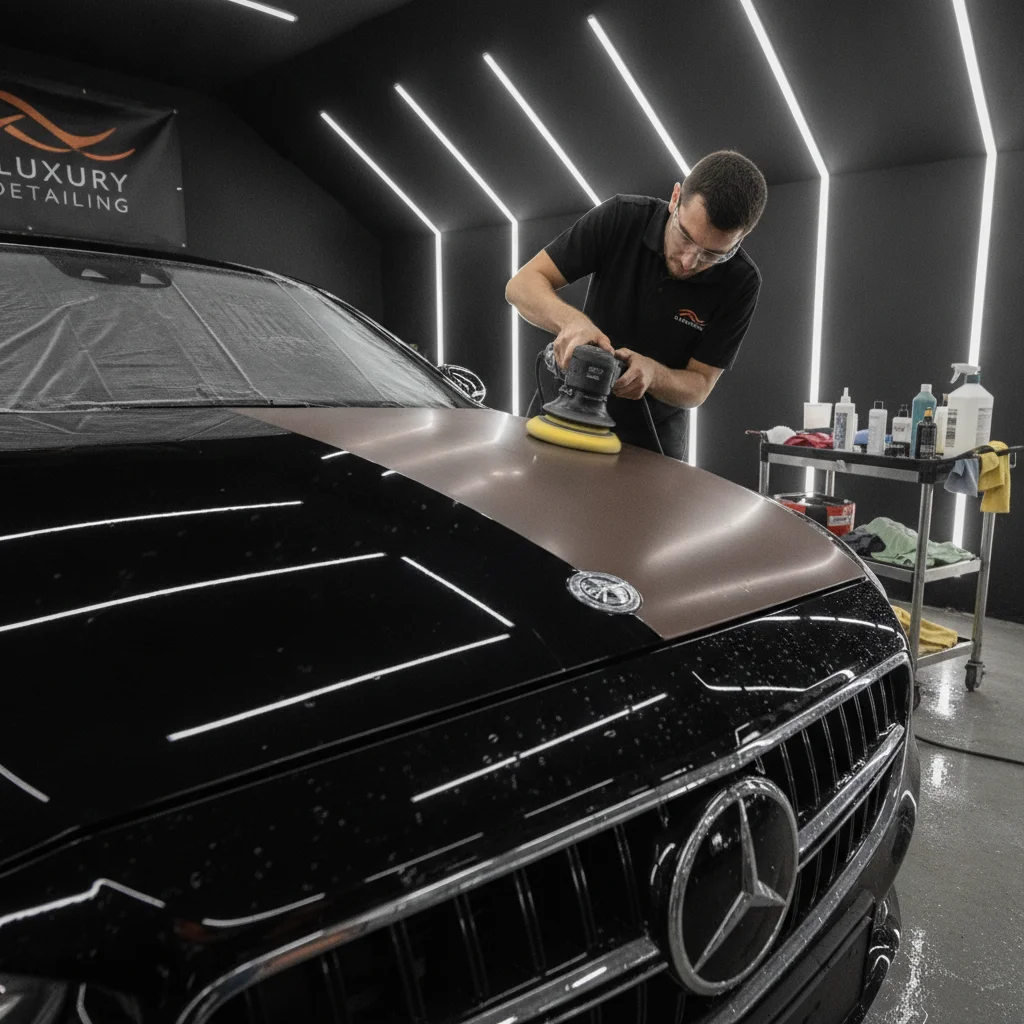
A spray wax applied right before your photo session gives paint a wet, reflective look that photographs extremely well. Applied a week before a viewing, though, it may have worn unevenly, leaving a blotchy surface that looks worse than a simple clean wash would.
Tire shine sprays (gel type)
Heavy gel tire dressings look great in photos — the deep black contrast they create makes the car look freshly serviced. But a gel applied too heavily or too early before a viewing can sling onto the fender wells and wheel arches during driving, creating dark greasy marks that look like oil leaks at a glance. Use a lighter water-based dressing for viewings, applied well ahead of arrival time.
Interior dressing on plastics
High-gloss dashboard dressings can make an interior gleam in listing shots. In person, that same dressing can feel greasy to the touch and create distracting glare on sunny days. Buyers who touch a sticky-feeling dashboard notice it immediately. For viewings, use a matte or satin-finish interior conditioner instead.
If you're weighing whether to handle any of this yourself or hire a professional, our comparison of professional detailing vs. DIY before a sale can help you decide where to spend versus where to save.
Building a Two-Stage Prep Plan That's Actually Affordable
Running two separate detailing passes sounds expensive, but in practice most of the cost is concentrated in the first session. Here's how to think about it.
Stage 1: Photo prep (one-time, before listing)
This is your biggest single investment. A thorough exterior wash, clay bar treatment if needed, and a good wax or sealant coat forms the foundation. Add tire dressing and glass cleaning. For the interior, a vacuum and surface wipe is sufficient for photos — don't over-invest here yet. Budget estimate: $30–$80 DIY, $100–$200 professional.
Stage 2: Viewing refresh (before each serious showing)
This should be quick and inexpensive — the big work is already done. Wipe down exterior surfaces with a spray detailer to restore gloss, re-dress tires if needed, re-clean glass, and do a thorough interior wipe and vacuum. Eliminate any new odors. Budget estimate: $10–$20 per session in products, 45–90 minutes of time.
The combined cost of this two-stage approach is almost always less than a single professional full detail — and it's far better targeted to what actually moves the needle at each stage of the sale. For a broader look at where prep money pays off and where it doesn't, see our guide to detailing vs. minor repairs before a private sale.
Shoot in the Golden Hour for Best Results
The hour after sunrise and the hour before sunset produce soft, directional light that wraps around body panels and minimizes harsh shadows. This light is far more forgiving of minor paint imperfections than midday sun. If you can only shoot once, make it early morning on an overcast day — diffused cloud cover gives you flattering, even illumination across all angles.
Keep a Viewing Kit in the Trunk
Once your car is listed, assemble a small kit: a microfiber cloth, a spray detailer, a glass cleaner, and a pack of interior wipes. Keep it in the car so you can do a 15-minute refresh whenever a showing is scheduled with short notice. This habit prevents the 'great photos, disappointing in person' experience that costs you negotiating power.
One final note: don't over-clean to the point of masking the car's actual condition. Buyers who feel deceived — even about something small — will either walk away or aggressively negotiate. Honest, clean prep that matches your asking price is always more effective than presentation that sets expectations your car can't meet in person. For more on the full arc of a private sale, the private party sales hub covers everything from listing to closing.

All claims are backed by peer-reviewed research. Sources on request.