Key Takeaways
Why Cold Weather and Warning Lights Are a Complicated Relationship
Step outside on a January morning, start your car, and the dashboard may look like a Christmas tree. It happens every year to millions of drivers, and the reaction is almost always the same: hope it goes away on its own. Sometimes it does. Often it shouldn't.
The root issue is that modern vehicles rely on dozens of electronic sensors to monitor everything from tire pressure to exhaust oxygen content. Those sensors are calibrated for a relatively narrow operating range, and when temperatures plunge below freezing, the physics of the world around them changes — air compresses, fluids thicken, metal contracts, and battery voltage sags. Some sensors report these changes as faults when they are not. Others are reporting genuine faults that the cold merely exposed or accelerated.
The dangerous habit is treating all winter warning lights the same way — either ignoring them all or panicking about all of them. Neither approach protects your car or your wallet. What you need is a working mental model of which lights cold weather commonly triggers as false positives, and which ones cold weather tends to unmask as real failures.
For a comprehensive look at what every symbol on your dashboard actually means, see Dashboard Warning Lights: What Every Symbol Actually Means. This article focuses specifically on the winter cold context and the myths that surround it.
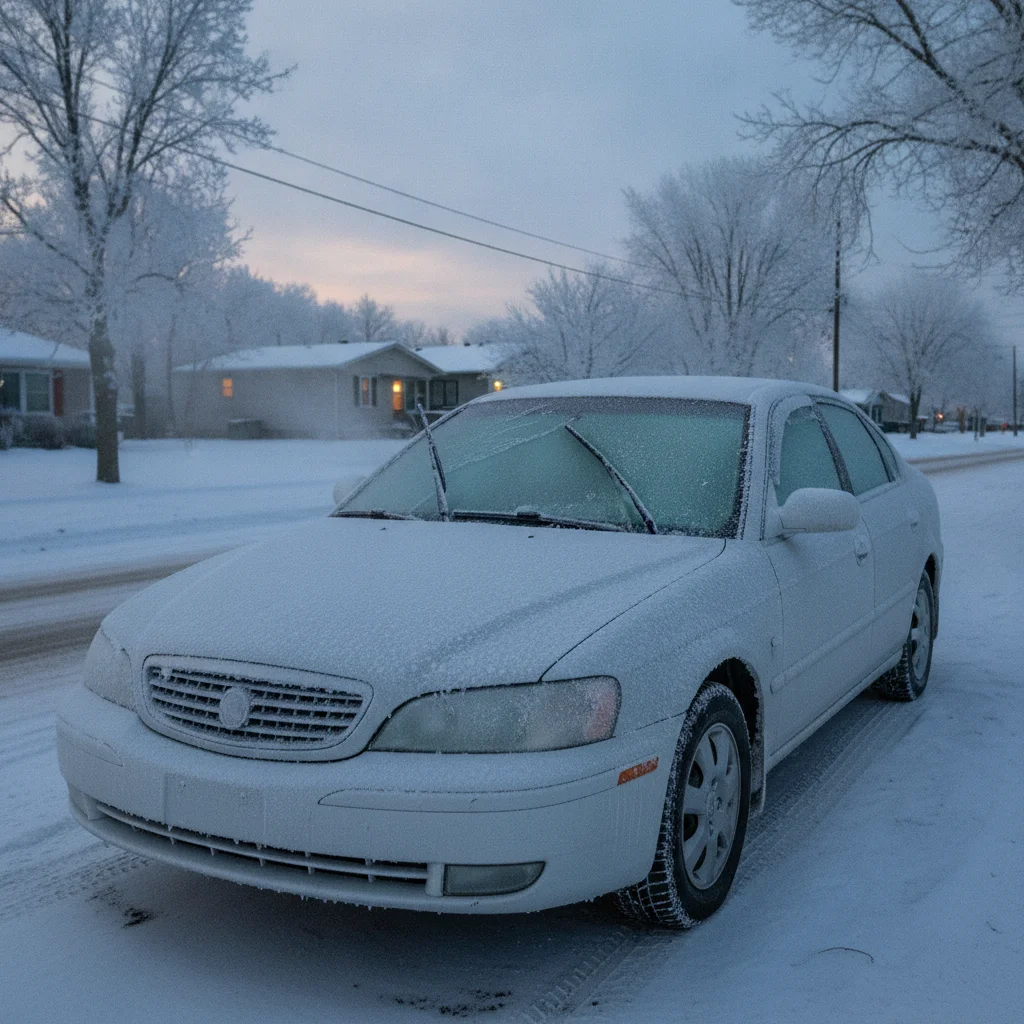
The Myths and the Facts: Cold-Weather Warning Lights Decoded
Let's work through the most common cold-weather warning light misconceptions systematically. Each myth below represents something I've heard from drivers — sometimes multiple times in a single week during a hard winter. The facts that follow are what I tell every one of them.
Myth
The TPMS tire pressure light comes on in cold weather because something is wrong with my tires — I should add air immediately and the problem is solved.
Fact
The TPMS light in cold weather is usually triggered by normal air pressure drop due to temperature, not a leak. Adding air resolves the symptom, but understanding why it happened prevents future confusion.
Tire pressure drops approximately 1 PSI for every 10°F decrease in ambient temperature. If your tires were at the minimum recommended pressure going into winter, a 30-degree overnight temperature drop can push them 3 PSI below the threshold — enough to trigger the TPMS warning light without any leak present.
The fix is straightforward: inflate tires to the manufacturer's recommended pressure (found on the sticker inside the driver's door jamb, not the tire sidewall) and the light will typically extinguish after driving a few miles. However, if the light comes back within a few days without another significant temperature drop, you likely have a slow leak. Don't confuse a cold-morning false positive with a recurring problem that needs a patch or valve stem replacement.
For a deeper look at TPMS myths, Tire Pressure Warning Light: Myths vs. Reality covers every scenario in detail.
Myth
If the ABS or traction control light comes on when driving on ice or snow, my system is broken and I should avoid hard braking.
Fact
ABS and traction control indicator lights often illuminate momentarily when these systems are actively working on slippery surfaces — this is normal operation, not a fault.
Your ABS and traction control systems are designed to activate under exactly these conditions. When the system detects wheel slip and intervenes, a brief illumination of the indicator light is part of normal feedback. Think of it the way you would an airbag system indicator during deployment — it is confirming activity, not reporting failure.
A genuine fault is indicated when the ABS or traction control light stays on permanently, even after the road surface improves and you have driven several miles at normal speeds. A persistent light that does not self-extinguish means a wheel speed sensor, control module, or hydraulic actuator may have failed — and that does warrant a diagnostic scan.
It is worth noting the difference between the traction control light and the ABS light specifically. Brake Warning Light vs. ABS Light: Why the Difference Matters explains why confusing these two lights can lead to dangerous assumptions about your brake system's integrity.
Myth
A check engine light that appears on a very cold morning and then disappears is just a sensor glitch — I can ignore it.
Fact
A check engine light that self-extinguishes still stores a fault code in the ECU. That code reveals what the system detected, and the cause rarely resolves on its own.
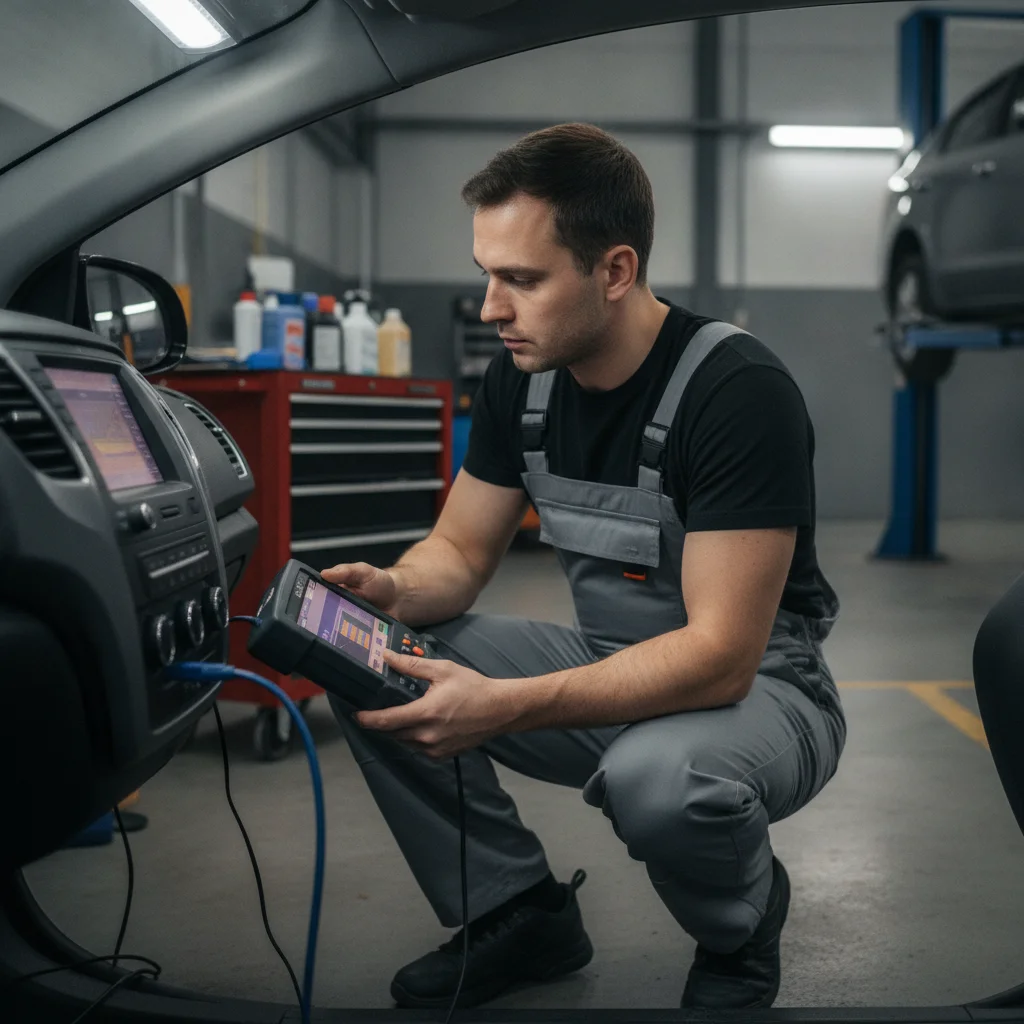
Modern engine control units (ECUs) log diagnostic trouble codes (DTCs) even when the check engine light subsequently turns off. This is called a pending or stored code. A technician with an OBD-II scanner can read these codes even days after the light disappeared, providing a clear picture of what failed or borderline component triggered the alert.
Cold-weather check engine triggers — a failing O2 sensor heater, a sticking thermostat, an EVAP leak — do not disappear because the weather warmed up. The code records the event, and the component continues to degrade. Many drivers run for months on a stored code until the issue becomes severe enough to trigger a permanent illumination — at which point the repair is almost always more extensive and expensive than it would have been at first detection.
A basic OBD-II scanner costs $25–$80 and can be used at home. Many auto parts stores will also read codes for free. There is no good reason to drive with an unread stored code in winter.
Myth
The battery light comes on in cold weather because the battery is just cold — once it warms up, the charging system will be fine.
Fact
A battery or charging system warning light indicates the alternator is not maintaining proper voltage right now. Cold accelerates battery failure but is not itself what the light is measuring.
The battery warning light monitors the electrical system's voltage, not the battery's temperature. When this light illuminates, it means the alternator output has dropped below approximately 13.5 volts — the threshold needed to keep the battery charged while the engine runs. Cold weather does not cause this by itself; it exposes a weakness that already existed in either the battery, the alternator, or the serpentine belt that drives the alternator.
A car with a healthy alternator and a good battery will start and charge normally even at 0°F. A car with a marginal battery or a slipping alternator belt may function adequately in mild weather, but cold tips it over the edge. When the battery light appears, you are often minutes away from a complete electrical system shutdown — which means power steering assist, power brakes, and all electronics failing simultaneously. Pull over safely, do not restart the engine after shutting off, and arrange for a jump-start and charging system test.
[in_content_images:1]Myth
Traction control should be turned off in snow and ice so the wheels can spin freely and get better grip.
Fact
Traction control should remain on in nearly all winter driving scenarios. Wheel spin reduces traction and control — traction control limits it to keep you pointed where you intend to go.
This myth likely originates from a misunderstanding of how traction control works and from advice about getting unstuck from deep snow, which is a specific edge case. In deep, unpacked snow, momentary wheel spin can help dig through to a more solid surface, which is why many modern vehicles offer a snow or off-road mode that relaxes traction control intervention.
However, during normal winter driving — on plowed roads, through intersections, or around corners — traction control is actively preventing loss of control. It detects wheel slip and applies targeted braking to the spinning wheel, transferring torque to the wheel with better grip. Disabling it and experiencing wheelspin during acceleration does not mean you are accelerating harder; it means your tires are wasting energy in place instead of moving the car forward.
The confusion between traction control system warnings and system faults also contributes to this myth. Drivers who see the traction control indicator flashing and interpret it as a problem may disable the system — when in fact the flashing is confirming the system is working exactly as designed.
Myth
The oil pressure light in winter just means the oil is thick and cold — it will go away once the engine warms up.
Fact
An oil pressure warning that stays on longer than 5–10 seconds after a cold start indicates a real lubrication problem. Continuing to drive risks severe engine damage within minutes.
It is true that oil viscosity increases in cold temperatures, and there can be a brief moment after a cold start where pressure builds slightly slower than normal — particularly with conventional oil in very low temperatures. But a properly specced oil for your climate will reach operating pressure within seconds of startup. A warning light that illuminates and stays on is not a viscosity issue; it is a sign that oil is not circulating under pressure through the engine.
The possible causes include: critically low oil level, a failing oil pump, a clogged oil pickup screen (often caused by sludge buildup from infrequent oil changes), or a defective oil pressure sensor. Of these, only the sensor is a false alarm. The others cause rapid engine damage. In the time it takes to drive from a cold start to your destination — even a short trip — metal-on-metal contact without lubrication can score cylinder walls, destroy bearings, and seize a crankshaft.
The correct response is to shut off the engine within seconds of seeing this light and check the oil level immediately. If the level is fine and the light still comes on at restart, do not drive the vehicle. Have it towed to a shop for diagnosis.
1 PSI
Tire pressure lost per 10°F temperature drop
This well-established physics relationship means a 30°F overnight drop can trigger the TPMS light on tires that were properly inflated the day before.
50%
Reduction in battery capacity at 0°F vs. 80°F
According to the Battery Council International, cold temperatures dramatically reduce a battery's ability to deliver current, making winter the peak season for battery failures.
$4,000–$10,000
Typical engine replacement or rebuild cost
Ignoring an oil pressure warning long enough for engine seizure can result in repair bills that exceed the value of many used vehicles.
3 years
Average car battery lifespan in cold climates
Batteries in cold-weather regions tend to fail sooner than the 4–5 year average seen in milder climates, making proactive load testing essential before winter.
Warning Lights That Are Almost Never False Alarms in Winter
While the TPMS and traction control lights have plausible innocent explanations in cold weather, several other warning lights carry no such grace period. These are the ones that deserve your immediate attention regardless of the season — but winter conditions can accelerate the underlying failures dramatically.
Oil Pressure Warning (Red Oil Can Icon)
If this red light comes on in cold weather, do not assume the thickened oil will warm up and fix the problem. Oil pressure warnings indicate that your engine is not receiving adequate lubrication — right now. In cold weather, oil does thicken, but a properly maintained engine with the correct viscosity oil for the climate will build pressure within seconds of starting. If the light stays on after 10–15 seconds of idling, shut the engine off immediately. Driving with low oil pressure — even for a few minutes — can cause catastrophic engine damage costing $3,000 to $8,000 or more to repair.
Do Not Restart After an Oil Pressure Warning
If your oil pressure light comes on and you shut off the engine to check the oil level, resist the urge to restart immediately if you cannot identify and correct the cause. Each restart without confirmed oil pressure risks additional scoring of internal engine surfaces. If the oil level is correct and the light reappears at startup, have the vehicle towed rather than driven — even a short distance.
Cold Weather Accelerates Marginal Component Failure
Components that are worn but functional in mild weather often fail completely when temperatures drop. A battery at 60% capacity, a stretched serpentine belt, or a coolant hose with a hairline crack may get you through October but fail in January. Use the pre-winter period to have aging or borderline components inspected and replaced proactively — before a cold snap forces the issue at the worst possible time.
Coolant Temperature Warning (Thermometer in Waves Icon)
Cold weather makes overheating seem counterintuitive, but a coolant leak, failed thermostat, or cracked heater core can all present with a temperature warning even in winter. A stuck-closed thermostat, for example, traps coolant in the engine block and causes rapid overheating within minutes of startup. If your temperature gauge climbs into the red or this light illuminates, pull over safely and let the engine cool completely before checking the coolant level.
Battery / Charging System Warning (Battery Icon or ALT)
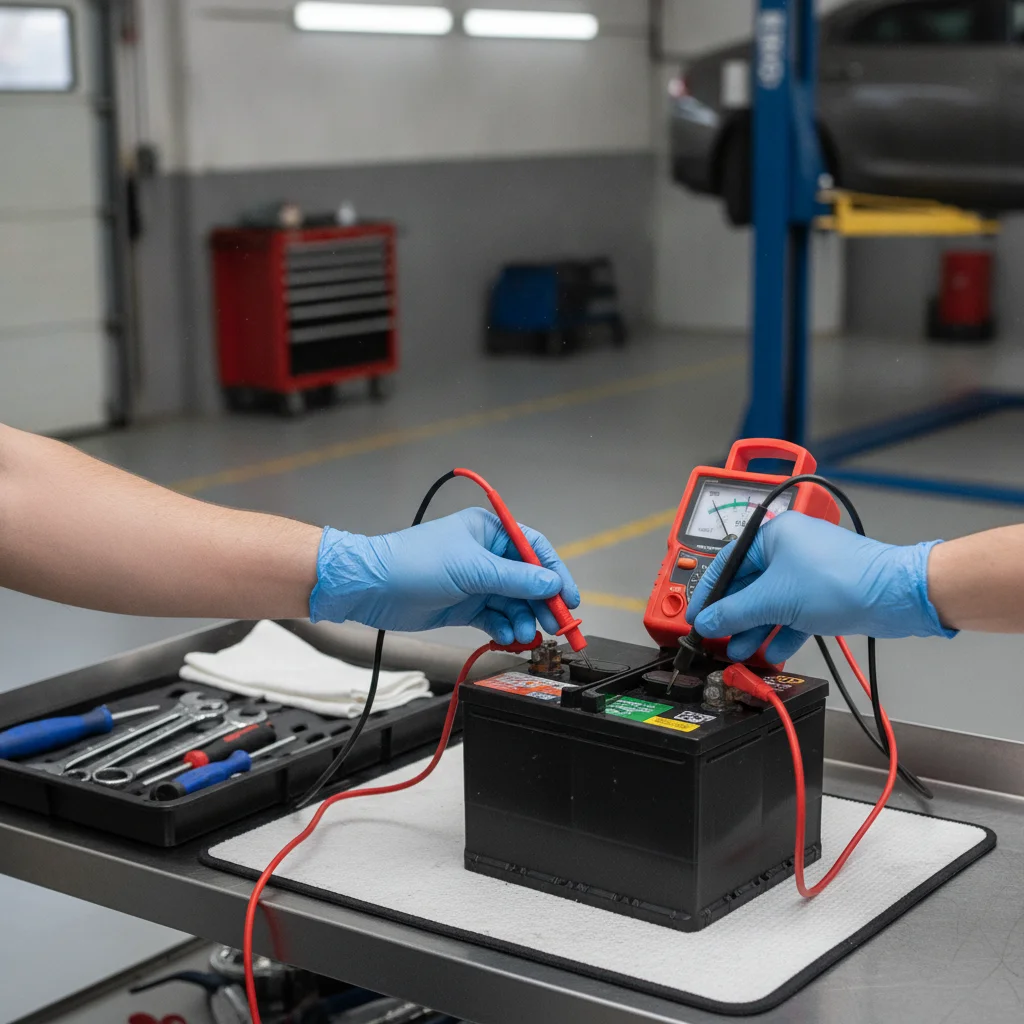
Cold temperatures are the number-one killer of marginal car batteries. A battery that was holding on through the fall may fail entirely when temperatures drop below 20°F because cold reduces a battery's ability to deliver current by up to 50 percent. The battery or charging system light tells you the alternator is not maintaining voltage — which means you may have minutes, not miles, before the car stalls. Get to a shop or call for service rather than trying to drive home and hoping for the best.
For broader guidance on how to prioritize dashboard alerts by urgency, Responding to Dashboard Alerts: When to Pull Over vs. When to Drive to a Shop walks through the full triage framework.
The Check Engine Light in Cold Weather: More Complex Than You Think
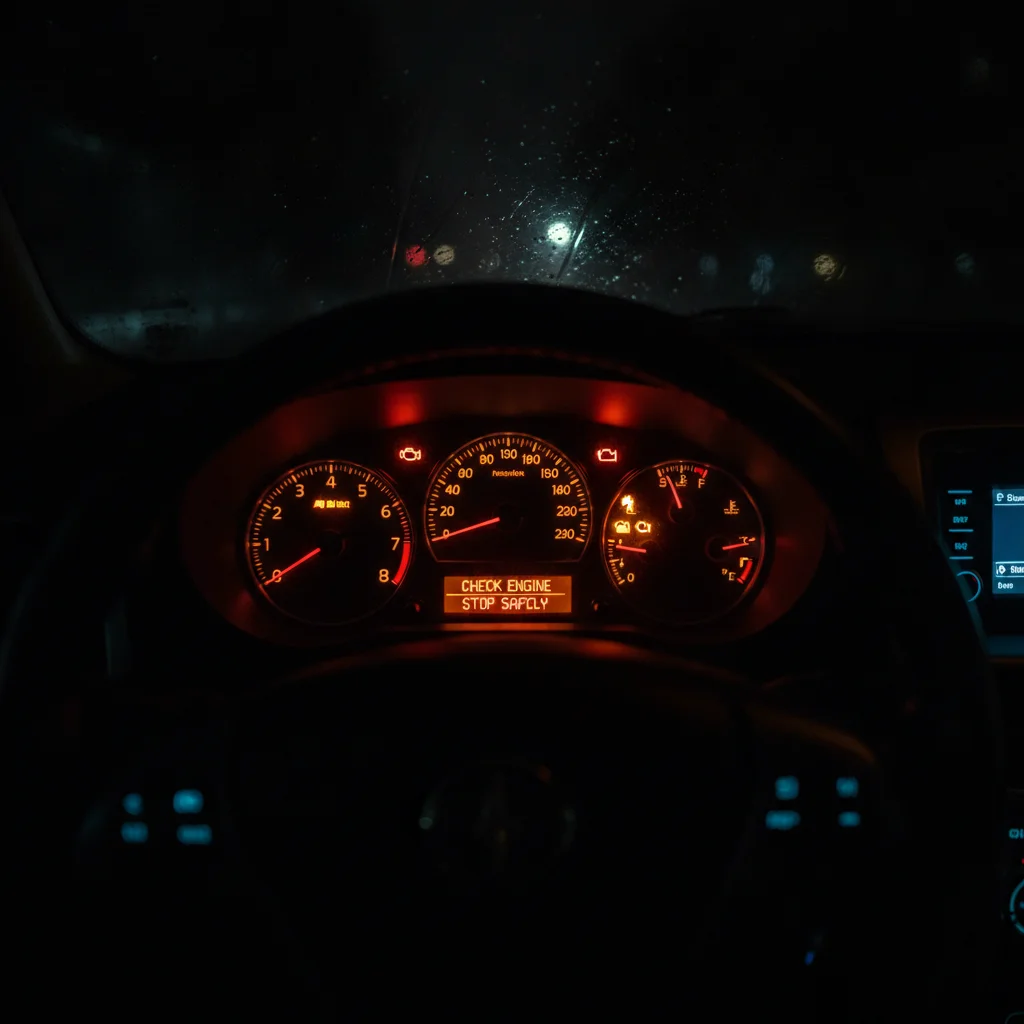
The check engine light deserves its own section because cold weather produces a specific pattern of triggers that confuses even experienced drivers. The light does not mean the same thing in February that it might mean in August.
Common Cold-Weather CEL Triggers
- Oxygen sensor faults: O2 sensors need to reach operating temperature before they give accurate readings. If the sensor heater element is failing, the car will run in open-loop (rich) mode and throw a code. Cold weather accelerates the degradation of aging sensors.
- EVAP system faults: The evaporative emission control system has pressure sensors that monitor the fuel tank. Temperature swings cause pressure fluctuations that can trip EVAP codes, particularly after rapid cooling or refueling in cold conditions.
- Thermostat faults: A thermostat that sticks open keeps the engine from reaching operating temperature. Modern ECUs monitor warm-up time, and a too-slow warm-up will set a P0128 code and illuminate the check engine light.
- Loose fuel cap: Cold makes plastic and rubber contract, and a fuel cap that sealed fine in October may develop a slight leak in January, triggering an EVAP leak code.
None of these causes are genuinely harmless. A failing O2 sensor, for instance, causes the engine to run rich — burning excess fuel, increasing emissions, and potentially damaging your catalytic converter if left uncorrected. The catalytic converter alone can cost $1,000–$2,500 to replace. Early intervention is always cheaper.
Why Your Check Engine Light Isn't the Only Warning Sign Worth Watching covers the broader landscape of warning signals your car sends — many of which don't involve the dashboard at all.
Never Ignore a Red Warning Light in Winter
Red warning lights — oil pressure, coolant temperature, battery, and brake system — indicate conditions that can cause vehicle failure or safety risk within minutes. Cold weather does not create harmless false positives for red lights the way it occasionally does for amber ones. If a red light illuminates on startup and does not extinguish within 5–10 seconds, take immediate action: pull over safely, shut off the engine if it is an oil or temperature warning, and arrange for professional diagnosis before driving further.
Building a Smart Cold-Weather Response Protocol
After years in the shop, I've settled on a simple mental filter I teach every car owner I work with. When a warning light comes on in cold weather, run through these four questions before deciding what to do:
- Is the light red or amber/yellow? Red means stop or seek help soon. Amber means investigate within a day or two.
- Does the light go off after the car warms up? If it disappears completely after 5–10 minutes of normal driving, note it and monitor it. If it comes back, get a diagnosis.
- Is the vehicle behaving differently? Warning lights paired with rough idling, unusual smells, pulling, or sluggish response are not false alarms.
- Has this light appeared before? A recurring light that self-resolves is a degrading component, not a one-time sensor glitch.
For a complete reference to every warning symbol and what it demands of you as a driver, The Complete Guide to Vehicle Warning Signs, From Dashboard to Driveway is the most thorough resource available.
If you are evaluating a used car purchase during winter months, be especially cautious about warning lights the seller claims are cold-weather false positives. Use the Dashboard Warning Lights: A Buyer's Reference Guide to know exactly what to look for during a cold-start test drive.
Preventive Steps That Reduce Winter Warning Lights
Most cold-weather warning light events are preventable with a few proactive maintenance steps taken before the first hard freeze:
- Check tire pressures in October and set them to the upper end of the manufacturer's recommended range to account for cold-month pressure loss.
- Have your battery load-tested (not just voltage-checked) if it is more than 3 years old. A load test reveals actual capacity under demand.
- Verify your coolant mixture is rated for the lowest temperatures in your region — a 50/50 mix of coolant and distilled water protects to approximately -34°F.
- Switch to a winter-weight or full-synthetic oil if your owner's manual recommends it for your climate, ensuring fast lubrication at startup.
- Inspect your fuel cap's rubber seal and replace the cap if it has hardened or cracked.
The Financial Stakes of Getting This Right
Ignoring a warning light because you assume it is cold-weather noise is one of the most expensive habits a car owner can develop. The math is straightforward: a battery test costs $0–$20 at most auto parts stores. A tow and battery replacement after a no-start runs $200–$400. An engine seized from low oil pressure costs $4,000–$10,000. The warning light is always trying to save you money — the question is whether you listen early or late.
There is also an insurance and resale dimension worth considering. Deferred maintenance that causes component failure can create gaps in mechanical breakdown coverage if you carry it, and documented neglect of warning lights can complicate claims. More practically, a car with a clean maintenance history and no unresolved codes commands significantly better resale value than one with a history of ignored alerts.
The drivers who handle warning lights best share one trait: they treat the dashboard as a communication system, not an inconvenience. When that system speaks up on a cold morning, it deserves at least a few minutes of your attention before you decide it is nothing.

All claims are backed by peer-reviewed research. Sources on request.