Key Takeaways
Summary
28 items · 45 minutes to 2 hours depending on DIY vs. shop inspection
Why Seasonal Maintenance Has a Narrowing Window
Most car problems don't announce themselves in advance. But seasonal transitions are a predictable exception — temperature swings stress the same systems in the same sequence, year after year. The driver who runs through a targeted checklist in late September or late April is playing a fundamentally different game than one who waits for a warning light or a dead battery.
This checklist is organized around the systems most affected by temperature extremes: tires, battery, fluids, brakes, visibility, and wear components like belts and hoses. It's designed to be used twice a year — once heading into winter, once heading into summer — with the understanding that about 60% of the items overlap between both transitions. Running through the full list once gives you a comprehensive baseline. Subsequent seasonal checks become faster as your awareness of each system's condition improves.
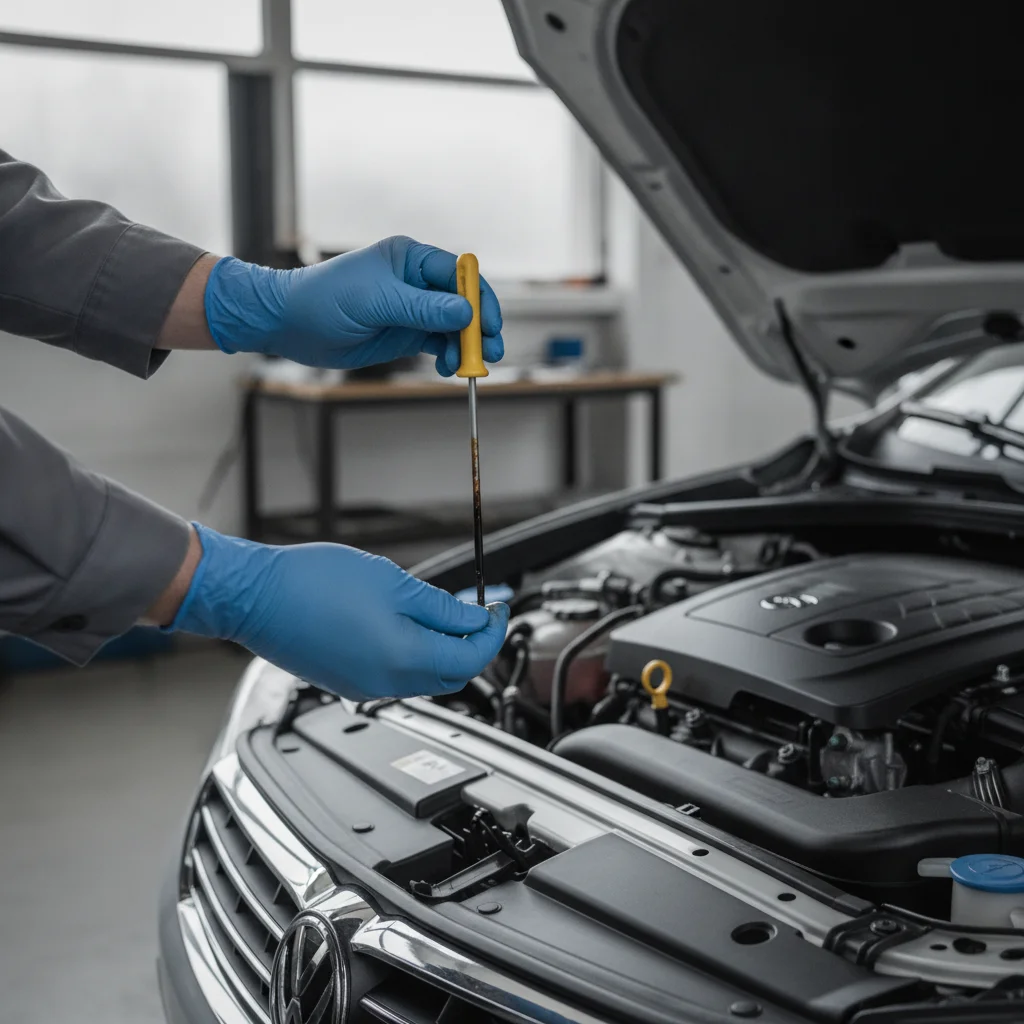
For drivers who also maintain a monthly routine, this checklist complements rather than replaces that habit. If you're not yet doing periodic checks, our monthly under-the-hood inspection guide offers a lower-stakes starting point — a quick visual scan that takes less than 15 minutes and catches issues before they compound across seasons.
The tools you'll need are modest and largely reusable. Most of the inspection steps below can be completed without lifting the car or removing components. What they require is attention and a willingness to act on what you find.
Digital Tire Pressure Gauge
Accurately measure cold tire inflation before seasonal pressure adjustment.
Battery Load Tester or Multimeter
Test battery voltage and cold-cranking amps to determine if replacement is needed before winter.
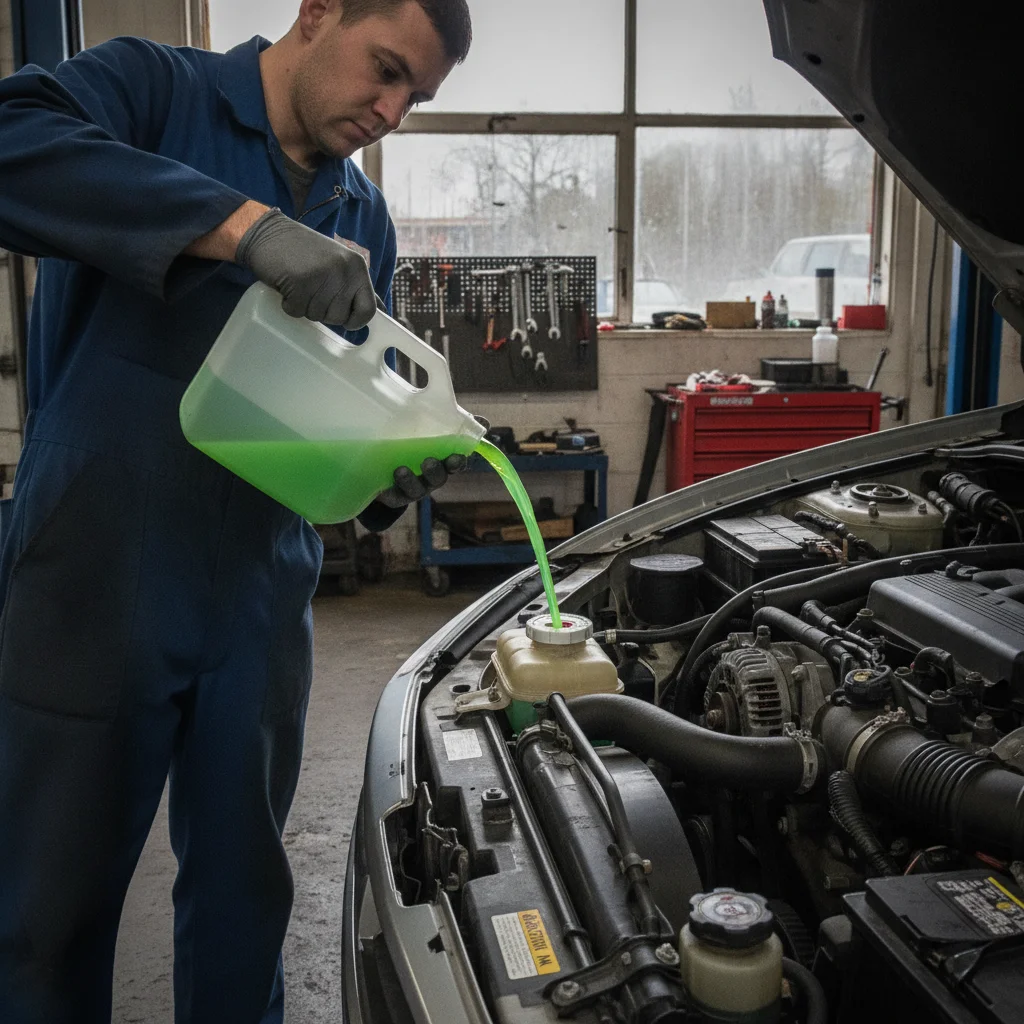
Antifreeze Refractometer or Test Strips
Verify coolant freeze-protection level is adequate for your region's minimum temperatures.
Tread Depth Gauge or Quarter Coin
Measure remaining tire tread to determine safe service life before seasonal driving begins.
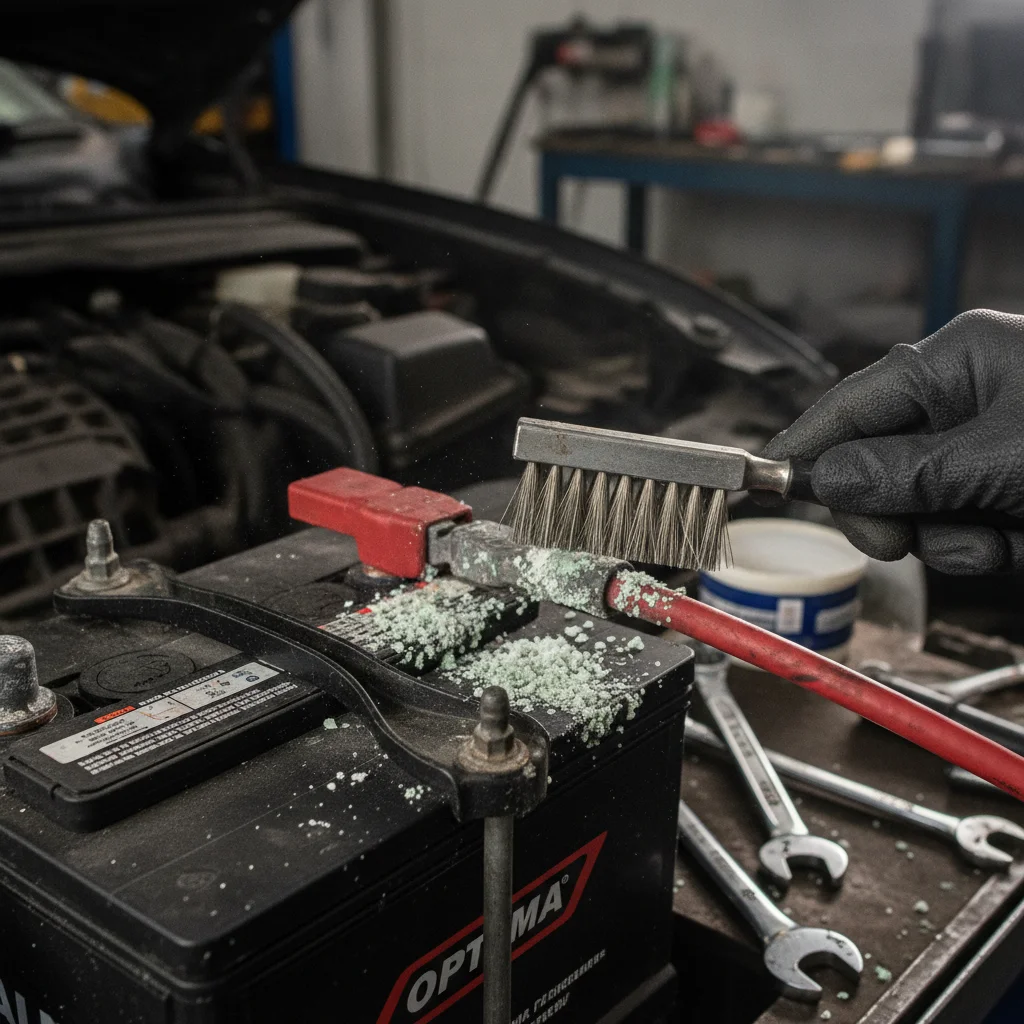
Terminal Cleaning Brush
Remove corrosion from battery terminals to ensure a reliable electrical connection.
Flashlight or Inspection Light
Illuminate undercarriage, engine bay, and tight spaces during visual inspections.
OBD-II Scanner
Read and clear stored diagnostic trouble codes that may signal sensor or system issues before seasonal stress.
Torque Wrench
Re-torque lug nuts to spec after a tire rotation or winter-tire swap.
What to Check — The Full Seasonal Prep Checklist
Work through each group systematically. If you're doing this at home, tackle tires and battery first — they're the most common failure points and take the least time to assess. Items marked must are non-negotiable before seasonal conditions arrive. Items marked should are strongly recommended and often catch the next problem before it becomes urgent. Nice-to-have items add meaningful protection if time and budget allow.
Tires & Wheels
Battery & Electrical
Fluids
Brakes & Suspension
Visibility & Safety Systems
Belts, Hoses & Filters
Don't Wait for the First Freeze
Battery failures, frozen washer fluid lines, and cracked coolant hoses tend to fail during the first hard freeze — not before it. By the time temperatures drop sharply, most auto shops are backlogged with reactive appointments. Running through this checklist 4–6 weeks before your region's typical first frost gives you lead time to source parts and schedule service without urgency pricing.
Summer Heat Is as Damaging as Winter Cold
Drivers often treat winter as the only dangerous season for mechanical failure, but sustained heat above 95°F puts comparable stress on batteries, tires, and cooling systems. Tire blowout risk rises sharply as internal air pressure climbs on hot pavement. Perform a condensed version of this checklist when transitioning into summer — particularly the tire, coolant, and battery sections.
Skipping Seasonal Checks Can Complicate Insurance Claims
If an at-fault accident occurs and an adjuster determines that bald tires or failed brakes contributed to the collision, your insurer may dispute the liability picture or question your coverage eligibility. Keeping documented service records — even basic receipts from auto parts purchases — creates a maintenance paper trail that supports your claim.
The Systems That Fail Most Often — and Why
Battery
Cold temperatures reduce a battery's ability to deliver cranking power at exactly the moment demand is highest — cold engines require more energy to turn over than warm ones. A battery that started the year at 80% capacity may drop to 50% effective output on a 10°F morning. Load testing (not just voltage testing) is the only reliable way to catch a marginal battery before it strands you.
Replace a Battery Older Than 4 Years Proactively
The average car battery lasts 3–5 years, and cold weather is its most common executioner. A battery that tests at borderline capacity in October will often fail entirely in January. If your battery is approaching or past the 4-year mark, replacement before winter — rather than waiting for a no-start event — is the most cost-effective move. Emergency roadside calls and tow fees typically exceed the cost of a new battery installed at a shop.
EV Owners Need a Parallel Seasonal Checklist
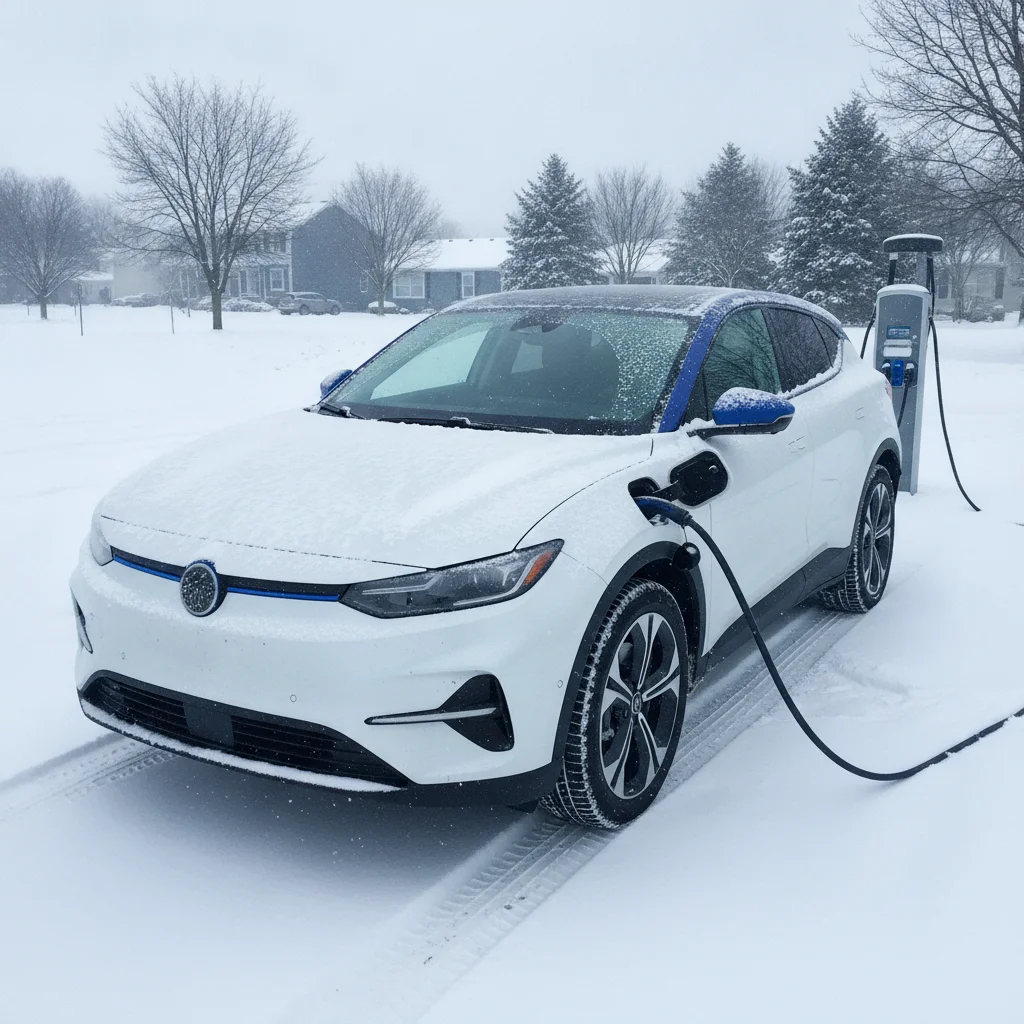
Electric vehicles don't require oil changes or serpentine belt inspections, but they have distinct seasonal vulnerabilities — particularly around battery thermal management, range reduction in cold weather, and brake regeneration behavior on slippery surfaces. The checklist above covers ICE vehicles; EV owners should treat it as a supplement to dedicated electric vehicle seasonal guidance. See our article on <a href="/electric-vehicles/ev-ownership-costs/ev-maintenance-basics/owning-an-ev-in-winter-battery-tires-and-cold-weather-upkeep">cold-weather EV ownership</a> for specific steps.
Tires
Pressure and tread are the two variables that matter most. Pressure drops naturally as temperatures fall, and underinflated tires wear faster, handle poorly on slick surfaces, and reduce fuel efficiency. Tread depth determines your tire's ability to channel water and snow away from the contact patch — below 4/32", that capacity degrades significantly.
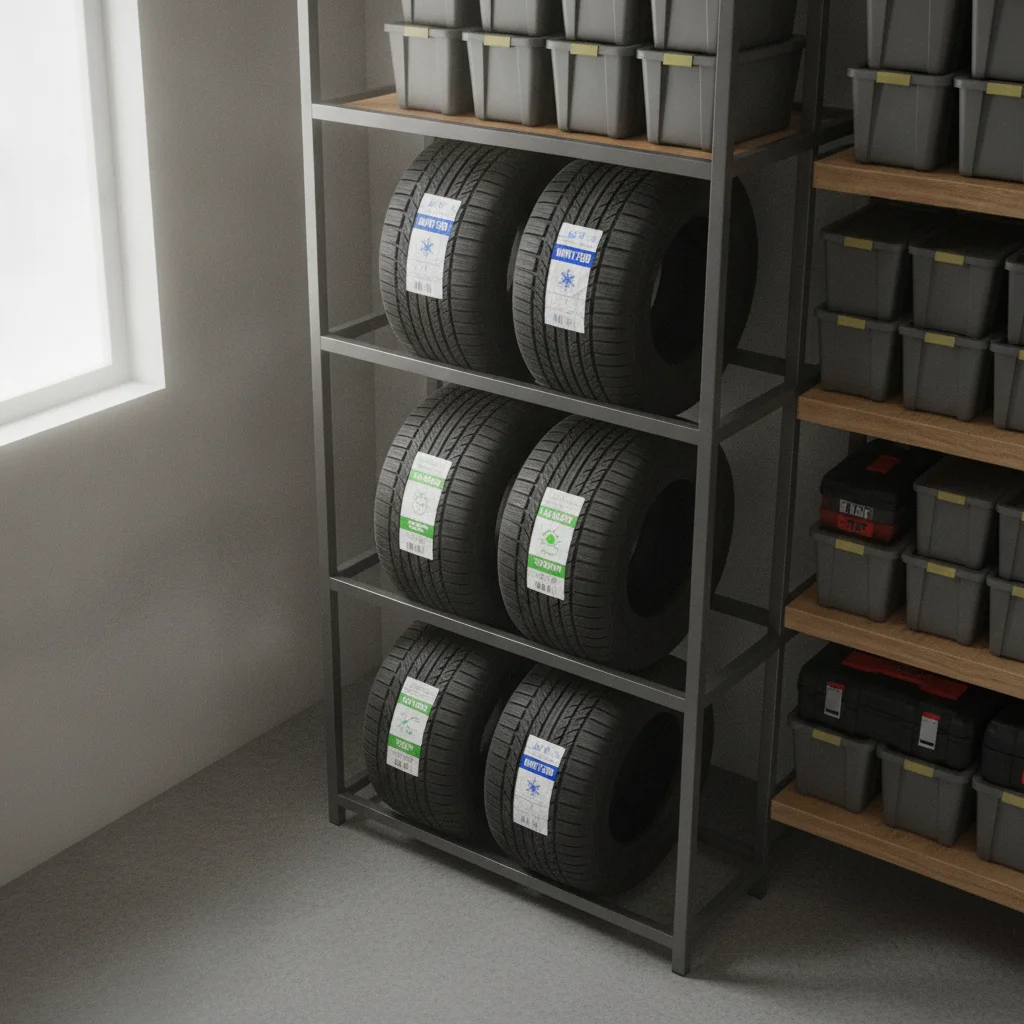
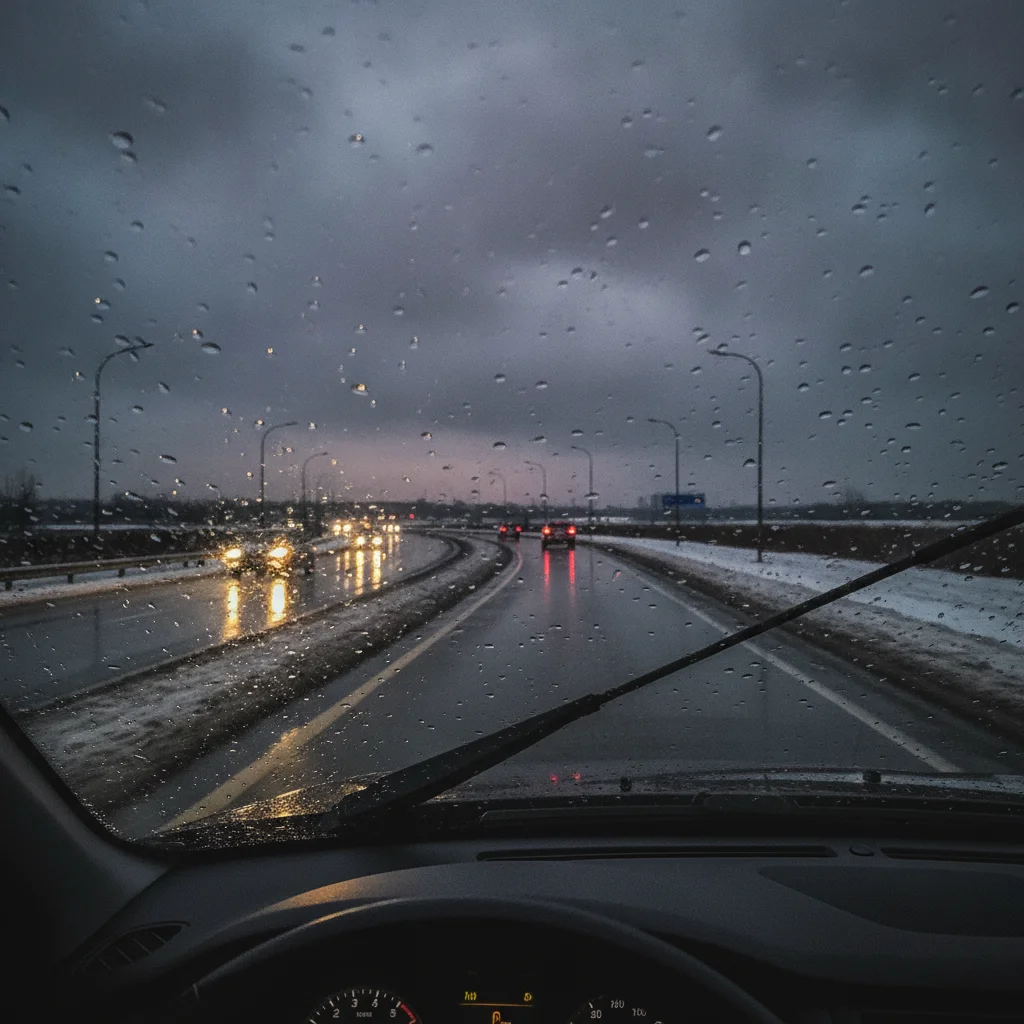
For drivers in northern states, the winter tire question deserves a serious answer. All-season tires are engineered to be adequate across a broad range of conditions, but their rubber compound hardens below 45°F — reducing grip precisely when you need it most. Dedicated winter tires use a softer compound and more aggressive sipes that remain pliable in freezing temperatures. If you routinely encounter snow, ice, or sustained sub-freezing conditions, the performance gap is real. For guidance on how slippery surfaces actually change your car's behavior, see our breakdown of driving on rain, ice, and slush.
Cooling System
Antifreeze does two jobs: it prevents the coolant from freezing in winter and prevents boiling in summer. A system with degraded coolant — whether from age, contamination, or low concentration — is at risk in both directions. The good news is testing takes two minutes with a $5 test strip. The bad news is that a cracked engine block from a frozen cooling system is a multi-thousand-dollar repair that no strip test can undo after the fact.
Preparing for Summer: Where the Checklist Shifts
The winter-to-summer transition doesn't require starting the checklist from scratch, but it does shift the priority order. Once consistent temperatures above 85°F arrive, your primary concerns become:
- Tire pressure creep: Heat expands air inside tires — a tire properly inflated at 35 PSI in cool weather may read 38–40 PSI on a hot summer day. Overinflation reduces contact patch size, which decreases grip and increases blowout risk on sun-softened pavement.
- Cooling system load: Air conditioning places significant additional load on the engine cooling system. If your coolant is marginal, summer heat combined with A/C use is when it will show the strain.
- Battery heat damage: While cold kills batteries through cranking demand, heat accelerates internal corrosion and fluid evaporation. A battery damaged by a hot summer may not survive the following winter.
- Brake fade: Extended highway driving in summer heat can cause brake fade if pads or fluid are degraded. This is particularly relevant for drivers in mountainous regions.
If you're buying a used car during a seasonal transition period, bear in mind that sellers may have deferred these checks — or performed them specifically to improve the vehicle's presentation. Our test drive and inspection guide covers what to scrutinize on a used vehicle before committing to a purchase.
Documenting Your Work — and Why It Matters
Running through a checklist matters more when you have a record of having done it. Keep a simple log — even a note in your phone with dates and mileage — of which items you checked, what you found, and what (if anything) you replaced. This documentation serves three purposes:
- Warranty protection: Most powertrain and extended warranties require documented evidence of maintenance at specified intervals. Seasonal maintenance often overlaps with those intervals.
- Insurance support: In the event of an accident where mechanical condition becomes relevant, service records are your defense against suggestions that deferred maintenance contributed to the incident. This is especially important for brake and tire condition.
- Resale value: Buyers and dealers both recognize documented maintenance history as a meaningful value signal. If you're preparing a vehicle for sale, a recent seasonal service — receipts in hand — communicates care and reduces negotiating leverage for the other side. Our pre-sale prep checklist walks through how to present that history effectively.
Finally, if your vehicle has been sitting unused for an extended period — whether stored for the off-season or simply driven infrequently — seasonal reactivation involves a few additional steps beyond standard maintenance. Dormant vehicles develop specific issues: fuel degradation, tire flat-spotting, brake corrosion, and seal drying. Our guide to reactivating a car that's been sitting covers those checks in detail.
Seasonal maintenance isn't about being a gearhead. It's about using a predictable calendar event — the changing of seasons — as a forcing function to stay ahead of the repair curve. The vehicles that deliver 150,000 or 200,000 miles of reliable service aren't the ones that got lucky. They're the ones whose owners showed up twice a year with a checklist.

All claims are backed by peer-reviewed research. Sources on request.