Key Takeaways
Why Surface Type Matters More Than You Think
Most American drivers know wet roads are more dangerous than dry ones. But the blanket instinct to "slow down when it's slippery" glosses over a more important reality: the type of slippery surface changes everything about how your car behaves and what corrective inputs actually work.
Rain, hard ice, black ice, and slush each present a distinct friction environment. Rain reduces the coefficient of friction by roughly 30–40% compared to dry pavement. Hard, compacted ice can cut friction by 80% or more. Black ice — a thin, transparent glaze that forms when moisture freezes on pavement — offers almost no grip at all. Slush sits in a complicated middle ground: it's soft enough to compress, which creates a slippery, unpredictable film, and heavy enough to push your steering wheel in unexpected directions.
Research from the AAA Foundation for Traffic Safety consistently finds that wet or icy pavement contributes to over 1.2 million crashes annually in the United States. Yet most drivers apply the same general strategy — ease off the gas, keep two hands on the wheel — regardless of the surface beneath them. That one-size-fits-all approach leaves real safety margin on the table.
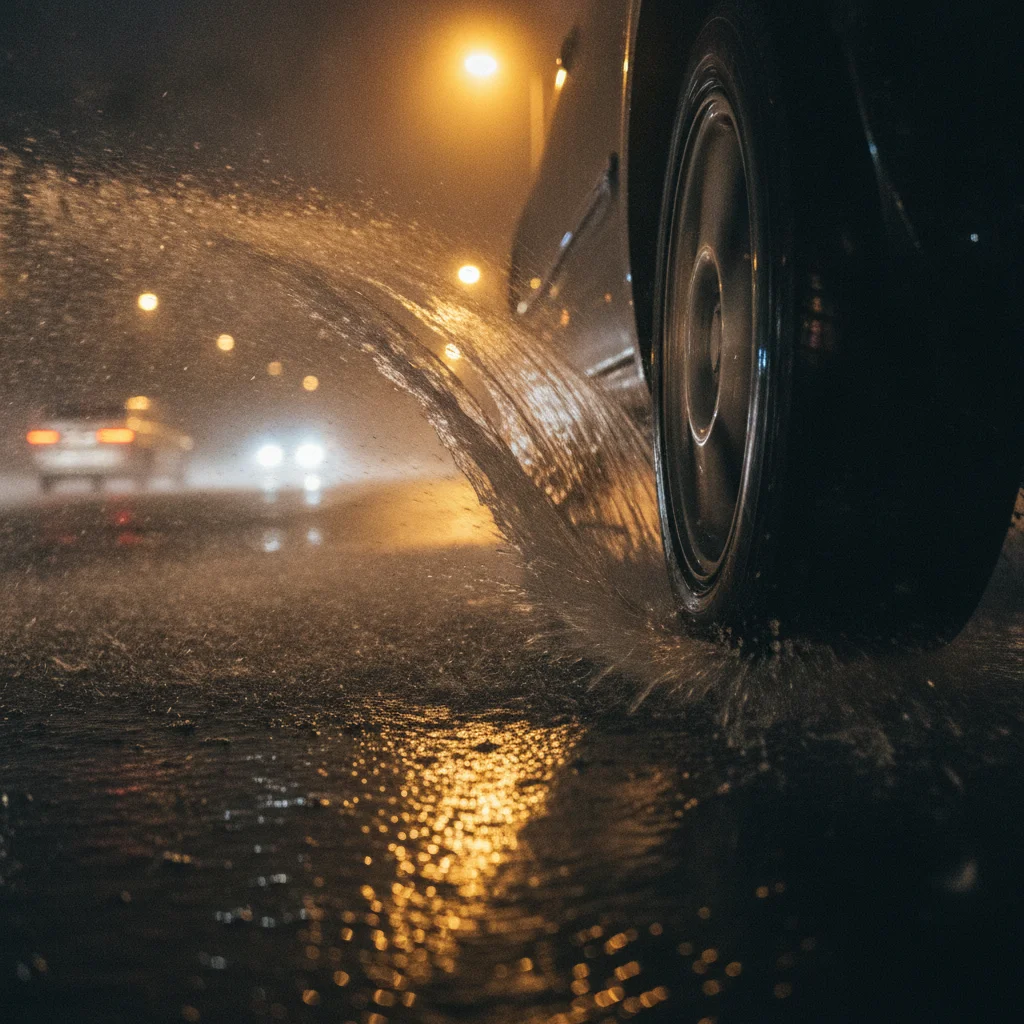
Understanding the mechanics of each surface isn't just academic. It translates directly into faster, more accurate responses when your tires start losing contact with the road. The steps in this guide walk through each major surface condition in sequence, from the most common (rain) to the most treacherous (black ice), with specific technique adjustments for each.
Before you dive in, it's worth checking your vehicle's mechanical readiness. Tire tread depth, brake pad condition, and wiper functionality all determine how much margin you have to work with in the first place. See our seasonal maintenance checklist for a full pre-weather inspection walkthrough.
What You'll Need Before Heading Out
Adjusting your driving technique is one half of the equation. The other half is making sure your vehicle is mechanically equipped to respond when you ask it to. Before driving in any adverse surface condition, verify the following:
What you will need
Winter or All-Season Tires
Provide adequate grip on cold, wet, icy, and snowy surfaces — the foundational requirement for everything else in this guide to work.
Tire Pressure Gauge
Cold temperatures reduce tire pressure by approximately 1 PSI for every 10°F drop — under-inflated tires handle and brake poorly on slippery surfaces.
Ice Scraper and Snow Brush
Ensures full windshield, rear window, and mirror visibility before departure; ice on the roof can slide forward and block vision during braking.
Portable Traction Aids (sand, cat litter, or traction boards)
Provides temporary grip under drive wheels if you become stuck on ice or in snow, enabling self-recovery without waiting for assistance.
Emergency Road Kit
Includes jumper cables, reflective triangles or flares, blanket, and basic first aid — critical if a slide or spin results in a roadside stop in cold weather.
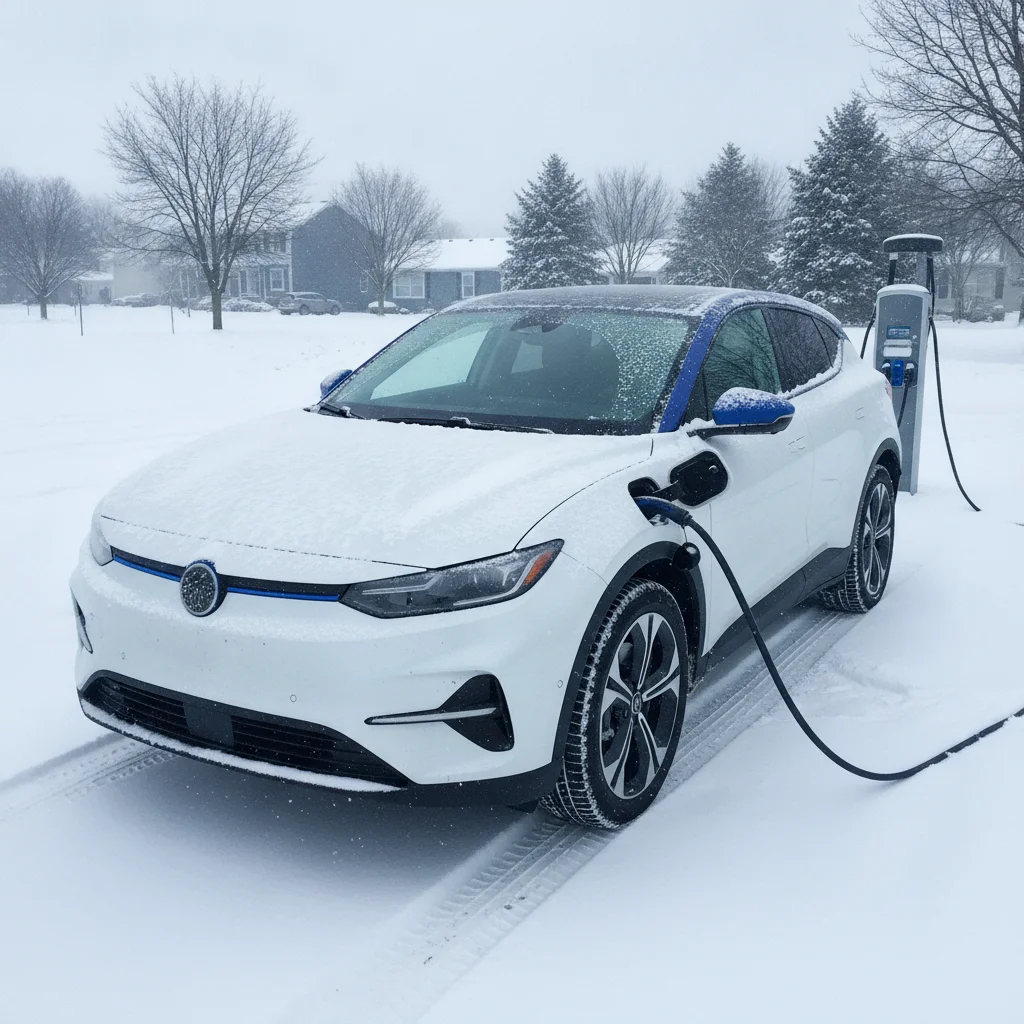
If you drive an electric vehicle, adverse weather introduces additional considerations around range reduction and regenerative braking behavior on ice. The EV winter ownership guide covers those specifically.
Step-by-Step: Adjusting Your Technique for Each Surface
The following steps move through each adverse surface condition in order of increasing technical difficulty. Each section covers what the surface does to your tires, what your car's systems will and won't do for you, and the specific adjustments that keep you in control.
Driving in Rain: Manage Speed and Hydroplaning Risk
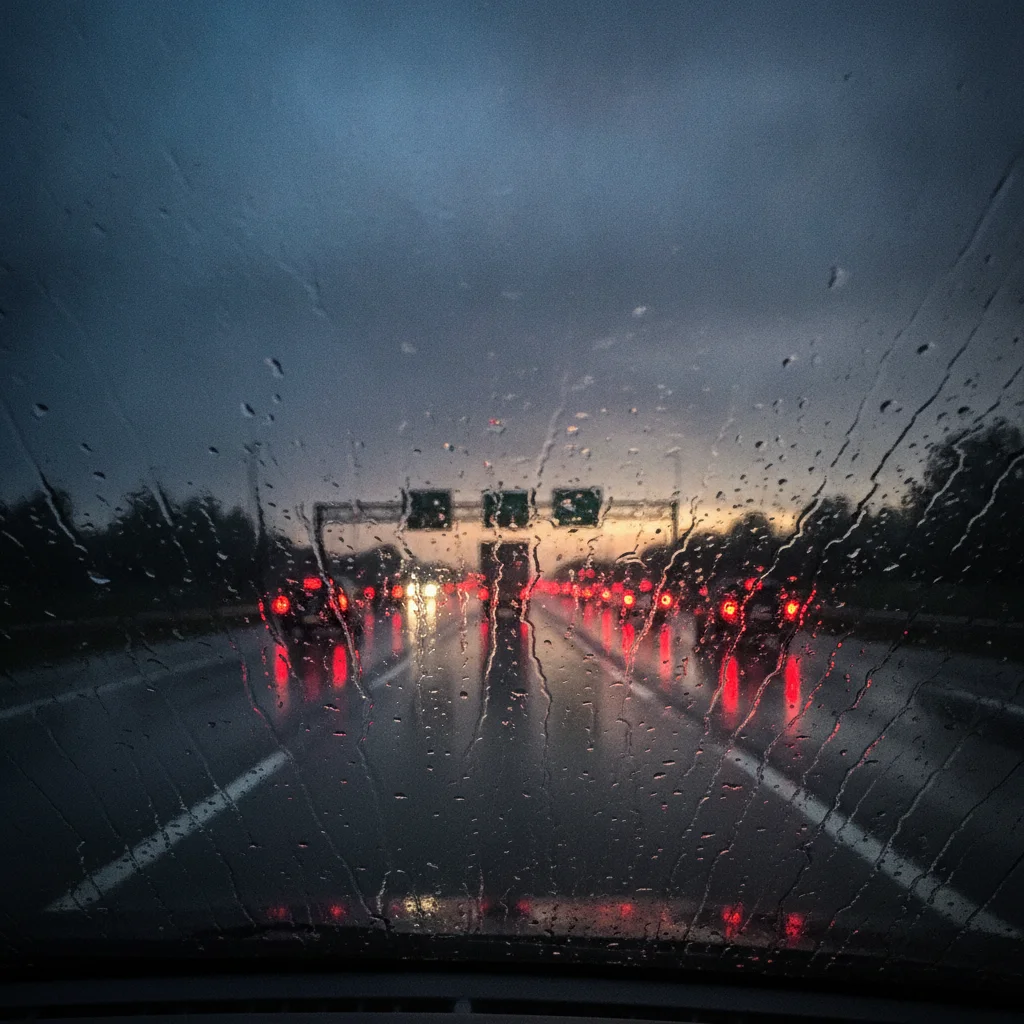
Rain is the most common adverse surface condition and the one most drivers are least careful about. Standing water and wet asphalt create a film between your tires and the road that reduces grip and, at sufficient speed, causes hydroplaning — where your tires ride on top of water rather than gripping the pavement beneath it.
- Reduce speed by 5–10 mph below the posted limit in light rain; 10–15 mph in heavy rain or standing water.
- Turn off cruise control. Cruise control cannot detect hydroplaning and will attempt to maintain speed by adding throttle, which makes a loss of control worse.
- Increase following distance to at least 4–5 seconds from the vehicle ahead (double the dry-road standard of 2–3 seconds).
- Avoid large puddles and standing water when possible. If you must pass through, slow to under 15 mph, hold your line, and apply light brake pressure afterward to dry the rotors.
- If you begin to hydroplane, ease off the throttle smoothly and hold the steering wheel straight. Do not brake hard. Let the car decelerate until tire contact is restored, then resume normal steering.
Driving in Slush: Handle Unpredictable Steering Pull
Slush — partially melted snow and ice — creates a deceptively complicated surface. Unlike uniform ice, slush is inconsistent in depth and density. Your tires may compress it in one track but ride over a firmer layer in another, generating a sudden lateral pull that can push the vehicle off its intended line.
- Slow down before entering slushy sections, not during them. Braking in slush can cause yaw — the rear of the vehicle swinging unpredictably.
- Hold the steering wheel firmly with both hands but avoid gripping too rigidly. You need to absorb sudden pull without transmitting it into an overreaction.
- Accelerate gradually out of stops. Sudden throttle causes wheelspin, which digs into slush unevenly and can twist the vehicle sideways.
- In deeper slush, maintain a steady moderate speed rather than varying it. Consistency reduces the risk of an unexpected traction change catching you off-guard.
- Be especially careful approaching intersections and turn lanes, where slush tends to accumulate in ruts from repeated braking and turning.
Driving on Hard Ice: Reduce Speed, Lengthen Every Gap
Hard, compacted ice — the type found after snow has been driven over repeatedly and temperatures have stayed below freezing — offers roughly 10–20% of the grip available on dry pavement. At this friction level, your driving margin is extremely narrow. Nearly every normal driving action — turning, braking, accelerating — must be performed at a fraction of the usual input force.
- Reduce speed dramatically. On clear ice at 25°F, a car traveling 30 mph may need 300+ feet to stop — roughly four times the dry-road stopping distance at the same speed.
- Extend following distance to 8–10 seconds or more. At 30 mph on ice, 8 seconds translates to roughly 350 feet of gap — the minimum necessary to have braking room.
- Brake in a straight line only. Braking while turning on ice transfers too much load to cause both steering and traction to fail simultaneously. Slow before a corner, not through it.
- Use engine braking as your primary deceleration tool. Lifting off the throttle reduces speed gradually without the abrupt force of brake application.
- If your vehicle begins to slide, steer gently toward your intended direction and avoid braking hard. On ice, ABS will pulse rapidly but stopping distance will still be long — patience is essential.
Driving on Black Ice: Detect It Early, React Slowly
Black ice is the most dangerous road surface a typical driver will encounter. It forms when a thin layer of moisture freezes directly on the pavement, creating a nearly transparent glaze that is extremely difficult to see and offers almost no friction — often less than 5% of dry-road grip. The correct response to black ice is counterintuitive: do as little as possible.
- Know the conditions that create black ice: temperatures between 32°F and 25°F, light mist, fog, or recent precipitation, on bridges, overpasses, shaded areas, and road sections near water. When all these factors align, assume black ice is possible.
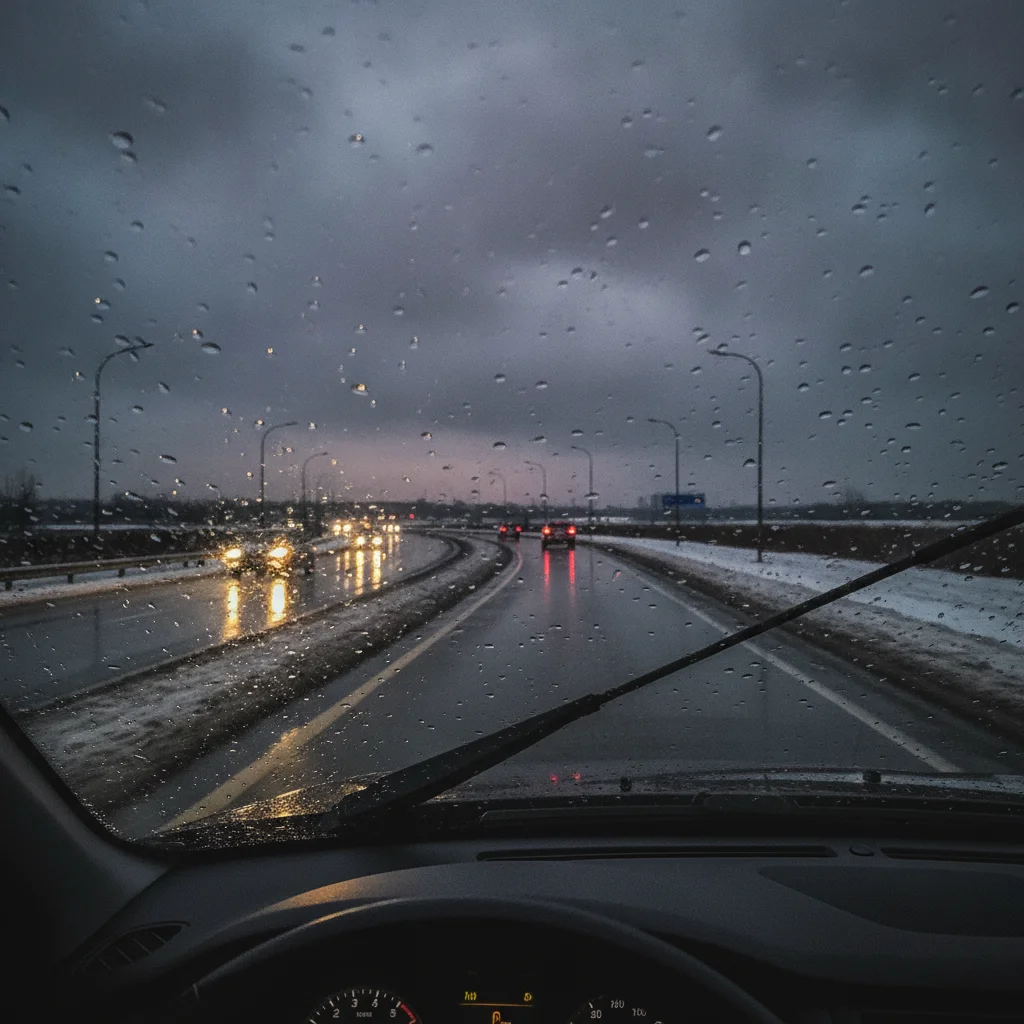
- Visual cues: Black ice gives pavement an unusually reflective, almost glassy appearance under headlights or streetlights. If the road looks shinier than normal for the conditions, treat it as a black ice warning.
- The moment you hit black ice, release the throttle smoothly and hold your steering wheel straight with minimal input. Do not brake. Do not steer sharply. Let the car pass through the patch at its current speed while you maintain your line.
- If you begin to skid, steer very gently in the direction you want to go — small, controlled inputs only. Avoid any temptation to brake, as this will almost certainly cause a full spin.
- After passing the patch, resume normal speed gradually. Transition slowly back to standard following distance — another black ice patch may be ahead.
Transitioning Between Surfaces: Managing Mixed Conditions
Real-world winter driving rarely presents a single uniform surface. A single commute may take you from wet pavement to a slushy intersection, across a black ice bridge, and onto a dry freeway on-ramp. Transitions between surfaces are where many adverse-weather crashes occur, because drivers calibrate to one condition and don't update when the surface changes.
- Treat every change in road appearance as a potential traction shift. Shaded sections, bridge decks, and intersections are the most common transition points.
- Before any surface change, reduce speed in advance — not after entering the new section. Braking on a transition zone (e.g., the junction between dry pavement and ice) causes wheels on different surfaces to lock at different rates, destabilizing the vehicle.
- Test the new surface lightly after transitioning onto it: a brief, gentle brake tap or minor steering input will tell you how much traction is available without putting you into a skid.
- Recalibrate following distance at every significant surface change. A gap that was safe on dry pavement is dangerously short if you've just crossed onto ice.
- Communicate with traffic around you. Flash hazard lights briefly when slowing significantly for an unexpected surface change, so drivers behind you get an early warning.
One factor that applies equally across every condition: following distance. Stopping distances on wet and icy roads can be two to ten times longer than on dry pavement, depending on speed and surface. Our detailed breakdown of safe following distance in rain, fog, and snow quantifies exactly how much gap you need at various speeds.
Speed Limits Assume Dry Conditions
Posted speed limits in the United States are set for normal dry-road conditions. They are not recalibrated for rain, ice, or snow. Driving at the speed limit on a wet or icy road can be legally defensible and physically reckless at the same time. In adverse conditions, appropriate speed is determined by the surface — not the sign.
All-Wheel Drive Does Not Improve Braking
AWD and 4WD systems distribute power to improve acceleration traction on slippery surfaces. They provide no braking advantage whatsoever. On ice, an AWD vehicle's stopping distance is identical to a comparable two-wheel-drive vehicle with the same tires. The widespread belief that AWD makes winter driving safe at normal speeds is a major contributor to SUV and truck crashes on icy roads.
Smooth Inputs Are the Universal Rule
Across every surface condition in this guide, the common thread is the same: smooth, gradual control inputs. Abrupt braking, sharp steering, and sudden acceleration all transfer load faster than compromised tires can manage. Think of your throttle, brake, and steering as dials to turn slowly — never switches to flip. If you take one habit from this guide, make it deliberate smoothness in everything you ask of your controls.
Test Your Traction Before You Need It
Whenever you transition onto a road surface that looks questionable, find a safe opportunity to test traction at low speed before you need it in an emergency. A gentle brake application or small steering correction in a clear zone tells you exactly what the surface has to offer — and recalibrates your instincts before a real skid demands them.
Common Mistakes That Make Things Worse
Even experienced drivers fall into predictable errors when conditions deteriorate. Understanding these patterns ahead of time is one of the best forms of preparation.
Overcorrecting after a skid
The instinct to yank the wheel hard when a vehicle starts to slide is nearly universal — and almost always counterproductive. A sharp steering input during a skid transfers lateral load faster than tires can recover, often causing a secondary, more severe skid in the opposite direction. The correct input is measured and deliberate: steer gently in the direction you want to go and hold that line as traction returns.
Applying ABS braking pressure then releasing
Anti-lock braking systems are designed to be held under firm, continuous pressure. Many drivers feel the characteristic pulsing vibration through the pedal and instinctively release pressure, which defeats the system entirely. On ice or slush, this is a particularly costly mistake. Press firmly and hold — the system is working as designed.
Never Pump ABS Brakes — Hold Firm
If your vehicle has anti-lock brakes, the correct technique during emergency braking on any slippery surface is to apply firm, continuous pressure and hold it. The system will pulse the brakes automatically to prevent wheel lockup. Releasing the pedal in response to the vibration you feel through your foot disables ABS entirely and dramatically extends stopping distance. Train yourself before you need it: press hard and hold.
Black Ice Requires Inaction, Not Correction
On black ice, the safest response is often to do nothing: release the throttle gently, hold the wheel straight, and allow the car to glide through the patch at its current speed. Any steering input, braking, or acceleration on near-zero-grip ice is more likely to initiate a spin than prevent one. Reacting with control inputs is the natural instinct — and the wrong one. The time to manage black ice is before you enter the patch, by driving slowly enough that gliding through it is survivable.
Trusting all-wheel drive to stop the car
AWD and 4WD systems improve traction during acceleration and, to some extent, cornering. They do nothing for braking. An AWD vehicle on ice has exactly the same stopping distance as a two-wheel-drive vehicle on ice, assuming equal tires. The false confidence AWD creates is well-documented in crash research and is a meaningful factor in winter-weather accidents among SUV and truck drivers.
Underestimating the speed of black ice onset
Black ice typically forms rapidly, in narrow temperature bands, often overnight or in the early morning hours when bridge decks, overpasses, and shaded road sections cool faster than surrounding pavement. Drivers who don't recognize environmental cues — temperature dropping below 35°F, light mist or fog, road surfaces that appear unusually shiny — often enter a black ice patch at full cruising speed. Slowing proactively when conditions are right for black ice formation is not excessive caution; it's calibrated risk management.
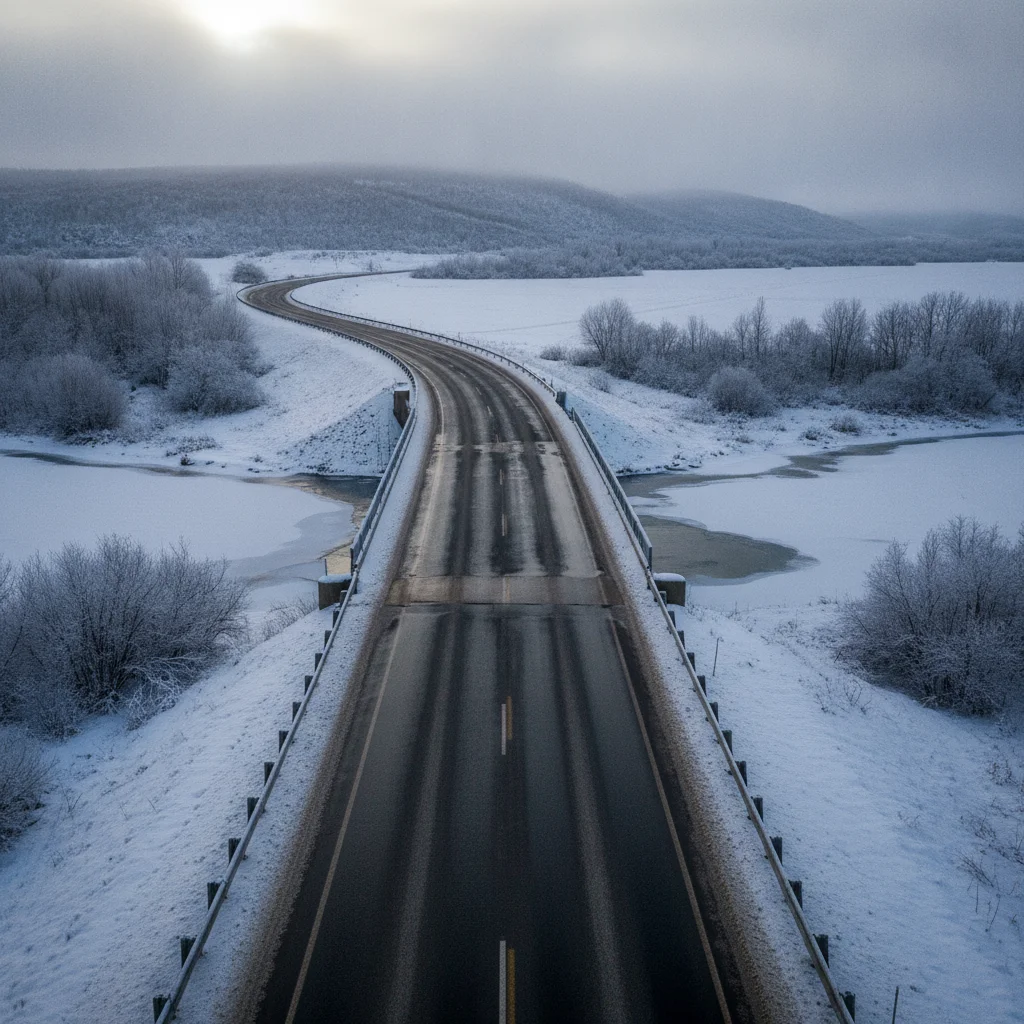
Developing the situational awareness to anticipate surface changes — not just react to them — is a skill worth deliberately building. If you're in the market for a used vehicle and want to evaluate how a car handles in varied conditions before you buy, our guide to test driving in different conditions walks through how to build a realistic evaluation route. For deeper sensory cues to notice behind the wheel, see our piece on test drive tactics.
Building Surface Awareness as a Daily Habit
The techniques in this guide are most effective when they become reflexive rather than deliberate. Building surface awareness means integrating small checks into your regular driving routine so that adjustments happen before your tires tell you something is wrong.
The pre-drive temperature check
Before getting behind the wheel in fall and winter months, glance at the outside temperature reading on your car's display or a weather app. When ambient temperatures fall below 35°F, bridge decks, overpasses, and shaded road sections are candidates for ice formation even if the main roadway looks clear. That single number should trigger a mental shift toward slower speeds and greater following distance from the moment you pull out.
Reading road surface color and texture
A dry road has a matte, slightly textured appearance under headlights. A wet road reflects light more uniformly. Ice — including black ice — creates a glassy, mirror-like sheen that is subtly different from wet pavement if you know to look for it. Slush appears as a whitish or gray mush at road edges and wheel tracks. Training yourself to notice these visual differences takes time but becomes automatic with practice.
Listening to tire noise
Tire noise provides a continuous feedback channel that most drivers tune out. On dry pavement, road noise is a consistent hiss. On wet pavement, it increases in pitch and volume as water sprays into wheel wells. On ice, tire noise drops sharply — the absence of normal road contact sound is an early warning of significantly reduced traction. If your car suddenly gets quiet on a cold road, ease off the throttle.
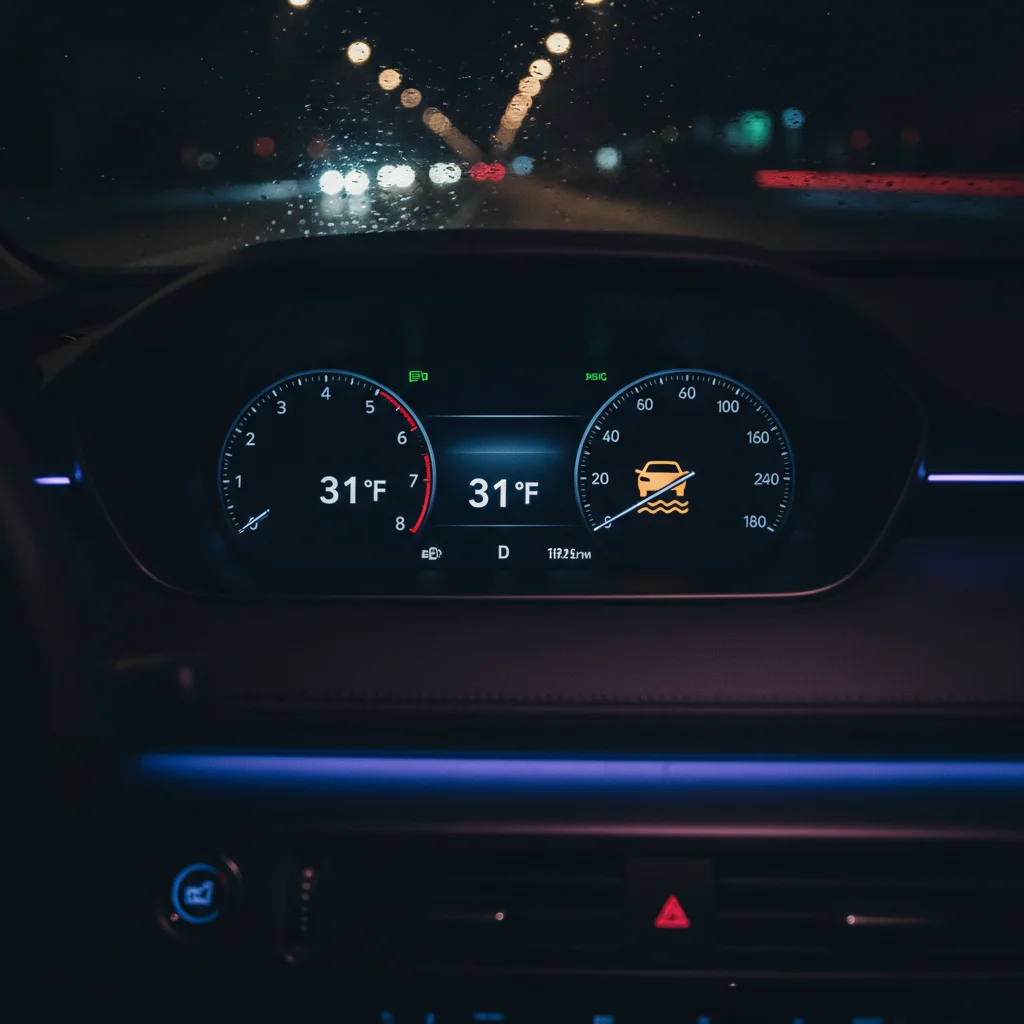
Using your vehicle's driver assist data
Many modern vehicles display real-time information about surface conditions through stability control alerts, traction control engagement indicators, or dedicated road condition warnings. Make a habit of glancing at these indicators the first few seconds after pulling onto a road, especially in adverse weather. A stability control engagement event that lasts more than a moment is a clear signal the surface is more compromised than your speed accounts for.
The Test Drives & Inspections hub is a good resource if you're evaluating how a specific vehicle's safety systems perform before you commit to buying one.

All claims are backed by peer-reviewed research. Sources on request.