Key Takeaways
Our Verdict
For the average driver with a basic tool set and a little patience, DIY repairs on oil changes, filters, brake pads, and spark plugs deliver the best savings with the lowest risk. Jobs involving sealed systems, precision torque specs, or safety-critical components like wheel bearings and timing belts are worth paying a shop for. The sweet spot is knowing the difference — and this breakdown gives you the numbers to make that call.
| Best for | Recommended |
|---|---|
| Budget-conscious drivers comfortable with basic tools | DIY on oil changes, filters, brake pads, wipers |
| Those who value convenience and warranty protection | Shop for most repairs |
| Drivers tackling precision or safety-critical work | Shop for timing belts, wheel bearings, struts |
| DIYers maximizing savings over multiple vehicles | DIY after building a core tool set |
Why the DIY vs. Shop Math Actually Matters
Most drivers assume DIY is always cheaper. It usually is — but not always by as much as you'd think, and occasionally not at all when you factor in tools, mistakes, and the time you actually spend. The question isn't whether to do it yourself in general; it's which specific jobs are worth your afternoon and which ones will cost you more in the long run.
What follows is a side-by-side cost breakdown of 10 of the most common repair and maintenance jobs, using real parts pricing from major retailers and national shop rate averages. Labor rates vary by region — I've used a $130/hour shop rate as a baseline, which sits close to the national average for independent shops in 2024. Dealerships typically run $20–$50 more per hour, so your savings on the DIY column could be even higher if you're comparing against dealer pricing.
Before diving in, one honest caveat: these numbers assume you don't make a costly mistake. Common DIY errors — like cross-threading a drain plug or snapping a bleeder screw — can turn a $30 oil change into a $200 repair bill. The jobs I've flagged as higher-risk deserve extra respect even when the potential savings look attractive.
The Numbers: 10 Jobs, Side by Side
These estimates cover a typical passenger car or light truck. Luxury vehicles and some imports will push shop rates and parts costs higher. The DIY column includes parts at retail pricing — you'll do slightly better buying ahead of sales or using loyalty discounts at AutoZone, O'Reilly, or RockAuto.
| Repair Job | DIY Parts Cost | Shop Total (Parts + Labor) | Estimated Savings | DIY Difficulty | |
|---|---|---|---|---|---|
| Oil & Filter Change | $35–$55 | $70–$120 | $30–$65 | Easy | |
| Engine Air Filter | $15–$25 | $40–$65 | $25–$40 | Very Easy | |
| Cabin Air Filter | $15–$30 | $50–$80 | $35–$50 | Very Easy | |
| Wiper Blades | $15–$30 | $30–$60 | $15–$30 | Very Easy | |
| Brake Pads (per axle) | $30–$60 | $150–$300 | $100–$250 | Moderate | |
| Spark Plugs (4-cyl) | $20–$60 | $100–$200 | $70–$150 | Easy–Moderate | |
| Battery Replacement | $100–$200 | $180–$300 | $60–$120 | Easy (mostly) | |
| Serpentine Belt | $25–$60 | $100–$200 | $60–$150 | Moderate | |
| Thermostat | $15–$40 | $150–$350 | $100–$300 | Moderate–Hard | |
| Timing Belt Kit | $100–$300 | $500–$1,200 | $300–$900 | Expert Only |
A few things stand out immediately. Brake pads and spark plugs are where DIY delivers the most dramatic savings. Oil changes look modest on paper but add up fast when you're doing them three to four times a year. And if you have a cabin air filter that your shop charges $60 to swap in five minutes, doing it yourself is practically free.
$130/hr
Average independent shop labor rate
AAA's 2023 auto repair report places the national average for independent shops between $110–$150 per hour, with dealerships running higher.
$1,986
Average annual vehicle maintenance cost per driver
AAA's 2023 Your Driving Costs study estimated average maintenance and repair costs for a typical new vehicle owner over a full year.
40%
Share of shop bill that is labor
Industry estimates consistently show labor accounts for 40–60% of most routine maintenance repair orders at independent shops.
$800
Estimated DIY savings per year (moderate involvement)
A driver handling oil changes, filters, brake pads, and wipers themselves — based on average shop rates vs. retail parts pricing.
Jobs Worth Doing Yourself (Low Risk, High Return)
Oil and Filter Change
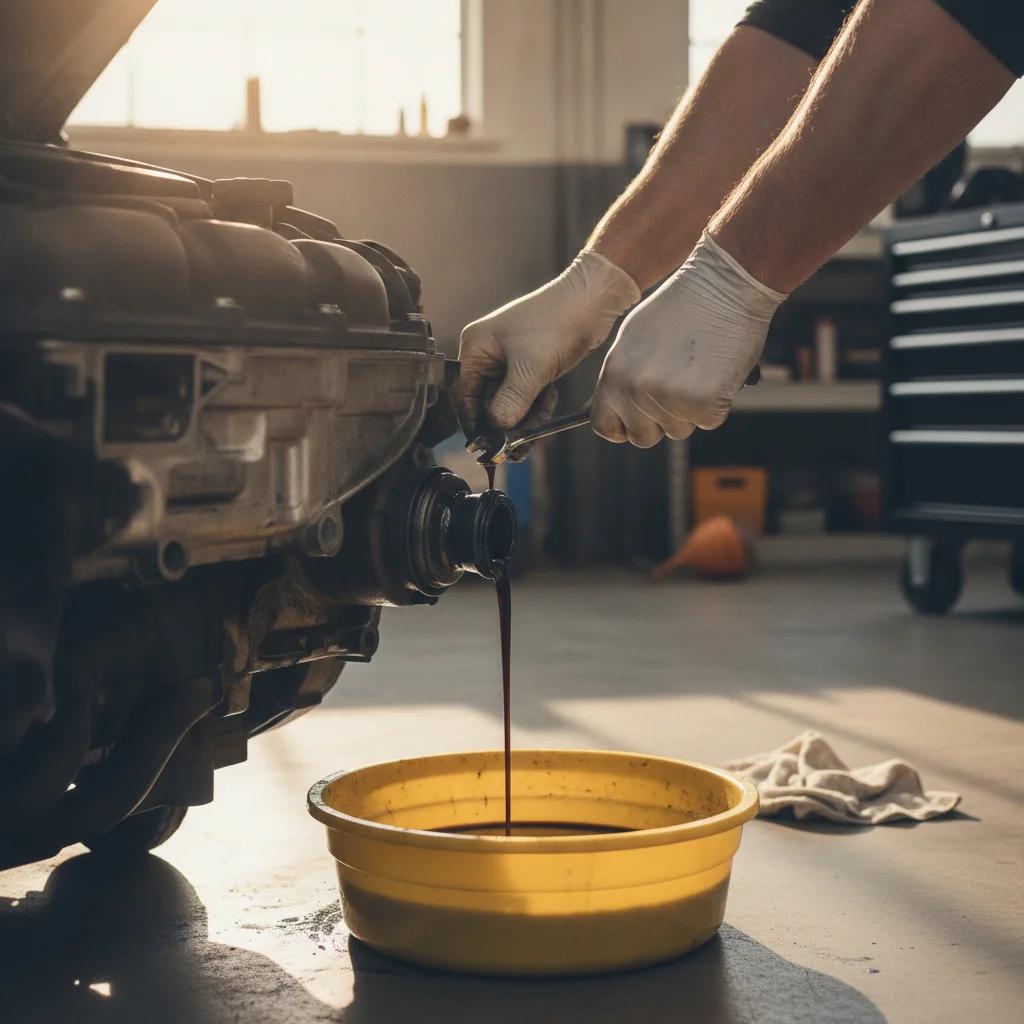
This is the gateway DIY repair for a reason. The job itself is straightforward: drain the old oil, swap the filter, refill with fresh oil. A quality synthetic oil and OEM-spec filter run $35–$55 depending on your engine size. A quick lube shop charges $70–$120 for the same service. You save $30–$65 per visit, which is $90–$260 per year if you're on a three-change schedule. Get the full picture before you drain that first quart — including why disposal and torque specs matter more than most guides admit.
Air Filter (Engine and Cabin)
Engine air filters cost $15–$25 and take under 10 minutes to swap. Shops typically charge $40–$60 for the part and a service fee. Cabin air filters are even easier on most vehicles — pop open the glove box, slide out the old one, slide in the new one. Shops sometimes charge $50–$80 for this because they know most people don't realize how simple it is. Do both yourself and pocket the difference.
Wiper Blades
This barely qualifies as a repair, but shops and dealers routinely charge $30–$60 installed for blades that cost $15–$30 at any auto parts store. The packaging includes instructions. There's no reason to pay labor for this one.
Brake Pads
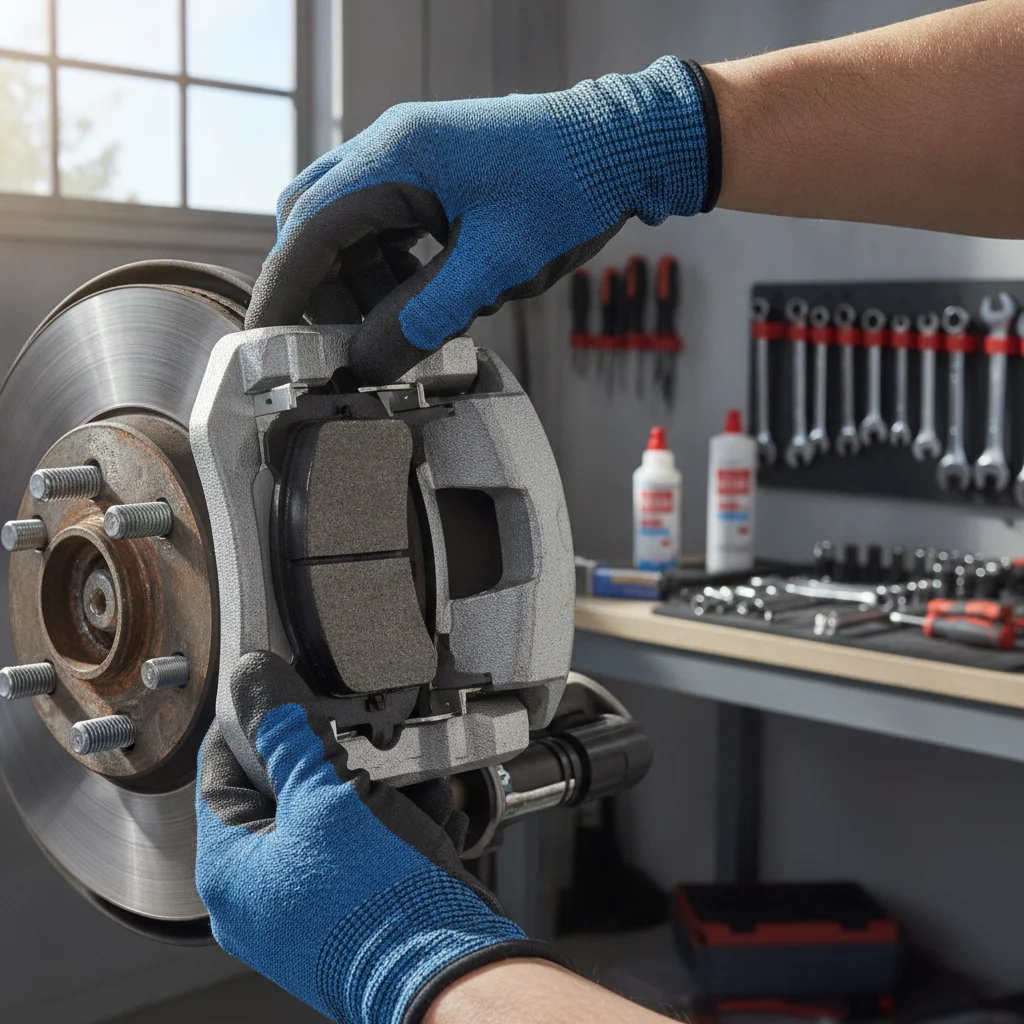
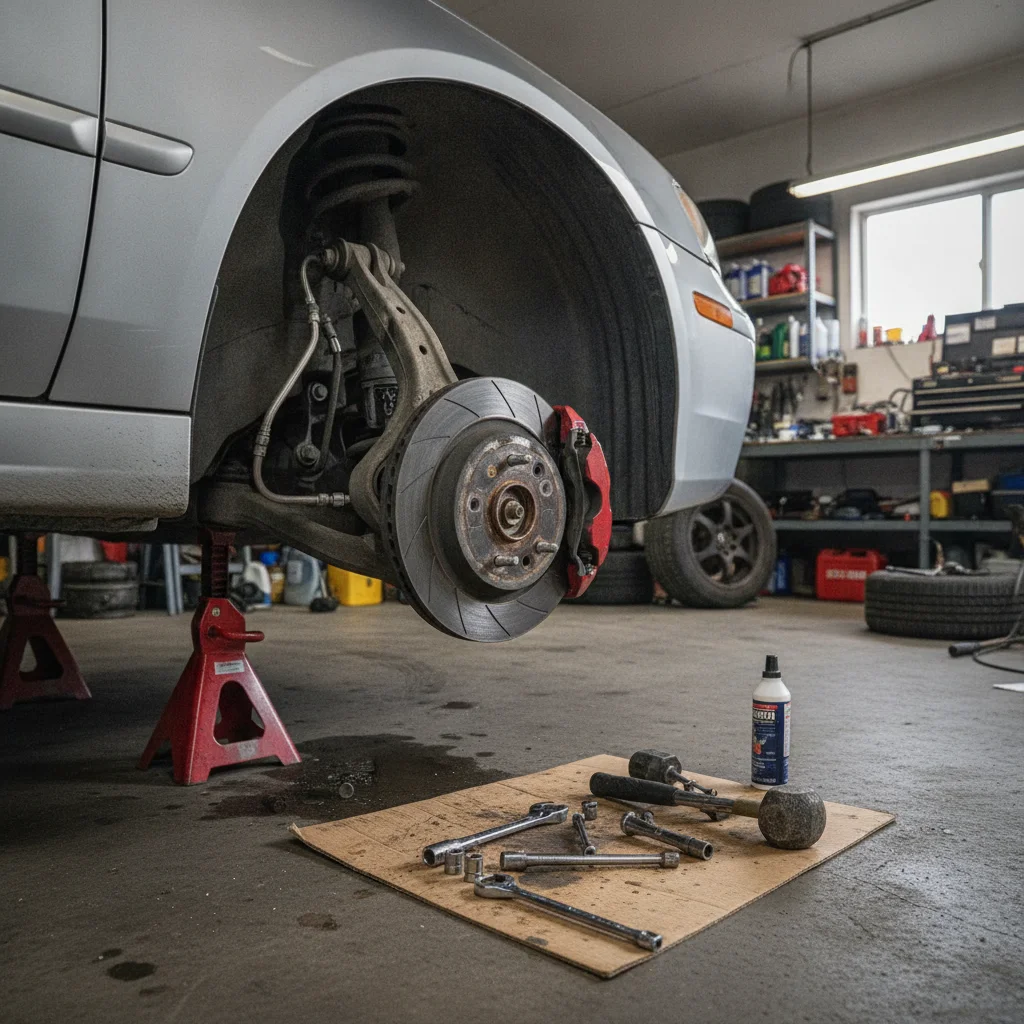
Brake pads are the most valuable DIY job on this list from a pure dollar standpoint. A set of quality pads runs $30–$60 per axle. Shops charge $150–$300 per axle including labor. That's a potential $100–$250 in savings per axle, and most vehicles need pads on at least two axles every 30,000–50,000 miles. Replacing brake pads at home can save $150–$300 per axle — follow the step-by-step guide to do it safely the first time. You'll need a basic brake caliper tool (about $20) and a torque wrench, but those pay for themselves on the first job.
Buy the Right Brake Pad Grade
For daily drivers, ceramic brake pads are worth the extra $10–$15 per set — they produce less dust, are quieter, and last longer than standard organic pads. Avoid the cheapest semi-metallic pads on the shelf; they'll chew through rotors faster and cost you more in the next service interval. Match pad grade to how and where you drive.
Start Simple, Build Your Tool Set Gradually
Don't buy every tool before your first job. Pick one repair, buy exactly what that job needs, and build from there. After three or four jobs you'll have a core set without overspending on tools you may never use. Harbor Freight tools work fine for occasional DIY use — save the premium brands for torque-critical tools like your torque wrench.
Spark Plugs
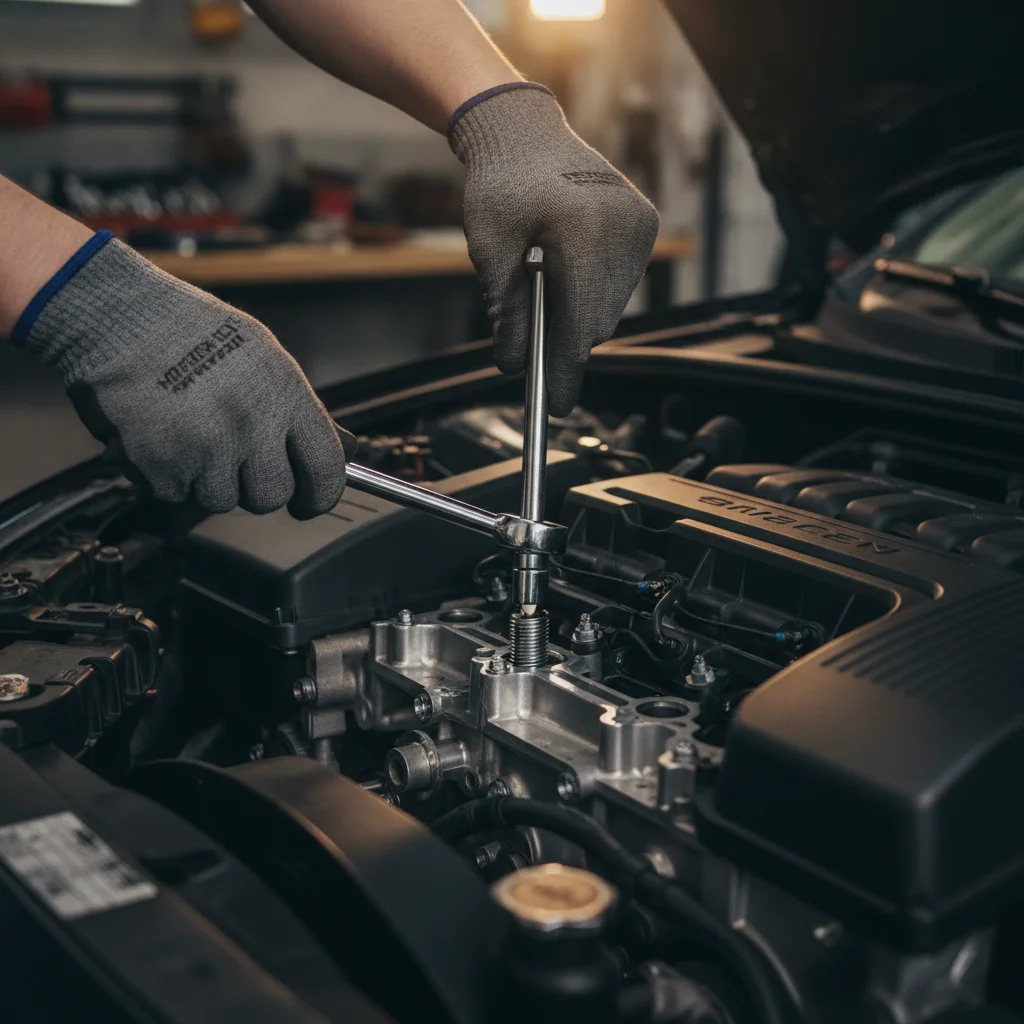
Standard copper plugs cost $3–$6 each. Iridium or platinum plugs — what most modern engines spec — run $8–$20 each. A four-cylinder needs four plugs; a V8 needs eight. Shops charge $100–$250 for a spark plug service depending on accessibility. On most four-cylinder engines the plugs are right on top and take 30 minutes. Some V6 and V8 engines have rear bank plugs that are genuinely awkward — know your engine before assuming it's easy.
Jobs That Need More Caution (Higher Risk, Still Doable)
Battery Replacement
Parts cost $100–$200 for a quality replacement battery. Shops charge $180–$300 installed. The swap itself is simple — disconnect negative first, disconnect positive, remove the hold-down bracket, lift out the old battery, reverse the process. The risk factor: some modern vehicles require a battery registration procedure through a scan tool to reset the charging strategy and stop the check engine light. If your car is a late-model BMW, Mercedes, or Audi, check whether registration is required before you buy a battery and assume you're done.
Thermostat Replacement
Thermostats cost $15–$40. Shops charge $150–$350 because labor involves draining and refilling coolant and often removing a housing or two. If you're comfortable with coolant systems and have a way to properly bleed air out of the system afterward, this is a reasonable DIY job. Skipping the bleed is how you end up with an airlock and an overheating engine — which is far more expensive than just paying the shop.
Serpentine Belt
Belts cost $25–$60. Shops charge $100–$200 including labor. The job requires releasing spring tension on the belt tensioner — easy once you've located the routing diagram (usually on a sticker under the hood or in the owner's manual). The risk here is routing the belt incorrectly, which can damage the belt or accessories within minutes of starting the engine. Double-check the routing diagram before you start and again after you're done.
Don't Skip the Torque Specs
Hand-tight is not the same as correct torque. Undertorqued wheel lug nuts can allow a wheel to loosen at speed. Overtorqued drain plugs strip threads and can crack oil pans. Always use a torque wrench on lug nuts, drain plugs, and brake caliper bolts — the spec is in your owner's manual or a free online repair database like AllData DIY or Mitchell 1.
Coil Spring Work Requires a Proper Compressor
Never use ratchet strap or improvised methods to compress a coil spring. A quality spring compressor costs $30–$80 to rent from a parts store — use it. Springs store enough energy to cause serious injury if they release uncontrolled. This is one area where cutting corners can have consequences far worse than a failed repair.
Jobs Best Left to a Shop
Timing Belt (Interference Engines)
Parts for a timing belt kit — belt, tensioner, idler pulleys, and water pump since you're already in there — run $100–$300. Shops charge $500–$1,200 depending on the engine. The savings look compelling until you factor in what happens when it goes wrong. On interference engines, a timing belt that jumps a tooth or snaps during the job will bend valves and destroy the engine. This is a job that rewards experience; a first-timer without a repair manual, the right timing tools, and genuine comfort working inside an engine bay should skip it.
Wheel Bearings
Bearings cost $50–$150 per corner. Labor charges run $200–$400 per corner because pressing bearings in and out requires a hydraulic press or specialized tools. If you do this job wrong — improperly seated bearing, cross-threaded axle nut, incorrect preload — you risk wheel separation at highway speed. This is a shop job, full stop, unless you have professional press equipment and know how to use it.
Struts and Shocks (Full Assembly)
Quick-strut assemblies that include the spring pre-assembled run $100–$200 per corner and simplify the job significantly. Labor runs $300–$600 per axle at most shops. The job is technically doable with the right tools, but compressing coil springs without a proper spring compressor is genuinely dangerous — springs store enormous energy and can cause serious injury if released suddenly. If you use a quick-strut assembly and a quality spring compressor, the risk drops considerably. If you're separating the old spring and strut yourself, the stakes go up. Run through this pre-repair checklist before starting any suspension work.
Tool Costs and the Payback Period
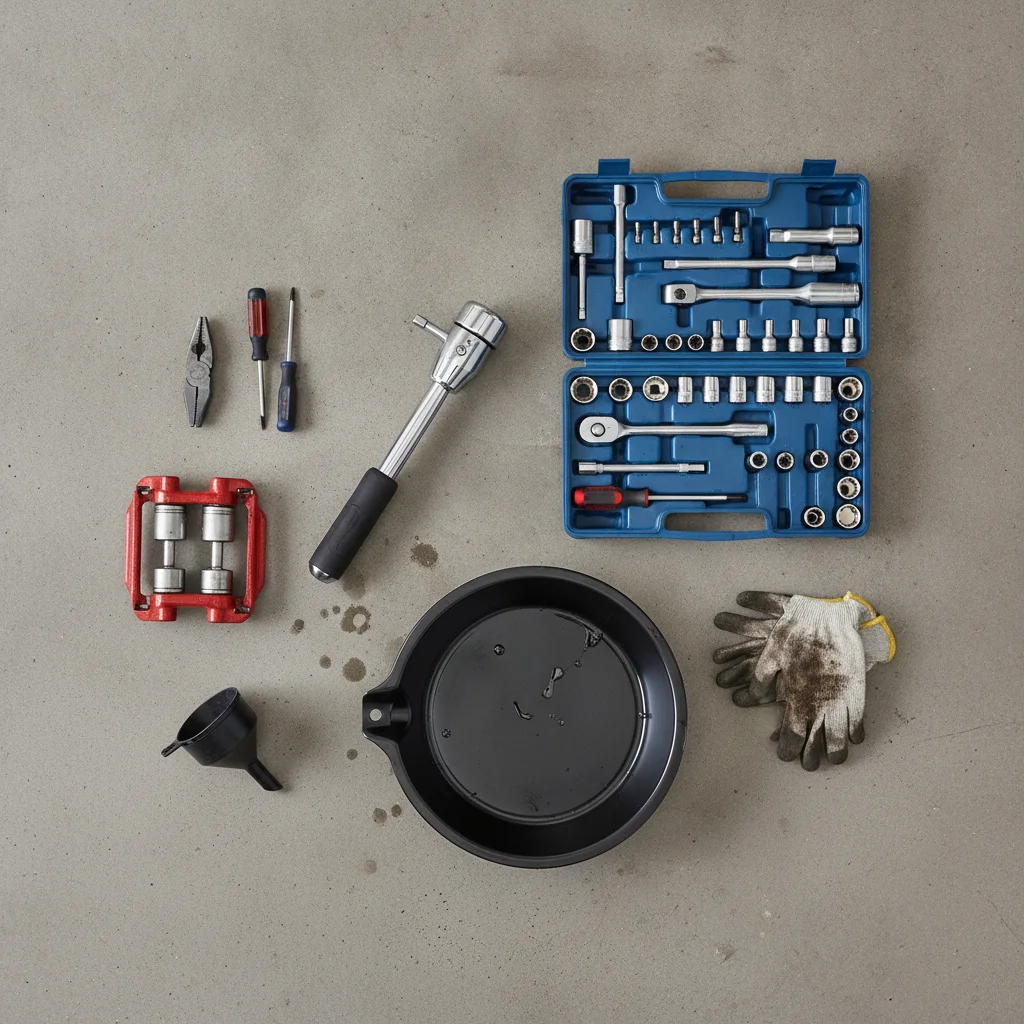
If you're starting from zero, you need to account for basic tools before the savings are real. A quality floor jack and a pair of jack stands run $80–$150 combined. A torque wrench (critical for brake and wheel jobs) costs $40–$80. A basic socket set with metric and standard coverage runs $50–$100. A drain pan and funnel for oil changes add another $15–$25.
Call it $200–$350 to be properly equipped for routine maintenance and brake work. At that investment level, you break even after two to three oil changes and one brake job — which for most drivers means the tool set pays for itself in the first year of regular use.
After that, every job is gravy. The savings compound across every vehicle you own and every year you drive. A driver who does their own oil changes, brake pads, and filters for five years on a single vehicle can realistically save $1,500–$2,500 compared to shop pricing — and that's conservative.
Buy the Right Brake Pad Grade
For daily drivers, ceramic brake pads are worth the extra $10–$15 per set — they produce less dust, are quieter, and last longer than standard organic pads. Avoid the cheapest semi-metallic pads on the shelf; they'll chew through rotors faster and cost you more in the next service interval. Match pad grade to how and where you drive.
Start Simple, Build Your Tool Set Gradually
Don't buy every tool before your first job. Pick one repair, buy exactly what that job needs, and build from there. After three or four jobs you'll have a core set without overspending on tools you may never use. Harbor Freight tools work fine for occasional DIY use — save the premium brands for torque-critical tools like your torque wrench.
One more point on resale value: DIY repairs don't hurt resale if you do them properly and keep receipts. In fact, a documented maintenance history — even one built on AutoZone receipts rather than shop invoices — tells the next buyer the car was cared for. Not all car work is equally forgiving — know which jobs to hand off before you start second-guessing every shop quote.
When the Shop Makes Sense Even If You Can DIY
Being capable of a repair and it being the right call are two different things. Here are a few situations where handing it over to a shop is the smarter move even when you know how the job works:
- Warranty considerations: If your car is still under a powertrain or bumper-to-bumper warranty, some manufacturers require documented service records. DIY oil changes done correctly won't void your warranty under the Magnuson-Moss Act, but using incorrect spec fluids or parts might give a dealer grounds to push back on a claim.
- Time pressure: A brake job that takes an experienced mechanic 45 minutes can take a first-timer three hours — longer if something goes wrong. If you need the car back on the road the same day, that math changes.
- Diagnostic complexity: If you don't know what's wrong, a shop with a professional scan tool and experienced technicians will find it faster than trial-and-error parts swapping. Diagnosis is often where DIY costs more, not less.
- Unfamiliar vehicles: The first time you work on a new-to-you car, assume everything will take longer and be slightly different than expected. There's no shame in paying for a job once to see how it's done before tackling it yourself next time.
A balanced look at whether DIY oil changes are worth it for the average driver captures this tension well — sometimes the right answer depends on your specific situation, not a universal rule.
Making Your DIY Decision Job by Job
The honest framework here is simple: match your skill level and tool access to the consequence of getting it wrong. A botched wiper blade swap costs you $20 and five minutes. A botched wheel bearing press job can cost you your life. Everything in between falls somewhere on that spectrum.
For most drivers, the sweet spot is: do your own oil changes, air filters, cabin filters, wiper blades, and brake pads. Learn spark plugs on your next tune-up interval. Consider the serpentine belt and battery if you're comfortable and have the right tools. Call the shop for timing belts, wheel bearings, and anything involving spring compression or sealed hydraulic systems.
That approach alone — sticking to the high-savings, low-risk column — can save a typical driver $400–$800 per year without putting the vehicle or themselves at serious risk. That's real money, and it's well within reach for anyone willing to spend a weekend afternoon with a torque wrench and a repair manual.
Don't Skip the Torque Specs
Hand-tight is not the same as correct torque. Undertorqued wheel lug nuts can allow a wheel to loosen at speed. Overtorqued drain plugs strip threads and can crack oil pans. Always use a torque wrench on lug nuts, drain plugs, and brake caliper bolts — the spec is in your owner's manual or a free online repair database like AllData DIY or Mitchell 1.
Coil Spring Work Requires a Proper Compressor
Never use ratchet strap or improvised methods to compress a coil spring. A quality spring compressor costs $30–$80 to rent from a parts store — use it. Springs store enough energy to cause serious injury if they release uncontrolled. This is one area where cutting corners can have consequences far worse than a failed repair.
Whatever you decide, start with the pre-repair safety checklist before any job. The numbers only work in your favor if you get the job done right the first time.

All claims are backed by peer-reviewed research. Sources on request.