Key Takeaways
Why the Post-Filing Phase Catches Drivers Off Guard
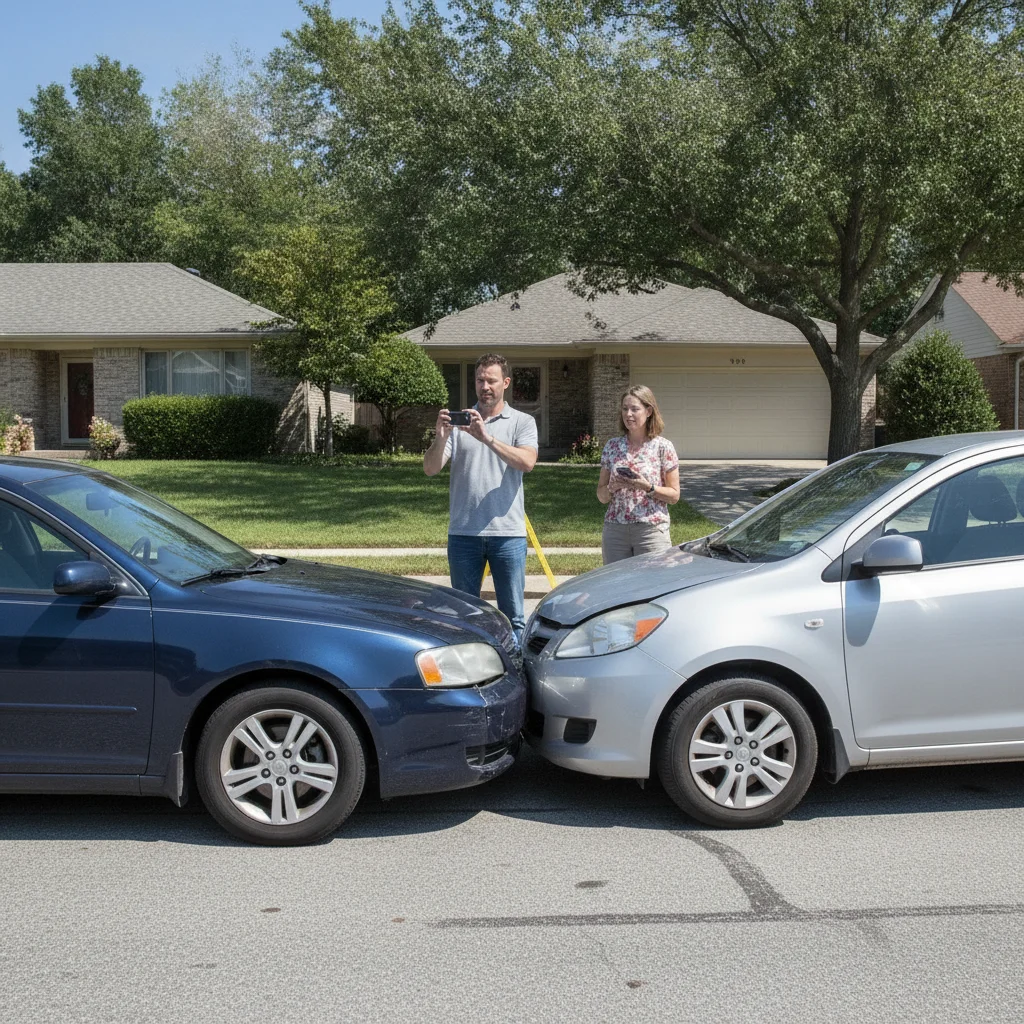
Most drivers spend their energy on the moment of filing — gathering police reports, calling the insurer hotline, submitting photos. What they're not prepared for is the stretch of days and weeks that follows. The process keeps moving whether you're paying attention or not, and gaps in knowledge cost real money.
If you're still in the earlier phase of understanding how a claim moves from initial report to resolution, our liability claim walkthrough covers the foundational steps. This guide picks up where that leaves off: the adjuster call, the vehicle inspection, the repair cycle, and the settlement conversation.
The single most important mindset shift is this — the claims process is not passive. Your insurer is working through a caseload. If you don't track your own claim, respond promptly, and push back when something seems off, delays and underpayments become significantly more likely.

What You'll Need Before the Adjuster Calls
You filed the claim. Now organize what you have before the adjuster reaches out — because that first conversation sets the tone for the whole process.
What you will need
Insurance policy documents
Confirm your coverage types, deductible amounts, rental reimbursement limits, and appraisal clause language before speaking with the adjuster.
Claim log or notebook
Track every call, email, and decision with timestamps — critical if the claim is disputed or delayed.
Insurer's mobile app
Submit photos, check claim status, and communicate with your adjuster in one place.
Vehicle valuation tools (Carfax, Autotrader, KBB)
Pull market comps if your vehicle is declared a total loss and you need to dispute the ACV offer.
Public adjuster (licensed professional)
Represents your interests in negotiating with the insurer on complex or disputed claims — especially total losses.
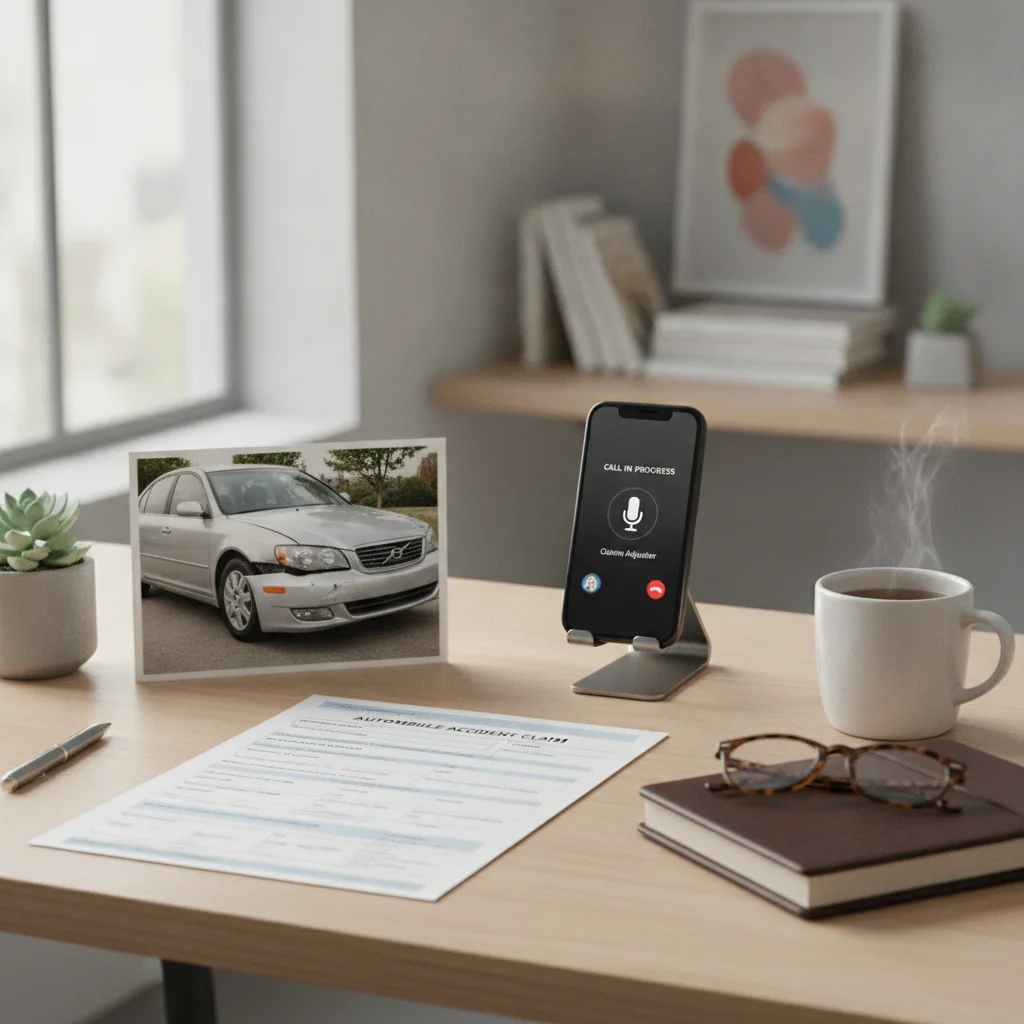
Insurers generally assign a claims adjuster within one business day of receiving your first notice of loss (FNOL). Some send an automated acknowledgment immediately; others call you directly. Either way, expect that first contact within 24–72 hours of filing on a standard claim.
If three full business days pass without contact, call your insurer's claims line — not the general customer service number — and ask for your claim number and adjuster's direct contact. Log that call with a timestamp. For a broader look at what the insurer is doing on their end during this window, see our overview of the full insurer workflow.
The Step-by-Step Claims Timeline After Filing
Here's a realistic, week-by-week breakdown of what to expect and what actions you should take at each stage.
Respond to the adjuster's first contact — fast
When your assigned adjuster calls or emails, respond within the same business day if at all possible. This first conversation establishes your recorded statement, confirms coverage, and determines next steps for inspection. Before you speak:
- Have your claim number, police report number, and the other driver's insurance info ready.
- Stick to facts — what happened, when, where. Don't speculate on fault or injuries.
- Ask the adjuster for their direct phone number and email, and confirm the best way to reach them.
Schedule your vehicle inspection promptly
Don't wait for the insurer to prompt you on this. Ask the adjuster in your first call how the inspection will be handled and request the earliest available slot. Your options are drive-in, field adjuster, or photo submission — choose based on whether the vehicle is drivable and how severe the damage appears.
If the car is at a tow yard, be aware that storage fees accumulate daily and are not always covered by your policy. Move the vehicle to a repair shop or your insurer's lot as quickly as possible.
Review the damage estimate before signing anything
Once the inspection is complete, the adjuster or shop will produce a written damage estimate. Read it line by line and compare it to what you know about the vehicle's condition. Look for:
- Missing damage items you described at filing
- OEM vs. aftermarket parts (you may have the right to request OEM under your policy)
- Labor rate accuracy — shop rates vary by region
If anything seems off, ask for clarification in writing before signing any authorization or release form.
Set up your rental car if you have coverage
If rental reimbursement is included in your policy, contact the insurer's rental desk or request a rental authorization number from your adjuster. Most major insurers have direct billing arrangements with national rental agencies — meaning you won't pay out of pocket and wait for reimbursement.
Confirm your daily limit and maximum number of days. Time-box your rental to the projected repair window. If repairs run long due to parts delays, contact your adjuster to request a coverage extension — insurers often grant these when delays are documented and out of your control.
Track the repair process and document the handoff
Once your vehicle is in the shop, check in every few days. Ask specifically:
- Has the supplement (if any) been approved by the insurer?
- Have all parts arrived?
- What is the revised completion date?
When you pick up the repaired vehicle, inspect it thoroughly before signing the repair completion form. Test drive it if possible. Note any remaining issues in writing on the form itself before you leave the lot.
Evaluate the settlement offer carefully
Whether your claim ends in a repair payout or a total loss settlement, don't treat the insurer's first number as final. For total loss claims:
- Request the valuation report the insurer used to calculate ACV.
- Pull comparable vehicle listings from at least three online sources.
- Submit your comps formally in writing, referencing your claim number.
For repair claims, confirm that the payment covers your deductible minus the agreed amount, and that any gap between the estimate and final bill has been addressed before you close out.
Storage Fees Can Accumulate Quickly
If your vehicle is towed to a storage lot after the accident, fees typically run $50–$100 per day and are often not fully covered by your policy. Move the vehicle to a repair shop or insurer facility as soon as possible after filing. Contact the tow yard immediately to understand what you're accruing and whether your insurer will pay it directly.
Recorded Statements Carry Legal Weight
The adjuster may ask for a recorded statement early in the process. You are generally not required to provide one to your own insurer immediately, and in many states, you have the right to decline a recorded statement from the other driver's insurer entirely. If you're uncertain about fault or there are injury complications, consult an attorney before agreeing to record.
For first-time claimants who want a broader orientation before diving into the timeline, our beginner claims guide is worth reading alongside this one.
Vehicle Inspections: What Form They Take and What to Watch For
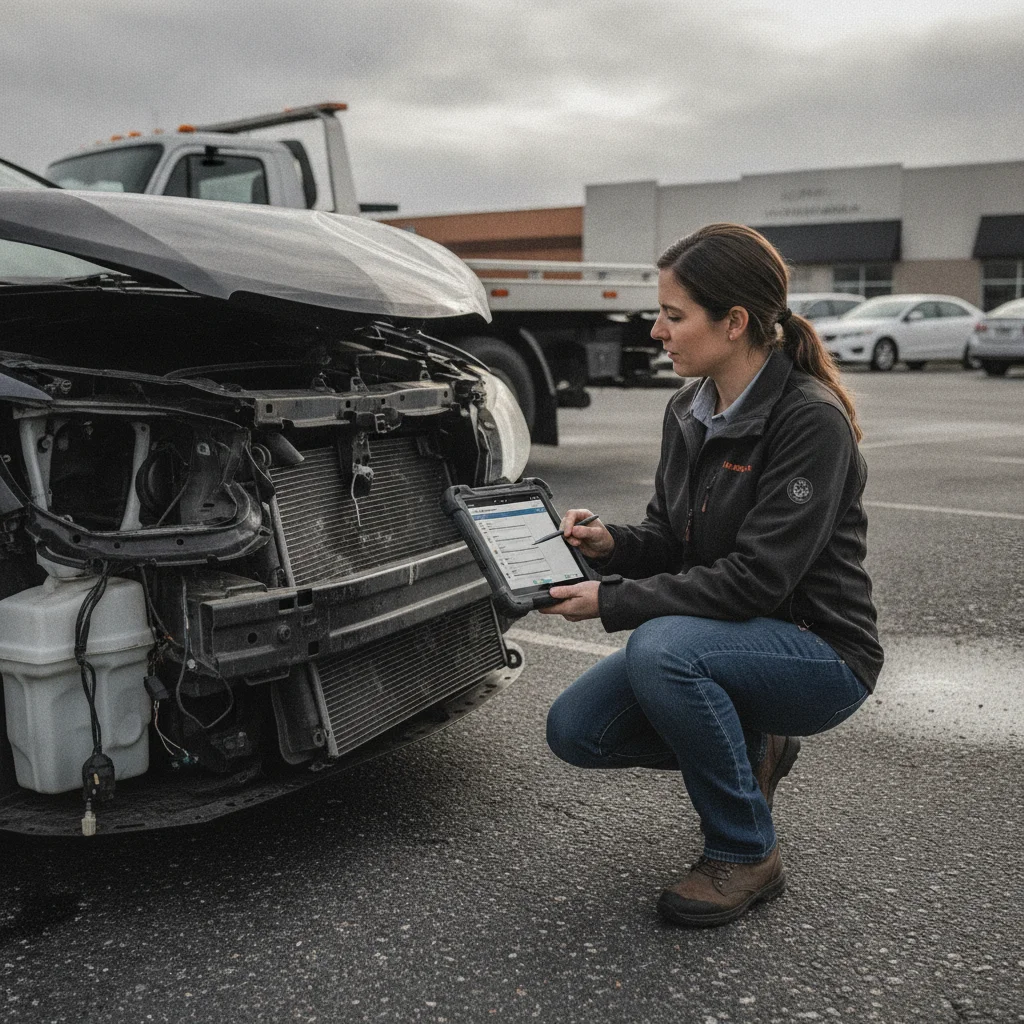
Your insurer needs to assess the damage before authorizing repairs. The method depends on damage severity, your location, and how your insurer operates.
- Drive-in inspection: You bring your drivable vehicle to an insurer-operated drive-in claims center. Fast — often same-day estimates.
- Field adjuster visit: An adjuster comes to your location if the car isn't drivable or if the damage is complex. Can take several days to schedule.
- Photo/virtual estimate: Increasingly common. You submit photos through the insurer's app. Convenient, but sometimes misses hidden structural damage.
- Shop-direct estimate: Some insurers allow a preferred repair shop to write the estimate directly and submit it. This can speed up the process considerably.
Never Sign a Release Before You're Ready
A final release document closes your claim permanently. Once signed, you waive the right to pursue additional compensation even if hidden damage is discovered or medical costs increase. If injuries are involved, do not sign any release until you have reached maximum medical improvement and your full treatment costs are known. This is one of the most costly mistakes claimants make.
Photo Estimates Can Miss Hidden Damage
Virtual and photo-based inspections are convenient, but they frequently underestimate damage. Structural issues, frame damage, and mechanical problems often aren't visible until a shop does a teardown. If your estimate was photo-based and your shop finds additional damage, insist on a full supplement review before authorizing repairs to proceed — and confirm that supplement approval won't delay your rental coverage.
Once the estimate is written, ask for a copy before authorizing any repairs. Review line items — if your shop identifies additional damage during teardown, they'll need to submit a supplement to the insurer, which is standard practice but adds time. Make sure the shop knows to communicate directly with your adjuster on any supplement approvals rather than waiting for you to relay messages.
Request OEM Parts in Writing Early
Many policies allow you to request original equipment manufacturer (OEM) parts rather than aftermarket alternatives. This matters most for newer vehicles still under manufacturer warranty. Make this request to your adjuster in writing before repair authorization — it's much harder to enforce once the shop has already ordered parts.
Keep Your Adjuster Accountable
Adjusters carry large caseloads. A polite follow-up email every few days — summarizing where things stand and asking for a status update — keeps your file at the top of their queue. Frame it as information-gathering, not pressure. Consistent, documented communication is one of the most effective tools you have.
Know Your State's Claims Timeline Laws
Most states legally require insurers to acknowledge a claim within a set number of days (often 10) and to accept or deny it within 30–45 days. If your insurer is non-responsive, these deadlines give you leverage. Check your state insurance department's website for the exact requirements in your jurisdiction.
Repairs, Rentals, and the Timeline Reality
Repair timelines are driven by three variables: the severity of damage, parts availability, and shop capacity. Your insurer does not control any of these directly — they only control how quickly they authorize payment.
| Damage Type | Typical Repair Time |
|---|---|
| Minor cosmetic (bumper, paint) | 2–5 business days |
| Moderate structural (quarter panel, frame) | 1–3 weeks |
| Airbag deployment or major collision | 3–6+ weeks |
Rental cars: If your policy includes rental reimbursement, your coverage starts when repairs begin and stops when the shop reports the vehicle is ready — not when you actually pick it up. That distinction matters. A daily cap (commonly $30–$50/day) applies. Request a rental the day repairs start, not the day the car was damaged, to preserve your coverage days.
If repairs are dragging because of shop backlog or parts delays, our guide on claim delays breaks down what causes slowdowns and how to escalate effectively.

Settlement Offers, Total Loss Determinations, and Your Options
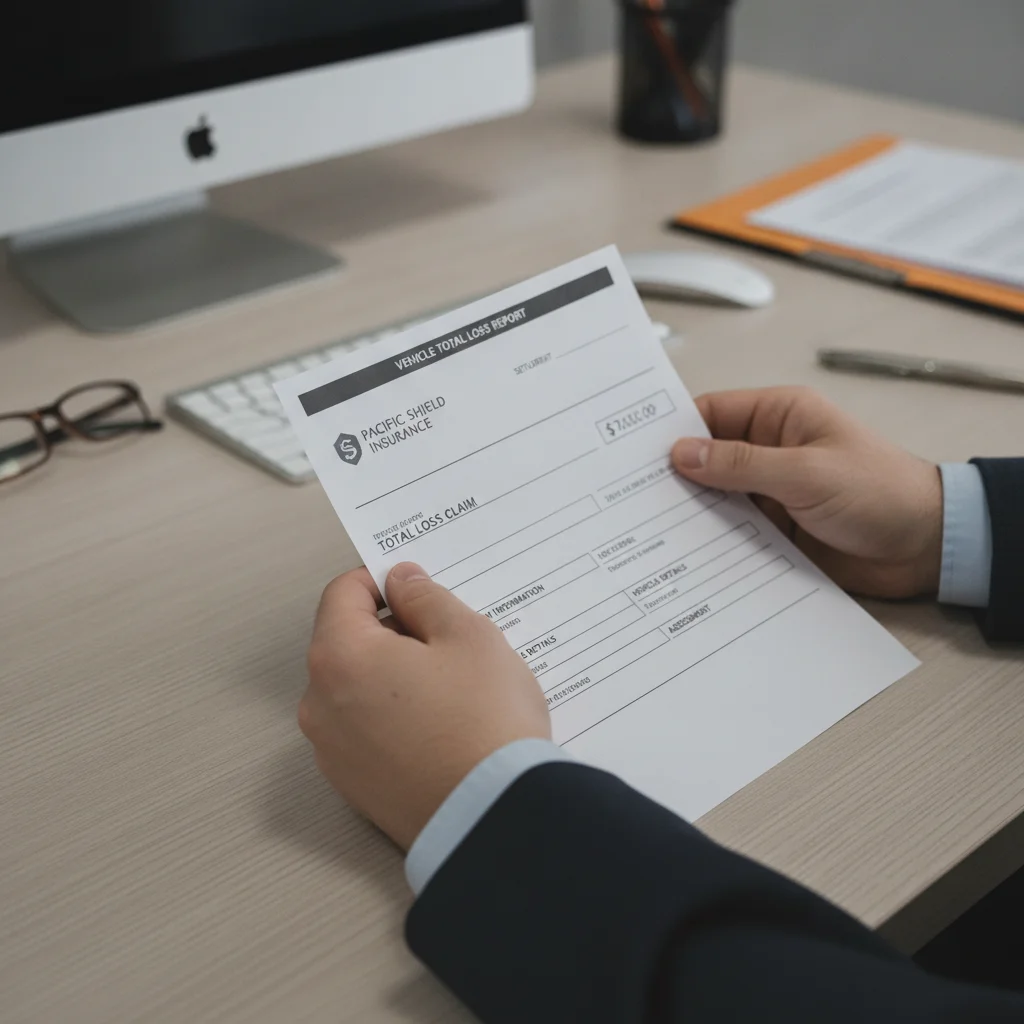
Once damage is assessed — or once repairs reveal the cost exceeds a threshold (typically 70–80% of the vehicle's actual cash value, or ACV) — the insurer will either authorize repair payment or declare a total loss.
If the car is repaired:
You'll receive payment directly to the shop if it's in an insurer-preferred network, or to you minus your deductible if you use an outside shop. Review the final repair bill against the estimate. Discrepancies should be resolved before you accept the vehicle.
If the car is a total loss:
The insurer calculates ACV based on market comps for your vehicle's year, make, model, mileage, and condition. This number is negotiable — and drivers frequently accept the first offer without realizing it. Pull your own comps from sources like Carfax, Autotrader, or local listings for identical vehicles. If your ACV offer is lower than the market supports, submit your comps in writing and formally dispute the figure.
Disputing a settlement:
If you and the insurer can't agree, your policy almost certainly includes an appraisal clause — both sides hire independent appraisers, and a neutral umpire resolves the gap. This costs money but is often worth it on larger claims. A licensed public adjuster is another option if you feel outgunned.
Never Sign a Release Before You're Ready
A final release document closes your claim permanently. Once signed, you waive the right to pursue additional compensation even if hidden damage is discovered or medical costs increase. If injuries are involved, do not sign any release until you have reached maximum medical improvement and your full treatment costs are known. This is one of the most costly mistakes claimants make.
Photo Estimates Can Miss Hidden Damage
Virtual and photo-based inspections are convenient, but they frequently underestimate damage. Structural issues, frame damage, and mechanical problems often aren't visible until a shop does a teardown. If your estimate was photo-based and your shop finds additional damage, insist on a full supplement review before authorizing repairs to proceed — and confirm that supplement approval won't delay your rental coverage.
One situation that intersects claims and legal process: if a traffic citation was issued at the scene and you're contesting it, that outcome can affect liability determination. Here's what contesting a ticket actually looks like and how to approach it strategically.
For a complete view of how a claim moves from the scene all the way through to your final check, the Filing a Claim hub is a useful reference to keep bookmarked throughout the process.

All claims are backed by peer-reviewed research. Sources on request.