Key Takeaways
Annual Registration Renewal
Annual registration renewal is the yearly process of paying your state's required fees to keep your vehicle legally registered and permitted to operate on public roads. Unlike a one-time purchase tax, registration is an ongoing obligation that you typically pay every one or two years. The amount you owe can change from year to year based on your vehicle's age, assessed value, weight, and any new fees levied by your state or municipality.
In states that use ad valorem (value-based) fee structures, your registration fee is calculated as a percentage of your vehicle's depreciated fair market value — meaning fees generally decline each year as the car ages, but only down to a statutory minimum floor.
How States Actually Calculate What You Owe
Before you can understand why your bill changes, you need to understand how it's built. Across the United States, states use one of three primary fee structures — and most bills are actually a combination of several line items stacked on top of each other.
Value-Based (Ad Valorem) Fees
Roughly a dozen states, including California, Virginia, and Georgia, tie at least part of your registration fee to your vehicle's assessed market value. Each year, the DMV looks up your car's depreciated worth — typically using a standard depreciation table rather than private-market prices — and multiplies it by a set rate. Because cars lose value each year, your fee generally falls on a predictable curve. A $40,000 pickup truck that costs $600 to register in year one might cost $400 in year three and $180 in year eight.
Flat-Fee Structures
States like Texas and Ohio charge a fixed base registration fee that doesn't change based on what your car is worth. The fee is the same whether you drive a ten-year-old economy car or a brand-new luxury SUV. This sounds simpler, but it also means you don't benefit from natural year-over-year savings the way value-based states allow.
Weight-Based Fees
Many states use vehicle weight as a primary or secondary factor. Heavier vehicles contribute more wear to roads, so the logic goes that they should pay proportionally more. A full-size pickup pays more than a compact sedan. Unlike value-based fees, weight-based fees are stable — your vehicle's curb weight doesn't change year to year, so this portion of your bill is predictable.
Hybrid Structures
Most states use a combination. A typical bill might include a flat base fee, a value-based or weight-based component, and a handful of fixed local surcharges. Understanding which elements are variable and which are fixed is the key to predicting what you'll owe next year.
For a broader view of how these annual fees accumulate over time, see our full lifetime cost of registering a car breakdown.
What Changes Every Year at Renewal
Several components of your registration bill are genuinely dynamic — they're recalculated or reassessed at each renewal cycle. Knowing which ones move, and why, helps you anticipate your bill rather than being surprised by it.
12
States using value-based registration fees
Approximately 12 states use ad valorem or value-based formulas for at least part of their vehicle registration fee, according to the National Conference of State Legislatures.
$100–$200+
Typical EV surcharge range per year
As of 2024, more than 30 states charge electric vehicle owners an annual supplemental registration fee ranging from roughly $50 to over $200 to offset lost gas-tax revenue.
30–50%
Fee drop from year 1 to year 5 (ad valorem states)
In states like California and Virginia, a new vehicle's registration fee typically declines by 30–50% within the first five years of ownership as the assessed value depreciates.
$10–$25+
Typical flat late-renewal penalty
Most states charge a flat late fee plus accruing interest for overdue registrations, with penalties often beginning the first day after the expiration date.
Vehicle Value Depreciation
In ad valorem states, this is the biggest year-over-year variable. The assessed value of your car follows a depreciation schedule set by state law, not by what Kelley Blue Book says. A car that depreciates rapidly — say, a domestic sedan — will see faster fee reductions than a vehicle that holds value well, like a truck or popular SUV. If you believe the state's assessed value is higher than your car's actual market worth, most states allow you to submit an appeal with documentation.
Local and County Levies
State DMV fees are only part of the story. Many counties and municipalities add their own transportation levies, road improvement surcharges, or transit taxes on top of the state fee. These local add-ons can change annually based on local ballot measures or budget cycles. In high-growth metro areas, you might see new infrastructure surcharges appear on your renewal bill with little advance notice.
State Legislature Changes
Lawmakers can and do adjust registration fee schedules. When a state needs to fund road repairs or bridge maintenance, registration fees are a politically straightforward revenue source. Sometimes the change is a small flat increase; other times it's a restructuring of the entire fee formula. The 2021–2023 infrastructure spending wave prompted several states to revisit their motor vehicle fee schedules.
EV and Hybrid Surcharges
Electric and hybrid vehicles are increasingly subject to supplemental registration fees designed to offset the gas-tax revenue those vehicles don't generate. These fees are relatively new and still evolving; several states have increased them as EV adoption has grown. If you drive an EV or plug-in hybrid, expect this line item to be one of the most variable parts of your renewal bill going forward.
“The registration fee you paid last year is not a reliable predictor of what you'll owe next year — especially in states that layer local levies on top of state formulas. Drivers who don't understand how their fee is built often absorb costs they could have planned for or avoided entirely.”
— Titania Reyes, Former State DMV Policy Analyst and Motor Vehicle Fee Research Consultant
Emissions Testing Compliance Costs
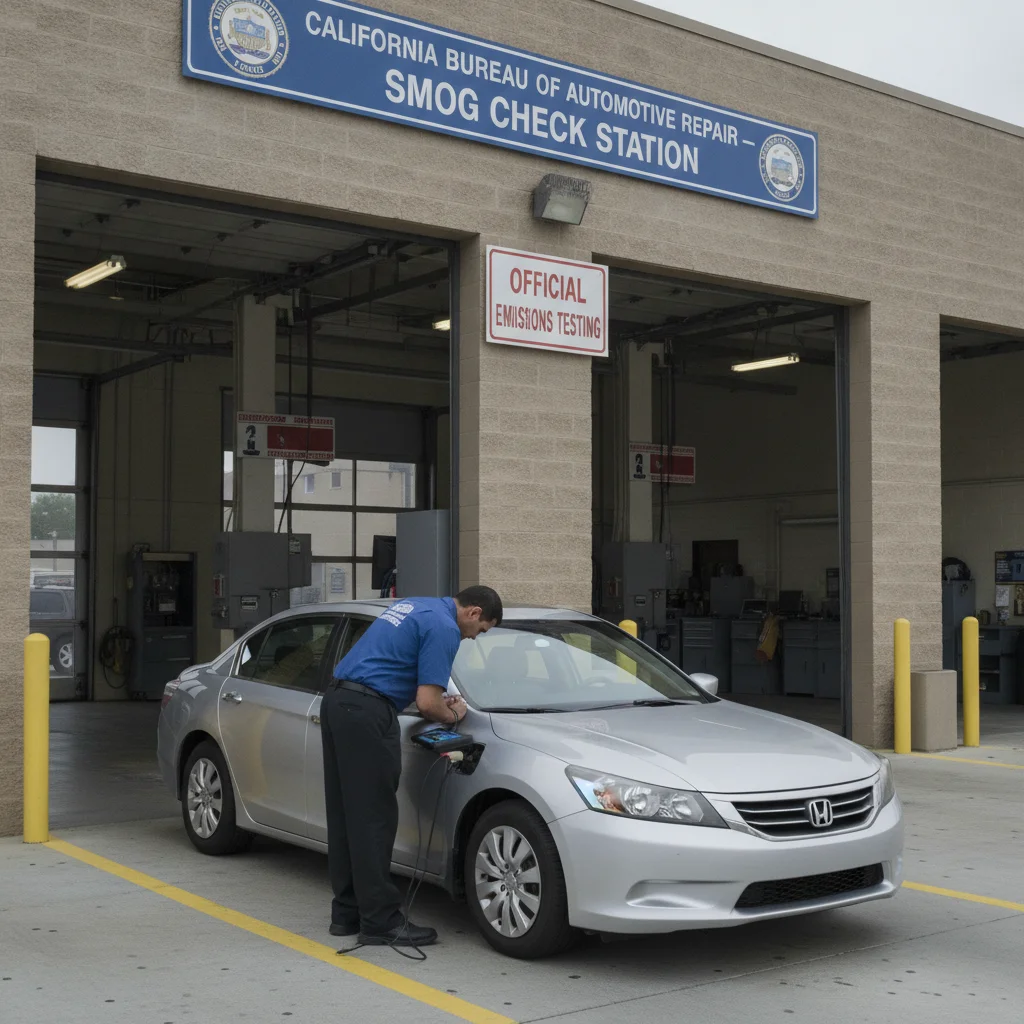
In states that require smog or emissions checks, your renewal process includes a testing fee that can change from year to year — and if your vehicle fails, you're looking at repair costs before you can legally renew. This is one of the least predictable costs in the renewal cycle. Our companion article on how emissions testing connects to your registration renewal walks through the full process and what to do if you fail.
What Stays the Same Year After Year
Amid all the variables, some parts of your registration bill are remarkably stable. Understanding the fixed elements lets you establish a reliable baseline for budgeting.
Set a Calendar Reminder 60 Days Before Expiration
Most registration-related problems — late fees, lapses in coverage, failed inspections — happen because owners lose track of their renewal date. Setting a digital reminder 60 days before expiration gives you enough time to address emissions issues, pay outstanding fines, or gather documents before the deadline arrives.
Keep Your Itemized Renewal Notices Year Over Year
Storing last year's renewal notice alongside the current one makes it easy to spot new charges that weren't there before. If a line item appears for the first time, you can research whether it's a new state or local levy — or an error that should be disputed. This is one of the simplest ways to catch billing mistakes early.
Base Plate Fee
The charge for your physical license plate — or for renewing the right to keep it — is typically a flat administrative fee that changes only when the legislature specifically adjusts it, which is infrequent. Think of this as your membership dues to the state's vehicle registration system.
Title and Lien Fees
If you have a lienholder (a lender who financed your car), there may be a small annual fee to maintain that lien on the title record. This doesn't change unless the state revises its title fee schedule.
Weight-Based Components
As noted earlier, your car's weight doesn't change, so any weight-based portion of your fee is fixed for the life of the vehicle — unless you modify the vehicle in a way that changes its official classification.
Standard Administrative Fees
Processing fees, mailing fees for sticker delivery, and similar administrative charges tend to be flat and stable. They're small line items, but they're predictable.
Specialty Plate Surcharges
If you've opted into a personalized or specialty plate, that premium is typically set at a fixed annual amount determined when you ordered the plate. It won't fluctuate with your vehicle's value. That said, it does add a permanent fixed cost to every future renewal — which is worth understanding before you customize. See our analysis of whether specialty plate fees make financial sense.

How Vehicle Age Shapes the Trajectory of Your Fees
One of the most useful mental models for thinking about registration costs is the age curve. A brand-new car carries the highest registration fees in value-based states — which makes sense because it has the highest assessed value. From there, costs decline in a curve that steepens in the early years (when depreciation is fastest) and flattens later (when depreciation slows and minimums kick in).
Your State May Use Multiple Fee Types
It's common for a single renewal bill to contain a flat base fee, a value-based component, a weight factor, and one or more local surcharges — all calculated differently. Reading your itemized renewal notice carefully is the only way to know which elements are variable and which are fixed for your specific vehicle and jurisdiction.
Personal Property Tax Is Not the Same as a Registration Fee
In states like Virginia, Missouri, and Rhode Island, local personal property tax on vehicles is collected separately from — or bundled with — your registration renewal. This tax is set by your local jurisdiction, assessed annually on your vehicle's value, and can change independently of your state registration fee. If your renewal bill looks unusually high, check whether it includes a property tax component.
Consider this simplified illustration: a car registered in California under the Vehicle License Fee structure (currently set at 0.65% of the vehicle's value) might look something like this:
| Year | Assessed Value | Est. VLF |
|---|---|---|
| 1 (new) | $38,000 | $247 |
| 3 | $24,000 | $156 |
| 5 | $16,000 | $104 |
| 8 | $9,000 | $59 |
| 12 | $4,000 | $26 |
Values are illustrative and approximate. Actual fees vary by state schedule and vehicle type.
This trajectory means that buying a vehicle new carries a registration cost premium that buying used sidesteps. A three-year-old car skips the steepest part of the curve entirely. Our detailed comparison of registration fees for new vs. used vehicles puts specific numbers to this difference.
At the far end of the age curve, very old vehicles — typically 25 years or older — may qualify for antique or classic registration status, which often carries reduced fees and different rules. If your older vehicle qualifies, the savings can be significant. See our guide to classic and antique car registration rules for details.
Hidden Costs That Inflate Your Renewal Bill
Beyond the standard fee structure, several costs can appear on your renewal notice that have nothing to do with your vehicle's age or value — and can catch owners completely off guard.
Late Penalties
Registration deadlines are hard deadlines. Most states charge a flat late fee — often $10 to $25 — plus interest that accrues on the unpaid balance. In some states, operating a vehicle with an expired registration also exposes you to fines that dwarf the registration fee itself. A $150 renewal that slips 90 days past due can cost $250 or more by the time you add penalties. The best record-keeping habits are the simplest defense against this. Our guide on keeping your registration and tax records organized covers the practical systems that prevent missed deadlines.
Unpaid Parking or Moving Violations
Many states now block registration renewal until outstanding traffic fines or parking tickets are paid. If you have unresolved violations, you won't be able to complete your renewal — and the fines may have grown with their own penalties by that point.
Insurance Verification Fees
Some states charge a small fee to verify your insurance coverage through their electronic databases at renewal time. This is typically a dollar or two, but it's a real line item that can confuse owners who don't recognize it.
Set a Calendar Reminder 60 Days Before Expiration
Most registration-related problems — late fees, lapses in coverage, failed inspections — happen because owners lose track of their renewal date. Setting a digital reminder 60 days before expiration gives you enough time to address emissions issues, pay outstanding fines, or gather documents before the deadline arrives.
Keep Your Itemized Renewal Notices Year Over Year
Storing last year's renewal notice alongside the current one makes it easy to spot new charges that weren't there before. If a line item appears for the first time, you can research whether it's a new state or local levy — or an error that should be disputed. This is one of the simplest ways to catch billing mistakes early.
Property Tax Components
In a handful of states — Virginia is a prominent example — local personal property tax on motor vehicles is collected alongside registration renewal. This tax is assessed separately from the DMV fee and is administered by your local jurisdiction. Because it's based on the vehicle's assessed value and local tax rates (which can change annually), it introduces another variable into your total renewal cost.
It's also worth noting that your vehicle's registration status can intersect with your insurance situation in ways that affect your premiums. Our hub on insurance rate factors explains how vehicle-related variables play into what you pay for coverage.
Your State May Use Multiple Fee Types
It's common for a single renewal bill to contain a flat base fee, a value-based component, a weight factor, and one or more local surcharges — all calculated differently. Reading your itemized renewal notice carefully is the only way to know which elements are variable and which are fixed for your specific vehicle and jurisdiction.
Personal Property Tax Is Not the Same as a Registration Fee
In states like Virginia, Missouri, and Rhode Island, local personal property tax on vehicles is collected separately from — or bundled with — your registration renewal. This tax is set by your local jurisdiction, assessed annually on your vehicle's value, and can change independently of your state registration fee. If your renewal bill looks unusually high, check whether it includes a property tax component.
Reducing What You Owe: Exemptions, Timing, and Smart Choices
Registration fees are largely non-negotiable, but there are legitimate ways to reduce your annual obligation — some well-known, others widely overlooked.
Exemptions and Discount Programs
Many states offer reduced or waived registration fees for qualifying groups: active-duty military members, disabled veterans, seniors on fixed incomes, and low-income households. These programs are real and meaningful, but they require you to apply — they're not automatically applied to your account. Most owners who qualify simply don't know to ask. Our article on registration exemptions and discounts most owners miss explains who qualifies and how to apply.
Timing Your Vehicle Purchase
In value-based states, buying a slightly used vehicle — even just one to two model years old — can meaningfully reduce your first-year registration fee compared to buying new. The car has already passed through the steepest depreciation period, which means the state's assessed value is already lower.
Reviewing Your Assessed Value
If your state uses ad valorem fees, compare the state's assessed value against actual market data for your specific vehicle. If your car has high mileage, significant wear, or features that reduce its market value below the state's standard depreciation table, you may be eligible to file a value appeal. This takes some paperwork, but can result in a permanent reduction for the remaining years you own the vehicle.

Avoiding Avoidable Add-ons
Specialty plates, charitable organization plates, and personalized vanity plates all carry annual surcharges. If you're paying $50 extra per year for a plate you chose on a whim, that's $250 over five years — money that could have gone elsewhere. The decision isn't wrong, but it should be a deliberate one. When selling your vehicle, those same plates and their associated paperwork become part of what you manage in the title transfer process. Our resource on vehicle sale paperwork and title transfer explains how to handle that cleanly.

All claims are backed by peer-reviewed research. Sources on request.