Key Takeaways
During break-in, vary your engine speed deliberately on highway drives — accelerate to cruising speed, ease off, and repeat. This helps piston rings seat more uniformly than steady-state cruising alone.
Engine break-in procedures from manufacturers like Honda and Porsche specify avoiding constant-throttle operation early in ownership, as uniform ring seating requires load variation.
When your vehicle hits the timing belt service window, replace the water pump and tensioner at the same time — the labor cost is nearly identical whether done together or separately.
Water pumps and tensioners are accessed through the same disassembly as timing belt service. Replacing them together costs a fraction of what a second teardown would require just months later.
Take photos of your brake pads at every tire rotation. A quick smartphone shot through the wheel spoke gives you a visual record that's far more informative than any verbal technician update.
Pad thickness changes gradually; visual documentation over multiple rotations makes deterioration rate immediately visible and removes guesswork from replacement decisions.
Why a Maintenance Timeline Matters
Most car owners know they should get their oil changed. Far fewer can tell you when their cabin air filter was last replaced, whether their coolant has been flushed, or when their brake fluid absorbs enough moisture to compromise stopping power. That gap between awareness and action is exactly where preventable repairs — and preventable accidents — live.
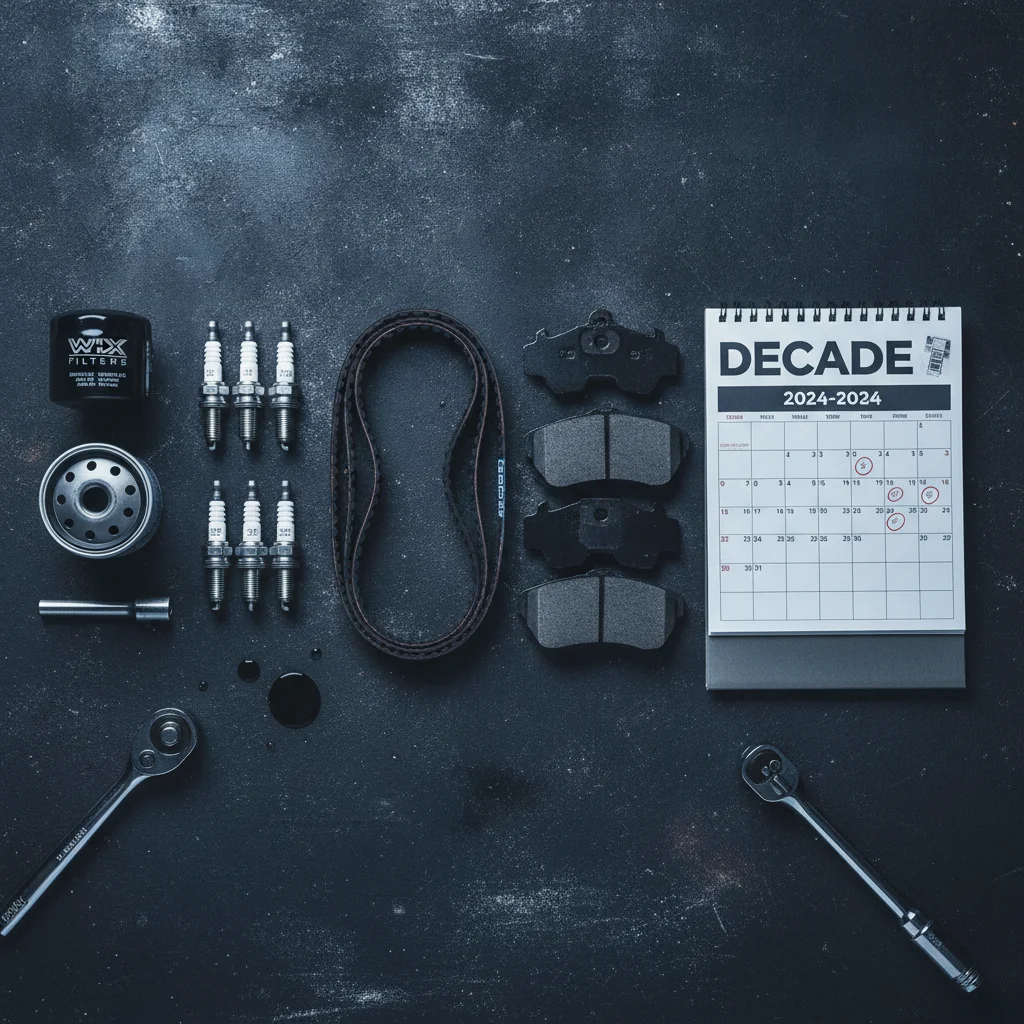
A maintenance timeline transforms an abstract owner's manual into a real-world schedule tied to your specific driving life. It tells you not just what needs attention, but when — measured in months, years, and miles — so you can budget, plan, and stay ahead of failure rather than react to it.
This guide covers the full arc of vehicle ownership from day one through year ten. It's built around broadly applicable manufacturer intervals and should be cross-referenced with your specific vehicle's documentation. For a deeper dive into decoding that documentation, see how to read your owner's manual maintenance section without getting overwhelmed.
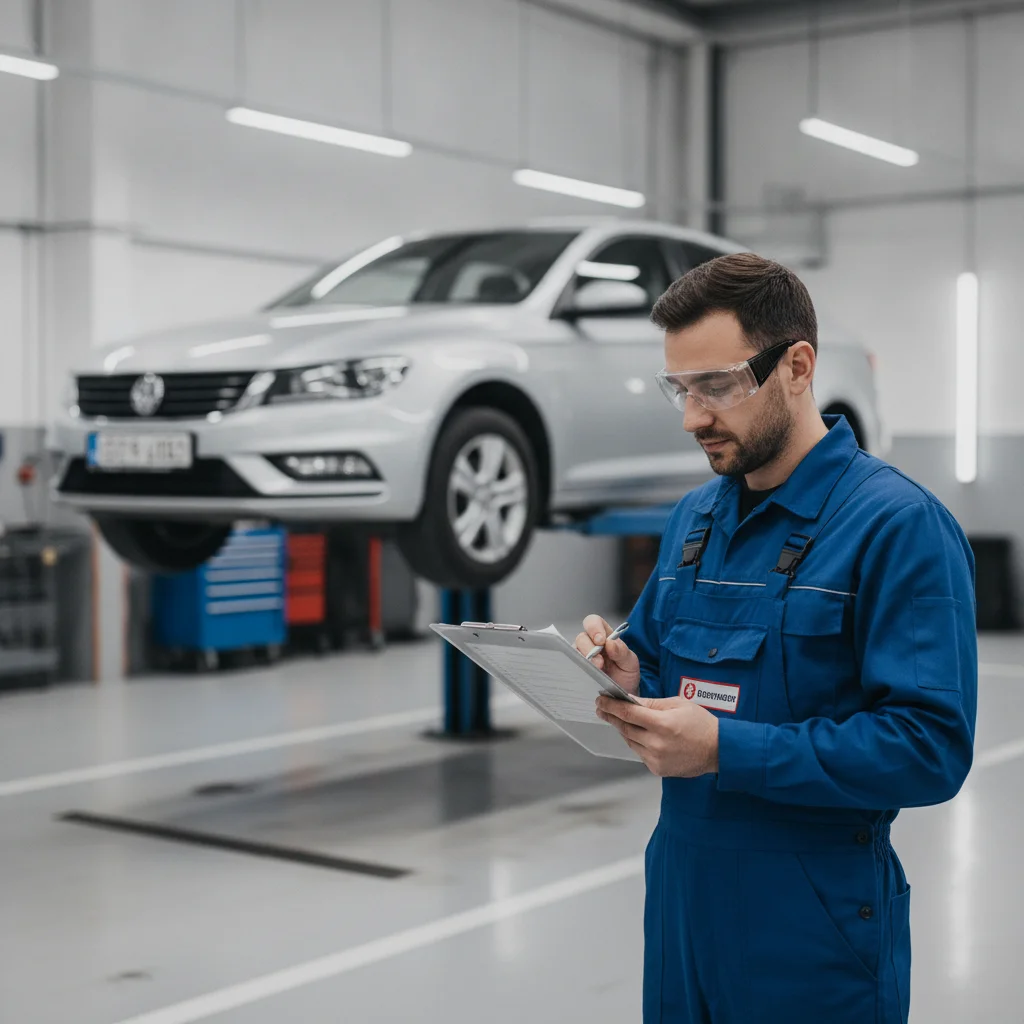
One important note: this timeline applies to conventional internal-combustion vehicles. Electric vehicles operate on a fundamentally different service cadence. If you drive an EV, the full EV maintenance lifecycle is its own distinct subject.
Month 1–3: The Break-In Period
The first few months of ownership are often the most overlooked from a maintenance standpoint. New car buyers assume that because nothing has worn yet, there's nothing to do. That's not quite right.
What Happens During Break-In
New engines, transmissions, and brake systems undergo a physical settling process during the first 500 to 1,500 miles. Piston rings seat against cylinder walls. Brake pads and rotors develop consistent contact surfaces. Transmission clutch packs in automatics find their engagement points. This is normal engineering, not a defect — but it requires a few behavioral adjustments from the driver.
- Avoid sustained high RPMs — keep engine speed varied and stay below redline for the first 1,000 miles
- Moderate highway cruising — don't lock the engine at one speed for extended stretches early on
- Gentle brake application — avoid panic stops when possible until pads are bedded
- Use the recommended fuel grade — especially critical for turbocharged engines
First Service: Around 1,000 Miles
Some manufacturers — particularly those of performance vehicles and motorcycles — specify an early oil change at or around 1,000 miles. The purpose is to flush metallic particles shed during the break-in process. Even if your manufacturer doesn't explicitly require it, many technicians recommend it as low-cost insurance.
During break-in, vary your engine speed deliberately on highway drives — accelerate to cruising speed, ease off, and repeat. This helps piston rings seat more uniformly than steady-state cruising alone.
Engine break-in procedures from manufacturers like Honda and Porsche specify avoiding constant-throttle operation early in ownership, as uniform ring seating requires load variation.
When your vehicle hits the timing belt service window, replace the water pump and tensioner at the same time — the labor cost is nearly identical whether done together or separately.
Water pumps and tensioners are accessed through the same disassembly as timing belt service. Replacing them together costs a fraction of what a second teardown would require just months later.
Take photos of your brake pads at every tire rotation. A quick smartphone shot through the wheel spoke gives you a visual record that's far more informative than any verbal technician update.
Pad thickness changes gradually; visual documentation over multiple rotations makes deterioration rate immediately visible and removes guesswork from replacement decisions.
Check your tire pressures manually at this stage. Factory inflation is set for transport and storage, not optimal driving. Correct pressures improve fuel economy, handling, and early tire wear patterns that will affect the next several years of ownership.
Year 1: First Scheduled Services
By the time most drivers hit their first anniversary of ownership, they've covered somewhere between 10,000 and 15,000 miles — depending on their commute and driving habits. This is where the structured service schedule kicks in earnestly.
$1,200
Average annual vehicle maintenance cost for U.S. drivers
According to AAA's 2023 Your Driving Costs study, the average American spends approximately $1,200 annually on vehicle maintenance and repair.
35%
Vehicles driven with overdue maintenance
A Car Care Council survey found roughly one in three vehicles on U.S. roads is being driven with at least one overdue maintenance item.
100,000+
Miles a well-maintained vehicle can reliably reach
Industry data consistently shows that regular oil changes and scheduled service are the strongest predictors of whether a vehicle exceeds 100,000 miles without major failure.
$3,500
Typical transmission rebuild cost
RepairPal estimates automatic transmission rebuilds average $1,500–$3,500, versus $100–$200 for a preventive fluid change at the recommended interval.
5 years
Average car battery lifespan
According to Interstate Batteries and AAA research, the average car battery lasts 3–5 years, with climate being the primary variable affecting longevity.
Oil and Filter Change
Modern vehicles with full synthetic oil typically run 5,000 to 10,000 mile intervals, though some manufacturers push to 7,500 or even 10,000 miles under normal conditions. Conventional oil still follows a 3,000–5,000 mile window. Consult your oil life monitor if equipped — but don't let it be your only signal. Dusty environments, short trips, and extreme temperatures all accelerate oil degradation faster than algorithms account for.
Tire Rotation
Most manufacturers recommend rotation every 5,000–7,500 miles, which means you'll hit your first rotation somewhere in year one. Front-wheel-drive vehicles wear front tires faster; rear-wheel-drive vehicles wear rears. Rotation equalizes this and extends overall tire life significantly.
Cabin and Engine Air Filters
Cabin air filters typically last 12,000–15,000 miles under normal conditions. In dusty or high-pollen regions, annual replacement is prudent. Engine air filters generally run 15,000–30,000 miles. Both are easy, inexpensive replacements — and both directly affect performance and interior air quality.
Multi-Point Inspection
Your first scheduled dealer or shop visit should include a visual inspection of belts, hoses, brake pads, battery terminals, and fluid levels. This baseline inspection matters: it documents the starting condition of key systems and gives you comparative data at every subsequent visit.
Combine Services to Save on Labor
Tire rotation, brake inspection, and cabin air filter replacement can all be done during the same shop visit as your oil change. Combining services doesn't just save time — it reduces the per-visit diagnostic labor charges that inflate individual service costs. Ask your technician to bundle inspections whenever you bring the car in.
High-Mileage Oil Is Worth the Upgrade
For vehicles beyond 75,000 miles, switching to a high-mileage motor oil formulation adds seal conditioners that can reduce oil consumption and extend engine life. The cost premium over standard synthetic is minimal — typically $5–$10 per oil change — and the protection benefit compounds over the remaining life of the vehicle.
For new car owners who want a fuller picture of what year one looks like from a service perspective, everything new car owners need to know about scheduled maintenance is a strong companion read.
Years 2–3: Building a Service Rhythm
By year two or three, most owners have settled into a routine — or, troublingly, have begun skipping services because the car still feels fine. The danger zone in any ownership lifecycle is the period when a vehicle is too new to seem problematic but old enough that deferred maintenance is starting to compound.
What Comes Due in This Window
| Service | Typical Interval | Notes |
|---|---|---|
| Oil and filter change | Every 5,000–10,000 miles | Ongoing; synthetic extends interval |
| Tire rotation | Every 5,000–7,500 miles | Combine with oil change when possible |
| Brake fluid inspection | Every 2 years / 24,000 miles | Moisture absorption degrades performance |
| Battery inspection | Every 2–3 years | Load test to confirm cranking capacity |
| Spark plugs (copper) | Around 30,000 miles | Iridium/platinum plugs last 60,000–100,000 miles |
| Coolant top-off check | Annually | Full flush typically at 5 years or 100,000 miles |
Brake Fluid: The Overlooked Safety Service
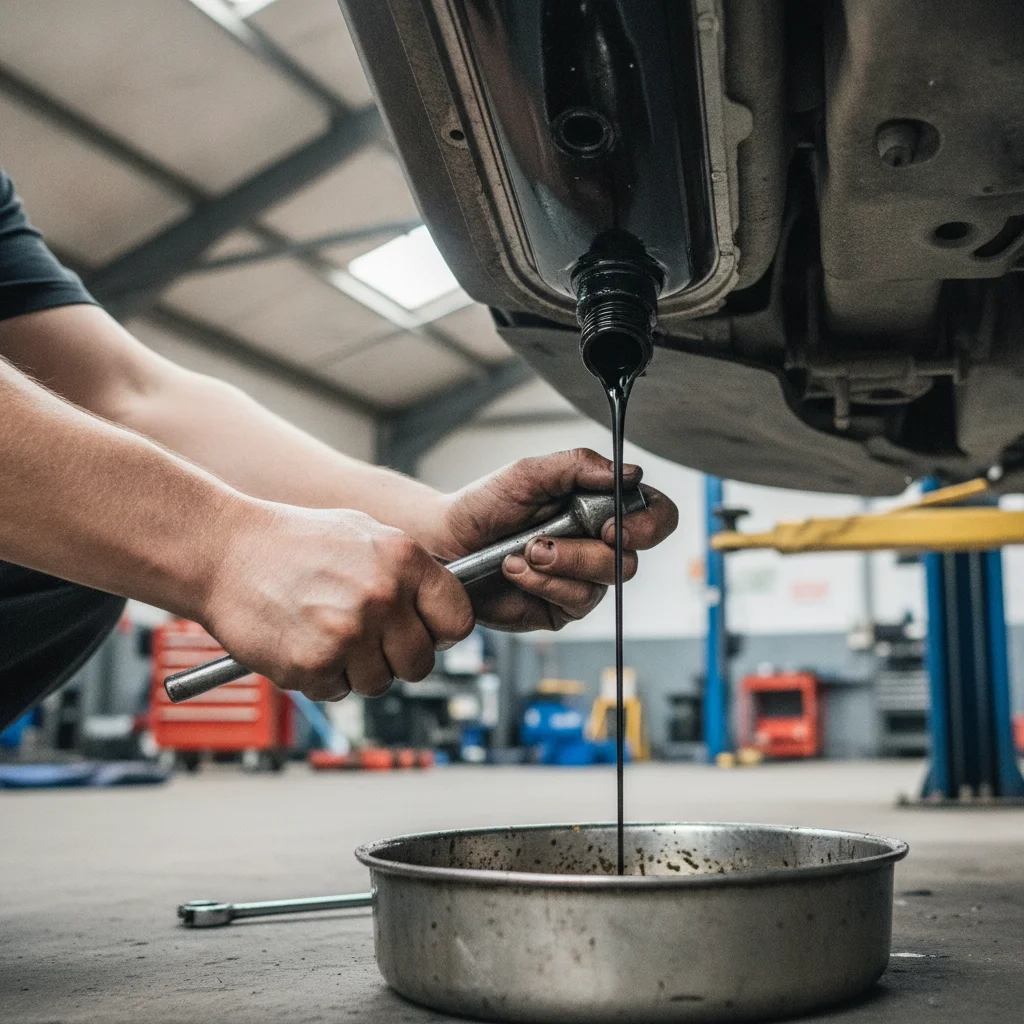
Brake fluid is hygroscopic — it absorbs moisture from the atmosphere over time, which lowers its boiling point and can cause a spongy pedal feel under hard braking. Most manufacturers recommend inspection every two years. Replacement is inexpensive relative to the safety stakes involved.
Don't Skip the Brake Fluid Service
Brake fluid is one of the most commonly skipped services in the 2–3 year window, and one of the most consequential to overlook. As moisture absorption increases, the fluid's boiling point drops — meaning hard braking at highway speeds can vaporize fluid in the lines and cause sudden brake fade. This is a direct safety risk, not just a wear-and-tear issue.
Deferred Maintenance Voids Some Warranties
If your vehicle is still within an extended powertrain warranty — either factory or aftermarket — skipping manufacturer-specified services can give the warranty administrator grounds to deny a claim. Keep every receipt and document every service. A denied powertrain claim on a repair that would have cost $4,000 is not a recoverable situation.
Battery Health
The average car battery lasts 3–5 years, with significant variation by climate. Cold climates accelerate discharge; hot climates accelerate internal corrosion. Have the battery load-tested at a shop — a simple voltage reading won't catch a failing battery before it strands you.
Years 4–5: Mid-Ownership Checkpoints
The 4-to-5 year mark is where ownership transitions from routine upkeep to strategic decision-making. Warranty coverage has often expired (or will soon), and the vehicle's systems have accumulated enough use that certain components are approaching the end of their designed service life.
Transmission Service
Automatic transmission fluid (ATF) typically needs changing between 30,000 and 60,000 miles — a window that most five-year owners hit squarely. Neglecting this service is one of the most expensive mistakes in consumer vehicle ownership. A transmission fluid flush can cost $100–$200. A transmission rebuild runs $1,500–$3,500 or more. The math is not subtle.
Manual transmission fluid follows a similar interval, though it's often overlooked because manual-equipped vehicles are less common and drivers tend to assume they need less maintenance.
Coolant System Flush
Most modern coolant formulations are rated for 5 years or 100,000 miles. At year five, a flush and refill becomes appropriate. Degraded coolant becomes acidic and attacks aluminum engine components, gaskets, and water pump impellers from the inside — silently, over years.
Drive Belt Inspection
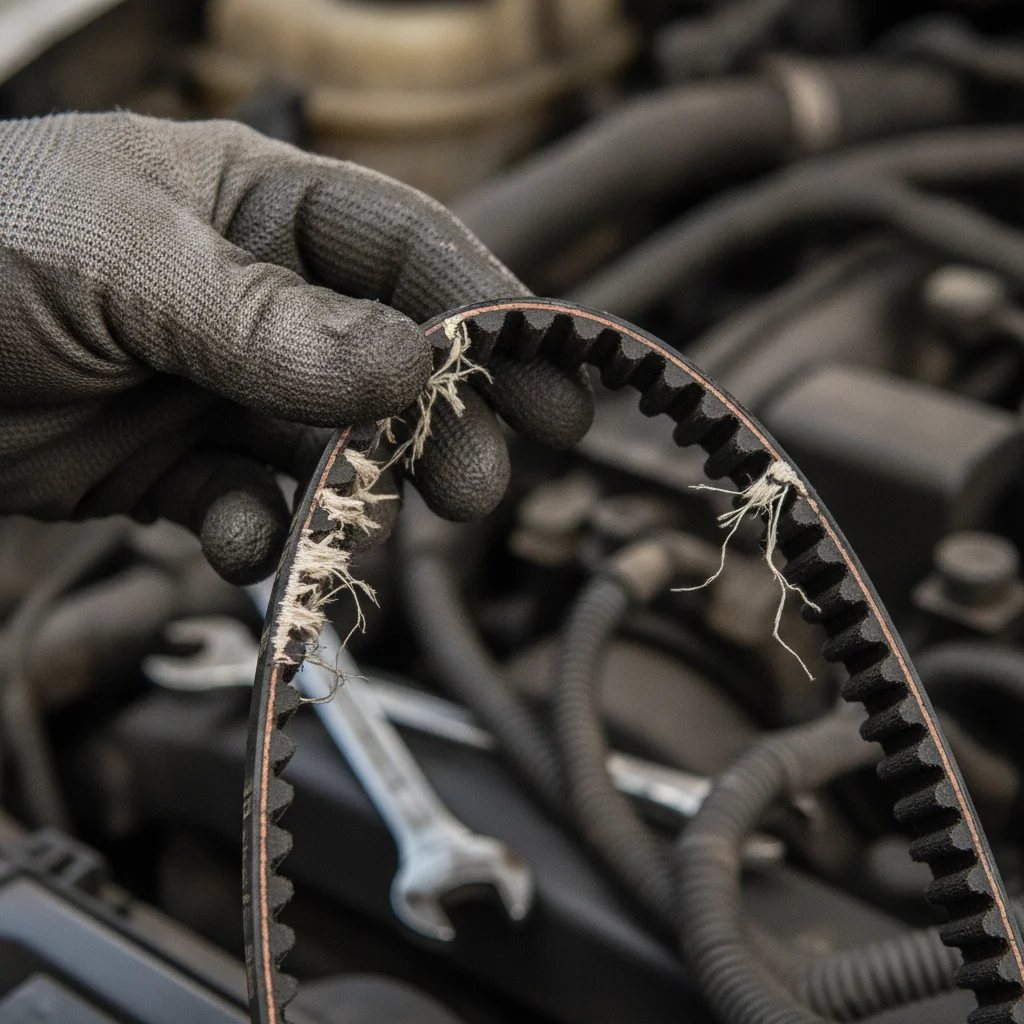
Serpentine belts and accessory drive belts typically last 60,000–100,000 miles, but visual cracking, glazing, or fraying are warning signs regardless of mileage. A snapped serpentine belt disables power steering, the alternator, and the water pump simultaneously.
Timing Belt Failure Is Catastrophic — Know Your Engine Type
In interference engines — where valves and pistons share the same cylinder space — a snapped timing belt causes the pistons to collide with open valves, bending or breaking them instantly. Engine replacement or rebuild costs typically run $3,000–$6,000 or more. Check your owner's manual for the specified replacement interval and treat it as non-negotiable. If you bought a used vehicle and don't know the belt's history, replace it immediately.
Maintenance Records Protect More Than the Engine
Complete maintenance documentation affects more than your vehicle's mechanical health — it directly influences resale value, private-sale negotiating leverage, and extended warranty claim eligibility. CARFAX and similar services log dealership and chain-shop services automatically, but independent shop records require you to retain paper receipts. A decade of documented service can add hundreds to thousands of dollars in private resale value depending on the vehicle.
Timing Belt vs. Timing Chain
If your engine uses a timing belt (as opposed to a metal timing chain), year 4–5 is often when that service window opens. Manufacturer specifications vary widely — common intervals are 60,000 to 105,000 miles. This is not optional maintenance. A failed timing belt in an interference engine causes catastrophic internal damage. Check your owner's manual now, not after the belt snaps.
During break-in, vary your engine speed deliberately on highway drives — accelerate to cruising speed, ease off, and repeat. This helps piston rings seat more uniformly than steady-state cruising alone.
Engine break-in procedures from manufacturers like Honda and Porsche specify avoiding constant-throttle operation early in ownership, as uniform ring seating requires load variation.
When your vehicle hits the timing belt service window, replace the water pump and tensioner at the same time — the labor cost is nearly identical whether done together or separately.
Water pumps and tensioners are accessed through the same disassembly as timing belt service. Replacing them together costs a fraction of what a second teardown would require just months later.
Take photos of your brake pads at every tire rotation. A quick smartphone shot through the wheel spoke gives you a visual record that's far more informative than any verbal technician update.
Pad thickness changes gradually; visual documentation over multiple rotations makes deterioration rate immediately visible and removes guesswork from replacement decisions.
Years 6–7: The Hidden Wear Phase
Between year six and seven, many vehicles enter what technicians informally call the hidden wear phase. The car looks and drives fine on the surface. Suspension bushings have slowly complied, exhaust components have oxidized, and rubber seals have been cycling through temperature extremes for a hundred thousand miles. None of this announces itself loudly until something fails.
Suspension and Steering Inspection
Shocks and struts typically last 50,000–100,000 miles, but wear is gradual and often goes unnoticed. Signs include longer stopping distances (worn shocks affect weight transfer during braking), uneven tire wear, and a vague or wandering steering feel. A bounce test — pressing firmly on each corner of the vehicle and watching how quickly it rebounds — gives a rough indication, but a proper lift inspection is more reliable.
Spark Plugs (If Not Already Replaced)
Iridium and platinum spark plugs are rated for 60,000–100,000 miles. If your vehicle came with these longer-life plugs and you haven't yet replaced them, year 6–7 is squarely within the replacement window. Worn plugs reduce fuel economy, increase emissions, and can cause misfires that stress catalytic converters — a significantly more expensive component.
Fuel System Service
Fuel injectors accumulate deposits over years of operation. Many manufacturers recommend a fuel system cleaning or injector service around 60,000–75,000 miles. Results vary by vehicle and fuel quality, but for high-mileage direct-injection engines, this service has documented benefits in restoring spray patterns and combustion efficiency.
Exhaust System Inspection
Exhaust components in northern states where road salt is used face accelerated corrosion. Inspect hangers, flex pipes, and the catalytic converter housing for rust perforation. Catalytic converter replacement is expensive ($800–$2,500 depending on vehicle); catching a heat shield or flange issue early prevents collateral damage.
“The vehicles we see fail prematurely almost never had a sudden catastrophic problem — they had a long series of small deferrals. A missed fluid here, a skipped inspection there. By the time the owner notices something, the damage has been compounding for years.”
— Rich White, Executive Director, Car Care Council
Years 8–10: High-Mileage Maintenance
A well-maintained vehicle approaching 100,000 miles is not in crisis — it's an asset that deserves a recalibrated maintenance strategy. The interval-based services that defined your first decade still apply, but the inspection protocols get more intensive and the tolerance for deferred maintenance drops considerably.
Engine Mounts and Motor Mounts
Rubber engine mounts dampen vibration between the engine and chassis. They typically last 5–10 years, after which they harden, crack, or collapse — transmitting vibration directly to the cabin and allowing excessive engine movement under load. Replacement is moderately priced but improves both comfort and drivetrain longevity.
Coolant Hoses and Belts
At 10 years or 100,000+ miles, all rubber coolant hoses and belts deserve close inspection regardless of appearance. Rubber degrades from heat cycling and ozone exposure. A collapsed lower radiator hose or cracked heater core hose can strand a vehicle or cause overheating damage worth far more than the hose itself.
Wheel Bearings
Most wheel bearings are designed to last the life of the vehicle, but high-mileage examples — particularly those in areas with frequent water submersion or road salt — can develop the characteristic rumbling or humming noise of bearing wear. This is a safety-critical component; a fully failed bearing can cause wheel detachment.
Revised Oil Change Strategy
Many high-mileage vehicles benefit from switching to a high-mileage formulation motor oil, which contains seal conditioners and additional detergents designed for engines with more accumulated wear. These oils can reduce oil consumption and extend engine life in vehicles beyond 75,000 miles.
Combine Services to Save on Labor
Tire rotation, brake inspection, and cabin air filter replacement can all be done during the same shop visit as your oil change. Combining services doesn't just save time — it reduces the per-visit diagnostic labor charges that inflate individual service costs. Ask your technician to bundle inspections whenever you bring the car in.
High-Mileage Oil Is Worth the Upgrade
For vehicles beyond 75,000 miles, switching to a high-mileage motor oil formulation adds seal conditioners that can reduce oil consumption and extend engine life. The cost premium over standard synthetic is minimal — typically $5–$10 per oil change — and the protection benefit compounds over the remaining life of the vehicle.
If you're planning to sell the vehicle in this window, document everything. Complete service records are a measurable resale asset. The detailing and repair steps that deliver the best return on investment at sale time are closely aligned with having a clean maintenance history to present to buyers.
Fluids, Filters, and Schedules: The Master Reference
Below is a consolidated reference table covering the most common maintenance items, their typical service intervals, and what deterioration looks like when they're overdue. Use it alongside your owner's manual — not as a substitute for it.
| Component | Interval (Miles) | Interval (Time) | Failure Risk if Skipped |
|---|---|---|---|
| Engine oil and filter | 5,000–10,000 | 6–12 months | Sludge buildup, bearing wear, engine failure |
| Tire rotation | 5,000–7,500 | Every oil change | Uneven wear, premature replacement |
| Cabin air filter | 12,000–15,000 | Annually | Reduced HVAC flow, poor air quality |
| Engine air filter | 15,000–30,000 | 1–2 years | Reduced power and fuel economy |
| Brake fluid | — | Every 2 years | Reduced braking performance, corrosion |
| Spark plugs (copper) | 30,000 | — | Misfires, poor economy, catalytic damage |
| Spark plugs (iridium/platinum) | 60,000–100,000 | — | Same as above, delayed onset |
| Transmission fluid (auto) | 30,000–60,000 | — | Transmission failure |
| Coolant flush | 100,000 | 5 years | Overheating, internal corrosion |
| Timing belt | 60,000–105,000 | — | Catastrophic engine damage (interference engines) |
| Serpentine belt | 60,000–100,000 | — | Loss of alternator, power steering, water pump |
| Power steering fluid | 50,000–75,000 | — | Pump wear, rack corrosion |
| Differential fluid | 30,000–60,000 | — | Differential wear, noise, failure |
Manufacturer Intervals Vary Significantly
The intervals listed in this guide are industry-representative but not universal. Toyota, Honda, GM, Ford, and Stellantis vehicles all publish different service schedules for the same types of maintenance. Your owner's manual is the authoritative source for your specific engine, transmission, and climate designation. 'Severe' driving conditions — defined by most manufacturers as frequent short trips, towing, dusty environments, or extreme temperatures — shorten nearly every interval listed here.
EV Owners Follow a Different Path
This timeline applies specifically to gasoline and hybrid-gasoline vehicles. Battery electric vehicles don't require oil changes, timing belt service, or transmission fluid exchanges. Their primary service needs center on tire rotation, brake fluid, cabin filters, and battery thermal management. For a full seasonal EV maintenance checklist, see the <a href="/electric-vehicles/ev-ownership-costs/ev-maintenance-basics/annual-ev-ownership-checklist-maintenance-tasks-by-season">annual EV ownership checklist</a>.
Severe vs. Normal Driving Conditions
The distinction between 'normal' and 'severe' driving conditions is defined in your owner's manual, not by feel. Most urban drivers who make frequent short trips, sit in stop-and-go traffic, or drive in extreme climates qualify as 'severe' — meaning shorter oil, filter, and fluid change intervals apply to them even if the car feels fine. When in doubt, default to the shorter interval.
Drivers who want to understand how this schedule compares to what EV owners manage — typically a much shorter list — can explore the EV maintenance breakdown from day one for context. The contrast is significant and worth understanding whether you're considering a future EV purchase or simply curious about the tradeoffs.
Keeping Records That Actually Help You
A maintenance timeline is only as useful as the records that track it. Receipts stuffed in a glove box work, but barely. A more functional system pays dividends at every ownership transition — whether you're filing an insurance claim, negotiating a trade-in, or selling privately.
What to Track
- Date and mileage for every service performed
- Name and address of the shop or dealer
- Parts used — brand, part number where relevant
- Labor performed — not just the invoice summary line
- What was inspected and what condition was noted
Digital vs. Paper
Digital records stored in cloud-based apps (several are purpose-built for vehicle maintenance logs) offer searchability and survive the inevitable glove box flood. Paper records, if organized, have the advantage of physical presentation to buyers — printed receipts feel more credible than a screenshot. Ideally, keep both.
The Insurance Angle
Well-maintained vehicles are lower-risk vehicles. While most standard auto insurance pricing doesn't directly reward maintenance history, documented upkeep supports claims involving mechanical failure, dispute resolution after an accident, and — increasingly — usage-based insurance programs that consider vehicle condition as part of their modeling.
Timing Belt Failure Is Catastrophic — Know Your Engine Type
In interference engines — where valves and pistons share the same cylinder space — a snapped timing belt causes the pistons to collide with open valves, bending or breaking them instantly. Engine replacement or rebuild costs typically run $3,000–$6,000 or more. Check your owner's manual for the specified replacement interval and treat it as non-negotiable. If you bought a used vehicle and don't know the belt's history, replace it immediately.
Maintenance Records Protect More Than the Engine
Complete maintenance documentation affects more than your vehicle's mechanical health — it directly influences resale value, private-sale negotiating leverage, and extended warranty claim eligibility. CARFAX and similar services log dealership and chain-shop services automatically, but independent shop records require you to retain paper receipts. A decade of documented service can add hundreds to thousands of dollars in private resale value depending on the vehicle.
Manufacturer Intervals Vary Significantly
The intervals listed in this guide are industry-representative but not universal. Toyota, Honda, GM, Ford, and Stellantis vehicles all publish different service schedules for the same types of maintenance. Your owner's manual is the authoritative source for your specific engine, transmission, and climate designation. 'Severe' driving conditions — defined by most manufacturers as frequent short trips, towing, dusty environments, or extreme temperatures — shorten nearly every interval listed here.
EV Owners Follow a Different Path
This timeline applies specifically to gasoline and hybrid-gasoline vehicles. Battery electric vehicles don't require oil changes, timing belt service, or transmission fluid exchanges. Their primary service needs center on tire rotation, brake fluid, cabin filters, and battery thermal management. For a full seasonal EV maintenance checklist, see the <a href="/electric-vehicles/ev-ownership-costs/ev-maintenance-basics/annual-ev-ownership-checklist-maintenance-tasks-by-season">annual EV ownership checklist</a>.
Severe vs. Normal Driving Conditions
The distinction between 'normal' and 'severe' driving conditions is defined in your owner's manual, not by feel. Most urban drivers who make frequent short trips, sit in stop-and-go traffic, or drive in extreme climates qualify as 'severe' — meaning shorter oil, filter, and fluid change intervals apply to them even if the car feels fine. When in doubt, default to the shorter interval.
Registration costs vary by state and often scale with vehicle age and value. As your vehicle moves through year 5 into year 10, annual registration fees and vehicle tax obligations typically decline — partially offsetting the increased maintenance costs of a higher-mileage vehicle.
Car Care Council Service Interval Guide
The Car Care Council publishes free, vehicle-agnostic maintenance interval guides with explainers for every major service category. Useful for building a baseline schedule before referencing your owner's manual.
Owner's Manual Maintenance Section Decoder
This companion article walks through how to find your exact service schedule in your owner's manual and understand what each entry is asking you to do — essential reading alongside this timeline.
Mileage-Based Maintenance Tracker (Spreadsheet Template)
A structured spreadsheet template for logging every service by date, mileage, cost, and shop — designed to produce a clean maintenance history document you can share with buyers or insurers.
RepairPal Fair Price Estimator
RepairPal's estimator provides labor and parts cost ranges for hundreds of service types by vehicle make, model, and ZIP code — useful for budgeting upcoming maintenance milestones.
NHTSA Vehicle Recall Database
Check whether any open safety recalls affect your vehicle by VIN. Recalls are free to repair at dealerships and can affect systems directly tied to your maintenance schedule.
EV Maintenance Lifecycle Overview
If you're considering an EV as your next vehicle, this comprehensive guide covers every aspect of EV maintenance from purchase to resale — a useful contrast to the ICE timeline covered here.

All claims are backed by peer-reviewed research. Sources on request.