Key Takeaways
Start here
Why Knowing This Before It Happens Matters
Next
What to Do at the Scene
Then
Information You Must Collect
Important
Talking to Police, Insurance, and the Other Driver
After the scene
Filing Your Insurance Claim
Protect yourself
Common First-Timer Mistakes to Avoid
Why Knowing This Before It Happens Matters
Most drivers experience their first accident before they've ever thought seriously about what to do next. Adrenaline spikes, your hands shake, and suddenly you're expected to make decisions with real legal and financial consequences—while standing on the side of a road.
The good news: the post-accident process is not complicated if you've walked through it once in your head before it happens. This guide is that walk-through. It covers every stage—scene safety, information exchange, police interaction, insurer notification, and the claims process—so you know exactly what to do when the time comes.
For a deeper end-to-end breakdown, see the complete accident-to-claim walkthrough. This beginner's guide will orient you to the full picture first.
Liability coverage
The part of your auto insurance that pays for damage or injuries you cause to other people in an accident. It does not cover your own vehicle or injuries.
At-fault state
A state where the driver who caused the accident is responsible for paying the other party's damages through their liability insurance.
No-fault state
A state where each driver's own insurance covers their medical costs and certain damages regardless of who caused the accident, up to policy limits.
Claims adjuster
An insurance company employee who investigates your accident claim, reviews evidence, and determines how much the insurer will pay.
Uninsured motorist coverage
Optional or required coverage that protects you if you're hit by a driver who has no insurance or whose coverage is insufficient.
Police report
An official document created by a responding officer that records the facts of the accident, including parties involved, witness statements, and the officer's observations. Essential for insurance claims.
Subrogation
When your insurer pays your claim and then pursues the at-fault driver's insurer to recover those costs. It happens behind the scenes and generally doesn't affect you.
Accident forgiveness
A policy feature offered by some insurers that prevents your rates from increasing after your first at-fault accident.
What to Do at the Scene
The first few minutes after a crash are the most important. Here's the sequence that protects both your safety and your legal position.
Step 1: Stop and Check for Injuries
Leaving the scene of an accident—even a minor one—is a criminal offense in every U.S. state. Stop immediately. Check yourself and your passengers for injuries. If anyone is hurt, call 911 before anything else.
Step 2: Move to Safety If Possible
If the vehicles are drivable and there are no serious injuries, move them out of traffic—to a shoulder, parking lot, or side street. Turn on your hazard lights. If you can't move the car, get yourself and others to a safe distance from traffic.
Step 3: Call the Police
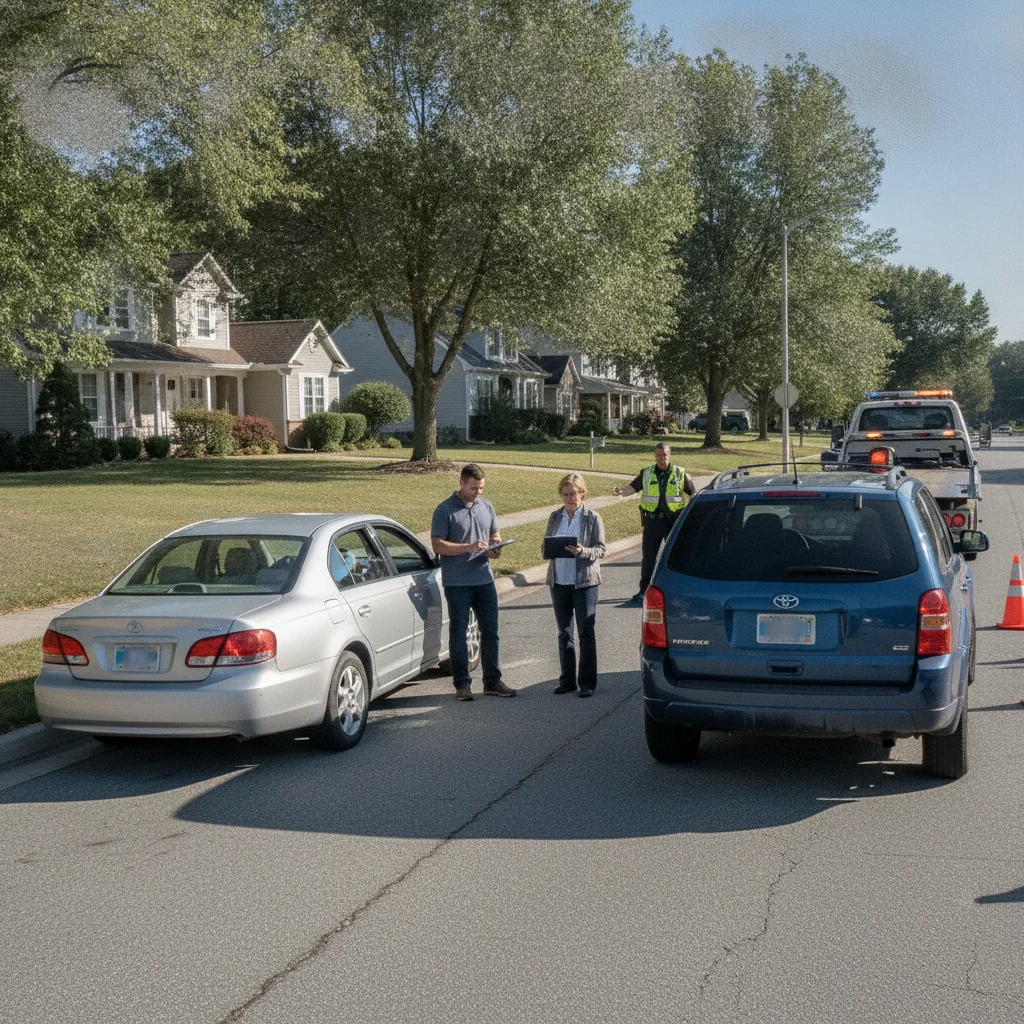
Request a police officer even for minor accidents. An official police report documents the facts while they're fresh and provides an objective third-party record your insurer and any lawyers will rely on. Give the dispatcher your location, a description of what happened, and whether anyone is injured.
Step 4: Don't Move Injured People
Unless there's an immediate danger like fire, don't attempt to move anyone who may have a spinal or neck injury. Wait for paramedics.
For a detailed breakdown of exactly what to prioritize in the first ten minutes, the article The First 10 Minutes After a Car Accident goes deeper on immediate scene priorities.
Keep a Simple Accident Kit in Your Car
Store a pen, small notepad, and a printed copy of your insurance card and the <a href="/maintenance-and-ownership/safety-legal/accident-procedures/post-accident-scene-checklist-every-driver-should-keep-in-their-glove-box">post-accident checklist</a> in your glove box. Your phone battery may be low when you need it most. Old-school paper backup is genuinely useful.
Seek Medical Attention Even If You Feel Fine
Adrenaline is a powerful painkiller. Many accident-related injuries—particularly whiplash and concussions—don't become obvious until 24–48 hours after the crash. Getting checked out promptly both protects your health and creates a documented record that can support your insurance claim if injuries develop.
Information You Must Collect
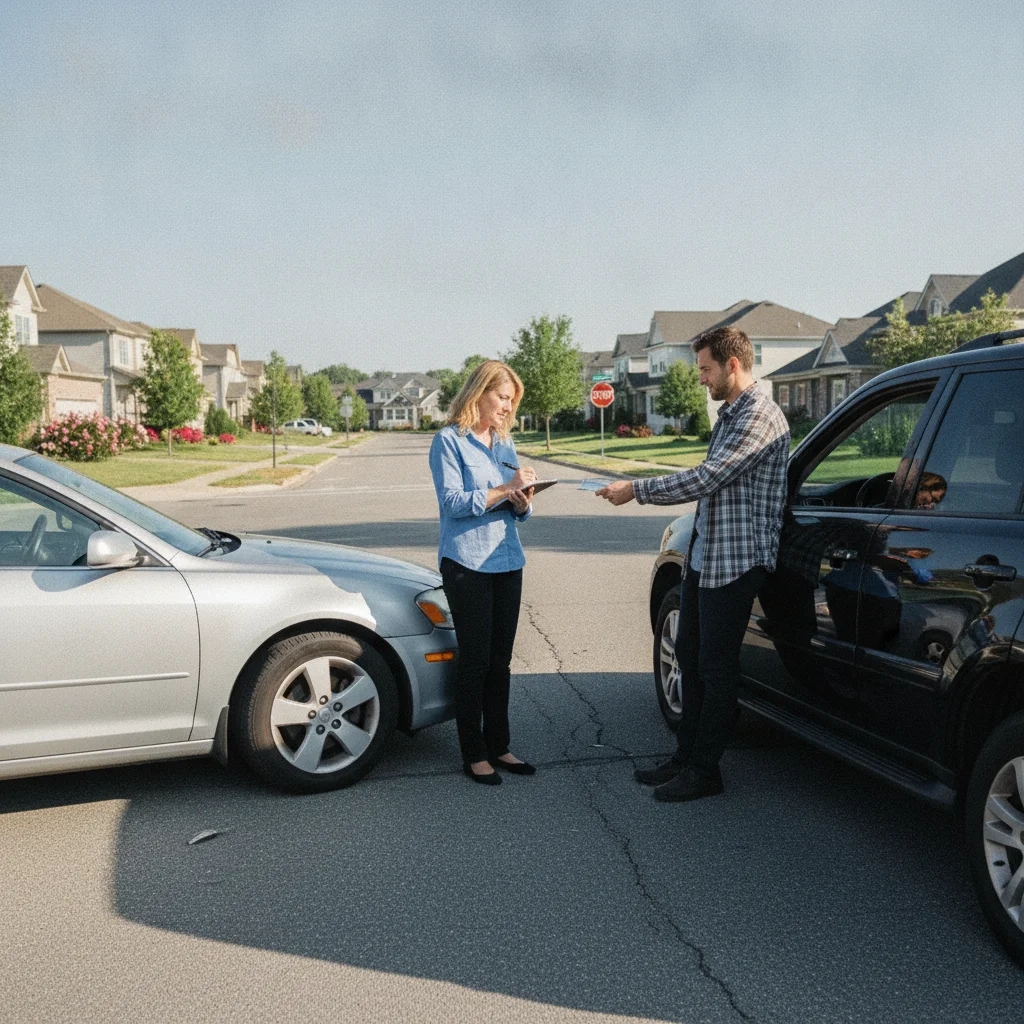
Once everyone is safe and police are on the way, start gathering information. Don't wait until later—people leave scenes, witnesses disappear, and details fade fast.
From the Other Driver
- Full name and contact information
- Driver's license number and issuing state
- Insurance company name and policy number
- License plate number
- Vehicle make, model, year, and color
From Witnesses
- Full name and phone number
- A brief verbal description of what they saw (note it down immediately)
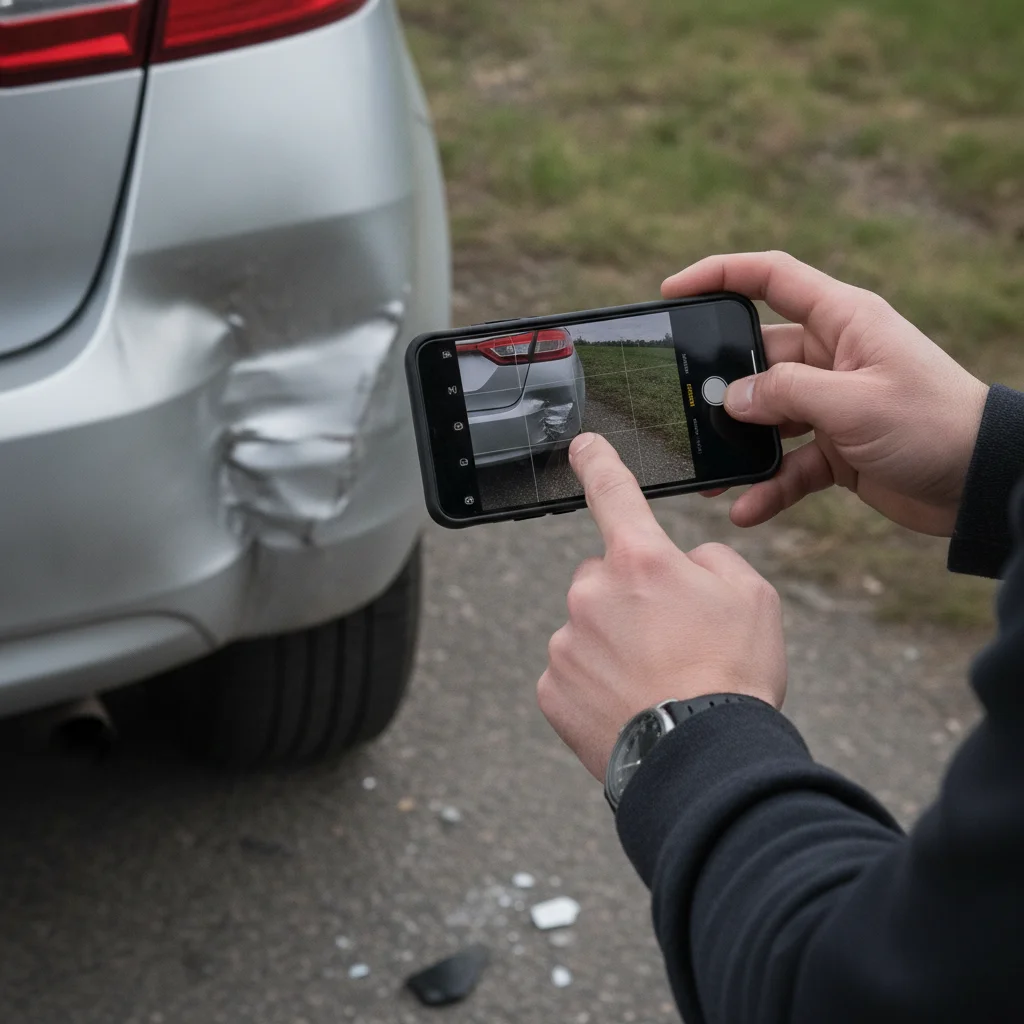
Document the Scene Yourself
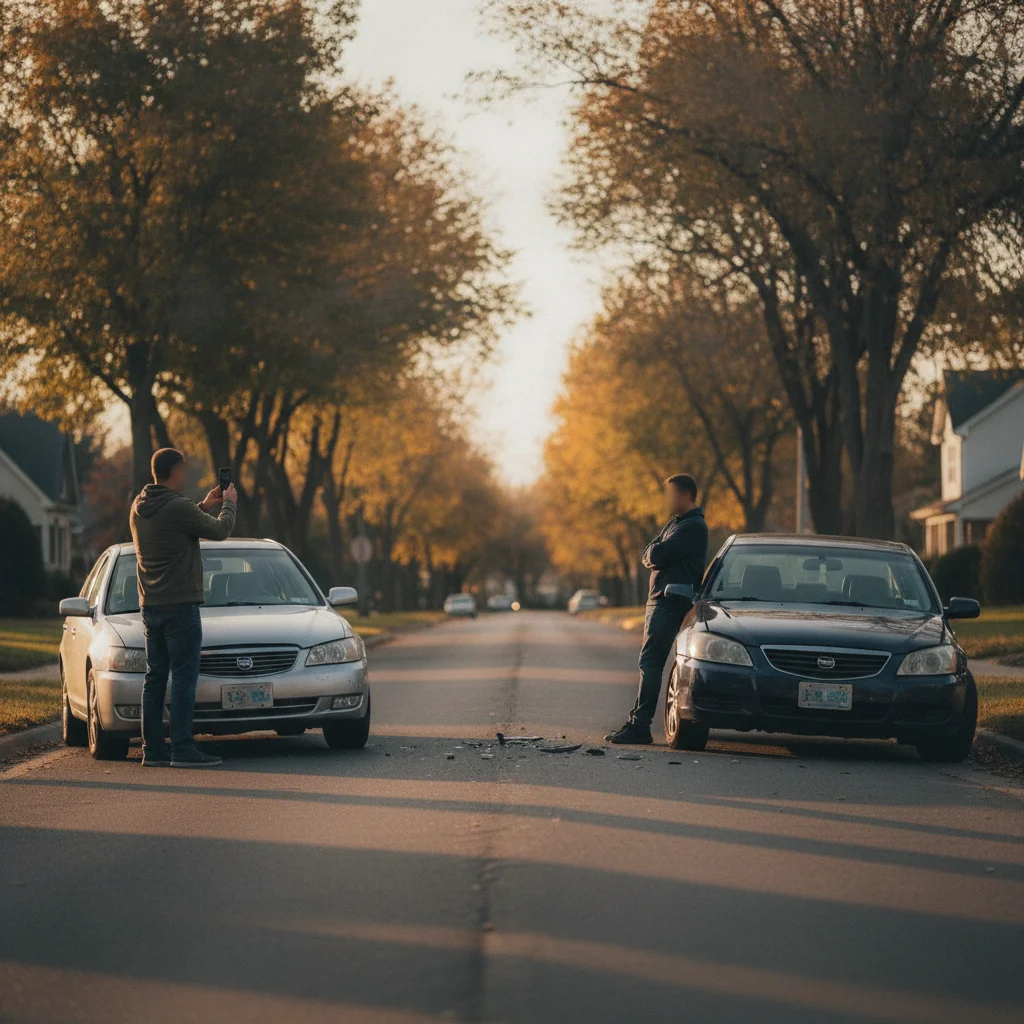
Use your smartphone to photograph:
- All vehicle damage from multiple angles
- License plates of all vehicles involved
- The overall scene, including road conditions, traffic signals, and skid marks
- Any visible injuries
- The other driver's insurance card and license (ask permission, or photograph it when exchanged)
Get the responding officer's name and badge number, and ask how to obtain a copy of the official police report—typically available within a few days.
For a comprehensive reference on every piece of information to gather, see what information to exchange after a car accident. You can also print the post-accident scene checklist and keep it in your glove box for exactly this situation.
Your State May Require an Accident Report
Beyond the police report, many states require drivers to file a separate report directly with the DMV when damages exceed a certain dollar threshold or when someone is injured. This is separate from your insurance claim. Check your state DMV website or ask the responding officer whether a driver-filed report is required in your state.
Talking to Police, Insurance, and the Other Driver
What you say—and what you don't say—at the scene matters more than most first-timers realize.
With the Police
Be truthful, factual, and concise. Describe what you observed and what you did. Don't speculate about fault, don't guess at speeds, and don't volunteer opinions. If you're unsure about something, say so. Stick to facts you directly witnessed.
With the Other Driver
Be civil. Exchange the required information. Beyond that, keep conversation minimal. Do not apologize, do not say 'I didn't see you,' and do not admit any fault—even casually. Anything you say can be used against you in insurance negotiations or litigation. An apology that feels like common courtesy can be treated as an admission of liability.
With Your Insurance Company
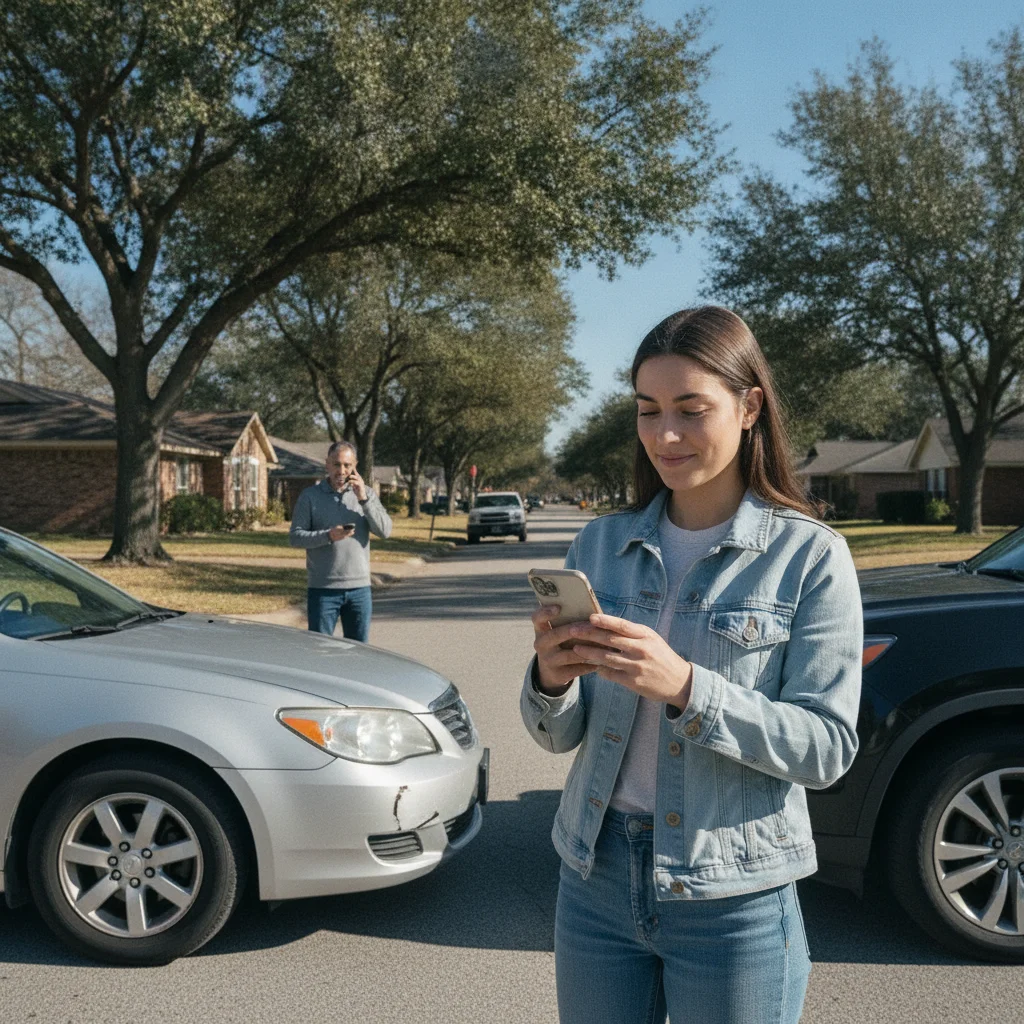
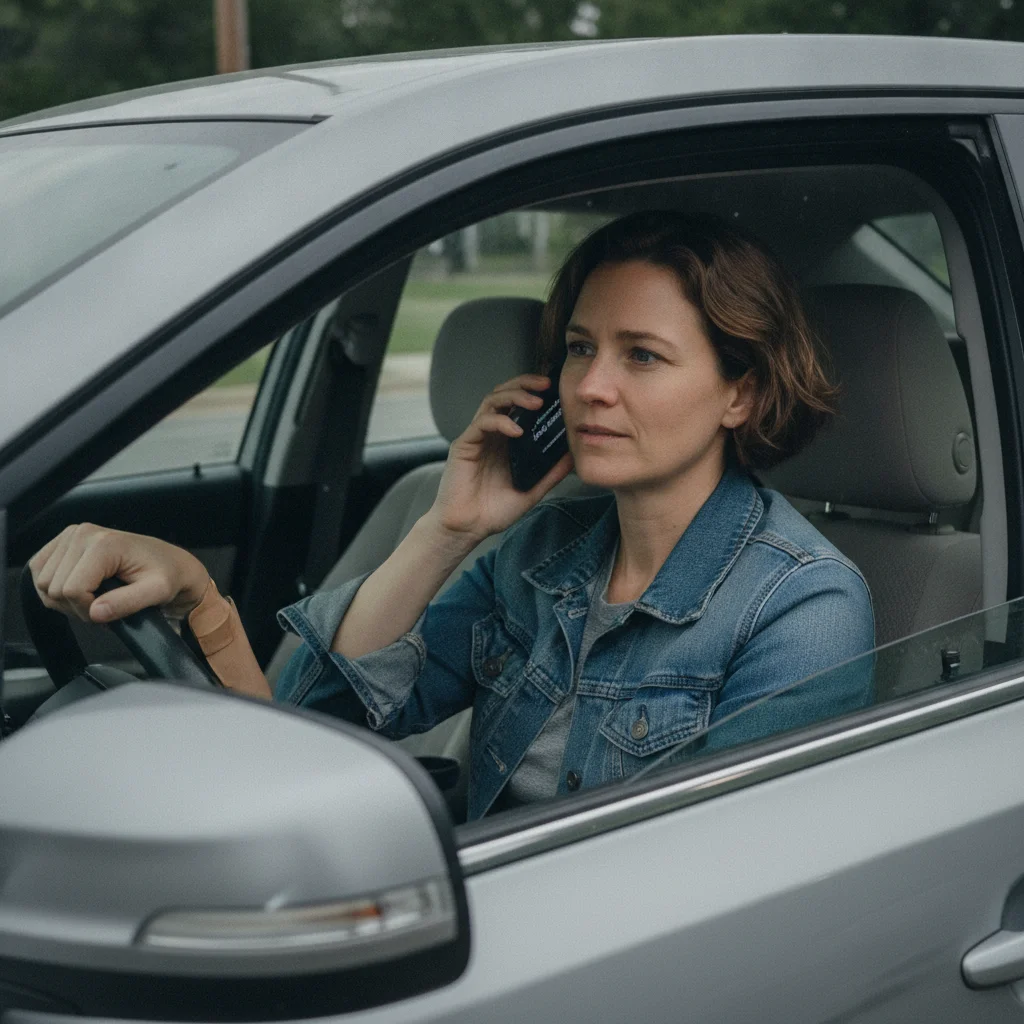
Call your insurer as soon as you're safely away from the scene—ideally the same day. Give them the facts: where, when, what happened, who was involved, and what documentation you gathered. They will guide you through next steps.
Never Admit Fault at the Scene
Even a casual 'I'm sorry' can be treated as an admission of liability by insurers and attorneys. Fault is determined through a formal process that considers road conditions, traffic laws, witness accounts, and more. Stay factual and civil at the scene, but let the professionals draw conclusions about who's responsible.
What About the Other Driver's Insurance?
You may be contacted by the other driver's insurer. You are not obligated to give them a recorded statement without consulting your own insurer first. It's often wise to let your insurer handle communications with the opposing party's insurance company, especially if fault is disputed.
Filing Your Insurance Claim
Once you've notified your insurer, the formal claims process begins. Here's what to expect.
Your Insurer Assigns a Claims Adjuster
An adjuster reviews all the evidence—your account, the police report, photos, and sometimes an in-person vehicle inspection—to assess fault and damage. Cooperate fully with your own adjuster. Provide every piece of documentation you collected at the scene.
Vehicle Damage Assessment
Your insurer will arrange for an estimate, either at a repair shop they work with or via an independent appraisal. You typically have the right to choose your own repair shop, though using an insurer-preferred shop can speed up the process.
Understanding Fault and Coverage
In at-fault states, the driver who caused the accident (and their liability insurance) pays for the other party's damages. In no-fault states, each driver's own insurer covers their damages up to a limit, regardless of who caused the crash. Know which system your state uses—it determines how your claim is paid.
Settlement
Once repairs are assessed and any injury claims are evaluated, your insurer will offer a settlement. Don't accept immediately if you haven't confirmed the full extent of damage or injuries. Once signed, you generally can't go back for more.
For a step-by-step walkthrough of the entire claims process, the Filing a Claim hub covers every stage in detail. If this is your first claim and you want a reassuring walkthrough, Your First Car Accident: A Calm, Step-by-Step Path Through the Claims Process is worth reading alongside this guide.
Post-Accident Scene Checklist
A printable step-by-step checklist covering every task to complete at the accident scene—from safety to documentation. Keep one in your glove box.
Filing a Claim Hub
A comprehensive guide to the entire auto insurance claims process, from initial report to final settlement. Essential reading after any accident.
State DMV Accident Reporting Finder
Look up your state's specific requirements for reporting accidents to the DMV, including dollar thresholds and filing deadlines.
Auto Insurance Policy Comparison Tool
Compare coverage options—including uninsured motorist and accident forgiveness—across multiple insurers to find the right policy before you need to use it.
Common First-Timer Mistakes to Avoid
Even careful people make avoidable errors after a crash. Here are the ones that most consistently hurt drivers' claims and legal standing.
Leaving the Scene Too Quickly
Gathering a license plate and a phone number isn't enough. Leave only after you've photographed everything, exchanged full insurance information, spoken to the officer, and confirmed you have a way to get the police report. Rushing away leaves gaps that are hard to fill later.
Admitting Fault
Don't do it. Even if you believe you were primarily at fault, fault determination is a legal and insurance process that considers multiple factors. Let that process play out. Premature admissions can lock you into liability you may not fully owe.
Skipping Medical Evaluation
Adrenaline masks pain. Whiplash, soft tissue injuries, and even concussions may not be apparent at the scene. See a doctor within 24–48 hours after any accident. A documented medical visit creates a record connecting your injury to the crash—critical if a claim develops.
Settling Privately to Skip Insurance
A cash handshake at the scene seems simple, but it carries real exposure. If the other driver later claims injuries, or if your damage is worse than it appeared, you have no protection. The risks of settling privately vs. going through insurance are worth understanding before you ever consider this option.
Oversharing on Social Media
Don't post about the accident, the other driver, your injuries, or your plans on any social platform. Insurers and opposing attorneys do look at social media, and casual posts can be used to undermine your claim.
Delaying the Report to Your Insurer
Most policies require prompt notification of accidents. Waiting days—or worse, hoping the situation resolves itself—can give your insurer grounds to reduce or deny coverage. Report the same day when possible.
The full list of post-accident pitfalls is covered in detail in common mistakes drivers make after an accident that hurt their claims. It's required reading before you need it.
Keep a Simple Accident Kit in Your Car
Store a pen, small notepad, and a printed copy of your insurance card and the <a href="/maintenance-and-ownership/safety-legal/accident-procedures/post-accident-scene-checklist-every-driver-should-keep-in-their-glove-box">post-accident checklist</a> in your glove box. Your phone battery may be low when you need it most. Old-school paper backup is genuinely useful.
Seek Medical Attention Even If You Feel Fine
Adrenaline is a powerful painkiller. Many accident-related injuries—particularly whiplash and concussions—don't become obvious until 24–48 hours after the crash. Getting checked out promptly both protects your health and creates a documented record that can support your insurance claim if injuries develop.

All claims are backed by peer-reviewed research. Sources on request.