| Average new car depreciation in year one | 15–25% (Edmunds, 2023) |
| Average depreciation over five years | ~50% of original value (iSeeCars Depreciation Study, 2023) |
| Annual mileage benchmark used in valuations | 12,000–15,000 miles/year (Kelley Blue Book standard) |
| Best colors for resale value | White, silver, gray, black (iSeeCars Color Study, 2022) |
| EV segment average 3-year depreciation | ~52% (varies widely by model) (iSeeCars EV Depreciation Report, 2023) |
| Segment with best resale value retention | Pickup trucks (full-size) (Kelley Blue Book Best Resale Value Awards, 2023) |
Why Depreciation Isn't the Same for Every Car
Most people know cars lose value over time. What surprises a lot of owners is how unevenly that happens. Two vehicles bought on the same day for the same price can be worth wildly different amounts three years later — and the gap usually comes down to a handful of predictable factors.
If you're buying, those factors tell you which cars are likely to hold value and which ones will crater on you. If you're selling, they tell you when to move and what to fix before you list. Either way, understanding what drives depreciation is one of the most practical things you can do with your auto knowledge.
This article breaks down the major depreciation accelerators — the ones that have the biggest real-world impact on what a car is worth at resale. For a grounding in how depreciation works in general, start with our depreciation basics explainer. If you want to see how the math plays out the moment you leave the lot, check out what happens to a new car's value the moment you drive away.
| Average new car depreciation in year one | 15–25% (Edmunds, 2023) |
| Average depreciation over five years | ~50% of original value (iSeeCars Depreciation Study, 2023) |
| Annual mileage benchmark used in valuations | 12,000–15,000 miles/year (Kelley Blue Book standard) |
| Best colors for resale value | White, silver, gray, black (iSeeCars Color Study, 2022) |
| EV segment average 3-year depreciation | ~52% (varies widely by model) (iSeeCars EV Depreciation Report, 2023) |
| Segment with best resale value retention | Pickup trucks (full-size) (Kelley Blue Book Best Resale Value Awards, 2023) |
Mileage: The Depreciation Driver Everyone Knows — But Often Underestimates
Mileage is the most straightforward depreciation factor because it's measurable and universal. Every mile adds wear to the drivetrain, suspension, brakes, and interior. Private buyers and dealers both use it as the fastest proxy for how hard a car has been used.
The general benchmark used across most valuation tools is 12,000 to 15,000 miles per year. Drive more than that, and you're ahead of the depreciation curve in a bad way. A car at 90,000 miles after five years is going to appraise significantly lower than the same model at 60,000 miles.
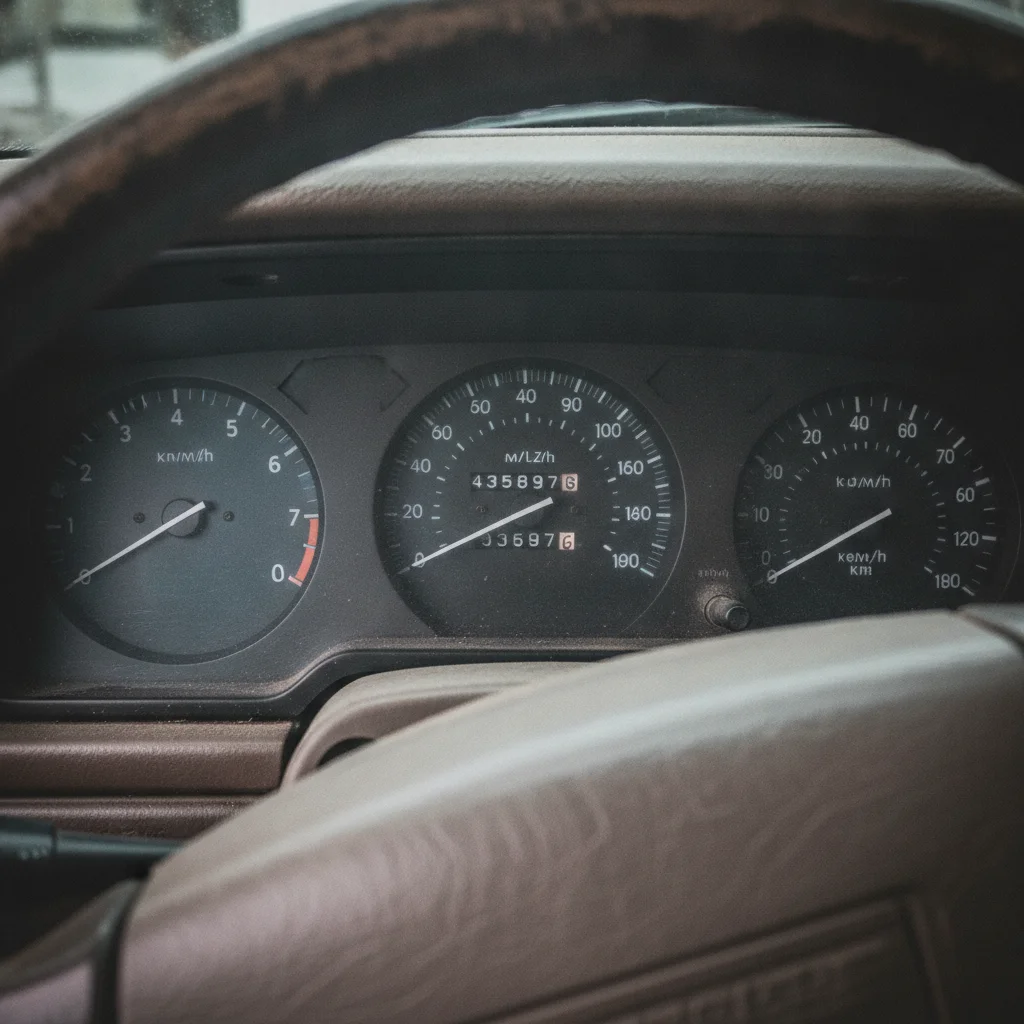
But here's what trips people up: the rate of impact isn't linear. High mileage hurts less on a car that's already at 80,000 miles than it does on one at 20,000. Going from 30,000 to 45,000 miles tends to cost more in value than going from 80,000 to 95,000. Early-life mileage penalizes resale the most.
The flip side is also true — very low mileage on an older car can actually boost resale value above what depreciation tables suggest, because it signals limited wear regardless of age.
25%
Value lost in the first year of ownership
According to Edmunds, most new cars lose between 15% and 25% of their value in year one alone, with the steepest drop occurring in the first few months.
49%
Average 5-year depreciation across all vehicle segments
A 2023 iSeeCars study found that the average vehicle retains roughly half its original value after five years of ownership.
$0.08
Value lost per mile above the 15k/year threshold
Valuation models like Black Book estimate that excess mileage above benchmarks can reduce value by roughly $0.06–$0.10 per mile depending on segment.
33%
Lower resale value for unusual paint colors vs. neutral
iSeeCars research found certain non-standard colors can depreciate significantly faster than white, silver, and gray counterparts in the same model line.
Brand Reputation, Model History, and the Reliability Premium
A car's brand and its track record in the used market have an outsized effect on depreciation. Brands with strong long-term reliability reputations — think Toyota, Honda, and Subaru for mainstream vehicles — consistently hold value better than brands where buyers perceive higher long-term ownership risk.
This isn't just perception. When a model has a well-documented history of lasting 200,000 miles without major mechanical failures, the used market rewards it. Buyers will pay more for known reliability. That demand floor keeps resale values elevated.
On the other end, brands that have struggled with quality control, high repair costs, or parts availability issues tend to depreciate faster. Even if a specific model year was well-built, the brand's reputation can drag it down — especially for buyers who don't research individual model years.
For a detailed look at how brand and segment interact with depreciation, see slow depreciators vs. fast depreciators.
Depreciation
The reduction in a vehicle's monetary value over time due to age, use, and market conditions. It's typically expressed as a percentage of original value lost over a set number of years.
Residual Value
The estimated worth of a vehicle at the end of a lease term or a set time period. Higher residual values indicate slower depreciation and are used by lenders to set lease payments.
Market Demand
The level of buyer interest in a particular vehicle type at a given time. High demand tends to support resale prices; low demand allows values to fall faster.
Battery Degradation
The gradual loss of an EV battery's ability to hold a full charge over time and charge cycles. It's a key depreciation concern for used EV buyers because it directly affects usable range.
Trim Level
A specific configuration variant of a vehicle model, typically ranging from base to premium. Different trim levels have different features and original MSRPs, which affects their resale dynamics.
Supply Shock
A sudden, unexpected disruption to vehicle supply — like a manufacturing shutdown or parts shortage — that can temporarily reverse or pause normal depreciation trends by reducing the availability of vehicles.
Fuel Type and Powertrain: How Technology Shifts Change the Math
The fuel type and powertrain configuration of a vehicle increasingly affects its depreciation rate — particularly as the auto market shifts toward electrification.
Traditional gasoline-powered cars have the most predictable depreciation curves because there's a large, established used market for them. Buyers know what they're getting, parts are widely available, and mechanics everywhere can service them.
Plug-in hybrids and battery electric vehicles (BEVs) have more complicated depreciation stories. Early-generation EVs — especially those with smaller battery packs — have depreciated steeply as newer models offered significantly more range. Battery degradation concerns also spook buyers who can't easily verify pack health without a diagnostic scan.
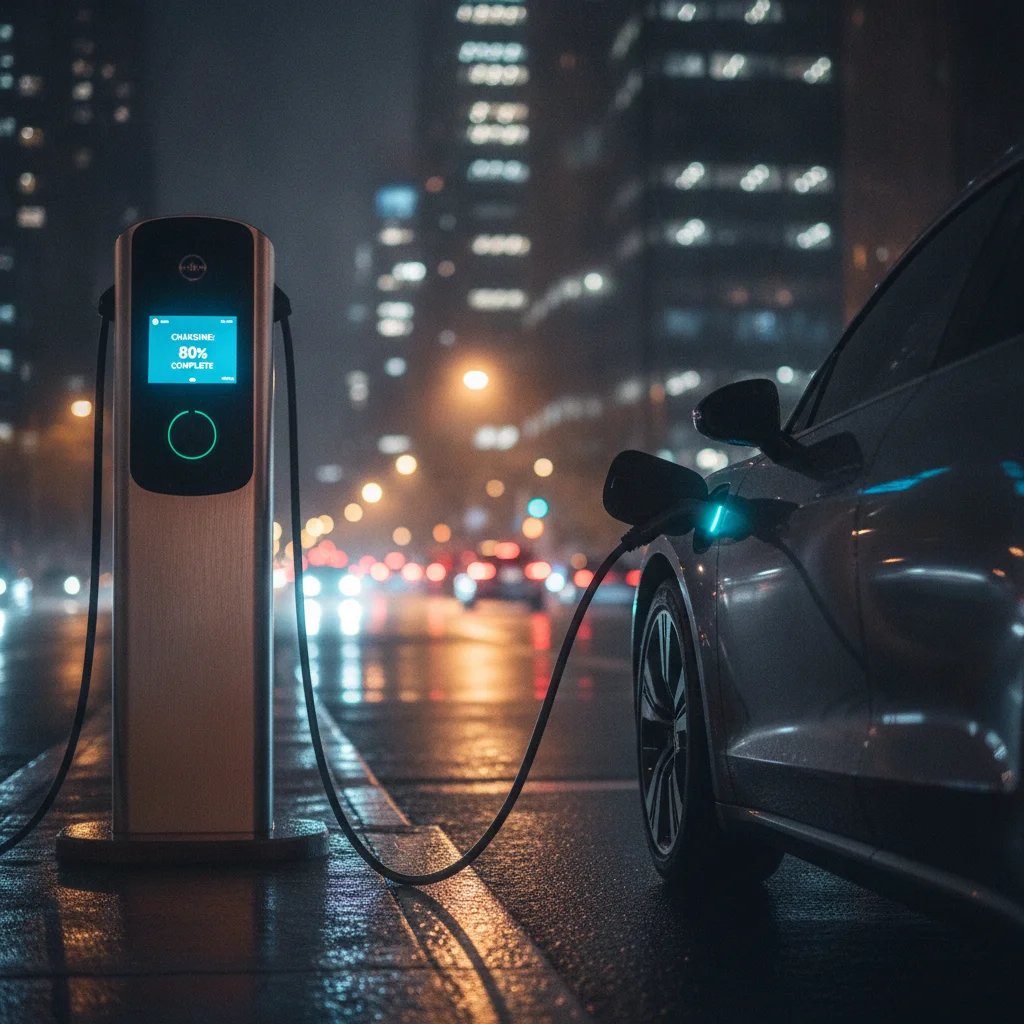
However, newer mainstream EVs from established brands are beginning to hold value better as range anxiety fades and the used market matures. Federal tax credit eligibility on used EVs (under the Inflation Reduction Act) has also started to influence resale pricing dynamics for qualifying models.
Diesel vehicles occupy a niche where depreciation depends heavily on the use case. A diesel pickup used for towing holds value exceptionally well. A diesel passenger sedan can depreciate sharply because the use-case justification is weaker for most buyers.
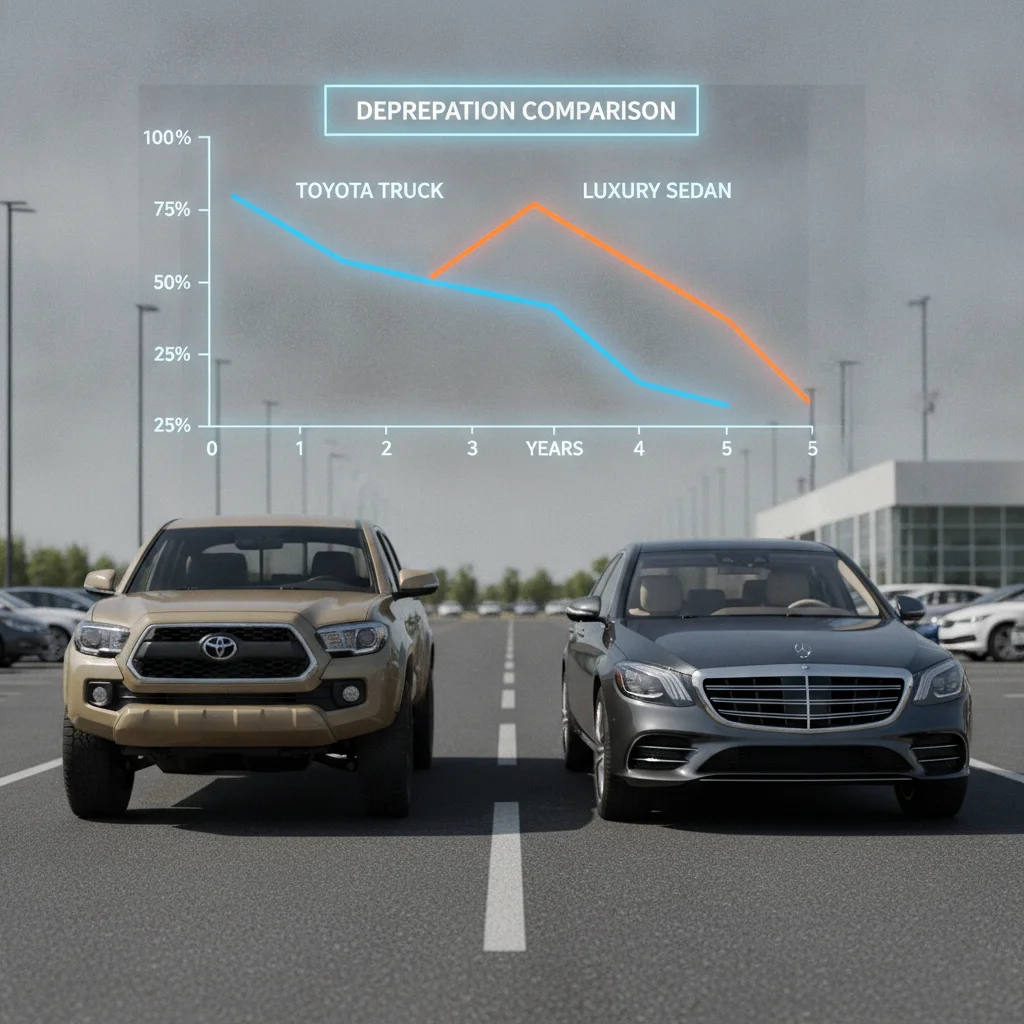
Luxury vehicles with complex powertrains face compounded depreciation pressure — high repair costs combine with accelerated value loss. Why luxury cars depreciate faster than economy models breaks down that dynamic in detail.
Color, Trim, and Configuration: The Details That Move the Needle
Most people don't think about paint color when they're buying a car, but it consistently shows up in resale data. Neutral colors — white, silver, gray, and black — depreciate slower because they have the broadest buyer appeal. Unusual colors, even attractive ones, shrink your buyer pool at resale time.
A bright yellow sports car might be exactly what a specific buyer wants, but it's going to sit on the lot longer than the same car in silver. Dealers know this, which is why you'll see markdowns on unusual colors.
Trim level matters too, but in a counterintuitive way. Mid-range trims often hold their value best because they hit the sweet spot of features without the premium sticker price of top trims. The base trim can feel too stripped for most buyers, and the loaded top trim starts depreciation from a higher absolute dollar amount — which means larger absolute losses even if the percentage is similar.
Options and packages affect value too — but only if they're things buyers actually want. A sunroof, all-wheel drive, and a navigation system add resale value. A rare interior color option or an unusual wheel package might not. The safest bet is popular options that are genuinely useful, not exotic ones.
Aftermarket Modifications and Resale Value
Adding aftermarket wheels, suspension lifts, tinted windows, or performance modifications can actually hurt resale value — even if the parts cost you real money. Most buyers either don't value the mod or actively prefer a stock vehicle they can verify. Modifications also raise questions about how the car was driven. If you've made changes to your vehicle, factor that into your resale expectations.
Accident History Has a Lasting Impact
A vehicle with a reported accident on its Carfax or AutoCheck report depreciates faster regardless of how well the repair was done. Most buyers discount accident-history vehicles by 10–25% compared to clean-history equivalents. Even a minor fender bender, properly repaired, can reduce what you get at resale. Keeping your car accident-free isn't just about safety — it's a real financial consideration.
Insurance and Depreciation Are Connected
Depreciation affects your insurance costs and coverage in ways many owners don't realize. As your car's value drops, carrying comprehensive and collision coverage becomes a less efficient use of premium dollars. Insurers also use actual cash value (ACV) — which reflects depreciation — to settle total loss claims. Understanding how your vehicle's value is tracked can help you make smarter coverage decisions over time.
Owners who don't realize these factors are silently working against them often make choices that cost them at resale. Things owners unknowingly do that accelerate their car's depreciation covers the behavioral side of this — habits that quietly chip away at what you'll get when you sell.
Market Conditions, Segment Demand, and Timing Your Sale
Depreciation doesn't happen in a vacuum — the used car market has its own cycles, and external forces can dramatically affect what your vehicle is worth at any given moment.
The COVID-19 pandemic is the most vivid recent example. Supply chain disruptions caused new car inventories to collapse. Used car prices spiked to levels that defied all historical depreciation models. Vehicles that should have been worth $12,000 were selling for $18,000. That wasn't normal depreciation reversal — it was a supply shock. It corrected, but the lesson holds: market timing matters.
More predictably, seasonal demand shifts affect value in ways you can plan around. Trucks and SUVs typically peak in value in late winter and early spring, when buyers are thinking about towing and hauling. Convertibles and sports cars move best in spring and early summer. Selling in the right season can mean hundreds to thousands of dollars more in your pocket.
Segment-level demand shifts also matter. If gas prices spike, large SUVs and trucks lose value faster because fewer buyers want the fuel cost exposure. When gas prices fall, demand — and prices — recover. If you're holding a large truck and gas prices are rising sharply, that's a signal to pay attention to your resale window.
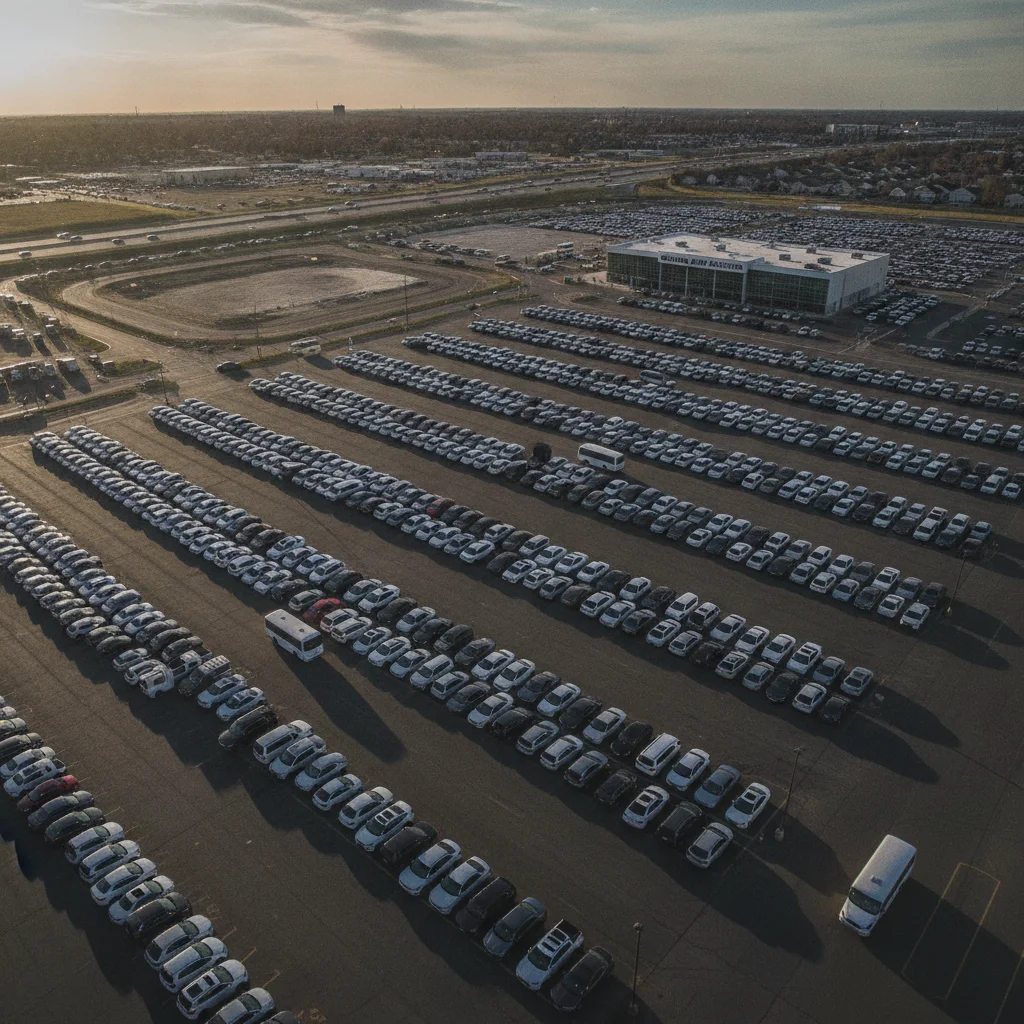
Interest rates are another lever. High rates make financing more expensive, which softens demand for used cars at higher price points and pushes more buyers toward cheaper options. That can compress resale values on premium and near-luxury vehicles more than economy-segment vehicles.
The bottom line: depreciation is real and relentless, but the rate is shaped by forces you can monitor. Staying aware of how age, mileage, and condition interact helps you pick the right exit point — not just the obvious one.
Kelley Blue Book (KBB)
The most widely used vehicle valuation tool in the U.S. Use it to track your car's current market value and see how mileage, condition, and trim affect what buyers are paying.
iSeeCars Depreciation Calculator
A data-driven tool that lets you look up how specific makes and models have depreciated historically — useful for comparing vehicles before you buy or setting a sell timeline.
Carfax Vehicle History Report
Pulls accident history, title records, and mileage logs for a used vehicle. Since accident history and title issues accelerate depreciation, this is essential before buying or pricing a used car.
NADA Guides
The National Automobile Dealers Association's valuation guide, commonly used by lenders and dealers. Comparing KBB and NADA values gives you a realistic range for negotiations.
Depreciation Basics Hub
Our own resource covering how age, mileage, and condition interact to drive down vehicle value — a practical starting point for sellers and buyers navigating the used market.

All claims are backed by peer-reviewed research. Sources on request.