Key Takeaways
Exceeding Liability Limits
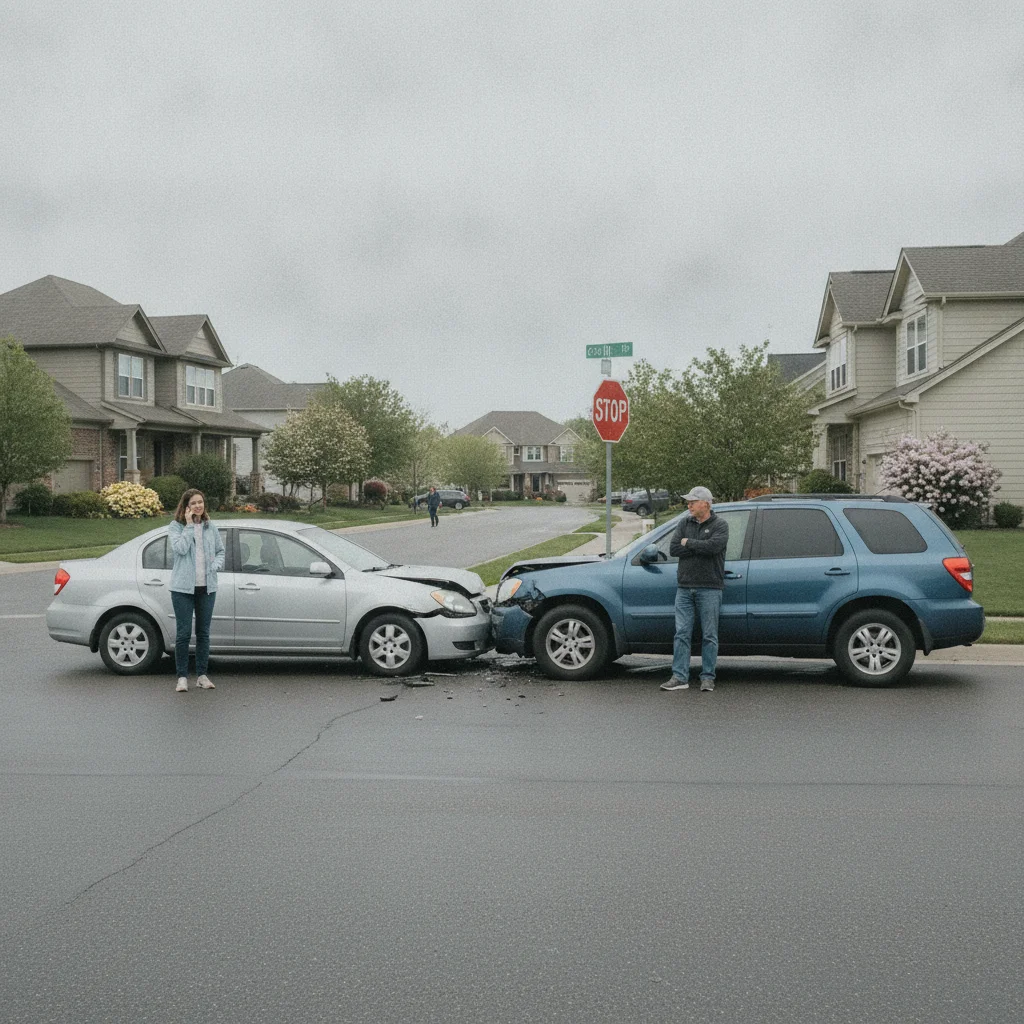
Your liability car insurance pays out up to a fixed dollar amount — your policy limit — for injuries and property damage you cause to others. When the total damages from an accident you caused are higher than that limit, your insurer stops paying at the cap and you become personally responsible for everything above it. That gap between what your insurer pays and what the other party is owed comes directly out of your own pocket.
In legal terms, the injured party can pursue a deficiency judgment against you for the excess amount, which may be enforced through wage garnishment, bank levies, or liens on real property depending on state law.
Your Liability Limit Is a Hard Stop
When you buy car insurance, you choose a liability limit — a maximum dollar amount your insurer will pay on your behalf if you cause an accident. That limit is not a suggestion or a starting point for negotiation. It is a hard contractual ceiling, and once claims costs hit it, your insurer closes its checkbook.
Think of it like a gift card. The card has a fixed balance. Once you spend it, it's gone — the cashier doesn't cover the rest of your groceries. In the same way, if a serious accident generates $250,000 in medical bills and property damage, but your policy only carries a $100,000 combined limit, the remaining $150,000 doesn't just disappear. It becomes your debt.
To understand what liability coverage actually pays for in the first place, it helps to start with a clear picture of the policy itself. What liability car insurance actually covers breaks down the two components — bodily injury and property damage — and the specific situations where each one applies.

This gap between your coverage ceiling and the actual damages is where things get serious, and it's the part most drivers don't think about when they're choosing a policy.
What Happens Legally After Your Limits Are Exhausted
Here's the sequence that tends to unfold after a major at-fault accident:
- Your insurer investigates and pays up to your limit. This happens relatively quickly in clear liability cases. If your bodily injury limit is $50,000 per person and the injured driver has $80,000 in medical expenses, your insurer pays $50,000 and notifies the claimant that limits are exhausted.
- The injured party evaluates their options. If the shortfall is significant, they — and their attorney — will almost certainly consider whether you have personal assets worth pursuing. A skilled personal injury lawyer will research your financial profile before advising their client to proceed with a lawsuit.
- A civil lawsuit is filed against you personally. The suit targets the excess amount — in our example, the remaining $30,000. You'd need to hire your own attorney at this point, since your insurer's duty to defend you ends once your limits are paid.
- A court judgment is entered. If the court finds in the injured party's favor, you now owe them a legally enforceable debt. That judgment can typically be renewed and remains collectable for many years depending on state law.
- Collection begins. The judgment creditor can pursue wage garnishment, bank levies, or liens on real property to satisfy the debt.
“The biggest mistake drivers make is confusing the minimum coverage required by law with the minimum coverage needed to protect their financial lives. Those are very different numbers.”
— Amy Bach, Executive Director, United Policyholders — a nonprofit insurance consumer advocacy organization
For a closer look at the full claims timeline — from the moment of impact through final settlement — how liability insurance responds after an at-fault accident walks through each stage in detail.
Your Insurer's Duty to Defend Has Limits
Your auto insurer is obligated to defend you in covered liability claims — but only up to your policy limits. Once your limits are paid out, the insurer's legal obligation to defend you ends. If a lawsuit continues beyond that point, you'll need to retain and pay for your own attorney. This is one reason personal umbrella policies are so valuable: they extend both the financial coverage and the duty to defend.
State Exemption Laws Vary Significantly
What assets can be seized after a civil judgment depends heavily on where you live. Some states — like Florida and Texas — offer robust homestead exemptions that protect significant home equity. Others offer far less protection. Retirement accounts (401(k)s and IRAs) are generally well-protected under federal law, but the details matter. If you're concerned about your exposure, a licensed attorney in your state can give you a precise picture.
Bad Faith Claims Against Your Insurer
In some cases, if your insurer unreasonably refuses a settlement offer that falls within your policy limits and a judgment comes in above those limits, you may have a bad faith claim against your own insurer for the excess. These are complex legal situations, but they do occur. Document all communications with your insurer throughout the claims process, and consult an attorney if you believe your insurer is mishandling your case.
The Real Cost of Low Liability Limits
Most states require only the bare minimum liability coverage to register and drive a vehicle. Those minimums — sometimes as low as $15,000 per person for bodily injury — were set decades ago and have not kept pace with the cost of medical care, vehicle repair, or litigation.
$25,000
Common state minimum bodily injury limit per person
Many states set minimum liability requirements as low as $25,000 per person for bodily injury — a figure that has not meaningfully changed despite decades of medical cost inflation.
$20,000+
Average ER visit cost in the U.S.
According to Health System Tracker data, the average emergency department visit in the U.S. costs over $2,000 — and serious trauma care can reach tens of thousands before surgery or rehabilitation.
$150–$300
Typical annual cost of a $1M umbrella policy
Industry surveys consistently show that personal umbrella policies providing $1 million in coverage cost most households between $150 and $300 per year, making them among the most cost-effective insurance products available.
10–20 years
How long a civil judgment can remain collectable
Depending on state law, civil judgments — including those from excess liability claims — can remain enforceable for 10 to 20 years and are often renewable, meaning creditors have a long window to collect.
4 in 10
Drivers carrying only minimum required liability
Industry estimates suggest a substantial share of U.S. drivers carry only state-minimum liability coverage, leaving them significantly exposed in any serious at-fault accident.
Consider a relatively common scenario: a moderate-speed rear-end collision causes whiplash and a herniated disc in the other driver. Treatment — including ER visit, imaging, physical therapy, and potential surgery — can easily reach $80,000 to $120,000. If your policy carries a $25,000/$50,000 split limit, your insurer pays $25,000 toward that one person's injuries. The other $55,000 to $95,000 is yours to cover.
Now add a passenger in the other vehicle with similar injuries. Your insurer pays up to $50,000 across both people combined. The gap widens further. And we haven't touched property damage, lost wages, or pain-and-suffering damages that often accompany serious injury claims.
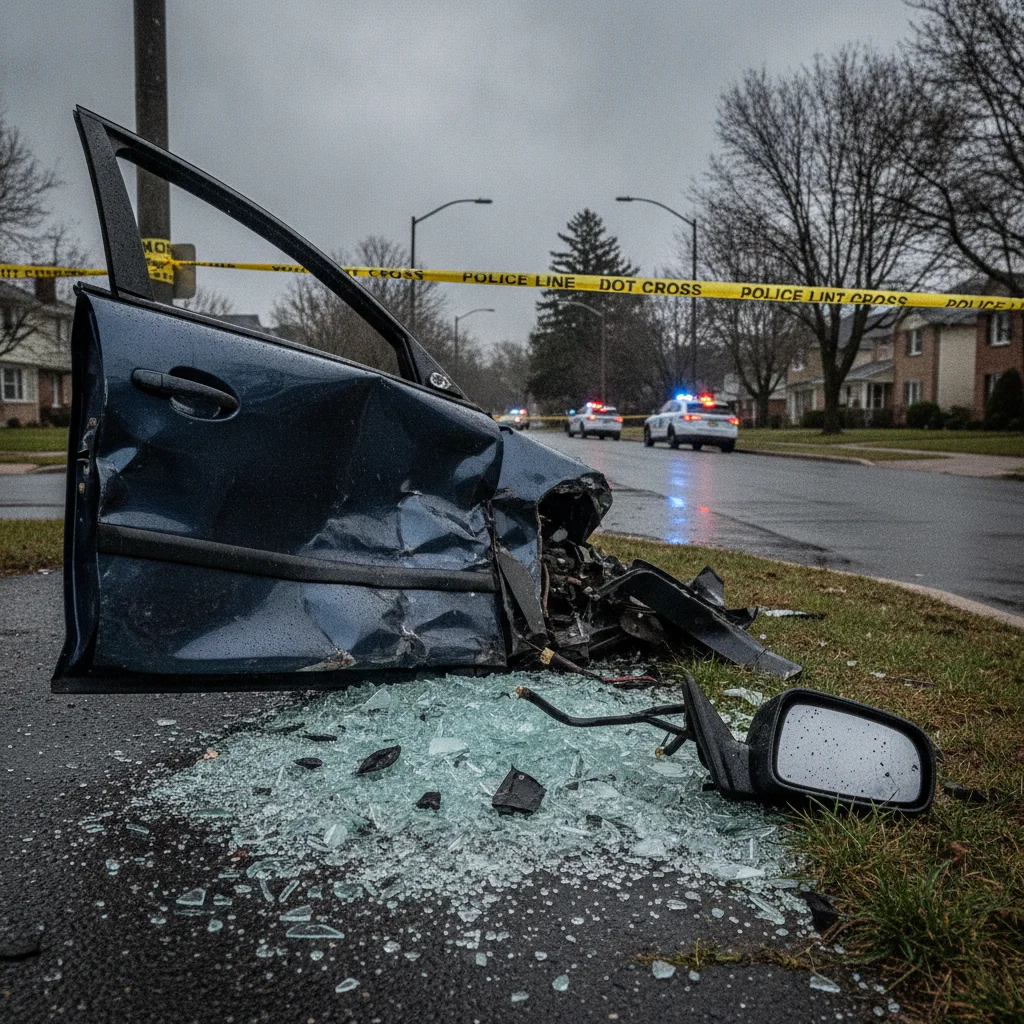
The financial exposure here is not hypothetical. It's a predictable arithmetic problem — and the solution is choosing limits that reflect what you actually stand to lose.
Match Your Limits to Your Net Worth
A useful rule of thumb: your total liability limits — including any umbrella coverage — should be at least equal to your net worth. If you have $300,000 in assets, make sure you have at least $300,000 in total liability protection. This ensures that a court judgment, even in a serious accident, cannot strip away everything you've built.
Bundle Your Umbrella for the Best Rate
Most insurers require you to have both your auto and homeowners policies with them before they'll issue an umbrella policy. The upside: bundling all three typically comes with a multi-policy discount that offsets much of the umbrella's cost. Ask your current insurer for a bundled quote before shopping separately.
Review Your Limits After Major Life Changes
Bought a home? Got a significant raise? Inherited assets? Each of these events increases what you stand to lose in a liability judgment — and your coverage should reflect that. Make a habit of reviewing your liability limits any time your net worth increases meaningfully.
Which of Your Assets Are Actually at Risk
Not everything you own is equally exposed after a judgment. State laws vary significantly on what can and cannot be seized to satisfy a civil debt, but here is a general picture of what's typically at risk and what may be protected:
Generally at Risk
- Savings and checking accounts: A bank levy allows a creditor to freeze and withdraw funds directly from your account.
- Non-retirement investment accounts: Brokerage accounts, stocks, bonds, and mutual funds held outside of tax-advantaged retirement accounts are typically fair game.
- Real estate equity: A judgment lien can be placed on your home or other property. While a forced sale is rare, the lien must be satisfied when you sell or refinance.
- Future wages: Wage garnishment — where a portion of your paycheck is redirected to the creditor — is one of the most commonly used collection tools.
Often Protected (Varies by State)
- Retirement accounts: 401(k)s and IRAs generally carry strong federal and state protections against creditor claims.
- Home equity (homestead exemption): Many states protect a set amount of home equity from forced sale, though the amounts vary widely.
- Certain personal property: States often exempt basic household goods, tools of trade, and a portion of vehicle equity.
Your Insurer's Duty to Defend Has Limits
Your auto insurer is obligated to defend you in covered liability claims — but only up to your policy limits. Once your limits are paid out, the insurer's legal obligation to defend you ends. If a lawsuit continues beyond that point, you'll need to retain and pay for your own attorney. This is one reason personal umbrella policies are so valuable: they extend both the financial coverage and the duty to defend.
State Exemption Laws Vary Significantly
What assets can be seized after a civil judgment depends heavily on where you live. Some states — like Florida and Texas — offer robust homestead exemptions that protect significant home equity. Others offer far less protection. Retirement accounts (401(k)s and IRAs) are generally well-protected under federal law, but the details matter. If you're concerned about your exposure, a licensed attorney in your state can give you a precise picture.
Bad Faith Claims Against Your Insurer
In some cases, if your insurer unreasonably refuses a settlement offer that falls within your policy limits and a judgment comes in above those limits, you may have a bad faith claim against your own insurer for the excess. These are complex legal situations, but they do occur. Document all communications with your insurer throughout the claims process, and consult an attorney if you believe your insurer is mishandling your case.
If you're uncertain what would be at risk in your specific state, a licensed attorney can walk you through the applicable exemptions. The point is: if you have savings, a home, or a steady income, you have something worth protecting.
How to Close the Gap Before an Accident Happens
The good news is that protecting yourself from this exposure is genuinely straightforward — and more affordable than most drivers expect. There are two main levers:
1. Raise Your Auto Liability Limits
Increasing from state minimums to a $100,000/$300,000/$100,000 policy (bodily injury per person / per accident / property damage) often costs less than $100 more per year. Moving to $250,000/$500,000 adds another modest increment. For most drivers, the premium difference is small relative to the protection gained.
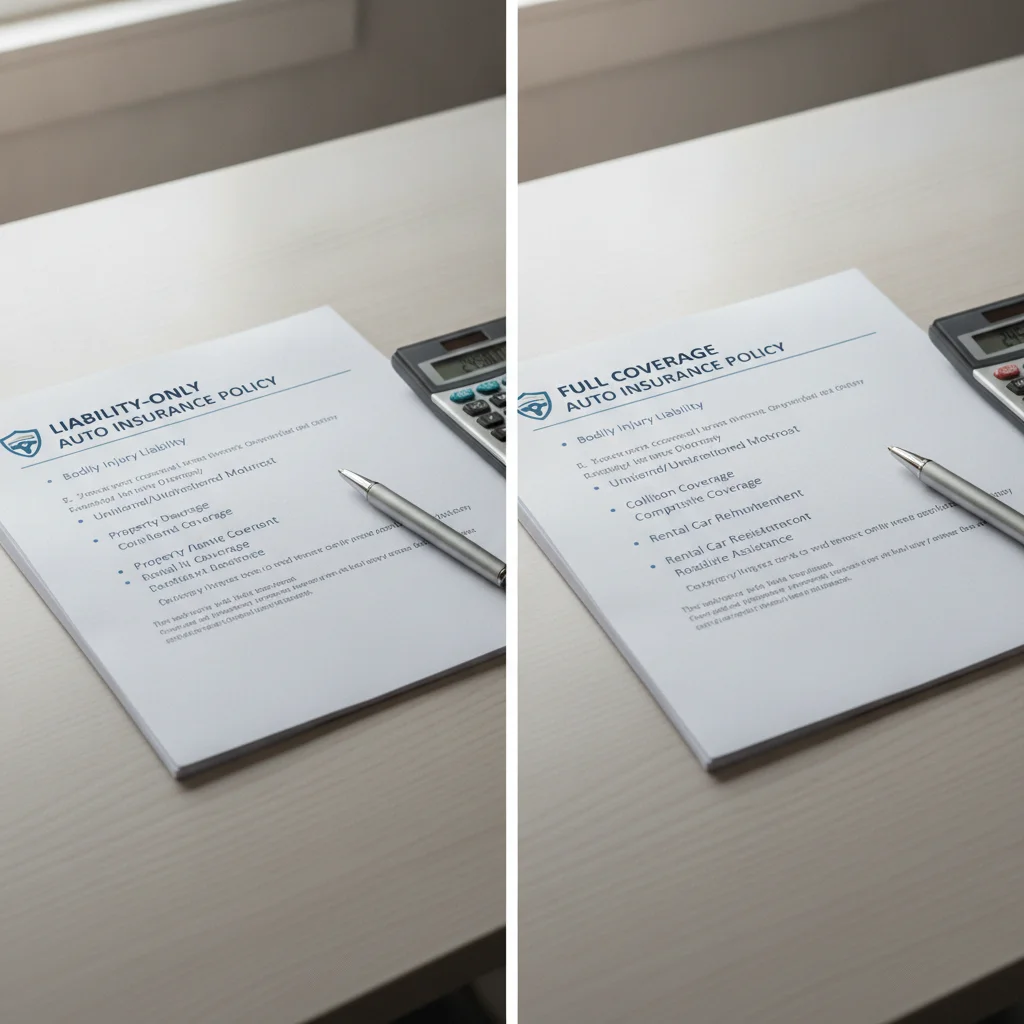
When you're weighing your coverage options more broadly, liability limits vs. full coverage helps clarify the tradeoffs between raising liability limits and adding comprehensive or collision protection for your own vehicle.
2. Add a Personal Umbrella Policy
An umbrella policy is a separate layer of liability coverage that activates once your underlying auto (or homeowners) limits are exhausted. A $1 million umbrella typically costs between $150 and $300 per year — less than $1 per day — and provides coverage that far exceeds what most serious accidents will ever generate in damages.
For drivers with meaningful assets — a home, retirement savings, a solid income — an umbrella policy is often the single most cost-effective insurance purchase available.
Match Your Limits to Your Net Worth
A useful rule of thumb: your total liability limits — including any umbrella coverage — should be at least equal to your net worth. If you have $300,000 in assets, make sure you have at least $300,000 in total liability protection. This ensures that a court judgment, even in a serious accident, cannot strip away everything you've built.
Bundle Your Umbrella for the Best Rate
Most insurers require you to have both your auto and homeowners policies with them before they'll issue an umbrella policy. The upside: bundling all three typically comes with a multi-policy discount that offsets much of the umbrella's cost. Ask your current insurer for a bundled quote before shopping separately.
Review Your Limits After Major Life Changes
Bought a home? Got a significant raise? Inherited assets? Each of these events increases what you stand to lose in a liability judgment — and your coverage should reflect that. Make a habit of reviewing your liability limits any time your net worth increases meaningfully.
A Note on Judgment-Proof Drivers
You may have heard the term "judgment-proof" — the idea that if you have no assets and a modest income, a judgment against you has nothing to collect. There's some truth to this, but it comes with important caveats.
First, judgments don't expire quickly. Depending on the state, a civil judgment can remain active and collectable for 10 to 20 years, and creditors can often renew them. If your financial situation improves — you inherit money, buy a home, get a better job — the judgment is still there.
Second, wage garnishment applies even to modest incomes. Federal law limits the amount that can be garnished, but a creditor can still claim a portion of your take-home pay for years.
Third, the emotional and administrative burden of a lawsuit and active judgment is real, even if the immediate financial collection is limited. Court appearances, legal fees, credit damage, and ongoing creditor contact are all part of the picture.
The wiser approach — even for drivers without significant current assets — is to carry reasonable liability limits and build toward an umbrella policy as your financial situation grows.

What to Do if You're Already Facing an Excess Judgment
If an accident has already occurred and you're now facing a claim or judgment that exceeds your coverage, here's where to focus:
- Contact your insurer immediately and stay in close contact throughout the claims process. Your insurer has a duty to negotiate in good faith on your behalf up to your limits, and in some cases — particularly where they mishandle a clear settlement opportunity — they may be liable for amounts exceeding your limit.
- Consult a personal attorney. Once your limits are exhausted, you need independent legal representation. Your insurer's attorneys represent the insurer's interests, not yours.
- Understand your state's exemptions. Knowing what's protected in your state helps you make informed decisions about how to respond to collection efforts.
- Consider negotiating directly. In some cases, injured parties — particularly if the excess amount is modest — may be willing to negotiate a lump-sum settlement for less than the full judgment. An attorney can help facilitate this.
- Review your umbrella policy if you have one. If you purchased an umbrella and forgot about it, now is the time to file a claim on it. It exists exactly for this situation.
Your Insurer's Duty to Defend Has Limits
Your auto insurer is obligated to defend you in covered liability claims — but only up to your policy limits. Once your limits are paid out, the insurer's legal obligation to defend you ends. If a lawsuit continues beyond that point, you'll need to retain and pay for your own attorney. This is one reason personal umbrella policies are so valuable: they extend both the financial coverage and the duty to defend.
State Exemption Laws Vary Significantly
What assets can be seized after a civil judgment depends heavily on where you live. Some states — like Florida and Texas — offer robust homestead exemptions that protect significant home equity. Others offer far less protection. Retirement accounts (401(k)s and IRAs) are generally well-protected under federal law, but the details matter. If you're concerned about your exposure, a licensed attorney in your state can give you a precise picture.
Bad Faith Claims Against Your Insurer
In some cases, if your insurer unreasonably refuses a settlement offer that falls within your policy limits and a judgment comes in above those limits, you may have a bad faith claim against your own insurer for the excess. These are complex legal situations, but they do occur. Document all communications with your insurer throughout the claims process, and consult an attorney if you believe your insurer is mishandling your case.
Facing an excess liability situation is stressful, but it is a manageable legal process — not a sudden financial collapse. Understanding your options and working with qualified professionals makes the path forward far clearer.

All claims are backed by peer-reviewed research. Sources on request.